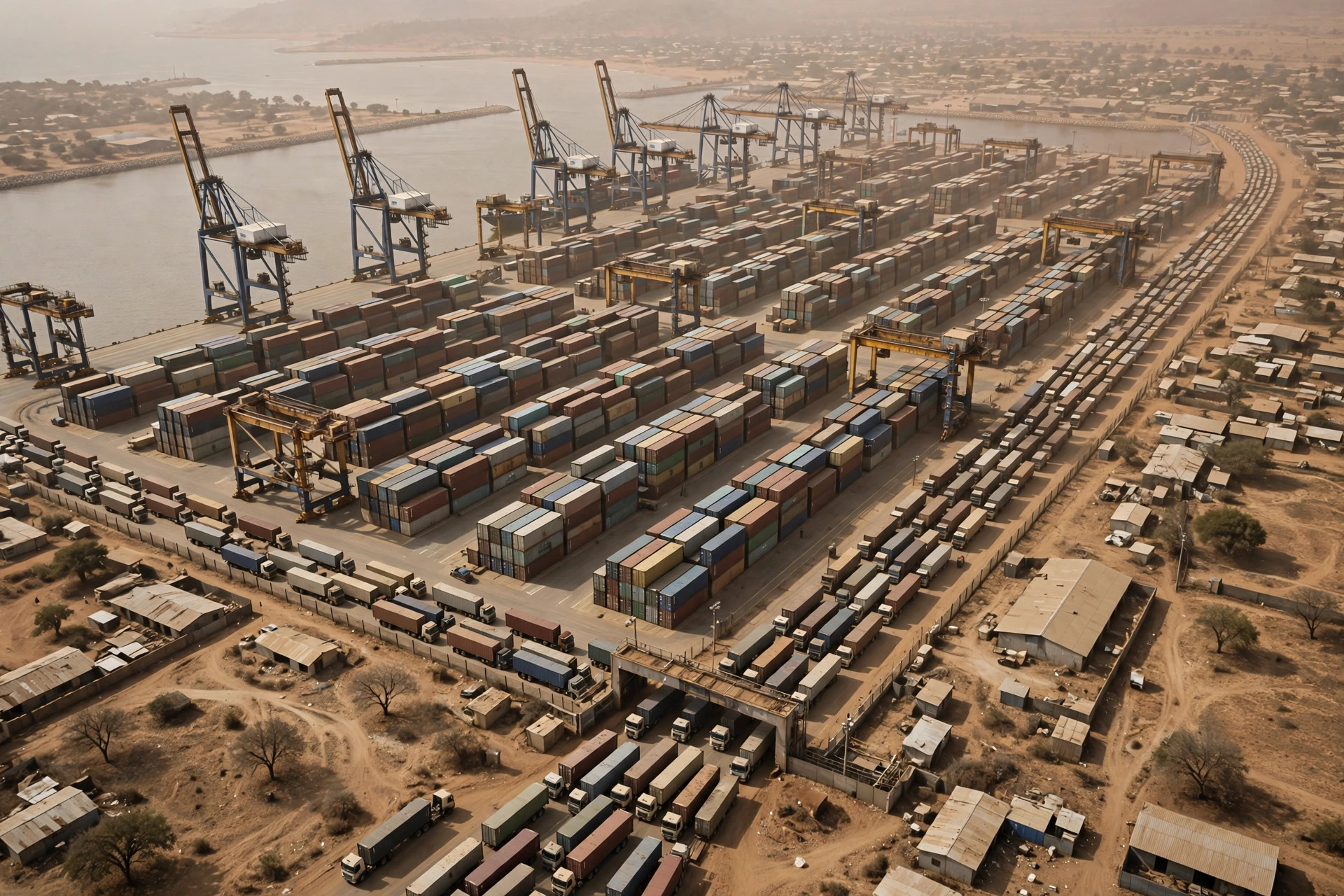
Conclusion first: Lagos Apapa port congestion is back, and importers need a standard playbook, not improvisation. Five moves: book your ETO call-up slot early, stage trucks in a holding bay until called, wire the three-tier gate-closure notices into your tracking sheet, shift urgent boxes to barges, and size your warehouse buffer for a 21-day port stall. In the September 2026 round, APM Terminals and TICT stacking hit 85% and five vessels sat waiting at Lagos anchorage (Nigeria Anchorage, Sept 2026). The winners were not the ones with the cheapest freight — they were the ones with a checklist. And the counterintuitive point up front: during congestion, the most expensive line item is never freight. It is the chain cost of cargo stuck inside the port while your factory waits for material. I have seen that mistake three times.
Why Apapa Keeps Congesting: Know the System
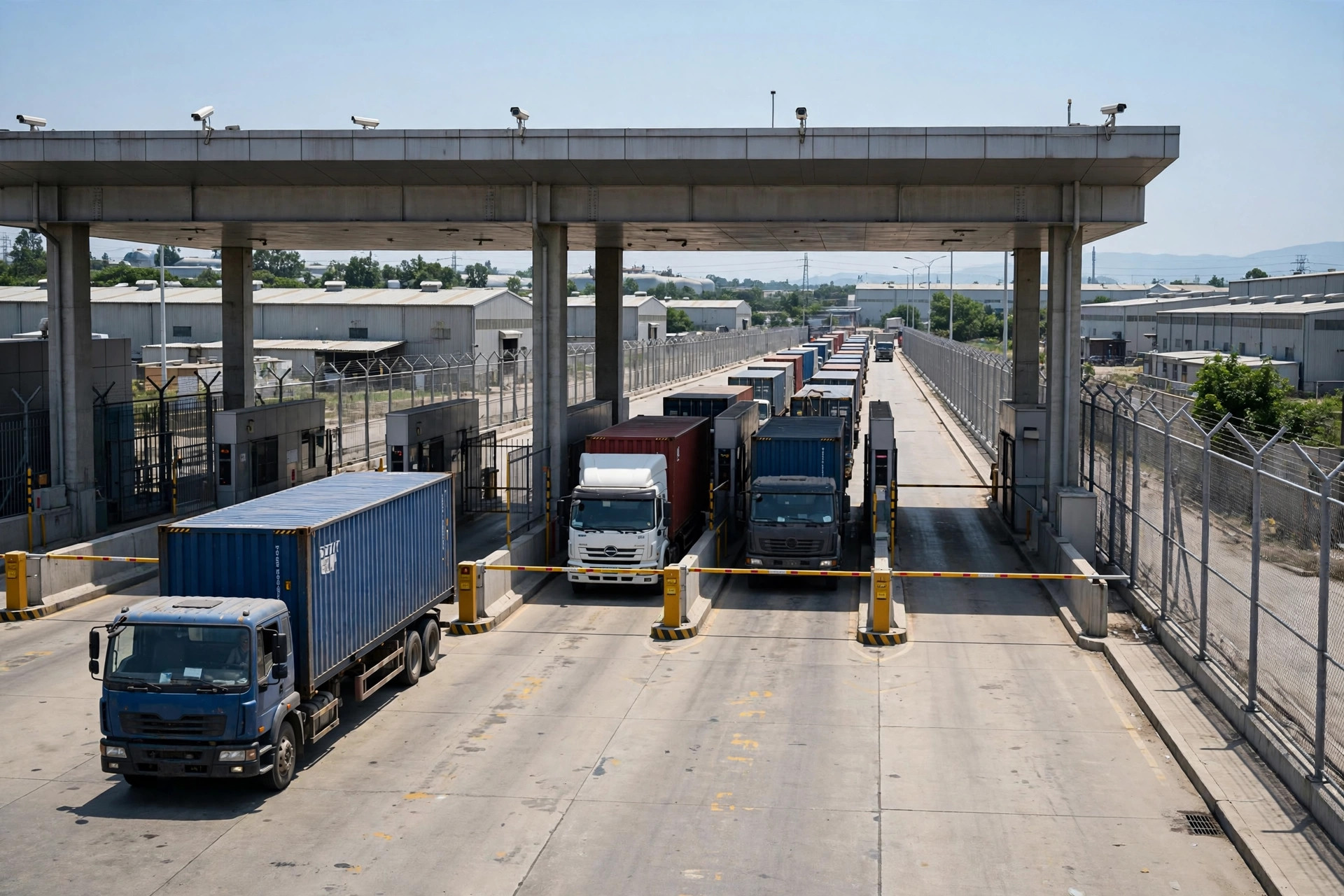
Apapa's gridlock is a decade old. At its 2018–2019 peak, port access roads were nearly impassable and trucks queued for two to three weeks. In February 2021, the Nigerian Ports Authority (NPA) and Trucks Transit Parks (TTP) launched the ETO electronic call-up system: trucks must pre-book a time slot on the platform and enter the port only with a valid call-up slip. Backed by roughly 29 truck parks built with the Lagos State Government — automated gates, CCTV, IT infrastructure — the system moved queuing off the road and into supervised yards.
It worked: over 3.5 million truck movements processed, average turnaround down to two days or less, logistics costs down an estimated 65% (TTP, June 2026); in the World Bank's 2025 CPPI, Tin Can ranked 10th and Apapa 12th among the world's most improved ports. But working is not congestion-proof. In September 2026 stacking climbed and trucks returned to the roads; in October 2026 the NPA warned plainly that trucks without a valid ETO slip would be impounded by NPA Security and LASTMA. This is not a news recap — it is a five-step checklist you can run tomorrow.
Step 1: How the ETO Call-Up Works During Lagos Apapa Port Congestion
ETO is appointment-based port entry. Six steps, no skipping:
- Register vehicles and drivers on TTP's ETO platform first — plate numbers and driver IDs must match. Unregistered trucks cannot book slots.
- Once the shipping line releases the booking and you have bill-of-lading details, book your entry slot immediately against the vessel's arrival. Do not wait until the ship berths.
- Booking generates the ETO call-up slip with a time window. Print it or keep it on the driver's phone — it travels with the truck.
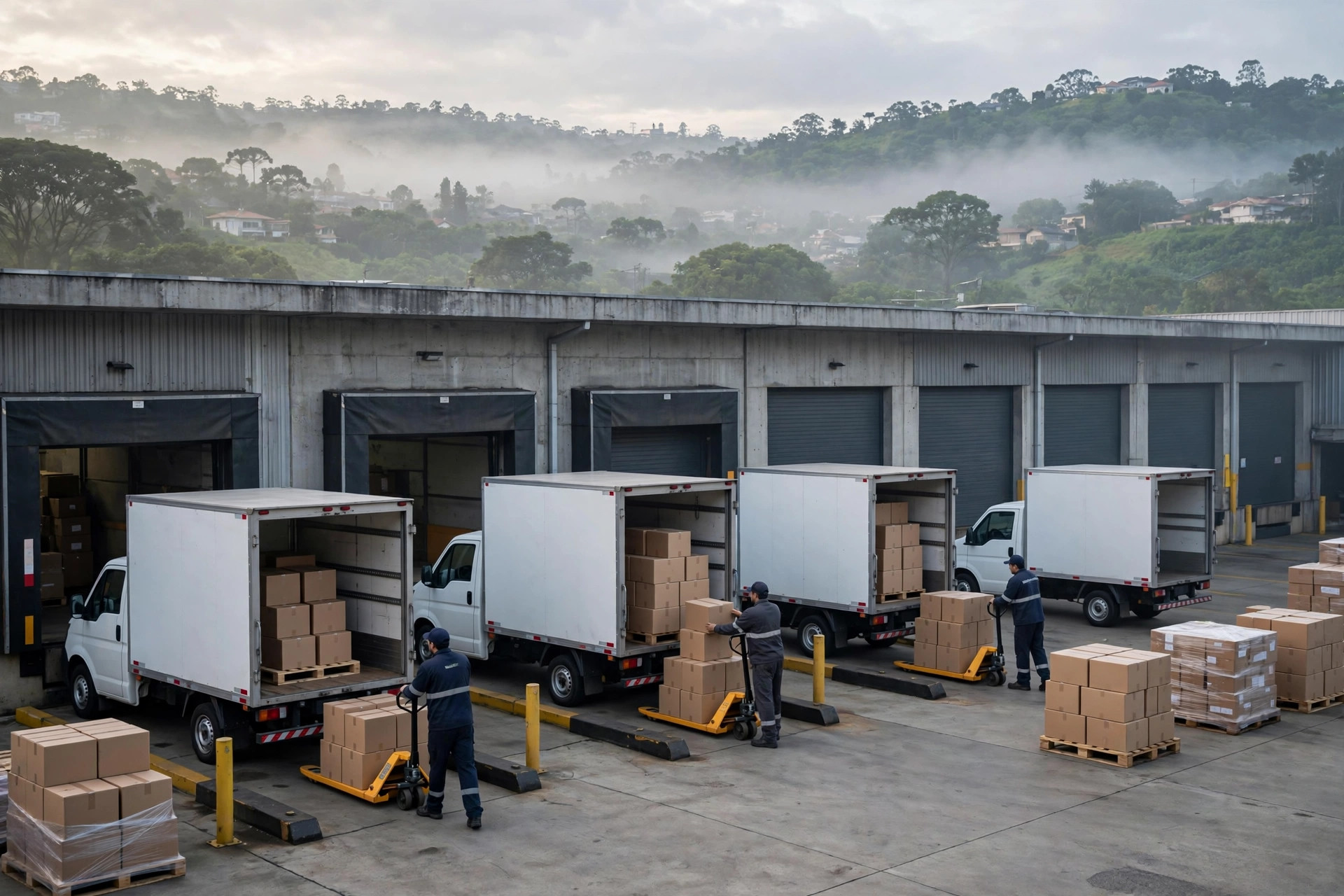
- Drive the truck early into a designated holding bay (see Step 2) and wait for the call-up notification. Never "pre-position" on the port access road.
- On notification, enter within your window. Electronic barriers verify automatically; no slip, no entry.
- After pickup, exit per platform routing. Empty returns go through booking too — do not linger around the port.
The hard rule: never borrow or forge a slip. Trucks without valid slips get impounded roadside, your box stays stuck, and fines and towing pile on.
Step 2: Using the Holding Bays (Lilypond / Tin Can / Orile)
During congestion, the holding bay is your off-road truck pool. In September 2026 the Lagos State Government advised explicitly: park at the approved holding bays at Lilypond, Tin Can, and Orile, and move only on ETO notification.
Make it contractual: write into your transport agreements — with penalties attached, not verbal instructions — that no truck leaves the holding bay without a call-up notice. A driver queuing roadside looks proactive but is volunteering for impoundment. Bay parking fees are pocket change; one impounded truck costs dozens of times more. Watch item: the NPA is reviewing its ETO agreement with TTP (contract expired end of February 2026, running on interim arrangements per NPA, March 2026). Push any platform rule changes to your trucking partners the same day.
Step 3: Wire the Three-Tier Gate-Closure Notices Into Your Tracker
In October 2026 the NPA's Lagos Port Complex manager announced a revised notice regime: shipping lines get an initial notification five days before a gate closure, a second notice three days out, and a final reminder one day ahead (via NPA, Oct 2026).
Treat those three notices as your early-warning radar. On each one, your tracking clerk does three things the same day:
- 5-day: verify ETO slots for every inbound box, book missing ones today, flag the warehouse buffer alert level.
- 3-day: confirm trucks are staged in the holding bay and drivers are reachable; reconcile material status with the factory.
- 1-day: final confirmation of slot and vehicle; arm Plan B (barge or off-dock pickup).
Make the three tiers fixed columns in your tracking sheet. An implementation consultant's occupational hazard: any process that runs on someone's memory will eventually leak.
Step 4: Barge Evacuation (Apapa to Ikorodu / Ijora)
When the road is dead, use the water. During the September 2026 congestion, industry guidance explicitly recommended barges to move boxes from Apapa to Ikorodu and Ijora, bypassing the road entirely (Nigeria Anchorage, Sept 2026).
The trade-off is clean: barges cost more per box but skip traffic with predictable transit. A cheap truck during congestion is fake cheap — three extra days burn driver wages, fuel, and demurrage, and may starve your factory. Shift critical raw materials and high-value boxes to barges the moment a congestion warning appears; keep low-value, non-urgent boxes on trucks. And book barge capacity early: when congestion news breaks, everyone chases the same slots. Keep barge operators on your approved vendor list with rates negotiated in calm weather — not during the storm.
Step 5: Off-Dock Transfer — the Escape Hatch at 85% Stacking
In October 2026 the NPA directed APM Terminals to report yard stock regularly and move import boxes to off-dock terminals where necessary to free terminal space (via NPA, Oct 2026). Read that as your signal: when stacking passes 80%, proactively ask your forwarder about off-dock pickup instead of fighting 85% stacking inside the terminal.
Off-dock adds a handling fee but can be a week faster. Don't stare at the fee — price the seven days of demurrage saved and the value of a factory that never stops.
Setting Your Warehouse Buffer: How Many Days of Safety Stock in a Congestion Window
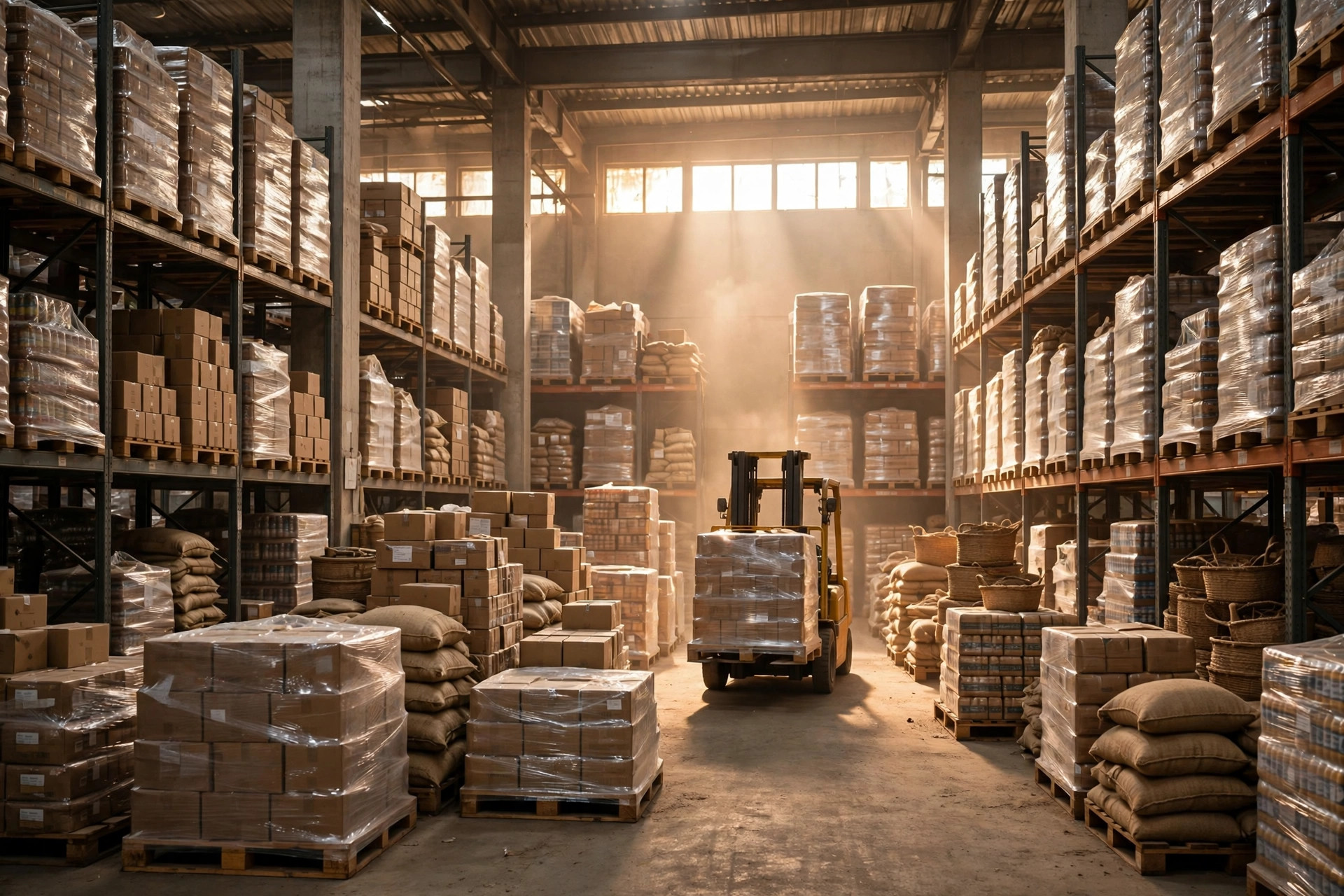
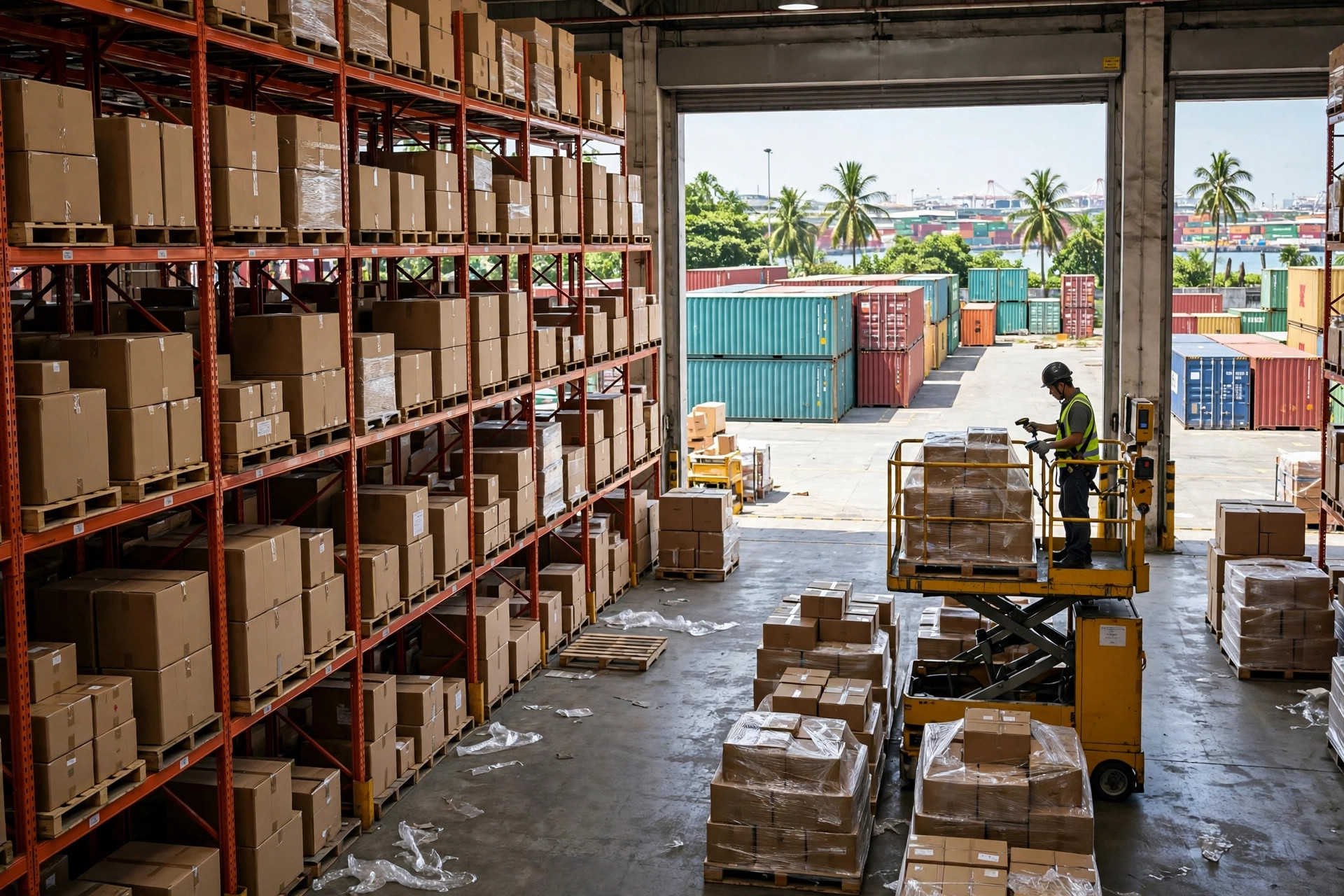
Steps 1–5 get cargo out; this step keeps you alive when cargo can't get out. Buffer days should not be a guess — set three tiers:
- Critical raw materials (a stockout stops the line): 21–28 days — a 21-day port stall plus normal 14-day transit.
- Regular spares and consumables: 14 days.
- Low-value, easily replenished goods: 7–10 days is enough.
Why 21 days? The September 2026 round took roughly three weeks from stacking alarm to clearance. In your safety-stock formula, model port disruption for West Africa at 21 days, not the 7-day historical average — averages lie against fat-tail events like gridlock.
The math settles it:
| Option | Cost |
|---|---|
| 14 extra days of critical-material stock | Carrying cost plus warehousing, roughly 1–2% of goods value |
| 18-day port stall, 2-day line stoppage | Line-down losses, idle wages, order penalties — typically 10–30% of goods value |
Fourteen days of extra stock versus two days of stopped production differ by an order of magnitude. That is what I mean by "freight is never the most expensive line." A 20% freight hike stings; two stopped days can cost you the customer.
Two Real Scenes: One From the News, One From a Project
Scene one (September 2026, on record): APM and TICT at 85% stacking, five vessels held at Lagos anchorage — the Harbour Master said vessels wait until the road clears and terminals make space. That week, anyone without a pre-booked ETO slot and trucks staged in a holding bay burned days on the road.
Scene two (I've seen this three times): a Lagos chemical-raw-material importer kept safety stock at 7 days — "three years, never a problem." In September 2026, two of his boxes sat in port for 18 days and his plant stopped for two. Afterward the math was brutal: 14 extra days of stock would have cost less than a tenth of the stoppage loss. His first move after clearance was raising critical-material safety stock to 21 days. Changing a number in the system takes five minutes; the lesson cost him a small fortune.
Common Failure Points (Go-Live-Night Checklist Style)
- Forged or borrowed ETO slips: impoundment plus fines, slip voided, queue position lost.
- Drivers moving before call-up to "hold position": LASTMA impounds the truck roadside, and it can't move when its slot comes.
- Three-tier closure notices with nobody assigned: boxes arrive, but no truck and no slip is ready.
- Safety stock sized for "normal years": 7 days of stock runs dry in 10 days of congestion.
- Barge vendors sourced last-minute: during congestion the whole market chases the same slots — expensive and unavailable.
Final advice: write "21-day port stall" into your SOP and WMS safety-stock parameters — not into your next post-mortem. Apapa will congest again. Next time, make sure your cargo queues inside a holding bay, not your vessels outside the anchorage.
By Lin Xiao, WMS Implementation Consultant