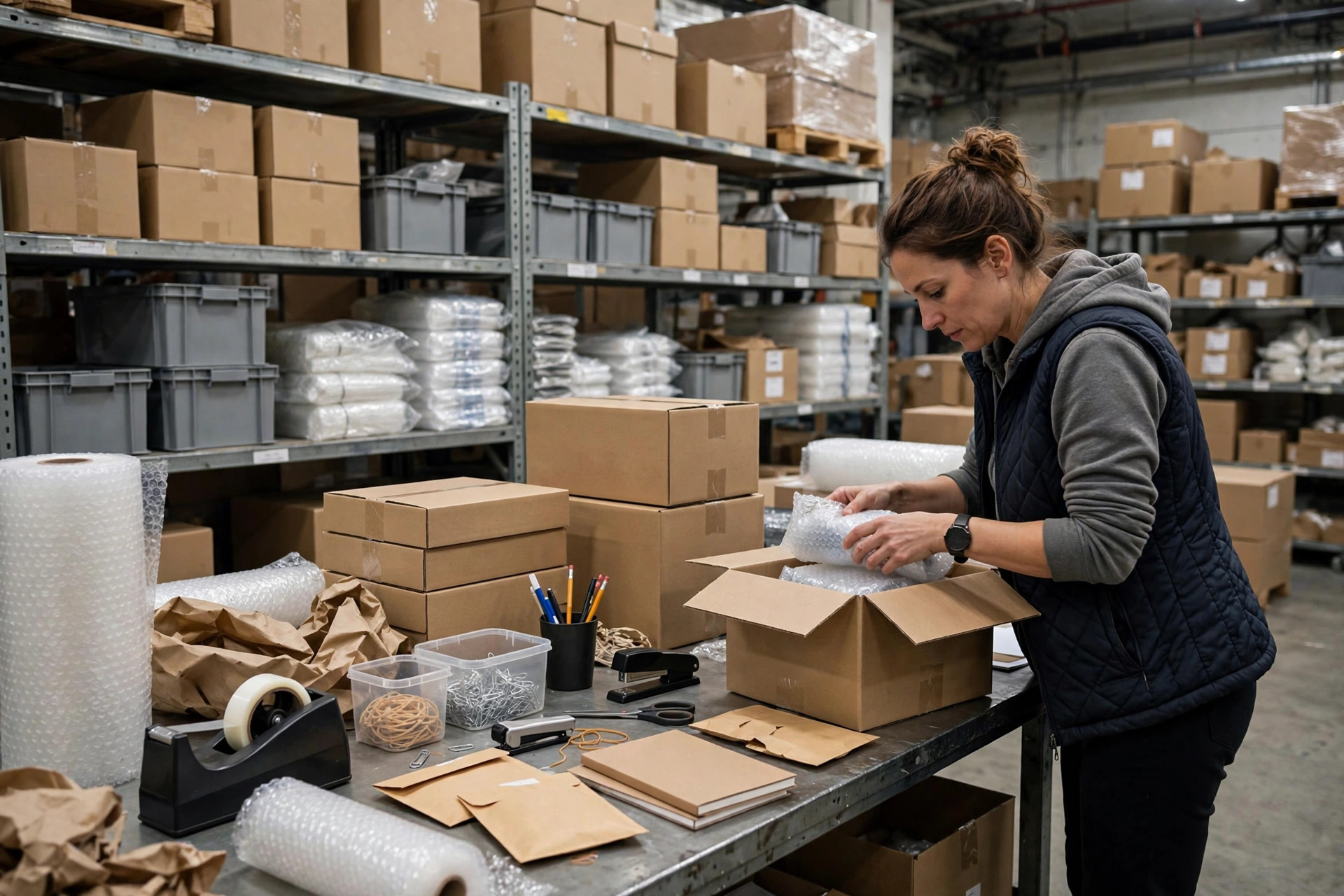
Every year the platforms change the rules, and low-ticket stuff like stationery always takes the first hit. Ad costs up, referral fees up — and then you realize the real margin killer is fulfillment. You sell a pen for three bucks; if picking and packing costs you fifty cents more, that order is basically charity. Five years in, here's how I run stationery ecommerce fulfillment without bleeding out.
Why stationery fulfillment is uniquely painful
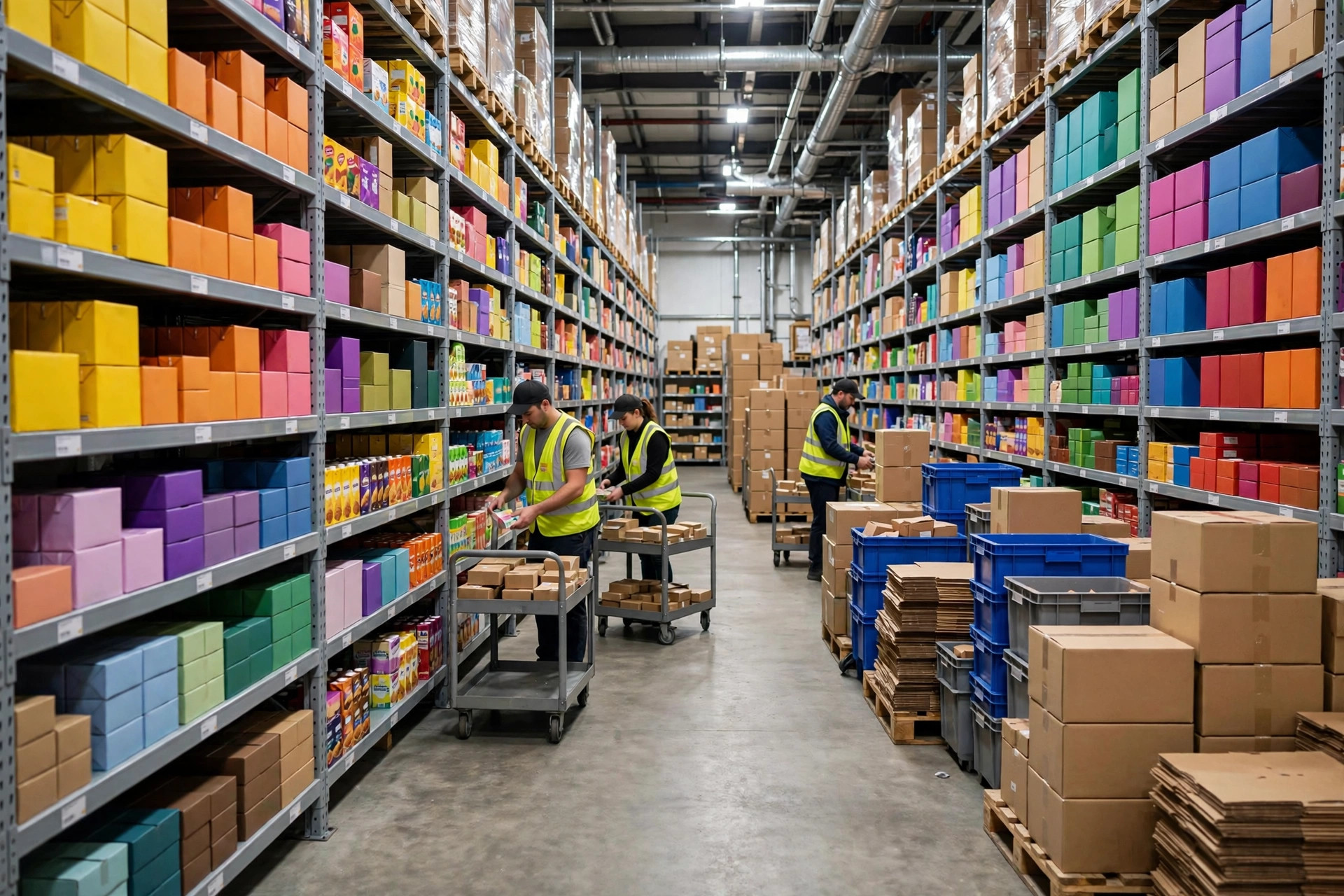
Three things. First, the SKU count is insane. I carry around 12,000 active SKUs. Ballpoint pens alone split into 200+ SKUs by color and tip size. The more SKUs you have, the more time your pickers spend hunting instead of picking — a five-item order can mean a 200-meter walk.
Second, there's zero room for error at this price point. An $8 order, one wrong pen, and the return shipping plus reship costs you $6. In stationery, a mispick isn't a minor hiccup. It's the whole margin.
Third, the back-to-school spike is brutal. NRF data shows the US season runs from mid-July through mid-September, and in 2025, 67% of families had already started shopping by early July. K-12 families spent about $144 per household on school supplies. Translated to my world: from the last week of July through the third week of August, my daily orders quadruple — from 300 a day to 1,300.
My fix: kill the "searching" cost first
The biggest cost in small-item warehousing isn't rent. It's searching. I timed it once: in an 8-hour shift, my pickers spend under 3 hours actually grabbing product. The rest is walking and looking.
Three moves that changed everything:
1. ABC slotting by velocity. A-items (500+ units a month) go on flow racks closest to the pack stations. B-items on mid shelving. C-item long tail goes up high. I re-slot monthly, and always once more right before back-to-school.
2. One SKU, one slot, idiot-proof labels. Every slot holds exactly one SKU, and the label shows the last six digits of the SKU plus a color dot. Don't trust "the veterans remember where things are" — in peak season you'll hire temps, and temps read labels, not memories.
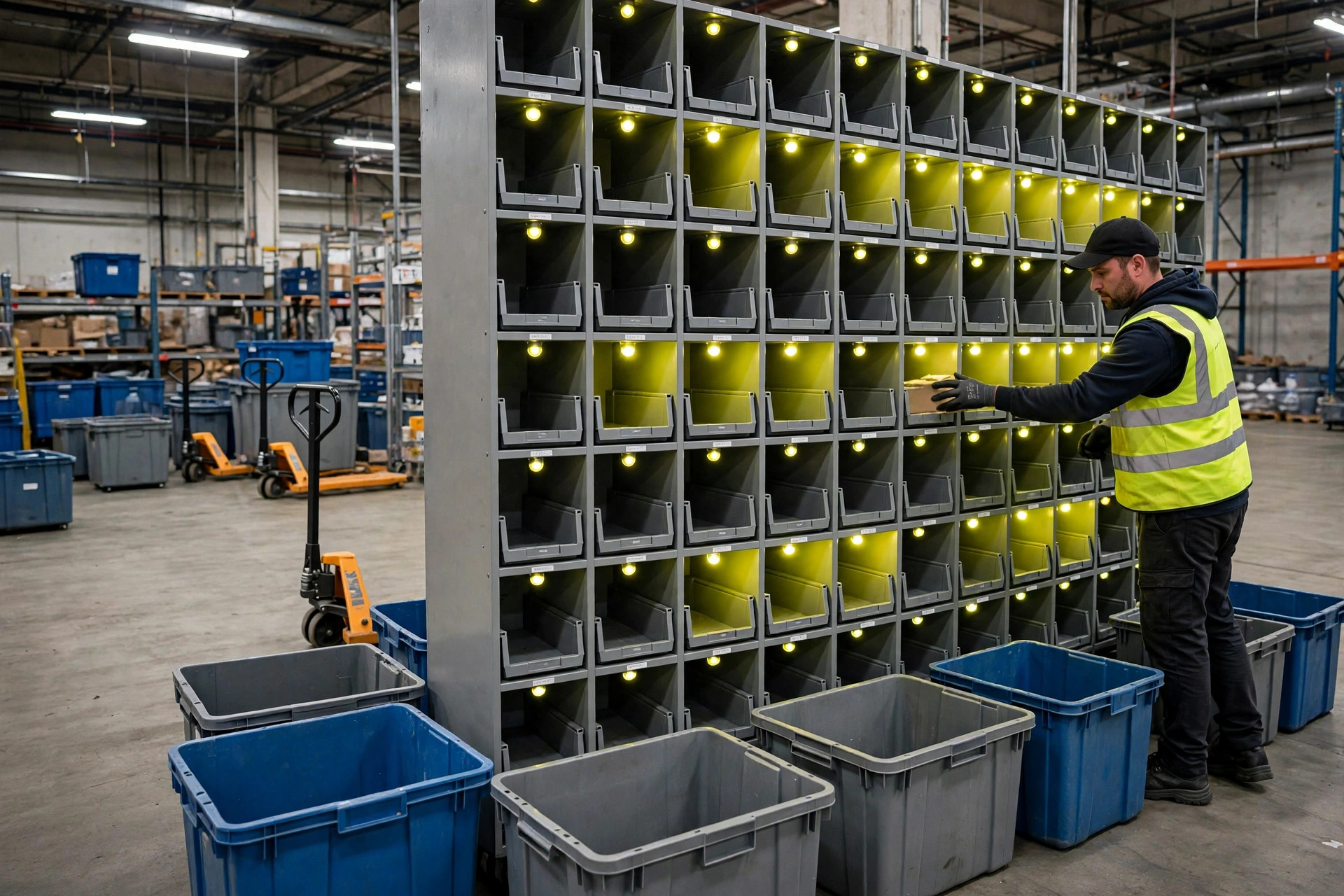
3. A put wall instead of single-order picking. This was the game changer. Details below.
Back-to-school 2024, at my California 3PL partner's warehouse: the week of July 25, we did 1,100 orders a day with 12 pickers and 4 packers across two shifts. On-time ship rate: 99.2%. Same volume in 2023, before this system — 20 people, and we missed cutoff daily.
Three picking methods, ranked by my own scars
| Method | How it works | Fits | My measured rate | Downside |
|---|---|---|---|---|
| Single-order pick | One order, one trip | Under 200 orders/day | 40 orders/hr per person | Collapses at volume |
| Pick-and-sort | Pick 20 orders at once, sort while walking | 200–800 orders/day | 90 orders/hr per person | Error rate climbs with fatigue |
| Put wall | Batch pick, then distribute into cubbies | 800+ orders/day | 140 orders/hr per person | You have to buy the wall |
In June 2024 I gritted my teeth and bought a 200-cubby put wall. Peak-season picking went from 90 to 140 orders per hour per person. Mispick rate dropped from 1.8% to 0.4%. Over a 45-day peak, saving 6 headcount a day paid for the wall in one season.
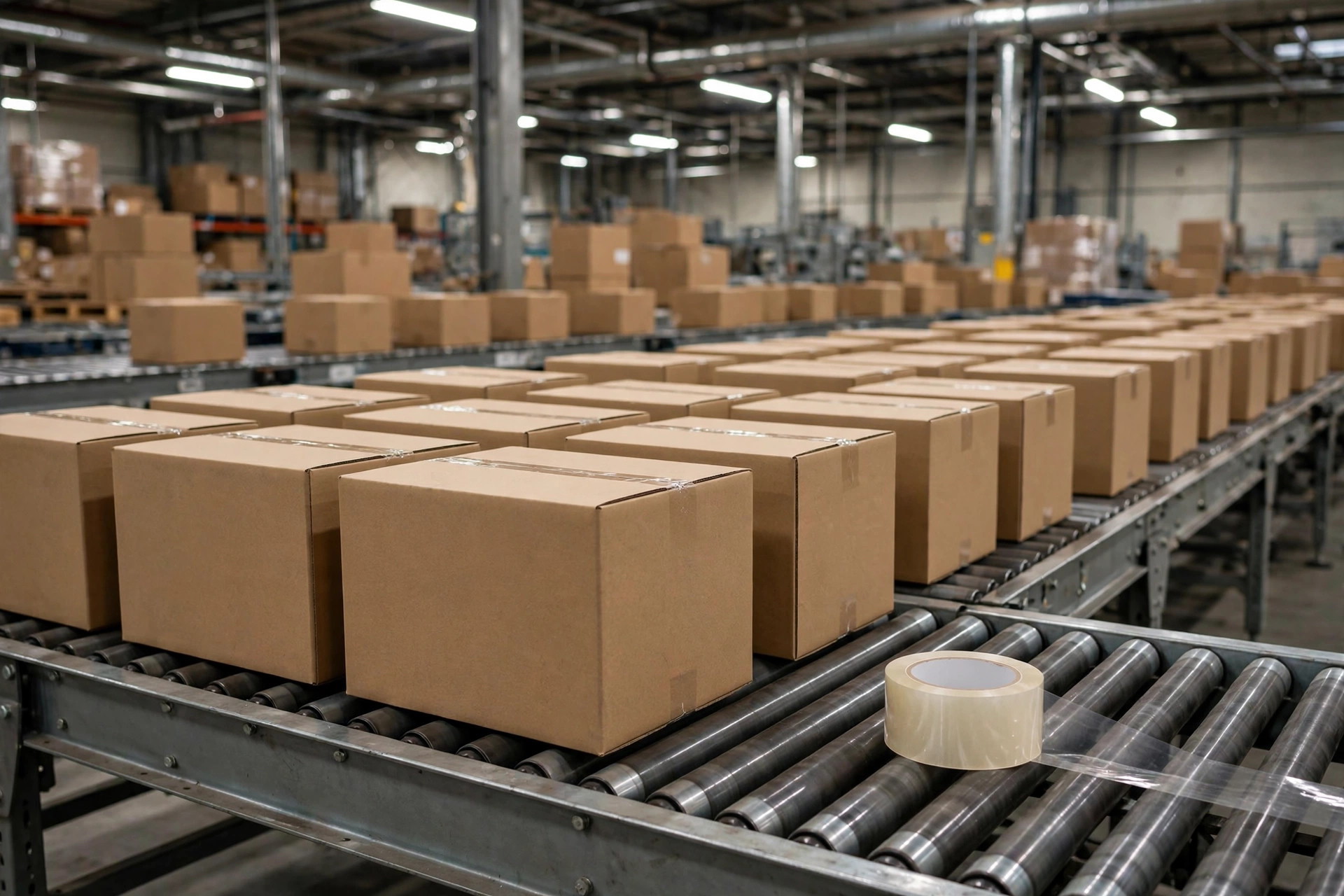
One detail people skip: get the put-to-light system. Workers tossing items into cubbies from memory will start making mistakes by hour three. Light-directed put cut my mispicks in half again. Don't cheap out here.
The packaging math nobody does
Small stationery items bleed you slowly through packaging. My three workhorses:
| Material | Cost tier | Best for | How I use it |
|---|---|---|---|
| Bubble mailer | Cheapest | Single pens, erasers, tough small items | Daily default |
| Paper shipping bag | Mid | Multi-item small orders | Back-to-school mainstay |
| Small box + filler | Priciest | Gift sets, fragile items (ink, glue) | High-ticket orders only |
Here's the counterintuitive part: don't save a dime on thinner bags. Stationery looks sturdy, but pen clips snap and highlighter caps crack under pressure. In 2023 I tried ultra-thin bubble mailers — damage complaints tripled, and the returns and reships cost me 20x what I saved on packaging. Packaging isn't a cost line. It's insurance.
And lock in your packaging supplier 60 days before back-to-school. Order in August and you get whatever lead time and price they feel like giving you.
The restock timeline: stationery ecommerce fulfillment's August playbook
My non-negotiable annual rhythm for stationery ecommerce fulfillment:
- May: Pull last year's data, set SKU-level stock targets. A-items get 1.3x last year's peak daily volume. C-items get nothing — sell from on-hand.
- June: Inventory lands, gets slotted and counted. Put-wall labels and re-slotting done. Temps hired and trained for 3 days.
- Mid-July: NRF says 67% of families start shopping in early July; my experience is volume starts climbing in the third week of July. Watch A-item stock daily — anything under 15 days of cover gets reordered immediately.
- August: Peak. Stop optimizing, protect on-time shipping. The daily standup covers exactly three numbers: yesterday's on-time rate, mispick rate, and A-item days of cover.
- Mid-September: Season's end. Clear C-item long tail now — don't carry it into next year. Stationery styles turn over annually; last year's hero SKU is this year's dead stock.
Three traps that hurt the most
1. The returns wave. Back-to-school return rates run more than double normal — parents double-buy or buy the wrong thing. Returns must be QC'd and restocked within 48 hours, or they become dead inventory. Give returns their own QC zone, separate from inbound.
2. Commingling lookalikes. Small items all look alike. One black gel pen in the black ballpoint slot and a whole batch of orders goes out wrong. One SKU per slot is iron law. Catch commingling in a cycle count and it costs someone — no softness.
3. SKU bloat. The classic stationery-seller disease: more is better. The year I grew from 8,000 to 12,000 SKUs, my inventory turn stretched from 45 days to 70, and cash flow nearly broke. My rule now: every new SKU in means an old SKU out.
There's no magic in stationery ecommerce fulfillment. It's just grinding efficiency out of four motions — find it, grab it, pack it, ship it. The more SKUs you carry, the more you need systems instead of memory. The lower your ticket, the tighter your picking and packaging math has to be. Back-to-school traffic comes once a year — catch it and it's profit, miss it and it's one-star reviews and returns. This one I've tested myself, and it works.
By Ah K, E-commerce Seller (5 yrs)