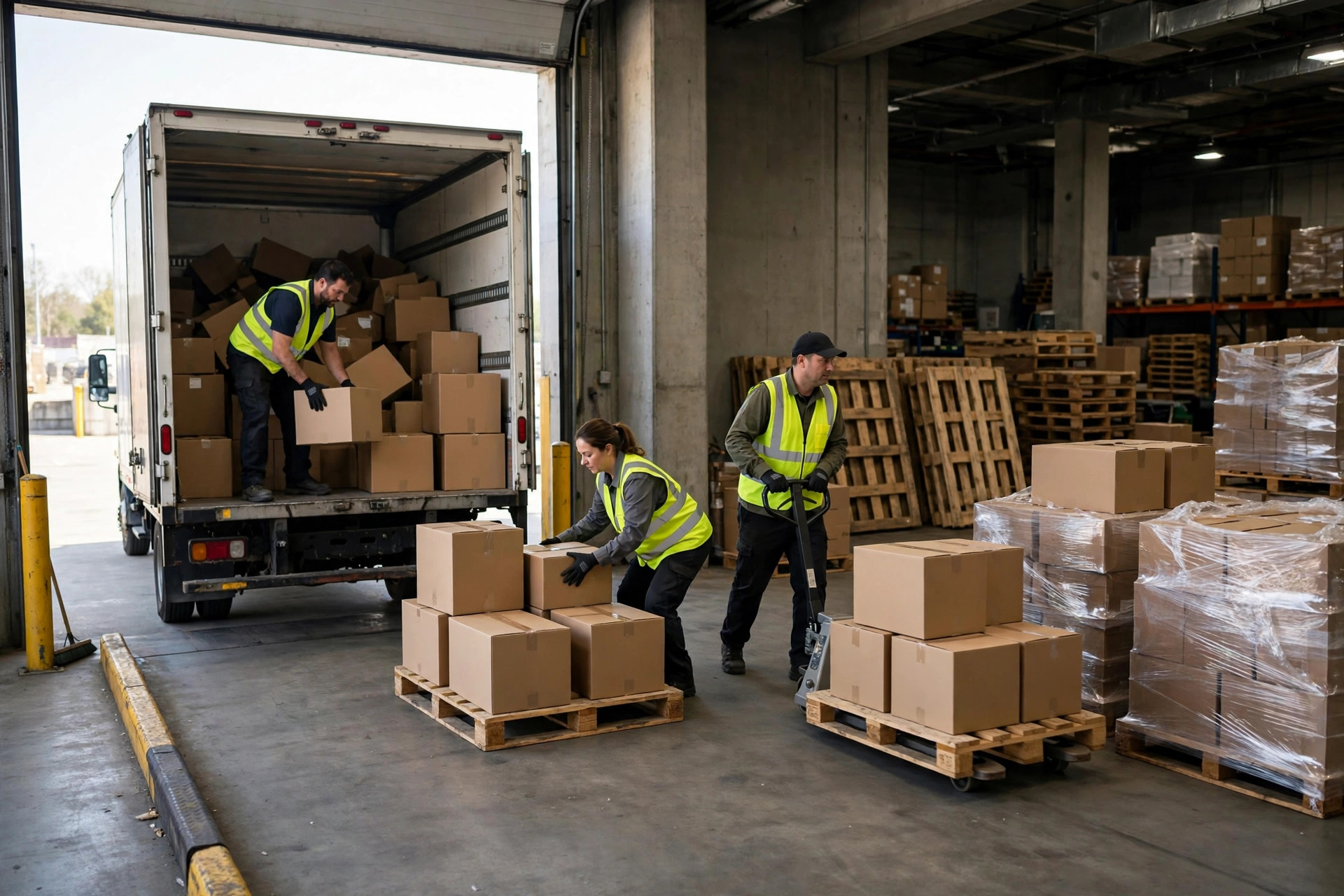
Last fall, a brand selling office standing desks asked us to handle their office furniture ecommerce warehouse fulfillment. The sample box was 42 inches long, weighed over 50 pounds, and had a glass desktop inside. I stared at that box for a long time with one thought in my head: if we take this on, nobody in our little warehouse is sleeping well this month.
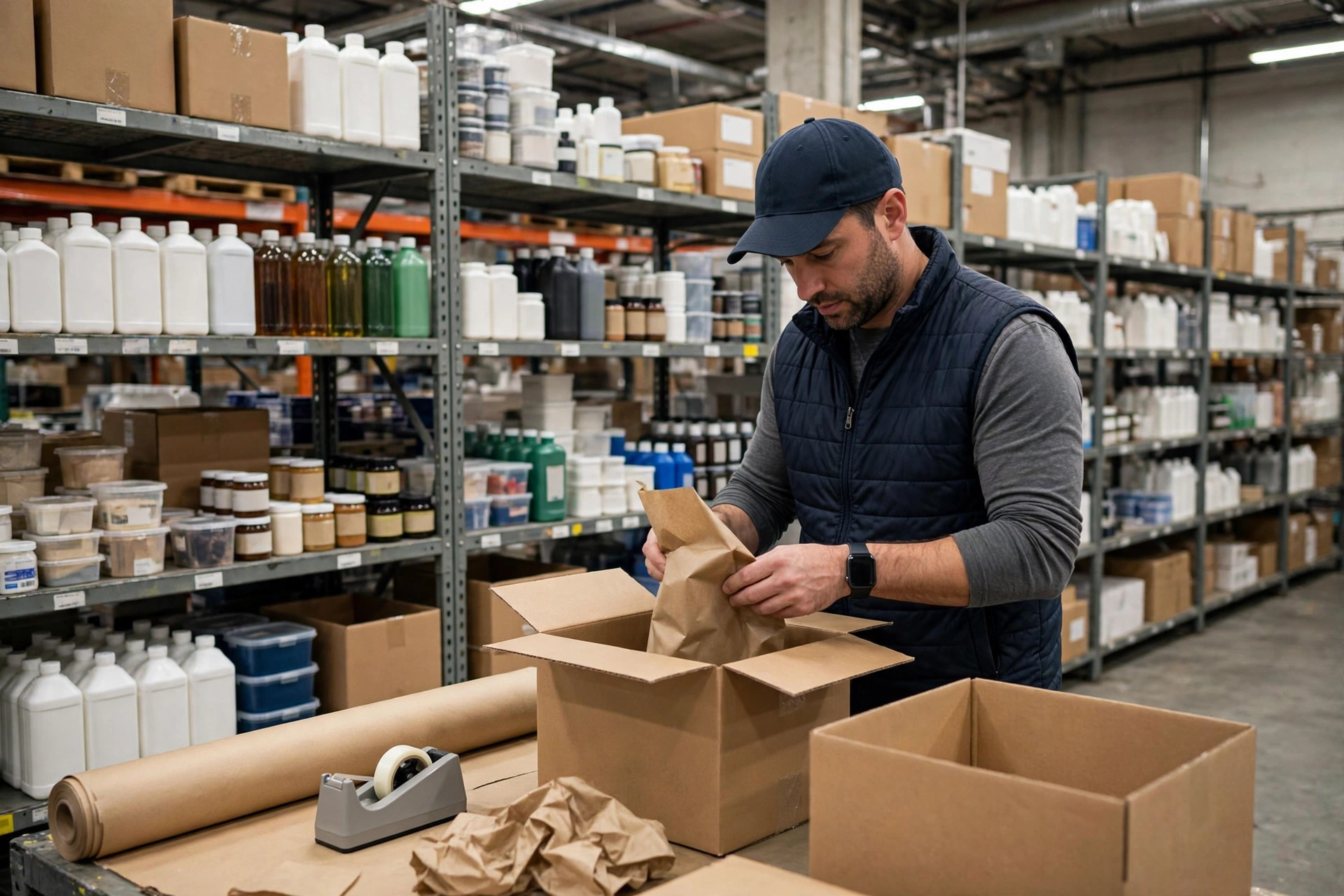
We run a 3,000-square-foot warehouse. Before this, we only touched small parcels. That desk account was the biggest thing we'd ever taken on, literally. A year later, here are the holes we fell into and the scrappy fixes that got us out, written down for every small warehouse owner thinking about saying yes to furniture.
The Day Bulky Freight Moved Into Our Little Warehouse
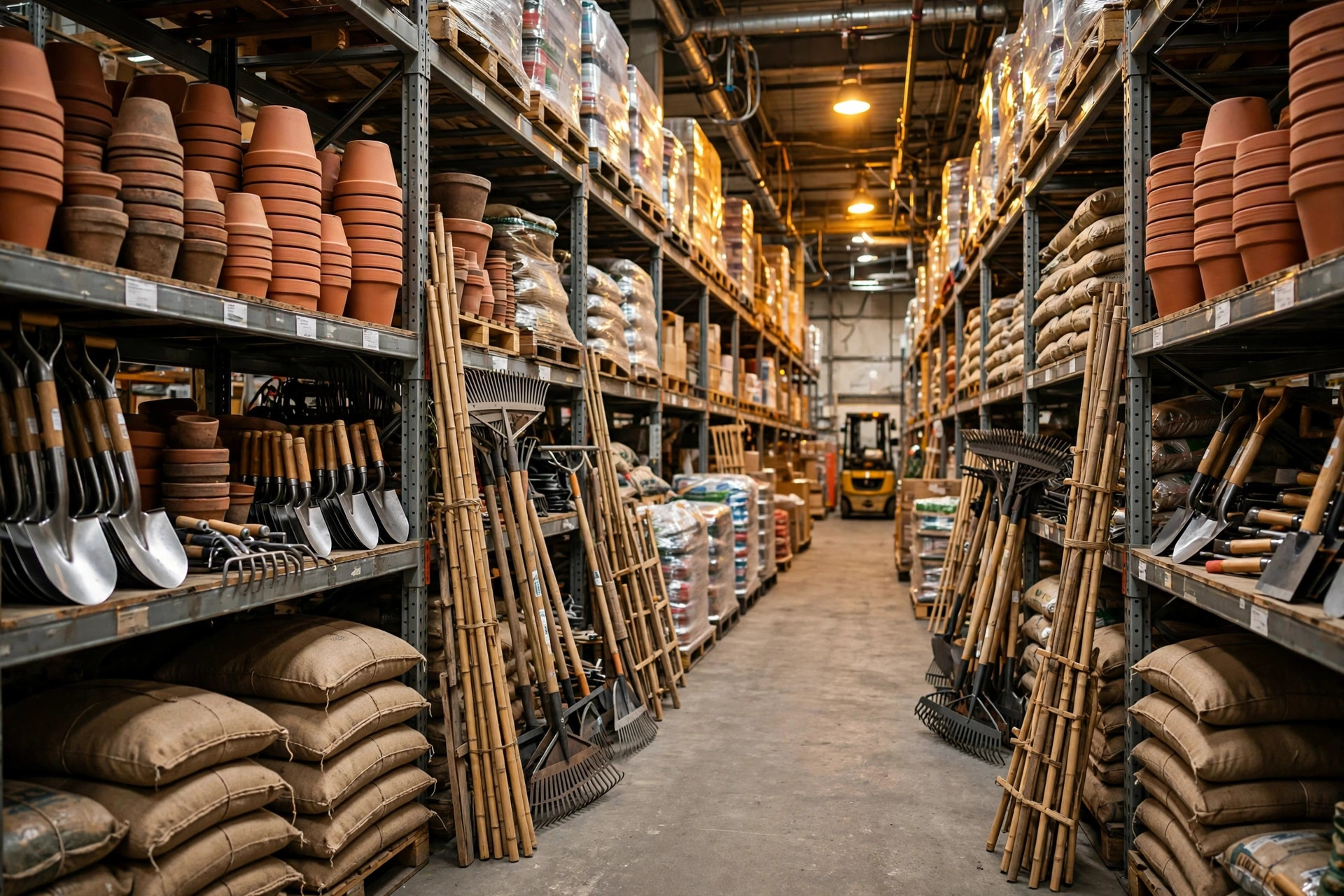
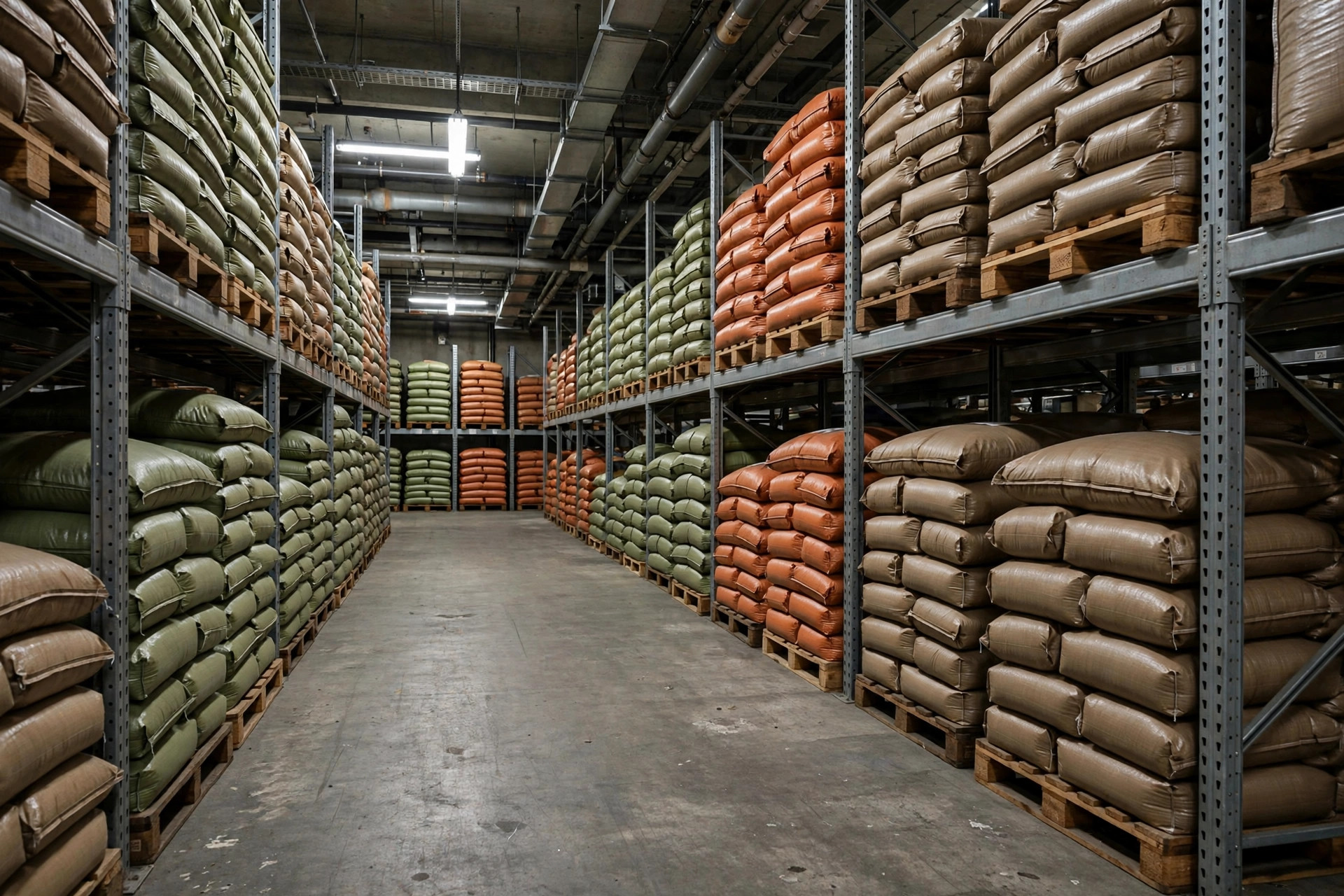
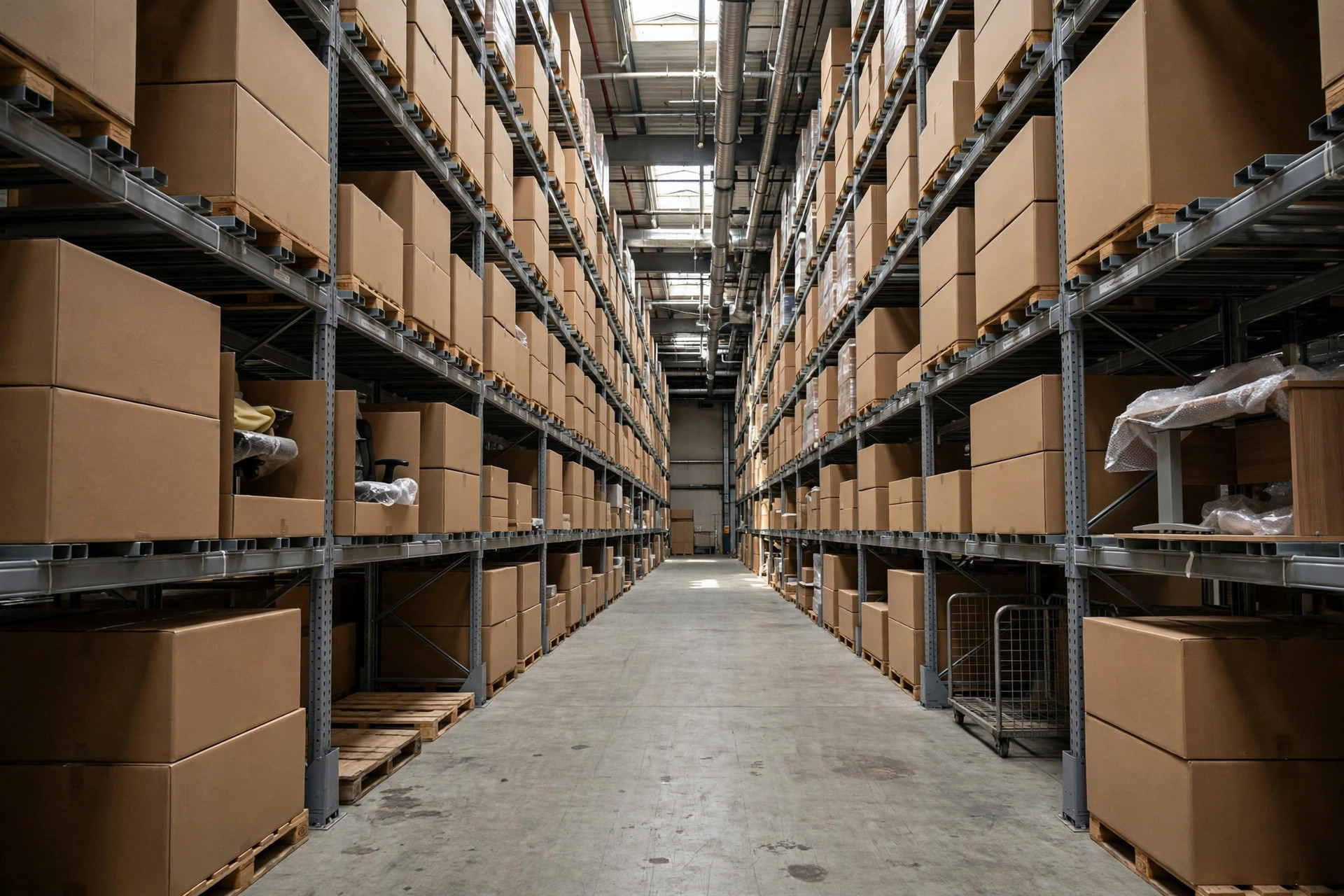
Lesson one was space. All our racking was built for small parcels. One standing-desk carton rolled in and ate two slot positions. Rent is charged by the square foot, so those few dozen bulky cartons ended up occupying the space that used to hold three times as many small-parcel SKUs. "Storage utilization" had never hurt before. It hurt that month.
Lesson two was breakage. Within the first week, a glass desktop arrived shattered. The client was understanding and just asked us to send a replacement, but the replacement's packaging, labor, and second delivery all came out of our pocket. That order's margin went negative on the spot. I just stood there thinking: we'd kept damage rates tiny for years on small parcels. How did one big box wreck us?
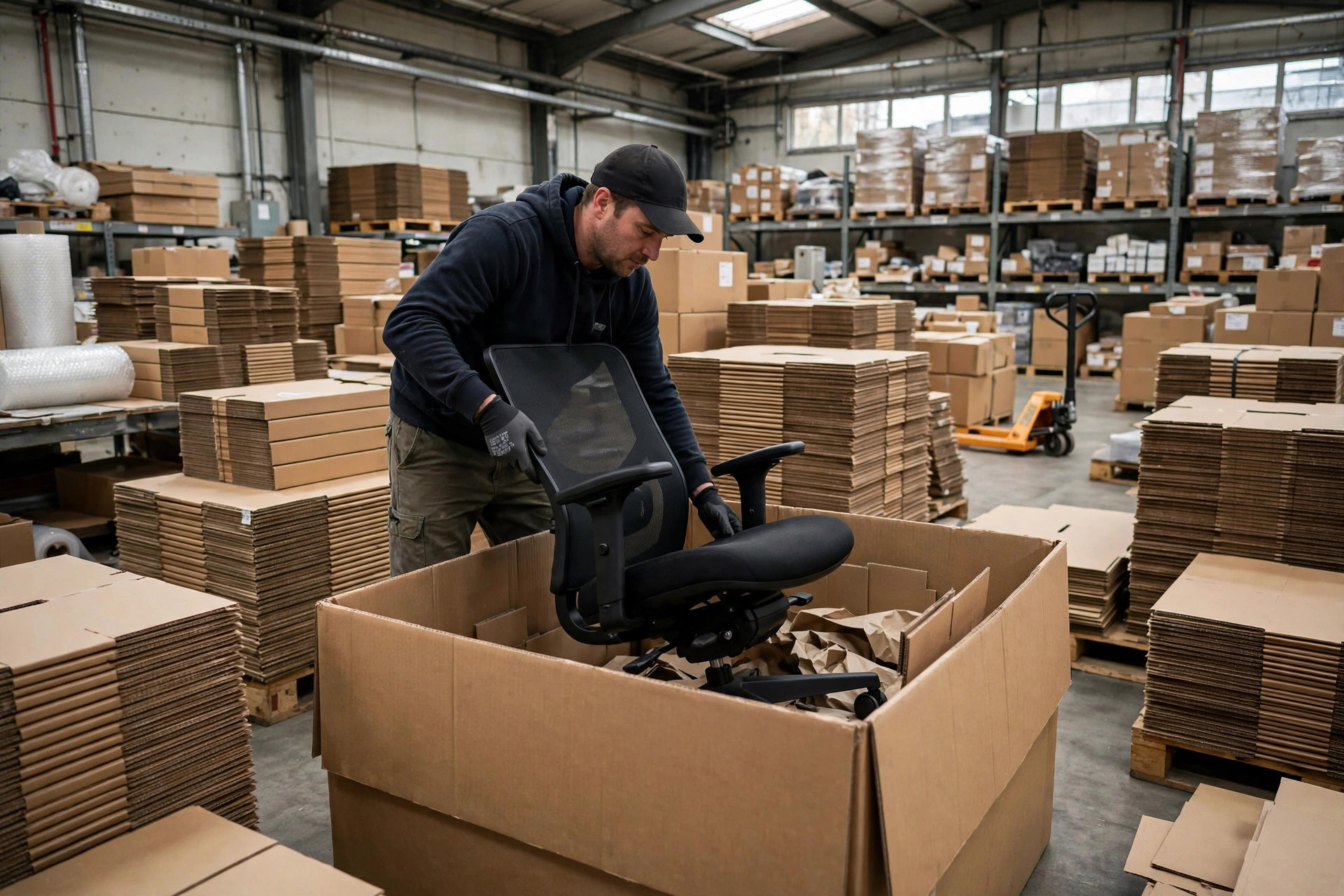
Lesson three was returns. Out of ten office chairs that came back, four or five were missing the hardware kit or the instruction manual. Missing those little things meant the chair couldn't be resold as new. It got downgraded to B-grade and sold at a painful discount. A chair costs a few hundred dollars at cost. Selling it as B-grade is just bleeding money.
The Three Money Pits of Office Furniture Ecommerce Fulfillment
Looking back, office furniture fulfillment burns money in three places.
The first is slots. Bulky cartons are irregular, and their dimensions almost never match standard racking. We learned to stop fighting it: bulky goods get their own zone now, no racking, just floor stacking on pallets. It looks primitive, but it saved us the cost of re-racking and all the forklift shuffling.
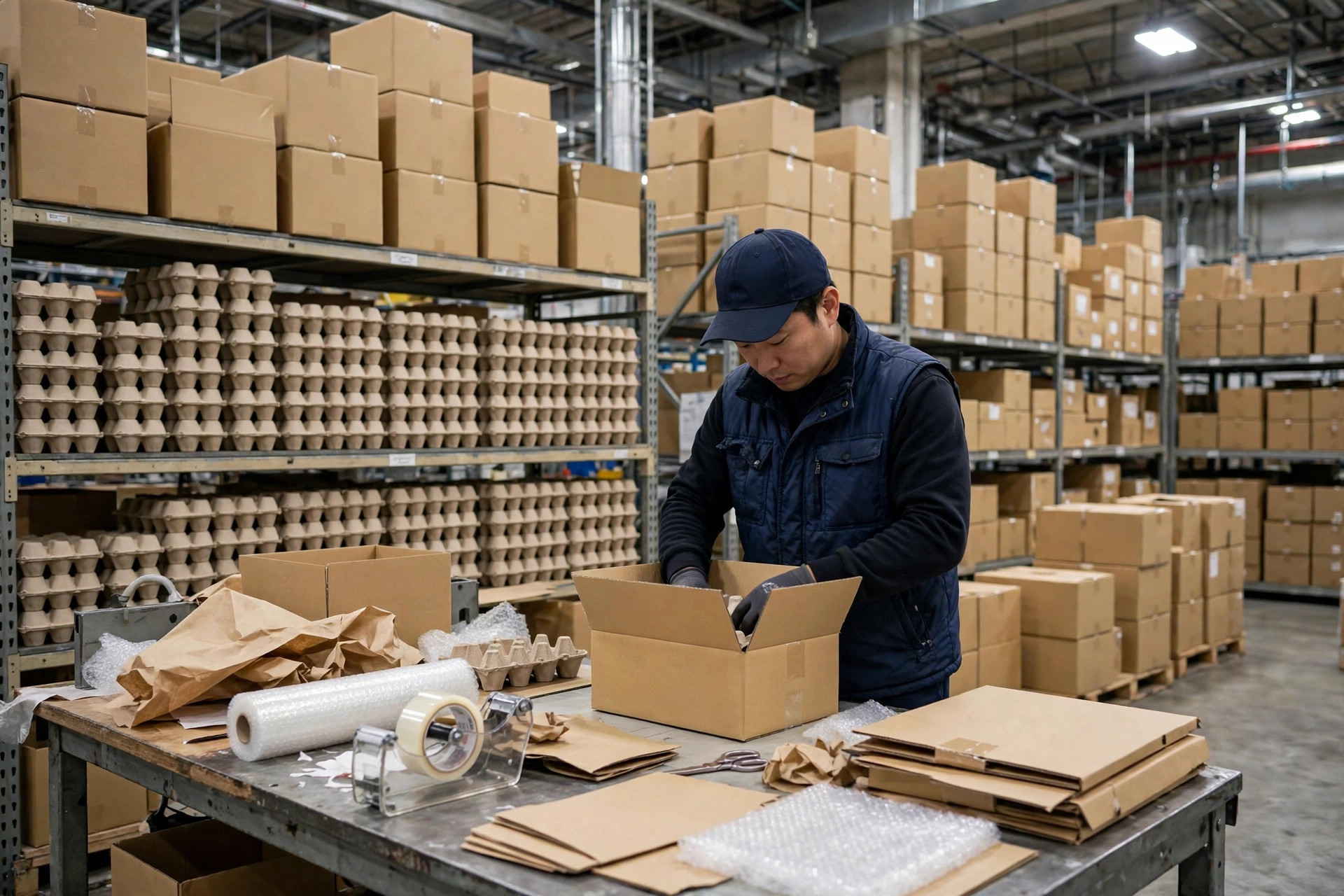
The second is damage. Glass desktops and panel edges don't survive a bumpy last mile. A lot of factory packaging is designed for full-container ocean freight, not for getting tossed around by a US parcel network. Our fix is gloriously low-tech: every glass desktop gets double-wall corrugated plus corner protectors, with honeycomb paper stuffed inside as dividers. It adds a few dollars of material per unit, but damage went from "a case every so often" to "we barely see one for months." Worth every penny.
The third is returns, and it's the nastiest one. Here's a counterintuitive take: most returned office chairs aren't defective. The defect is that the buyer couldn't assemble them. Someone wrestles with the manual for a whole evening, gives up, and ships it back. The chair is perfectly fine, but one missing screw or one crumpled manual means it can't sell as new. What looks like a logistics problem is actually an assembly problem.
Our Scrappy Playbook: The Three-Step Returns Inspection
We learned the returns lesson the hard way in the fall of 2024, from a California direct-to-consumer brand selling ergonomic chairs. Thirty chairs came back in one month. We spent a whole afternoon inspecting them and found missing hardware kits, manuals balled up like trash, scratched armrests, you name it. Under our old small-parcel process, we would have scanned them back into new inventory and nearly shipped a pile of problem units to fresh customers.
Now every furniture return goes through three steps. Low-tech, but they work.
Step one: photograph. Before anything else, we shoot six sides: exterior, corners, hardware bag, manual, labels, serial number. The photos go into a file. When a client argues about condition, those photos are our evidence.
Step two: weigh. We've weighed the standard weight of every chair model and keep it on a sheet. A return goes on the scale, and if it's more than half a pound light, odds are something's missing, so we open it up and count parts. We stole this trick from carriers that bill by dimensional weight. It works just as well in reverse.
Step three: the parts checklist. Screws, manuals, glides, all the little bits get their own part codes in our system, managed like independent small SKUs. During inspection we check them off the list. Whatever's missing, we replace. Only units that can't be completed get downgraded to B-grade.
And there's a bonus move I call "organ donation." Chairs that are truly beyond saving get stripped for parts. A return that's missing screws can usually be completed from the parts bin and go back out as a perfectly sellable "like new" unit. The big companies have formal write-off procedures for this. We don't. We can't afford to burn money like they do.
The Math Every Small Warehouse Should Do Before Touching Office Furniture Fulfillment
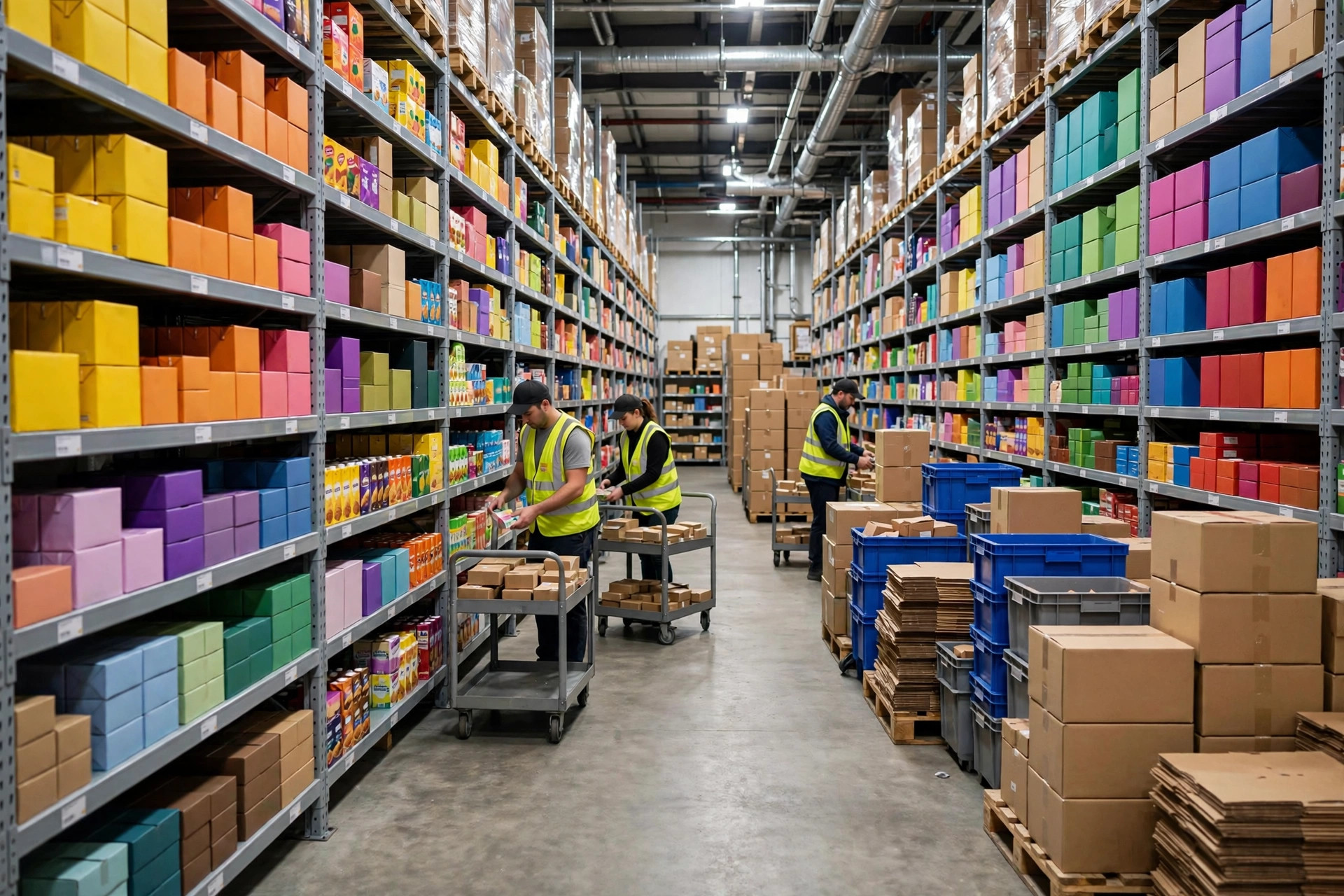
I see small warehouse owners light up at bulky-goods accounts: high ticket price, so you can charge high handling fees. Slow down. Do the math first. Here's our internal comparison of effort per unit. Every warehouse is different, so treat this as a sense of scale, not a standard.
| Step | Small parcel | One office chair |
|---|---|---|
| Receiving and putaway | One person, one minute | Two people, ten-plus minutes, plus unboxing and exterior inspection |
| Picking | One cart run picks dozens of orders | One order per cart, pallet jack required |
| Packing materials | Standard carton plus bubble wrap, pennies | Custom double-wall box plus protectors plus stretch film, several dollars |
| Returns processing | Scan and restock, two minutes | Photo, weigh, count parts, thirty minutes minimum |
See the pattern? Every step costs several times the labor of a small parcel. When you quote handling fees, don't take your small-parcel rate and "add a little." Our rule now: convert the table above into labor hours, then multiply by 1.5. That extra 0.5 is the reserve for damage and disputes. Painful lesson: our first batch of furniture quotes used small-parcel thinking. Three months in, we ran the numbers and realized we'd been working for the client for free.
There's one more trade-off to think through: whether to offer assembly. Assembly crushes the return rate, because an assembled chair almost never comes back, but the labor cost is brutal. We landed in the middle: no in-home assembly, but every order includes a "foolproof install card" we designed ourselves, with the three most-misassembled steps drawn big and clear, plus a QR code to an install video. One sheet of paper cut our "couldn't assemble it" returns dramatically. Cost? One sheet of paper.
Three pieces of advice for fellow small warehouses. First, before taking bulky goods, walk your own aisles and check your turns. If a big carton can't make the corner in your building, walk away early. Second, quote on labor hours, not on gut feel per unit. Third, build the returns process before you take the first order, not after. In this business, the returns process is the profit.
Big companies have big-company playbooks: automated storage, robot arms, the works. We can't afford any of that, and we're not jealous. Master the three-step inspection, know the labor cost of every order, and bulky furniture accounts can absolutely make money. Small warehouses have their own way of surviving.
By Xiao Ma, Small Warehouse Owner