Your sorter sits idle forty minutes out of every hour — and you're blaming the sorter?
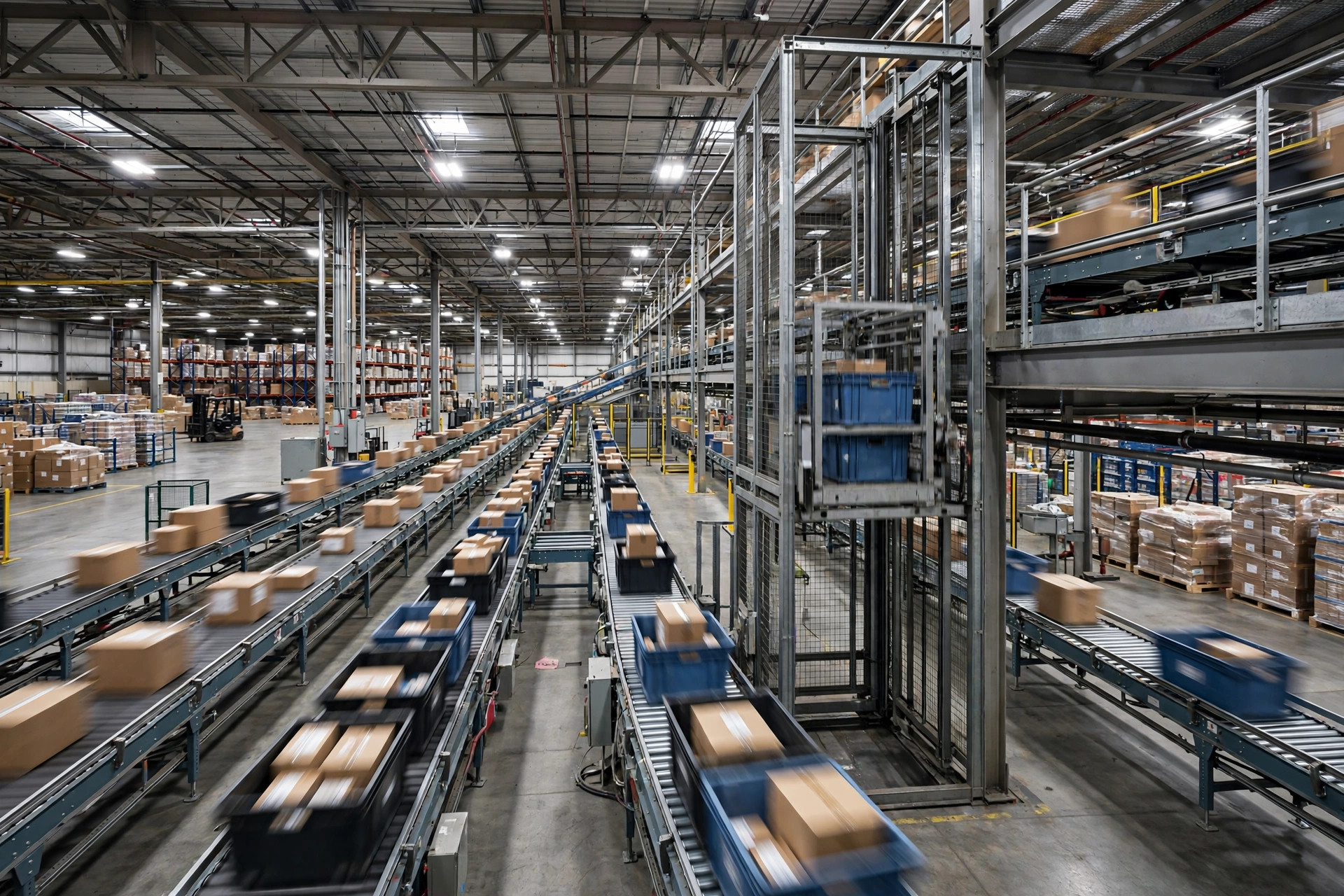
Fall of 2023. I'm walking a cross-border e-commerce returns warehouse in Riverside, California — 180,000 square feet, a brand-new cross-belt sorter loop rated at 12,000 parcels an hour. The operations manager's first words to me: "Mi, did we just burn money on this thing? Best we ever hit was 7,000 an hour. A third of the carriers run empty most of the time."
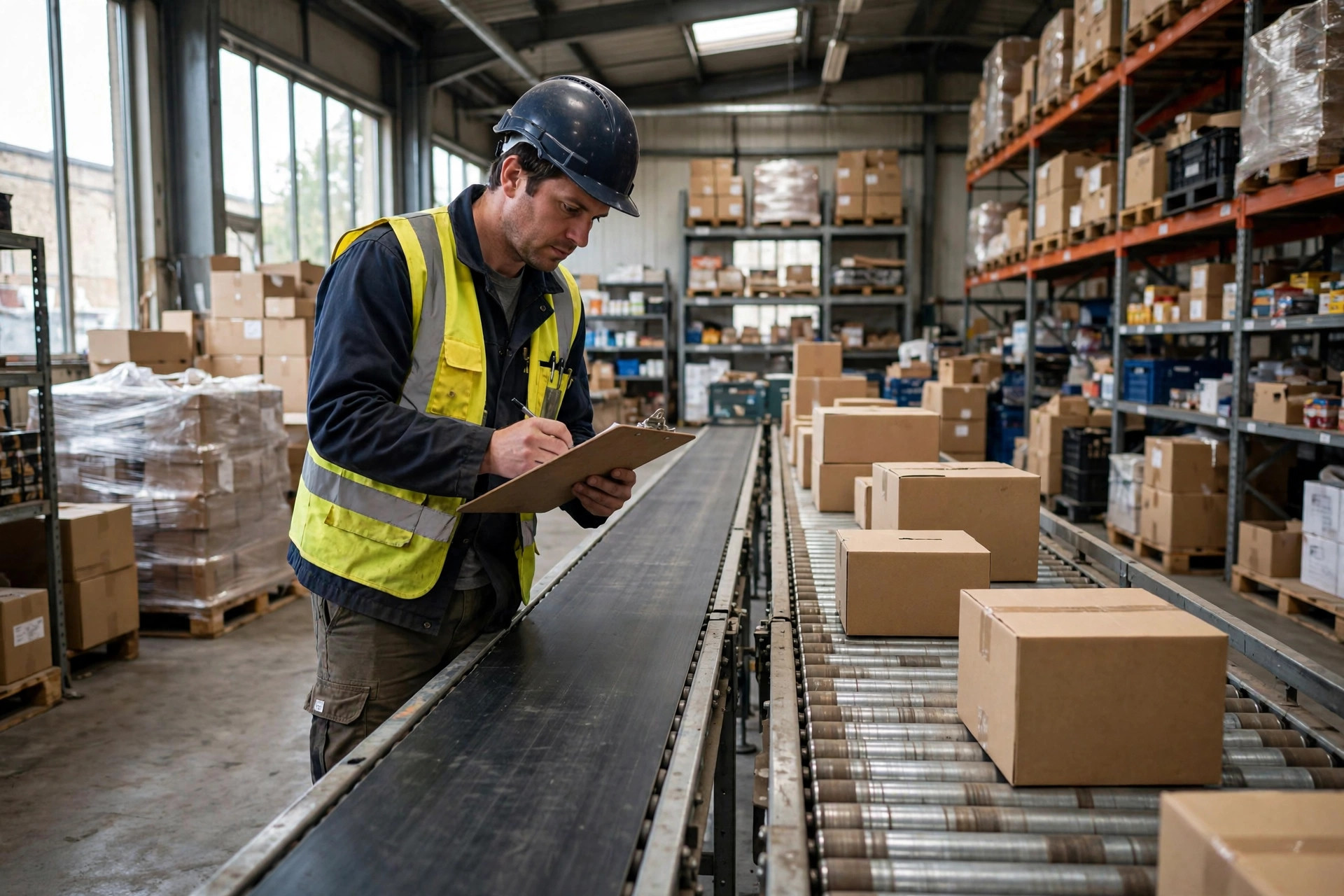
I told him to hold the verdict and walked him over to the induction area. Four induction stations, only three staffed. At the staffed ones, the pace was all over the place — when freight piled up, a worker would slam two or three cartons onto the belt at once; when the pile thinned out, they'd stand around checking their phone. They had a metering belt, sure — but its parameters were set by the integrator at handover and nobody had touched them since.
The conclusion wrote itself: the sorter wasn't the problem. It was starving.
Starvation and mis-sorts both start at induction
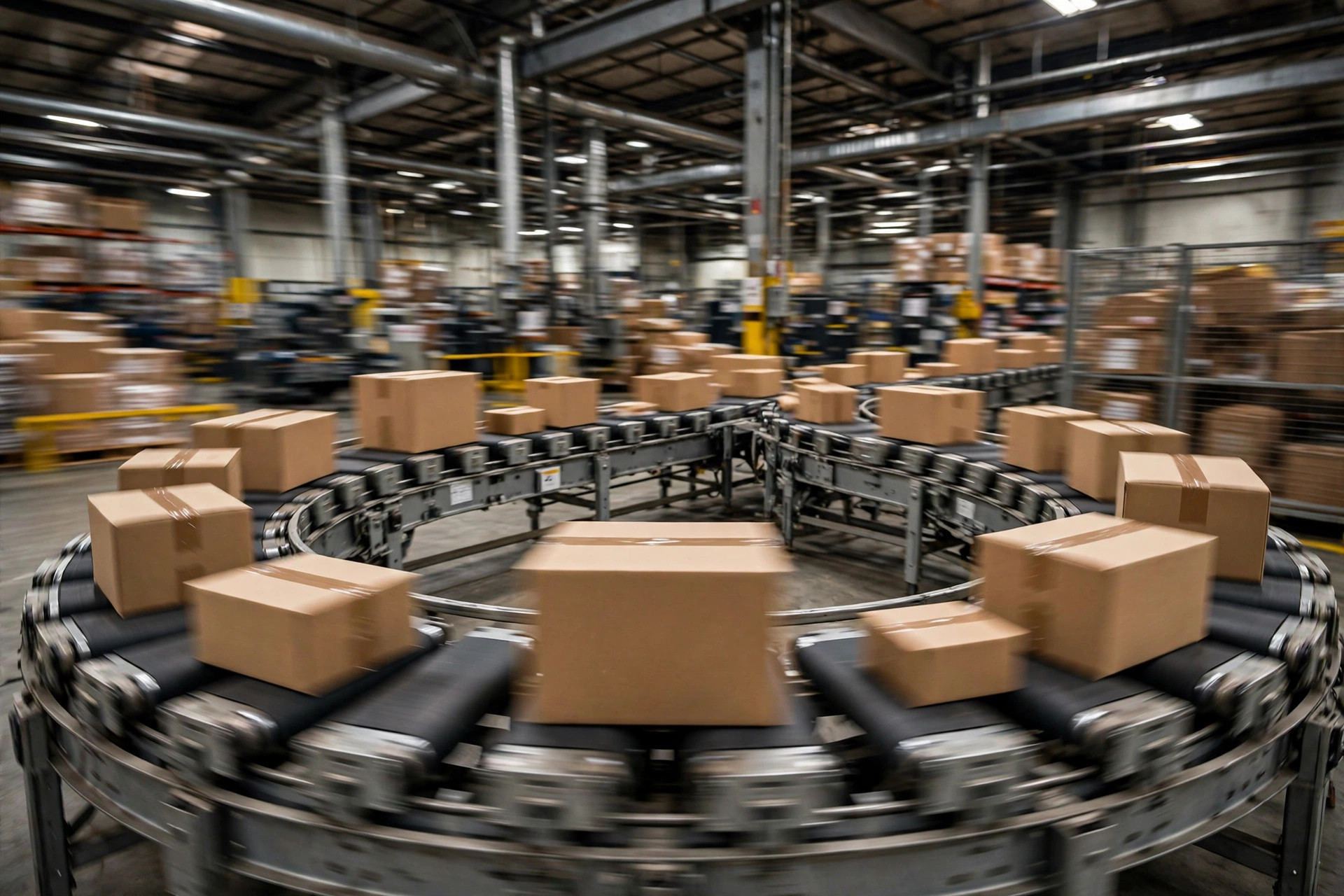
Here's the basic fact people forget: a cross-belt loop runs at full speed whether or not there's a parcel on the carrier. It doesn't wait for you. Typical mainline speeds run 1.5 to 2.5 meters per second, and the moment induction falls behind, empty carriers just keep circulating — that's starvation, and it's pure wasted capacity.
Manual induction is inherently lumpy. People aren't machines. They slow down when they're tired, slower when they're chatting, and when the freight wave passes, the station goes dry. In my experience, one manual induction station averages six or seven hundred parcels an hour, with big swings. Four stations sounds like plenty — until you remember the loop is waiting to eat 12,000 an hour. Holding a steady 7,000 already meant that crew was working hard. So here's my rule of thumb: when a sorter underperforms, the bottleneck is on the sorter nine times out of ten — no, wait, it's at induction. The sorter is almost never the problem.
Gap control is the other silent killer. Once parcels hit the loop, they need a consistent pitch — the spacing between consecutive items. Too tight, and the scanner reads two cartons as one, or the second parcel arrives at the chute before the first has cleared and they collide. Too loose, and you're throwing away mainline capacity for nothing. The right pitch is your longest parcel plus a safety margin, converted into a release interval on the metering belt controller. At a lot of warehouses, that parameter hasn't been touched since commissioning day — the product mix changed, the parcel dimensions changed, and the setting is still asleep in the PLC. Of course things go wrong.
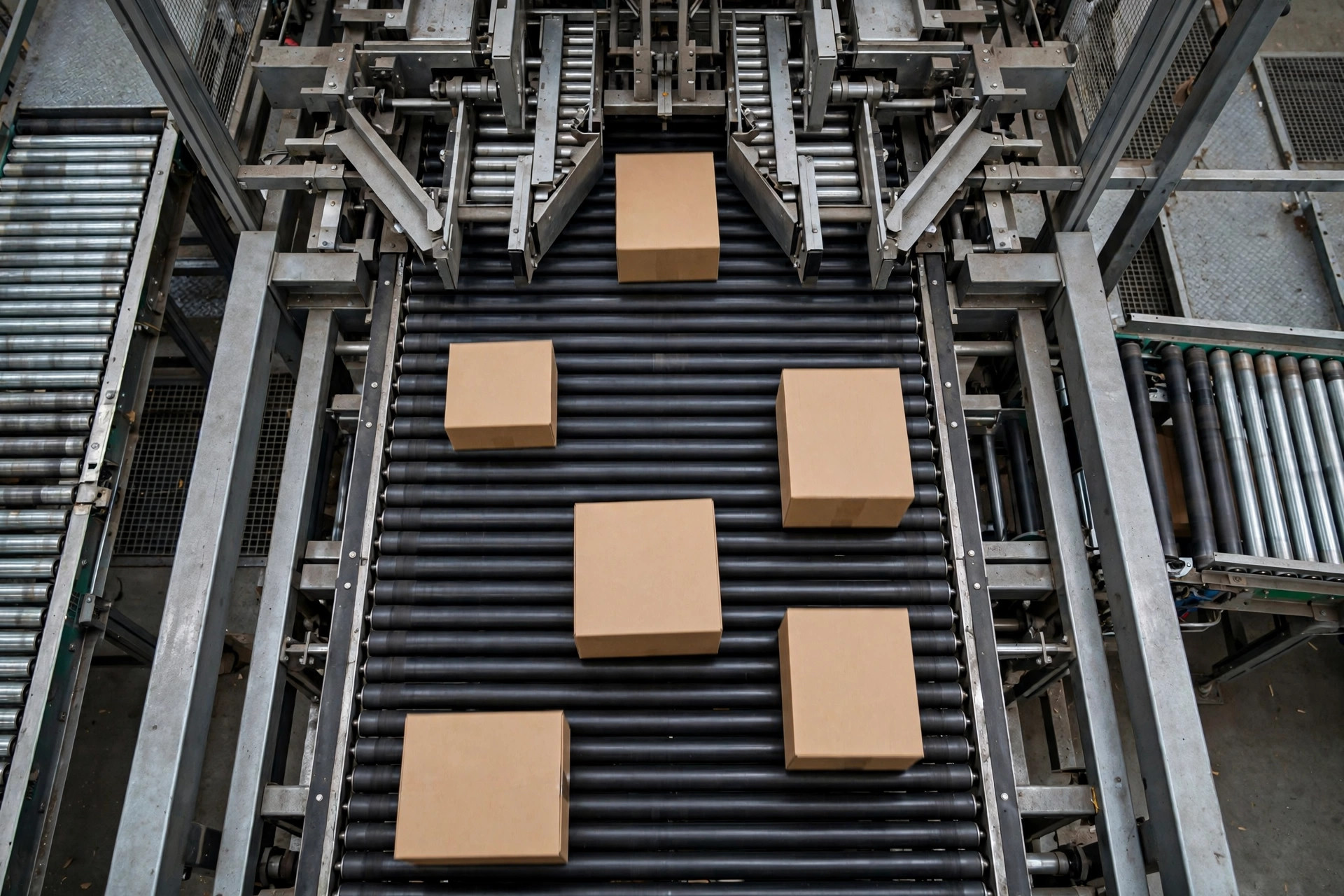
The first thing I had that Riverside warehouse do was recalculate pitch from their actual freight: take the longest 5% of parcels shipped over the past month, measure the average length, add 30 centimeters of margin, and convert it into the metering belt release interval. That one change alone cut mis-sort complaints dramatically within a week. The 30 centimeters isn't a standard — it's a starting point. The point is: pitch has to follow your freight, not your integrator's factory defaults.
One detail most people miss: the metering release logic depends on photo-eye sensors, and photo-eyes hate dust. At that Riverside warehouse, induction sat right next to the dock doors — dust built up, sensors misfired, and the metering belt released when it shouldn't and held back when it should have released. No pitch setting survives that. They ended up with a Monday-morning ritual: the shift lead blows out every photo-eye at induction with an air gun, ten minutes, done. False triggers dropped right away. Automation is seventy percent tuning and thirty percent wiping things clean.
How many induction stations — and is auto-induction worth it?
Sizing induction to the loop is simple arithmetic: the loop needs N parcels an hour, one manual station reliably produces M, so you need N divided by M stations, plus one spare. The spare isn't waste — people take breaks, rotate shifts, and clear jammed odd-shaped items. Without redundancy, the whole line stops because one person stepped away.
Do the math on a 12,000-per-hour loop: at 700 parcels per manual station, you'd need 17 stations. Not happening. So in practice there are two answers.
The first: accept that the loop will never run full. Plenty of warehouses never had the volume for the nameplate rating anyway. Six to eight manual stations running 5,000 to 7,000 an hour is fine. Don't add stations just to "fill the loop" — once you run the labor cost, you're the one losing money.
The second: buy automatic induction. One auto-induction unit reliably does 1,500 to 2,000 parcels an hour, with a steady cadence and consistent spacing — it solves metering and gap control in one stroke. But it isn't cheap: the unit plus civil work and controls integration starts in the hundreds of thousands of dollars. My decision rule is one line: if your volume curve rides the ceiling of manual induction year-round and peak season means temp labor and overtime, auto-induction pays for itself. If your volume swings wildly — off-season at a third of peak — that machine becomes an expensive ornament. Human flexibility is something the machine can't give you. Four stations in the off-season, six at peak, labor flexing with the wave — that's the other reason I'm partial to manual induction: flexibility itself has real value.
The Riverside warehouse didn't buy auto-induction. They went from four stations to six, retuned the pitch, and held 9,000 an hour through peak season. Small money, big result.
Induction configuration checklist
Print it and tape it to the wall at induction:
- Nameplate capacity vs. actual volume: if you're chronically under 70% of rating, don't add equipment
- Pitch setting: recalculate from current parcel dimensions, review quarterly
- Metering belt photo-eyes and sensors: clean weekly — dust is the number-one cause of false triggers
- Station redundancy: N+1, always keep one swing station
- Manual induction cadence: spot-check 10 minutes every hour, count pieces — intervene if swing exceeds 30%
- Oddball lane: dedicate one station to oversized, ultralight, and cylindrical items — keep them off the main feed
- Starvation alarm: if empty-carrier rate exceeds 40% for 10 straight minutes, the system should page someone — don't rely on eyeballs
One thing you can do tomorrow: take a stopwatch to induction for one hour. Log the piece count every 10 minutes and plot the curve. The peaks and valleys will tell you exactly where the starvation lives — short staffing, lumpy inbound, or a wrong pitch setting. Data doesn't lie. Gut feel does.