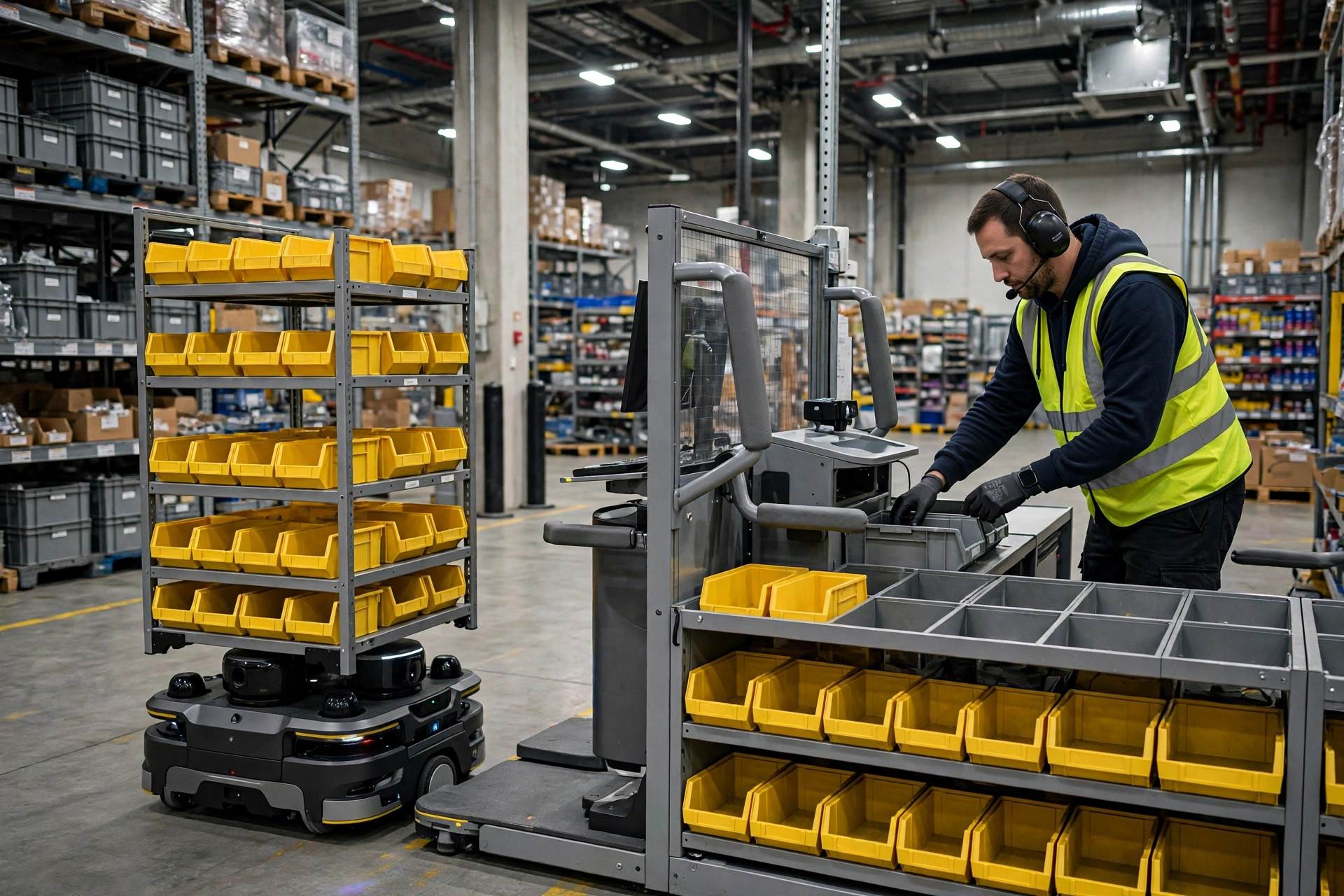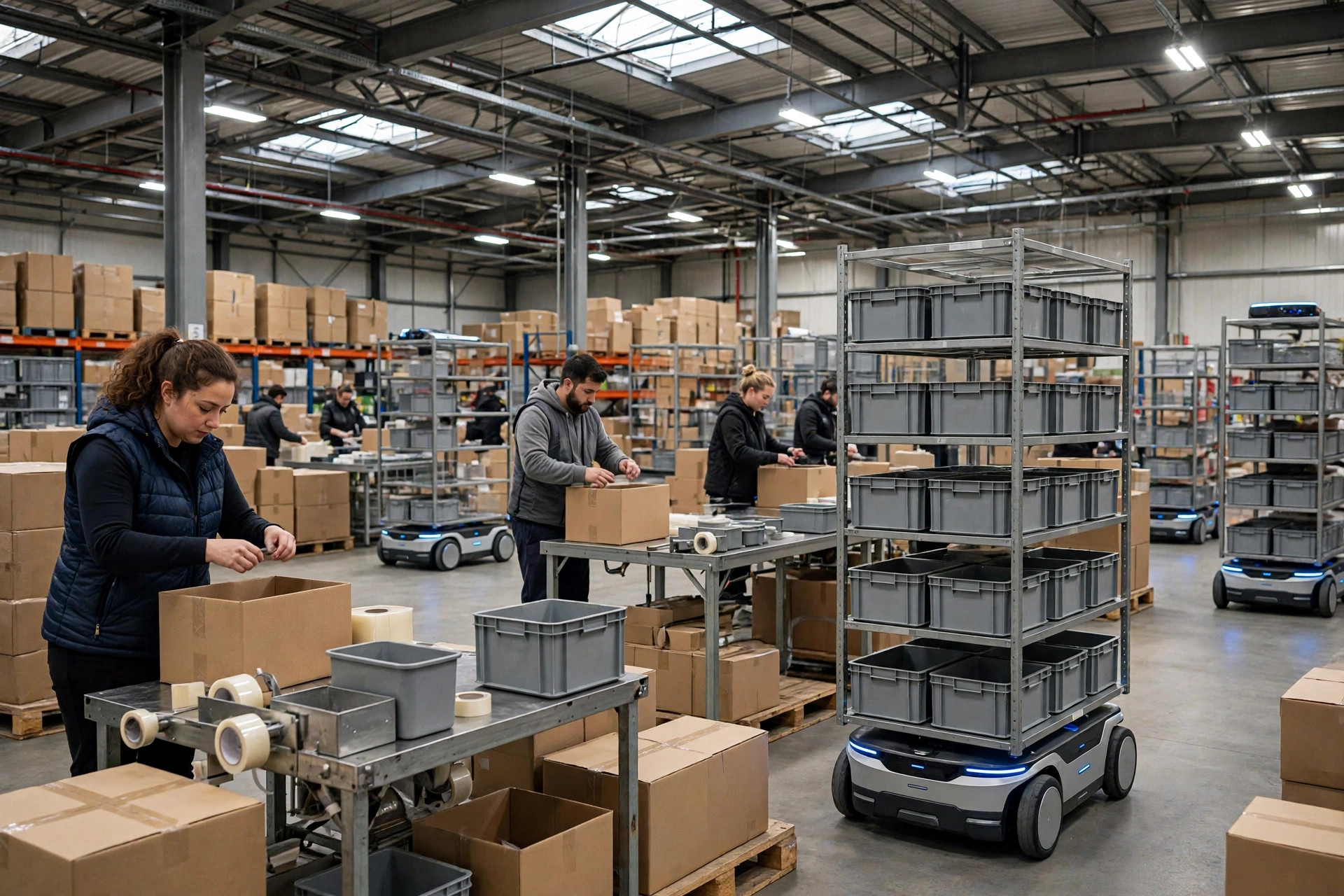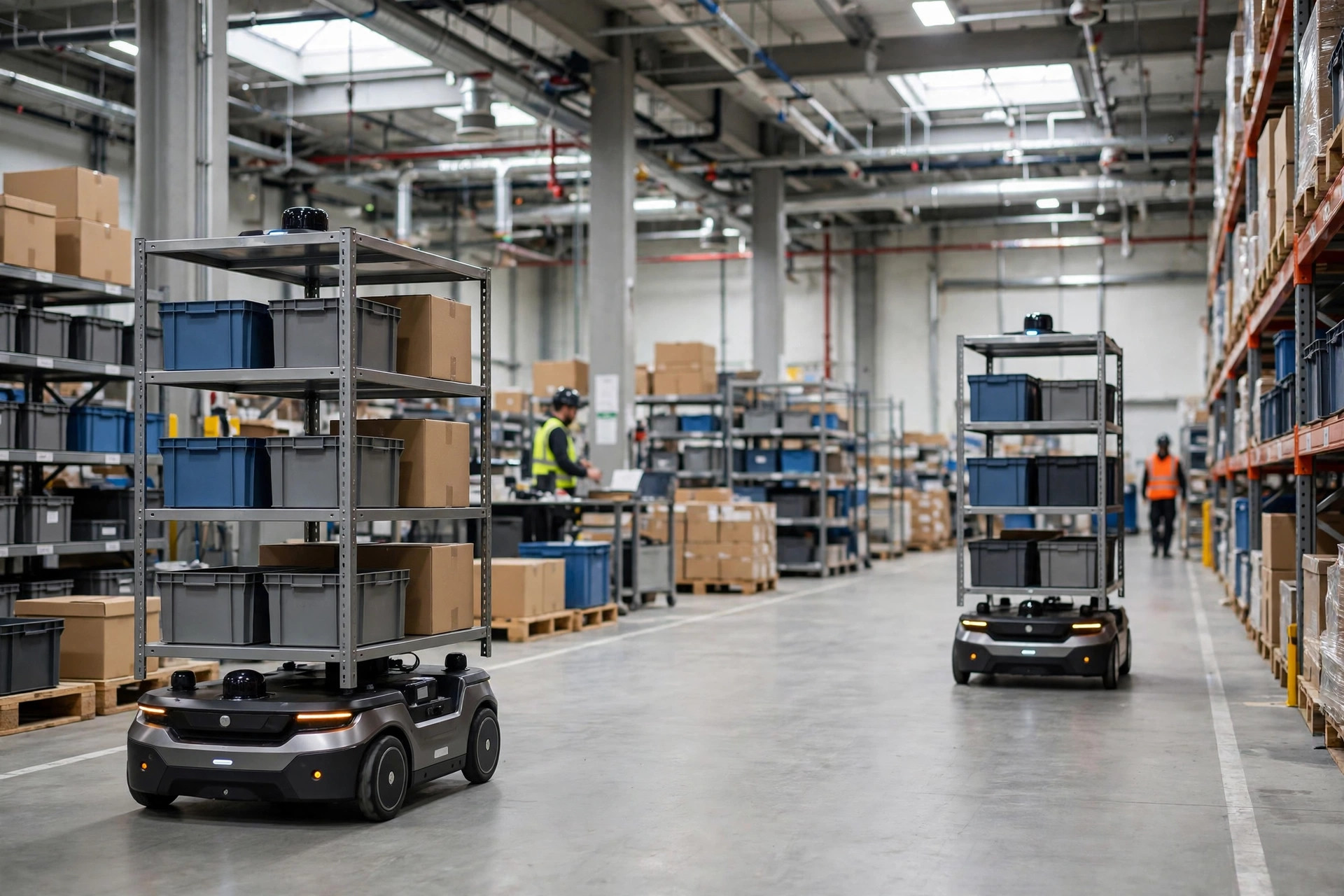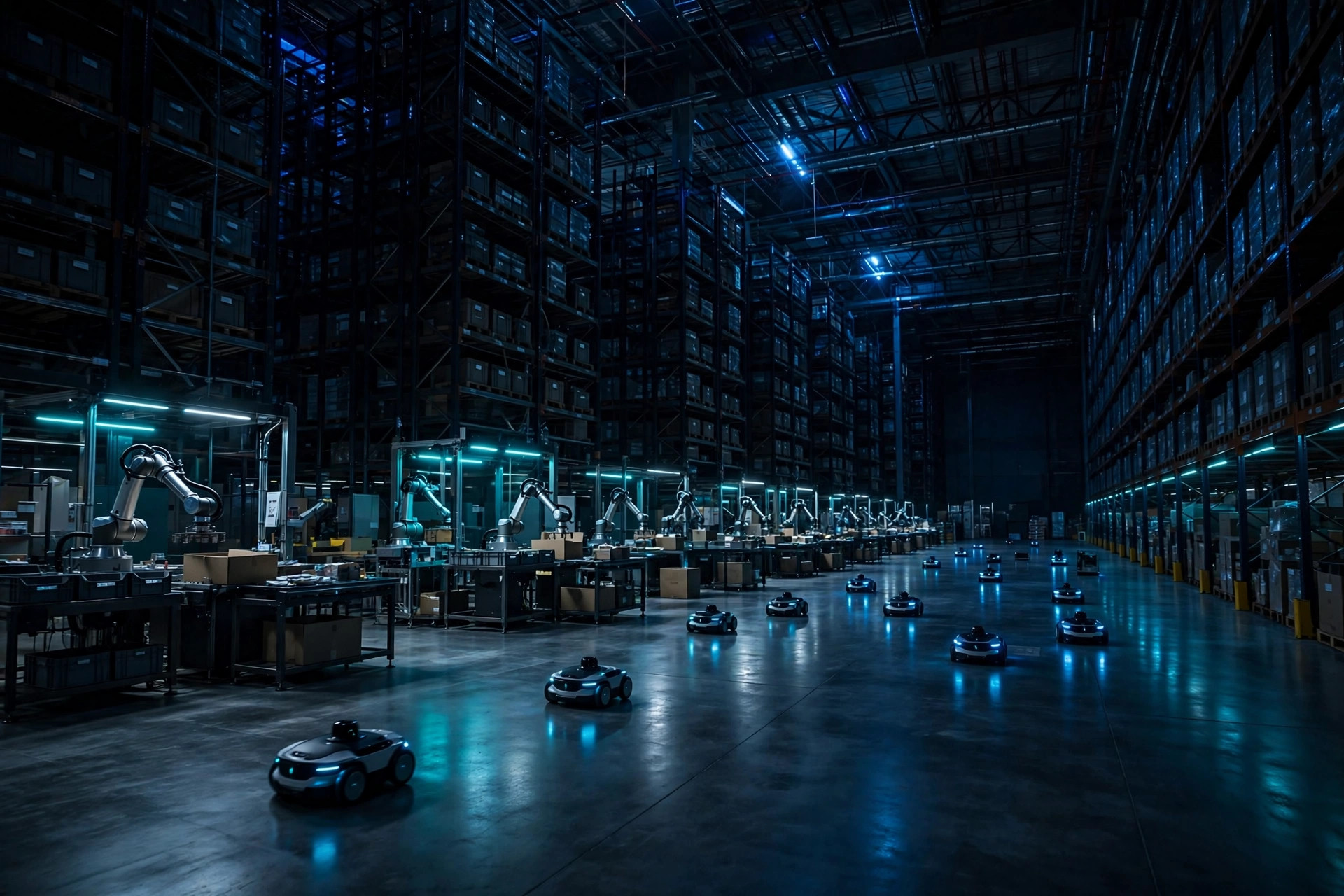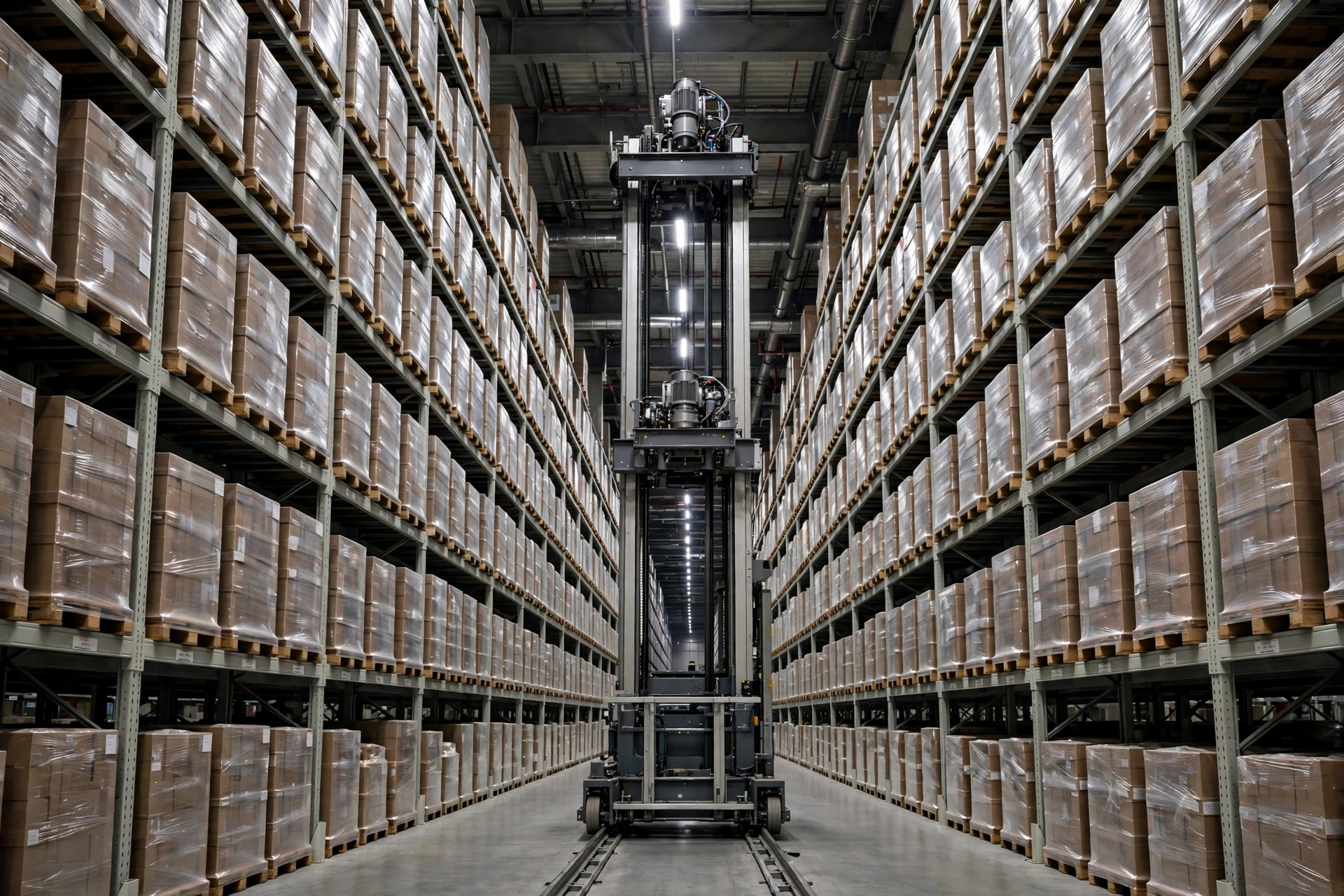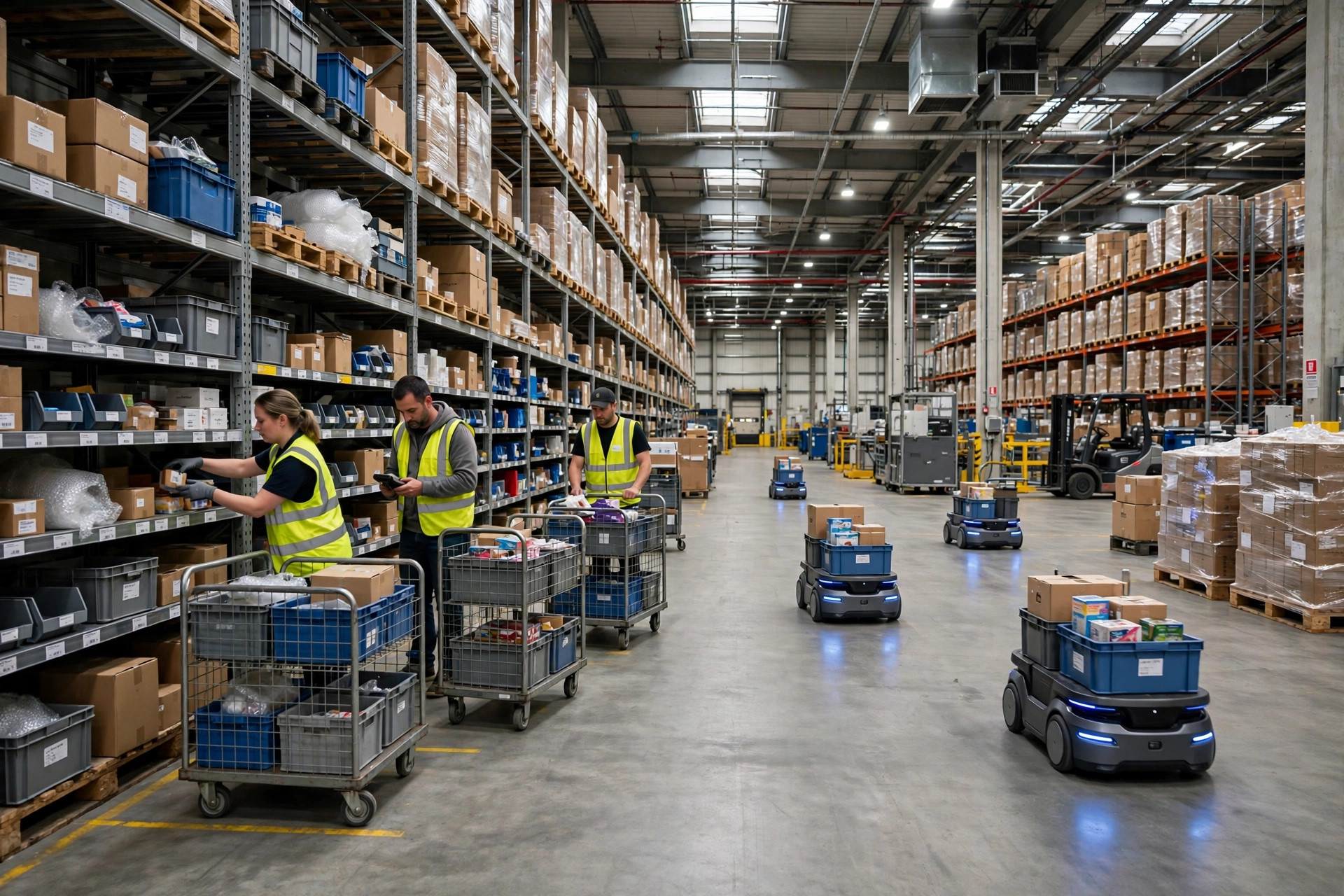
Let me start with the actual numbers. A 3PL in the Midwest serving 14 e-commerce clients, 120,000 square feet, spent $4.8 million in 2024 on a goods-to-person robotic system — 60 AMRs, 4,000 bin locations, sort wall extra. First-year labor savings: $960,000. Simple payback: five years. But the anchor client's contract was 2+1 years. In year two, the client pulled its promotional SKUs and dropped volume by 40%. Half the robots sat idle. That investment was underwater from day one.
3PL warehouse automation is not a technology question. It is a math question. A single-owner DC can depreciate equipment over seven years. A 3PL cannot. Your client contracts run 2–3 years on average, while automation payback typically stretches 4–6 years. That timing mismatch is the real killer.
Where the 3PL Automation Money Actually Goes
Break the cost structure down. For a mid-size "goods-to-person plus sortation" package, three line items always dominate:
| Cost item | Share | Notes |
|---|---|---|
| Hardware (robots, racking, sorters) | 50–60% | One-time capex, low residual value |
| Software integration with WMS | 15–25% | Multi-client billing logic makes this far pricier than a single-owner DC |
| Implementation, training, downtime | 10–20% | 2–4 month go-live window; nobody touches it during peak season |
Most 3PLs sign off on the hardware quote and stop there. The integration line is where budgets go to die. A single-owner warehouse has fixed wave plans and pick strategies. A 3PL has a dozen clients under one roof, each with different billing rules, SLAs, and returns processes. The integration work between WMS and automation scheduling multiplies. I watched a Texas 3PL spend $3.2 million on hardware, then burn another $900,000 on integration and custom development — the contract hadn't fixed the scope, so the vendor billed by the man-day.
The deeper problem is utilization. Multi-client warehouses live on offsetting cycles: Client A peaks while Client B is quiet. Total volume looks stable across the year, but automation is sized for the peak. You might run at 95% during peak and 55% on a yearly average. Of that $4.8 million, over $2 million is sleeping most of the year. Is that money well spent?
Three Ways to Calculate 3PL Automation ROI — Only One Is Honest
Vendors give you the first version: labor savings at peak staffing, three-year payback. Mostly fantasy.
Finance teams use the second: labor savings × average utilization (say 60%) minus annual maintenance and software licenses. Payback usually stretches to 5–7 years.
Here is the one I recommend: calculate against your contract horizon. Line up your three largest clients' contract expiry dates. Take the shortest. Payback must be shorter than the remaining term on that contract. Anything longer is a gamble — betting the client renews, betting volume holds. Winning a gamble is luck, not investment logic.
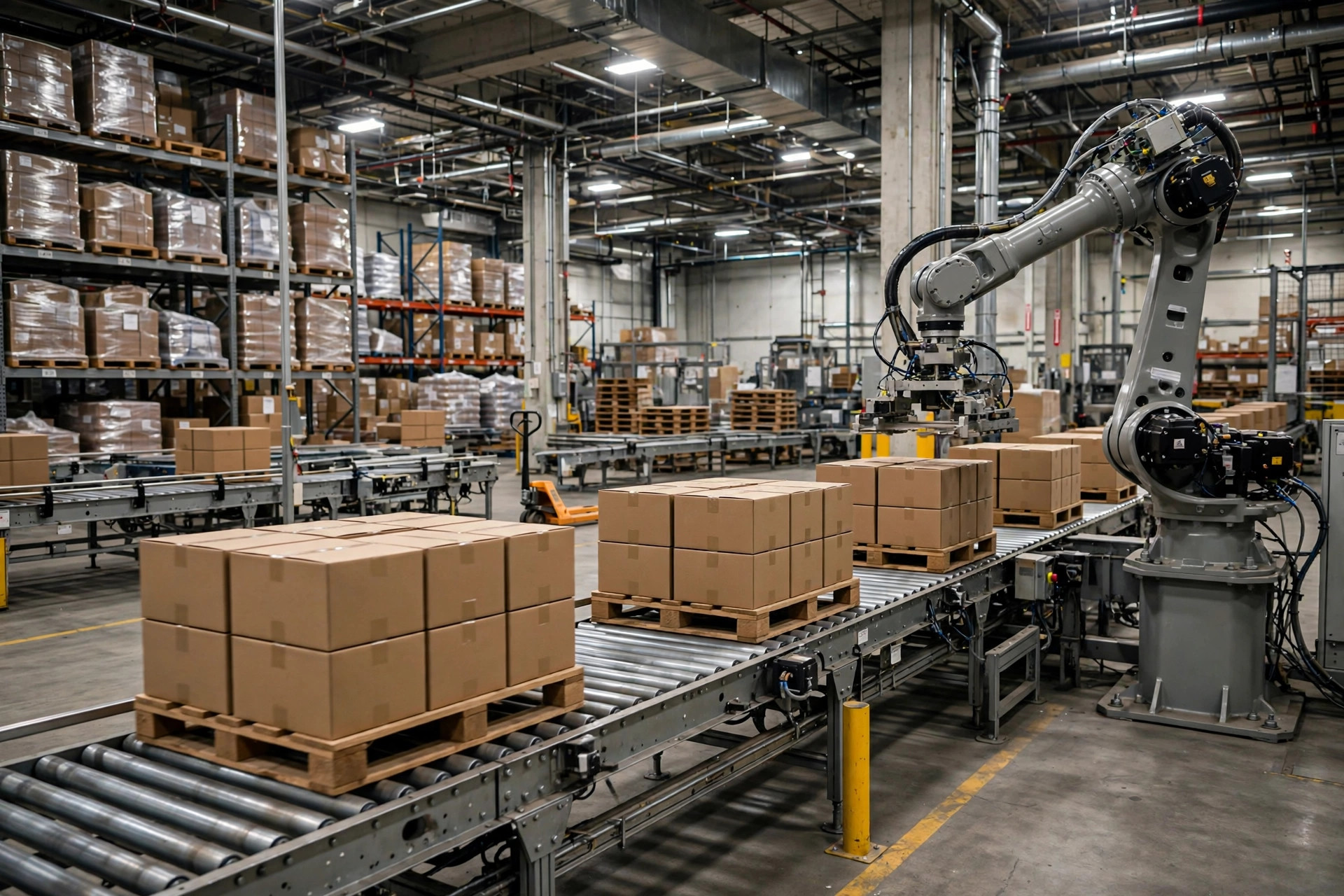
Here is the counterintuitive part: for a 3PL, the most dangerous automation is the kind customized for one big client. The moment a system is deeply tailored to one client's SKU profile and order pattern, that client's departure turns the equipment into sunk cost. In multi-client operations, generality beats efficiency. I would rather take a 15% efficiency hit and have a system that can be re-cut for a new client in two weeks.
When a 3PL Should Actually Automate
Three conditions, all at once, then we talk:
First, a stable order profile. Not stable total volume — stable order structure: daily order fluctuation within ±20%, and all top-three clients with more than four years remaining on contract. A volatile multi-client mix plus automation equals a straitjacket.
Second, labor is already painfully expensive. In the US Midwest, $18–22 per hour for warehouse floor labor is normal now, and with overtime and peak-season temp premiums, an 80-person picking team easily costs over $4 million a year. The math only works when annual labor cost exceeds 1.5× the annualized automation cost. Note: annualized, not sticker price. That $4.8 million amortized over five years is $960,000 a year.
Third, start with "light automation." Pick-to-light, conveyor segments, auto-bagging machines — a fraction of a goods-to-person budget, 1–2 year payback, and they don't care which client the freight belongs to. A California 3PL I know spent $600,000 on pick-to-light and automated packing first. Pick error rate dropped from 0.8% to 0.2%, and the savings on claims and rework alone topped $400,000 a year. That money was well spent because it bet on no client at all.
Running the Two Inequalities on Real Numbers
Formulas alone don't convince anyone, so let's run the $4.8 million case. Assumptions: replaceable annual labor cost $2.4 million (roughly 110 pickers), average utilization 60%, annual maintenance plus software licenses $480,000.
First inequality: $4.8 million over five years = $960,000 annualized. Right side = $2.4M × 60% − $480K = $960,000. It exactly breaks even — but only if utilization truly hits 60%. Many 3PLs run at 45–50% on a yearly average, which drops the right side to just over $600,000 and kills the inequality immediately.
Second inequality: the anchor client's contract has two years left. Payback is three years on the vendor's math, five on finance's math. Both exceed two. Fails.
Put the two inequalities together and the $4.8 million should never have been spent — not on day one. The right sequence: spend $600,000 on light automation first (pick-to-light plus packing), save $400,000+ a year on claims and rework plus another $300,000 in labor, pay back in just over a year. Then, once the top three clients have renewed past four years and the order profile is stable, talk about goods-to-person. Automation can be staged. Contracts won't wait for you.
One cost that keeps getting left out: software licenses and maintenance are paid annually, and they don't stop when a client leaves. On a $4.8 million system, annual maintenance typically runs 8–12% of the hardware value — $400,000 to $600,000 a year, rain or shine. When you calculate ROI, the numerator is "labor saved" but the denominator has to subtract this line first. In many vendor ROI worksheets, this row is in small print. Sometimes it's not there at all.
Here is your calculable decision rule: annualized automation cost ≤ replaceable annual labor cost × 60% utilization factor − annual maintenance, AND payback period ≤ shortest anchor-client contract remaining term. Sign only if both hold. If either fails, go light, or don't go at all.
Automation is not the problem. The problem is doing beautiful math on the wrong client mix. A 3PL sells flexibility. Automation sells scale. Lose the flexibility, and the scale becomes dead weight.
By Lao Zhou, Logistics Cost Analyst