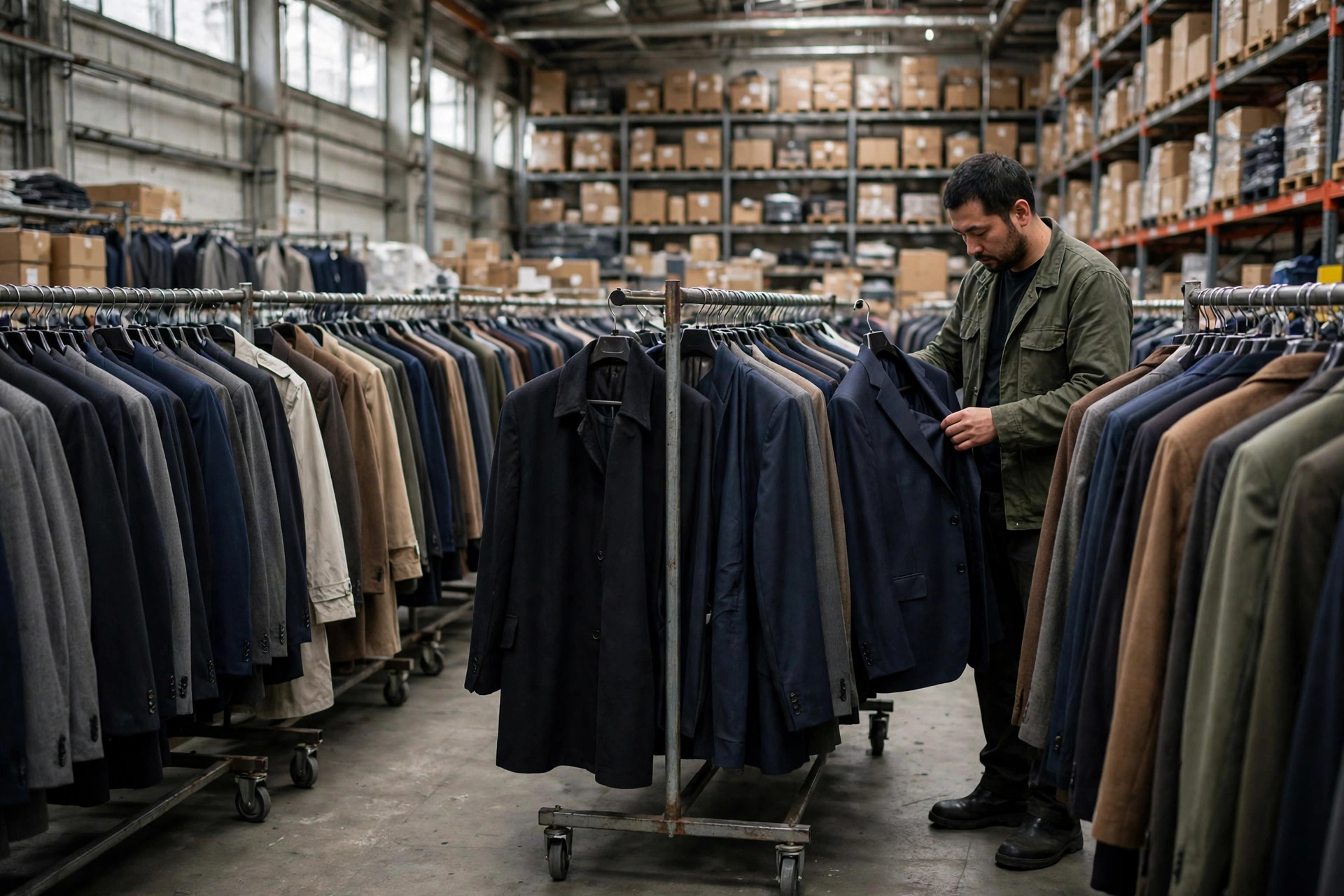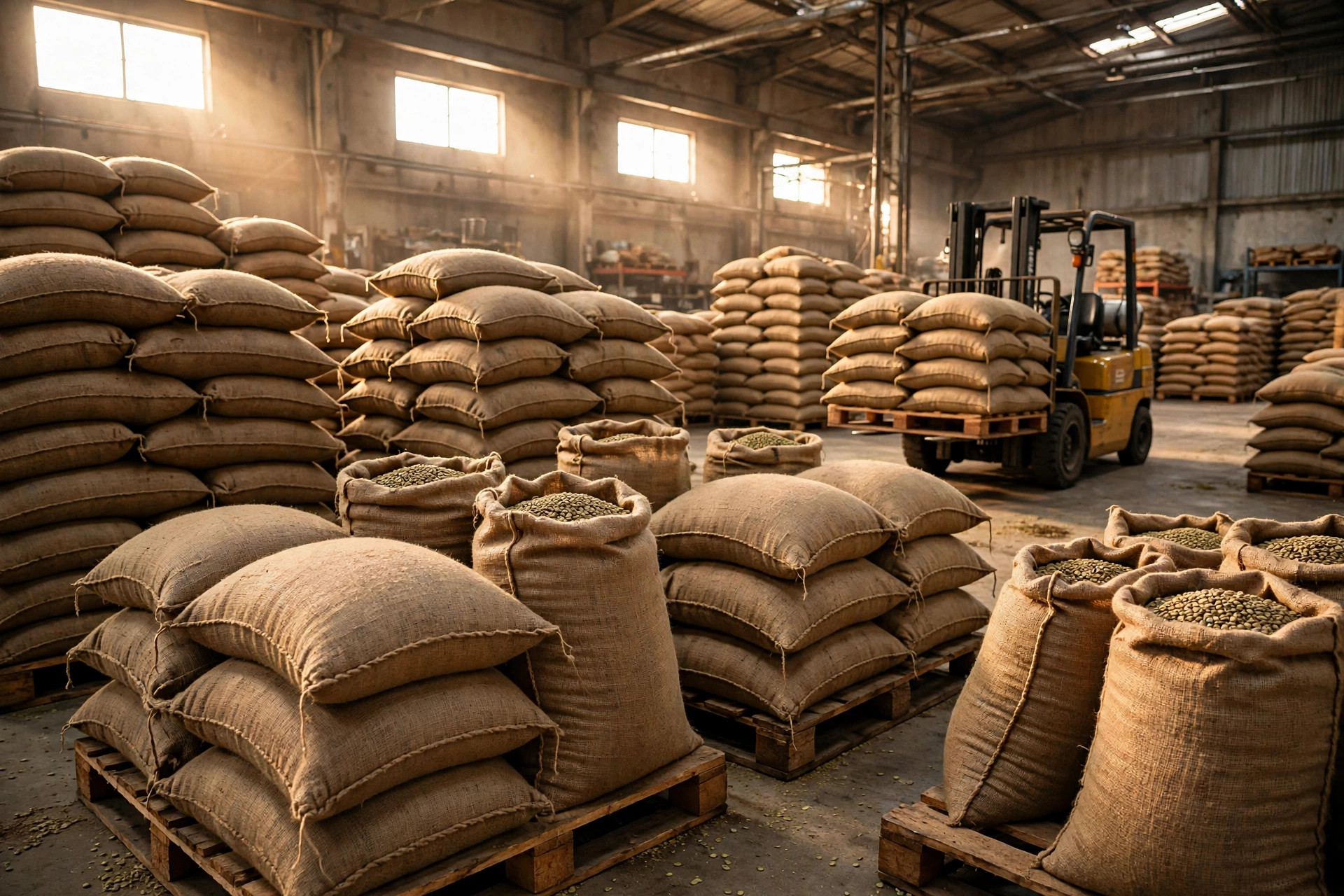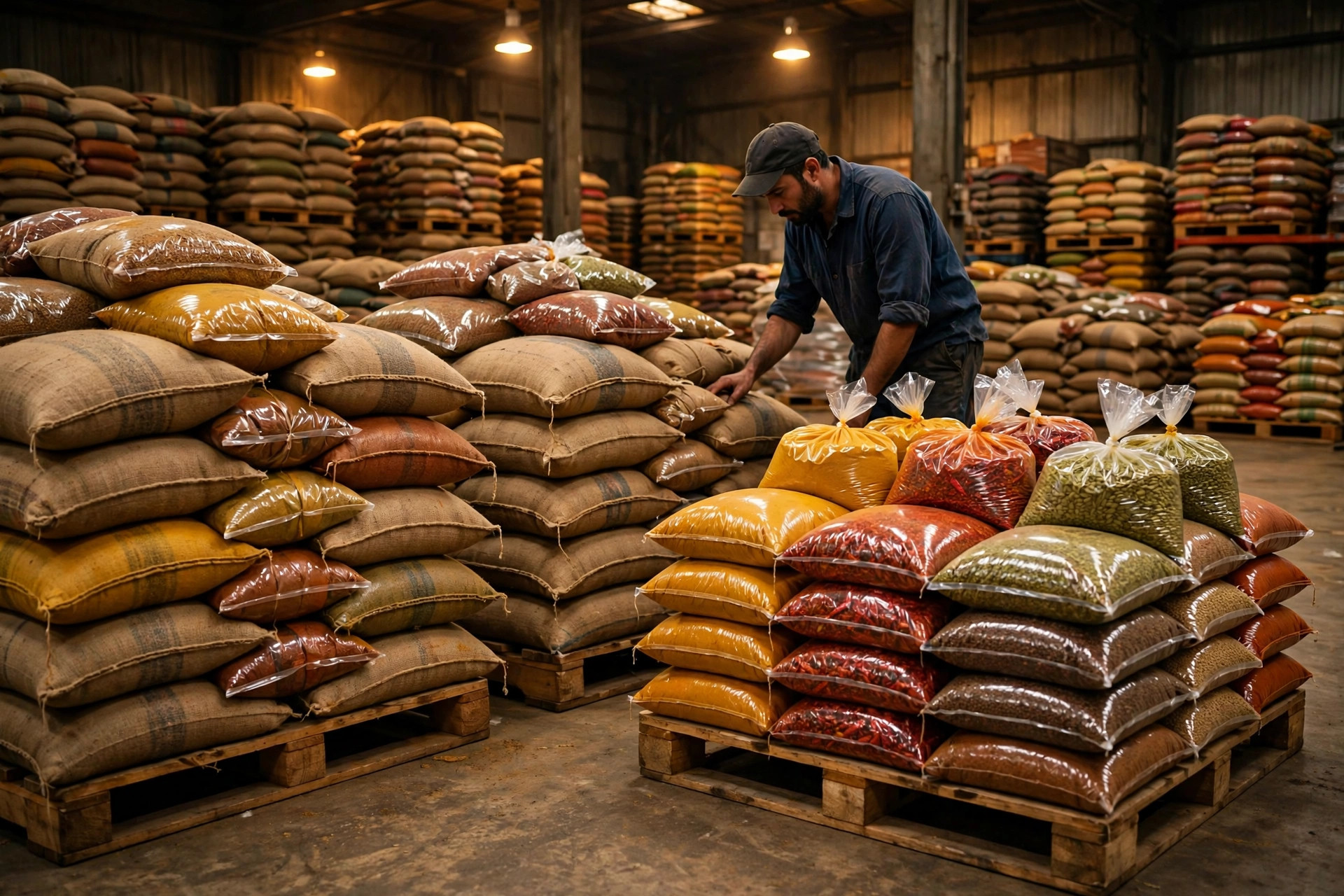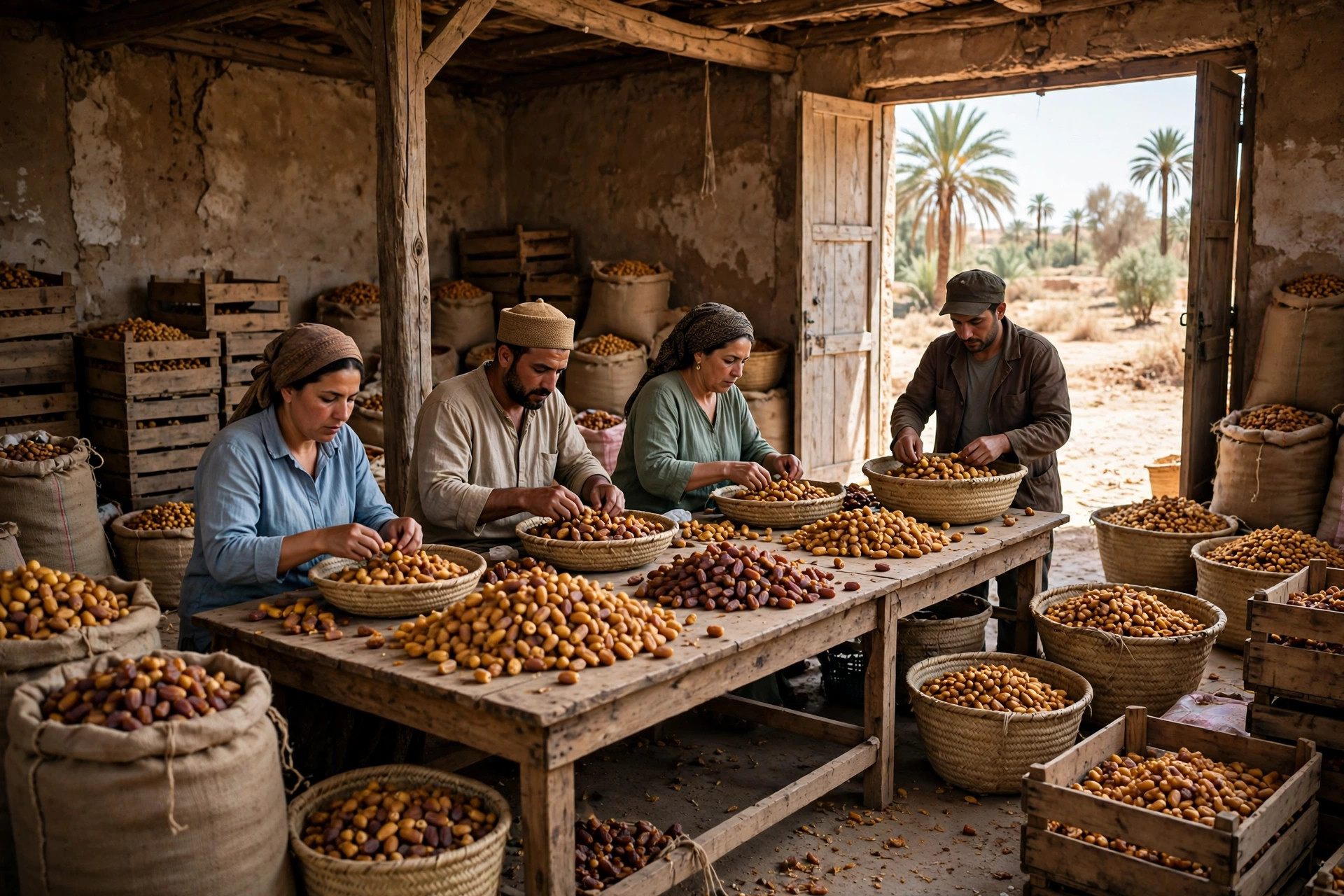
We have a client in Senegal peanut export warehousing. At our first meeting, he proudly showed cheap intake, a well-negotiated freight rate, and a buyer wanting more volume. The line he had not costed properly was the few weeks in the warehouse. Inspection at the port flagged the shipment, the margin disappeared into rework, and he paid extra on top. We had left the hardest part of the chain to the least-prepared link.
From intake in the Groundnut Basin to shipment through Dakar port, every step below is one I have watched a client learn the expensive way. Senegal does not mainly lack peanuts. It lacks warehousing that can deliver good peanuts intact to the buyer.
Senegal peanut export warehousing starts with moisture, not volume
Do not let a word like “bumper harvest” do your thinking for you. The U.S. Department of Agriculture forecasts Senegal’s 2025/26 peanut harvest at about 1.15 million tonnes, a clear recovery from about 800,000 tonnes in 2024/25. Yet peanut exports in 2024 were only about 121,798 tonnes, far below about 336,000 tonnes in 2021. For 2025/26, Senegal set an export target of 300,000 to 450,000 tonnes and removed a 4% export tax. Supply is back, and the policy door is more open. That means competition has moved from the field into the warehouse.
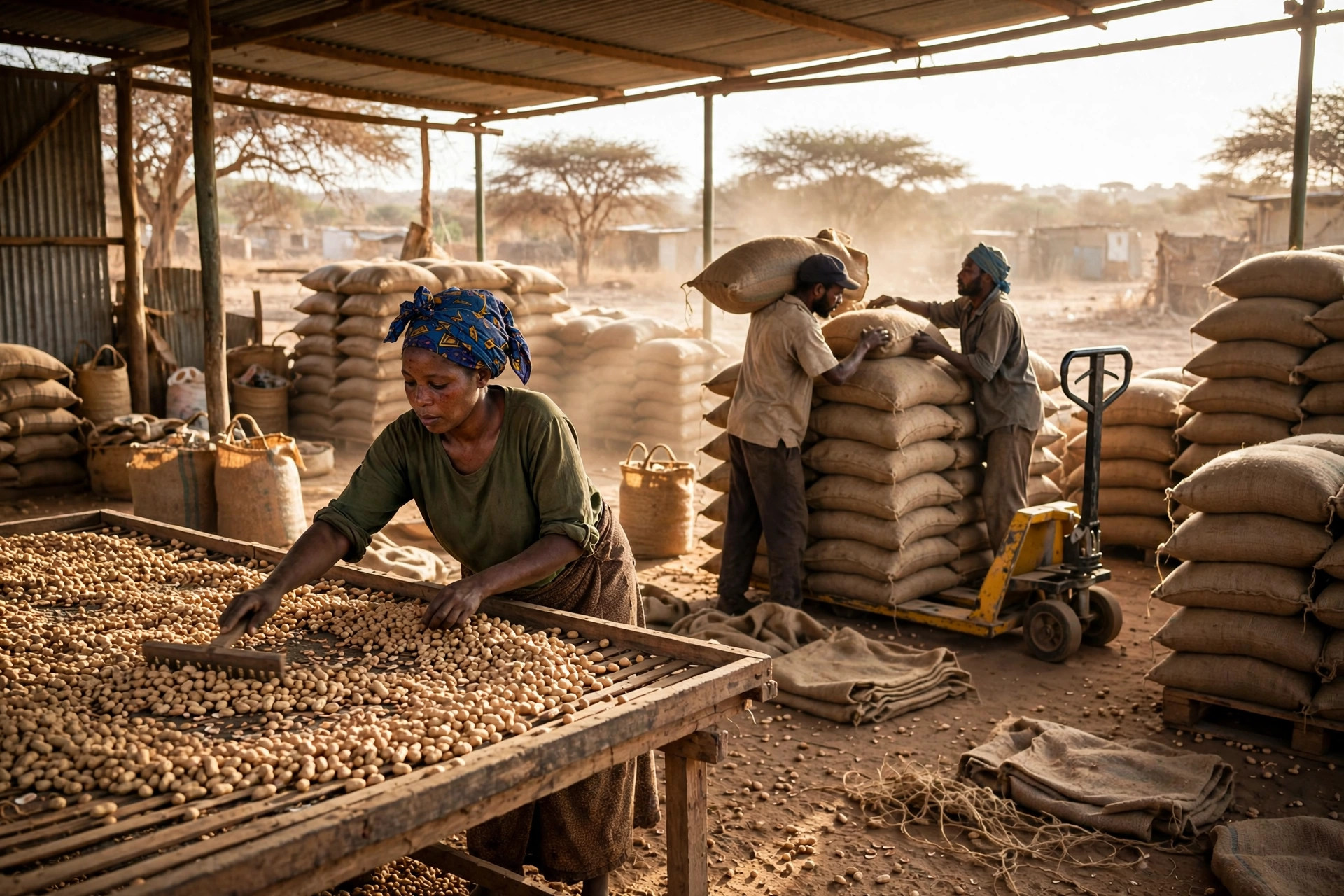
We have a client near Kaolack who took in 120 tonnes of in-shell peanuts during a harvest season and stacked them in a concrete store with mediocre ventilation. On the surface, everything looked tidy. By the third week, a sample from the bottom bags near the wall showed high moisture. A few kernels had darkened and smelled musty. Twelve bags had to be downgraded and could no longer be sold at export grade. He was not unlucky. Rain during harvest had pushed intake moisture up, and nobody had stopped it at the door. From there, everything else was a chain reaction.
So my first contract advice is not about rent per tonne, but writing intake moisture, sampling frequency, and the procedure for out-of-spec lots into the contract. If you do not argue about moisture at intake, the buyer will argue about it at destination. Once mould takes hold, aflatoxin risk follows, and rework may not rescue the lot.
In the Groundnut Basin — Kaolack, Kaffrine and Fatick — the oldest rule still works: keep lots separate by origin, harvest date and moisture result, label the bags, and name the person responsible for each lot. A second client near Fatick took in 80 tonnes in early 2025 and let workers mix farmers’ deliveries in one location to save time. At grading, size, breakage and impurity rates were all over the place, screening took two extra days, and labour and loss both rose. Slow down half a day at intake, or lose a night to rework before shipment.
Here is the counterintuitive point most newcomers miss. The cheapest way to run peanut intake is not fewer people and fewer tests. It is moving the tests earlier. Intake testing costs a little money. Rejection at destination costs a lot. Many clients budget rent and freight carefully but forget the three hidden costs: rework, downgrading and claims. Anyone who has actually exported knows those three eat margin faster than rent ever will.
Senegal peanut export warehousing lives or dies on the grading table
Grading is often misunderstood as “picking the pretty ones.” In reality, it is protecting the saleable ones. An export buyer wants consistency: uniform size, low breakage, low impurities, and controlled mouldy kernels. This shipment cannot look as if it came from a different operation than the last one.
The table below is not an industry price list. It is how one Kaolack client actually ran a shipment, and it shows where the money goes:
| Step | What we did | What it bought |
|---|---|---|
| Intake testing | Moisture and mouldy-kernel sampling, lot by lot | Bad lots stopped before they contaminated good stock |
| Drying and ventilation | Open drying racks, ventilation aisles, no stacking tight against walls | Moisture down, mould denied a foothold |
| Grading and screening | Three grades by size, breakage and impurities | A stable export grade, plus a separate route for lower grades |
| Laboratory testing | Pre-shipment testing matched to the destination market | A report to negotiate with, not just an opinion |
| Pest and moisture protection | Pallets off the floor, regular inspection, damaged bags repaired at once | Fewer insects, fewer reworked bags |
The line most often cut in negotiation is laboratory testing, because it is invisible. I always push back. A test report is not a cost; it is leverage. Without it, you are telling the buyer, “I think it is fine.” With it, you are saying, “This is lot number such-and-such, and these are the results.” At a claims table, those are two very different prices.
There is also a trade-off to settle before the season starts. Storing peanuts in shell is more forgiving, but it takes more space and ties up working capital longer. Shelling early makes grading and stuffing easier, but raises the demands on moisture and pest control. There is no universal answer, only an answer that fits your sailing schedule. If the vessel is fixed and the buyer is waiting, do not cling to the false comfort of in-shell storage. If no vessel is in sight, do not rush to shell and then leave the most vulnerable product waiting for a ship.
The aflatoxin line: the warehouse does more than the laboratory
When people hear aflatoxin, they think “test.” Testing is the last gate, but every warehouse step before it reduces the pressure on that gate. Mould likes three things: dampness, heat and damaged kernels. The warehouse job is the opposite: keep stock dry, keep air moving, limit breakage, and shorten time in high-risk storage.
For direct human consumption, the European Union sets aflatoxin B1 at 2 micrograms per kilogram and total aflatoxins at 4; peanuts sorted or physically treated before consumption have higher limits. Always check the official current standard for the destination market before shipment, because limits differ by market and use and they change. Do not gamble a new contract on an old standard. The United States and other markets use different frameworks, so the same discipline applies there too.
The saddest shipment I saw was not the worst product; its traceability was broken. The buyer asked when each lot arrived, which lots had high moisture, and which bags had been treated. My client could not answer. The product was defensible; the trust was not. So my contract template insists lot records travel with the goods, and if one sheet is missing, the warehouse owns completing it.
Consolidation and Dakar port: do not stumble at the last mile
Once grading and testing are done, consolidation and shipment remain. Peanut exports often move as consolidated loads, which saves freight but pools risk. Another shipper’s damp cargo, odour problem or document error can hold up your container too. Before consolidation, I make clients confirm three things: the cargoes in the same container are compatible, every lot’s documents are complete, and the split of inspection or delay costs is agreed in advance.
At Dakar port, the process itself is manageable; time is the problem. Vessel schedules, inspections and documents can each slip by two days, and the warehouse bill grows with every delay. Work backwards: fix the vessel first, then the testing date, then the grading completion date, and only then the intake date. Too many clients work forwards, take the crop in, and then look for a ship. The result is stock sitting in the warehouse while risk quietly rises.
Here is the insider line I only say as the seller’s side: ports run on documents and procedures, not favours. With complete documents, clear lot records and a test report, an inspection is manageable. With one document missing, even a familiar contact cannot sign it through.
Next time you negotiate, ask these three questions.
That Kaolack client changed his contract and routine: test at intake, grade separately, and let the report travel with the goods. Next season brought less rework and more repeat orders. His peanuts had not changed; his warehouse had started behaving like an export warehouse.
Next time you negotiate a contract, ask these three questions. First, if intake moisture is out of spec, how does the warehouse handle it, and who pays for rework? Second, who sets the grading standard, and how is downgrade loss shared if pre-shipment testing fails? Third, do lot records travel with the goods, and who is responsible if one record is missing?
Answer those three before signing, and you have covered most of the road from the Groundnut Basin to Dakar port. The rest is daily discipline: drying, ventilation, moisture protection and pest control, done properly every day.
By Susan, 3PL Sales Director