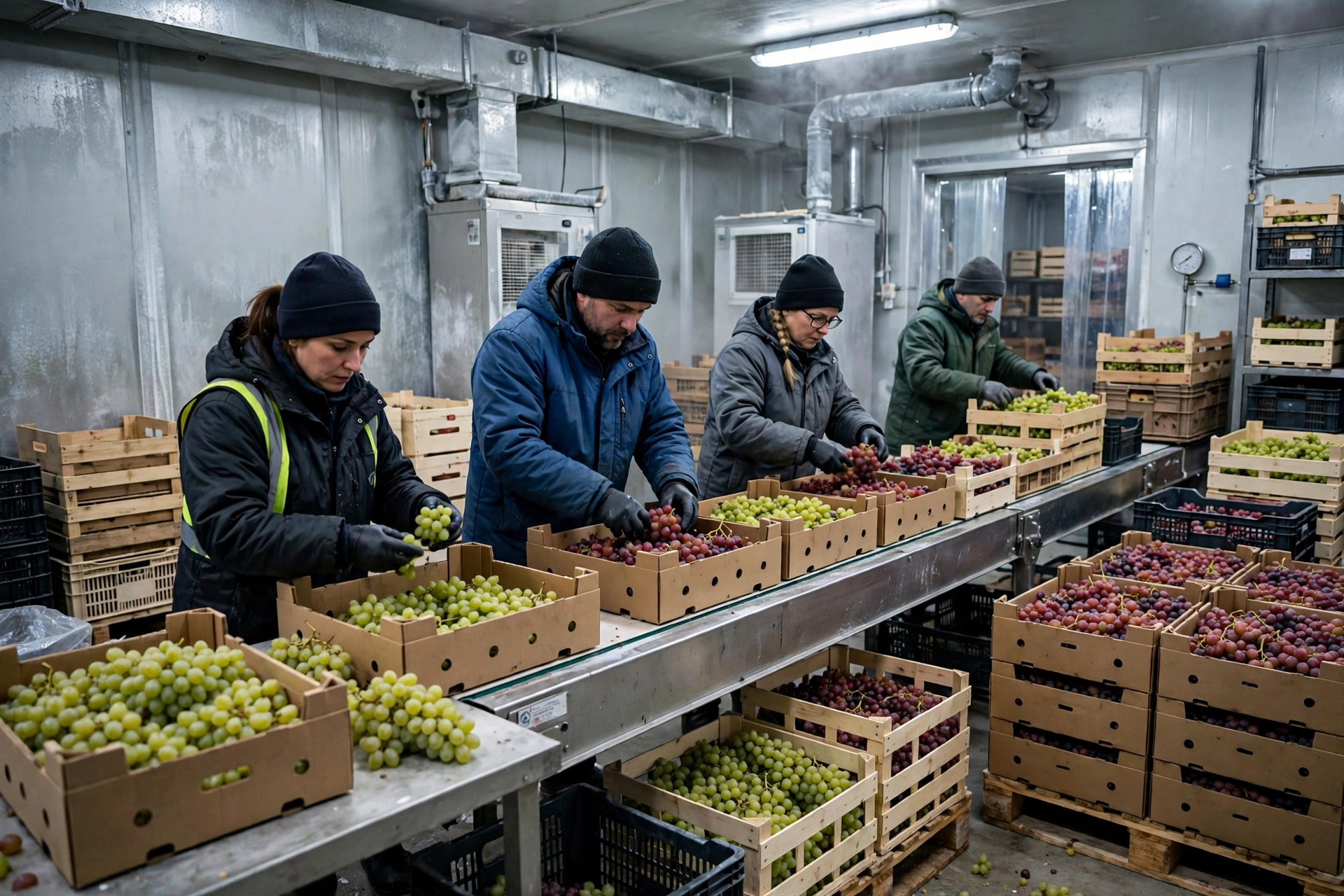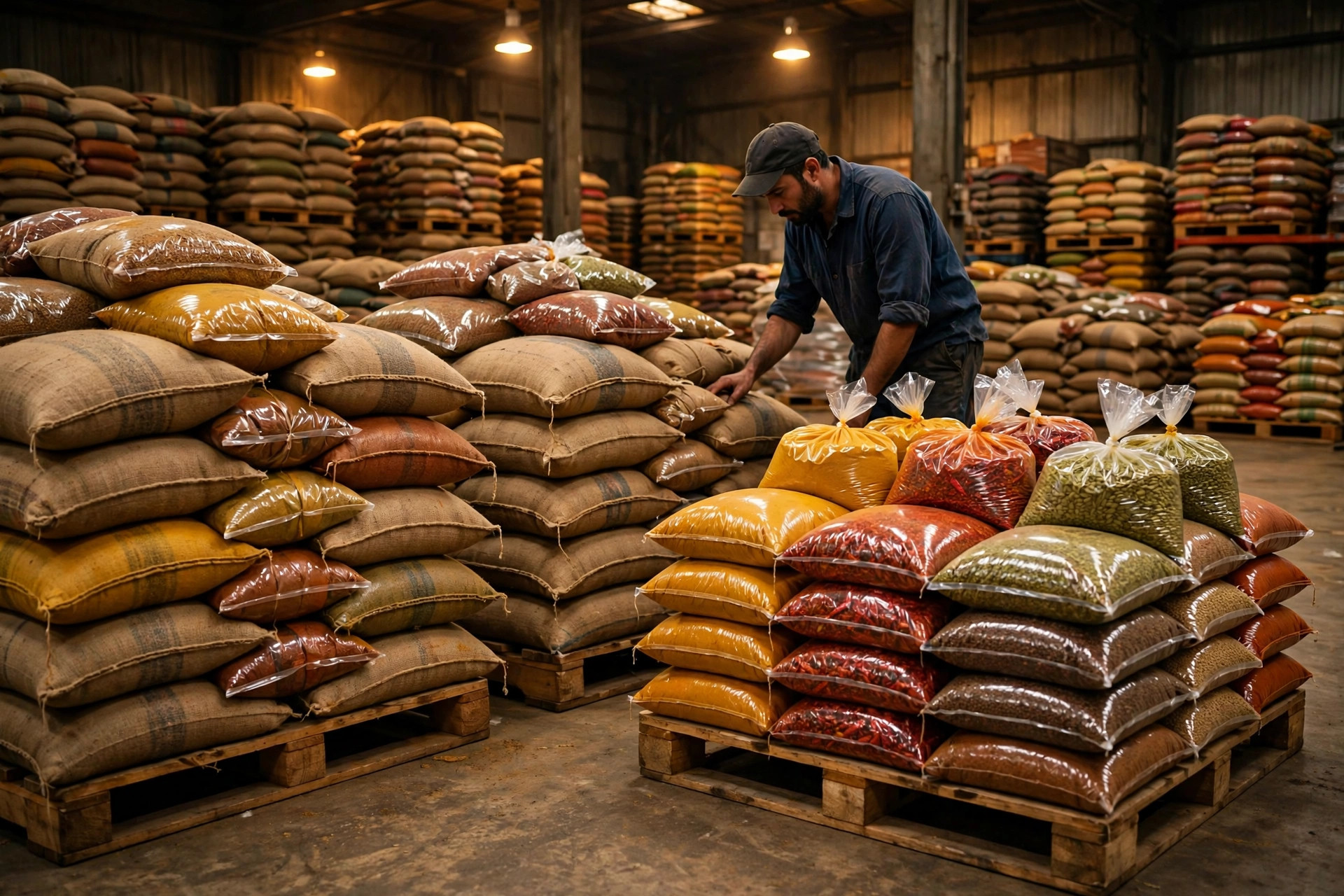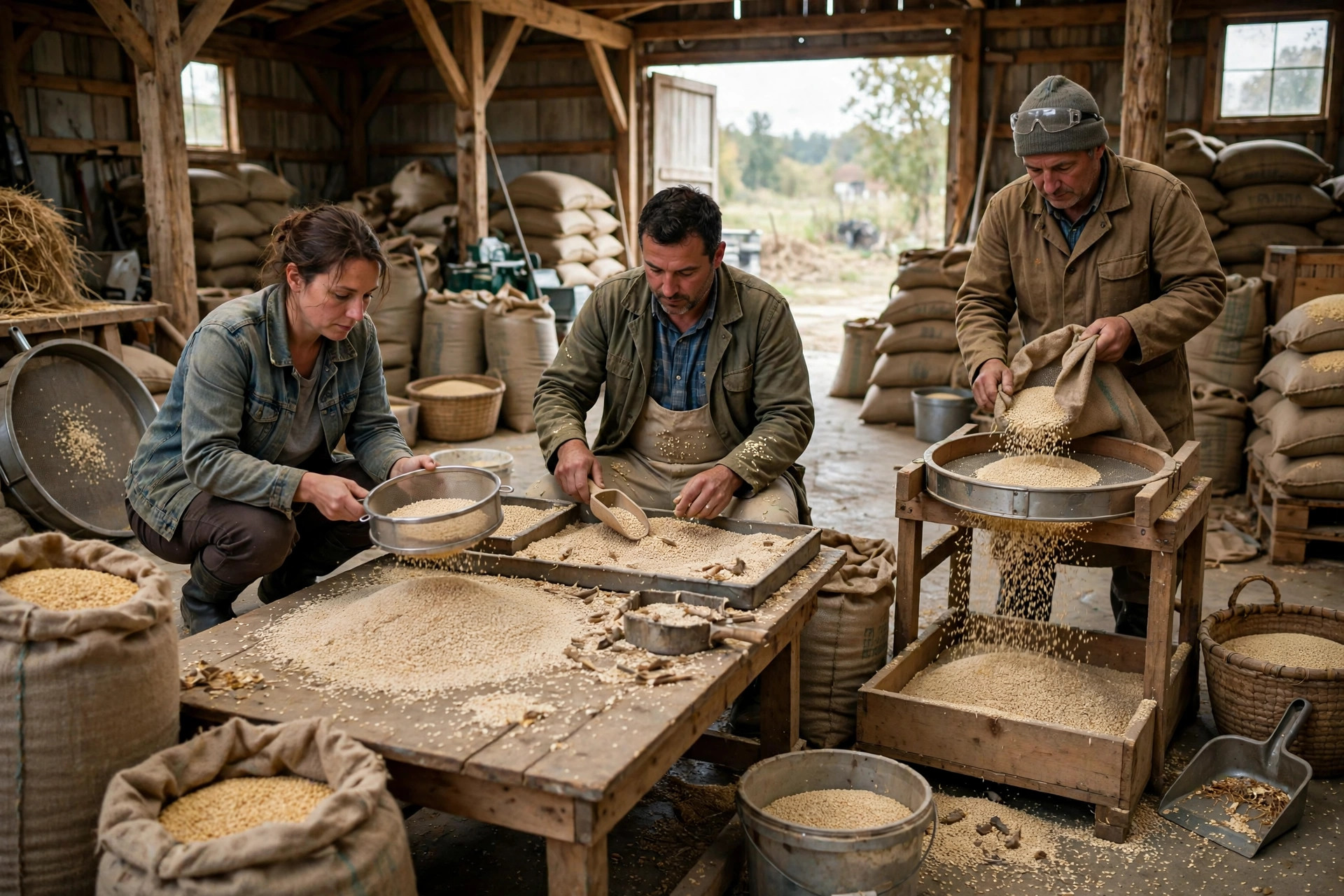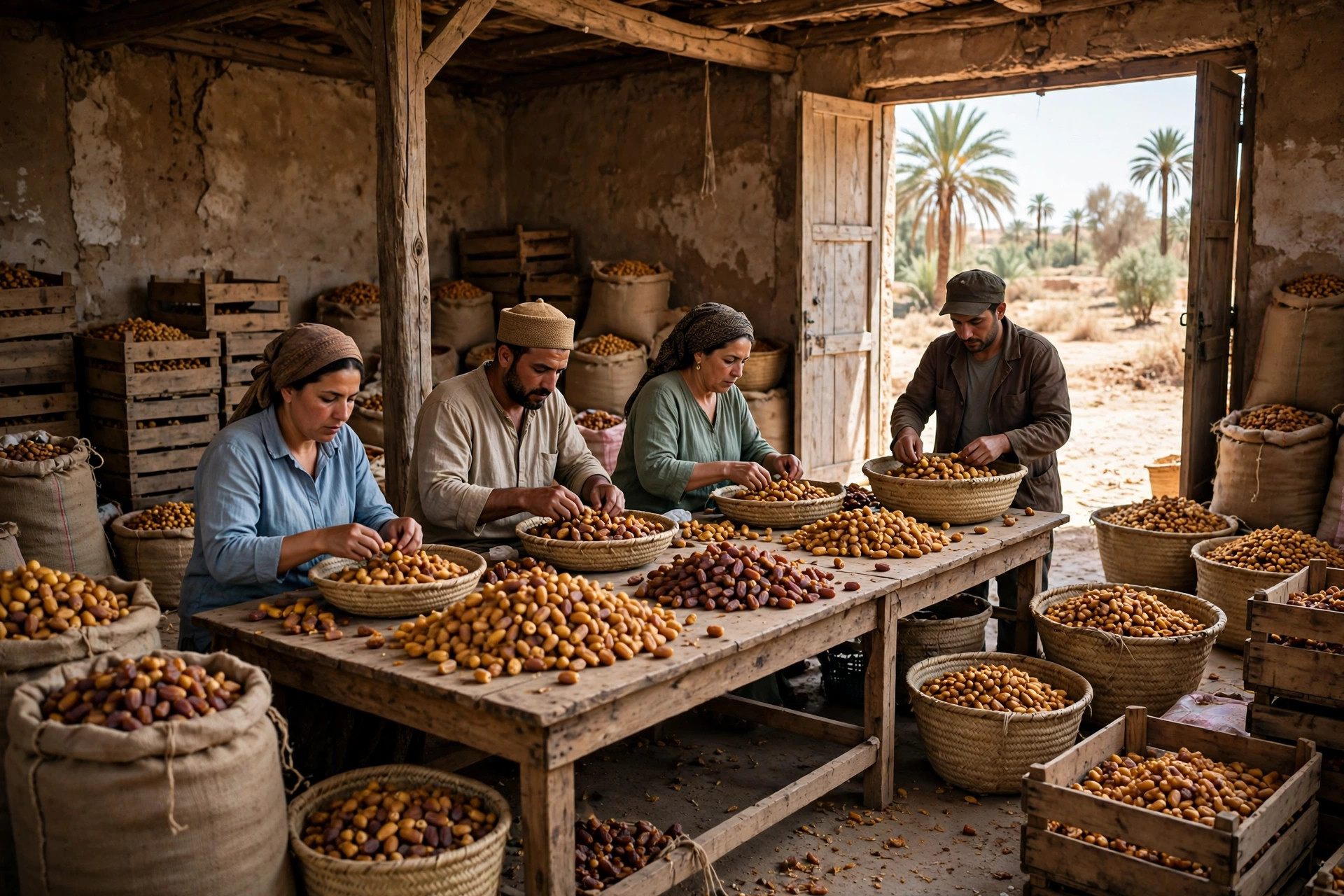
Let me tell you something. After all these years on the road, dates are among the most delicate loads I have hauled. They look dry and tough, built to last, but they fear pests, they fear damp, and they fear squeezing. Miss one step in warehouse storage, and the problem shows up on a European shelf. Tunisia dates export warehouse storage comes down to three jobs: pest control, moisture control, and grading. Skimp on any one of them, and that one will come back to charge you.
Dates coming out of the Tozeur oases should not be rushed into export cartons the moment they reach the warehouse. I have seen plenty of shippers push for fast packing to catch a sailing. The result? Insect eggs carried in with the fruit, warmed up during transit, and discovered when the buyer opened the boxes in Europe. The shipment gets sent back. Other lots arrive with moisture not properly controlled, turn sticky in a damp warehouse, and get downgraded for the whole lot, with a price gap painful enough to remember for half a year.
Tunisia Dates Export Warehouse Storage on the Road: Two Loads, Two Endings
A few years back, while running routes along the Mediterranean, I followed two lots of Tunisian dates, both coming out of the Tozeur direction, with completely different endings. The first lot went to a cheap ordinary warehouse with no pest measures, stacks pushed against the wall, and poor ventilation. When the European buyer sampled the load, inspectors found pest traces, and the whole lot was held for treatment. The freight was wasted, and the shipper also paid a penalty for breach of contract.
The second lot was different. That warehouse did three small things: fumigation treatment before storage, with records kept; stacks kept off the wall with ventilation gaps; and soft dates separated from dry dates during grading. None of it sounds impressive, but that lot passed inspection in Europe on the first try, and the customer came back asking for the next lot. Let me tell you, in warehousing, what decides success is often not big equipment. It is these small rules nobody notices until they fail.
Another time, damp air caused the trouble. A lot shipped during the rainy season, and the warehouse never got humidity under control. Cartons went soft, bottom layers collapsed under the stack, and the dates got squeezed together, ruining their appearance. After that, the warehouse set a rule: during the rainy season, measure warehouse humidity before stacking, dehumidify first if it is over the limit, and always raise the bottom layer on pallets. Since that rule went in, no stack has collapsed again.
Tunisia Dates Export Warehouse Storage: What Pest, Moisture, and Grading Each Take
In Tunisia dates export warehouse storage, pest control must never wait until you can see insects. In Tunisia dates export warehouse storage, pest control is prevention work: inspection on arrival, regular patrols, and immediate isolation when anything suspicious shows up. The steadiest approach I have seen keeps a sample and a record for every incoming lot, so if a European inspection raises a question, you can show exactly what state the lot was in while it sat in your warehouse. Without records, a dispute leaves you with nothing to stand on.
Moisture control comes down to one idea: do not let the dates sweat. In a warehouse with big day-night temperature swings, opening the doors in the morning lets damp air straight in, and condensation forms on the fruit surface. The fix is plain but it works: do not leave doors wide open for ventilation, exchange air when humidity is low, and never let cartons touch the floor or the wall directly. And grading deserves real effort. Mixing sizes, softness levels, and colors in one box gives a European customer a poor first impression when the box opens, and the price follows that impression down. Grade carefully, and the price can be split properly too.
The Tunisia Dates Export Warehouse Storage Bill Shippers Should Read Clearly
For one container of Tunisian dates, the warehouse bill breaks down like this:
| Stage | Where wasted money hides | Money worth spending |
|---|---|---|
| Receiving and pest control | Skipping inspection to save trouble | Arrival checks, treatment records, retained samples |
| Storage and moisture control | Cheap warehouse with uncontrolled humidity | Dehumidifying, pallet elevation, humidity patrols |
| Grading and packing | Mixing grades to save labor | Grading labor, sturdy cartons, lot labels |
| Export and inspection | File lot numbers that do not match | Lot records, document re-checks |
Here is the counterintuitive part most people miss: the most expensive item in dates warehouse storage is often not the rent. It is the downgrade gap. A good lot downgraded from first grade to second because pest or moisture control slipped can lose more in price than the whole container's warehouse rent. So the little money saved on cheap rent is nothing next to a downgrade loss.
One more loading detail matters more than people think: do not stack date cartons too high. Stack too high, and the bottom layer deforms under pressure, squeezing oil out of the dates and dropping the grade at a glance. One warehouse I worked with holds a hard rule of no more than 8 carton layers per stack, checking corners for pressure marks before stretch-wrapping the pallet. That rule looks slow during peak-season rushes, when crews are tempted to add two more layers and save half a pallet position, but the appearance money lost on a crushed lot is far larger. In Tunisia dates export warehouse storage, profit is protected by exactly these rules that slow you down by half a step.
There is also a trucking handover point worth remembering. Dates fear rain, so if it rains on loading day, the tarpaulin must be on before loading starts, not after the cartons get wet. I once saw a load where the tarp went on half an hour late, the side cartons wicked moisture, and those cartons were downgraded in Europe. Warehouse staff and the driver should count cartons and inspect box condition face to face, sign, and only then depart. That half hour is money well spent.
I will close with an old saying from the road: goods are dead, rules are alive. No matter how good the dates from the Tozeur oases are, without rules in the warehouse, they will not fetch a good price on a European shelf. Do pest control up front, watch moisture day by day, and grade cleanly, and the shipment can hold its head high wherever it goes. In warehousing, do not chase a quick saving. The saving you chase today gets repaid double tomorrow.
By Shifu Zhao, Trucking Veteran (15 yrs)