Excerpt: Senegal Dakar port warehouse success is not about renting closest to the quay. It is about French-language documents, pickup rhythm, and inland distribution fitting together. This guide covers landing at Dakar port, customs clearance, warehouse layout, and inland dispatch, with a comparison table for sellers entering West Africa.
Here is my conclusion up front: in Senegal Dakar port warehouse planning, write down who owns every step from vessel arrival to goods on the shelf before you sign a lease. I have spent twenty years in American supply chains, and I have seen too many teams enter West Africa with a simple idea — rent near the port and be done — only to watch goods stall on documents and pickup while rent keeps running. That is the two-sided reality here. On one side, Dakar works as a gateway, with goods landing there and moving inland. On the other side, French-language paperwork, communication, and operating rhythm are nothing like the English-speaking playbook. Plan around the English playbook and you hand the most critical link to luck.
Put plainly, communication cost is cost, and document capability is capacity in a French-speaking market. Do not treat either as a soft factor. Who prepares the documents, who books pickup, who checks goods on arrival, and who gets called when something goes wrong — those four assignments matter more than a warehouse address. A good location cannot rescue a chain with no owner at each handoff.
The French Paperwork Problem Is Where Most Teams Fall Down
I got to know a seller of everyday goods whose first shipment to Dakar carried tidy English documents and a hastily assembled French version. Product names did not match across versions, quantity units were vague, and the customs broker had to go back and forth several rounds. The goods waited at the port, and the warehouse receiving plan fell apart. Worse, the warehouse had staffed and reserved space on the original schedule, so people waited for goods that did not arrive, and the next shipment collided with the delayed one. The lesson was blunt: in a French-speaking market, documents are not an attachment prepared at the last minute. They are the first step of the whole warehouse chain.
The inland version of the same story is just as familiar. A distributor kept everything in one main warehouse near Dakar and arranged trucks only after inland orders arrived. That worked in quiet weeks. In peak season, trucks were hard to book, inland orders piled up, and customers switched to local competitors with stock on hand. The distributor later opened a small inland satellite point stocked only with the fastest-moving lines: routine orders shipped from the satellite, special orders still came from the main warehouse. No large new lease, yet inland waiting times dropped noticeably. Often the problem is not that the warehouse is too small. It is that the goods are too far from the customer.
In Senegal Dakar Port Warehouse Work, Pickup Rhythm Beats Floor Area
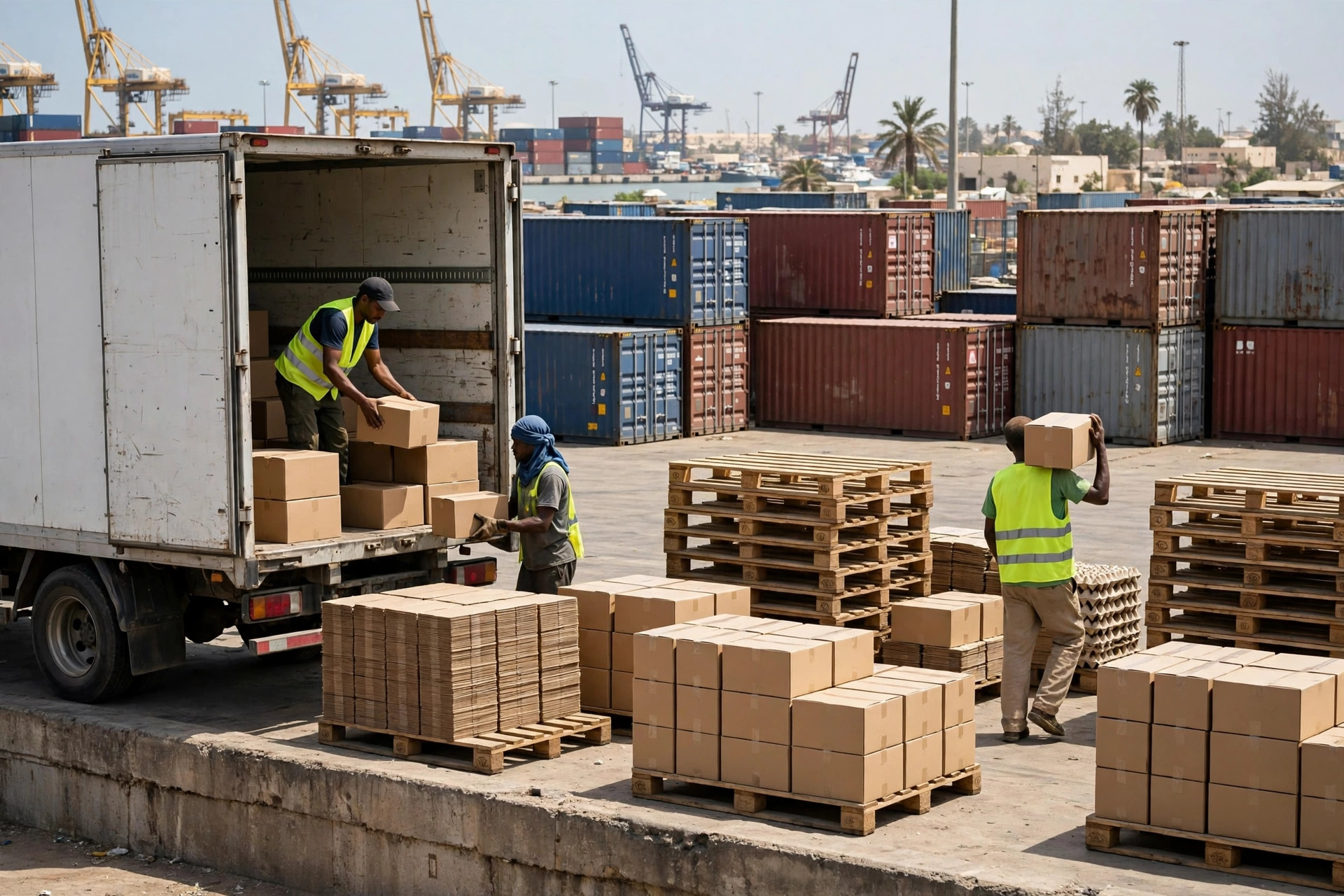
Pickup from Dakar port is the most underestimated link. Vessel schedule, documents, inspection, and pickup booking all feed into it, and a delay in any one of them lands in the warehouse. My advice is to work the timeline backwards before shipping: are documents complete before the vessel arrives, does the customs broker hold a full French-language set, which window is the truck booked for, and which day can the warehouse receive and check the goods? Every step needs a name, not just a department. When something goes wrong, who gets the first call should be decided before the goods arrive, not after.
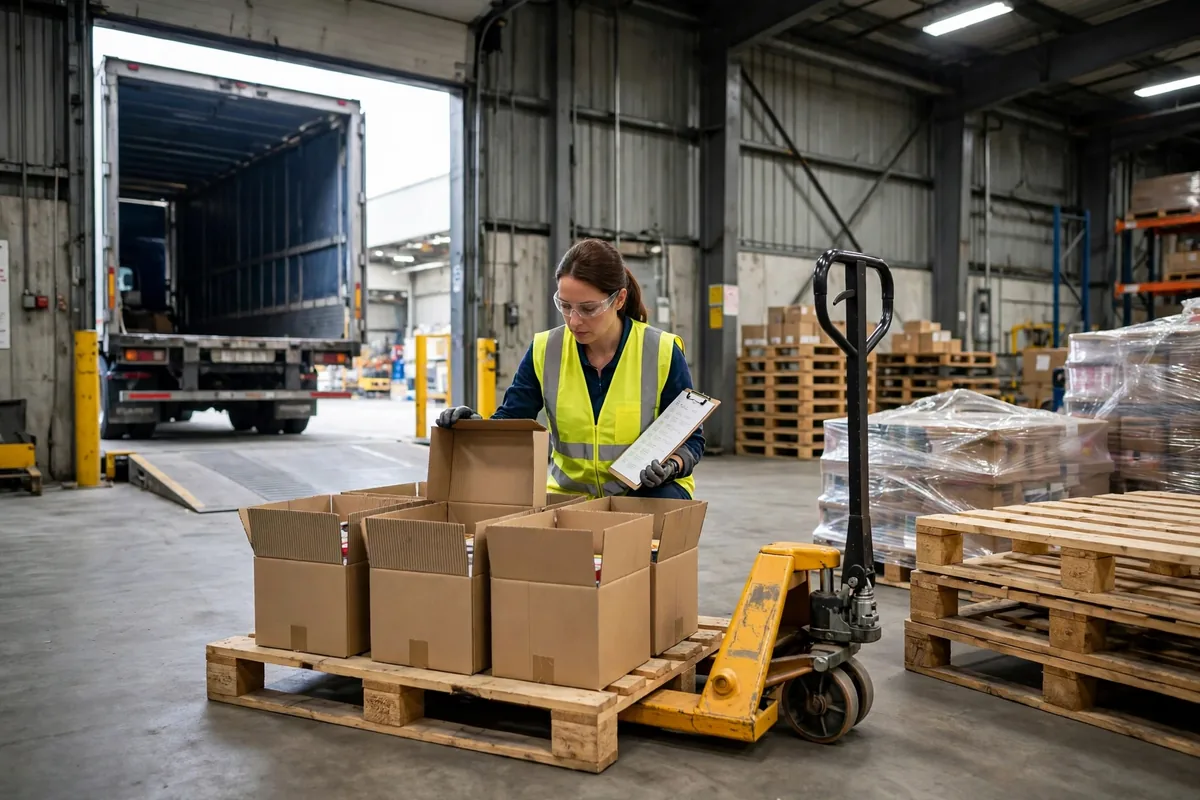
Receiving checks deserve the same discipline. Do not rush goods onto shelves. Check product names, quantities, and outer packaging against the order first, and photograph and record any damage or shortage on the spot. Communication chains are long in a French-speaking market, and evidence assembled afterwards is far harder than evidence kept at arrival. Receiving data should enter the system the same day, not be reconstructed at month-end. The worst warehouse state is not being busy. It is being busy and not knowing where goods are or how much is left.
The Layout Ledger for Senegal Dakar Port Warehouse Planning
There is no universal layout, only a stage-appropriate one. I ask every seller entering Senegal to fill in a table like this. The point is to force the hidden costs onto the page:
| Layout | Best for | Biggest cost | Where it usually breaks |
|---|---|---|---|
| Everything near Dakar port | Concentrated volume, mainly inland wholesale | Transport and waiting cost for inland orders | Peak-season truck shortages leave inland customers waiting |
| Dakar main warehouse plus inland satellite | Stable fast-moving lines inland | Stock split across sites, transfers need oversight | Wrong satellite assortment means overstock and stockouts at once |
| Direct dispatch by customer region | Customers concentrated in a few inland cities | Loss of centralized stock flexibility | No buffer when orders swing, so a stockout loses the order outright |
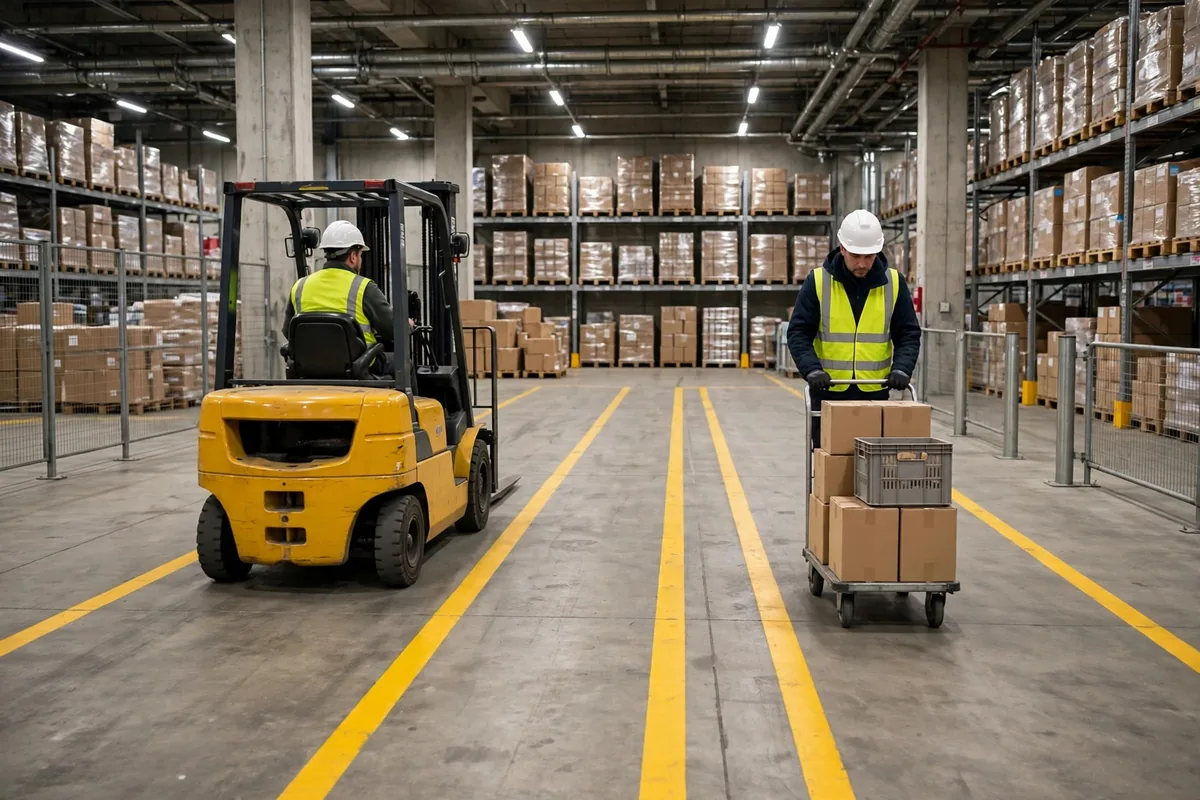
Most sellers who fill this in get a surprise. Keeping everything in one place looks simple to manage, until inland transport and waiting quietly eat the margin. A satellite point looks like extra management, yet it buys stable supply for inland customers. In the end, the layout calculation is not about rent per square meter. It is about the full cost of waiting, damage, and communication on every order from port to customer.
Inland Dispatch Is Not a Map-Distance Problem
A common trap in West African inland distribution is judging a route by map distance. Road conditions, season, truck availability, and procedures along the way all change the real transit picture. Before choosing a satellite location, run the real route, or at least have a local partner walk through the critical points: which stretches are hard in the rainy season, which directions struggle to find return loads, and how goods are handed over and signed for along the way. None of that appears on a quote, yet it decides whether your delivery promise holds.
French-language communication with local partners should be treated as a hard requirement, not a nice-to-have. Contracts, delivery notes, and exception notices must be expressible accurately in French, and problems must be reconcilable in French the same day. Before committing, I suggest one small trial shipment run end to end — pickup, receiving, dispatch, and proof of delivery — so every jam and delay shows up while the stakes are low. A trial costs far less than rework after a full cooperation is signed.
The Counterintuitive Call
Many people assume the warehouse closest to the port is always best. In Dakar, that is only half true. A site near the port makes pickup easy, but rent, truck traffic, and scheduling pressure run higher. A site a little further out, toward the inland dispatch direction, adds a leg to pickup yet may save more time on distribution. My advice is to hold one Dakar main warehouse first, then decide on a satellite point from the inland order map, stocking only the fastest-moving lines there. Once you know your pickup rhythm, your document pass rate, and the real order volume in each direction, then talk about expansion. Warehouses serve orders, not dots on a map.
There is no shortcut in West African warehouse distribution, only patience and localization. Get the documents and pickup owners written down first, then settle the layout, and only then argue about size and rent. Before you sign, work through four questions: are the French documents complete, is the pickup window booked, does the warehouse have hands ready for receiving checks, and which point serves each inland direction most reliably? Answer those, and the warehouse decision gets much easier.
By Lao Mi, Supply Chain Veteran (20 yrs)