Let me start with our situation, because it explains everything else — and why picking the right customs broker matters more than I ever thought. We run a 3,000-square-meter warehouse. Six people. During peak season, each of us does the work of three. In April 2025, we took on a small seller's first import — a batch of home goods coming through the Port of Los Angeles. The seller had found his own licensed customs broker. The quote said flat rate. It looked cheap. I even told the seller, hey, this price is good, cheaper than the other firm we asked.
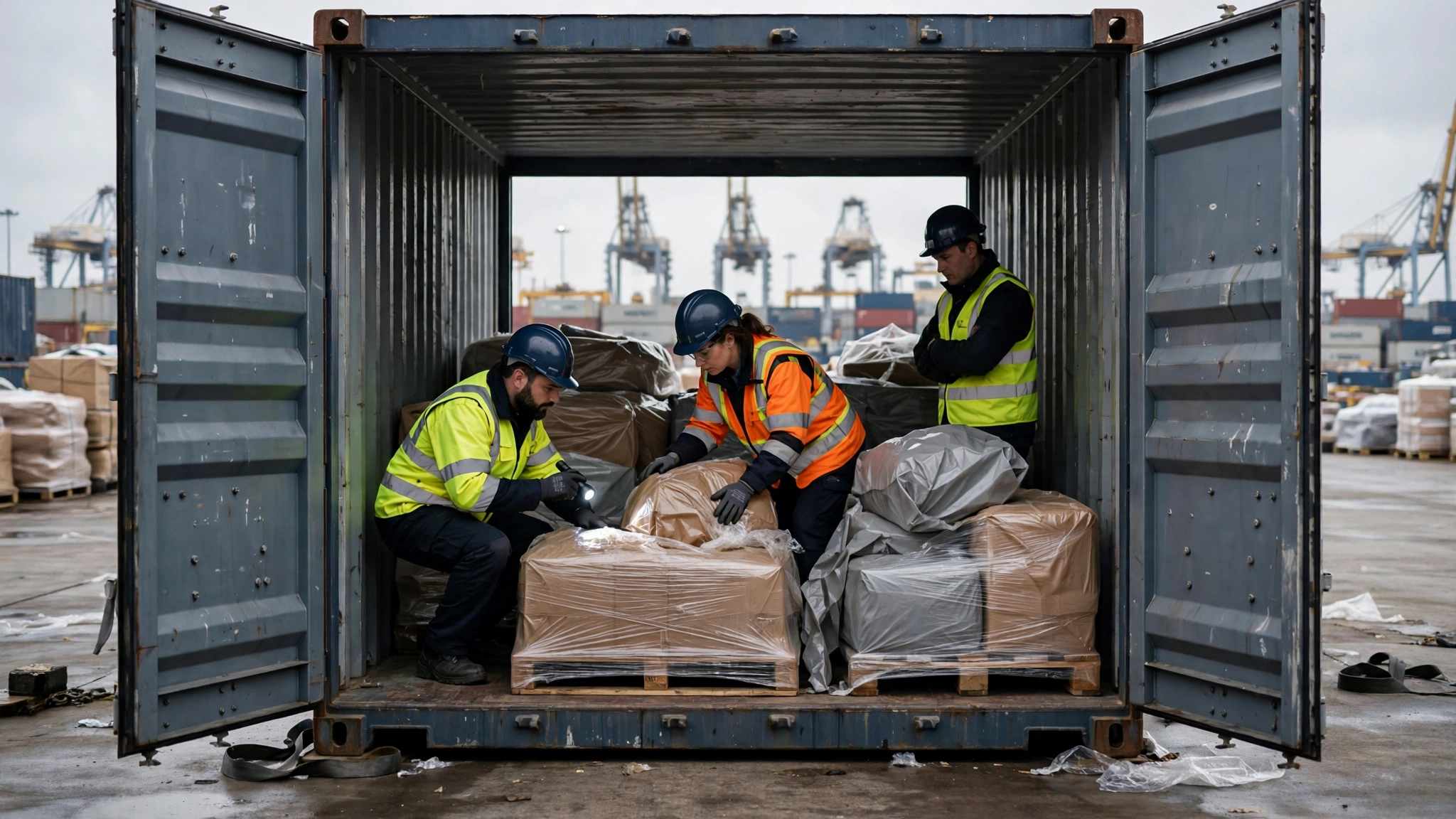
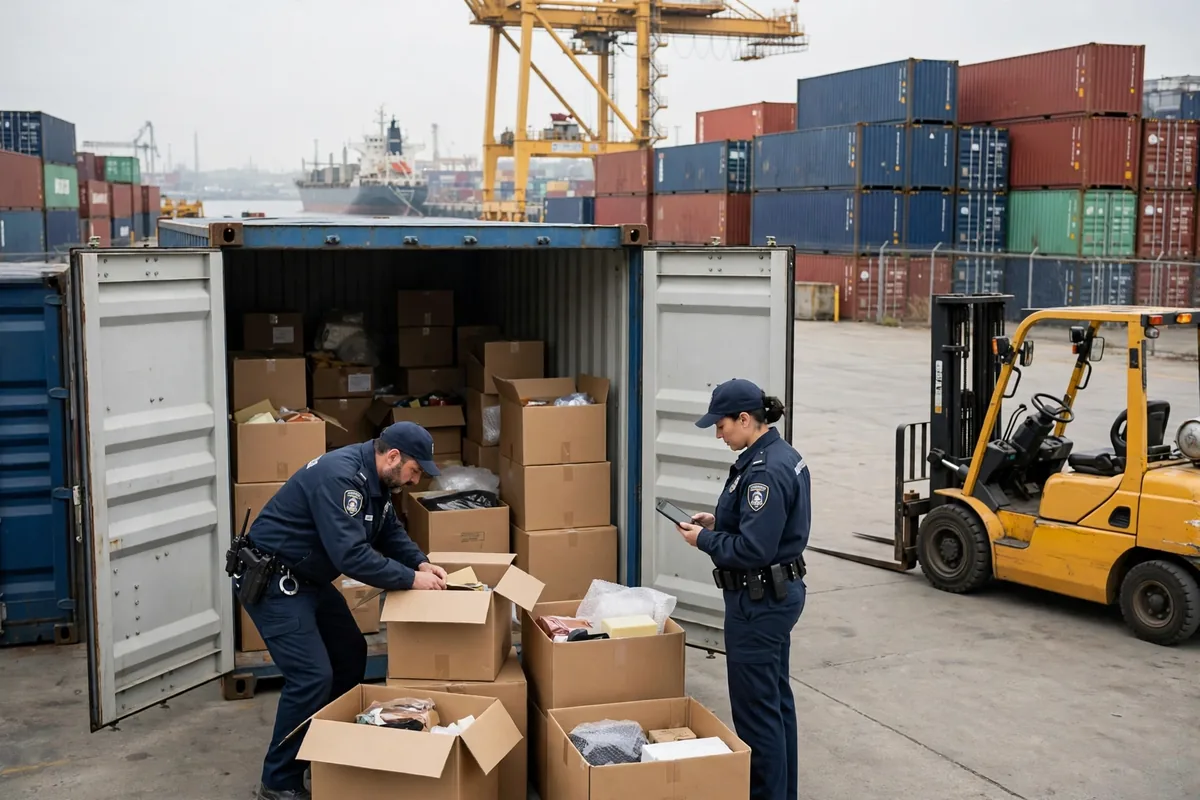
Then customs pulled the shipment for inspection on day three. The broker didn't pick up the phone. Emails came back a day late. Nobody could tell us what documents the inspection needed. The cargo sat at the port for six extra days while storage fees piled up daily, and the seller was asking in our group chat every morning. I was stuck in the middle, useless to everyone. The goods were eventually released, but when the invoice arrived, I just stared at it: inspection fees, amendment fees, rush fees — every one of them billed separately. That "cheap" flat rate, plus the extras, ended up higher than the more expensive quote we had passed on.
That was the lesson. In this business, the word cheap is the most expensive word there is.
First, the basics, so nobody starts as confused as I was. A licensed customs broker is a person licensed by U.S. Customs and Border Protection to handle customs business on behalf of others. If you want someone else to clear your goods, that person has to be licensed — it is federal regulation, not a nice-to-have. Getting the license means passing the Customs Broker License Examination: 80 multiple-choice questions, 4.5 hours, a 75 percent passing score. Applicants must also be U.S. citizens, at least 21 years old, of good moral character, and pass a background investigation. And the license is not a lifetime free pass — brokers file a status report every three years and complete continuing education. The point is, the license is earned by exam, not bought.
What does a licensed customs broker actually do for you? In one sentence: they get your goods through customs legally. They file the entry, classify the goods, calculate the duties, pay the taxes, talk to customs, and handle it when your shipment gets inspected. Legally, you can clear your own goods — nobody forces you to hire a broker. But when an inspection hits or a classification is disputed, a small seller on their own is outmatched. That is when a professional in the middle earns their fee.
We are a small warehouse. We cannot afford to burn money. So here are the five checks I use now, all paid for with tuition from that first disaster.
Check one: is the license real
Don't be shy about asking. Get their license number and verify it on the CBP website. Then ask who actually handles your file — a licensed broker, or a regular employee? The rules say customs business on someone's behalf must be done by a licensed broker, with employees working under a licensed broker's supervision. If a firm gets vague on that question, walk away. Check their reputation too, by asking other importers. Don't rely on the testimonials on their website — those are about as trustworthy as a five-star delivery review.
Check two: do they know your product and your port Brokers have specialties, same as anyone. Some live in apparel, some in electronics, some in food. Your home goods classified by someone who spends all day on chemicals is a different conversation. Ports matter just as much. A broker who clears Los Angeles every day knows the inspection routine cold. One who passes through twice a year does not. The firm we switched to specializes in small general merchandise through Los Angeles. When an inspection hits, they can tell us in three minutes on the phone exactly what paperwork is needed.
Check three: how the customs broker charges — flat rate or itemized
This is where most people get hurt. When a quote says flat rate, ask the obvious question: flat up to where? Does it include inspection fees? Amendment fees? What if the customs system goes down and the entry has to be refiled — whose bill is that? Plenty of flat rates only cover a clean, routine filing. The moment something goes sideways, everything is extra. My scrappy method: ask them to break the quote down line by line, then put two or three itemized quotes side by side. Only an itemized comparison shows who is actually cheaper. Comparing one total number to another is shopping blindfolded.
Check four: what happens when your cargo gets held
You cannot judge a broker on a smooth day. You judge them when customs holds your goods. Before you sign anything, ask: how fast do you respond when there is an inspection? Who prepares the extra documents? If a misclassification draws a penalty, how is responsibility split? Get the answers into the working agreement, not just spoken aloud. Our current broker's agreement says they give us a first response within four hours of an inspection. That clause is not there for a lawsuit. It is there so we don't have to argue about it when something goes wrong.
Check five: how fast do the documents come back, and can their system talk to yours Release is not the end of the story. The entry summary, the duty payment proof, the release notice — if those come back slowly, the seller cannot reconcile the books and the warehouse cannot file the records. Small sellers suffer most here: the goods have arrived, but the paperwork is still somewhere in transit. Ask upfront: how soon after release do we get the full document set? Can it go straight to our designated email? Is there an online portal to check status? It sounds minor. A week of missing documents will drive your finance person up the wall.
The math: what a bad customs broker really costs
Take that shipment that went wrong. Here is an illustrative example — a hypothetical scenario, for reference only. The cheap firm's flat-rate quote looked lower. But inspection, amendment, and rush fees added on top pushed its total about 20 percent above the expensive firm's quote. The expensive firm cost more on the surface, but inspection handling and one amendment were already included. The real money-saving trick is not finding the cheapest broker. It is finding the most transparent fee structure. A quote with the extras spelled out beats a flat rate with the extras hiding inside it.
Two more things every small seller should remember. First, don't sign a power of attorney blindly. That document authorizes the broker to file entries in your name. Read the scope and the expiry date before you sign, and never sign an open-ended version with no limits and no end date. The regulations require powers of attorney to be kept on file, and revoked ones must be retained for years afterward. Careless at signing means painful at revoking. Second, check every invoice line by line. A broker's bill mixes three kinds of money: duties paid on your behalf, inspection fees passed through at cost, and their own service fee. Look at each category separately. A wrong line hides in the total; the total never shows it.
Here is the counterintuitive part: a big broker is not necessarily right for a small seller. Big firms have full processes and great systems, but where does your shipment rank in their queue? In peak season, your dozen cartons are competing for the same person handling someone else's hundreds of cartons, and you can wait on hold until dark. Our current broker is a small firm. The owner is a licensed broker himself. When something goes wrong, I talk to him directly. That beats a big name every time. Small warehouses have their own way of surviving, and picking a broker works the same way: the right fit matters more than the famous name.
By Xiao Ma, Small Warehouse Owner