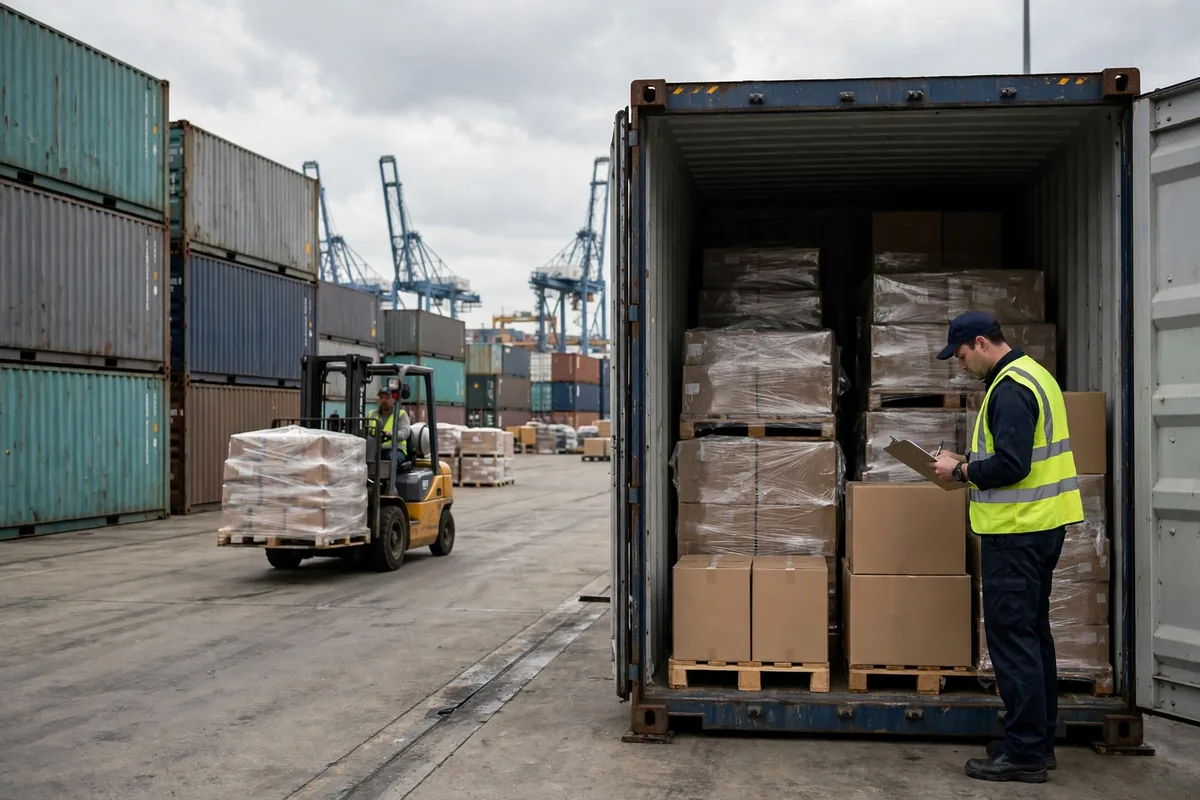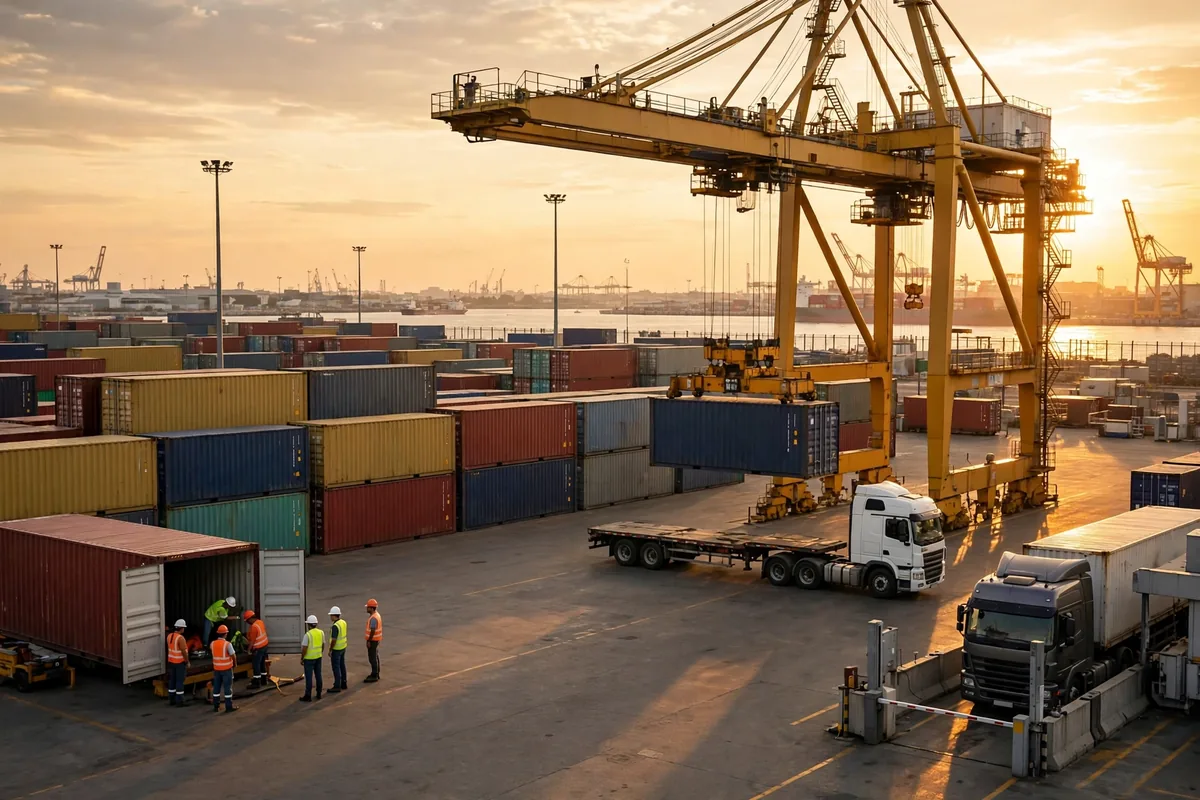
Let me tell you something. After all these years on the road, the most frustrating wait I ever had was not in highway traffic. It was an HS code classification holdup at the port gate.
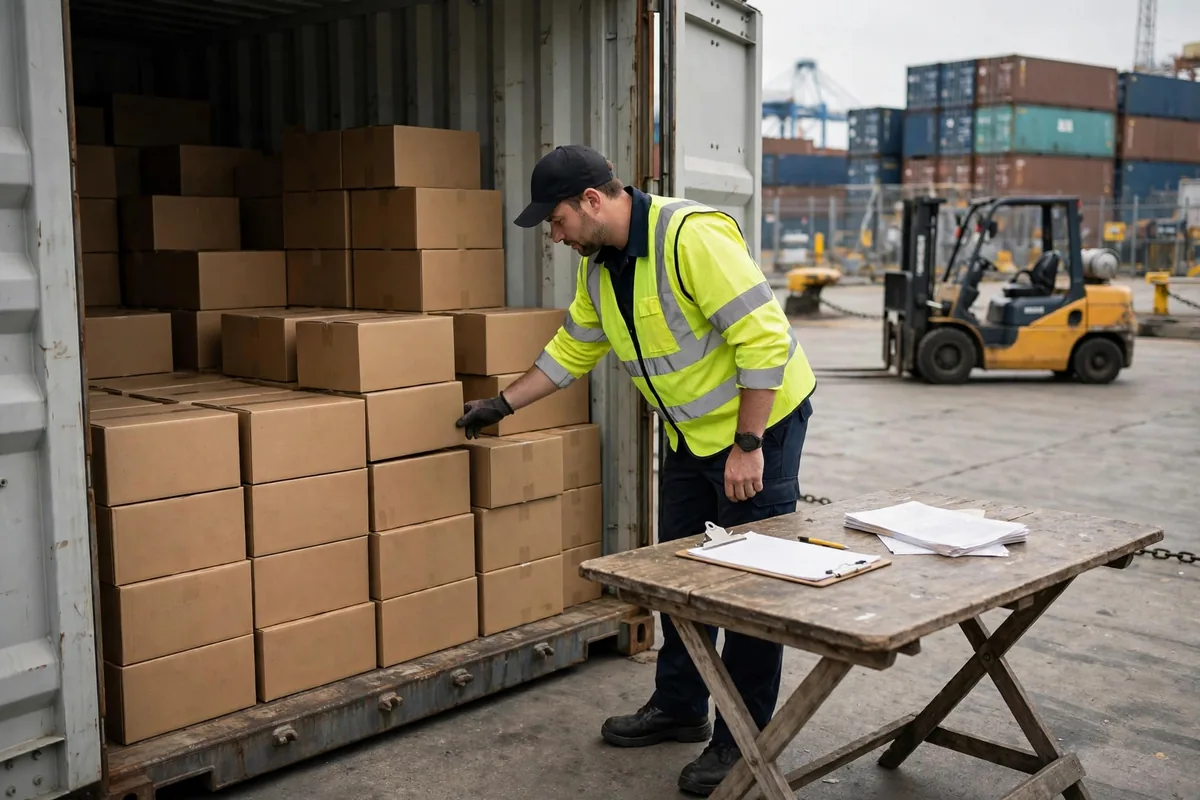
It was an autumn a couple of years back, outside the Port of Los Angeles. I had a container on the chassis, the paperwork looked complete, and the gate just would not let me through. Dispatch called and said the customs broker was stuck — the HTS and HS code classification on the entry did not line up, and Customs wanted to review it. I sat there most of the day, burning fuel, losing time, watching my next load go to somebody else. Later I found out the importer had used a 10-digit code the overseas supplier had copied straight off its own export paperwork. The first six digits were fine. The last four meant nothing in the United States. That day I learned a container does not always get stopped by the road. Sometimes it gets stopped by a number.
If you import goods, run a warehouse, or drive a truck, that number will find you sooner or later. So here it is, in plain language, the way I wish somebody had explained it to me before that day at the gate.
The First 6 Digits Belong to the Whole World
Start at the bottom layer. The HS code — the Harmonized System — is the World Customs Organization's shared language for naming products. More than 200 countries and economies use it, and the first six digits are the same everywhere.
Those six digits work in three steps. The first two are the chapter, the big bucket — machinery, textiles, that kind of thing. The next two are the heading, a narrower family inside that chapter. The last two are the subheading, one more cut down. The whole U.S. schedule runs to 99 chapters grouped into 22 sections, roughly ordered by material and how much processing a product has gone through, from raw goods early on to finished and complex products later.
So remember this: get the first six digits right, and every customs officer on earth knows roughly what your product is. Get them wrong, and nothing after that matters. When a supplier hands you a code, check the first six digits first. That layer is international. It does not matter whose copy you are reading.
Here is a judgment that surprises people the first time they hear it: more digits does not mean more accurate. The first six digits are the foundation. If the foundation is crooked, the last four digits can be as detailed as you like and the entry will still be wrong. I have seen importers walk in waving a complete 10-digit code, full of confidence, and the whole shipment got held because the chapter — the first two digits — was wrong. Detailed is not the same as correct. Correct is what counts.
The Last 4 Digits: America's Own Classification Math
The first six digits belong to the world. The last four belong to the United States. The 10-digit number used for U.S. imports is the HTSUS, the Harmonized Tariff Schedule of the United States. It is published by the U.S. International Trade Commission, and U.S. Customs and Border Protection interprets it and enforces it at the ports.
The last four digits split in two. Digits seven and eight are the U.S. tariff rate line — that is the level where the duty rate is actually set. Digits nine and ten are a statistical suffix, used by CBP and the Census Bureau to collect trade data. They refine the description, but they do not change the duty rate.
That is why you cannot just copy a supplier's full 10-digit code from another country. The last four digits over there were written under that country's rules, not America's. What you do is keep the first six digits and look up the last four again in the U.S. schedule. The official search tool sits on the U.S. International Trade Commission's website, and it is free. One warning: check the current revision before you trust a saved copy. The schedule is republished in numbered revisions through the year, and a code you verified months ago may sit under a different revision now.
Classification itself is governed by the General Rules of Interpretation, plus the section and chapter notes. That is why HS code classification starts with the rules and the notes, not with what the box is called. Guessing a code from the product name alone is the fastest way to get it wrong. Product names are slippery. The same item can be called two different things and land in two different places.
HTS Is for Imports, Schedule B Is for Exports — Do Not Mix Them Up
Now the pair people confuse most: HTS and Schedule B.
Both are 10 digits. Both start with the same six. But they do completely different jobs. HTS is for imports — goods coming into the United States, with duty rates attached. Schedule B is for exports — goods leaving the United States, administered by the U.S. Census Bureau's Foreign Trade Division, and it exists for trade statistics, not for charging duty. Exporters file it through the Electronic Export Information system in AES when a shipment crosses the reporting threshold.
I have seen it more than once in my years on the road: somebody files a Schedule B number on an import entry, or an HTS number on an export declaration. The broker shakes his head every time. Schedule B is less detailed on the import side — it does not carry the duty-rate breakout an import needs. Remember the simple rule: goods coming into the U.S. take the HTS code; goods going out take the Schedule B number. Get the direction backwards and the number is useless.
One more thing. Codes change. The schedule gets revised, a product changes material, a supplier changes how something is made, and the classification can move with it. A code that worked last year may not work this year. Every time there is a new product, a new supplier, or a change in the recipe, run the check again. Customs does not accept "it worked last time" as a reason.
What a Wrong HTS Code Classification Actually Costs
So what happens when the classification is wrong? I will give you three things, all of which I have watched happen with my own eyes.
First, money. Different codes can carry very different duty rates. Let me show you the math with a clearly labeled hypothetical example — this is an illustrative scenario, not real duty rates: suppose a shipment is worth $100,000, and one code carries a 0% rate while another carries 5%. That is a $5,000 difference on a single entry, before you count the exam fee, the amended entry, the demurrage, and the truck sitting idle. Who pays in the end? The importer and the broker argue about it, the driver waits at the gate, and the warehouse's receiving plan falls apart.
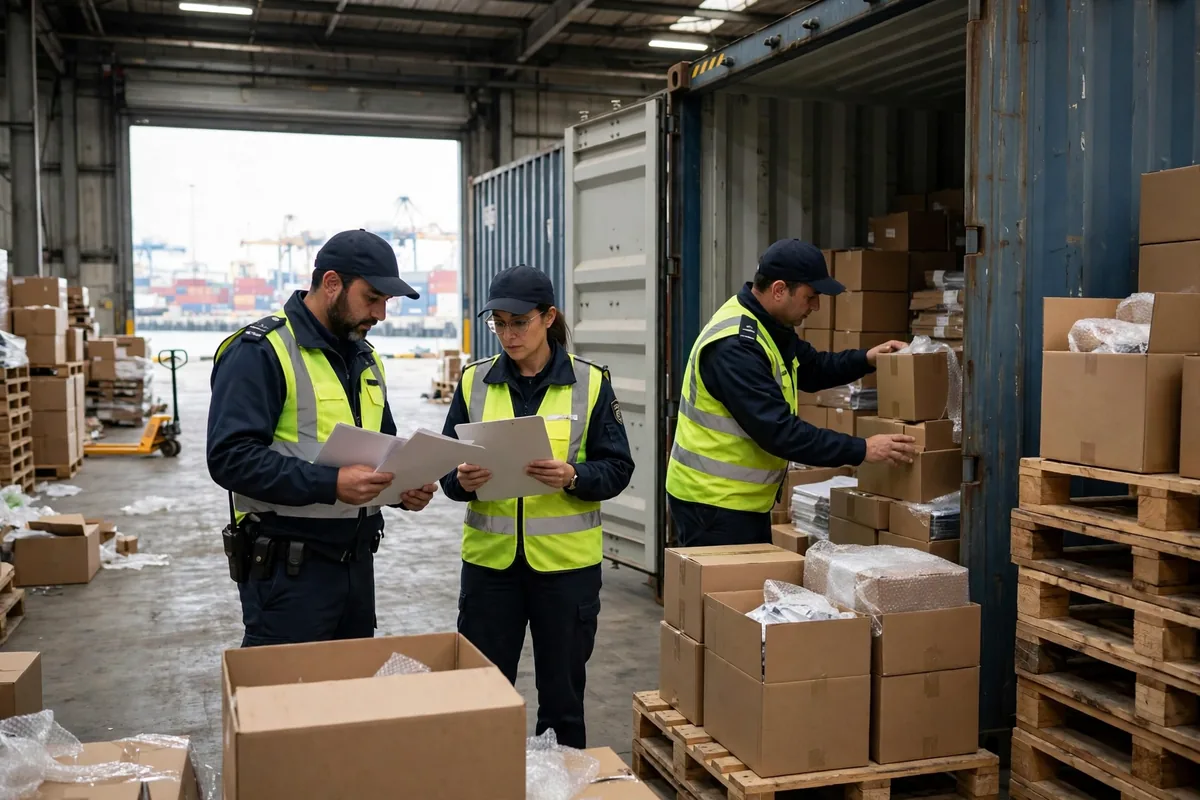
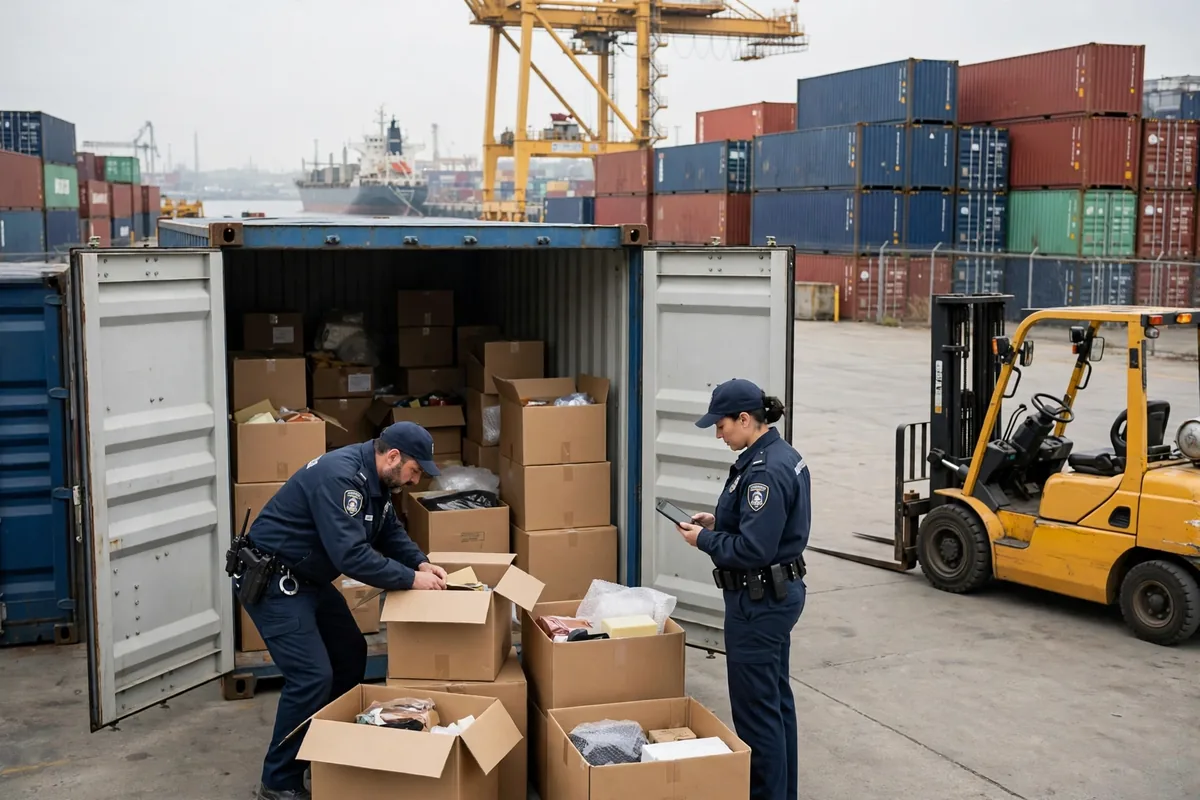
Second, time. A questionable code is all it takes for Customs to pull a container for exam. An exam is not a same-day affair. There is a queue, an opening, a wait for results — days, easily. Meanwhile the warehouse has a dock door reserved, labor scheduled, and no freight to show for it. Anybody who has run a warehouse knows that one blown plan costs you three days of overtime to catch up.
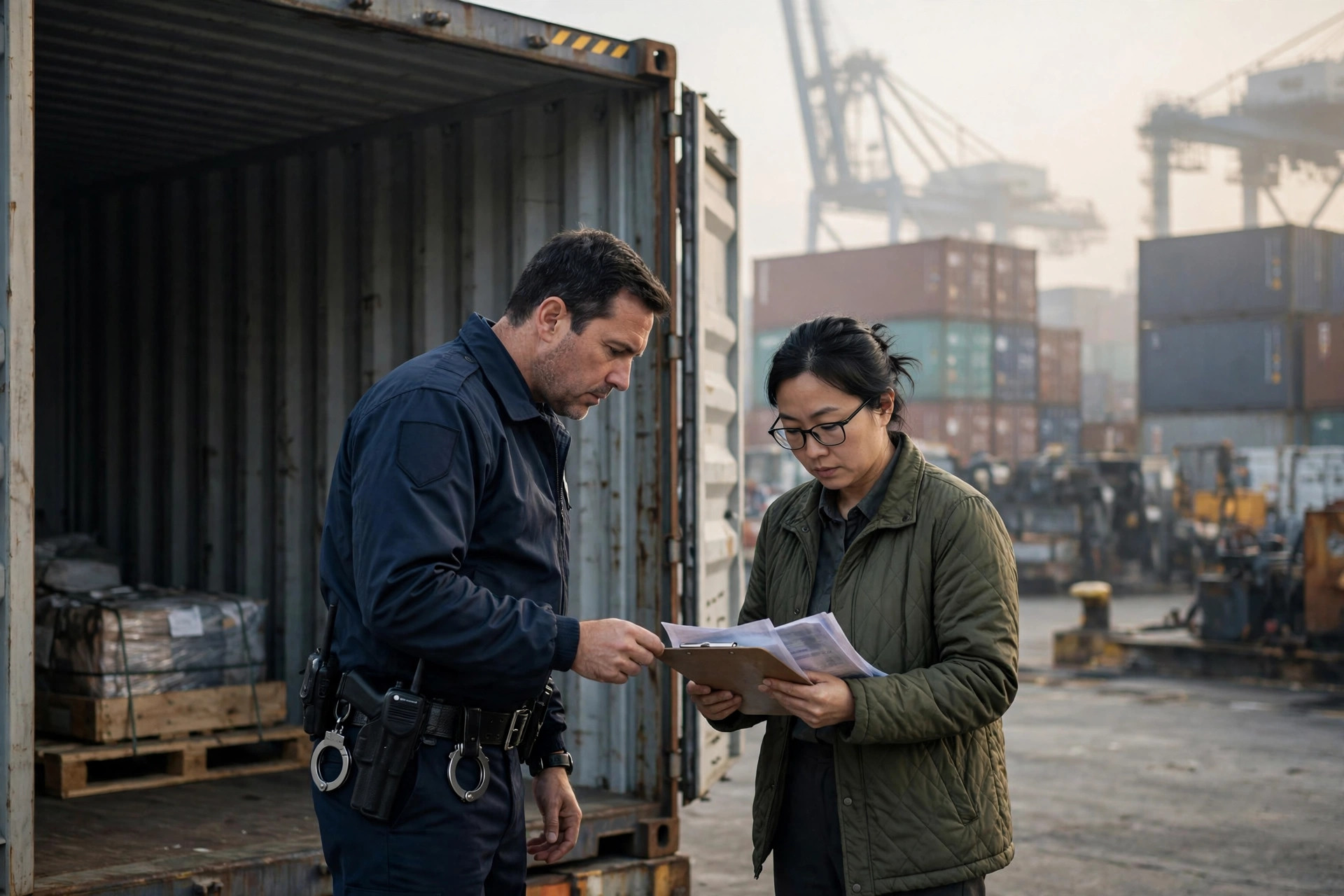
Third, penalties. Classification is the importer of record's responsibility. The broker helps you file, but the liability sits with you. A wrong code can mean back duties and fines. I am not going to invent numbers for what those fines are — check the latest policy on the U.S. Customs and Border Protection website. But the principle is simple enough: "I didn't know" is not a defense.
So what do I actually tell importers and warehouse folks to do? Three things, and they are all practical. First, before you classify anything, get the facts from the supplier: composition, material, intended use, how it was processed. The more detail, the better — without it, the broker is guessing. Second, keep your classification file. Write down why you picked that code, which revision of the schedule you checked, which notes you relied on. If the code changes or somebody asks, you can show your work. Third, do not treat a code as permanent. Schedule revisions, new products, new suppliers — check again every time.
After all these years on the road, I have come to one simple conclusion: traffic you can drive around, but a bad code leaves you nowhere to go. Whether that container gets through the gate sometimes comes down to ten digits. There is an old saying back home — sharpen the axe before you chop the wood. Get the HS code classification right before the truck rolls.
By Shifu Zhao, Trucking Veteran (15 yrs)