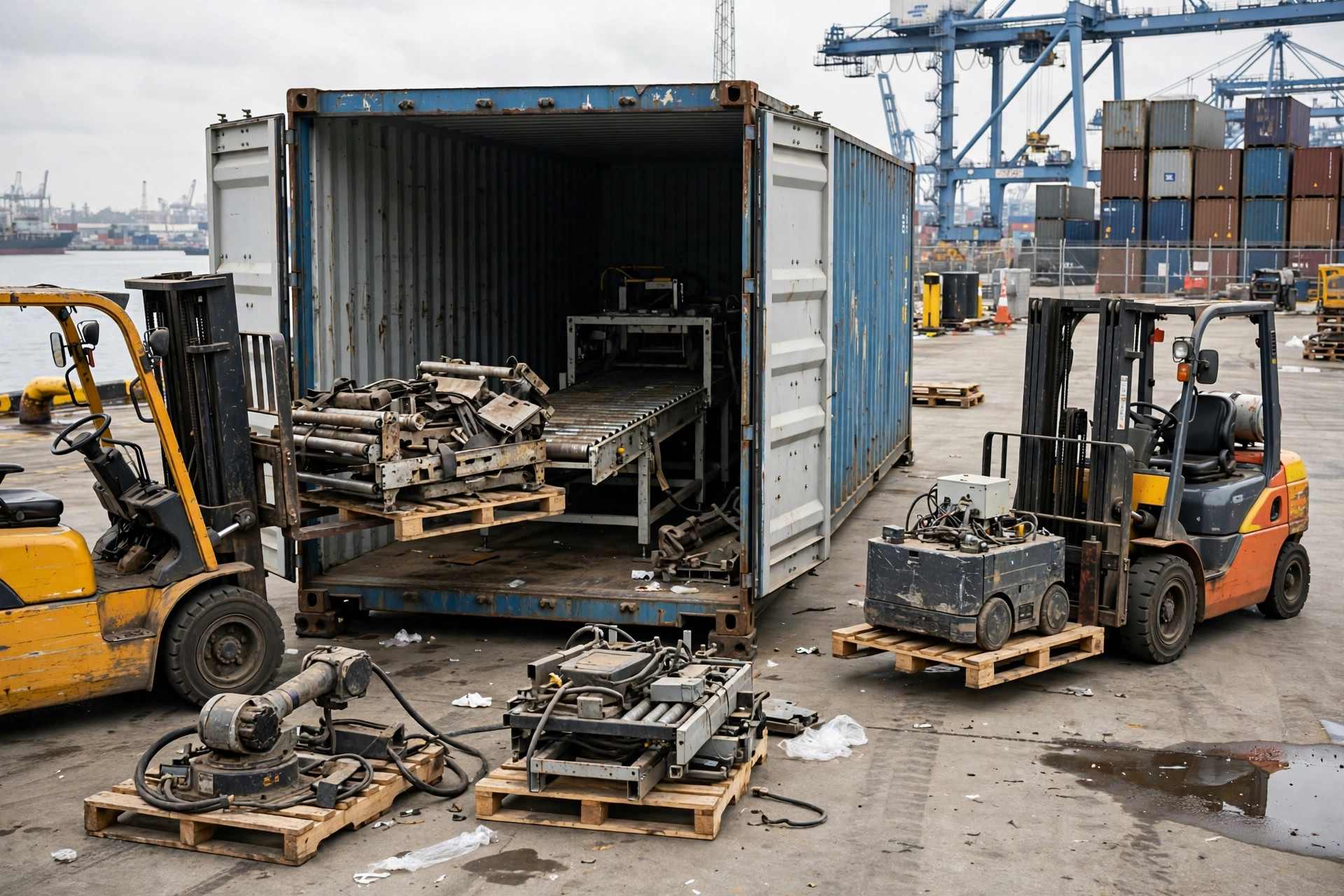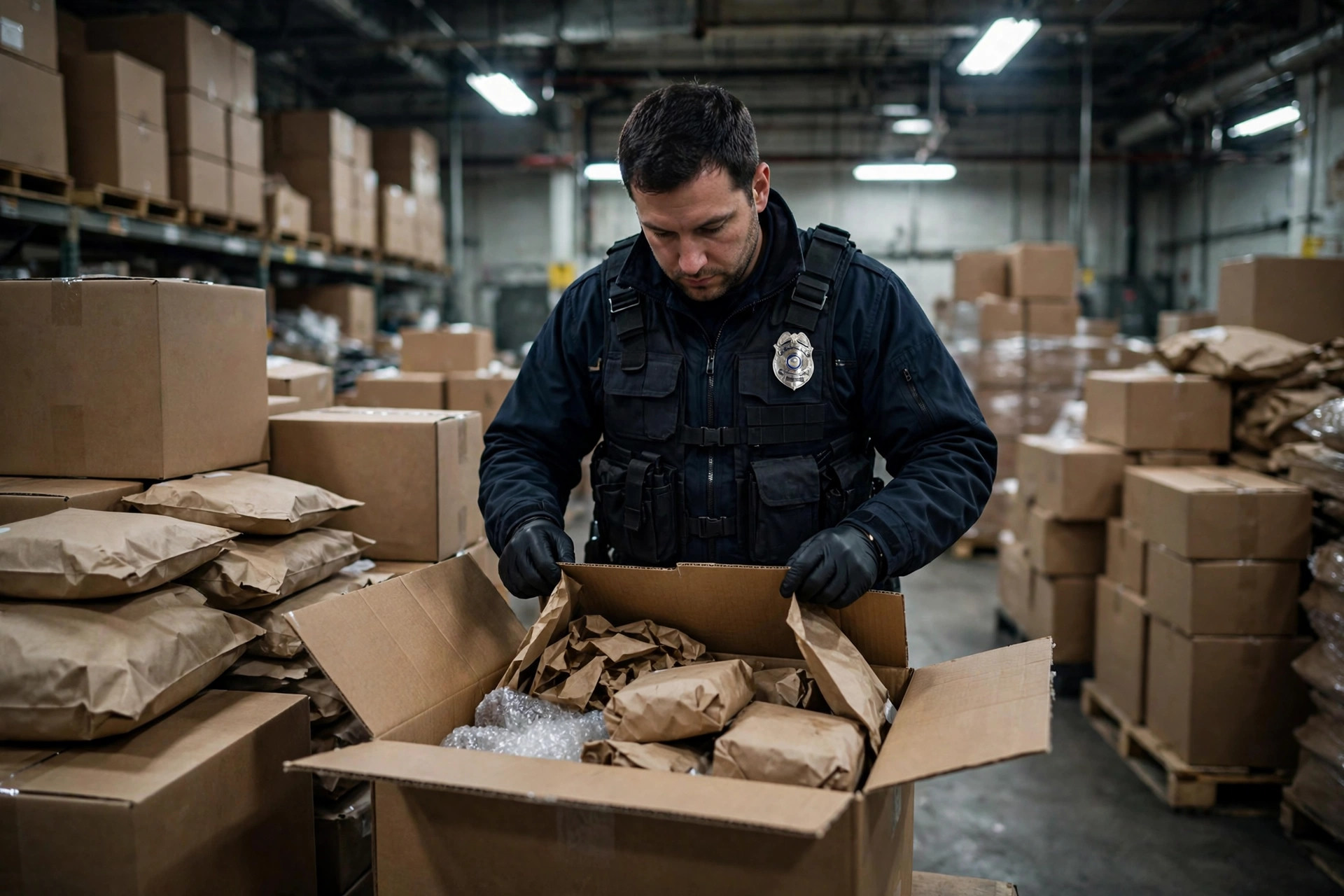
The $800 duty-free parcel is gone — so is shipping straight from Shenzhen still a business plan, or just a gamble?
This is not a hypothetical. On May 2, 2025, parcels from China and Hong Kong lost de minimis treatment. On August 29, 2025, Executive Order 14324 shut the door for every other country too. A business model that lived for two decades inside a customs provision — Section 321 of the Tariff Act of 1930 — woke up one morning in a different world.
Some context on what we lost. The $800 ceiling was not ancient history. Before March 2016, the limit was $200 per person per day. Once it rose to $800, cross-border direct shipping exploded: a $35 T-shirt could fly from Shenzhen to a buyer in Ohio duty-free, with no formal entry and clearance in hours. The scale was staggering — in the months after the rollback, CBP reported collecting more than a billion dollars in duties on over 246 million low-value shipments. Money that, under the old rules, never reached the Treasury at all.
Is the Type 86 lane coming back?
Short answer: no, and do not plan around its return.
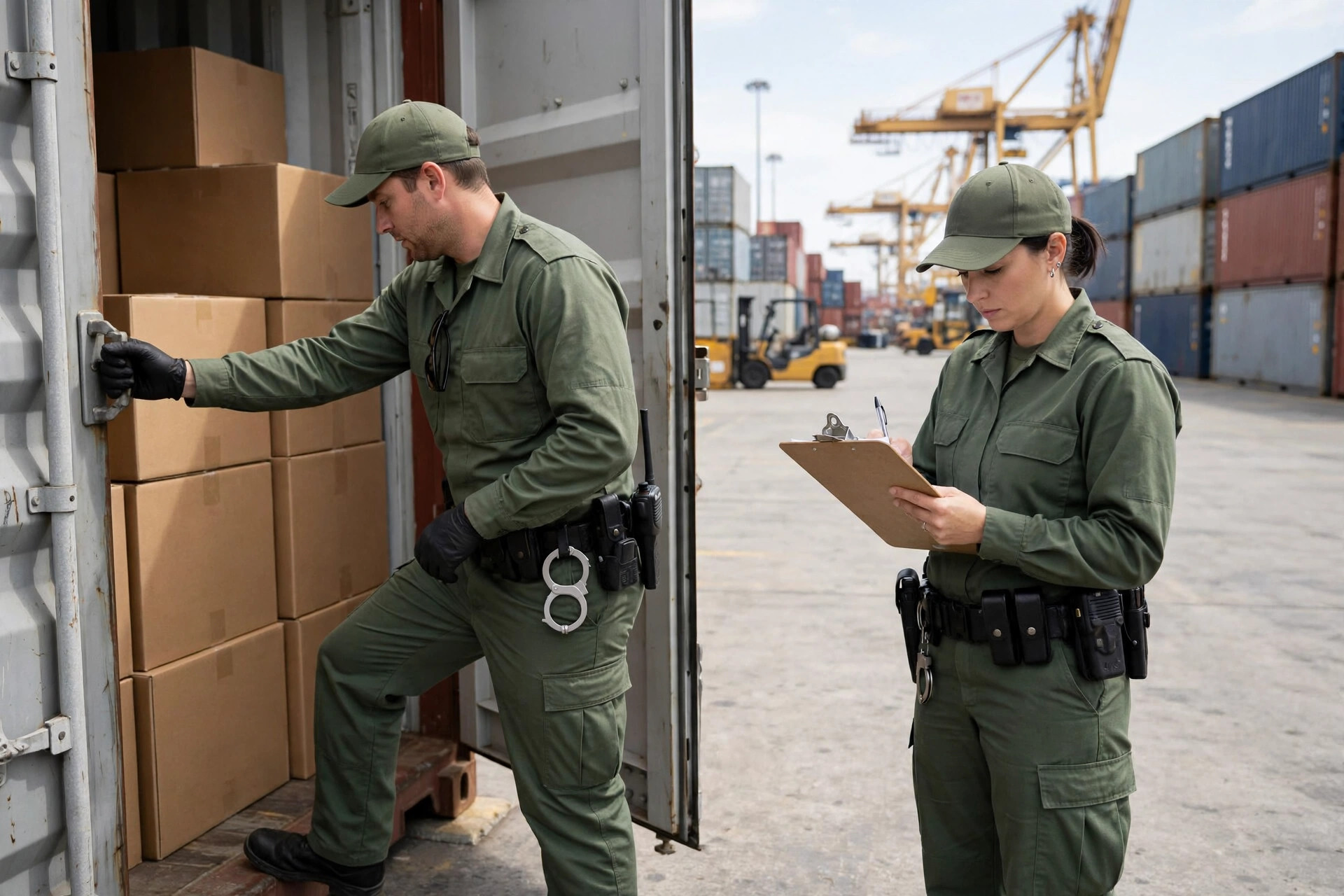
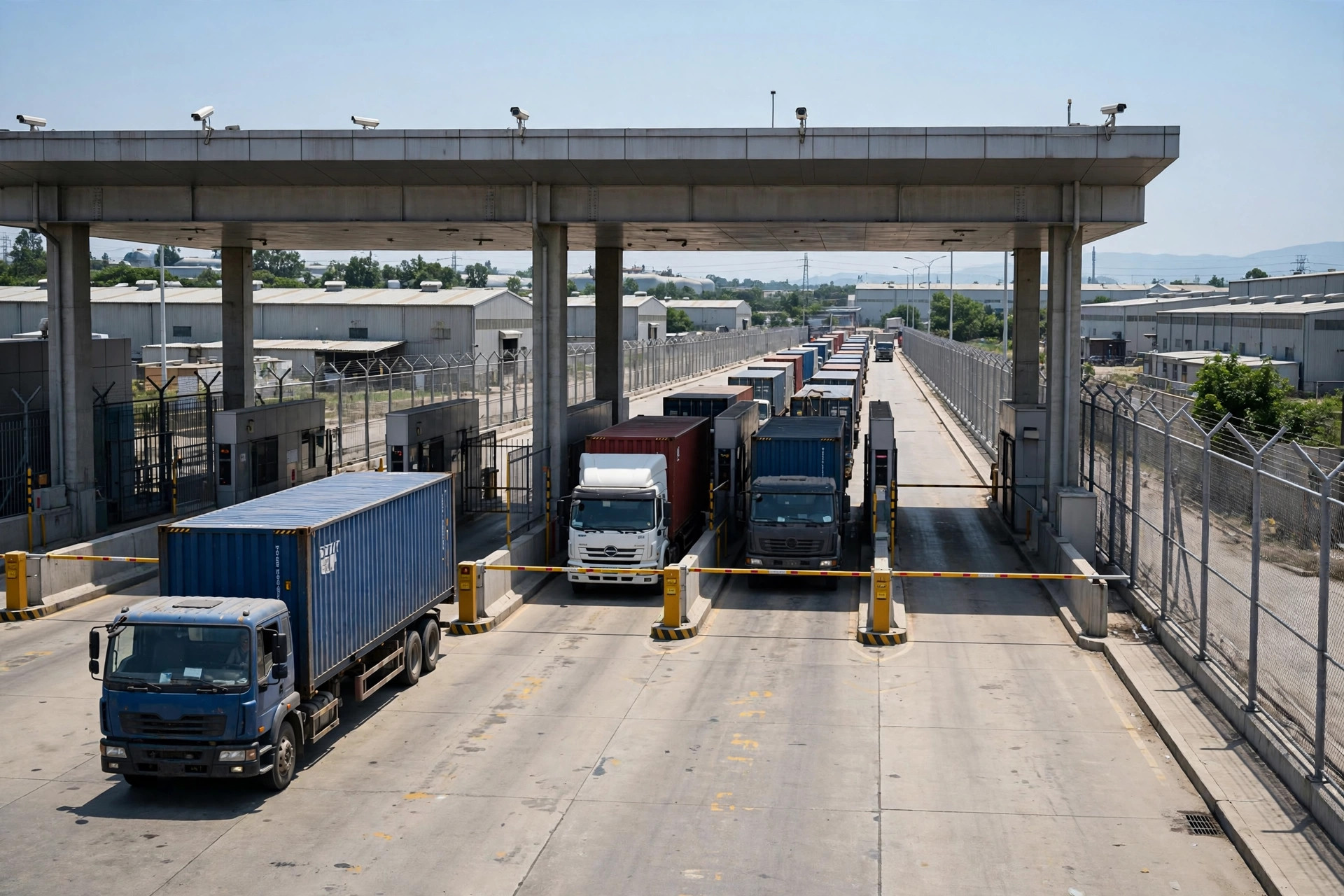
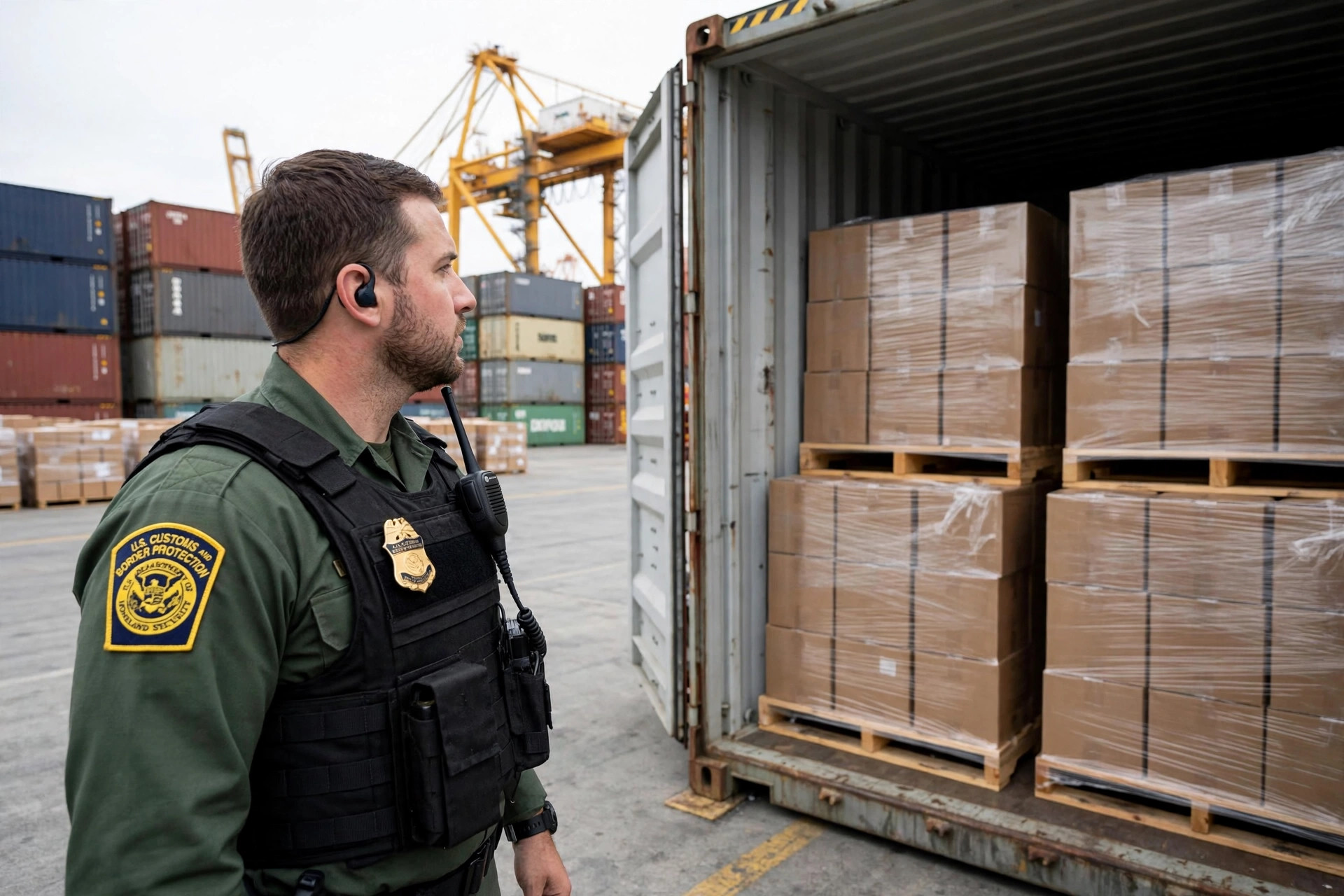
Type 86 was CBP's simplified entry lane for low-value goods — under $800, duty-free, no formal entry, no customs broker needed. Since August 29, 2025, it is closed for commercial shipments. Low-value parcels now move through formal entry (Type 01 / Type 11), pay every dollar of duty owed, and pick up merchandise processing fees plus five to ten extra days in transit. At JFK, LAX, Chicago O'Hare, and Memphis, parcels that used to wave through are now being pulled for formal processing.
Could the courts reopen it? Somebody tried. Detroit Axle, a Michigan auto parts distributor, sued the administration over the move. The U.S. Court of International Trade sided with the government: ending de minimis is legally separate from tariff authority and needs no congressional approval. That distinction matters, because on February 20, 2026, the Supreme Court struck down the IEEPA tariffs in Learning Resources v. Trump — and de minimis stayed closed anyway. Two separate tracks. Do not confuse them.
The longer signal points the same way. Congress has voted to end de minimis for commercial shipments entirely by 2027. Across the Atlantic, the EU reportedly ended its own €150 exemption on July 1, 2026, replacing it with a flat €3 duty per item. The loophole is closing worldwide. Stop asking when it reopens. Start asking how you adapt.
Run the numbers again
Take the most common case I see: a $50 item shipped from China. Before: zero duty. Now: Section 301 duties apply in full, and for typical categories the all-in rate sits around 20 to 30 percent as of late 2025 — so $7 to $25 in duty per unit, before a few dollars of MPF and the broker fee. At 10,000 orders a month, that is $70,000 to $250,000 in new monthly duty exposure.
The brutal version: a $35 T-shirt. Twenty-five percent Section 301 is $8.75, plus about $2 in MPF, plus twenty to fifty dollars in broker fees if formal entry is involved. The margin is gone. Low average-order-value categories that lived on direct shipping are the first to die.
And there is a number nobody puts in the spreadsheet: cash flow. Under direct shipping, duty was pay-as-you-sell — the tax arrived after the revenue. Under bulk import, you pay duty on the whole container before a single unit sells. Time value of money, except this time it is very real money.
Let me make the two models concrete for that same $50 item. Direct with formal entry: $50 value, 25 percent duty is $12.50, MPF about $2, and the broker fee spread across one parcel is twenty to fifty dollars — an extra $35 to $45 per order, plus five to ten days of delay. Bulk import with forward-positioned inventory: a 40-foot container holds 20,000 units, duty paid once at $250,000 (at 25 percent), still $12.50 per unit in tax, but clearance and brokerage amortize to under a dollar per unit, and delivery is back to two or three days domestic. The tax itself is unavoidable. What changes is whether you trade per-parcel friction for upfront capital. Above roughly 10,000 orders a month the math is obvious; at a few hundred orders a month, the fixed cost of forward inventory hurts more, and honest formal-entry direct shipping is the better call.
Three ways to move freight now
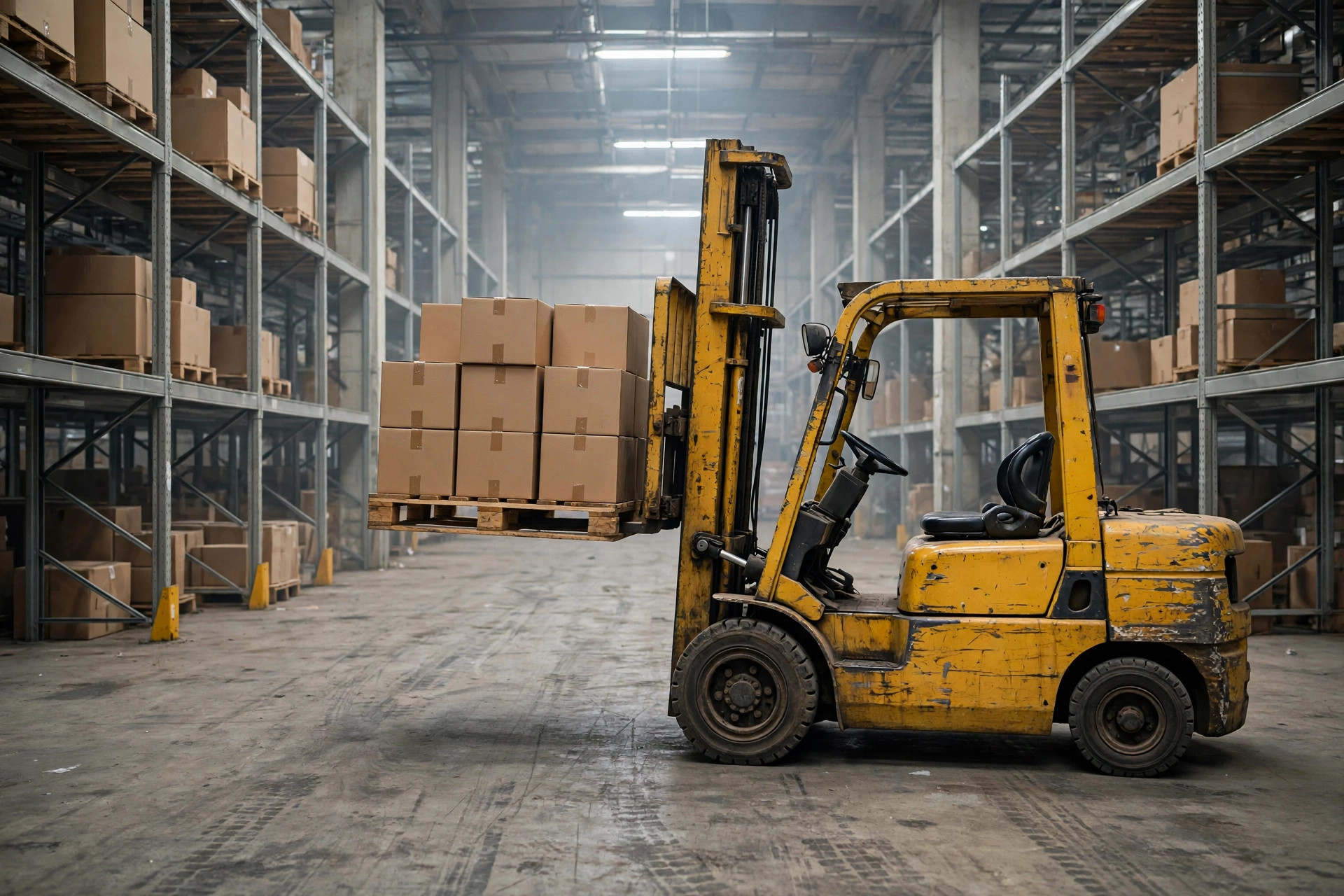
The first lane — bulk import plus U.S. forward fulfillment — is the right answer for most sellers. Ocean or air freight in under Type 01 formal entry, duty paid once at the border, inventory staged at a domestic 3PL in places like Ontario, California, Dallas, or Memphis, fulfilled with domestic carriers. The upside is real: duty cost per unit gets diluted by scale, transit returns to two-to-three-day territory, returns become manageable. The downside is equally real: duty paid upfront ties up cash, mis-forecasted inventory sits, and warehouse rent and labor are fixed costs.
The second lane: keep shipping direct, but through formal entry. This fits high-AOV, low-SKU-count, volatile-demand sellers. Work with a broker that offers importer-of-record service, file every parcel properly, pay the duty. The cost is per-parcel brokerage and MPF plus slower transit. Above $200 average order value, this lane still works. At $30, it is slow suicide.
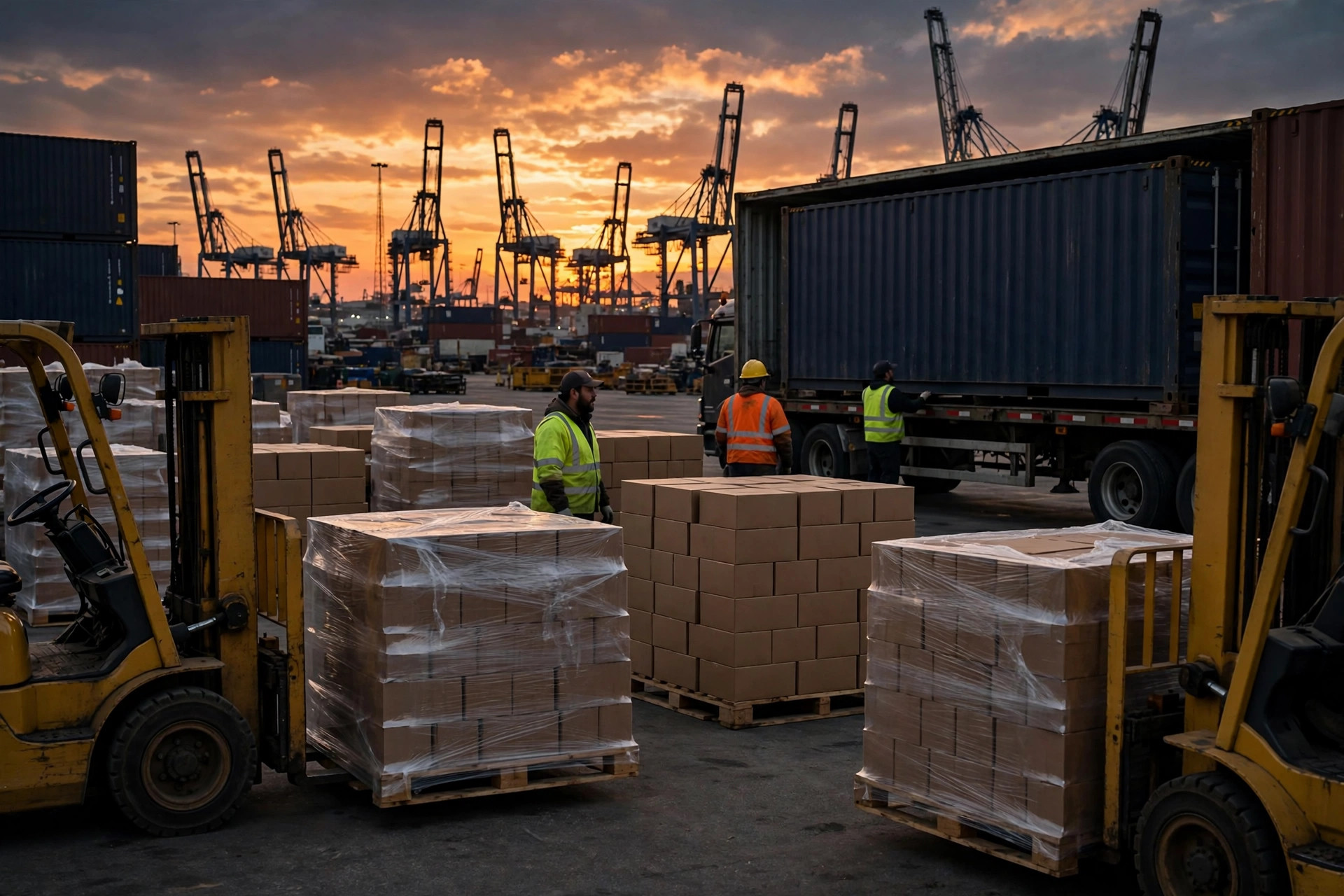
The third lane gets asked about constantly, and I will pour cold water on it: transshipment, order splitting, undervaluation. CBP's scrutiny of country of origin is far tighter than it used to be, and "substantial transformation" is not something you fake by routing through a third port. Get caught splitting orders or lowballing values and the penalties plus the hit to your importer record cost far more than the duty ever did. I am writing this down so you stay away from it.
My position is simple: build compliance into your systems instead of chasing it by hand. Keep an HTS code and applicable duty rate per SKU in your WMS, compute landed cost automatically at order time, and file through your broker's API — not emailed spreadsheets. Rates move fast: the November 2025 U.S.–China understanding pushed heightened reciprocal tariffs out to November 10, 2026, cut the fentanyl surcharge by 10 percentage points, and extended some Section 301 exclusions to November 2026. When the window moves, a parameter change in the system reprices everything; the team on manual spreadsheets cannot keep up.
One more development worth naming: the bundled "import compliance" 3PL. Since de minimis ended, plenty of U.S. 3PLs in California and Texas started offering one-stop service — you ship to their warehouse, they handle the broker, re-check your HTS classifications, and deal with CBP exams, all under one contract. For small and mid-size sellers that is cheaper than hiring trade compliance in-house. When you vet them, ask two questions: has their brokerage partner ever been penalized by CBP, and who physically shows up when an exam is ordered. If they cannot answer clearly, walk away.
The seller's checklist: run through this before you move
First, re-verify HTS classification for every SKU — one wrong digit can swing the rate by ten points, and everything downstream is wrong if this is wrong. Second, confirm your importer identity: EIN and a continuous import bond, without which your freight does not clear. Third, choose a broker on competence, not just price — ask whether they handle Section 301 add-ons for your category and whether CBP has ever penalized them. Fourth, get your origin documentation in order now: supplier origin declarations, production records. Do not wait for an exam to start asking. Fifth, check the Section 301 exclusion list regularly — whether your HTS is on it is worth several points of margin. Sixth, model both lanes — forward bulk import and formal-entry direct — because the break-even usually sits at order value and monthly volume, not gut feel. Seventh, CBP opened a refund portal in April 2026 for the IEEPA tariffs the Supreme Court struck down — if you paid those in 2025 and early 2026, check whether you can get real money back, and do not leave it on the table. Eighth, write into your contracts with 3PLs and brokers who bears rate changes and who owns filing errors — a verbal promise is no promise. Ninth, the EU's €150 exemption is reportedly gone too (replaced by €3 per item), so adjust your Europe playbook at the same time, not just the U.S. one. Tenth, treat CBP's website and the Federal Register as the only source of truth for rates; no "inside tip" beats one official update.
Here is my final verdict on the small-parcel era: de minimis is not coming back, and forward-positioned inventory plus systematic, automated compliance filing is not a strategic option — it is the price of staying in business.