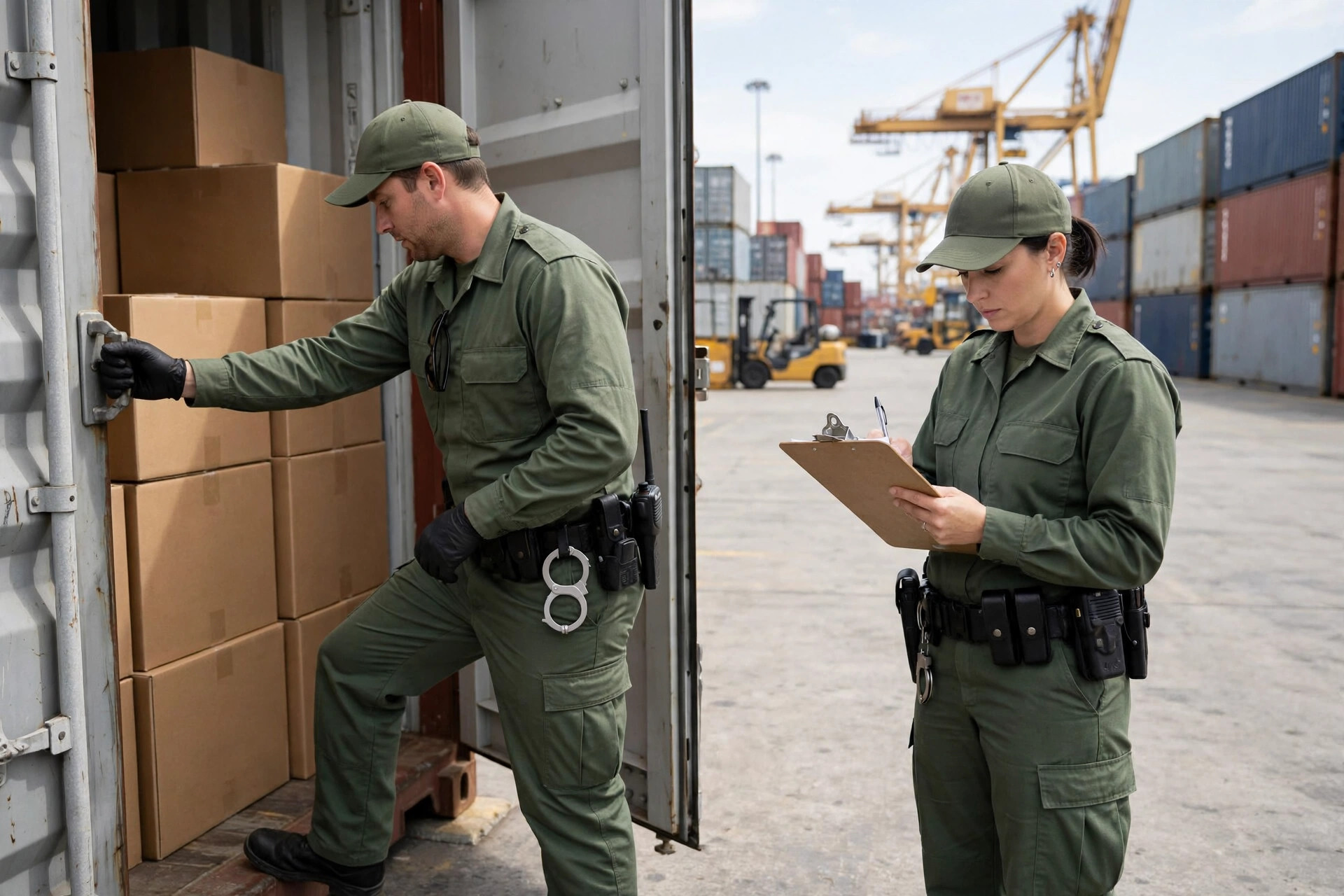
Here's a number that should ruin your morning coffee: at the end of July 2026, CBP announced that in just the first seven months of the year, EAPA anti-evasion investigations had uncovered over $1 billion in unpaid duties — across 14 cases, roughly triple the program's annual average. Transshipping to wash country of origin used to feel like a gray area. CBP now treats it as a core business line.
I've been selling cross-border for five years. In the last two, friends in the seller community have been getting questionnaires one after another. Last summer, a buddy selling home lighting used a "Vietnam DDP, duties included" forwarder, with Vietnam on the entry docs. Then came a CBP questionnaire, then a case number. He's still crawling out of the back-duty hole. This one's for every importer still pretending not to see it.
How a CBP EAPA Case Actually Unfolds
EAPA — the Enforce and Protect Act, passed in 2016 — exists for one thing: catching people who dodge antidumping and countervailing duties. And it runs on a hard statutory clock (19 CFR Part 165), not on anyone's goodwill:
Step one: allegation and initiation. Any "interested party" — a U.S. manufacturer, a labor union, a trade association — can file an e-Allegation through CBP's online portal. CBP has 15 business days to decide whether to open a case, and the bar is embarrassingly low: the allegation just has to "reasonably suggest" evasion. Read that again — the tip that starts your case could easily come from a competitor. The thermoformed molded fiber case (EAPA No. 8308) was pushed by a U.S. industry coalition: CBP initiated it on September 9, 2026 against three importers, imposed interim measures, and scheduled final determinations for March 30, 2027.
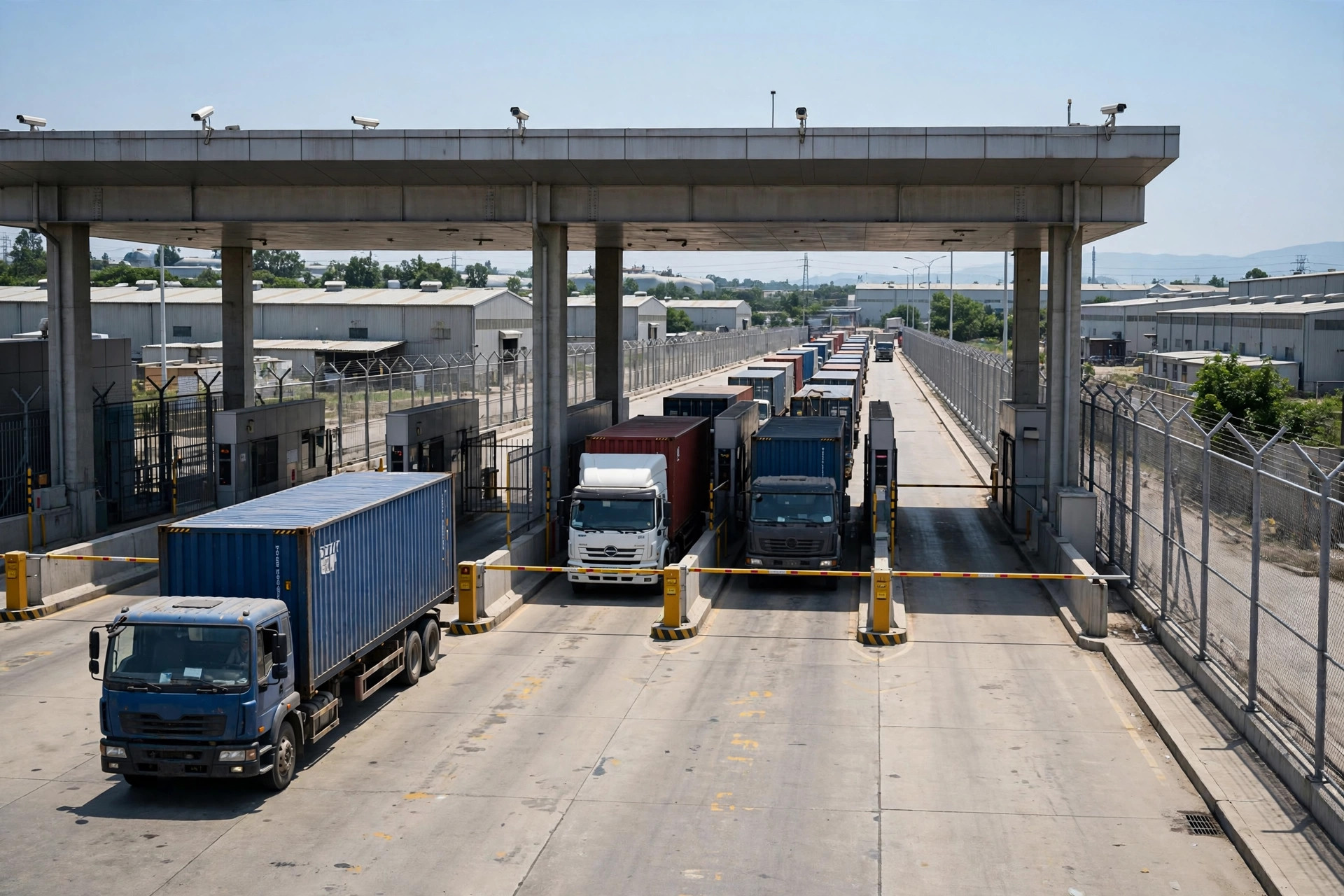
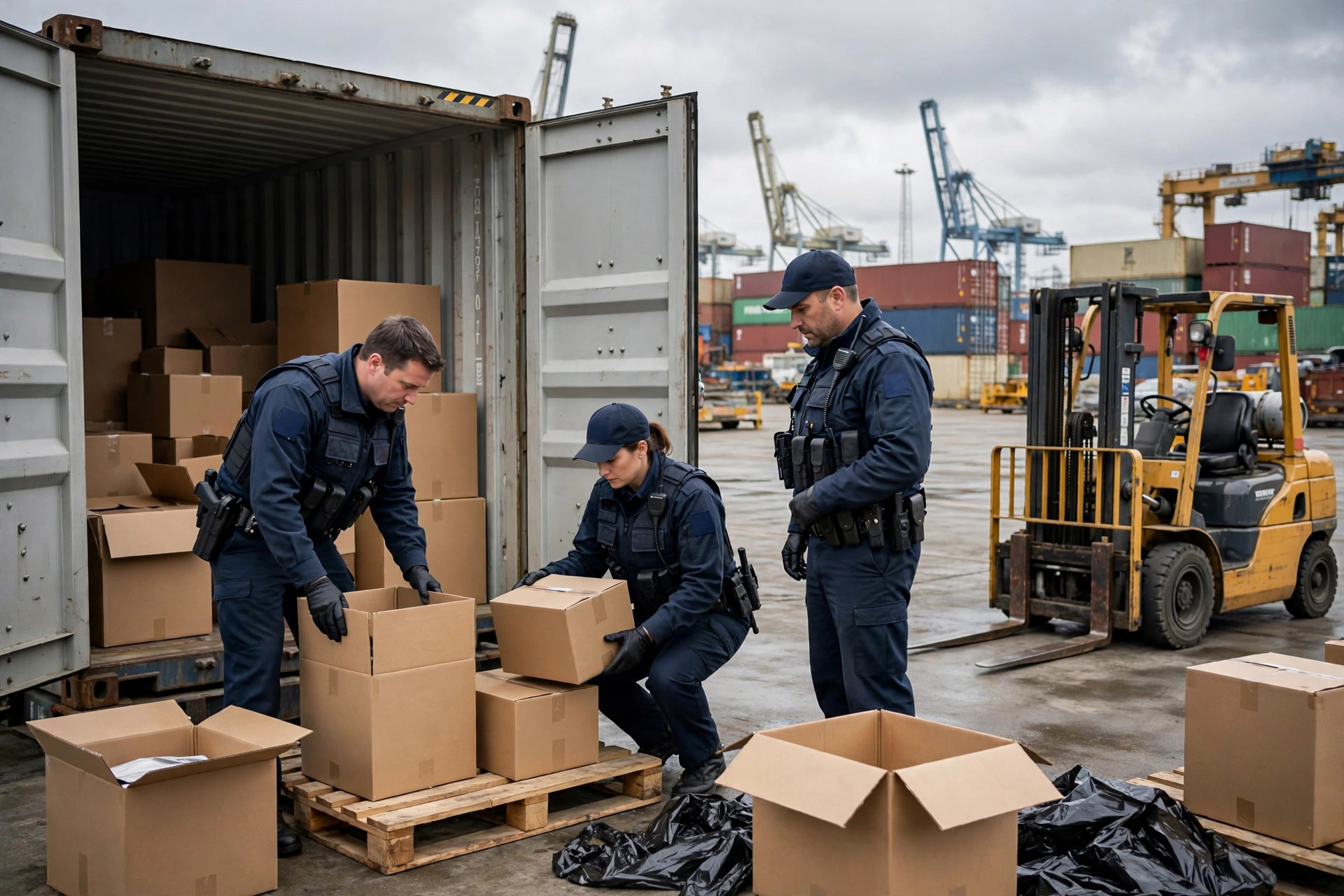
Step two: interim measures. Within 90 calendar days of initiation, once CBP finds reasonable suspicion, the hammer drops: suspension of liquidation, collection of AD/CVD cash deposits, single-transaction bonds on new entries, and in serious cases live entry — containers sit until CBP finishes examining them. Golf cart importer ICON EV got a 519.23% cash-deposit rate plus live entry; it took the Court of International Trade stepping in to block that one.
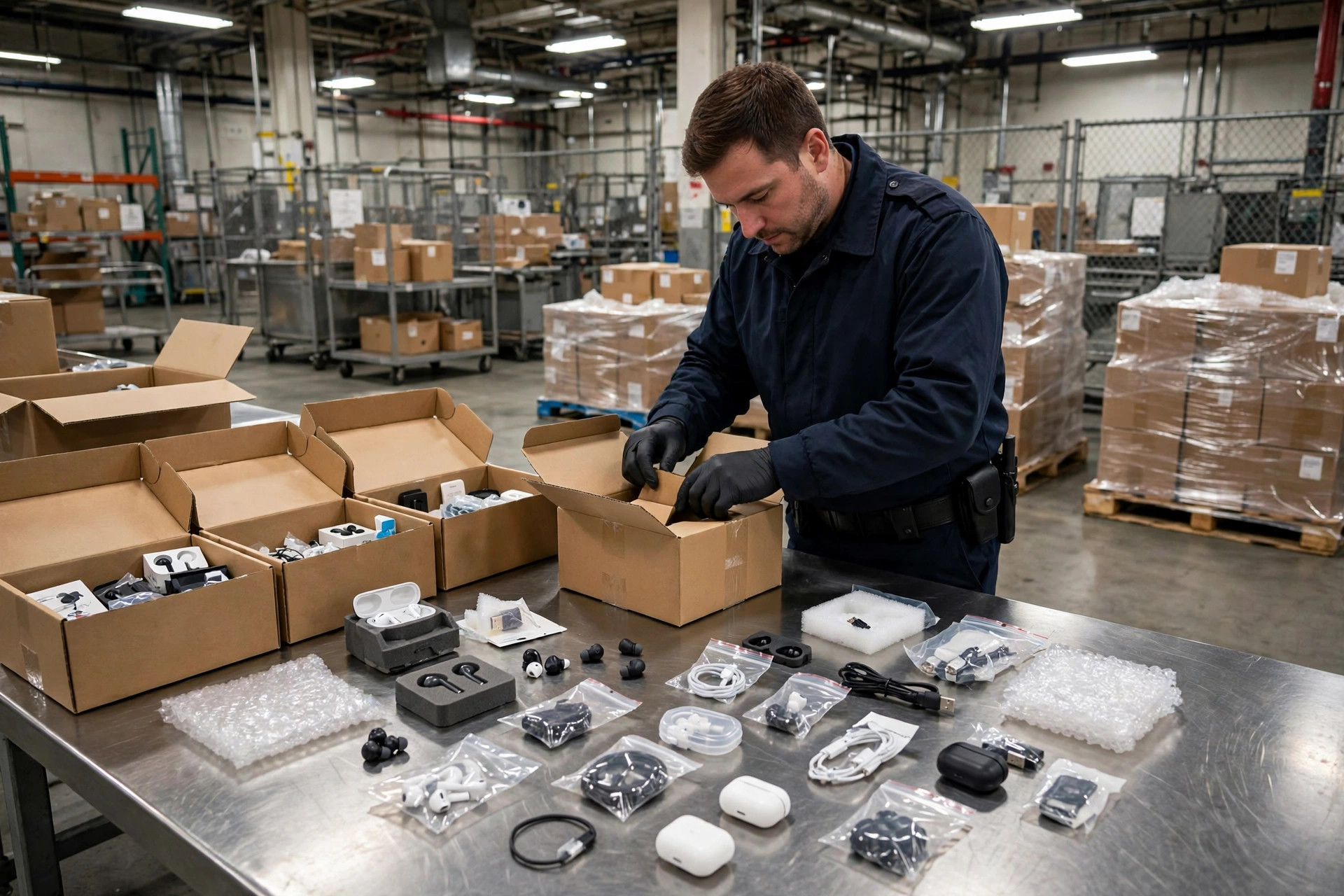
Step three: questionnaires and on-site verification. CBP sends questionnaires to the importer, the foreign producer, and the exporter — invoices, bills of lading, purchase orders, raw material and production records. CBP's overseas attachés genuinely fly out to walk factory floors. In the 2026 batch of cases, investigators traveled to Mexico, Thailand, India, New Zealand, and the United Kingdom to verify that the origin on the paperwork matched reality. Parties can submit factual information within 200 days of initiation and written arguments within 230 days.
Step four: determination. CBP must issue its final determination within 300 days of initiation (extendable by up to 60 days for extraordinarily complicated cases). If evasion is found: every suspended entry liquidates at the evasion rate, back duties come due with interest, and 19 U.S.C. § 1592 penalties can stack on top. Disagree? You have 30 business days to request administrative review, which CBP completes within 60 business days.

EAPA Investigations: The Real Cost of Getting Flagged
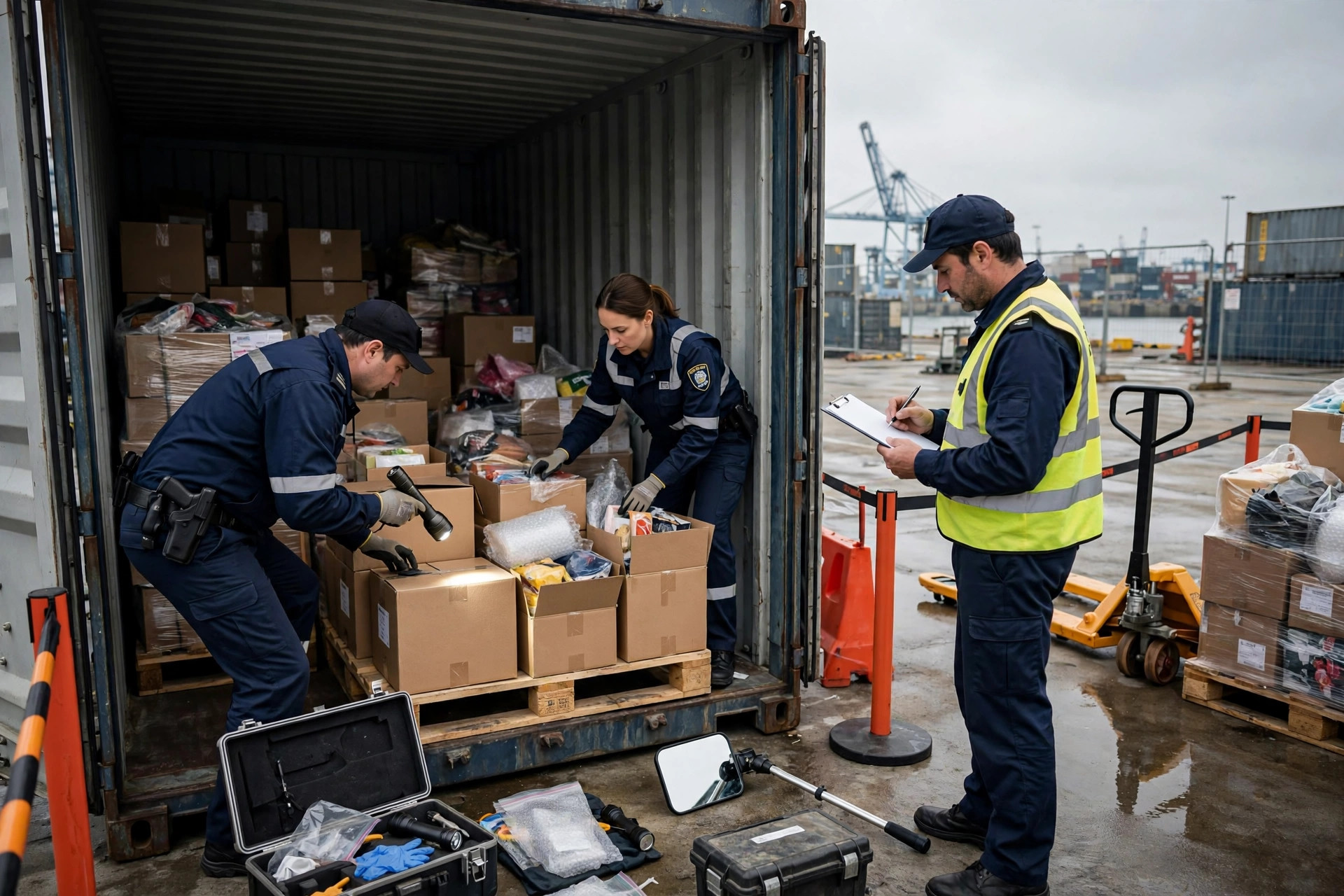
My lighting buddy's container sat under intensive exam at the Port of LA for three weeks. Storage and demurrage alone ran into the tens of thousands — his words: "that shipment made zero, and then some." Here's the standard burn list for an anti-evasion investigation:
| Cost item | How it hits | Magnitude |
|---|---|---|
| Cash deposits | Every entry during the case posts AD/CVD cash deposits | Public cases range from 187.25% (steel wire hangers) to 519.23% (ICON EV) |
| Single-transaction bonds | A fresh STB on every entry, surety prices by risk | Depends on cargo value and duty rate |
| Exam and demurrage | Live entry or intensive exams hold containers at port | Days to weeks; the bill depends on the port and carrier |
| Back duties plus interest | Once evasion is found, past entries reliquidate at the evasion rate | Goes back years — you pay what you skipped |
| § 1592 penalties | Three culpability tiers: negligence, gross negligence, fraud | Higher tier, heavier hit; fraud is the max |
| Legal fees | Trade counsel bills hourly through a 300-day investigation | Depends on case complexity |
The killer isn't any single line — it's the stack. And the public cases set the tone: in May 2025, CBP announced the largest EAPA case in its history — 23 U.S. importers plus a network of Chinese shell companies routing goods through Indonesia, South Korea, and Vietnam, with over $250 million in duties owed. Then there's Perfectus Aluminum: a $549.5 million settlement in May 2026, the largest trade-fraud settlement in U.S. history, plus a criminal conviction and a $1.836 billion restitution order. CBP is not bluffing anymore.
Reasonable Care Under EAPA: Build the Paper Trail Before You Need It
Here's the counterintuitive part: in an anti-evasion case, "I didn't know" is not a defense. The Customs Modernization Act of 1993 pinned classification, valuation, and duty-rate responsibility on the importer of record under a "reasonable care" standard (19 U.S.C. § 1484(a)). Hiring a customs broker doesn't transfer it — legally, it's still yours.
Reasonable care is also a complete defense against a § 1592 negligence penalty. So a clean evidence chain is the difference between walking out in the negligence tier or never entering it. And you build it during normal sourcing, not after the notice arrives:
| Evidence | How to build it routinely | What it saves you from |
|---|---|---|
| Supplier due diligence | Factory photos and videos, capacity and equipment records, business-license chain | Proves you verified origin claims |
| Four-document match | Purchase orders, production records, bills of lading, and commercial invoices all reconcile | In transshipment cases, mismatched docs are the smoking gun |
| Classification memos | Document which GRI rule each classification relies on; get CBP binding rulings for key products | Proves classifications were reasoned, not guessed |
| Duty review log | Re-check classifications and rates on your catalog after every Section 301/232 change | Proves you tracked policy changes |
| Broker confirmations in writing | Get key declaration elements confirmed by your broker in writing; archive the thread | Proves you consulted professionals |
| Self-audit and prior disclosure | If you find an error, disclose it before CBP opens a case | Negligence penalties can drop to just interest; fraud-tier exposure caps at lost revenue |
Keep records for five years — a hard requirement under 19 CFR 163.4. CBP's statute of limitations is five years too (19 U.S.C. § 1621), running from discovery for fraud.
One more thing most sellers miss: a published analysis describes a case where the importer cooperated fully — and CBP still issued an evasion finding. Cooperation decides whether CBP builds its case on your verified records or on adverse inferences, but wrong is wrong and the duties don't shrink.
When to Call a Lawyer: Earlier Than You Think
The trade-off nobody wants to price out: trade counsel isn't cheap, but in this game, calling one late gets measured in multiples of your unpaid duties.
My read, in three tiers:
Tier one: hire now, as a checkup. Your supplier's origin certificates look fuzzy, or your "DDP duties included" forwarder can't explain how the duties were actually paid — that's when you get a compliance review and walk through the prior disclosure process. Remember: voluntary disclosure only works before CBP starts investigating you. The moment that initiation notice lands, the window slams shut for good.
Tier two: the second a CBP questionnaire arrives. Too many sellers get a CBP Form 28 and dash off a casual reply. Every word goes into the record, and contradictions hand CBP adverse inferences on a platter. A lawyer's value here: one consistent story, controlled scope, and extension requests (available for good cause, but they must be filed separately at least 3 business days before the deadline).
Tier three: the initiation notice — non-negotiable. You're on the 300-day clock: facts by day 200, written arguments by day 230, missed deadlines don't come back. The 30-business-day window to request administrative review is use-it-or-lose-it.
One last honest take: EAPA punishes "knew and did it anyway" and "chose not to know." The June 2026 executive order on customs enforcement is pushing importer bond and asset requirements higher, and since September 18, 2026, CBP can void your importer-of-record number outright if your registration info — legal name, tax ID, address — is inaccurate. The bar only moves one direction.
The move I actually use: half a day every quarter re-checking classifications, origins, and duty rates across my catalog, log archived. Half a day of work buys you out of the negligence tier when the knock comes. That trade I'll take any day.
By Ah K, E-commerce Seller (5 yrs)