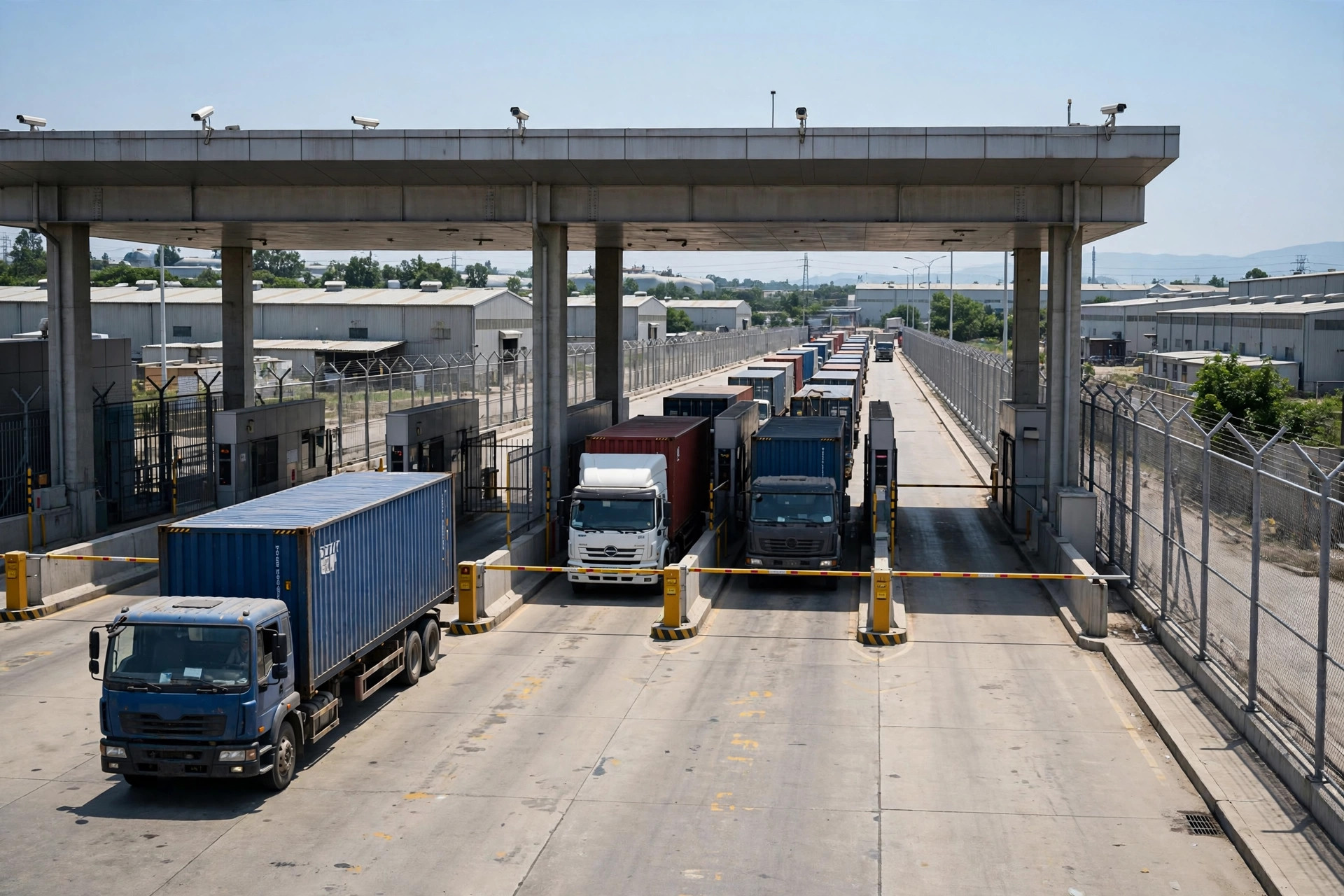
Let me be blunt: when equipment you sold overseas breaks down, the cheapest fix isn't shipping it back to your factory or finding a local third-party shop. It's sending it into a comprehensive bonded zone for repair. The equipment technically "leaves" the country, so no duties are owed; once fixed, it ships straight back to the customer without ever truly crossing the border.
This cuts two ways. The policy has only gotten friendlier — this past April, China's State Council signed off on customs measures that widened the bonded repair lane considerably. But the ledger and write-off requirements are brutally strict. Botch the bookkeeping and every dollar of duty you saved comes right back, plus penalties. I've watched too many companies grin about the tax savings on the way in and get crushed at write-off time.
How Bonded Repair Policy Has Loosened
Most people's mental model of bonded repair is stuck in the old days — "only electromechanical products, and you need approval." That world is gone.
On April 14, 2026, the General Office of the State Council forwarded new measures from the General Administration of Customs on upgrading comprehensive bonded zones. Buried in there is a bonded repair clause: export products manufactured domestically and their spare parts can enter a bonded zone from abroad for repair and be shipped back out — with no restriction from any repair product catalog or the prohibited-import list for used electromechanical products. That last part matters enormously. Plenty of equipment used to be locked out of this lane entirely because it landed on the used-machinery blacklist. That wall is down.
Even more practical: repaired finished goods can now flow directly into in-zone production for re-export. This July, Wuxi's bonded zone closed Jiangsu's first such deal — an electronics maker's repaired processor boards went straight from the repair bench to an in-zone assembly line and out as finished units, no re-entry or re-exit. The company's math: flow time cut 90%, logistics cost down over 90%. Kunshan customs data backs the trend: bonded repair trade hit 3.78 billion yuan in the first eight months of this year, up 19.8% year over year.
One door stays half-open: pilot negative-list management, and a gradual move toward domestic sale of repaired goods. Note the wording — "explore," "gradual." That lane isn't open yet. Walk it only after talking to your supervising customs office. Don't improvise.
A Pit I've Watched: The Repair Was Fine, the Old Parts Had Nowhere to Go
A few years back, a packaging-equipment maker in the Pearl River Delta came to me for advice. Their machines were installed across Southeast Asia; a few broke down, and they brought them into the bonded zone for repair. The repair itself went smoothly — new boards, new motors, machines shipped back out. Everyone was happy.
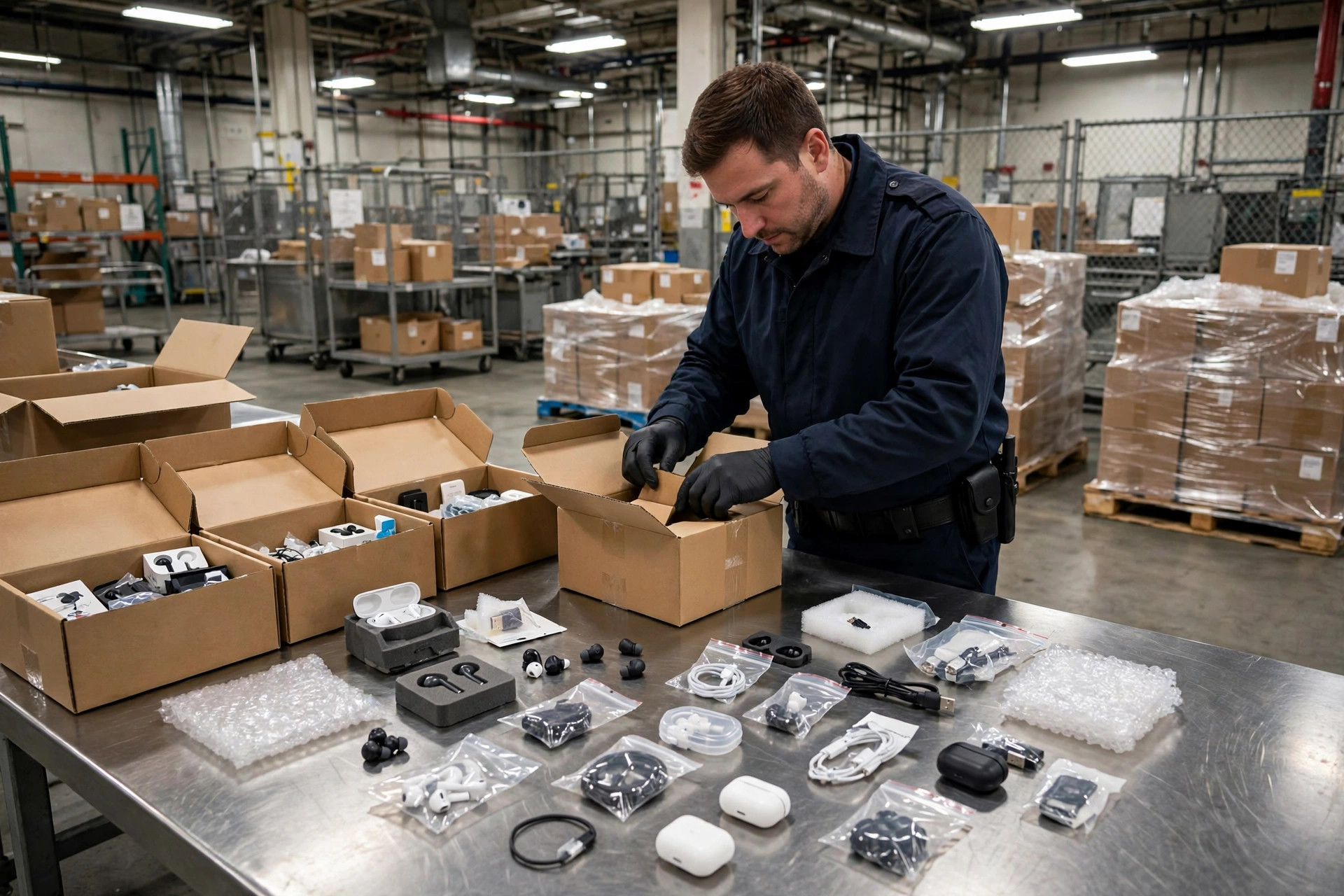
The problem was the parts they pulled out. Dead boards, burned-out motors — dozens of them, piled in a corner of the shop. On the customs ledger, those old parts were repair-generated materials, and customs wanted an answer: ship them back out? Destroy them? Sell domestically and pay duty? Nobody owned the question, and the pile sat for the better part of a year. At write-off time, customs did the math: units in, units out, parts consumed — it didn't balance. The books said one thing, the warehouse said another.
The ending: retroactive procedures, duties paid where owed, a written explanation filed. The owner told me: "If I'd known fixing equipment meant managing garbage too, I'd have just paid more." The lesson: before anything enters the zone, know where every single item exits — the repaired machines, the old parts, the new materials. Can't answer that? Don't send anything in.
The Tax Break Is Real, but Bonded Repair Runs in Four Steps
Let me translate the policy into plain language. Equipment enters a bonded zone from abroad for bonded repair:
First, no import duty and no import-stage VAT on entry. A bonded zone is "inside the border, outside customs territory," so goods entering it aren't a formal import — the tax stays on the books, uncollected.
Second, repair materials enter under bond too. Replacement parts bought abroad, parts bought domestically (treated as exports, eligible for drawback under the supervising customs office's rules — confirm locally), all managed inside the ledger.
Third, repaired equipment shipped back out pays no export duty and triggers no domestic tax charges.
Fourth, repaired finished goods can now feed directly into in-zone production destined for export — the Wuxi model — without the round trip through the border.
Sounds great, right? Here's the trade-off: what you save in duties and border-crossing time, you pay in compliance cost. Ledgers, filing lists, release notes, write-offs — none optional.
Here are the four steps in practice:
Step one: company filing. The company doing bonded repair must be a legal entity and register with the bonded zone's supervising customs. Don't think about borrowing someone else's qualification — customs recognizes the filing entity, period.
Step two: entry declaration. Equipment arrives from abroad and is declared for bonded repair. Goods and materials enter the ledger — in the Golden Gate Phase II system, that's the "household register" customs sees, and every movement in, out, transferred, or stored must leave a trace.
Step three: the repair. Done inside the zone. Materials are added and deducted in the ledger; pulled-out old parts are stored and accounted for separately — never mixed with new materials. That's the lesson from the pit story: old parts aren't trash, they're a ledger line item.
Step four: exit. Repaired equipment ships back out; or under the new policy, flows to an in-zone production line for processing and re-export.
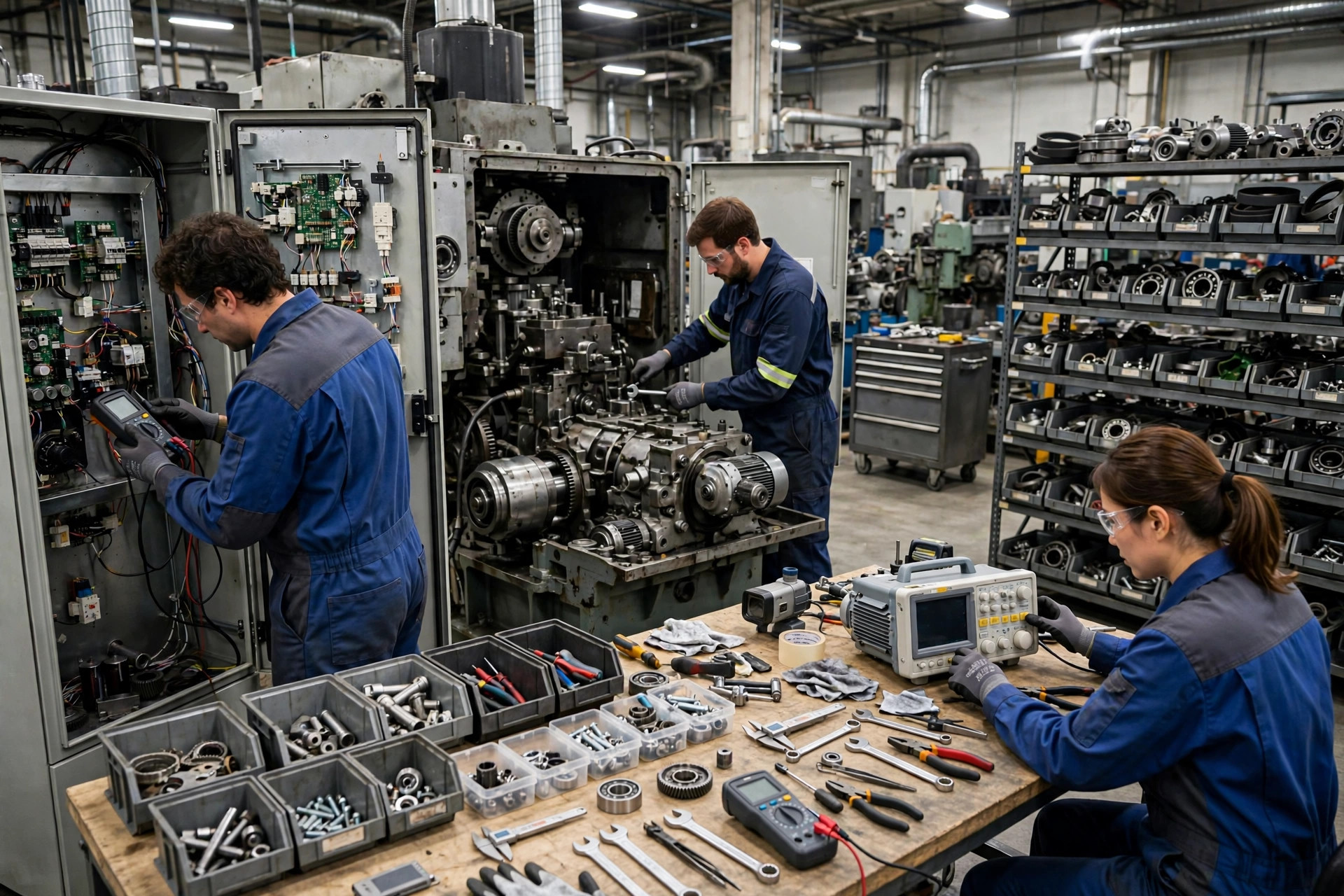
Old parts and repair waste get shipped back out, destroyed, or abandoned per customs procedures.
One hard rule: books must match reality. Since January 1, 2025, bonded logistics ledgers face write-off management, with filings due within 60 days after each cycle ends. Same logic for repair ledgers: whatever the books say, the warehouse must hold — one unit off needs an explanation. Reconcile ledger against physical stock weekly. Don't discover the hole the week before write-off.
When It Can't Be Fixed: Do the Math First
The machine comes in, you open it up, it's beyond repair. The policy gives you exits — each needs paperwork:
Exit one: ship it back out. Return it as-is, close it out on the ledger. Cleanest option.
Exit two: abandonment. Apply to customs; after approval by customs and the relevant authorities, customs takes it and disposes of it by law. "Abandonment" is not leaving it by the door — it's an approval process.
Exit three: destruction. For items with no residual value, apply for destruction — also needs customs approval, and keep the destruction records.
Two edge cases. Force majeure — fire, flood, goods lose all value — customs verifies and grants duty-exempt write-off. Negligence in storage — that's on you: duties assessed as a normal import, plus an explanation. Fire protection in your repair shop is not a minor detail.
Now the three-way comparison — look at it before you choose:
| Ship back abroad for repair | Bonded-zone repair | Overseas repair site | |
|---|---|---|---|
| Duties | Full import duty + export-side costs | Bonded on entry, duty-free on re-export | Per local tax regime |
| Logistics time | Slowest, two border crossings | Medium, one zone in/out | Fastest, local fix |
| Compliance cost | Low | High (ledger + write-offs) | Medium (local registration) |
| Fits | Occasional, low-value equipment | Frequent, high-value, batch returns | One market with huge volume |
My call: dozens of high-value returns a year — bonded repair pays. Three or four units a year — do a normal import; the compliance cost won't amortize.
Five questions before you start:
- Is your equipment a "domestically manufactured export product"? That's where the policy dividend concentrates. Pure foreign-brand equipment entering for repair may face different treatment — ask your supervising customs office first.
- What's your annual return volume? Too small, and it's not worth it.
- Do you have someone dedicated to the ledger? If not, hire one or retain a customs broker — don't let a salesperson do it on the side.
- Do you know where the replaced old parts and waste will go? If not, don't send anything in.
- How long is the repair cycle? Goods can't sit on the ledger forever — long-dormant balances are an audit trigger.
Answer all five, then move. Can't? Do the homework first.
One last thing: this policy only gets looser — negative lists, domestic sale of repaired goods, it's all coming. But the looser the policy, the tighter customs gets about the books. That's the iron rule of my twenty years. Equipment enters the zone tax-free. The ledger? Not a single line gets a pass.
Could your books survive a customs visit today?
By Lao Mi, Supply Chain Veteran (20 yrs)