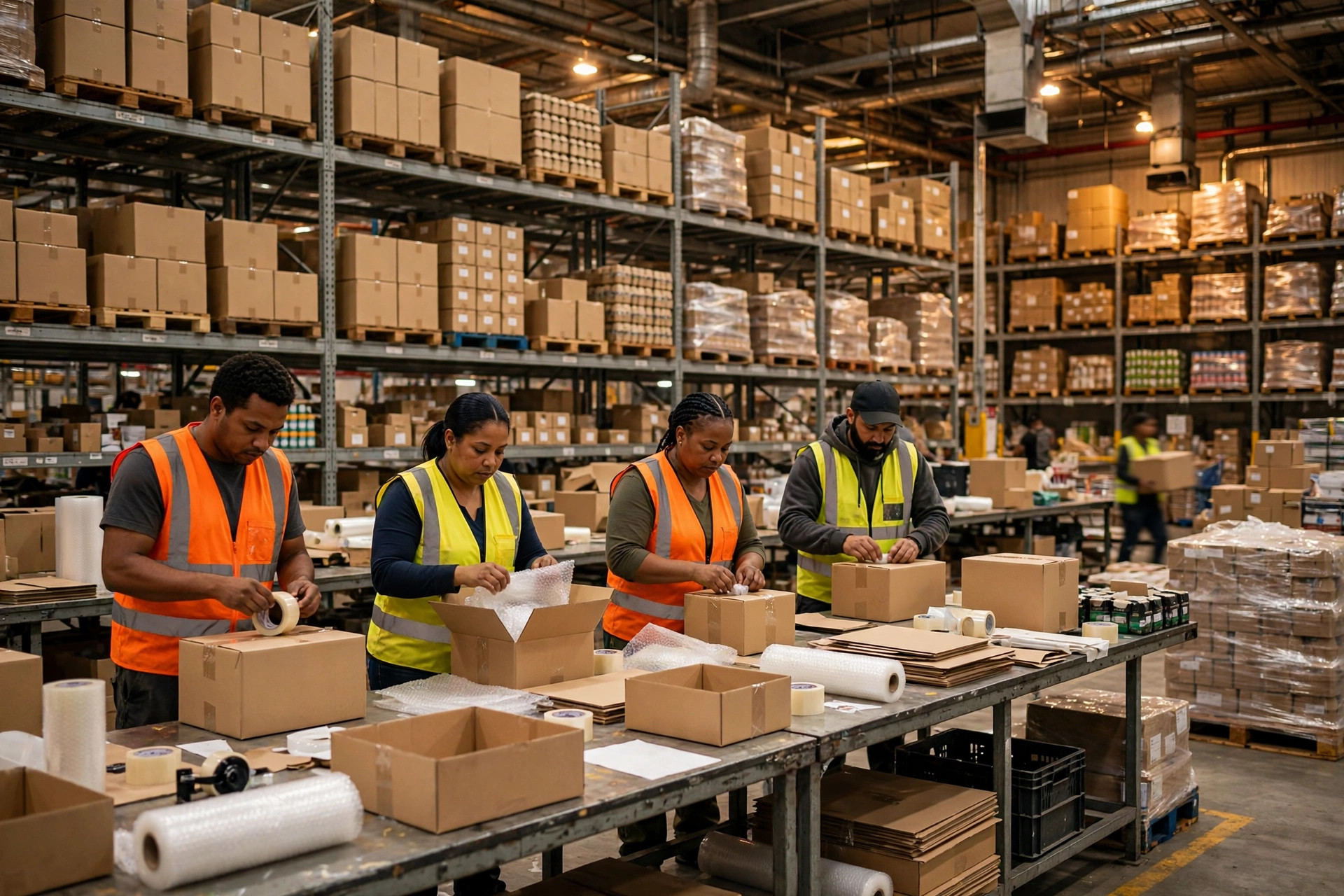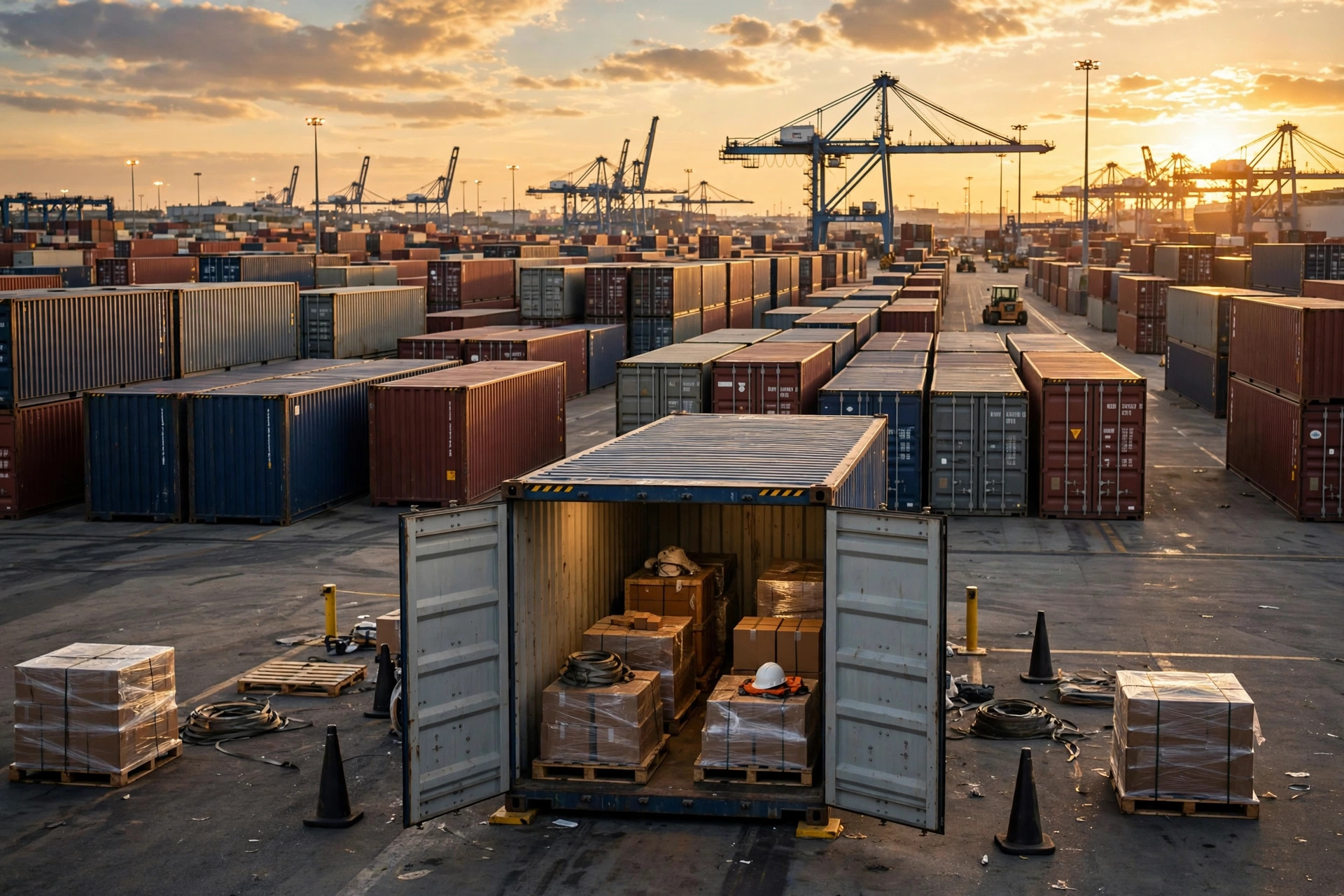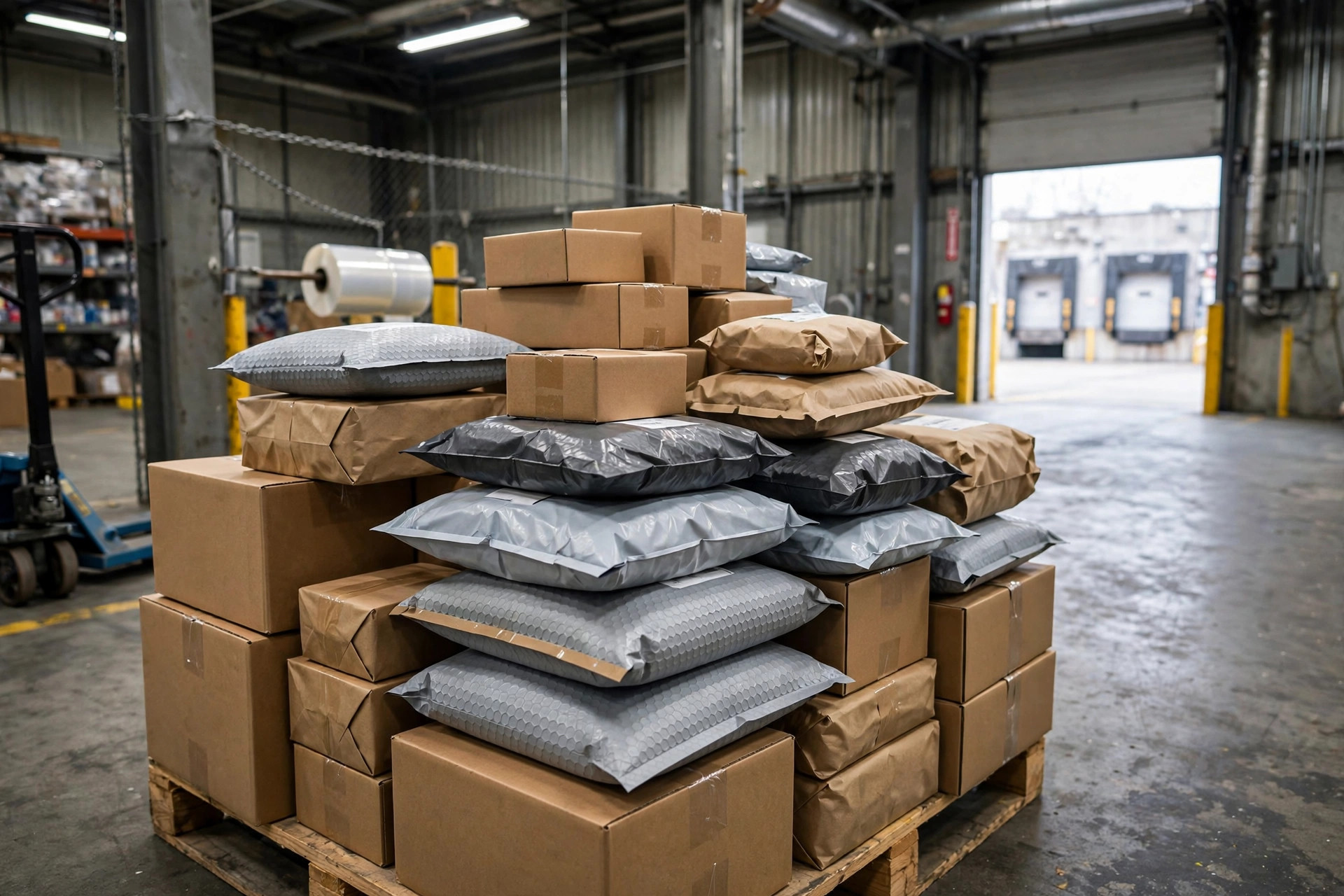
We have a client in Shenzhen running a DTC site, living off Section 321 duty-free direct shipping for years. Average order $30–60, mostly US buyers, and life was good: small parcels flew straight from Shenzhen, cleared duty-free under the $800 threshold, and landed in American mailboxes in 7–10 days. Duty cost: zero.
Then came the first week after August 29, 2025. His customs bill arrived, and with duties and compliance fees stacked on, the margin on every order was cut by more than half. His first instinct wasn't to study the new policy — it was to call us and haggle down our warehousing rate. Classic client move: when costs go up, squeeze the vendor first.
I told him straight: this isn't a warehousing problem. Section 321 and Type 86 are gone, and the duty-free direct-ship model is dead at the root. The question isn't whether storage is fifty cents too expensive — it's whether your entire fulfillment model needs to change.
Section 321 Is Gone: Know the New Rules
A quick timeline, so nobody keeps living in the old world. The US $800 de minimis exemption for small parcels (Section 321) has ended: May 2, 2025 for China and Hong Kong, then August 29, 2025 for every other country. The Type 86 simplified filing channel died with it. The current rules: shipments under $2,500 go through informal entry (Type 11), above that through formal entry (Type 01) — all filed through ACE, all duties paid. On the statute books, formal repeal takes effect July 1, 2027.
Do the math and you'll see why direct shippers can't sleep. A $50 item made in China used to ship duty-free; now it carries $7–25 per unit in duties depending on its tariff classification, plus a few dollars per shipment in compliance fees. A business built on "zero duty" now pays a fifth to a third of the item's value just to get through customs. Low-AOV categories are effectively finished.

Three Ways Out After the De Minimis Era — None of Them Free
Duty-free direct shipping is dead; the business isn't. Over the past few months we've walked clients through the math, and there are roughly three exits, each with a price.
Option one: stock in the US. Bring goods in by full or consolidated container, pay the duty once, hold inventory in a US warehouse and fulfill domestically with a 3PL. The cost is tied-up inventory capital — mistime your replenishment once and you're sitting on stock. The payoff: duties spread thin per unit, stable transit times, returns that someone can actually handle. Best for SKUs with proven, steady sales; don't try it with untested new products.
Option two: bonded warehouse / FTZ. This is the most-asked-about route right now. Goods enter a foreign trade zone, duty is paid only when sold, and unsold goods re-exported duty-free — genuine cash-flow relief for high-duty categories. But FTZ admission, activation, and compliance filings are a whole process, and whether your 3PL actually has that capability varies enormously. If you don't pin it down in the contract, you'll discover your partner can't handle it only after your freight arrives.
Option three: keep direct shipping, but do it compliantly. Direct shipping isn't banned — duty-free direct shipping is. Filing properly under Type 11 informal entry and paying the duty still pencils out for low-duty categories and small test batches. The price: a few extra dollars per shipment in compliance fees, plus one more filing step in the transit time.
| Model | How duty is paid | Transit | Best for |
|---|---|---|---|
| US stocking | Once per container, amortized per unit | Stable, 2–5 days domestic | Mature SKUs with steady sales |
| FTZ / bonded | Paid on sale; re-exports duty-free | Extra paperwork step | High-duty categories, cash-flow sensitive |
| Compliant direct | Per-shipment Type 11 duty | Slightly slower with filing | Low-duty categories, test batches |
Another client started testing option one in September 2025. First container landed in Los Angeles, cleared customs, stocked in, shipped domestically — and afterward he told me the honest truth: per-unit cost is higher than the duty-free era, but cheaper than "paying duty and still shipping direct," and transit time went from weather-dependent to controllable. He finally admitted what the duty-free years had hidden: the duties he'd saved were really paid in his own overtime firefighting.
An insider note from the vendor side: in the Section 321 era, brokerage didn't even appear on 3PL rate cards — Type 86 was so smooth nobody treated customs as a cost line. That's changed. Brokerage, duty disbursement fees, FTZ admission — each is now a margin line. I've seen per-shipment compliance fees vary two to three times between 3PLs. So when you compare quotes, don't just look at the storage rate; break out every customs-related line item. That's the one thing your vendor hopes you won't do.
A scene I've watched repeat these past few months: a client brings me three 3PL quotes, storage rates nearly identical, total cost differing by a double-digit percentage. The entire gap sits in the customs lines — one charges brokerage per shipment at a few dollars, another takes a percentage of cargo value, a third lists FTZ fees as "TBD." Whatever isn't on the quote will be on the invoice. Every cent of it.
Three Habits From the De Minimis Era That Are Traps Now
Here's the counterintuitive part: the de minimis era was about who shipped fastest; now it's about who calculates best. Three habits formed in the de minimis era — ignoring tariff classifications, never negotiating customs-brokerage terms, never asking whether your 3PL can do FTZ — are all traps now. They didn't matter before because duty-free covered everything; now each one shows up directly in your cost.
So stop asking whether storage can be fifty cents cheaper. What actually needs negotiating are the clauses nobody used to negotiate: brokerage, duty disbursement, FTZ capability. The pennies saved on a rate card never offset the dollars leaking at customs.
The Three Questions to Ask Before You Sign
One: Is customs brokerage and duty disbursement bundled into the service fee, or charged per shipment? How much — and put it in the contract appendix, not a verbal promise.
Two: How is the per-shipment brokerage fee calculated for Type 11 / Type 01 entries? Is there a cap on compliance surcharges?
Three: Do you handle FTZ admission? How many entries have you actually processed? Show me the cases before we talk price.
Get straight answers to those three, and you at least won't pay tuition twice under the new rules. The Section 321 de minimis era is over — if your fulfillment model needs to change, change it. Every day you wait, you're paying that tuition out of your own margin.
By Susan, 3PL Sales Director