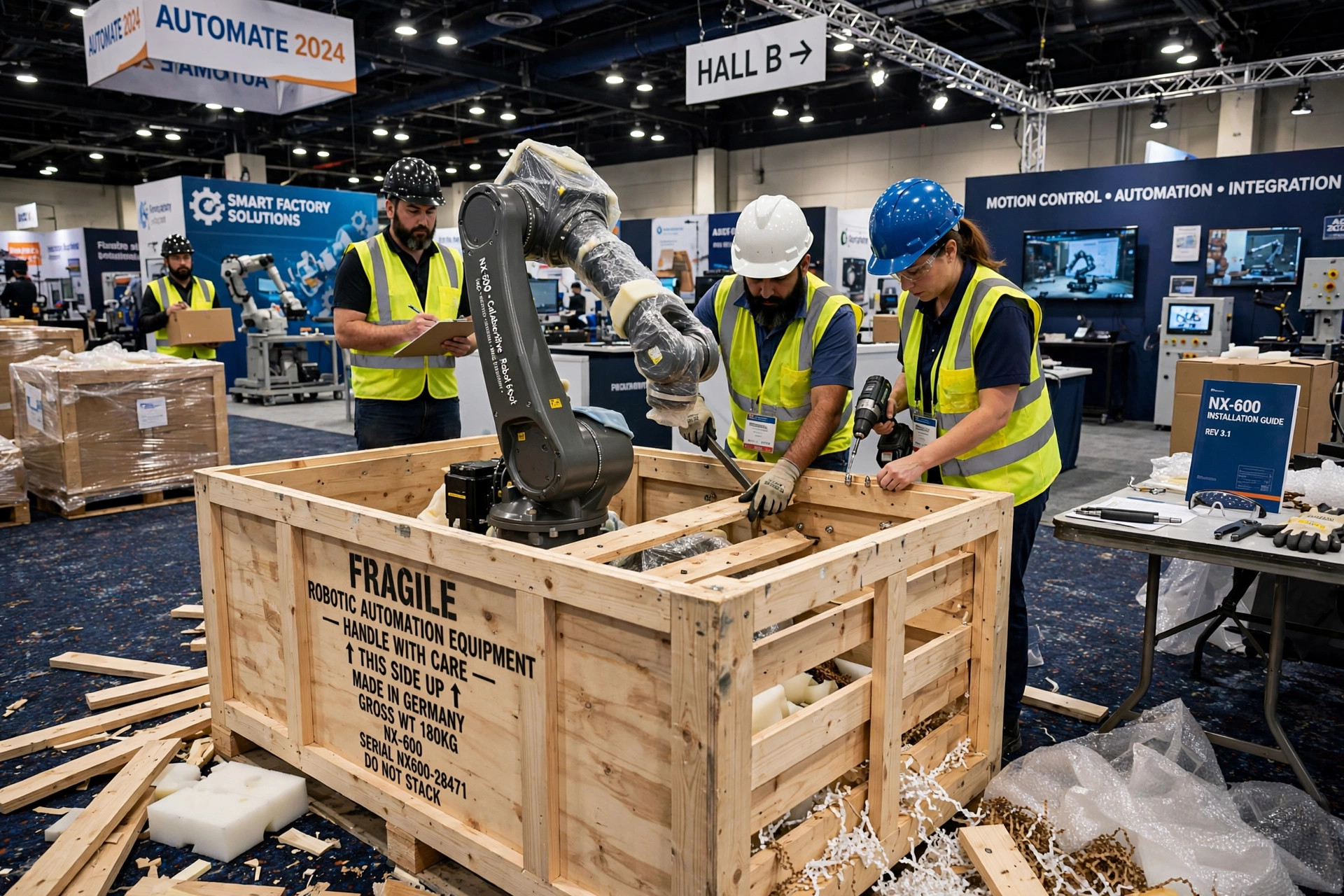
We had a client, a laser-cutting machine maker from Guangdong, heading to their first Las Vegas trade show last September. Twelve demo units plus one live machine, just under 3 million RMB in cargo value. Their forwarder told them: "Easy — import it as normal cargo, claim the duty back after the show." The boss loved it. Then I asked one question: "That live machine — you're going to run actual cuts on the show floor, right? When customs asks about the wear on the cutting head during your duty drawback claim, what's your answer?"
That's what today is about: the ATA carnet. For Chinese exhibitors bringing equipment into the US for a trade show, the temporary import playbook starts here — and it's the most misused tool in the book.
What an ATA carnet actually is
One sentence: it's a passport for goods. With it, your exhibition equipment can move in and out of member countries temporarily — no import duties, no import taxes, no separate temporary import paperwork in each country. One document, multiple countries, valid for up to a year. The industry nickname says it all: "merchandise passport."
It covers exactly three categories: commercial samples, professional equipment, and goods for exhibitions and fairs. Note the word "exactly" — an ATA carnet covers goods that are coming back. Consumables don't qualify. Goods you plan to sell in the US definitely don't. Sell them, and you're not exhibiting anymore; you're customs' favorite kind of problem.
Getting one in China: the process is the easy part
In China, carnets are issued through the CCPIT system, and the whole thing runs online now: the company files an application with a detailed goods list in the ATA online system, CCPIT reviews it (usually about 2 working days), you pay the security deposit once approved, and the carnet is issued (about 2 more working days). Sounds fast, right? But anyone on the vendor side knows: the process never kills you. The goods list does.
The list must itemize everything: product name, model, serial number, quantity, unit value, total value. Serial numbers! I've watched so many companies die on this hill — one digit off between the machine's nameplate and the list, and US customs holds the shipment at inspection. We had a client heading to Chicago in 2024: 11 machines, one serial number miscopied by a single digit, four days in a customs holding warehouse while the booth builder billed storage by the day. The client's face said everything.
So my advice: start at least a month out. Not because the carnet takes a month — because you need room for the list to get bounced back and fixed. A rejection-and-resubmission cycle eats days, and the show date doesn't move.
On the deposit: it's charged as a percentage of cargo value, and the exact rate follows the issuing authority's current schedule — don't trust forum posts quoting a fixed number; it varies by region and value band, so ask before you file. The money comes back after re-export and discharge, but it ties up your cash flow in the meantime. Build it into your quote.
What qualifies and what doesn't: the trap is the "while we're at it" box
Exhibits, professional equipment, samples: yes, carnet territory. Brochures, giveaways, USB sticks, anything consumable handed out at the booth: no — at least not under the carnet.
Here's the counterintuitive part: what sinks exhibitors is never the six-figure machine. It's the box of brochures someone tossed into the shipment "since we're shipping anyway." Carnet cargo goes on the carnet; promo materials go as normal general cargo. Mix them, and the nature of the whole shipment gets murky. Customs doesn't care about your convenience. It cares whether the document matches the goods.
US entry: what customs actually checks
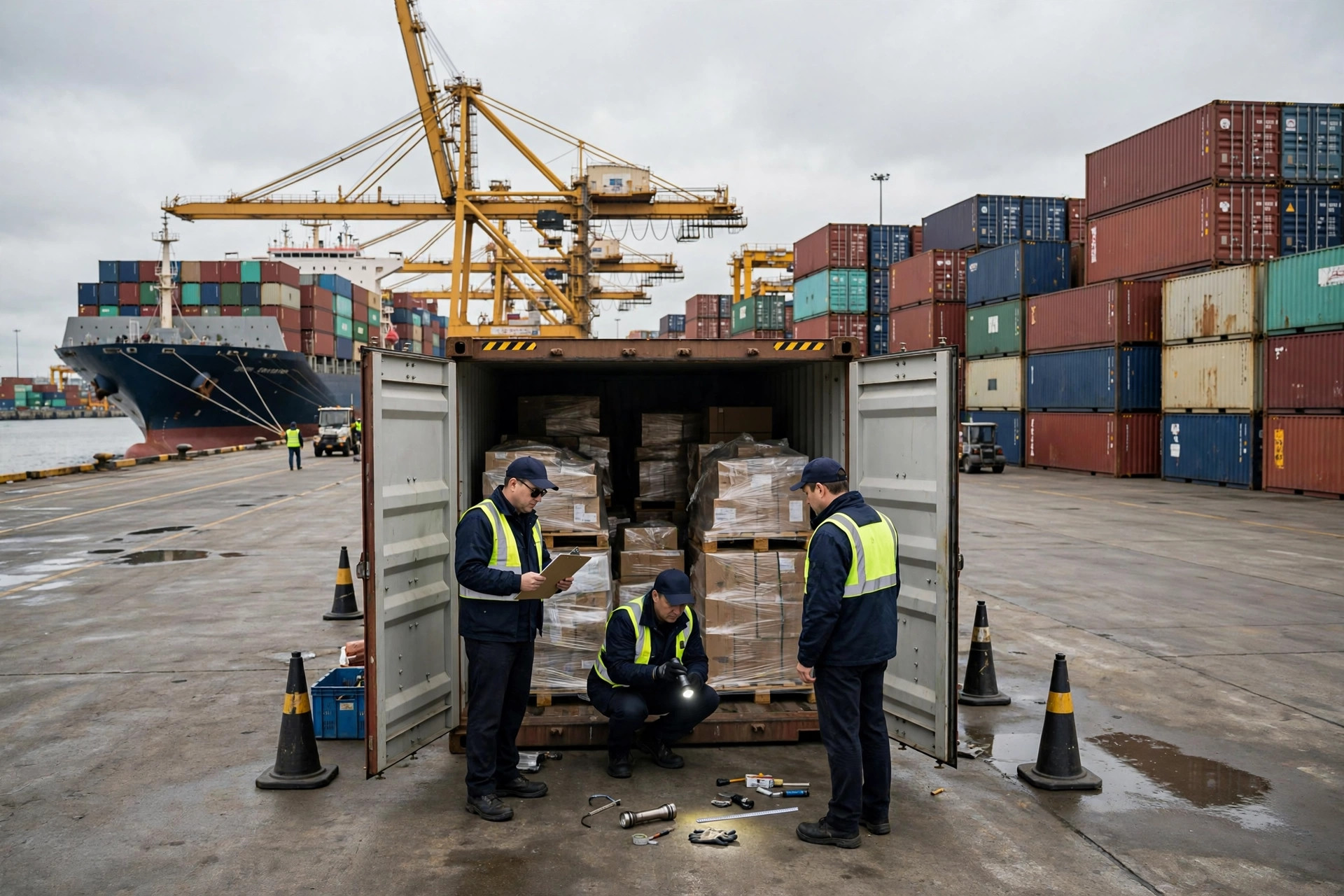
Entering the US on an ATA carnet, the officer looks at three things: the carnet is within validity, the goods match the list, and the goods visibly look like they're going back home.
Understand the guarantee logic: behind the ATA system sits an international guarantee chain. The deposit you paid back home guarantees that if the goods never leave, US customs still gets its duties — paid by the chain. That's why US customs lets the goods in without collecting a dime: not because they trust you, but because they trust the chain. And that's exactly why overstaying is brutal: the guaranteeing association pays US customs first, then comes after you for recovery — penalties included.
Every crossing needs a customs stamp on the carnet — in and out. Lose the carnet or miss a stamp, and you have no proof the goods left. The duties get claimed anyway. We had a client fly out of New York in 2023 who skipped the customs counter to catch a flight. Six months later came the recovery letter: back duties plus penalties, nearly a hundred thousand RMB. Great show. The margin went with it.
The math: three ways in, compared
| Factor | ATA carnet | US TIB (temporary import bond) | Formal import + duty drawback |
|---|---|---|---|
| Duties | None; deposit refunded after re-export | Bond required (a multiple of estimated duties, per US customs practice) | Pay full duties upfront; drawback is slow and paperwork-heavy |
| Paperwork | One document, multi-country | Separate filing via a US customs broker | Full formal entry |
| Speed | Arranged before departure; fast clearance | Arranged at entry; higher exam odds | Slowest |
| Risk | Overstay or mismatch triggers heavy recovery claims | Bond refunds drag on | Wear on demo machines is hard to explain; drawback can be denied |
| Best for | Pure exhibiting; equipment comes home | Special cargo the carnet can't cover | Goods staying in the US to be sold |
The conclusion is blunt: if the equipment goes to the show and comes back, the ATA carnet is the default best answer. TIB is the backup. Formal import is for goods that were always going to be sold. The worst move is mixing "exhibiting" and "selling" in one shipment — customs doesn't let you have it both ways.
Vendor-side secrets: three questions for your forwarder contract
In trade-show logistics, shippers usually compare freight rates. But on the ATA lane, freight is the least important line item. What actually decides whether your show goes smoothly is three questions in the contract:
One: "Who applies for the carnet, and who verifies the list?" Plenty of forwarders outsource the application while the shipper fills in the list — so whose fault is an error? Write it in: the forwarder verifies every serial number, and a mismatch costs them the exam and detention charges.
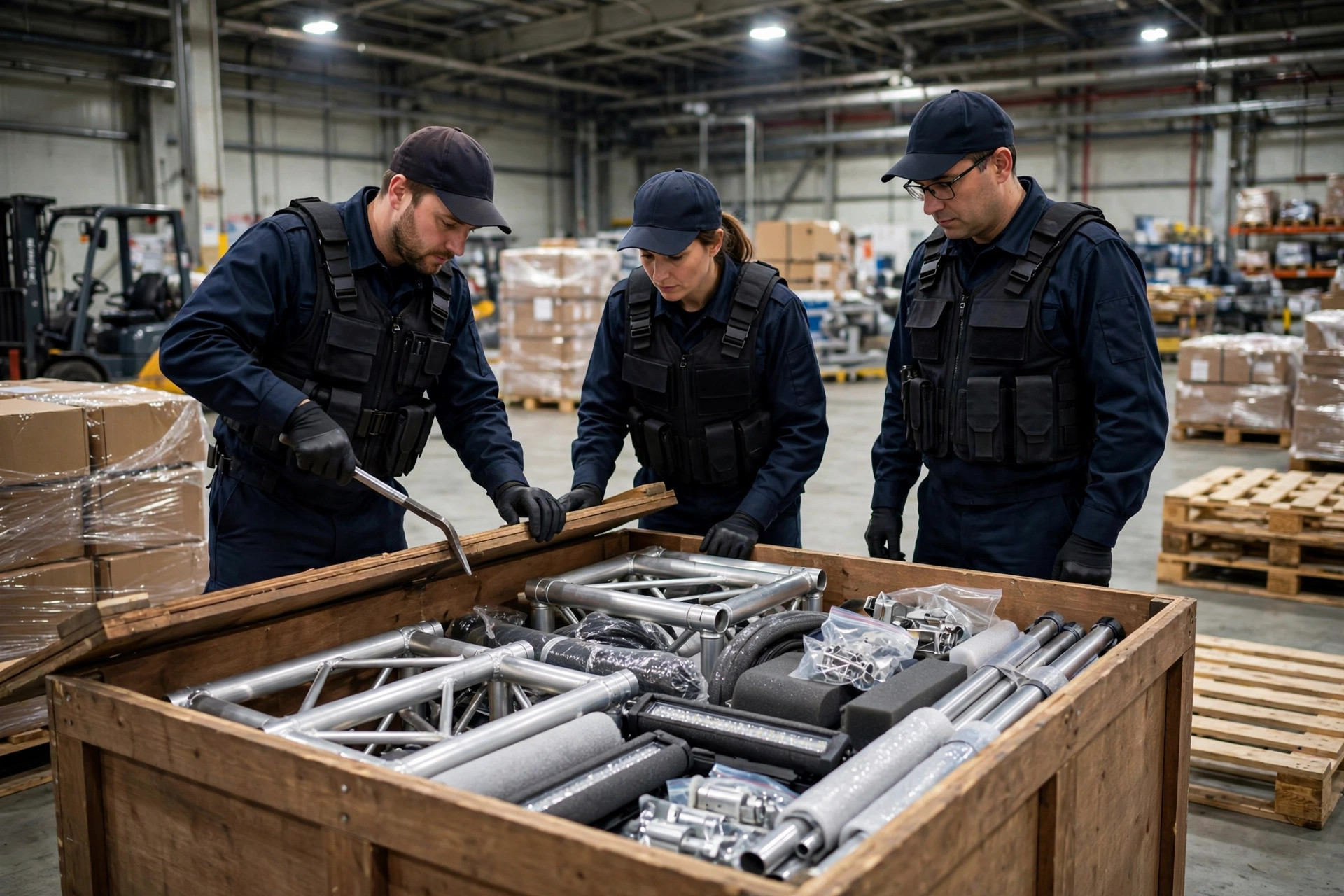
Two: "Who receives the shipment in the US, and who shows up when customs pulls it for exam?" Carnet shipments get examined all the time. Nobody on site, and customs goes by the book — the strictest version. The contract should name a US agent with a hard response time for exams.
Three: "If we overstay or the goods don't match the list, how are liability and costs split?" Get the ugly talk done upfront. The goods are yours, the paperwork was the forwarder's — don't have that argument on the show floor. Put the split in writing.
Next time you negotiate a contract, ask these three questions. Two thousand extra in freight is nothing. Four days of your machines sitting in a customs warehouse while booth labor, builders, and hotels burn cash by the day — that's the math most shippers only learn the day it happens to them.
By Susan, 3PL Sales Director