For years now, importers moving goods into the United States have asked me the same question in different words: are the C-TPAT benefits for importers real, or is this one of those programs that sounds good on a slide deck and dies in practice? Launched by U.S. Customs and Border Protection (CBP) in the aftermath of September 11, 2001, the Customs Trade Partnership Against Terrorism is a voluntary program, and the application itself is free. That combination — free and official — is exactly what makes people suspicious. If it is really worth it, why are so many importers still sitting on the sidelines? The only honest way to answer is to start with the data.
The Exam-Rate Gap: What the C-TPAT Benefits for Importers Actually Mean
According to CBP's published materials, C-TPAT operates on a three-tier system — Tier 1, Tier 2, and Tier 3 — with higher tiers reflecting more mature supply-chain security programs and unlocking greater facilitation benefits. The headline number, and the one most often quoted, is the exam-rate differential: members are examined at a rate roughly 4 to 6 times lower than non-members, with Tier 2 members in the 3-to-5-times range and Tier 3 members in the 6-to-8-times range. A less discussed but operationally meaningful detail: when a member's shipment is selected for examination, it receives priority processing — less time sitting in a queue at the examination yard.
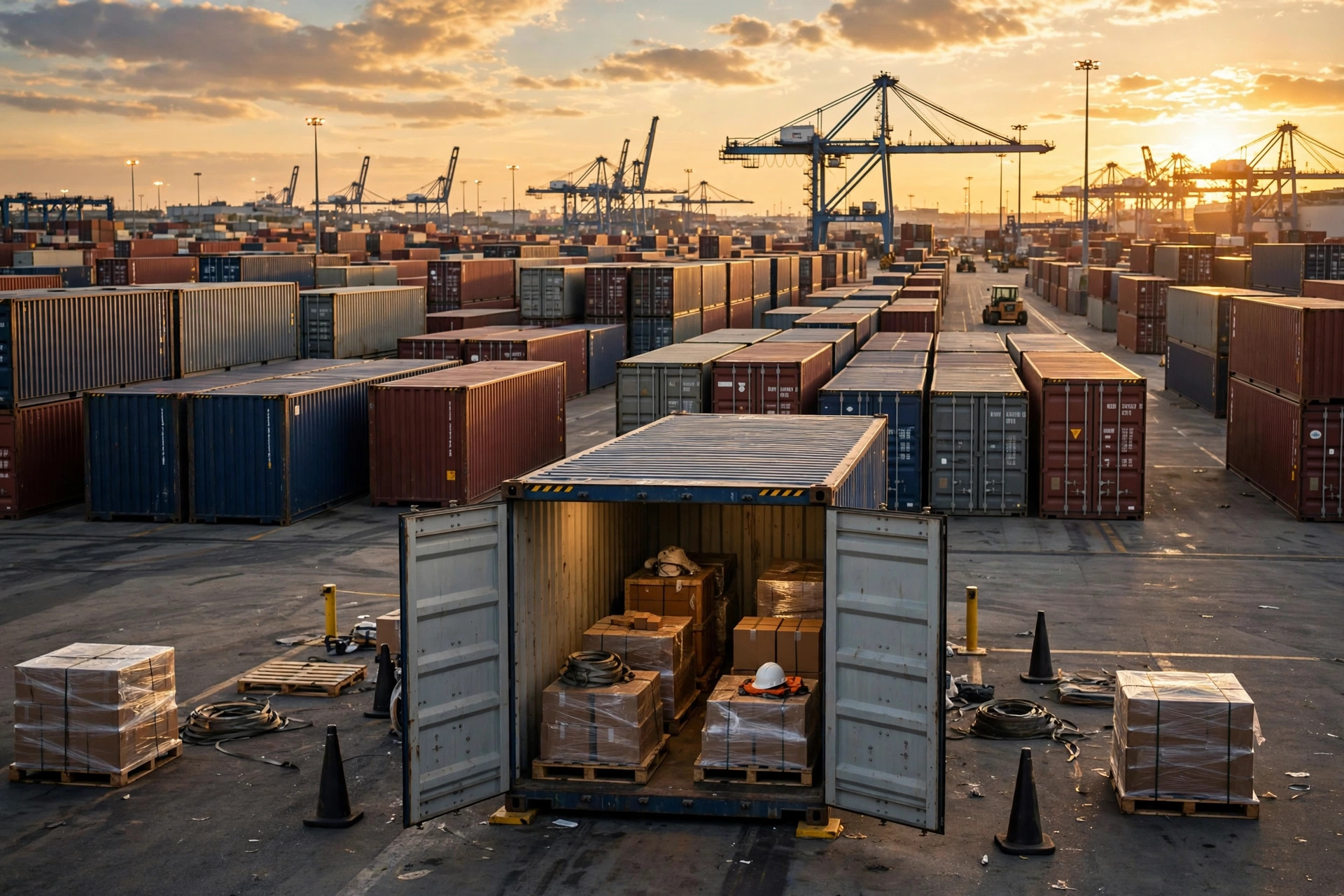
The underlying logic is worth pausing on, because it explains why CBP offers this deal at all. Inspection capacity is finite; every container that must be physically opened consumes scarce officer hours. By having members document their security controls, submit to self-assessments, and — at Tier 3 — host on-site validations, CBP effectively outsources part of the risk assessment to the trade itself. Members get fewer exams; CBP concentrates its attention on unknown actors. It is risk segmentation, not charity, which is precisely why the benefit has survived for more than two decades.
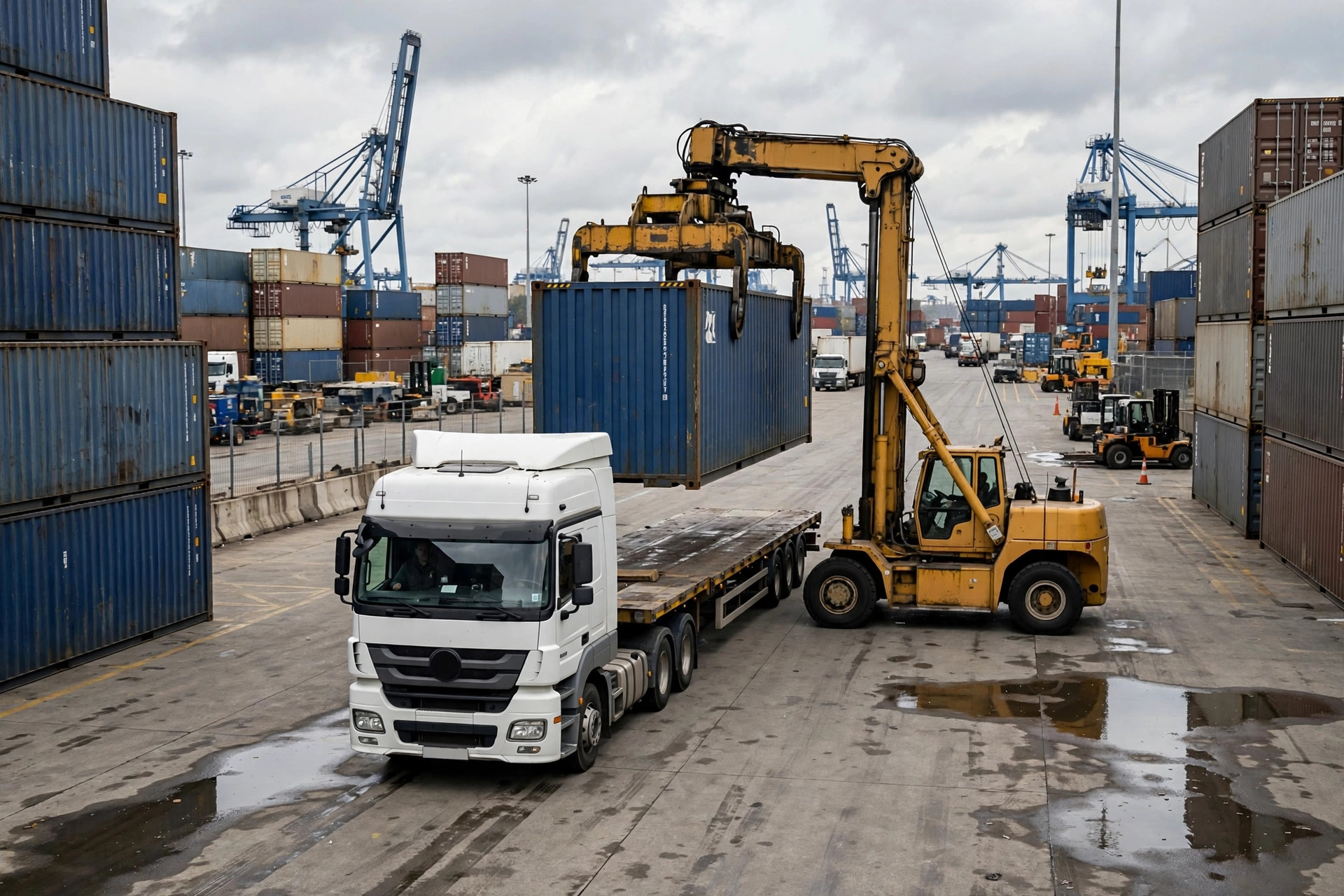
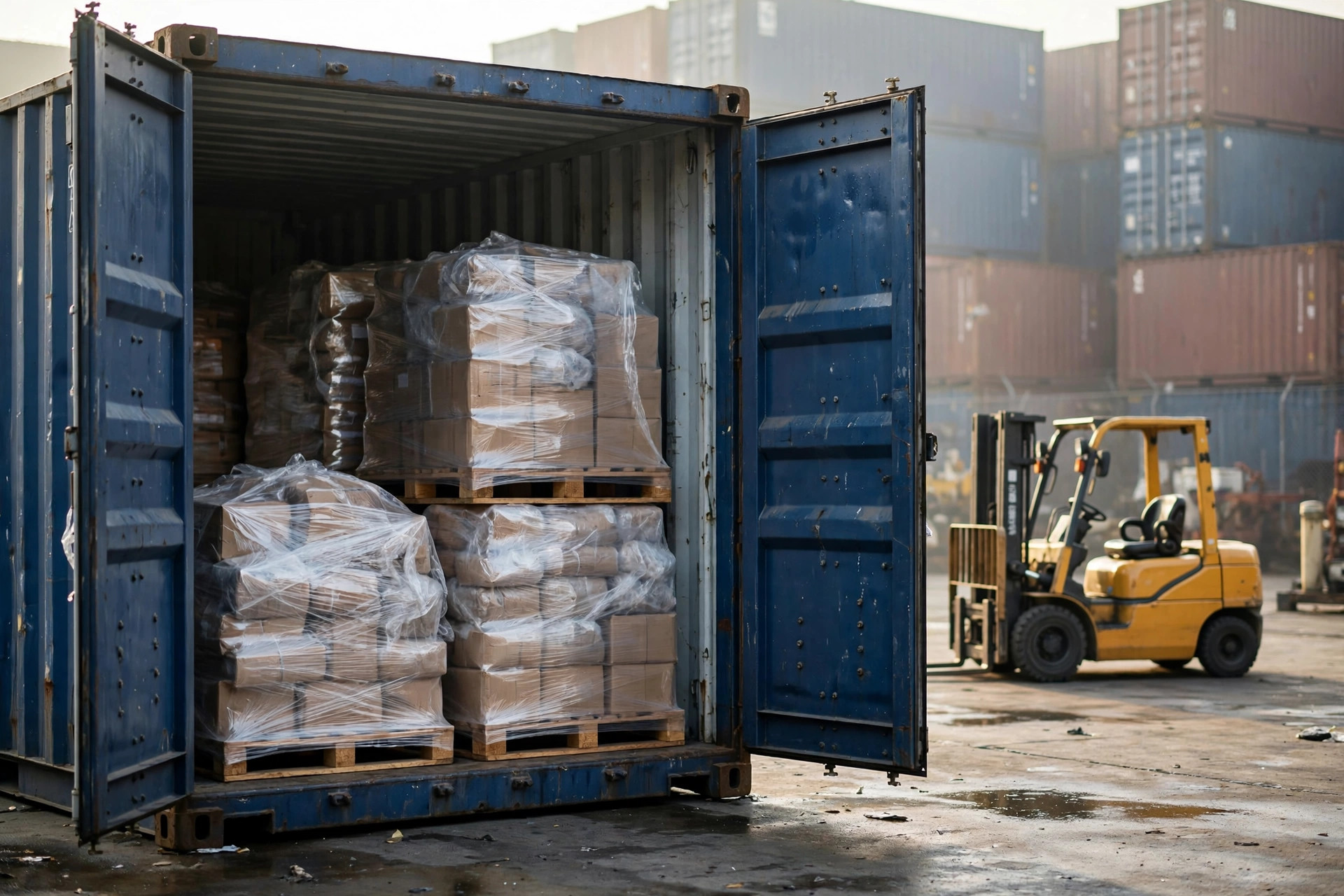
What do those ratios mean in practice? Consider a home-goods importer routing about 200 containers a year through the Port of Los Angeles. Assume a non-member exam rate of around 5 percent (a working assumption for illustration; actual rates vary by commodity and country of origin) — that is roughly 10 exams a year. A Tier 3 member under comparable conditions might see an exam rate closer to 1 percent, or 1 to 2 exams a year. A single exam, once you add up Centralized Examination Station (CES) fees, drayage delays, and port demurrage, runs an estimated $5,000 to $15,000. Each exam avoided saves not just money but two to three weeks of uncertainty — and for seasonal merchandise, those two weeks can be the difference between hitting the selling season and missing it entirely.
Running the Numbers: Free Application, Expensive Compliance
The application is free, but "free" is not the same as "costless." A side-by-side view:
| Item | Detail |
|---|---|
| Cost: security program remediation | Meeting the Minimum Security Criteria across physical security, personnel security, and cybersecurity; for small and mid-size firms typically in the tens to low hundreds of thousands of dollars (varies with scope) |
| Cost: annual self-assessment and upkeep | Yearly security self-assessments; Tier 3 involves on-site validation by CBP; ongoing staff time |
| Cost: time to approval | Several months from application to certification; longer preparation cycles since the 2019 criteria update |
| Cost: evidence maintenance | The annual self-assessment is not a checkbox exercise; CBP can suspend members that fall behind, so documentation must be kept current year-round |
| Benefit: fewer exams | Exam rates 4–6x lower; at $5,000–$15,000 per exam, savings scale with annual volume |
| Benefit: priority processing when examined | Shorter queues at the exam yard; more predictable lead times in peak season |
| Benefit: mutual recognition arrangements | Reciprocal facilitation with partner customs administrations in MRA countries |
The whole calculation turns on a single variable: annual import volume. An importer moving a dozen containers a year will rarely be examined in the first place, and the avoided exam costs may never cover the remediation spend. An importer moving a few hundred containers a year breaks even quickly on avoided exams alone — before counting the harder-to-quantify value of schedule certainty. This explains the observable pattern: large importers and freight forwarders pursue C-TPAT aggressively, while smaller importers hesitate. The program is not flawed; the scale threshold is simply real.
What Changed After May 2019
The second data point comes from May 2019, when CBP updated the Minimum Security Criteria (MSC) and, for the first time, added cybersecurity as a standalone category. Applicants now had to demonstrate not just container seals and warehouse access controls, but a coherent information-systems security posture. One electronics importer told me his company had planned to apply in 2018 and was stopped cold by the update: closing the cybersecurity gap alone took three months of mapping supplier system access.
Yet the same update is arguably what made the program more valuable. Since 2019, C-TPAT certification has functioned less as an "exam discount card" and more as a signal of supply-chain security governance — a signal that has gained currency as mutual recognition arrangements with other countries' customs administrations have expanded. The value proposition quietly shifted from "fewer exams" to "a global supply-chain credential."
A Trend Call: From Bonus Points to Ticket of Entry
On that basis, here is a judgment with a timeline attached: over the next three to five years, supply-chain security certifications of this kind will move from "nice to have" to "costly not to have." Three lines of evidence support this. First, CBP has been tightening the Minimum Security Criteria since 2019, and there is no indication that direction reverses. Second, the expanding network of mutual recognition arrangements creates a network effect — the later you join, the smaller your relative advantage. Third, large retailers and brand owners have begun factoring C-TPAT or equivalent certification into supplier qualification, pushing compliance pressure downstream from the border to the buyer.
So, is it worth it? For importers with meaningful volume, the data leans yes. For small importers, the real cost was never the application fee; it is the remediation required to qualify. Twenty years on, the C-TPAT benefits for importers are less about the exam discount and more about the credential itself. The more interesting question, and the one I will leave open, is this: when a security credential shifts from bonus to ticket, do you want to enter while the bar is at its lowest, or cram for the exam when entry is no longer optional? There is no single right answer — but the timeline favors the early movers.
By Dr. Chen, Supply Chain Researcher