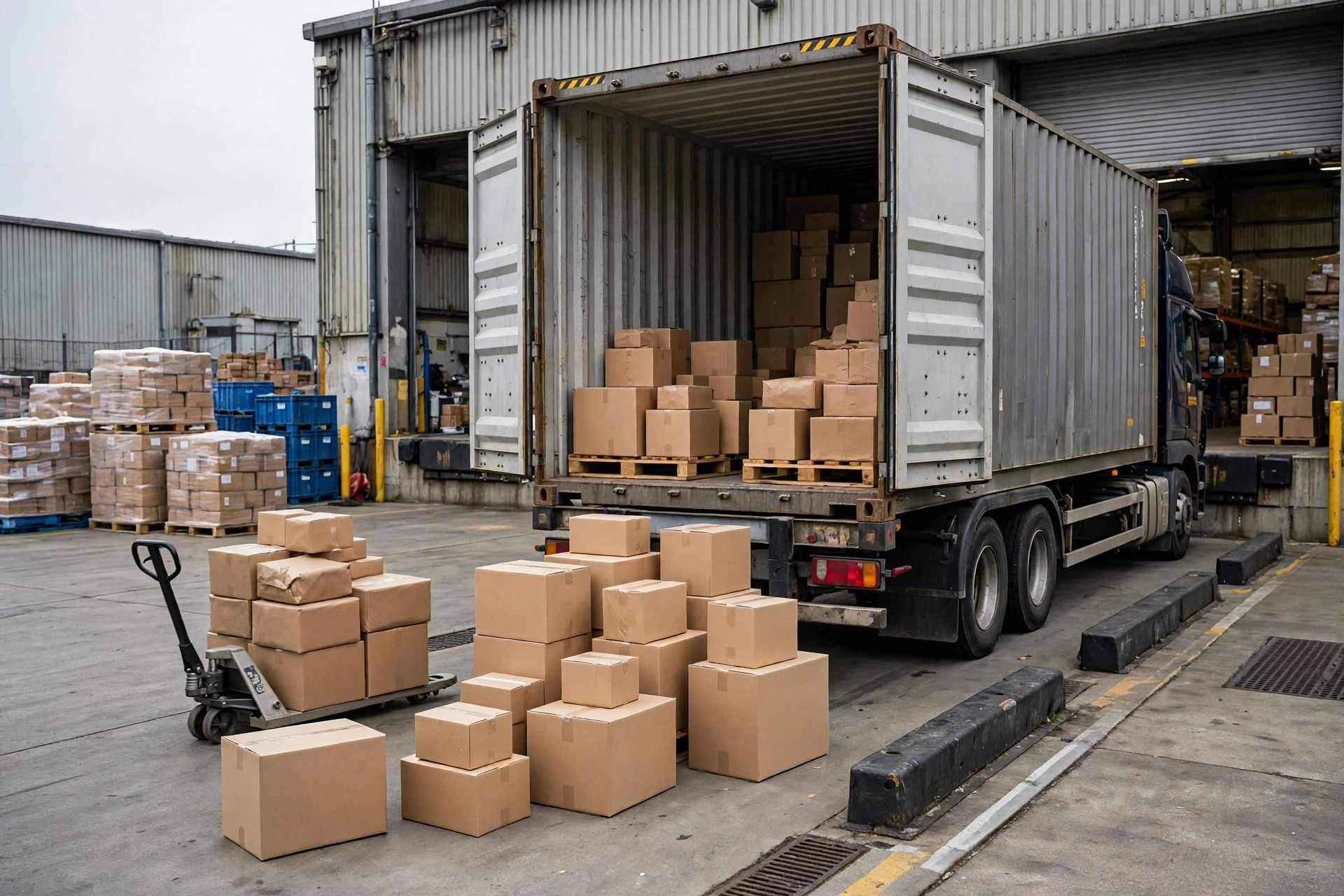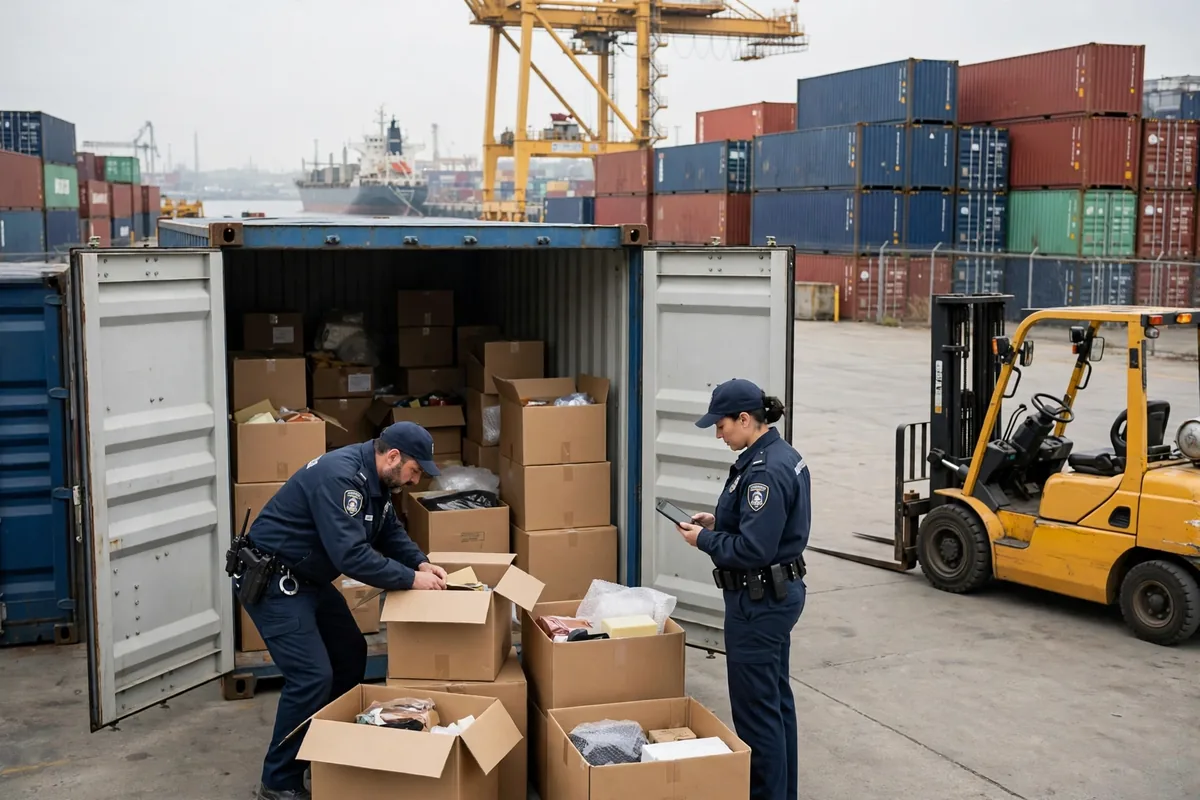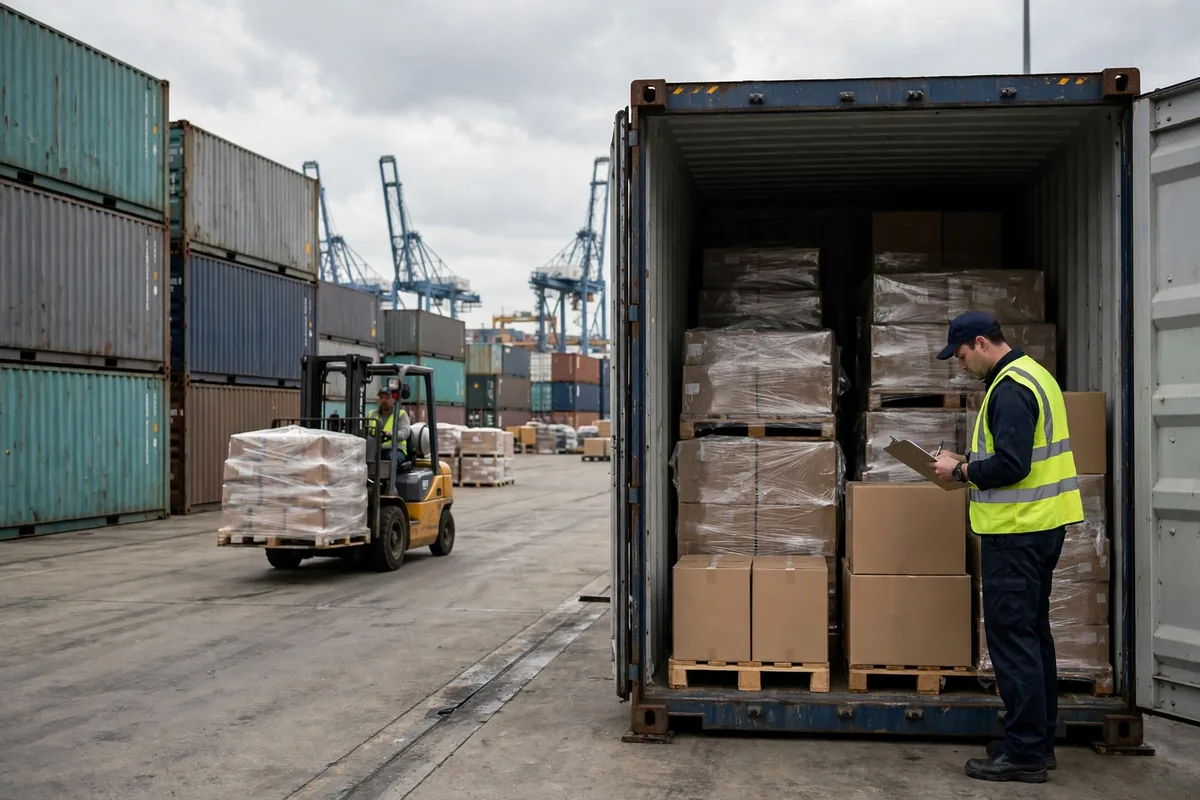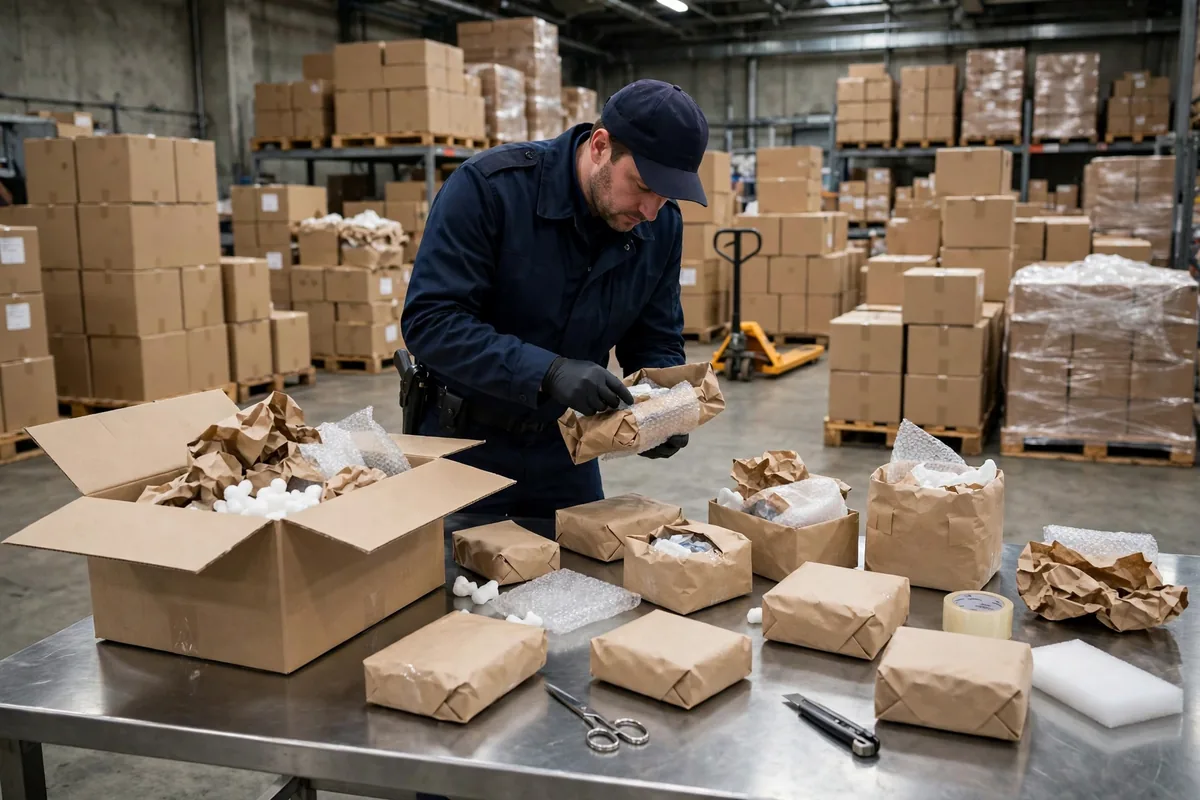
Bottom line first: Section 321 is dead. The duty-free lane for shipments valued at $800 or less closed for goods of Chinese and Hong Kong origin on May 2, 2025, was suspended for all countries by executive order on August 29, 2025, was written into regulation as an indefinite suspension by a CBP interim final rule on June 24, 2026, and will be repealed by statute on July 1, 2027. Entry Type 86 is retired too, and ACE rejects Type 86 filings outright. Low-value commercial freight now clears customs through a formal or informal entry. There is no workaround left to find.
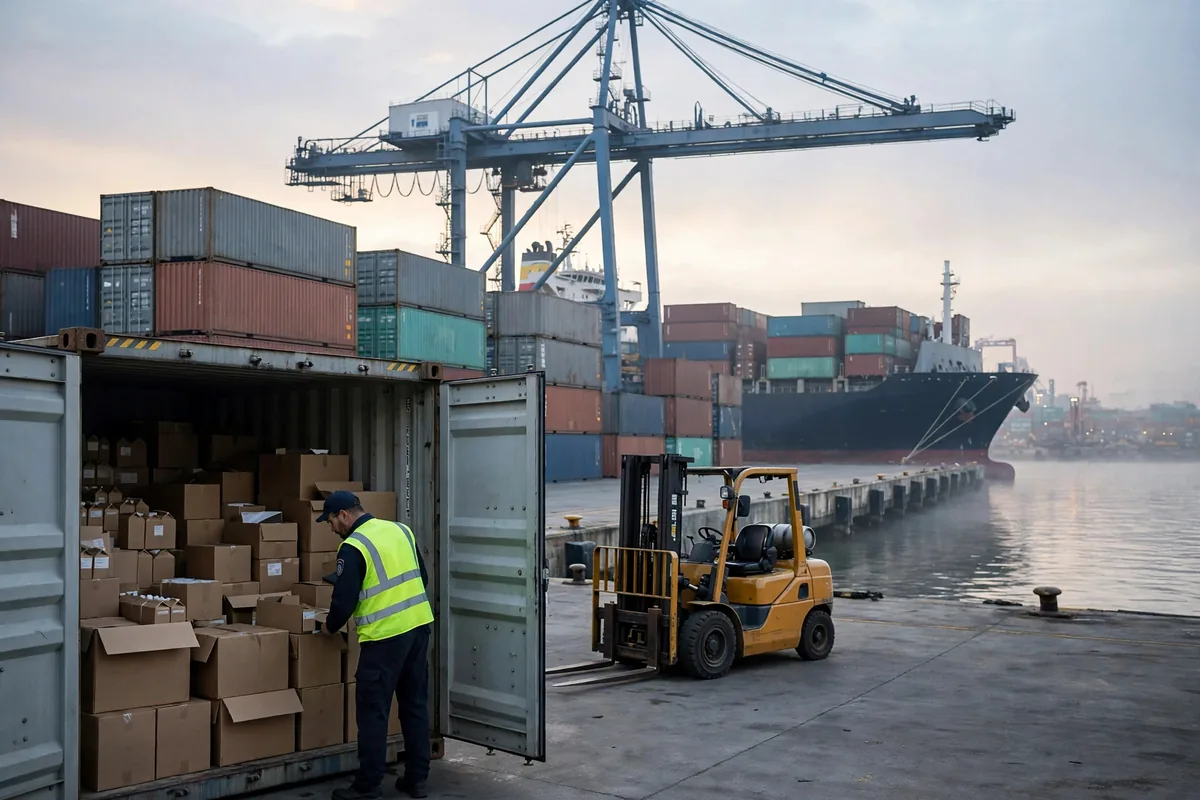
I am not saying this to scare anyone. Last September, a home-goods client of mine — shipping out of Shenzhen into a Los Angeles 3PL — kept filing Type 86 the old way on several hundred shipments. ACE rejected the filings systematically. The freight sat at the port for a full extra week, the warehouse's slotting plan fell apart, and a pre-peak replenishment wave missed its window entirely. The client asked whether trying a different port would help. My answer was no. This is not a port problem. The rule itself is gone. I have seen this exact failure three times, and all three times it was the same story: someone assumed a different filing type or a different port would get around it, and fell into the same hole.
How Section 321 Ended
The provision sits in 19 U.S.C. 1321: goods valued at $800 or less could enter duty-free, without a formal entry. It was written for small parcels and personal items. Cross-border e-commerce turned it into a commercial channel, and split shipments, order splitting, and breaking bulk grew up around it.
Four dates are worth remembering. On May 2, 2025, goods of Chinese and Hong Kong origin lost de minimis treatment first. On August 29, 2025, Executive Order 14324 suspended it for every country. On June 24, 2026, CBP's interim final rule (91 FR 37789) put the suspension into the regulations as an indefinite pause. On July 1, 2027, the One Big Beautiful Bill Act (Pub. L. 119-21) repeals the provision in statute. Entry Type 86 testing ended with it, and CSMS #66065494 states plainly that ACE will reject Type 86 filings. The only narrow exceptions left are genuine gifts and travelers' personal effects. Commercial freight is not in them.
Why the Old Playbook Is Dead
Split shipments died the hardest. A $2,400 shipment used to be split into three shipments under $800 each and enter duty-free. With the exemption gone, splitting does exactly one thing: it turns one shipment's trouble into three shipments' trouble. Three times the filings, three times the paperwork, and a higher inspection rate. I have watched a seller split orders until one order mapped to three entry records in the system, and the reconciliation work at midnight cost more in labor than the duty they were trying to avoid.
Direct small-parcel shipping is the same story. The whole model assumed the duty-free lane existed. Without it, every parcel needs someone to file it, classify it, and pay duty on it. The cost structure changed completely: it used to be mostly freight cost, and now it is freight plus compliance, every parcel, every order, every day. Any seller still budgeting on the old model will find next quarter's numbers do not add up.
Life After Section 321: Three Compliant Paths
The first path is informal entry. General merchandise valued at $2,500 or less can usually enter under an informal entry (entry type 11), with lighter procedures than a formal entry. It fits low-value, single-category freight, and it is now the workhorse channel for most low-value commercial shipments. The work is one thing: lock down value, HTS classification, and country of origin before the freight ships, not after it lands.
The second path is formal entry. Shipments over $2,500, or with complex categories and regulated documents, go formal. A formal entry needs a broker and a bond, and it costs more, but it is steady. My advice is not to hop back and forth across the $2,500 line — informal this year, formal next year — because every field and workflow in your system has to change with it. Pick the band your freight actually falls in most often, and set it once.
The third path is a bonded warehouse or a foreign-trade zone (FTZ). Freight goes into bond or into an FTZ, duty is deferred, and you file when the goods actually leave for the U.S. market, on the value at withdrawal. It fits sellers with long stocking cycles and volatile values. The price is heavier warehouse and compliance management: bonded inventory needs its own books, and the WMS has to keep bonded and non-bonded stock separate. Mix them together and you have a mess no one can reconcile.
How to choose between the three? My test is one thing only: your value distribution and your shipping rhythm, not what the seller next door does. The neighbor saved money with an FTZ; that does not mean you will. Fixed bonded-warehouse costs spread over small volumes can run higher than the duty itself.
Here is the same $600 shipment, old way versus new way:
| One $600 shipment | Old playbook (de minimis era) | New playbook (now) |
|---|---|---|
| Duty | 0 | Per HTS rate; assuming a 10% rate (purely illustrative) about $60 |
| Entry | No formal entry needed | Informal entry; broker charges per filing, per actual quote |
| Paperwork load | Low | High; HTS and origin checked on every shipment |
| Inspection and hold risk | Low | Splitting and incomplete documents draw inspection and holds |
The numbers in this table are a hypothetical example, shown only to illustrate how the cost structure changed. Actual rates and fees follow the latest official policy.
The Go-Live Night Checklist: Warehouse and System First
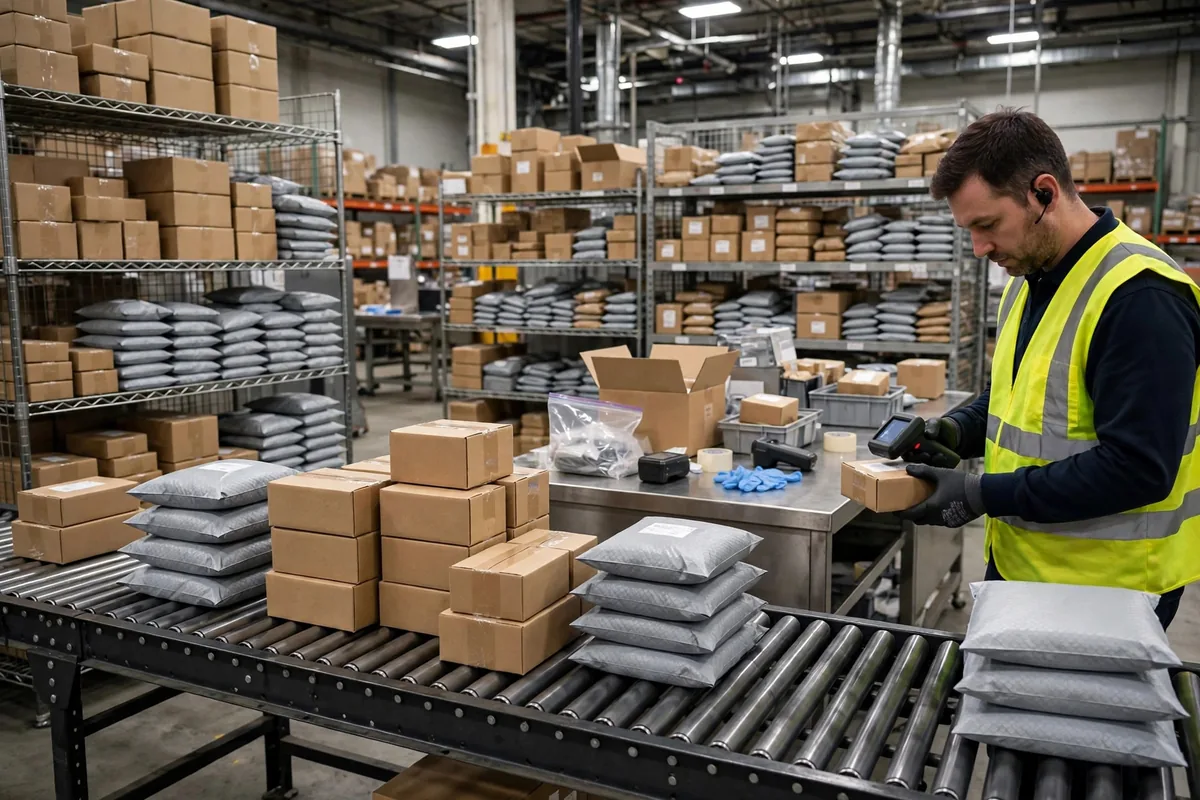
Here is the contrarian call, up front: with the exemption gone, the savings are not at the broker. They are in the warehouse's paperwork. A broker charges per filing and files whatever documents you hand over. If your documents are wrong, the broker cannot save you. What decides how much extra you pay per shipment is whether receiving can get three things right the first time: HTS classification, country of origin, and value. Get the paperwork wrong at the warehouse door, and everything downstream is rework.
So here is my go-live night checklist, item by item, each one something you can check off: commercial invoice, packing list, and origin information complete — nothing ships with one missing; HTS classification built into the item master as a field, pulled automatically at receiving, never looked up on the spot by the receiver; country of origin written as the actual place of production, never the transshipment point; value declared at the transaction price, never split to squeeze under $2,500; the data filed in ACE and the data received in the WMS drawn from the same master data, because two systems each writing their own copy will never agree; receiving exceptions held out of putaway until the documents are complete.
The second case is exactly about this step. An auto-parts client had the value and the categories right and still got caught — on the certificate of origin. The supplier changed the country of production, the documents still showed the old one, the broker filed on the old documents, and the shipment was held two weeks at inspection. Two weeks, the best seller out of stock in the warehouse, and the ads still burning money. What I had them do afterward was simple: add a document check at receiving, and lock the order when the origin changes. Better to ship a day late than to put bad paperwork into stock. That one step has saved them more trouble in a year than any filing trick ever will.
The rule has changed. Stop budgeting 2026 on a 2024 playbook. Line up the documents and the system first, then talk about saving money. That is the right order for low-value imports now.
By Lin Xiao, WMS Implementation Consultant