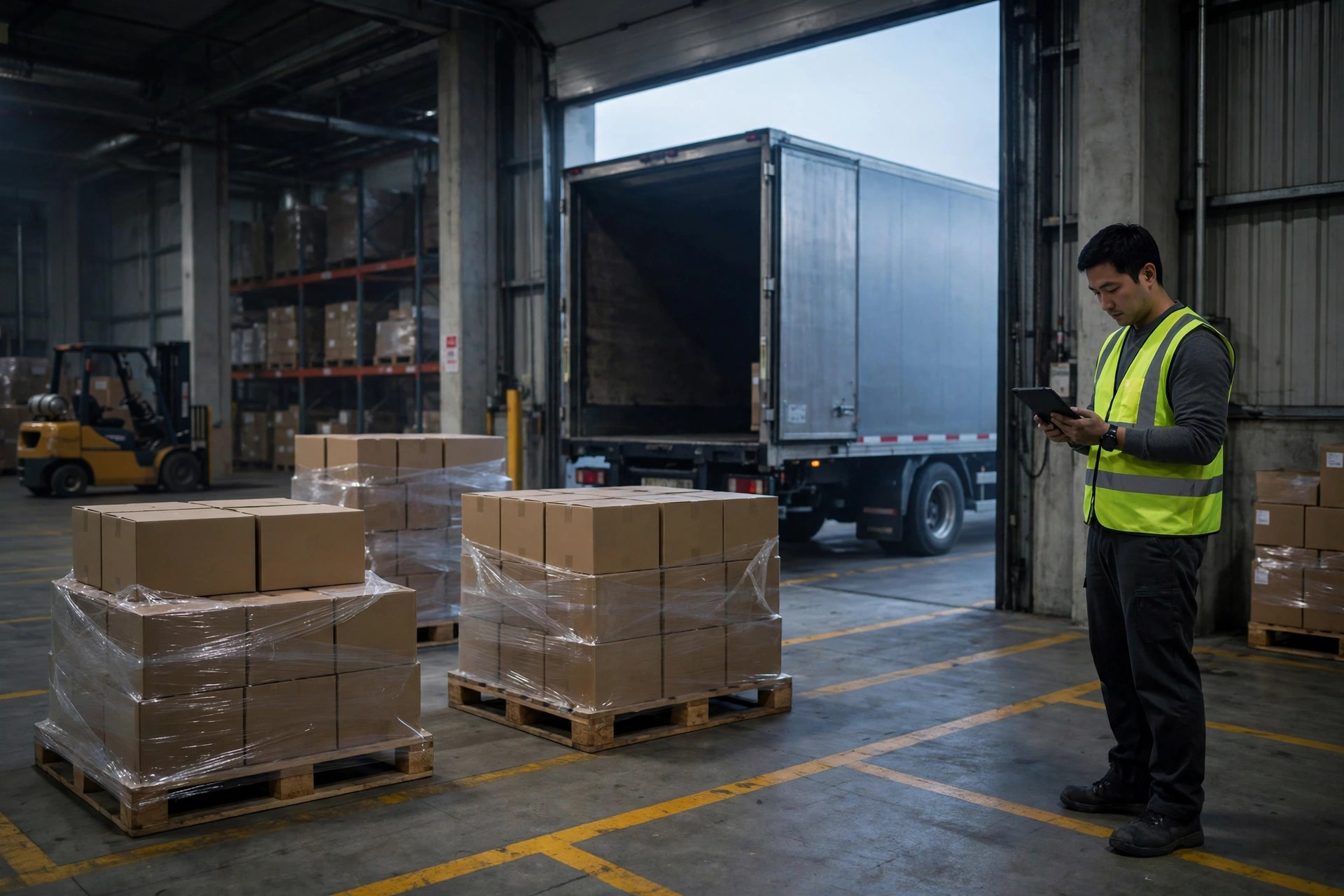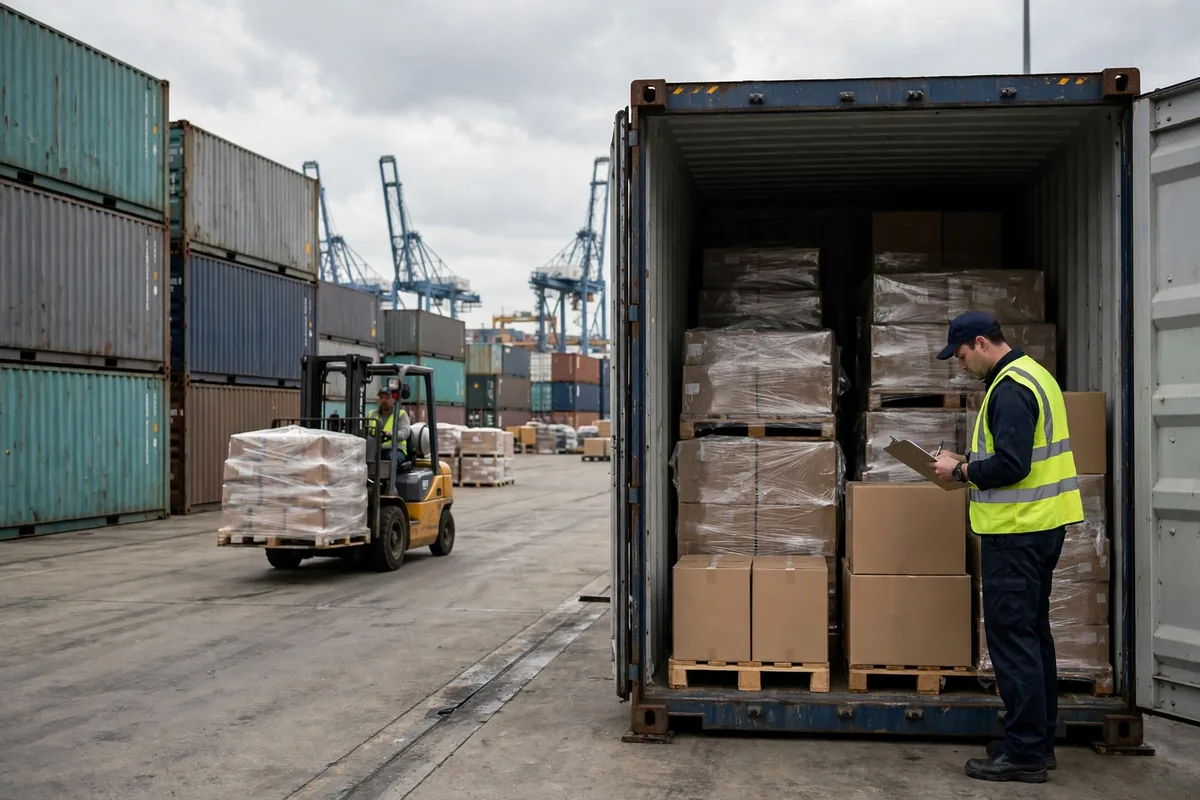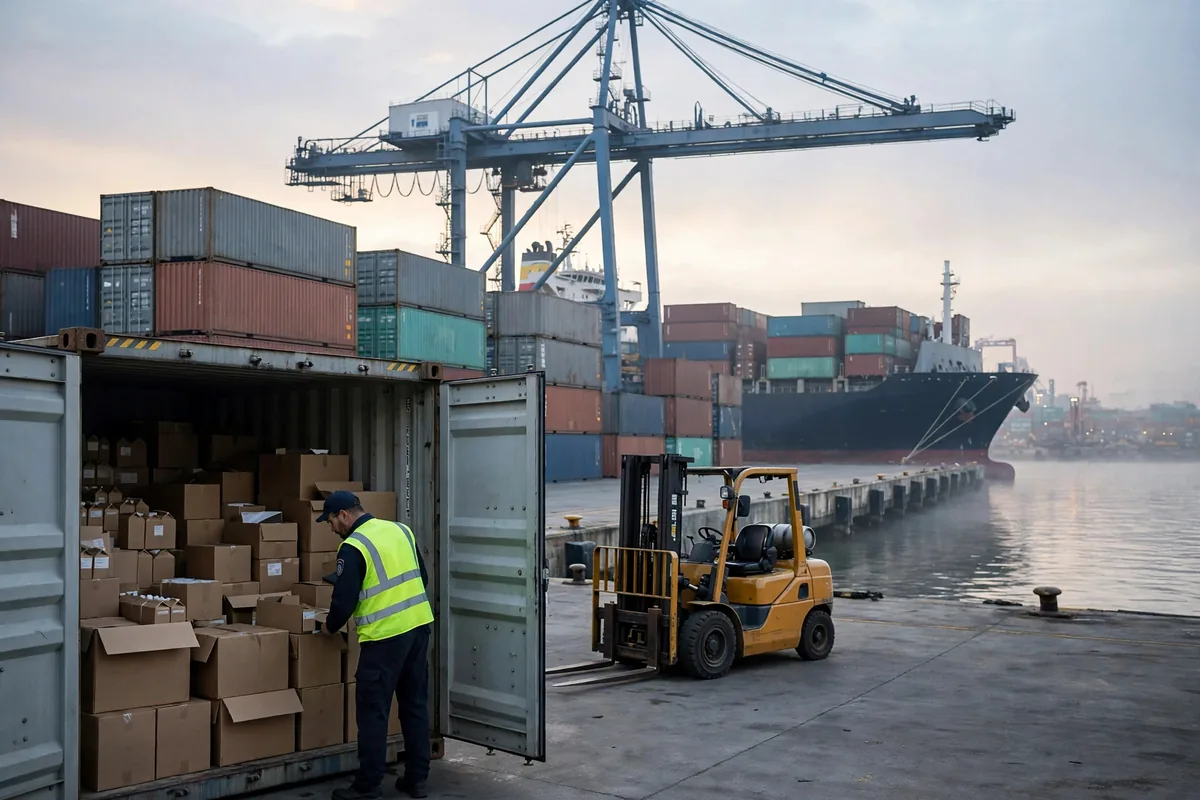
It was 4:30 in the morning and my phone lit up. The vessel carrying our container was delayed out of Los Angeles, and the terminal moved our pickup window to noon the day after tomorrow. Lao Zhang, on night shift, rubbed his eyes and asked, "Boss, does this mean we pay extra again?" Let me be straight with you: in the us import customs clearance process isf 10+2, the thing that costs you money is rarely the late ship. It is the paperwork you did not finish before the ship sailed. ISF sounds like broker jargon, but in plain language it means this: before your cargo goes on the vessel, US Customs wants to know whose it is, where it came from, and what is inside.
ISF 10+2: the clock runs on loading, not arrival
Here is the rule that matters most. ISF, the Importer Security Filing, is ten data elements from the importer plus two from the carrier, under 19 CFR Part 149. The first eight importer elements are due no later than 24 hours before the cargo is loaded onto the vessel at the foreign port. Not 24 hours before departure. Not 24 hours before arrival in the US. Before loading. The last two elements, the container stuffing location and the consolidator, can come later, but no later than 24 hours before the vessel arrives at a US port. Get it late, wrong, or missing, and Customs can claim liquidated damages of $5,000 per violation under 19 CFR 113.62(j). Per violation, not per shipment.
We learned this the hard way two years ago. A shipment out of Shenzhen: the supplier did not send the manufacturer details until the night before loading. Our broker filed through the night and just made the deadline. No fine, but nobody in the warehouse slept that night. After that we made a hard rule: two days before the cargo ships, the ISF data must be complete across sales, purchasing, and the broker, or the container does not get stuffed. Whoever is late explains it in the group chat. It is a crude rule. It works.
There is a second trap beginners walk into. ISF is a plan, and plans change. If the cargo changes after filing and you do not update the filing, you have filed wrong data, and that counts as a violation too. Our broker now has a habit: within 24 hours after loading, he checks the bill of lading against the ISF and corrects anything that moved. That check costs nothing. It saves you from the expensive kind of trouble.
When the ship docks: three customs clearance jobs for the warehouse
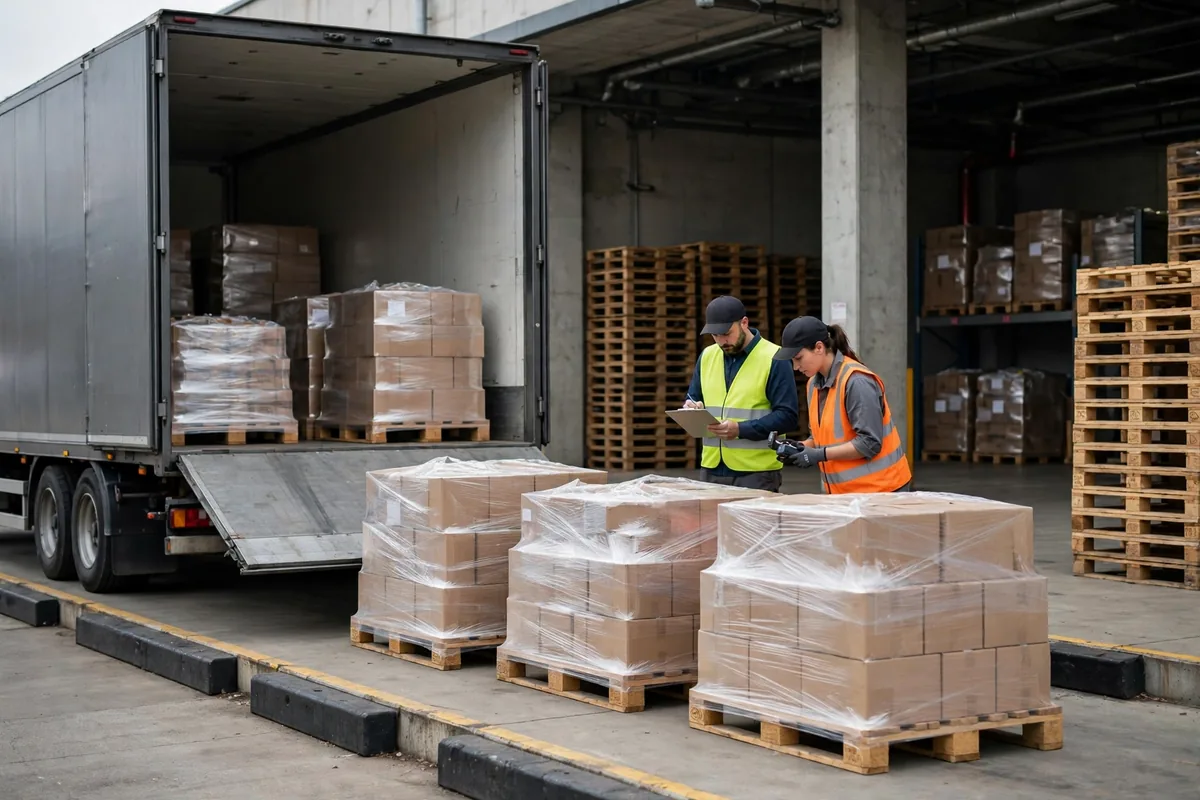
Once the vessel berths, the process moves into the part the warehouse can touch: arrival, entry, release. The broker files the entry with Customs, Customs reviews it, may examine the cargo, and releases it, and only then does the terminal let the container out. The warehouse cannot file the entry, but it has to have three things ready before that moment.
First, the pickup plan. When the vessel schedule moves, the pickup window, the truck, and the dock door all move with it. We now set the pickup time, the driver, and the dock door three days before arrival, and any schedule change goes straight into the group chat. We used to look for a truck after the ship arrived. The driver waited at the terminal, nobody was at the dock door, and the container sat at the port burning money.
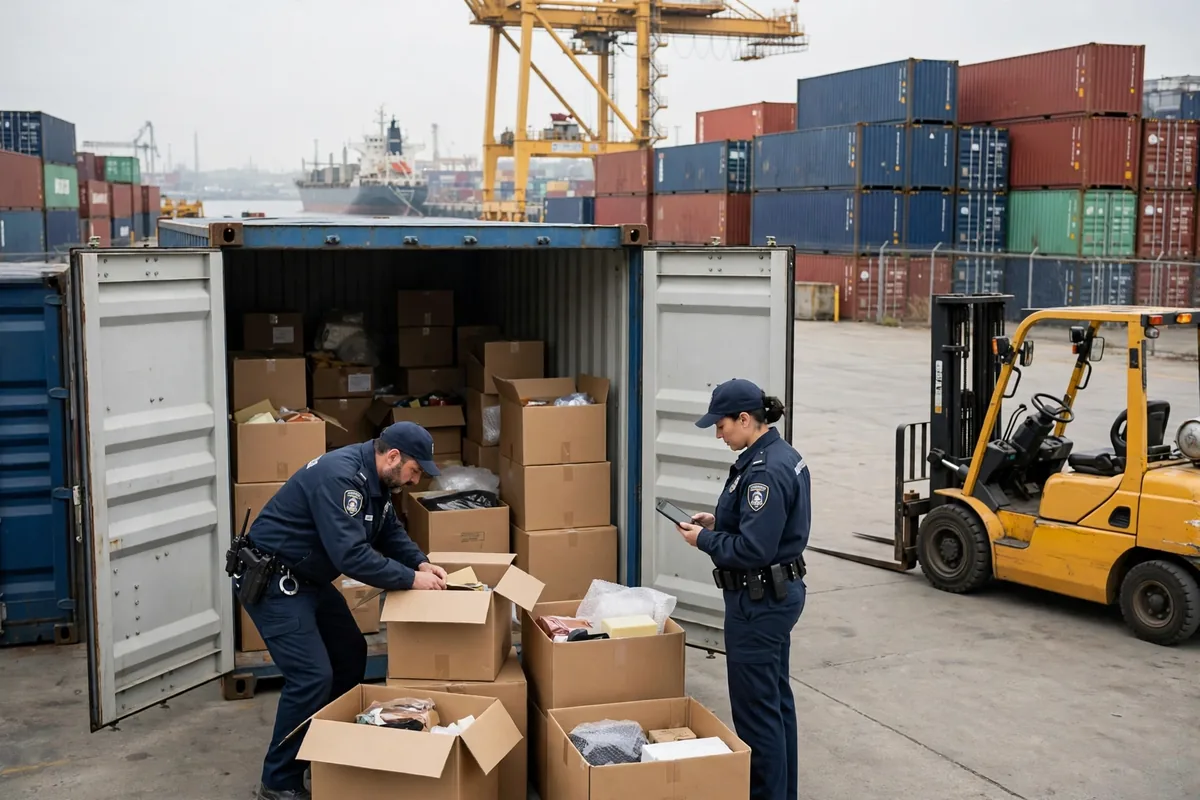
Second, an exam plan. A Customs exam is not personal. It is random selection plus risk targeting, and nobody dodges it forever. We have been examined twice. Once the product description was too vague, once the declared value sat far away from comparable goods. Since then we write specific product descriptions and keep the declaration consistent with the physical goods. If you do get examined, do not panic. Cooperate, open the boxes, take photos, keep records, and fix whatever needs fixing. The worst outcome is when nobody at the warehouse answers the exam station's call and the container waits while everyone looks for the responsible person.
Third, receiving. When the container rolls into our yard, do not rush to unload. Check the seal number and the container number against the bill of lading first, then look at the cartons for crushing or water damage. Last year a container arrived with two cartons crushed at the door. We photographed them, counted, and had the driver sign on the spot. If you find the damage after the goods are inside, the argument gets much harder. Two people now do this job together, one counting and one writing it down. Ten minutes of work that saves a month of arguing.
What a one-day customs clearance delay actually costs
Owners always ask what a delay really costs, so here is a scenario from our warehouse, with the numbers marked as illustrative, not industry benchmarks. Every dollar in that chain traces back to the us import customs clearance process isf 10+2 and whether the filing was done right. Say a 40-foot container gets held for exam because the ISF was filed late, and it sits two extra days after arrival. The terminal's free time runs out and demurrage starts. The truck has to be rescheduled at a premium. The dock door we reserved sits empty and the labor we scheduled goes to waste. Worse, the customer downstream is a retail chain waiting to restock, and their shelves stay empty for two more days. The $5,000 liquidated damages figure is the visible bill. The chain reaction is the real bill.
Here is the counterintuitive part. People assume clearance is slow because Customs is slow. When we reviewed our own cases, eight times out of ten the delay started on our side: the documents were late, wrong, or incomplete. Customs follows the rules, and the rules are written down in 19 CFR Part 149. Follow them and they generally leave you alone. The fastest clearance I have seen was not luck. It was a shipment where every document was ready before loading.
How we run it now
This is the routine we have run for over a year, written on the whiteboard by the door. New hires read the whiteboard before they touch a forklift. One, ISF data complete two days before shipping, or the container does not get stuffed. Two, the broker reconciles the bill of lading against the ISF within 24 hours after loading and corrects any change at once. Three, pickup, trucking, and dock doors are set three days before arrival, and any schedule change is shared in the group chat the same day. Four, every container is checked at the door for seal, container number, and carton condition, with photos, before unloading. Five, after every shipment closes, we review what was slow and what was wrong, write it down, and do not repeat it.
There is no shortcut in import clearance. That, start to finish, is the us import customs clearance process isf 10+2 as it actually runs on the warehouse floor. You write down who does what, by when, and how it gets checked, and then you actually do it. While the cargo is at sea for two weeks, every small job you finish on shore is money saved on arrival day. If you want to sleep well the night the ship docks, finish the work before it is loaded.
By Chen Feng, Warehouse Operations Manager