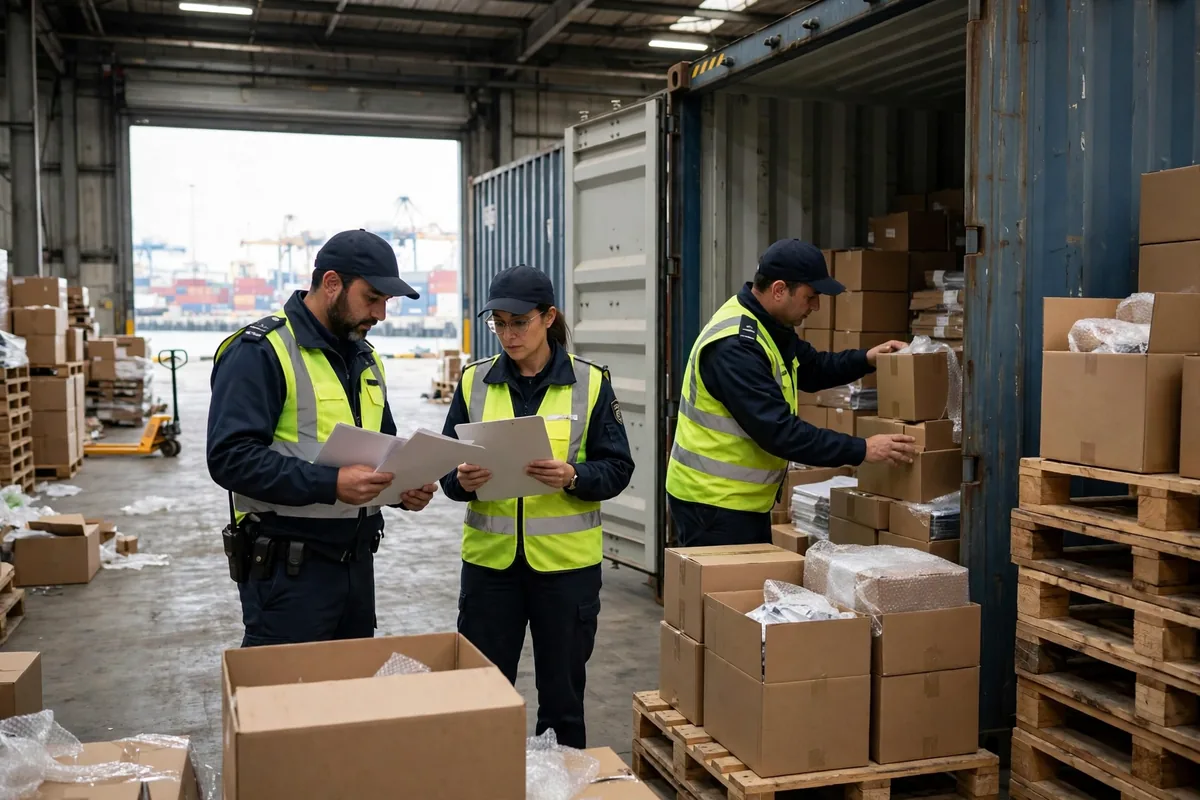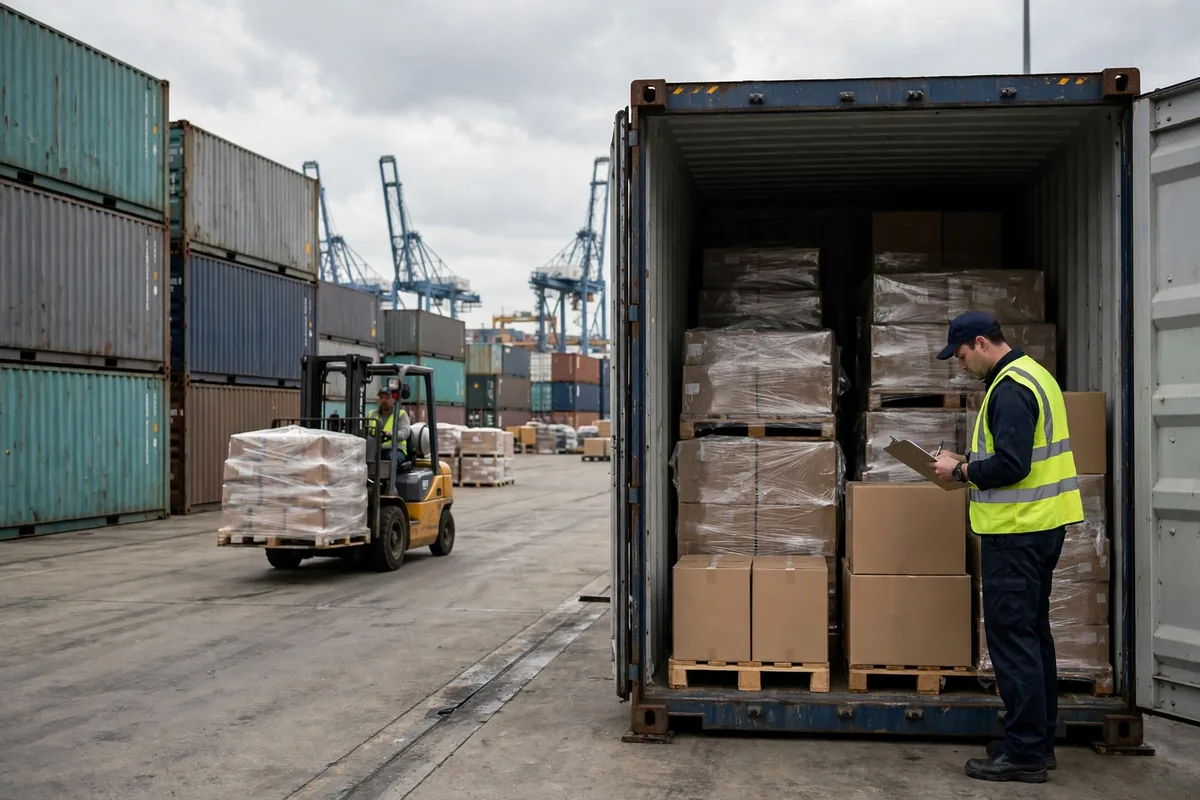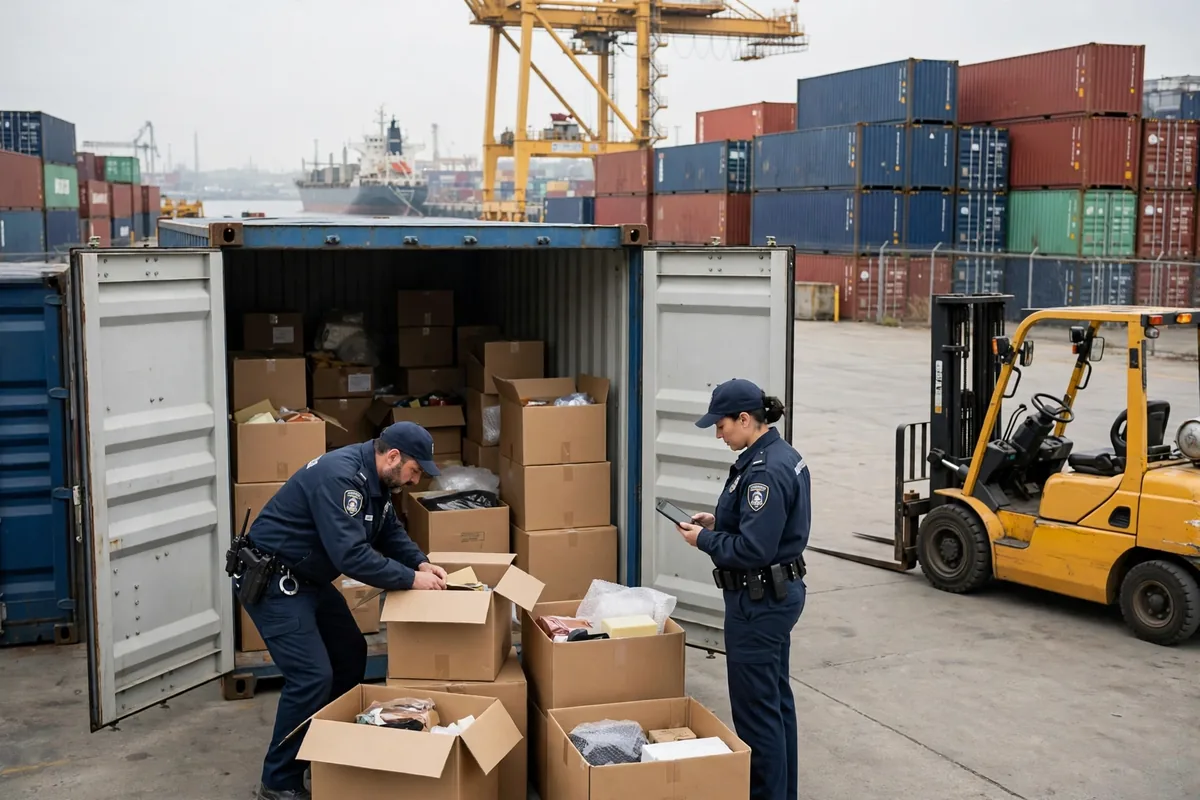
Let me tell you something I have seen more than once in fifteen years behind the wheel. Fall of 2024, I was waiting to pick up a container outside the Port of Los Angeles when an importer next to me started pacing in circles. His container had arrived, the cargo was off the ship, and then customs put a hold on it. Not a classification problem. Not a missing document. It was a customs valuation problem: his declared price was too low. A container of light fixtures, declared well below what the same kind of goods usually go for, and customs simply did not buy it. They wanted the contract, the payment records, the chat history with the factory, everything. That day I learned something: to an importer, customs valuation looks like a number on an invoice. To customs, it is a question with a right answer, and they will dig until they get it.
Customs Valuation Starts With the Real Price, Not the Invoice Number
Here is the part most people get wrong. US customs valuation is governed by 19 USC 1401a, and it sets out six valuation methods in a fixed order. You use the first method that fits, and you do not get to shop around for the cheapest one. Method one is transaction value: the price actually paid or payable for goods sold for export to the United States, plus a handful of additions the law requires. Most ordinary commercial shipments are valued this way.
But transaction value only works when the deal is real. Three things have to hold. The goods must actually be sold for export to the US, and the price must be determinable. If buyer and seller are related, the price has to be shown to be close to what an unrelated buyer would pay, or customs will throw it out. And the invoice price has to be the whole price, with nothing tucked away somewhere else. A parent company selling to its own US subsidiary at a self-set price is exactly the kind of deal customs looks at twice.
Then there are five additions that go on top of the invoice price when they are not already in it: packing costs, selling commissions, assists, royalties or license fees that are a condition of the sale, and proceeds from resale that go back to the seller. An assist is anything the buyer supplies free or at reduced cost to help make the goods, like tooling, materials, or design work done abroad. International freight and insurance, on the other hand, come out: the US values goods on an FOB basis, so the cost of getting them to the American port is stripped from the price. Assists are where people trip up most. You shipped a mold to the factory yourself, no money changed hands, so you figure it does not count. Customs disagrees, and that mold has a value that belongs in the declared price.
The importer I watched pacing at the port had exactly this problem. He declared the factory price but had paid for the tooling separately, off the invoice, with no mention anywhere. Customs compared his number with what the same fixtures usually declare, saw the gap, and sent the inquiry.
How Customs Valuation Gets Checked, and What Undervaluation Costs
Customs checks value the practical way. The documents have to line up: contract, invoice, payment proof, and bill of lading, all telling the same story about the price. A difference of a few dollars needs an explanation. Then comes the comparison. Customs has data on what similar goods have declared, and if your number sits far below the pack with no good reason, expect a request for information. When that letter arrives, answer it by the deadline printed on it. Ignoring it only makes things worse.
If undervaluation is confirmed, the bill is calculated under 19 USC 1592, which sorts violations into three tiers. Negligence carries a maximum civil penalty of the lesser of the domestic value of the merchandise or twice the duties, taxes, and fees lost. Gross negligence raises that to four times the lost revenue. Fraud goes all the way to the full domestic value of the goods. The penalty is separate from the duties themselves: you pay back the lost revenue and the penalty on top of it. And the paperwork matters too. Import records must be kept for five years, and failing to produce them on demand can draw its own penalty of up to ten thousand dollars per entry for a negligent failure, or up to one hundred thousand for a willful one.
Let me walk through a hypothetical example so the math is clear. Suppose a shipment is truly worth one hundred thousand dollars, and suppose the duty rate is ten percent, so ten thousand dollars of duty is owed. The importer declares twenty percent low and underpays two thousand dollars. If customs calls it negligence, the penalty alone can reach four thousand dollars, plus the two thousand in back duties, plus exam fees, demurrage, and warehouse storage while the container sits. Two thousand dollars saved turns into well over ten thousand dollars lost. If it is gross negligence, the penalty ceiling doubles to eight thousand. That is before counting the days your customer goes without stock.
Here is the counterintuitive part: a low declared value can cost you in ways that have nothing to do with customs. If the cargo is lost or damaged in transit, the insurer pays based on the declared value, so you recover less. A suspiciously low price can also draw attention in trade remedy cases. Saving a little on duty and losing a lot everywhere else is a bad trade, and it is one I have watched people make more than once.
There is also a way out that too few importers know about: prior disclosure. If you discover the undervaluation yourself and report it to customs before an investigation begins, paying the duties you owe, the penalty for negligence or gross negligence can be limited to interest on the unpaid duties. Even for fraud the exposure drops sharply. Finding a mistake and sitting on it is the worst option. Owning it early is the cheapest one.
What to Do When the Inquiry Letter Arrives
For importers, get three things together fast: the real purchase contract, the complete payment trail, and the correspondence that shows how the price was negotiated. Discounts, rebates, free tooling, anything that shaped the price, put it on the table. Do not invent anything after the fact. Customs officers have seen every version of that story, and one invented document costs you your credibility for the whole case.
For warehouses, this is your business too. When customs wants to examine cargo in your building, you open the boxes and hand over the receiving records. And at receiving, if the carton count, weight, or description does not match the bill of lading, do not just sign and move on. Write it down, take photos, and send it to the importer the same day. When customs asks, a warehouse with clean records helps the importer and protects itself.
Three pieces of advice, and they are the same ones I would give any importer standing in that port line. First, declare the real transaction value and add the five statutory items, checking assists and royalties against the broker line by line before filing. Second, if you buy from a related party, keep the evidence that the price is arm's length ready before customs asks. Third, build a simple filing habit: contract, invoice, payment proof, and entry summary for every shipment, in one folder, kept five years, with a backup copy somewhere else. Five years sounds long until the day customs comes asking and you cannot find the folder.
After fifteen years of hauling freight in and out of ports and warehouses, I have settled on one rule about customs valuation. It is not about who is boldest. It is about whose books are clean. Declare an honest price, keep documents that agree with each other, and you can answer any question standing straight. The money saved by shaving an invoice always comes back on the penalty notice, with interest.
By Shifu Zhao, Trucking Veteran (15 yrs)