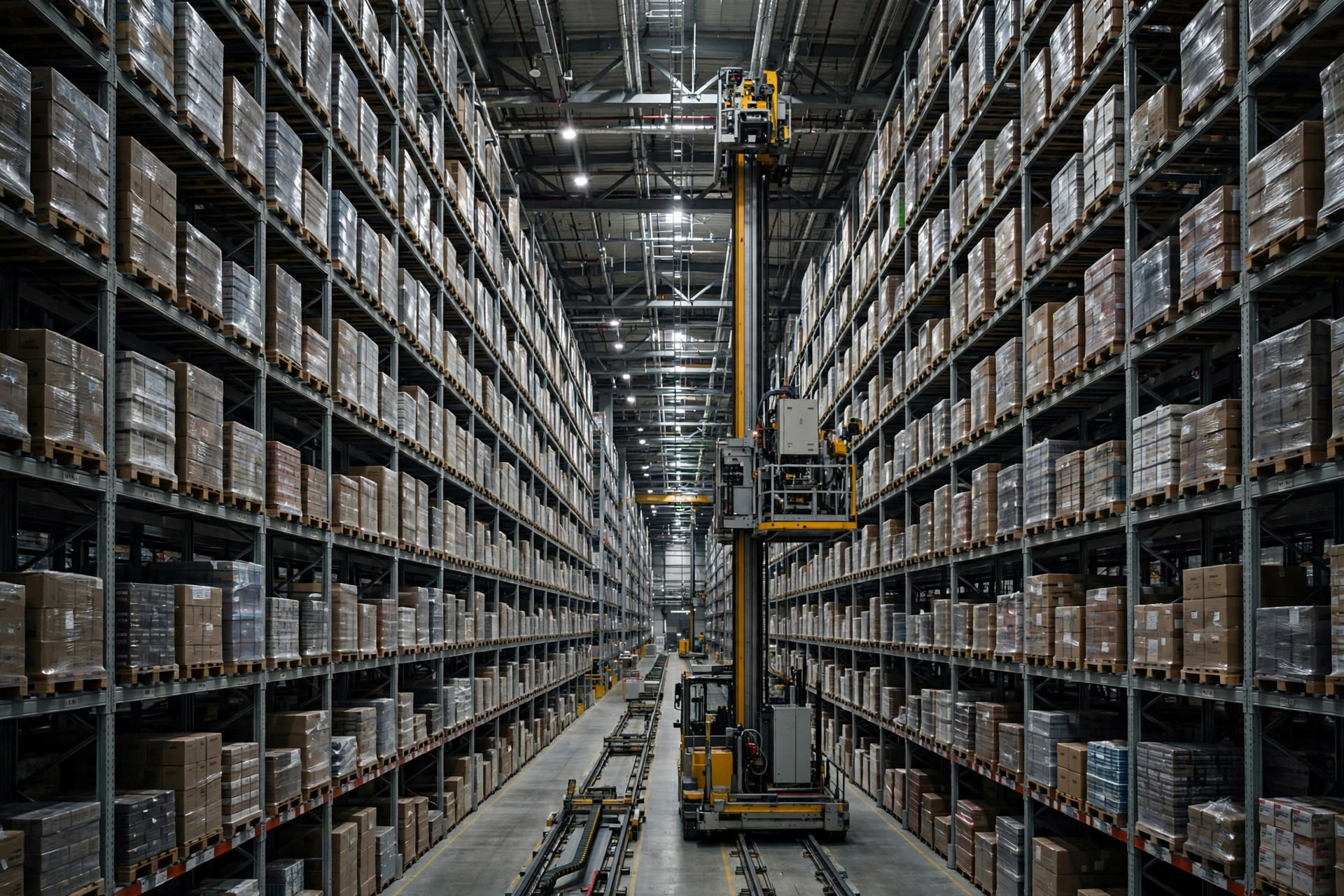
Bottom line up front: I've walked into the "satellite shuttle vs. stacker crane" debate at selection meetings a dozen times in three years, and the answer is never "which is more advanced." It's "which one fits your SKU profile." The one-sentence version: if you have more than 2,000 SKUs and need tens of thousands of pallet positions, the stacker crane is probably the safer bet. If you have fewer than 500 SKUs with large batch quantities per SKU, the satellite shuttle (four-way shuttle) deserves a serious cost analysis. Stuck in the middle? Here is the four-step method I use to settle the satellite shuttle vs. stacker crane question with numbers, not opinions.
I'm a WMS implementation consultant — warehouse hardware isn't my home turf. But after 30+ go-live projects, I've learned a pattern: when an AS/RS project blows up, eight times out of ten it's not the equipment's fault. It's that nobody factored "how the software coordinates with the machines" into the selection. Buyers stare at spec sheets; I look at WCS integration complexity, commissioning timelines, and go-live risk. On those three, the two routes aren't even close.
Why: The Fundamental Logic of Each Route
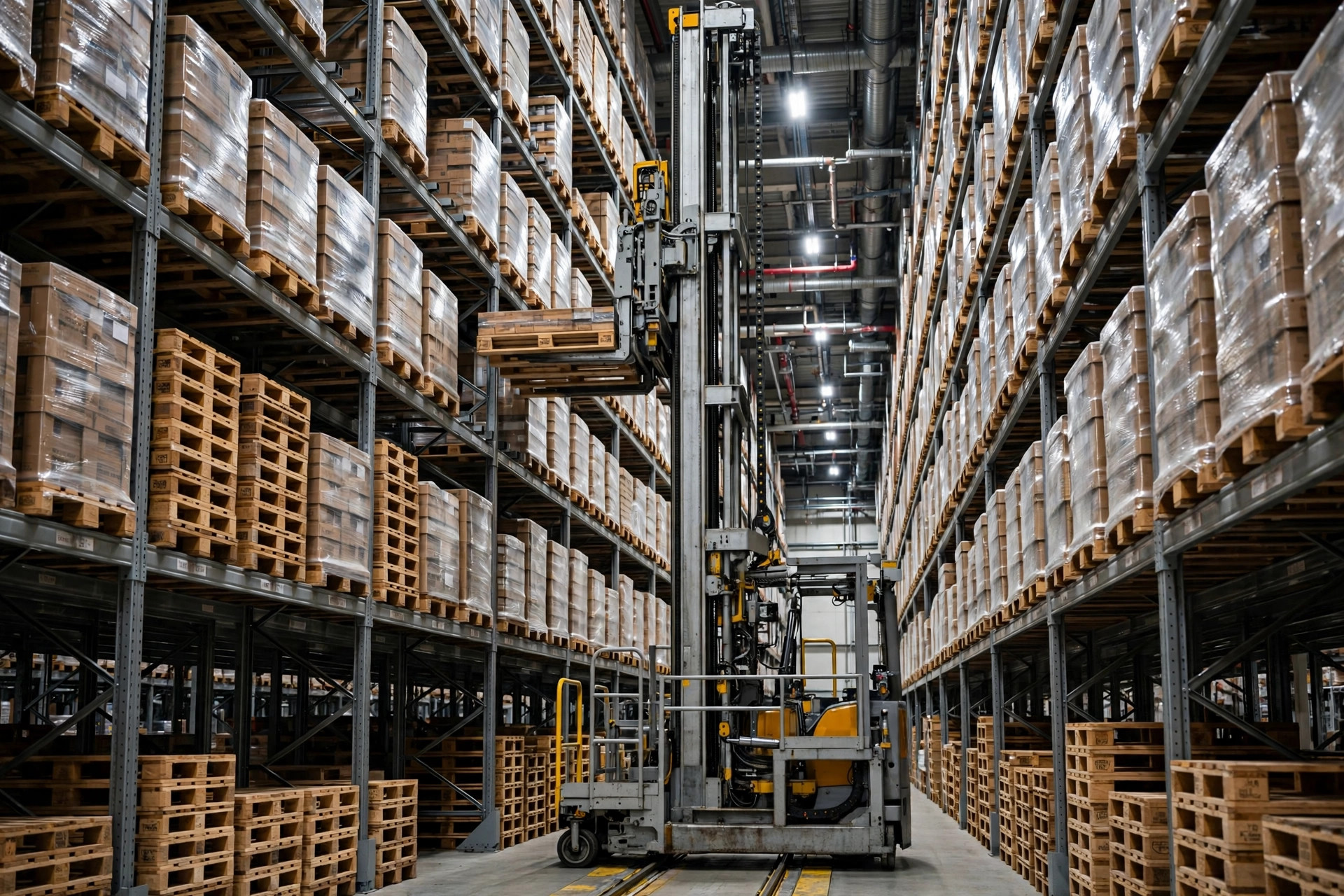
The stacker crane route is as simple as an elevator: one crane owns one aisle. WMS issues a task, WCS translates it into "go to bay X, level Y, position Z," and the crane executes. Task and machine are bound one-to-one, so scheduling barely needs a brain. The payoff is natural fault isolation — at a 3PL project in Guangdong in 2022, twelve aisles, 3,000+ SKUs, one crane's motor burned out one day. Exactly one aisle stopped. The other eleven kept shipping like nothing happened; the customer barely noticed. That's the stacker crane's temperament: a single-point failure stays locked inside one aisle.
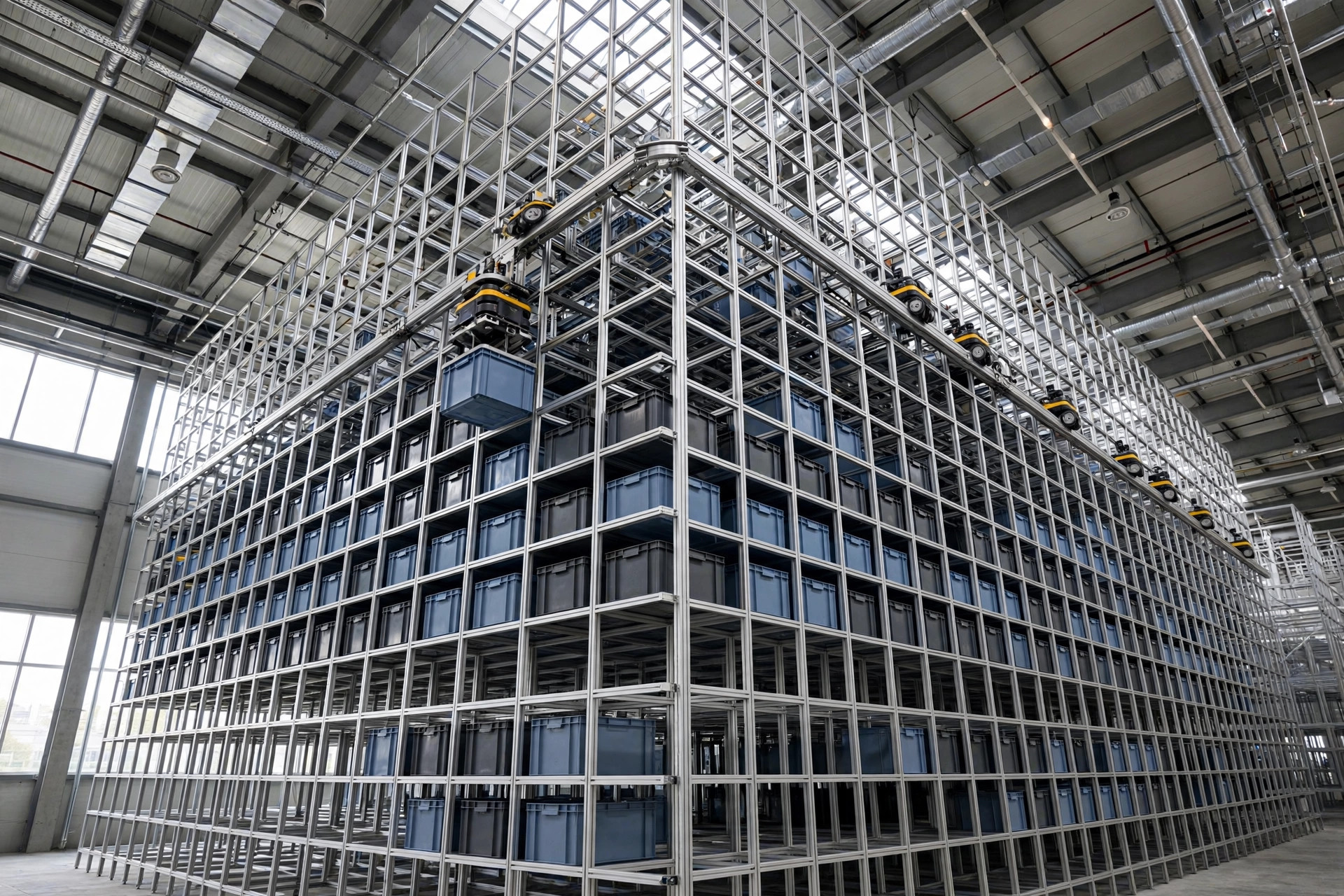
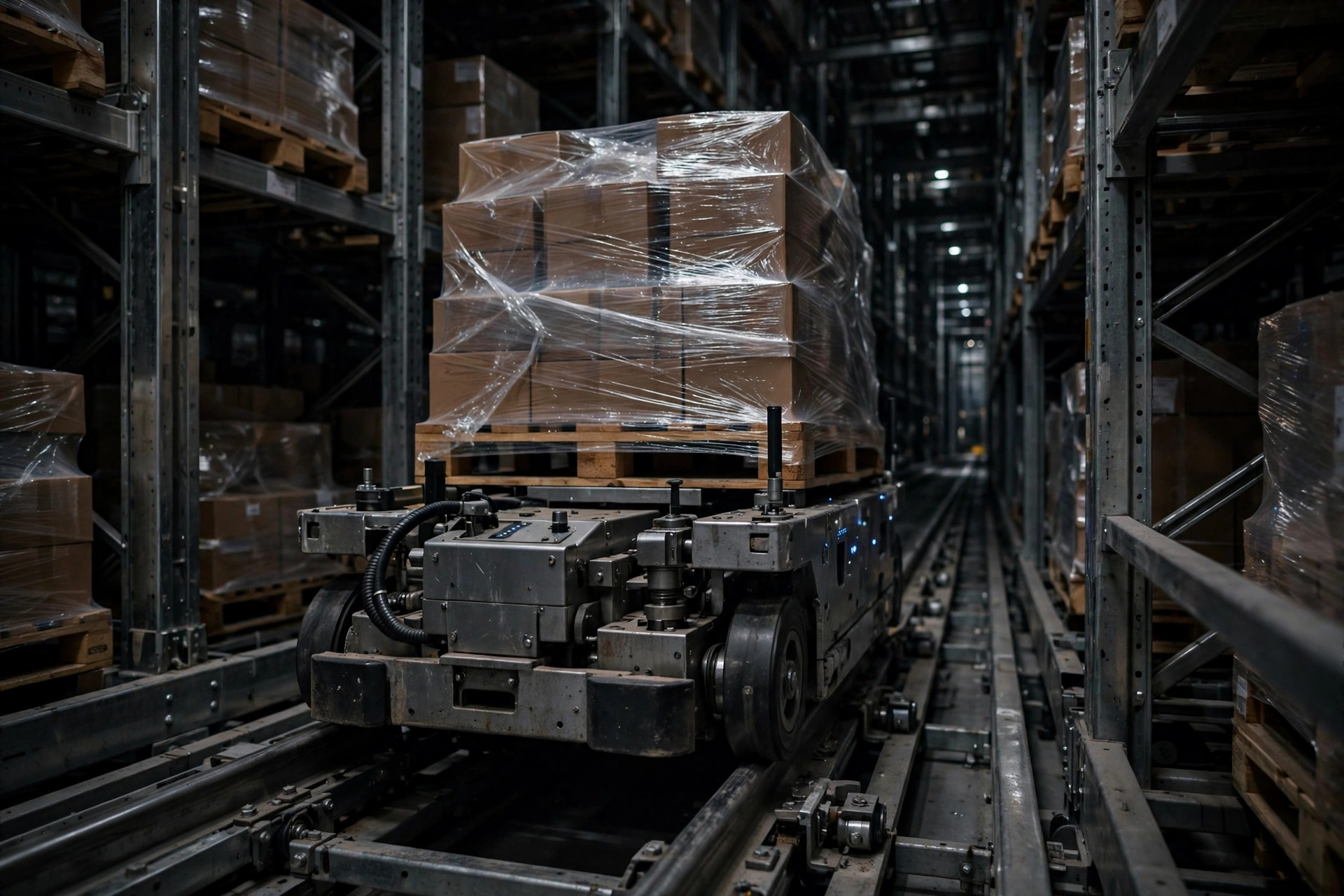
The satellite shuttle route is "fleet plus brain": shuttles run the main aisle while satellite cars dive into sub-aisles to fetch pallets — or four-way shuttles change levels and find slots on their own. Genuinely flexible: cars can be reassigned across aisles, add more during peaks, send them to charge when idle. But the price is that the brain — the WCS scheduling algorithm — has to be smart enough: which car goes to which level, whether queues form at the level-change ports, how charging is scheduled. Get any of those wrong and total throughput gets cut in half.
Here's the counter-intuitive take that makes people argue with me: the shuttle sounds more advanced and its theoretical throughput ceiling is higher, but the stacker crane wins on throughput predictability. What one crane aisle delivers per hour in testing is what it delivers in production — variance is small. In a shuttle system, the bottleneck is usually the lift: cars can fly, but the lift moves one pallet (or one car) vertically at a time. When queues build at the level-change ports during peak, theoretical throughput drops to seventy percent. I've seen this exact failure three times. All three times, it was the lift.
| Dimension | Stacker crane | Satellite shuttle (four-way) |
|---|---|---|
| SKU fit | Many SKUs (thousands), long tail | Few SKUs, large batches |
| Throughput character | Stable and predictable per aisle | Higher ceiling, bottleneck usually the lift |
| Failure blast radius | One crane stops one aisle | One car barely matters; lift or WCS failure hits a whole level |
| Rack height | 20m+ achievable (confirm with vendor) | Usually under 20m (confirm with vendor) |
| WCS complexity | Low, tasks bound to aisles | High — scheduling, level changes, charging all need algorithms |
| Commissioning | Relatively short | Long, weeks to months |
| Expansion | Add aisles (civil works) | Add cars (relatively flexible) |
| Typical fit | Multi-SKU manufacturing, 3PL, max density | Cold storage, high-volume FMCG, concentrated SKUs |
The Method: Four Steps, Every Step With Numbers
Step 1: Size your SKU structure before you look at a single equipment brochure. Pull twelve months of inbound/outbound data and compute three numbers: total SKU count, average pallets per SKU, and your ABC distribution (what share of outbound volume comes from the top 20% of SKUs). Over 2,000 SKUs with long-tail C-items taking more than half your slots? The stacker crane's high-density racking plus independent aisle operation is a natural fit. Under 500 SKUs where every A-item moves dozens or hundreds of pallets? The shuttle's dense storage plus batch moves pay off. Can't pull the data? Then stop selecting and build your WMS reports first — selection without data is guessing.
Step 2: Calculate throughput both ways, at peak. Most buyers calculate "average pallets per day." That's wrong. What matters is the single busiest hour of your peak season — inbound and outbound. The stacker crane math is simple: one crane does roughly 30–60 pallet cycles per hour (double-deep forks go higher; always confirm with the vendor's tested specs), multiply by aisle count, then take 80% as your usable factor. For a shuttle system, calculate separately: horizontal throughput of the shuttle layer and vertical throughput of the lifts — the smaller number is your system ceiling. Remember: the lift is probably the smaller number.
Step 3: Calculate total cost of ownership, not just the equipment quote. The quote is only the first check. After it comes: civil works — stacker cranes demand extreme floor flatness and rack verticality, and one round of civil rework runs into the millions; software — WCS licensing and custom development for a shuttle system typically costs a tier more than a crane project; spares — shuttles follow a consumable logic (keep spare cars), cranes follow an equipment logic (keep critical components); downtime risk — price one hour of a stopped aisle and write it into the contract penalties.
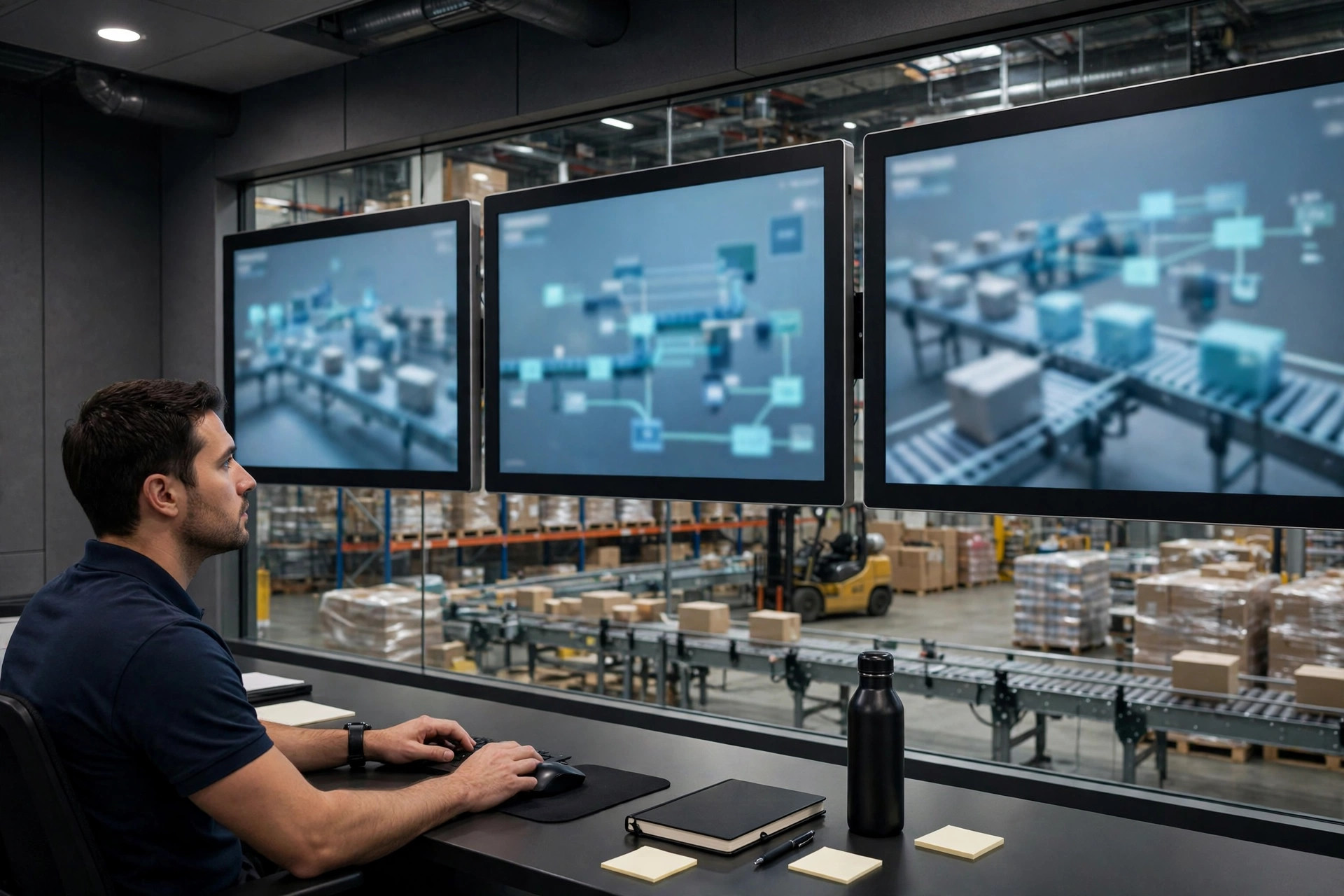
Step 4: Assess WCS integration feasibility. Ninety percent of buyers skip this step and cry at go-live. Get the WMS vendor and the equipment vendor in one room and confirm line by line: who defines the task interface, who owns exception flows (if a shuttle dies mid-task, which layer owns the rollback logic), and when simulation testing happens. Crane projects usually converge in two to four weeks of integration testing. Shuttle projects? I've seen three months. Put that time in the project plan, and don't believe "two weeks after equipment arrival" promises.
Common Blowups: I've Seen This Exact Failure Three Times
Blowup one: the lift bottleneck. In 2023, a food company in Jiangsu built a cold-storage shuttle project — about 800 SKUs, large batches per SKU. The route choice wasn't wrong. The mistake was skipping full-load stress testing during implementation. First peak season, queues at the level-change ports, and the system delivered roughly sixty percent of design throughput. The fix: one more lift plus a rewritten level-change scheduling strategy, four extra months. Lesson: a shuttle project's acceptance criteria must include "four continuous hours at full load" — in the contract.
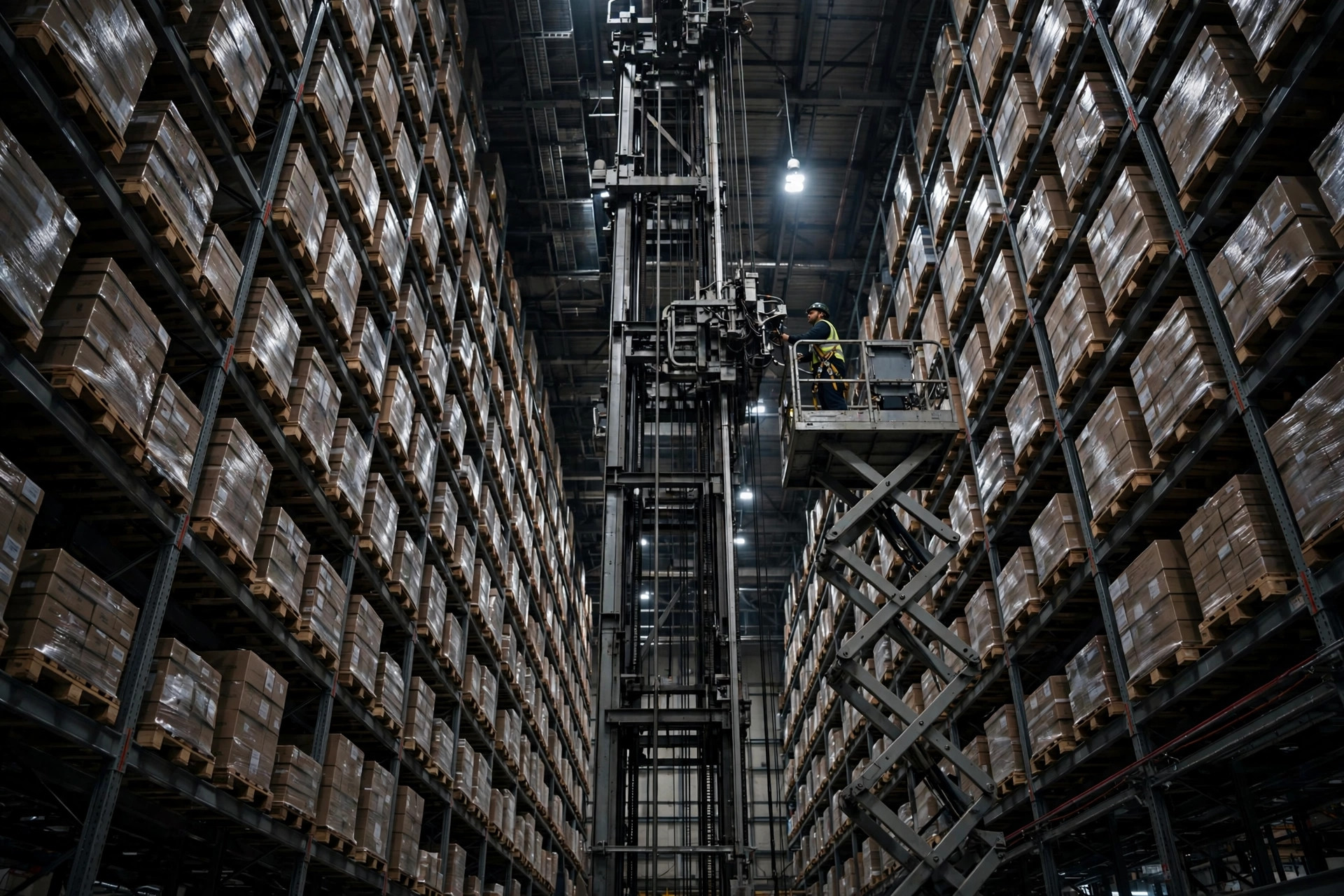
Blowup two: civil works dragging down equipment. In 2021, an e-commerce warehouse in Zhejiang built a crane-based AS/RS with racks over 20 meters tall. The floor settlement didn't meet the equipment vendor's spec, and crane rail alignment took three months — the whole project slipped half a year. A stacker crane is precision equipment; its tolerance for civil imperfections is far lower than you'd expect. Lesson: bring the equipment vendor into civil acceptance during construction, not after the racks are up.
Blowup three: WCS deadlock. At one shuttle project, four-way cars waited on each other at a level-change port — nobody yielding, whole level frozen. Root cause: the scheduling algorithm had no deadlock handling, discovered during simulation testing one week before go-live. Lucky it was found in time. Lesson: the go-live eve checklist for any shuttle project must include "simulate power loss, network loss, and single-car failure — WCS recovers automatically."
Go-Live Eve Checklist (Check Them Off One by One)
- Full-load stress test signed off: four continuous hours, inbound and outbound at max, throughput at 90%+ of design.
- Three exception drills passed: power loss, network loss, single-car/crane failure — WCS recovers automatically, no tasks lost.
- WMS–WCS exception code table signed by both sides: every code maps to an owning layer and a handling action, in writing.
- Spares on site: critical crane components, spare shuttle cars — in your site warehouse, not the vendor's.
- Operations and maintenance training done: the night-shift lead can clear a level-change queue alone and read the red alerts on the WCS dashboard.
- Fallback plan ready: if the AS/RS goes down entirely, the manual-plus-flat-storage SOP is printed and posted on site.
One thing you can use tomorrow: if you're selecting now, don't call equipment vendors yet. Compute the three numbers from step one, negotiate with data in hand — it typically moves pricing by roughly 10–20%. The biggest cost in selection was never the price gap between the two routes. It's the rework, the delayed go-live, and the peak-season firefighting after choosing wrong. That math, an implementation consultant does better than a salesperson.
By Lin Xiao, WMS Implementation Consultant