Excerpt: São Paulo urban warehouse delivery is won on time windows, motorcycle fleets, and suburban warehouse trade-offs — not on raw speed — and this guide works through the math that decides each choice.
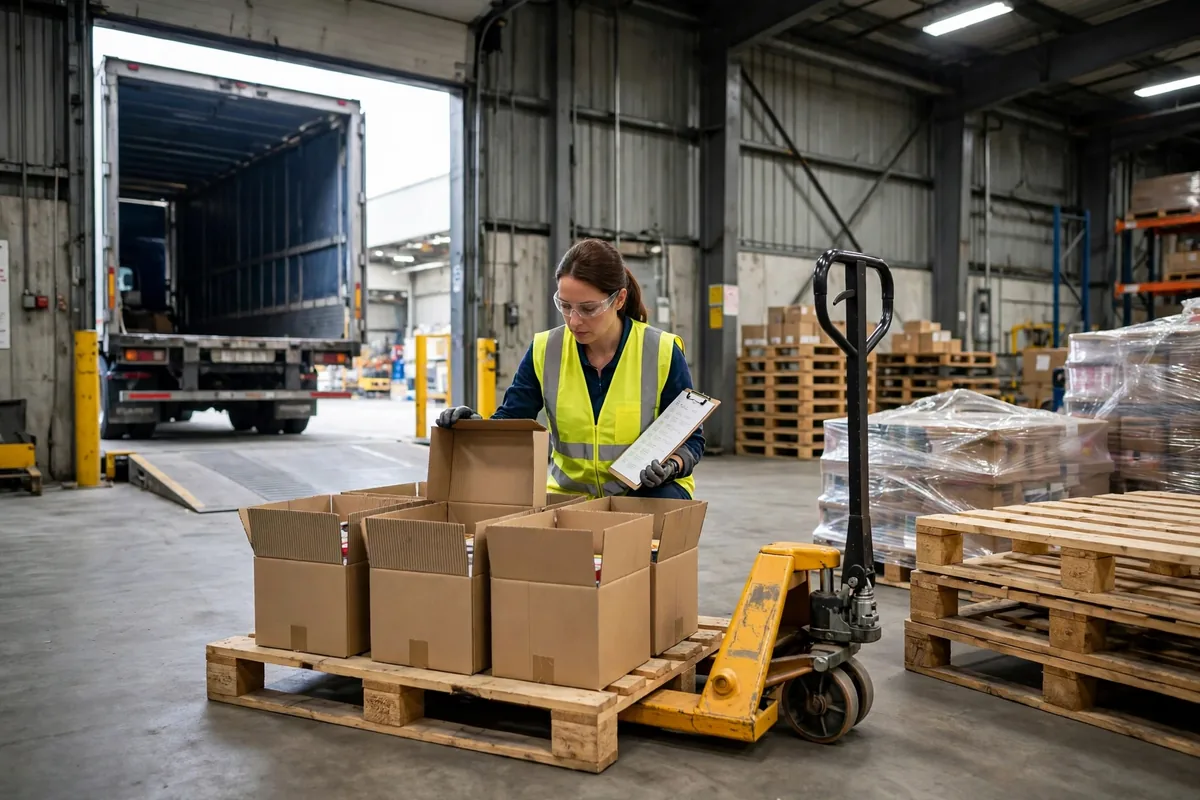
Let me tell you something about São Paulo urban warehouse delivery: a trip that looks like fifteen kilometres on the map can eat half a morning. I have spent years on the road, and the mistake I see again and again is a shipper pricing a job by distance alone. In this city, the expensive part is not fuel. It is time. The morning rush tightens from seven, eases near midday, and closes in again by four. If you schedule trucks the way you would in a quiet suburb, with a fixed departure and a fixed arrival, the driver sits in traffic, the customer waits at the shop, and the warehouse loading plan falls apart behind them.
I remember a Tuesday morning in October 2024. A household-goods shipper asked me to move forty-two cartons from a warehouse near Guarulhos to three convenience stores around Avenida Paulista. Each store wanted delivery before nine-thirty. The truck left at seven, got stuck on a side road halfway there, and the navigation showed three kilometres left with a forty-seven minute estimate. The driver called to ask whether he could drop at one store first. I said no, because the three stores shared one account and one payment cycle; a split delivery would have left the signed receipts mismatched and the month-end reconciliation messy. The truck finally arrived at nine forty-two. The first store refused the goods, saying its shelves were already set for the day and the next restock slot was in the afternoon. So we paid full freight, hauled the cartons back, and rebooked. The driver was not slow. The schedule had ignored the time window.
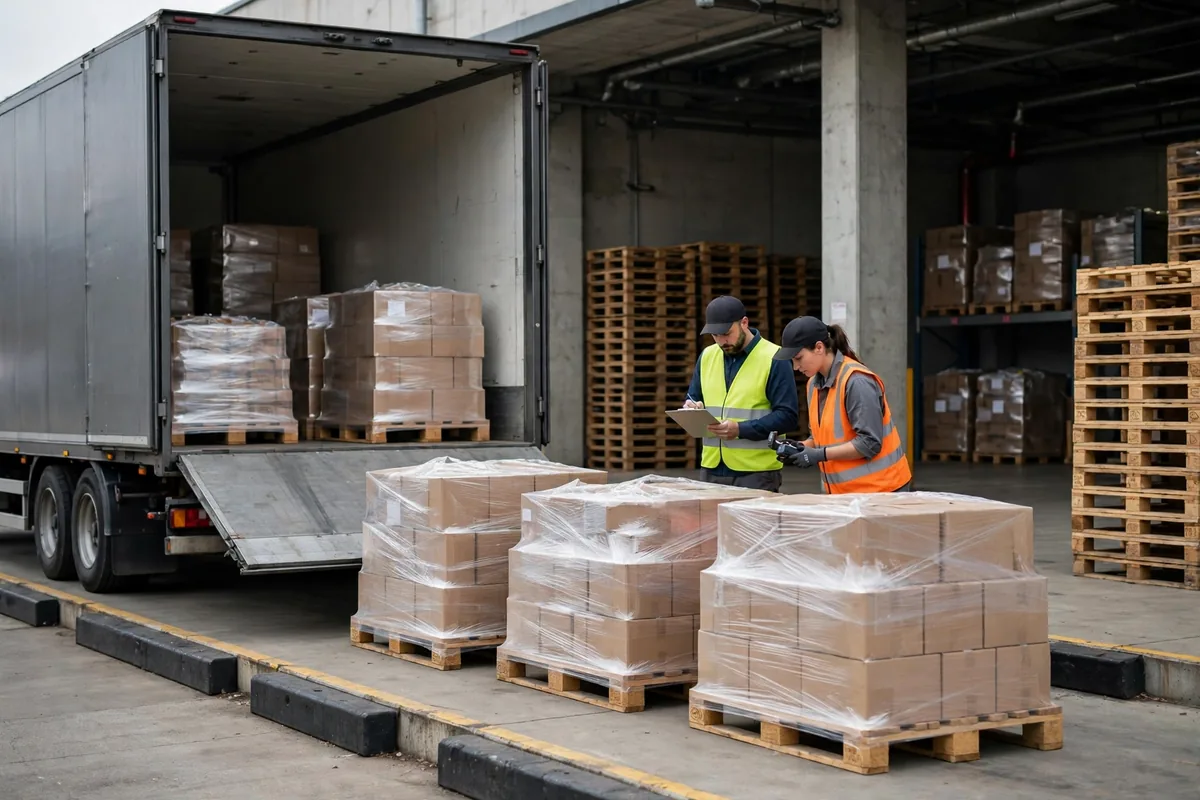
That is the first lesson of São Paulo urban warehouse delivery. A time window here is not a case of earlier being better. It is a case of exact being better. Central streets restrict truck access, and each shop has its own rhythm for opening, peak shoppers, and closing counts. My working method is to sort customers into three bands. Orders that must arrive before nine-thirty go on their own truck, with no consolidation. Orders that can arrive between ten and twelve are grouped along one sensible route. Orders that can only be received in the afternoon go on an afternoon truck, and I never force a morning order into that afternoon run just to save one trip. It looks like more trips on paper. In practice, returns and second deliveries fall, and the total bill improves. I also build twenty minutes of traffic slack into every schedule as planned time, not lateness, so a jam becomes part of the plan.
São Paulo Urban Delivery: Time Windows Beat Distance
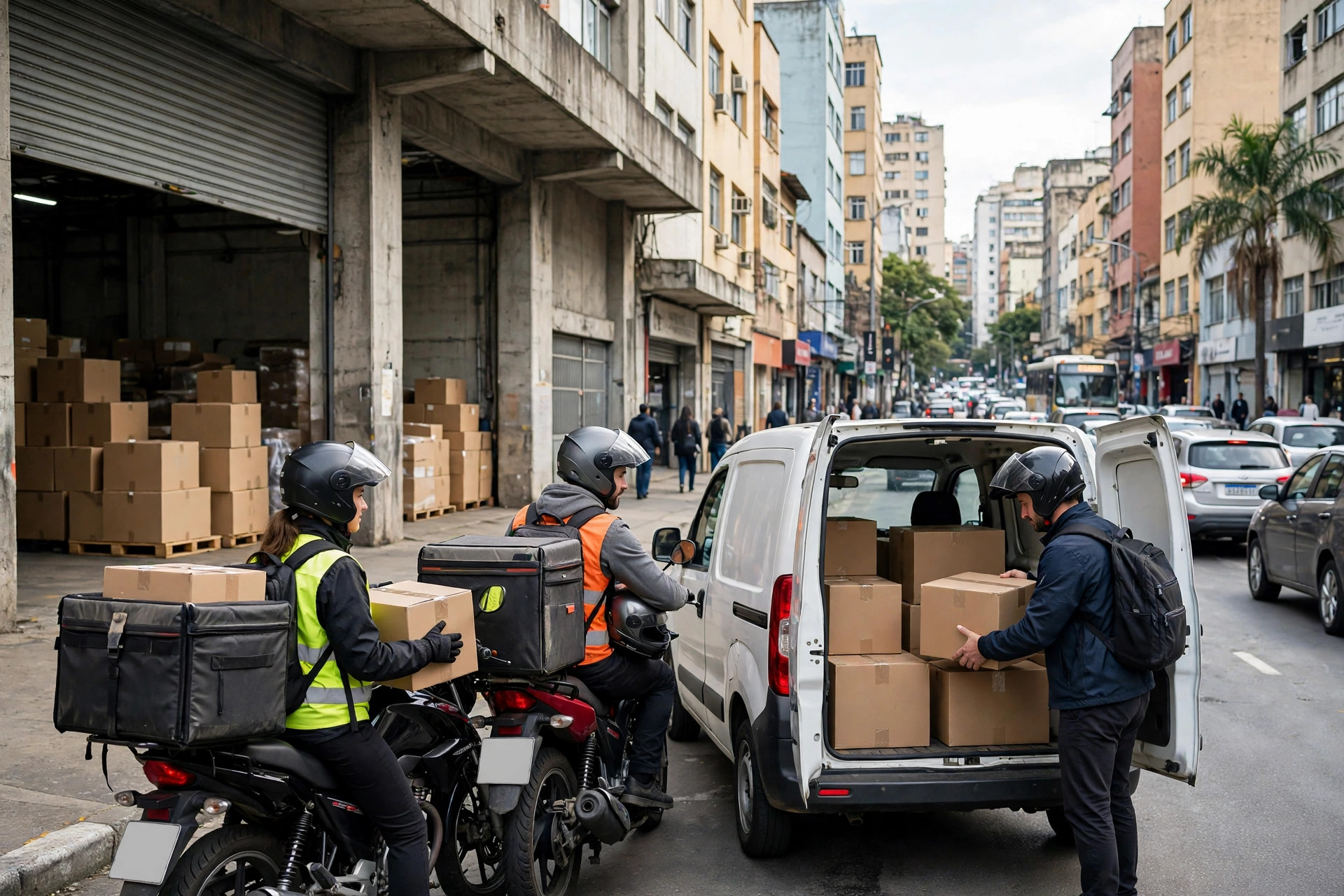
Motorcycle fleets are the second piece, and São Paulo has more motorcycles than most cities know what to do with. For small, urgent parcels under about three kilograms, a motorcycle beats a truck through the centre, often by around forty minutes on a typical run. I know a central-district fleet leader with more than thirty riders specialising in that urgent small parcel work. But a motorcycle fleet is not a cure-all, and anyone who treats it as one will learn the hard way. That is a recurring lesson in São Paulo urban warehouse delivery. First comes damage: motorcycles shake, rain gets in, and packaging has to be redone to motorcycle standards, with waterproof bags inside the carton, which adds cost to every order. Second comes handover: a rider carries only a few orders at a time, shift changes and parking stops multiply, and signed receipts get messy fast. Third comes safety: rain and night riding raise the accident risk, so insurance and rider allowances cannot be trimmed.
In March 2025 I watched a small-appliance seller make that mistake during a promotion. He handed more than two hundred light parcels to a hastily assembled motorcycle team at a very low price per order. Over three days, eleven parcels went missing, nine arrived damaged, and more than twenty signed receipts were unreadable, so customer complaints flooded the platform. When he asked me to review the damage, I asked him one question: did the freight he saved cover those twenty orders, the goods, and the refunds? He had no answer. Use motorcycle fleets, but use a fixed team under a clear contract: photo proof, a damage rule, and a rain-day rule. Motorcycles are the sharp tool for the last kilometre, not the main force for the whole city; trucks still do the heavy work.
Motorcycle Fleets in São Paulo Delivery: Fast, Fragile, and Worth Contracting Properly
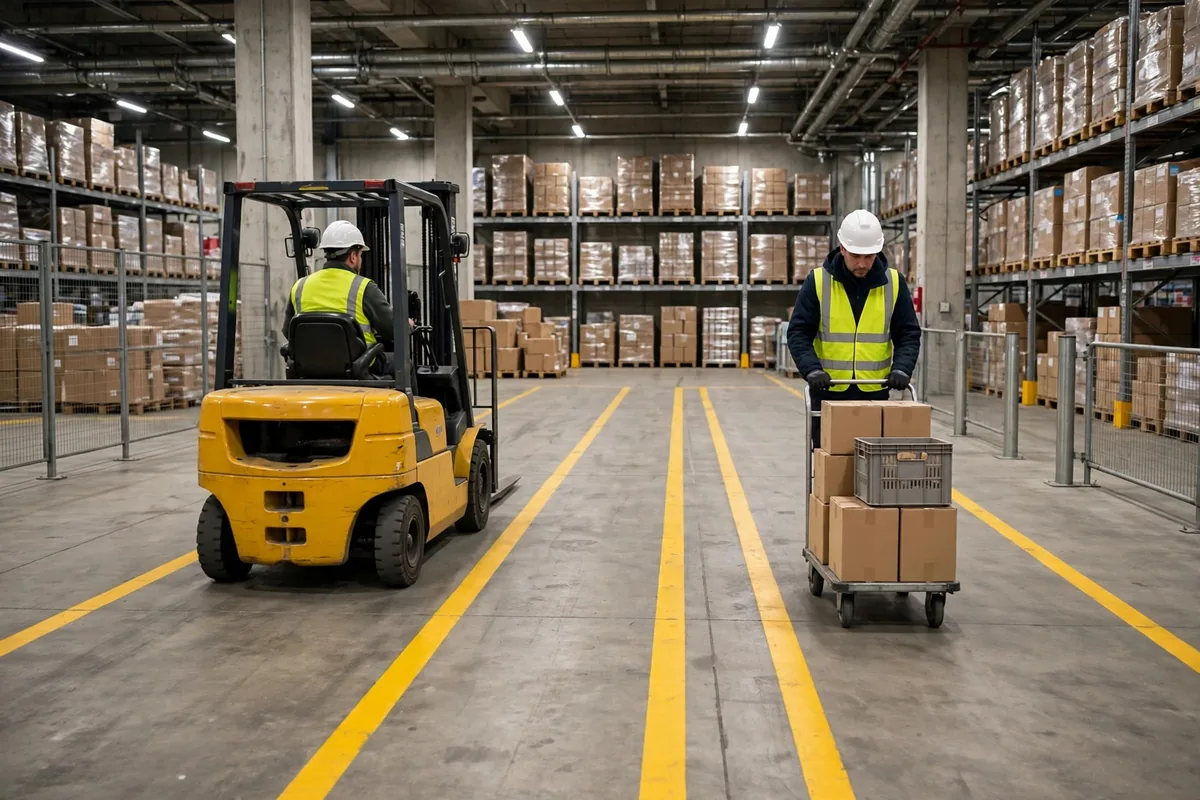
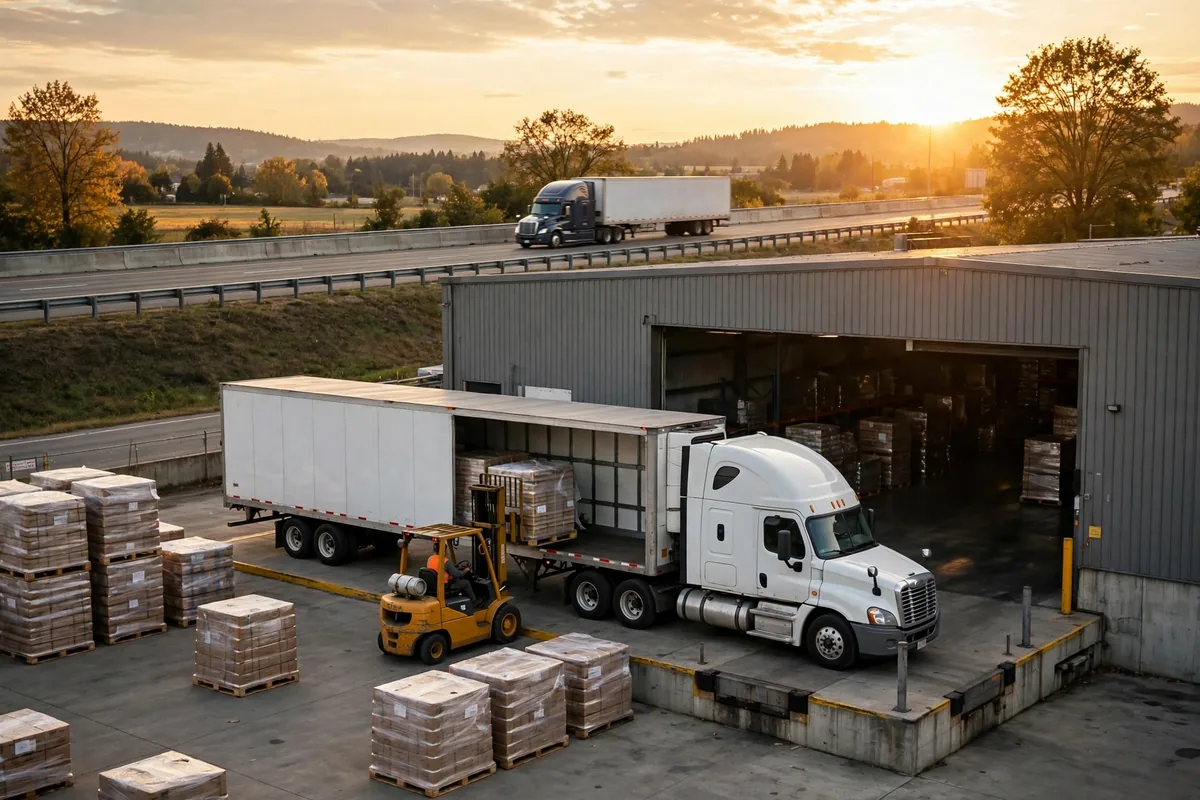
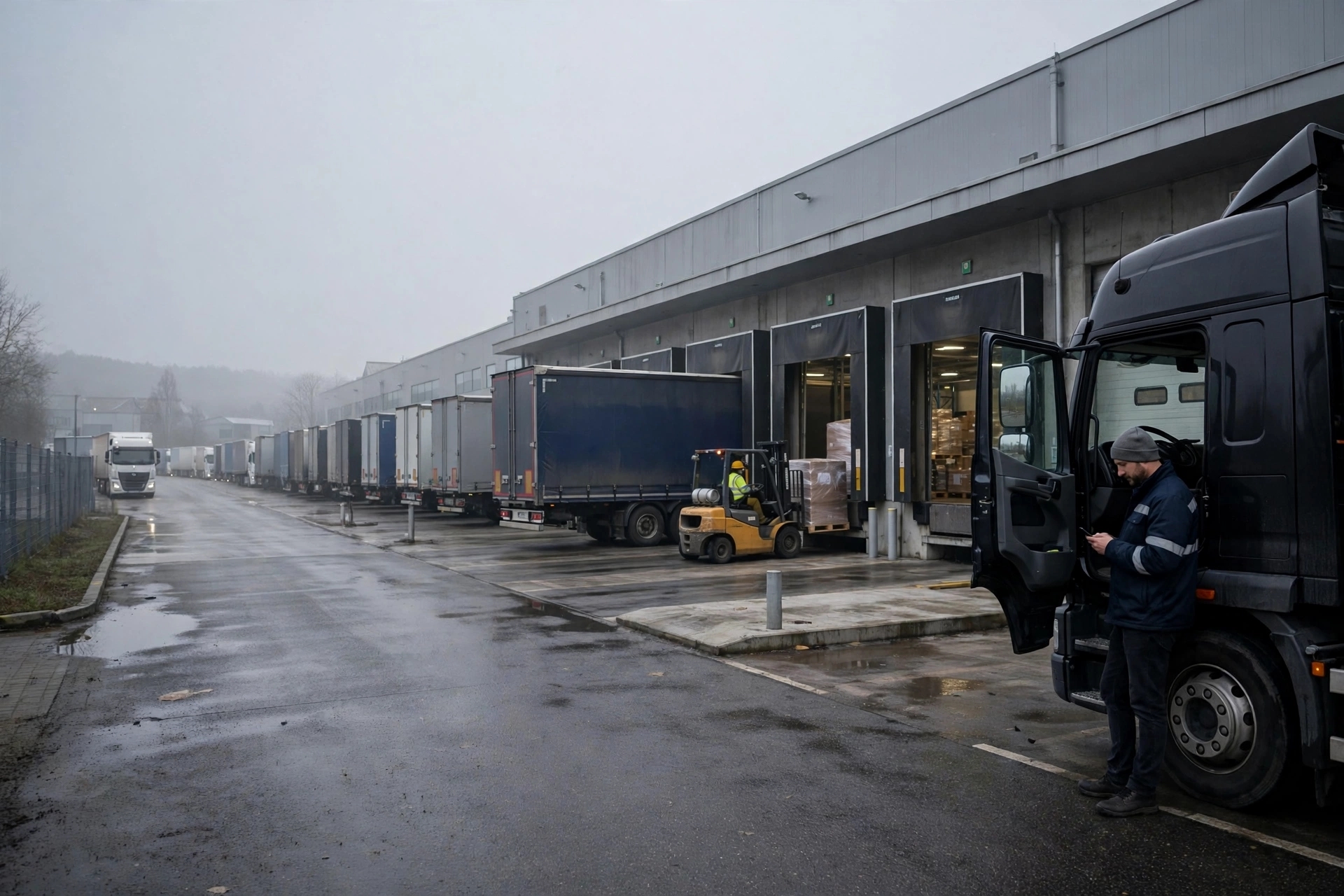
The third piece is the suburban warehouse. Everyone knows rents are cheaper outside the centre, but cheaper rent does not always mean a cheaper operation. I worked through the numbers for a household-goods warehouse shipping around three thousand orders a month. A small warehouse near the urban edge costs more in rent, but a city run takes about ninety minutes, so a truck can make two runs a day. This is the central trade-off in São Paulo urban warehouse delivery. A large suburban warehouse near Guarulhos saves close to forty percent on rent, yet a city run takes three hours at best and four hours on a bad traffic day, so the same truck manages only one and a half runs. Add rent, trips, driver hours, second deliveries, and returns together, and roughly half the rent saving disappears into road time. The other half depends on whether volume stays steady. When volume swings, empty suburban floor still costs money.
| Option | Rent | One city run | Runs per day | Best for |
|---|---|---|---|---|
| Small urban-edge warehouse | High | About 90 minutes | Two | Urgent orders with strict time windows |
| Large suburban warehouse | About 40 percent lower | Three hours or more | One and a half | Steady volume with relaxed deadlines |
| Suburban warehouse plus urban front stock | In between | Fast from front stock | Two or more | Large volume that still needs speed |
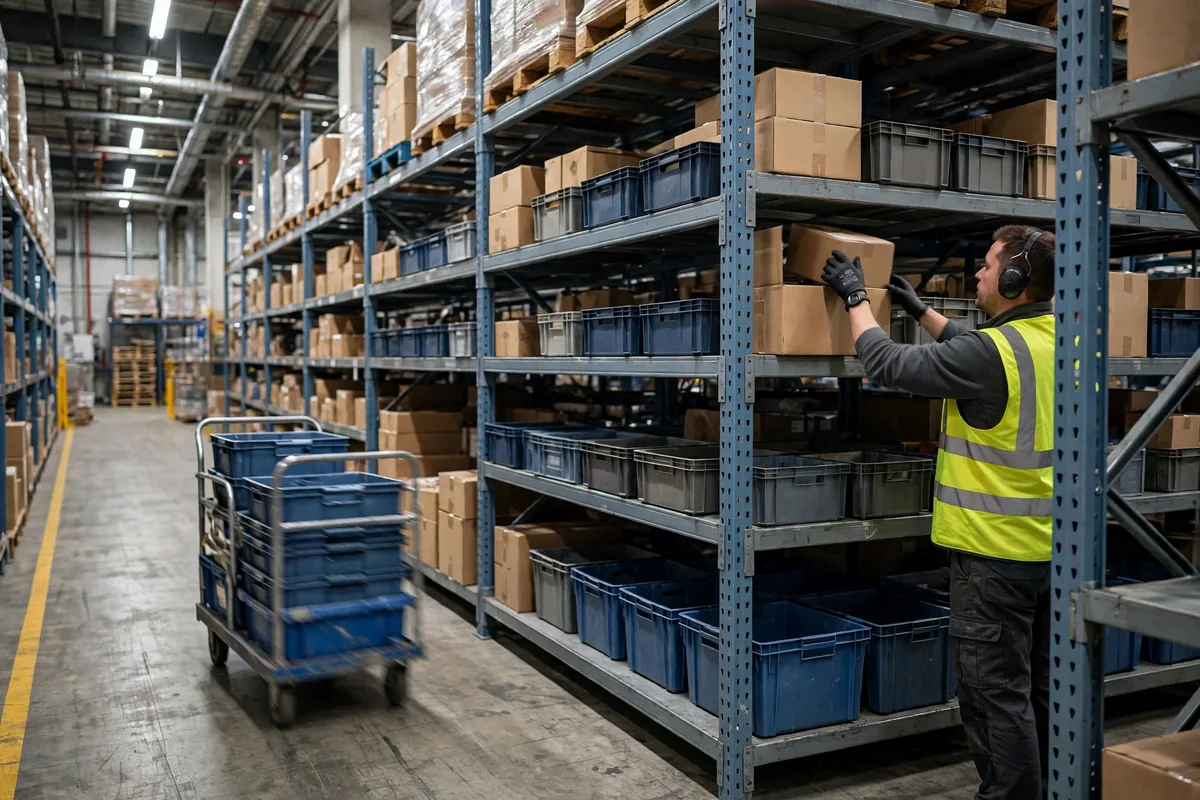
The third option is the one I recommend most often: keep the suburban site as the main warehouse and rent a small front stockroom near the urban edge for the two or three hundred fastest-moving products. Replenish it overnight from the main warehouse and serve city orders from it during the day. Rent stays below full city prices and speed stops being dragged down by the suburban road. The price is an extra transfer and tighter stock control, because the two sites must agree. If the front room is out of stock while the main warehouse holds the goods, the customer still waits. This model fits shippers above roughly two thousand orders a month with a concentrated range. Below that, keep one warehouse, because simplicity is itself a saving.
Suburban Warehouses and São Paulo Delivery: Rent Saved, Time Spent
Here is the counterintuitive judgement that surprises most shippers: in São Paulo, a faster truck does not always mean a faster delivery, and fewer trips do not always mean lower cost. I have seen a shipper cram fifteen stops onto one truck to hit full loading, only for one traffic jam to make all fifteen stops late, with complaints arriving in a chain. Split the work into trucks serving three or four stops each, and the loading rate looks worse while on-time delivery improves, returns fall, and repeat customers spread freight thinner. Punctuality is the biggest saving in this business. One late delivery costs far more than one extra trip in fuel, because it also costs a customer and hours of reconciliation arguments.
So here is my practical advice for shippers and warehouse managers. First, schedule by time window before you schedule by route, and split a truck rather than forcing conflicting windows onto one run. Second, give motorcycle fleets only small urgent orders, with receipt and damage rules written down, and work with a fixed team rather than a temporary crew. Third, choose a warehouse on the full bill: rent plus trips plus driver hours plus returns. The lowest number across those four items is the real low price, not rent alone. As the old saying goes, sharpen the axe before you cut the wood. Get the time window, the vehicle type, and the warehouse location right first, and the road will punish you a lot less.
By Shifu Zhao, Trucking Veteran (15 yrs)