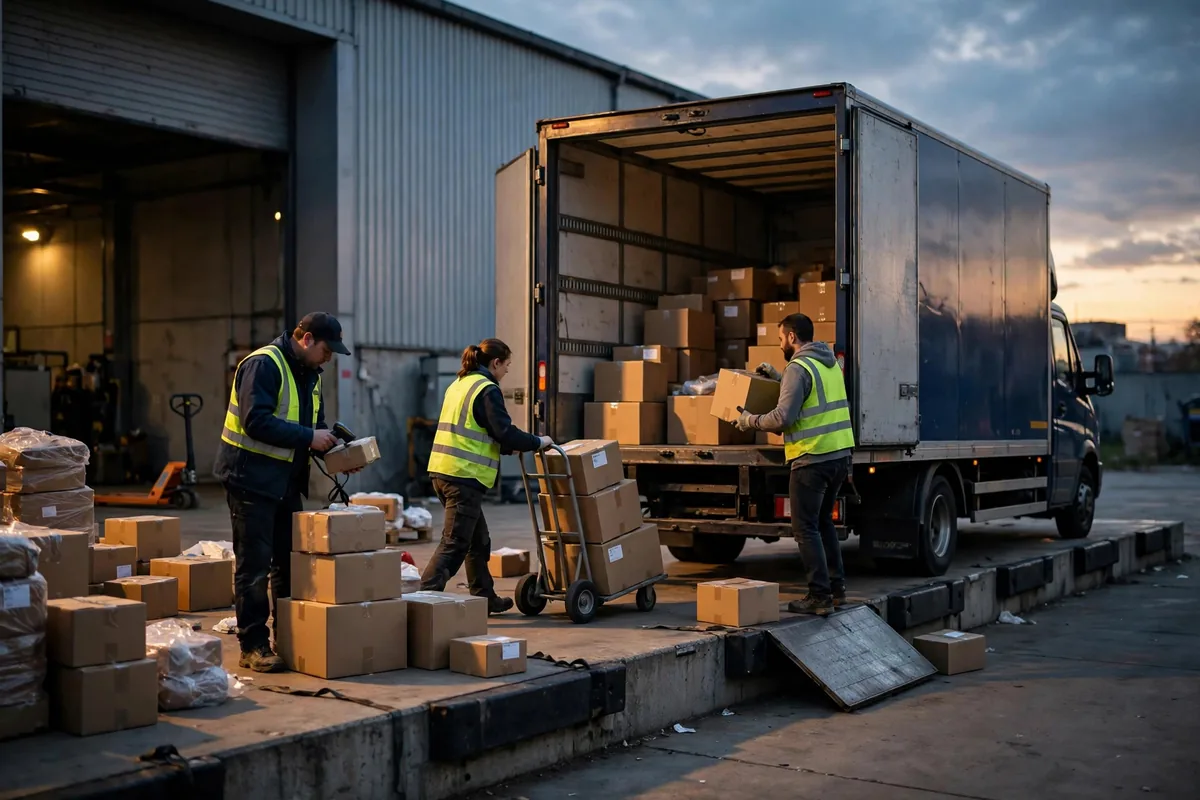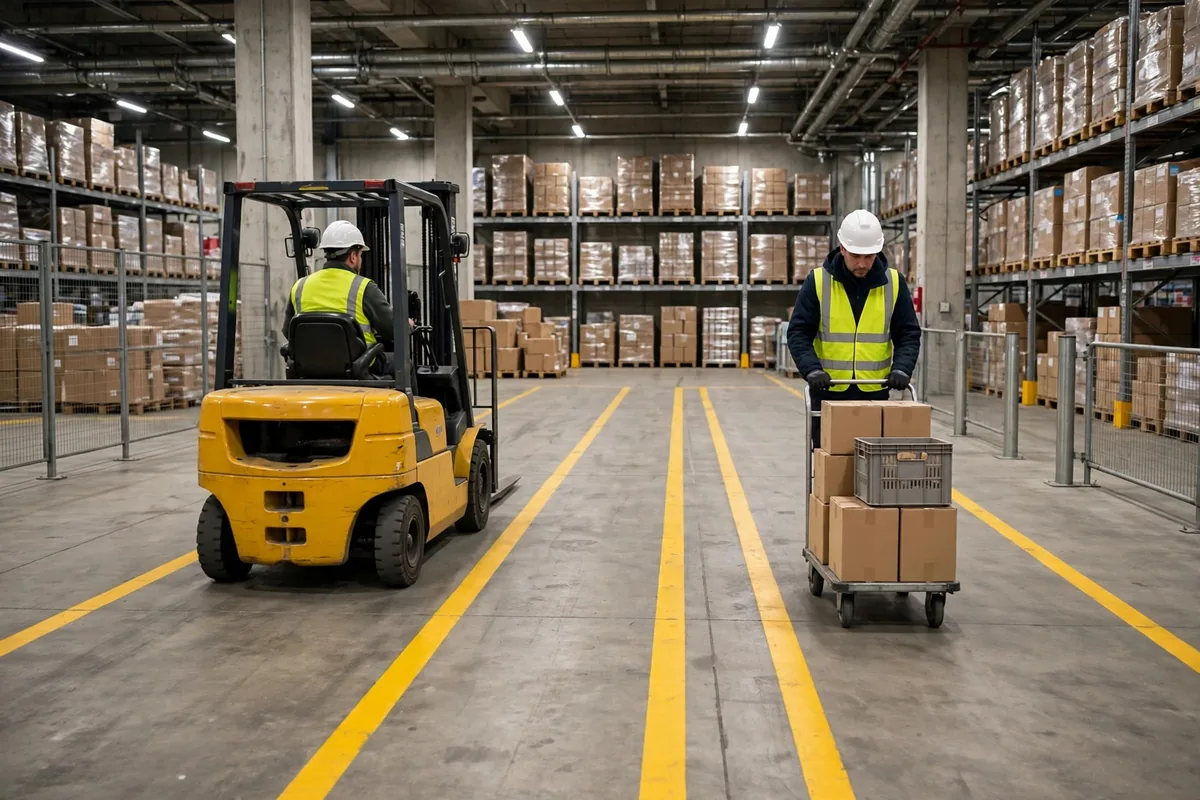
At 6:30 in the morning, night shift had just handed over and warehouse replenishment flow gave us our first mess of the day. A picker shouted that a location was empty. The replenishment truck rolled in from the other end of the aisle. Neither one could get past the other. Three pick carts stacked up behind them, and the whole wave stalled. To be honest, that morning was not a stock problem. The truck was in the wrong place at the wrong time.
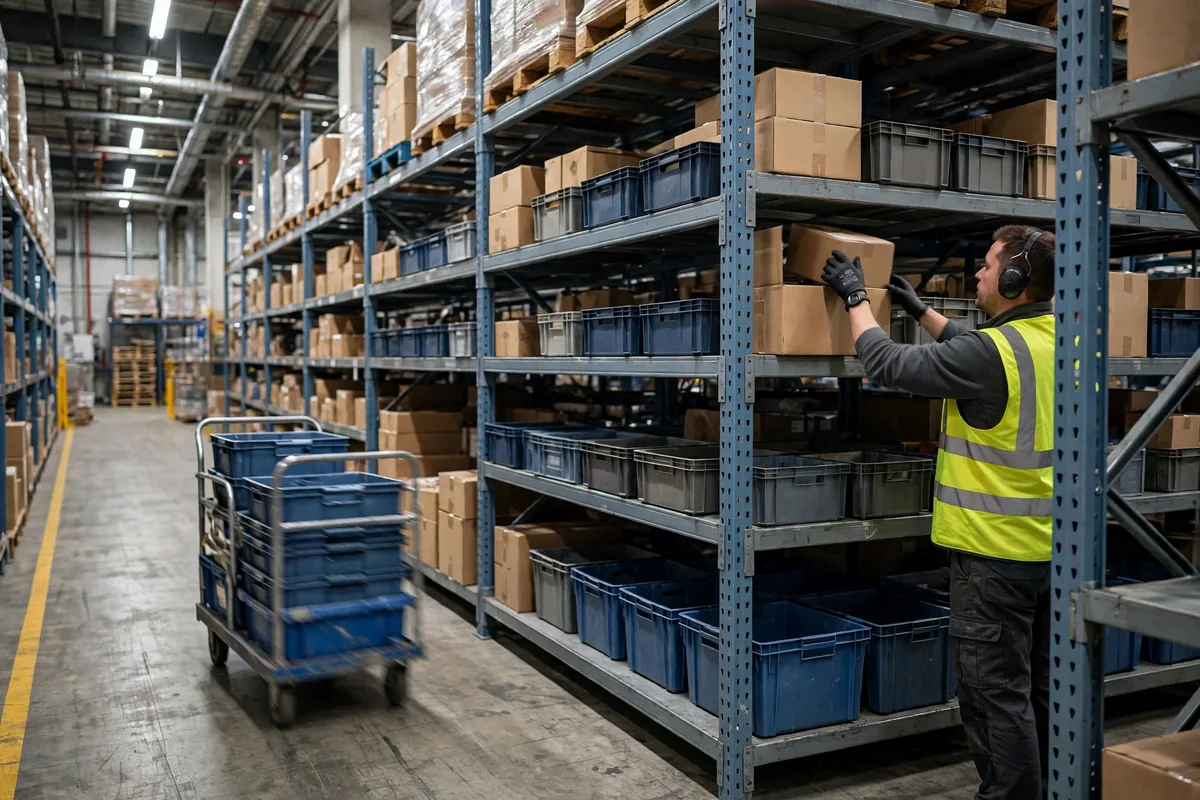
Our building runs 200 people and 12 pick aisles. In peak season the orders pile up and empty pick faces are normal. We used to run replenishment on demand. A location ran low, a picker called it in, and the driver went straight away. It sounded responsive. In practice it was chaos. The replenishment truck is a forklift. The picker is on foot. One wants speed and the other wants to stop and grab stock, and the same aisle cannot hold both. The worst scare came when a truck reversed into a location while a picker was crouched on the floor gathering loose stock. They missed each other by half a meter. After that I made a hard rule: the replenishment truck and the pickers do not enter the same aisle at the same time.
Warehouse Replenishment Flow Starts With Timing: Staggering Beats Rushing
Warehouse replenishment flow is a timing job before it is a routing job. We tried three rounds before the timing stuck.
Round one was on demand, and it failed. A picker called and the truck went, dozens of trips a day in and out of the pick zone, and the aisle mouths jammed every hour. The drivers were tired, the pickers were annoyed, and orders still waited for stock.
Round two moved replenishment into the gaps between waves. We left 20 minutes between waves and the truck used the gap to top up what the next wave needed. That was better, until peak season squeezed the waves together and the gap shrank to 10 minutes. No driver can finish a full top-up in 10 minutes, no matter how fast they run.
Round three is what we run now, and it has stayed put: three time bands, kept separate. Night shift does the heavy lifting. Picking stops at night, so the truck can work a whole aisle slowly and fill everything the morning needs in one pass. Wave gaps handle the middle load, topping up the locations that are running low before the next wave starts. Daytime only handles urgent stock, and urgent stock never goes down the pick aisle. It comes in from the cross aisle at the end and fills from the back of the location, never driving in past the picker's face.
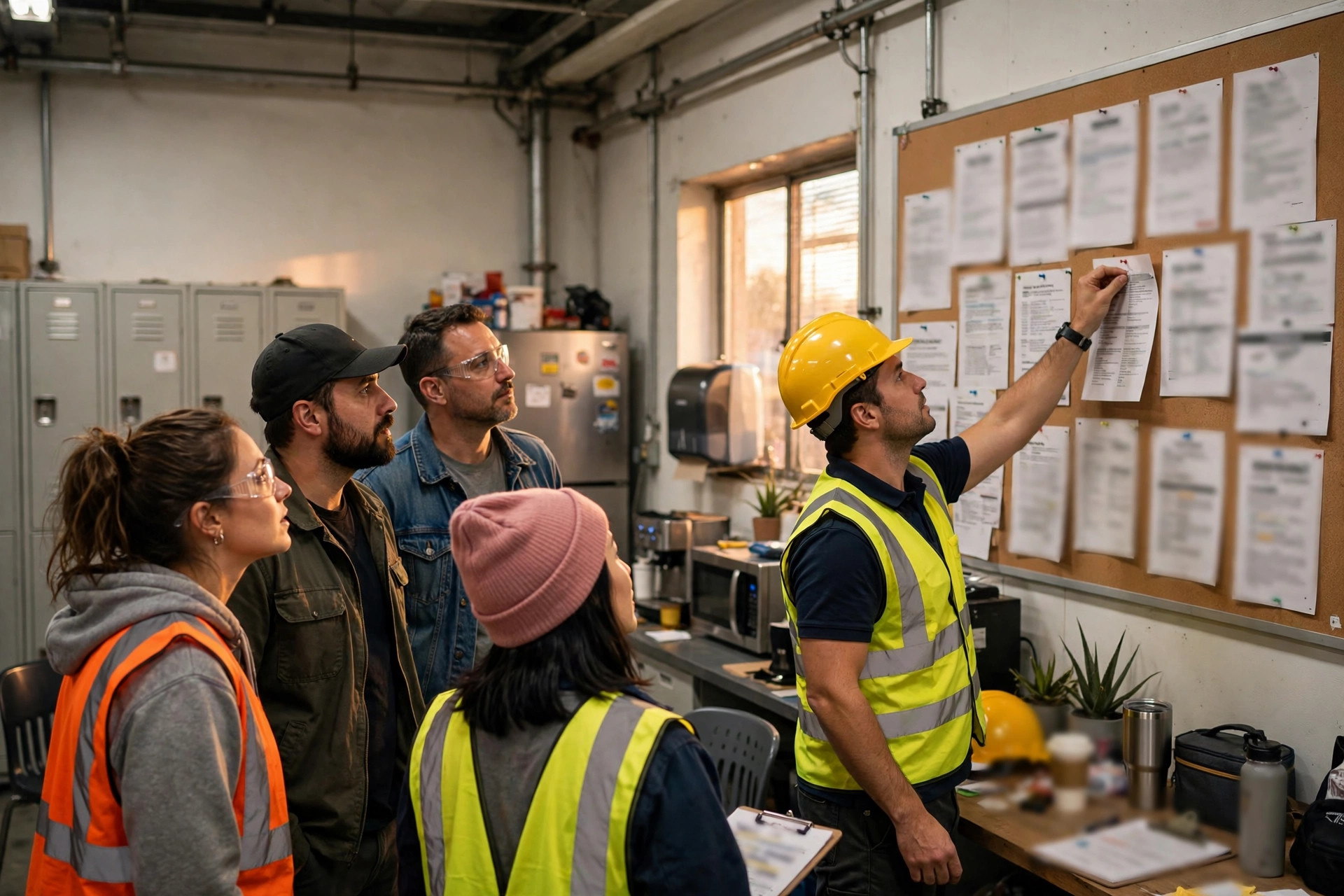
How those bands sit depends on your wave schedule. Our waves run at 8:00, 10:30, 1:00, and 3:30, and night shift starts at 10:00. Replenishment staffing follows the wave board: four people at night, two in the daytime, plus one extra in the wave gaps. The roster hangs at the pick zone entrance, with names, times, and aisles written out in full. Listen, replenishment is not a muscle job. It is a timing job. Get the timing wrong and extra people will not save you.
Warehouse Replenishment Flow Needs a Route: One-Way Loop and Zone Windows
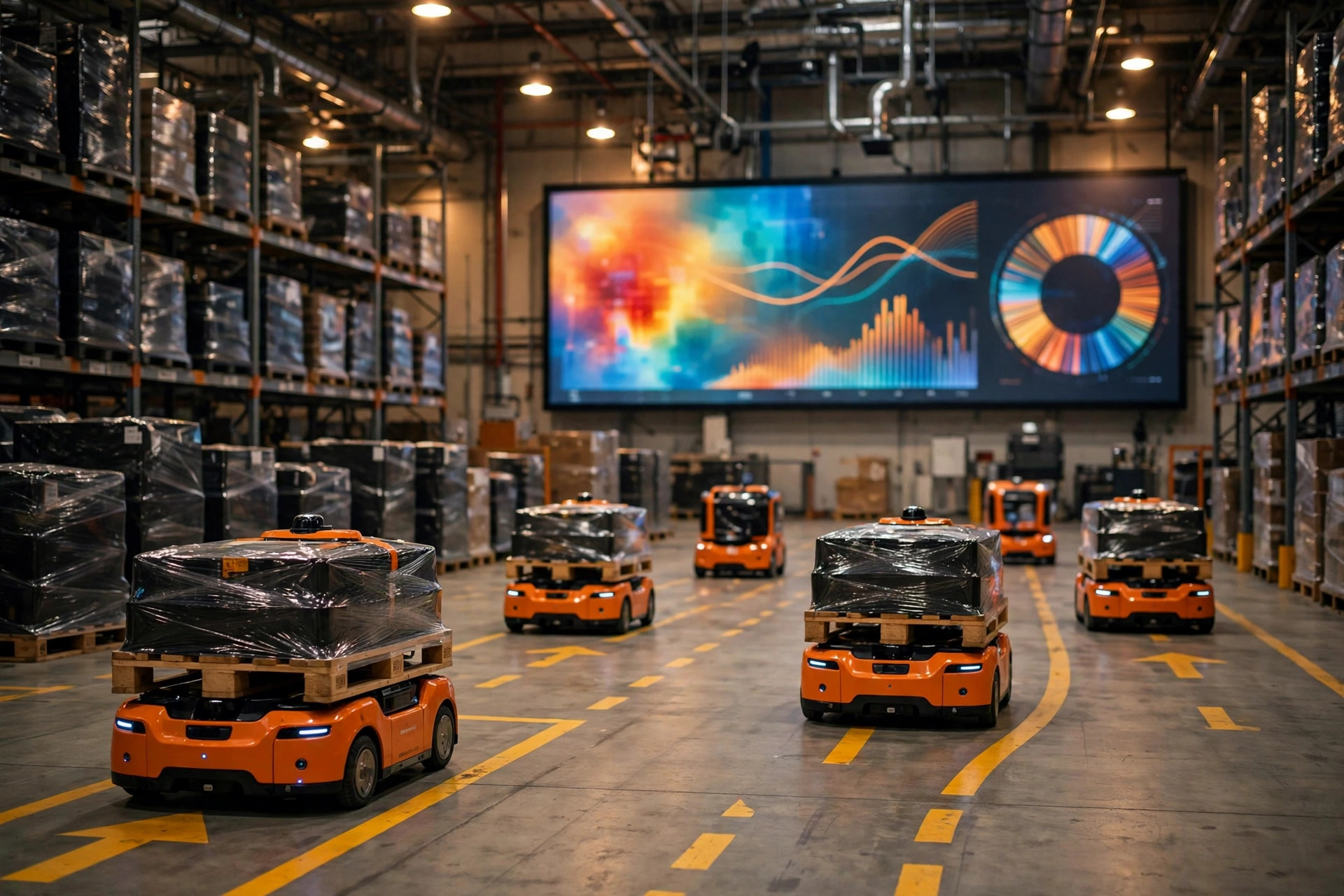
Once the timing was split, the route still had to be drawn. Our replenishment route is a one-way loop now. The truck follows one direction only. No U-turns in the aisle, no reversing into a location. The loop is painted on the floor: yellow for the truck lane, green for the picker walkway, so the split stays visible even when the light is poor. Convex mirrors sit at every aisle mouth. The driver checks the mirror, sounds the horn, and only then enters. Keeping forklifts and pedestrians apart is not a courtesy. It is how people stay alive. National Safety Council data, based on U.S. labor statistics, reports 84 work-related deaths in 2024 involving forklifts and order pickers. That number sits on the wall in our building, and nobody jokes about it.
The route also uses zone windows, a simple shop-floor trick. Twelve aisles split into four zones, and each zone only opens to the replenishment truck in two windows a day, written on a whiteboard. Zone one runs 7:00 to 7:30, zone two 7:30 to 8:00, and so on around the clock. A picker looks at the board and knows the truck is in zone one this half hour, so they work zone three instead. The conflict surface shrinks, because the truck only ever works one zone at a time and the pickers know where to stay clear.
How do we set the trigger signal so the truck does not run for nothing? We paid for both mistakes. When pickers called out empty locations by voice, they called too early and the truck ran for stock that still had half an hour left, or they called too late and the order sat waiting. When the system alarm was set too sensitive, it fired with 10 pieces still on the shelf, and drivers made 40 trips a day that went nowhere. Now we use two signals together: the system flags a location by remaining quantity, and the picker taps confirm on the handheld after a quick look. Both signals have to light up before a replenishment task goes out. Empty runs dropped by more than half once we stopped trusting either signal alone.
The worked example below is a hypothetical scenario, not our measured result: one aisle runs 20 replenishment trips a day, and on-demand running used to block the aisle mouth for about 3 minutes a trip, 60 minutes a day lost to standing still. Move to wave-gap timing on a one-way loop and suppose the blocking time falls to 10 minutes a day. The 50 minutes saved is enough to top up two more waves of stock. Do not take the number as gospel. Take the point: every minute the truck stops blocking the aisle is a minute the picker spends picking.
Here is the counterintuitive call: faster replenishment does not mean faster shipping. We once chased the shortest possible response time, and the truck tore through the pick zone while pickers pulled back and waited, afraid to step out. Overall shipping got slower, not faster. Replenishment works better a half step late and out of the way. The pick zone belongs to the pickers. The truck is a guest, and a guest enters on the host's schedule. That is the rule in our building.
Warehouse Replenishment Flow Checklist: Run It Before Every Shift
Every shift in our building starts with the shift lead walking this warehouse replenishment flow checklist. Five minutes, no skipping.
Check the wave board against the replenishment windows first. If a wave moved, the window moves with it. Do not run today's orders on yesterday's board. Then check the zone whiteboard: which zone, which window, whose name on it. Write the name down. "Somebody" is not a name. Then check the mirrors and the floor lines at the aisle mouths. Straighten a tilted mirror, repaint a worn line. Report a dark aisle before someone meets a truck in the shadow.
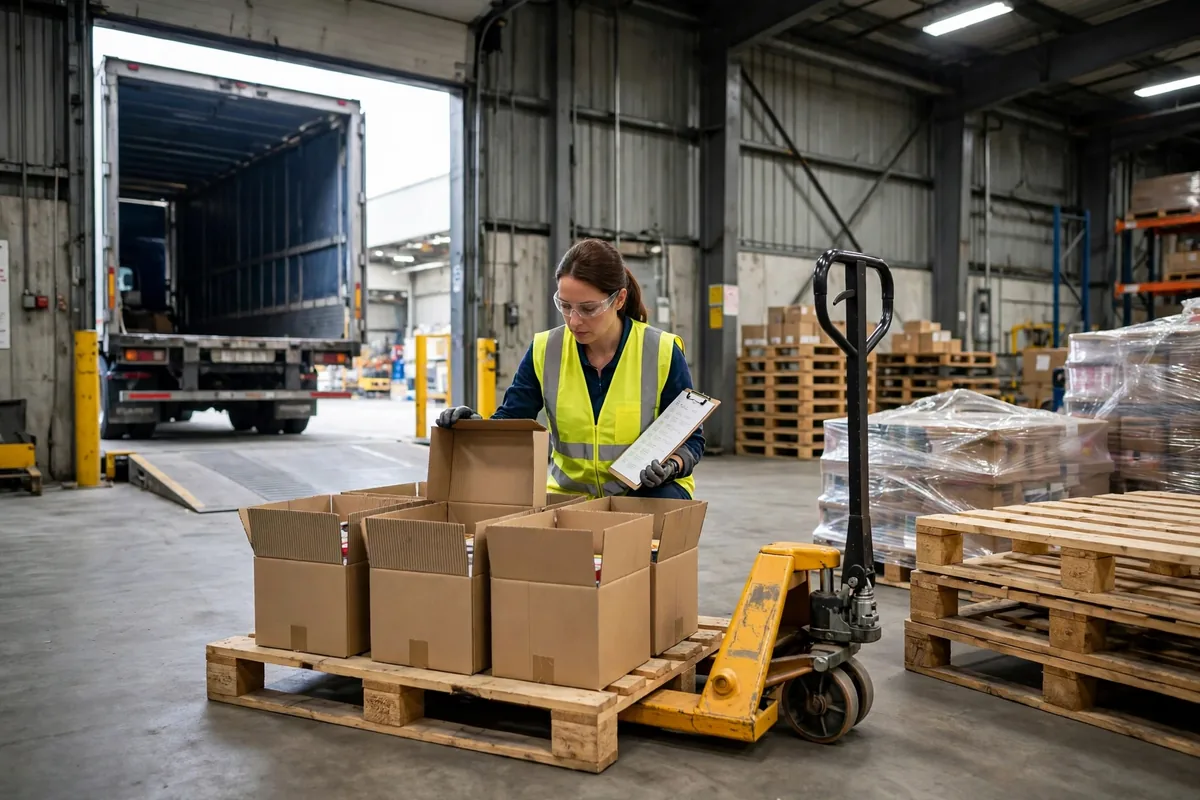
Then check the truck and the task list. Brakes, horn, test them before the shift starts. Sort the task list in loop order, so the driver never doubles back down an aisle. Last, read the night shift handover: which locations were filled, which were left unfinished, which ones need another look first thing in the morning. Write it down so the day shift does not have to guess.
Every line on that checklist came from something that went wrong: a jam, a near miss, an order waiting on stock. When a veteran trains a new hire, the first lesson is not how to drive the truck. It is this checklist: when the truck may enter, where it enters, where it leaves, and what to check before it moves.
A word to fellow operators: do not leave the replenishment route on a drawing. Paint it on the floor, write it on the whiteboard, and put it in the roster. Nobody reads a drawing. Everybody walks the painted line. If your building keeps colliding in the pick zone, do not blame the driver for going too fast. Check whether the truck and the pickers are entering the same aisle at the same time. Split the time, draw the route clearly, and confirm with two signals before the truck rolls. Most of the collisions will disappear with that.
By Chen Feng, Warehouse Operations Manager