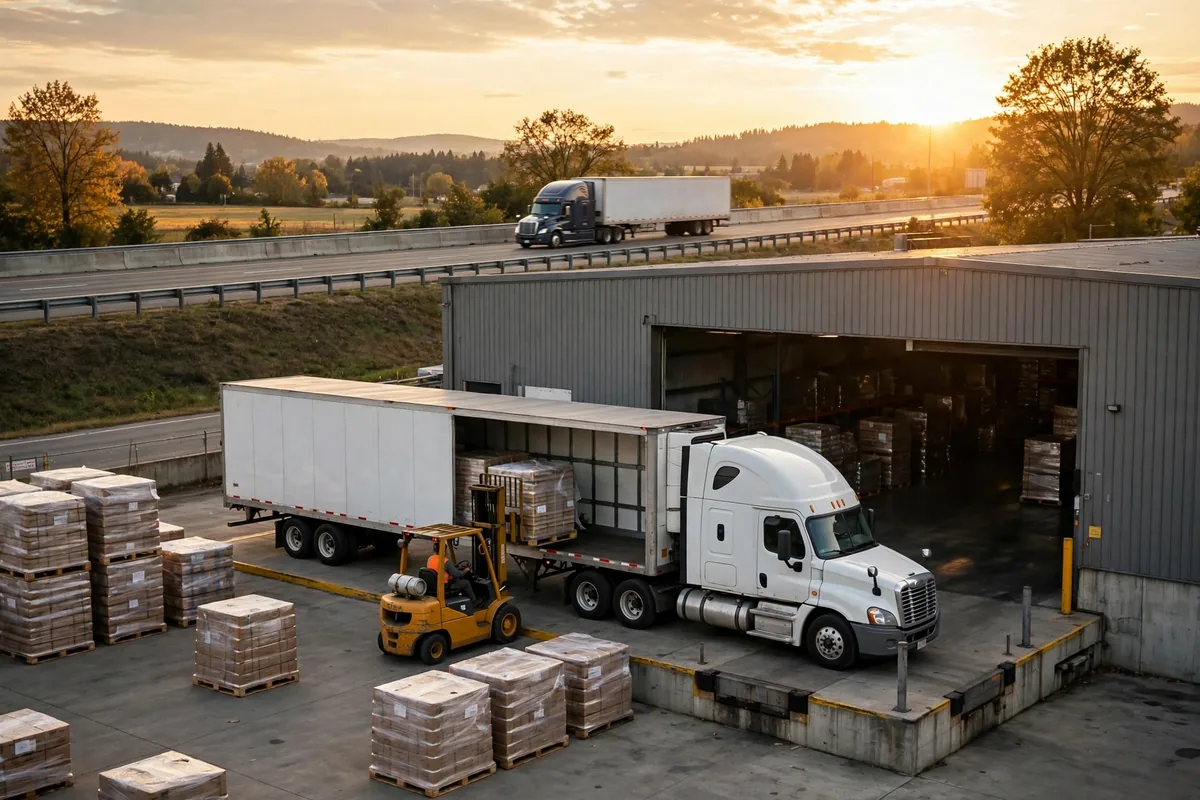
Let me tell you something — after all these years on the road, warehouse backhaul return load matching is the subject I know in my bones, and the thing that hurts most is not traffic. It is an empty trailer. One fall afternoon in 2024, I hauled a load of appliances from Dallas to Atlanta, dropped it at three in the afternoon, and my dispatcher spent half an hour on the phone before finding a pickup the next morning in Birmingham, more than 140 miles away. I drove there empty, burned the fuel, lost the evening, and slept at a truck stop outside Birmingham. That empty run cost me close to $300 in fuel and tolls, out of my own pocket. The shipper never knew. The warehouse never knew. Only the driver knows: the wheels turn, the meter runs, the money burns, and the trailer is empty.
Warehouse Backhaul Return Load Matching Starts With the Empty-Mile Bill
Before anything else, price the empty miles. In US trucking, empty miles run about 15% to 20% of total miles, a range confirmed across several industry surveys. Sharp fleets hold it under 15%. The best get under 10%. Over 20% and you are throwing money at the highway. Every empty mile costs the same in fuel, tires, maintenance, and driver hours as a loaded mile — the only difference is that no freight bill pays for it.
Illustrative example: a truck running 100,000 miles a year at 20% deadhead logs 20,000 unpaid miles. At a blended operating cost of about $1.85 per mile, that is roughly $37,000 a year spent for zero revenue. And the hidden costs run deeper: an empty trailer rides high, handles worse in crosswinds, and carries a higher rollover risk than a loaded one. A driver who deadheads all day arrives frustrated, and the next morning's loading goes slower for it.
Shippers often think rates are set per mile. They are not. When a carrier quotes a lane, the return leg is already in the price. A lane with easy outbound freight and nothing coming back gets an expensive quote, because the carrier has to cover the empty return inside that one load. A lane with steady return freight gets a cheaper quote, and the shipper shares the benefit. How well warehouse backhaul return load matching works shows up, in the end, on the rate sheet.
Three Moves at the Warehouse Dock
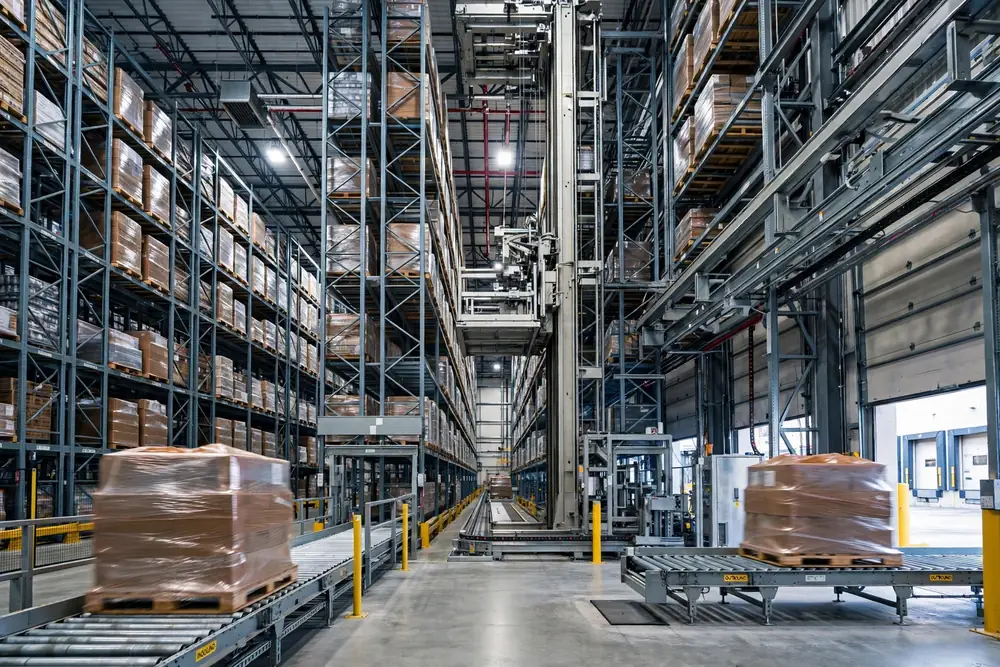
Where does return freight come from? A driver scrolling a load board alone on the highway finds mostly scattered small lots. The loads that actually work are arranged at the warehouse before the truck ever leaves the dock.
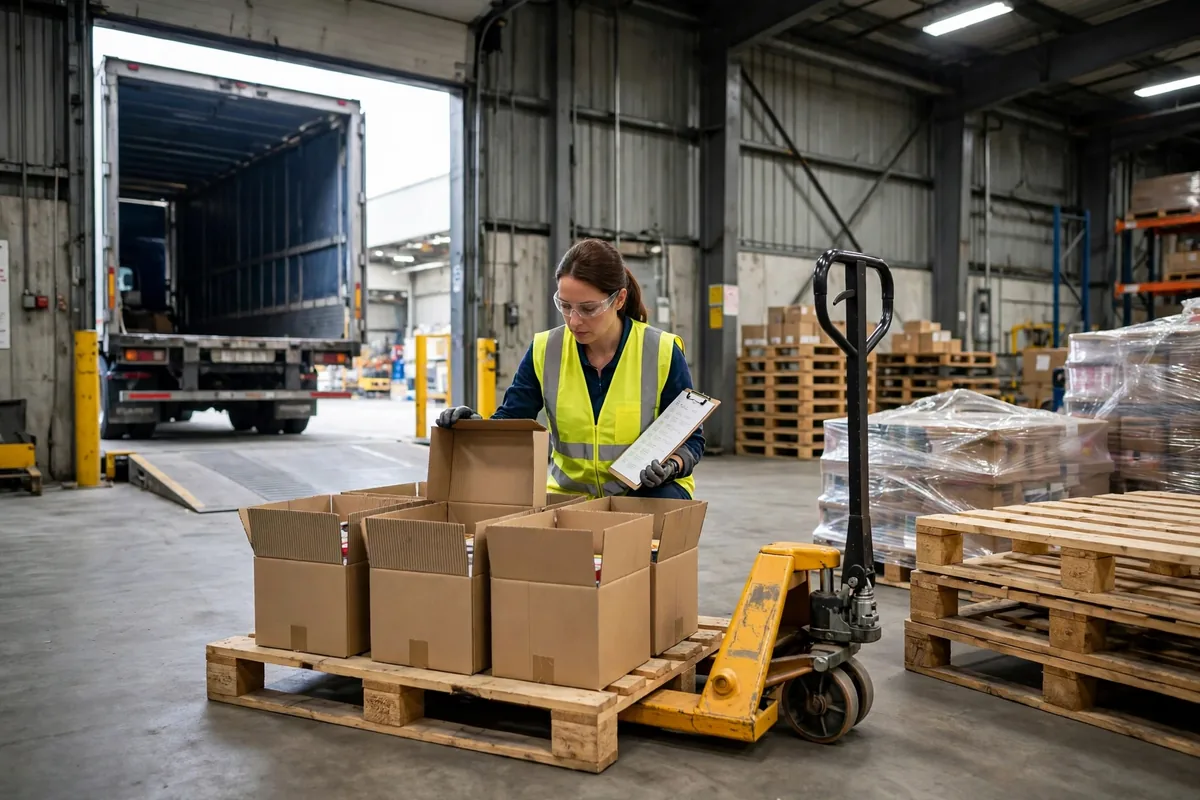
The first move is to fix the return load before unloading. A good warehouse asks while the truck is still inbound: where is this truck headed after the drop, and is there freight nearby it can take? Some warehouses put a "return load intent" line right on the unloading paperwork, and the driver fills it in at the gate while the clerk matches it against nearby shippers. If the truck can load its return freight within two hours of unloading, the driver never has to move and the dock never gets blocked. The worst case is a truck that finishes unloading and only then starts looking — the driver waits four or five hours at the dock, the dock is occupied, and everybody loses.
The second move is to consolidate freight with neighboring warehouses. Illustrative example: in the spring of 2025, three warehouses near the Port of Houston — one shipping paper products, one plastic parts, one small appliances — started pooling loads to Dallas. None of them filled a trailer alone, but together they filled one, and they split the freight bill three ways. Before that, each found its own truck, and half-loads out and empty trucks back were routine. The trick to pooling is trust: who pays for damage, what order the freight loads in, how the bill splits — write it down in advance, and never rely on a handshake.
The third move is to make the return load fit on time and on equipment. A return load is not good enough just because it exists. Three questions matter: how far is the pickup from the drop — over 100 miles and the math falls apart; can the pickup time follow the unloading time, because waiting half a day beats nobody; and does the freight fit the trailer, because a reefer cannot haul dry goods and a flatbed cannot take boxed freight. The warehouse knows these details better than the driver does. If the warehouse does not build the bridge, the driver is left to luck.
One more move: use two channels to find freight. Load boards carry plenty of return loads, but the good ones go fast, and a driver scrolling a phone while driving is neither safe nor competitive. The working method is boards plus relationships: boards as the backup, people as the base. Keep the phone numbers of the warehouses and brokers at both ends of a regular lane, and they will call you when freight is ready. Illustrative example: a driver running Los Angeles to Dallas for years keeps three warehouse numbers at each end, and somebody asks him the day before he unloads whether he wants a load of cartons on the way back. A year of that kind of relationship cuts empty return miles roughly in half. Drivers who rely on the board alone have good weeks and bad weeks, and the bad weeks break their spirit first.
Shippers, Warehouses, and Carriers Make Warehouse Backhaul Return Load Matching Work
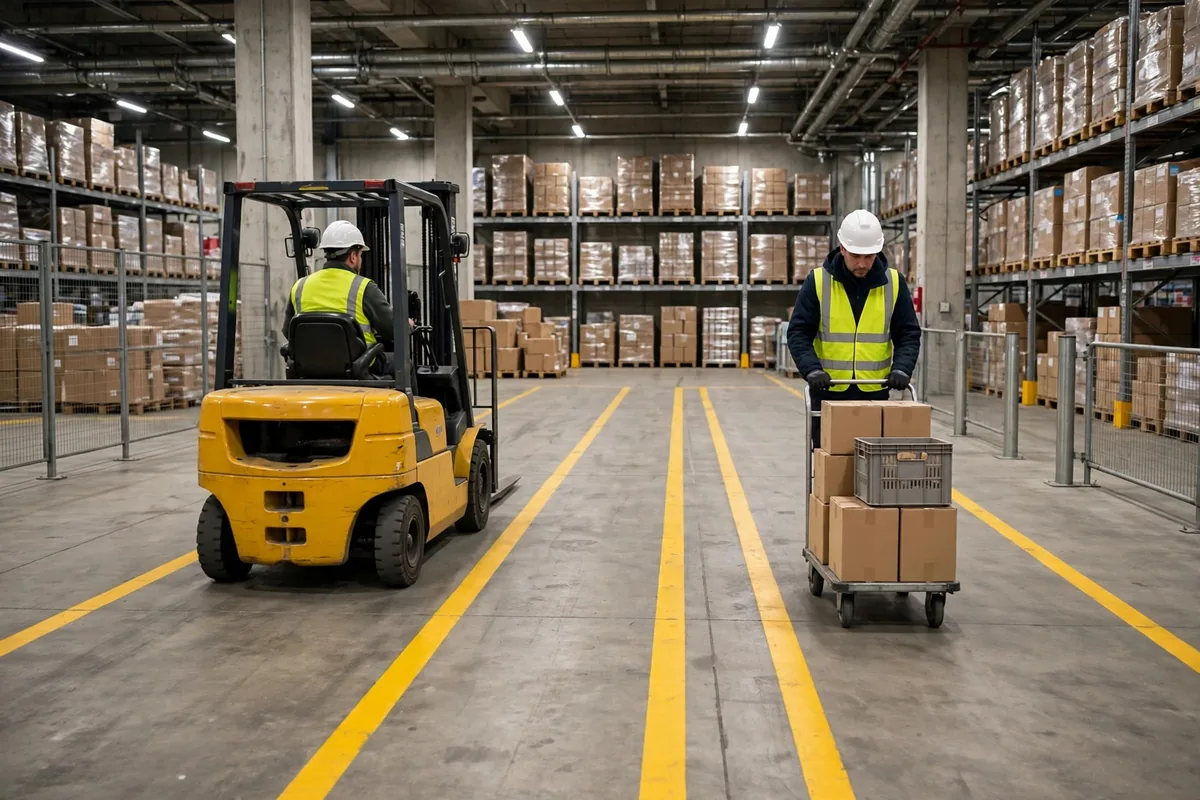
Warehouse backhaul return load matching is not the driver's job alone. It takes the shipper, the warehouse, and the carrier pulling in the same direction. Shippers should send order plans 24 to 48 hours ahead instead of dropping orders on the carrier the morning of the move — with a plan in hand, the carrier can line up the return leg in advance. Warehouses should keep unloading appointments honest, so a driver who arrives on time unloads on time and leaves on time, and the return leg actually connects. Carriers running a fixed lane should build standing relationships with the warehouses at both ends, so familiar faces get the first call when freight is ready.
Here is the counterintuitive part: take the cheap return load. Plenty of drivers turn down low-paying return freight because it feels like a bad rate, and drive home empty instead. After all these years on the road, I can tell you the math runs the other way. An empty mile is a pure loss. A low-paying return load at least shares the fuel and tolls. Cutting deadhead from 20% to 10% puts thousands of dollars a year back in a truck's pocket, and that money is worth far more than pride.
And one old saying is worth keeping: the truck is made of iron, the driver is made of flesh. Even the best-matched return load has to leave room for meals, rest, and legal parking. A warehouse that pushes a driver to run without a break is borrowing trouble — if a tired driver has an accident, the shipper, the warehouse, and the carrier all answer for it. Build the driver's rest window into the plan. That is not kindness. That is the rule.
Three things to leave with, for shippers and warehouses alike. First, send shipping plans two days ahead, and stop making the carrier guess. Second, keep unloading appointments on schedule, so a driver can arrive, unload, and load the return without waiting. Third, build real relationships with the warehouses at the other end of the lane, and give familiar partners the first call on return freight. Do those three things, and empty miles come down, rates come down, and drivers want to keep running your lane. The money on the road is saved together, not squeezed out of one person.
By Shifu Zhao, Trucking Veteran (15 yrs)