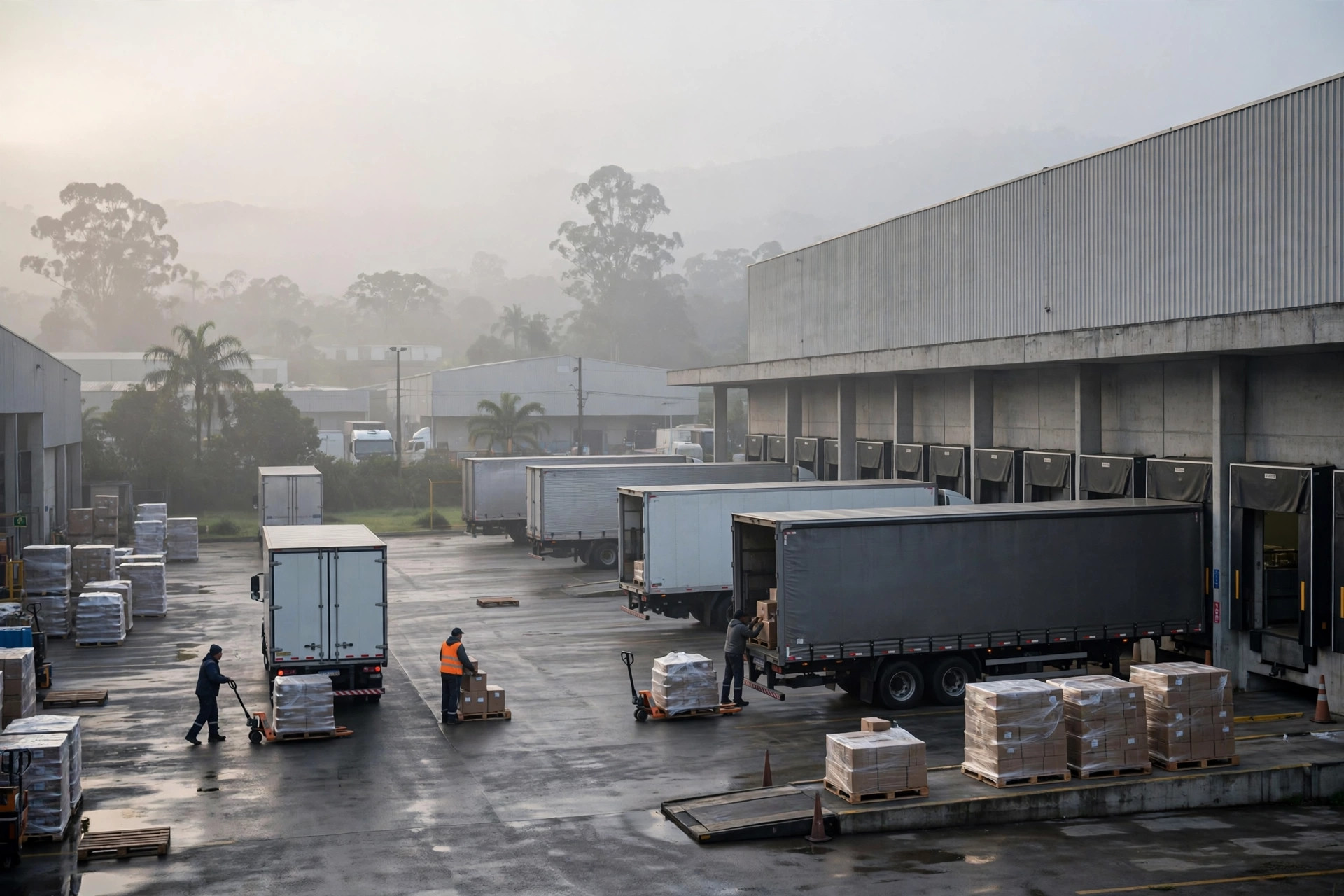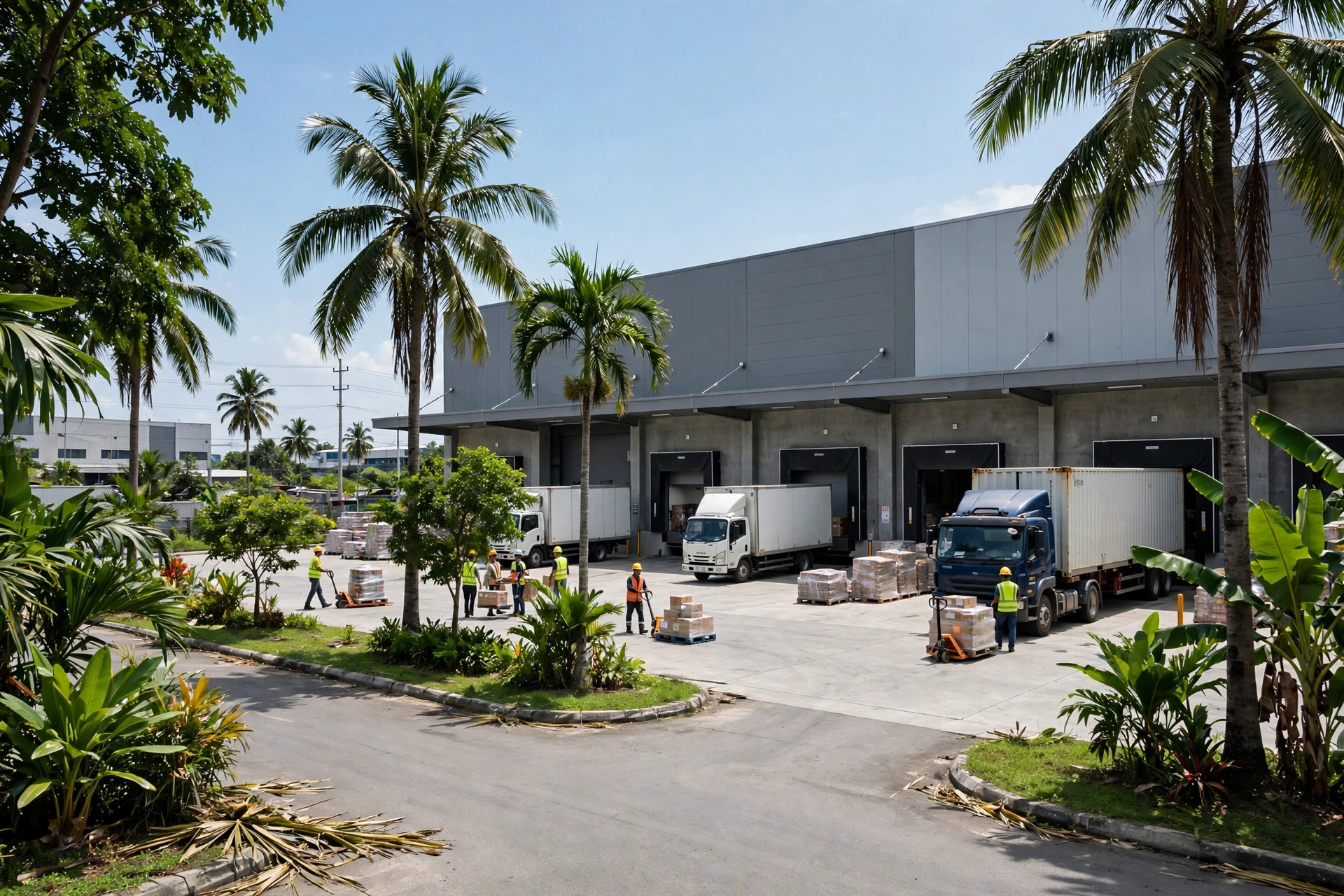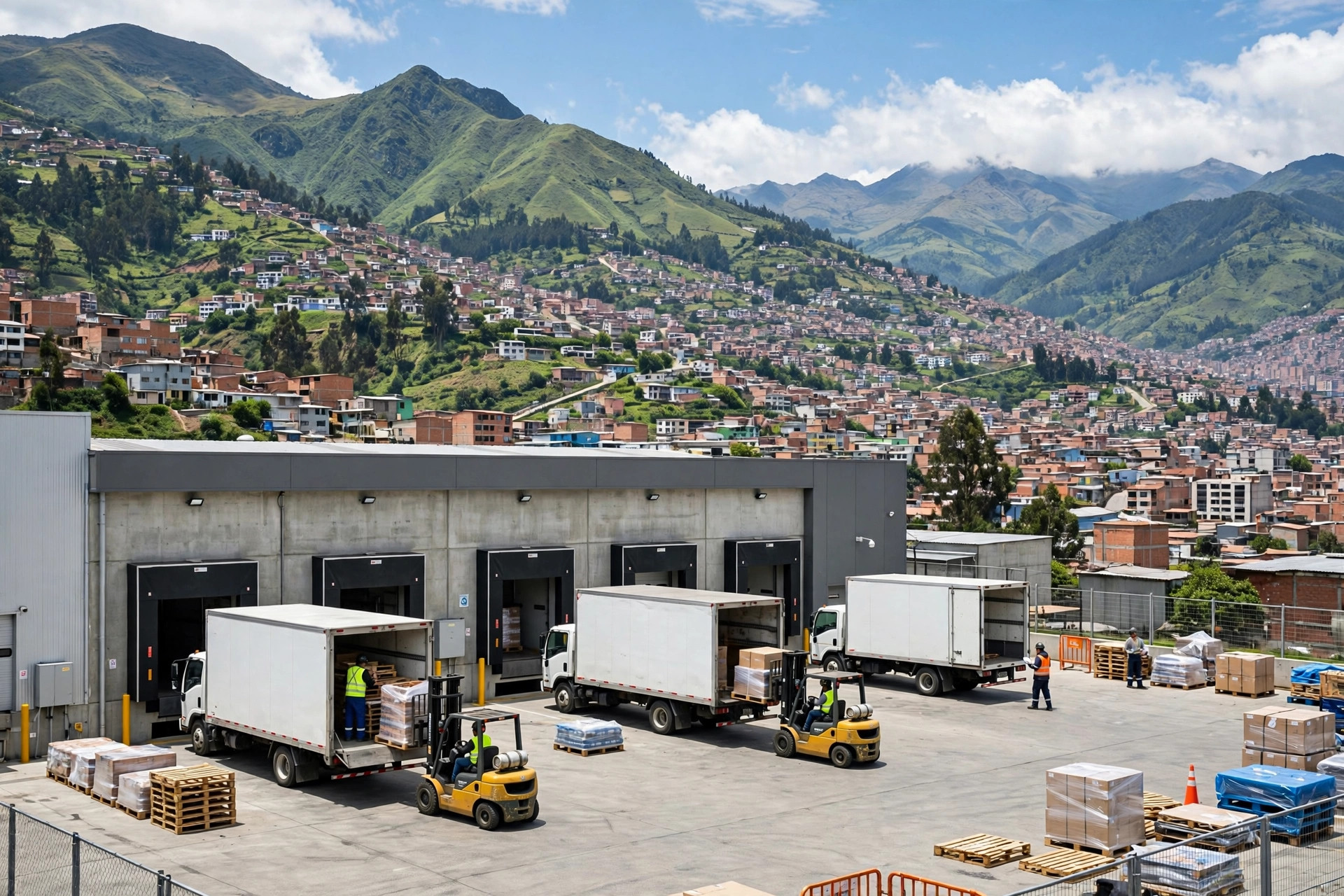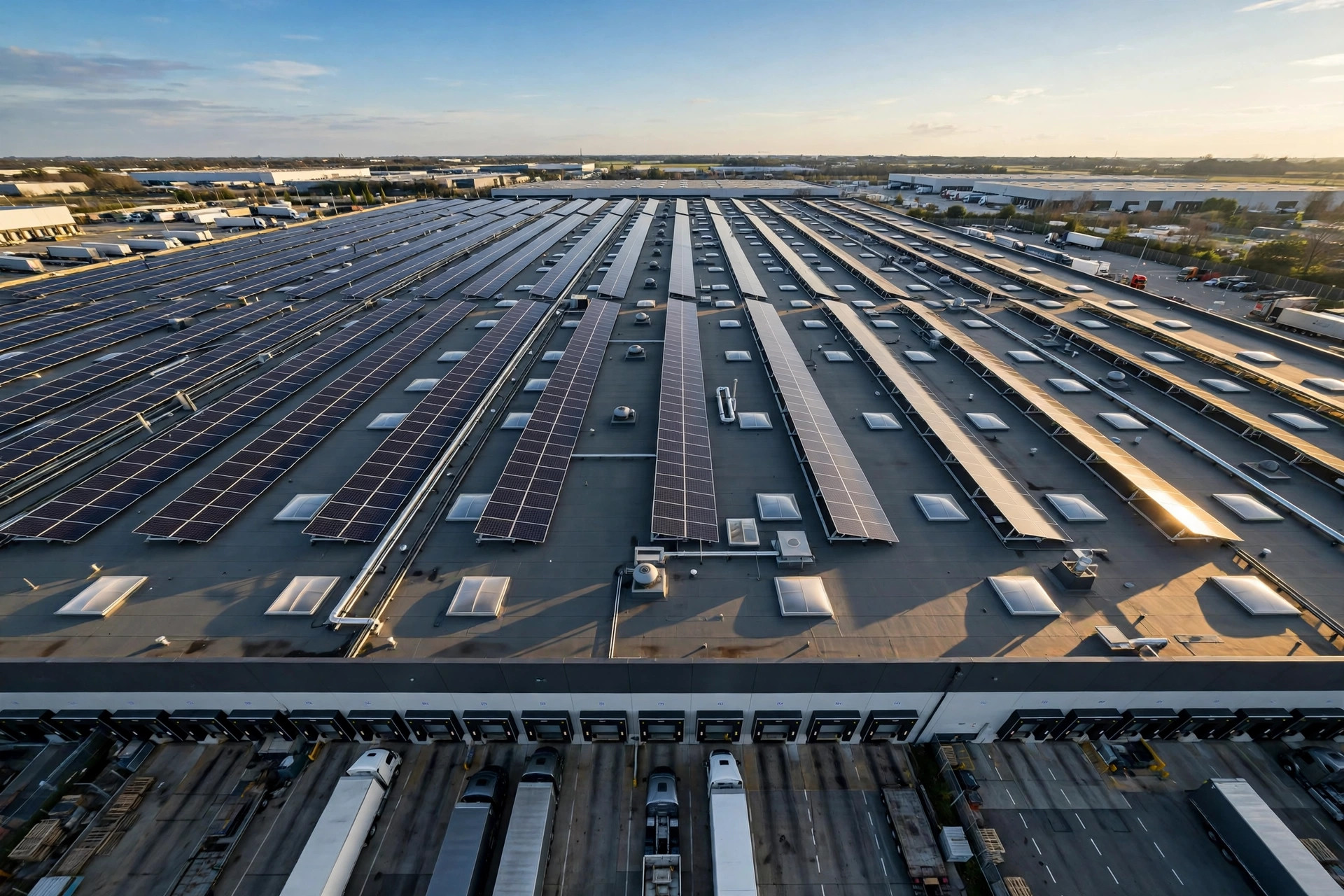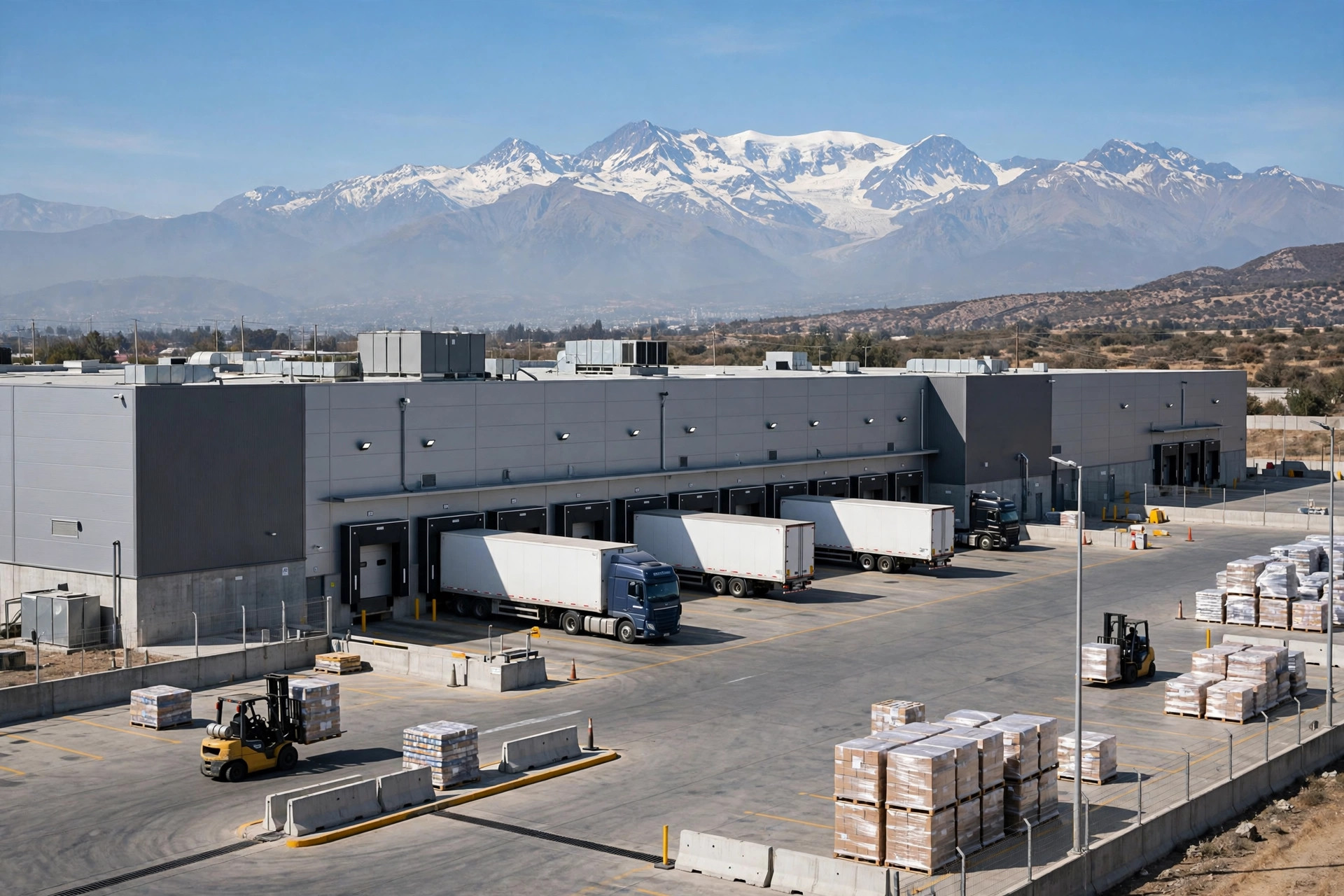
We had a client who came to us about the Santiago Chile warehouse market last autumn, map in hand, planning a warehouse of roughly ten thousand square metres to serve central Chile and handle some export volume as well. His first question was not about rent. It was: which side of Santiago should the warehouse sit on? That is exactly the right question. Pick the wrong side of the city, and three years of freight, overtime, and missed cut-off times will quietly eat whatever you saved on rent.
This client sold home appliances and small appliances. Goods came in through the port of San Antonio, travelled east along Route 68 into Santiago, then went out to retail stores and e-commerce orders across the country. His first pick was a park in the north that looked like the cheapest option on paper, new buildings and all. I asked him to run one exercise before signing anything: count the extra kilometres his trucks would drive every day from the north to stores in the south, factor in the evening rush on the ring highway, and work out how many delivery rounds a driver could actually complete. He ran the numbers and changed his mind himself. Most of what the northern park saved on rent would have been spent on cross-city mileage and driver hours.
The shape of the Santiago Chile warehouse market is fairly clear once you see it on a map. Warehouse stock clusters in a few directions. The north, around Quilicura and Lampa, sits on the northern highway and suits distribution to northern districts and northbound trunk routes. The west, around Pudahuel near the airport, suits air-freight-linked and high-value goods. The south, around San Bernardo, offers larger plots and suits big footprints, heavy goods, and clients who expect to expand. Then there is the Route 68 corridor toward Valparaiso, close to the ports, where imported goods can move into a warehouse quickly after discharge, though city deliveries then require a trip back toward town. No direction does everything well. Choosing a site is choosing a trade-off.
Santiago Chile Warehouse Market: Follow the Freight Before You Follow the Rent
I tell clients that rent comparisons in this market only make sense inside the wider logistics picture, freight included. The gap between a northern quote and a southern quote for the same floor area can be smaller than what one extra truck costs you in a year of longer runs. For an importer, a site near the port corridor makes customs clearance, container pick-up, and empty returns smoother, and reduces the risk of detention charges. For a domestic distributor, a site close to where orders actually concentrate means more delivery rounds per day and a lower cost per order.
A second client taught me the other side of the same lesson. He sold fast-moving consumer goods and, in late 2024, leased a warehouse of more than eight thousand square metres in the south, drawn by the large floor plate and room for promotional stock. When peak season arrived, the problem showed up fast: more than half his orders were in the northern and eastern districts, so his fleet started each morning in the south, crossed the city, and got back too late for the second cut-off of the day. He did not move. Instead he added a small satellite site in the north for dispatch: the big warehouse handled storage and replenishment, the small one handled high-frequency lines for same-day delivery. He paid a second rent and bought back three hours of cut-off time, and customer complaints dropped sharply. Splitting into two tiers is not right for everyone, but it proves a point worth remembering: when one warehouse cannot serve every direction, stop forcing it.
Santiago Chile Warehouse Market Submarkets: The Comparison to Settle Before Negotiating
| Direction | Best for | Relative rent | Access | The trap to watch |
|---|---|---|---|---|
| North: Quilicura, Lampa | Northern districts, northbound trunk routes | Relatively lower, though good plots are not cheap | Northern highway access; cross-city trips to the south take time | Judging on headline rent alone, ignoring cross-city delivery cost |
| West: Pudahuel airport area | Air-linked and high-value goods | Relatively higher | Fast airport connection, mid-range for city delivery | Limited size choices and little room to expand |
| South: San Bernardo | Large footprints, heavy goods, promotional stock | Relatively lower | Southern trunk routes; long haul to northern deliveries | Peak-season cross-city transit time gets underestimated |
| Route 68 port corridor | Importers, port turnaround | Mid-range | Close to port, smooth container pick-up and return | City deliveries require a return leg; never measure distance as the crow flies |
The rent levels in this table are relative only. For current figures, check current local market reports rather than quoting an old article in a negotiation. A landlord's headline number is also only part of the logistics bill. Ask what sits underneath it: service charges, security, fire-system maintenance, dock usage rules, and after-hours access fees. I have seen clients sign and only then discover that access after eight in the evening carried an extra charge, while their e-commerce cut-off sat at nine.
Site visits deserve the same discipline. Do not just admire an empty building. Check whether the dock height matches your fleet, whether large trucks can turn comfortably in the yard, whether the ground pools water in the rainy season, and whether sprinkler lines clash with your racking height. I once walked a brand-new park with a client where the docks sat lower than his usual trucks, so every load needed manual bridging, slow and risky for damage. Another park looked ideal until we realised the access road jammed solid in the evening peak and trucks queued for half an hour just to leave. Problems found before signing can be negotiated into fixes or compensation. Problems found after signing become yours alone.
Labour is the other factor clients overlook. Commuting conditions differ a lot by direction in Santiago, and a site far from bus routes and worker neighbourhoods makes hiring and retention harder, especially for seasonal peaks. One client picked a remote park for the rent and then could not staff his peak sortation shifts without pushing hourly pay up again and again. By the end of the season, he had saved very little. When you visit a site, ask where the workforce comes from and how they get there. That one question is worth real money.
Before signing, run one more exercise: what will your business look like in three years? Plenty of clients sign for today's volume, double in year two, and find no adjacent space to grow into, ending up running two sites and two teams. Others sign too big and pay for half-empty space through every quiet month. Phased take-up, a priority right to expand, and the option to shift area within the same park are the clauses that keep your future open. Landlords will usually discuss them, but only if you raise them before signing, while you still hold the leverage.
Here is the counter-intuitive judgement I keep coming back to: the warehouse closest to the port is not always the importer's best choice. If your goods need sorting, labelling, and national dispatch after discharge, the port corridor is genuinely convenient. But if more than seventy percent of your volume goes straight into stores in metropolitan Santiago, a site on the city edge, close to those stores, may save more on daily delivery than the port site saves on the trunk leg. Port proximity saves on the occasional long haul. City proximity saves on the trips you run every single day, and every single day is where the money goes. Before choosing, plot your last three months of delivery addresses. The densest cluster is where your warehouse belongs.
Next time you negotiate a contract, remember to ask these three questions: first, what does the total three-year cost work out to per month, and how is the escalation calculated? Second, can you expand temporarily in peak season, and does after-hours access cost extra? Third, are the renewal and early-exit terms written down clearly? Ask those three, and the landlord will know you have done your homework. The quoted rent usually gets a little more honest after that.
By Susan, 3PL Sales Director