The Ho Chi Minh City warehouse market gets asked one question more than any other, and it is not where space is cheapest. It is where a warehouse can keep running, season after season, without a hidden weakness shutting it down. I have walked enough site selections to hold one view: a building here is not judged by how handsome it looks, but by whether port access, industrial-park infrastructure, floor strength, drainage, and truck access all hold up at the same time. One of them fails, and even the best automation cannot rescue the operation.
In 2024 I worked with a home-appliance exporter in Binh Duong. The park quoted a clear height of 11 meters, and the racking plan ran to 9 meters, which looked like capacity. On inspection, the floor load was not uniform where rack legs concentrated weight, and a forklift crossing the heavy zone felt slight undulation. Think of it like this: clear height is the ceiling, floor load is the floor. A high ceiling means nothing if the floor cannot carry the racking, because the racks have to drop a level and the rented height goes unused. We moved heavy goods to the bays with the strongest slab and sent light goods upward, and the usable capacity came back. Every number on a specification sheet has to be verified bay by bay, not accepted as a building-wide average.
That same rainy season I saw the other side of the problem in Long An. The warehouse slab itself sat high enough, but the municipal road outside the park flooded in heavy rain, and trucks could neither enter nor leave while the building stayed dry. Think of it like a healthy heart with a blocked artery: the core works, the flow stops, and nothing ships. Since then my hard rule is: do not only check the slab height at the warehouse door, but drive the two or three kilometers of truck route that matter, looking at low sections, underpasses, and drainage outlets. A rainy-season calculation covering only the building interior is fiction, because a cut road makes on-time dispatch impossible.
Ho Chi Minh City and Its Neighbors: Parameters Before Location
Binh Duong, Long An, and close-in Ho Chi Minh City sites each have their own character. Binh Duong has the most mature park infrastructure, with worker recruitment and supplier networks that are easier to build around, which suits manufacturing and export warehouses dependent on surrounding services. Long An offers more room for large plots and long-term expansion, but maturity varies sharply from park to park, so one park's impression must never stand for a whole district. Close-in Ho Chi Minh City sites sit nearest the consumer market and give the fastest city delivery response, yet truck access windows and surrounding congestion are often the hard constraint, and running a large fleet from them is rarely as easy as the map suggests.
This is the comparison I use across the Ho Chi Minh City warehouse market, stripped of decoration and focused on what changes daily operations:
| Location | Port and trunk roads | Park infrastructure | Floor and clear height | Rainy-season drainage | Labor and truck access | Automation fit |
|---|---|---|---|---|---|---|
| Binh Duong | Mature trunk network, fewer transfer legs | Mature parks, suppliers concentrated | Newer parks generally strong; verify load bay by bay | Park drainage usually systematic, still check roads outside | Recruitment relatively easier, large trucks move well | Conveyors and sorting first; verify slab before high-bay systems |
| Long An | Port-hinterland side, trunk-road reliability is decisive | Maturity varies widely, verify park by park | Large plots common, more height options | Check low road sections and drainage outlets outside the park | Labor depends on the specific township, trucks depend on trunk-road flow | Newly planned automation works, but price drainage first |
| Close-in Ho Chi Minh City | Nearest the city market | Full services but scarce plots | Older conversions common, height and load often limited | City drainage under pressure, check nearby flood points | Fastest delivery response, but large-truck windows restricted | City distribution fits; heavy automation needs caution |
No location wins every row. Site selection is the work of ranking what your freight fears most. If missed dispatch dates are the fear, rank truck access and drainage first. If expansion is the fear, rank plot headroom first. If automation is the fear, rank slab, clear height, and fire-protection conditions first. Rank them in the wrong order, and everything after becomes a patch.
Ho Chi Minh City Site Selection: Two Traps Worth Naming
The first trap is treating automation as site decoration. Plenty of buyers open by asking for high-bay racking and shuttles, and when I ask about daily outbound volume, the flow cannot support that cycle rate, so the equipment spends most of the day waiting for goods. Think of it like building an eight-lane highway for a country lane: the road looks impressive, the traffic stays the same. I say it plainly: if outbound volume, order waves, and SKU concentration have not reached that level, do not force heavy automation. Build conveyors, sorting, and location management properly first, and put the saved money into slab strengthening and drainage, where the return is more concrete. Automation is an amplifier. It amplifies a process that already runs smoothly; it is not a rescue plan.
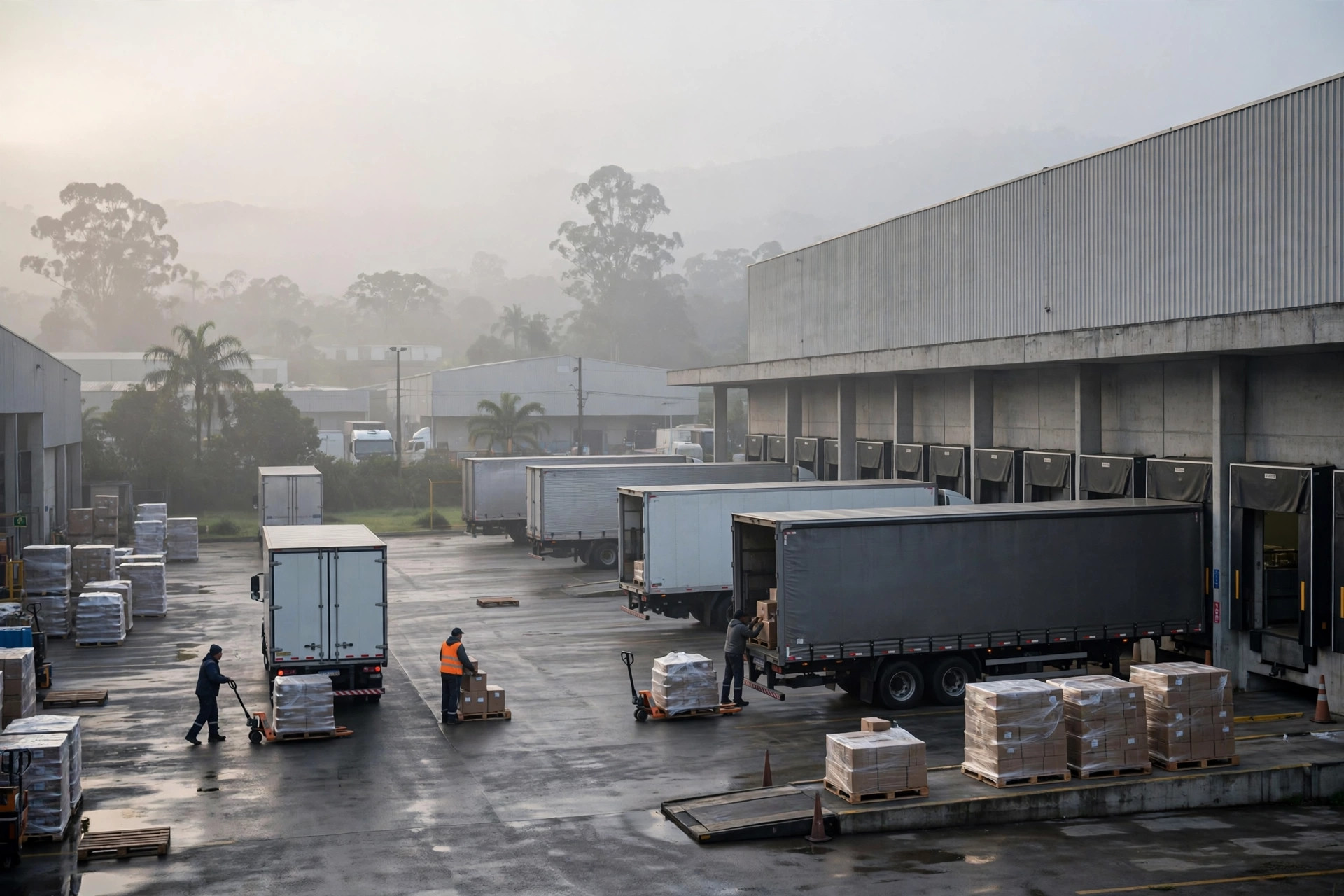
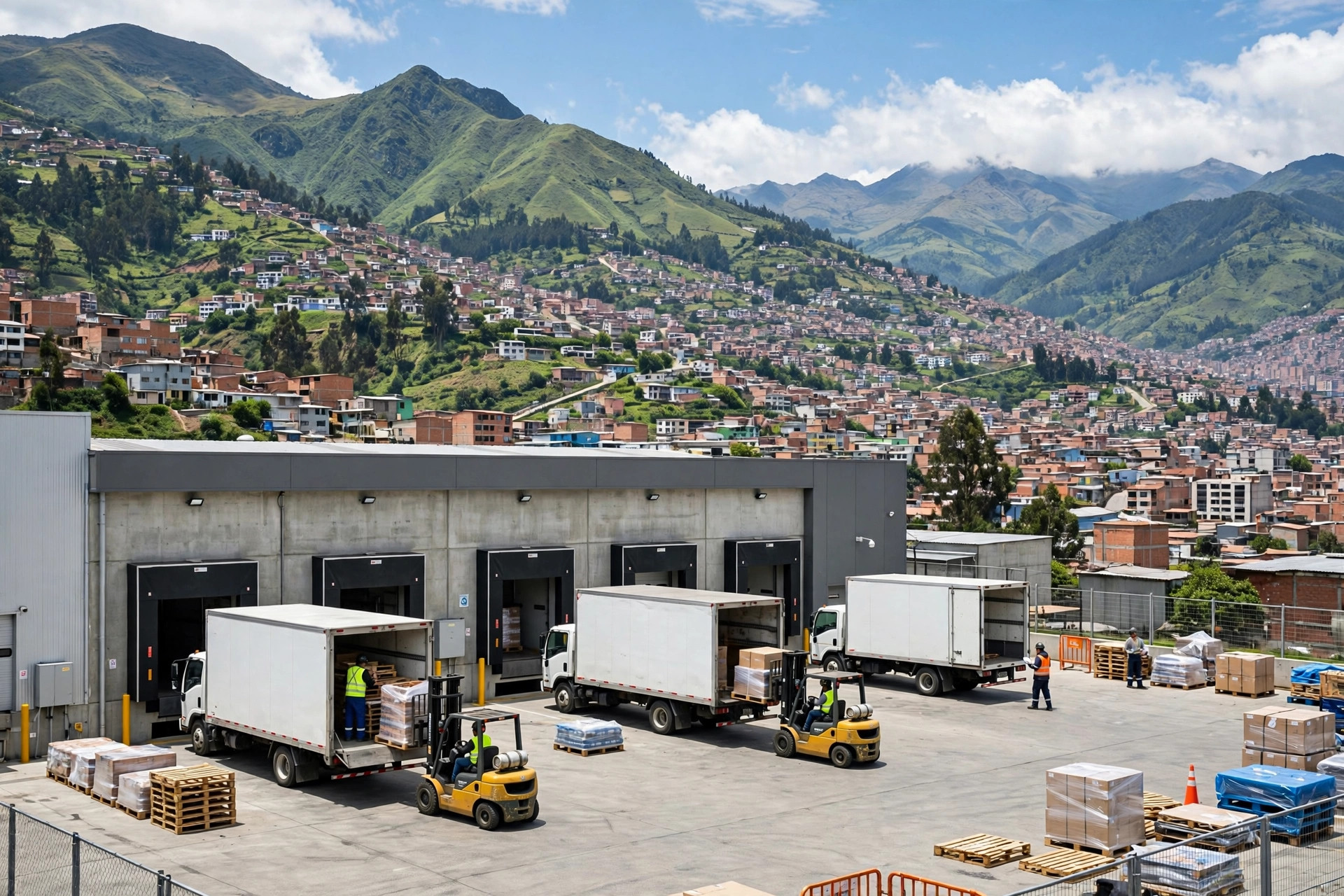
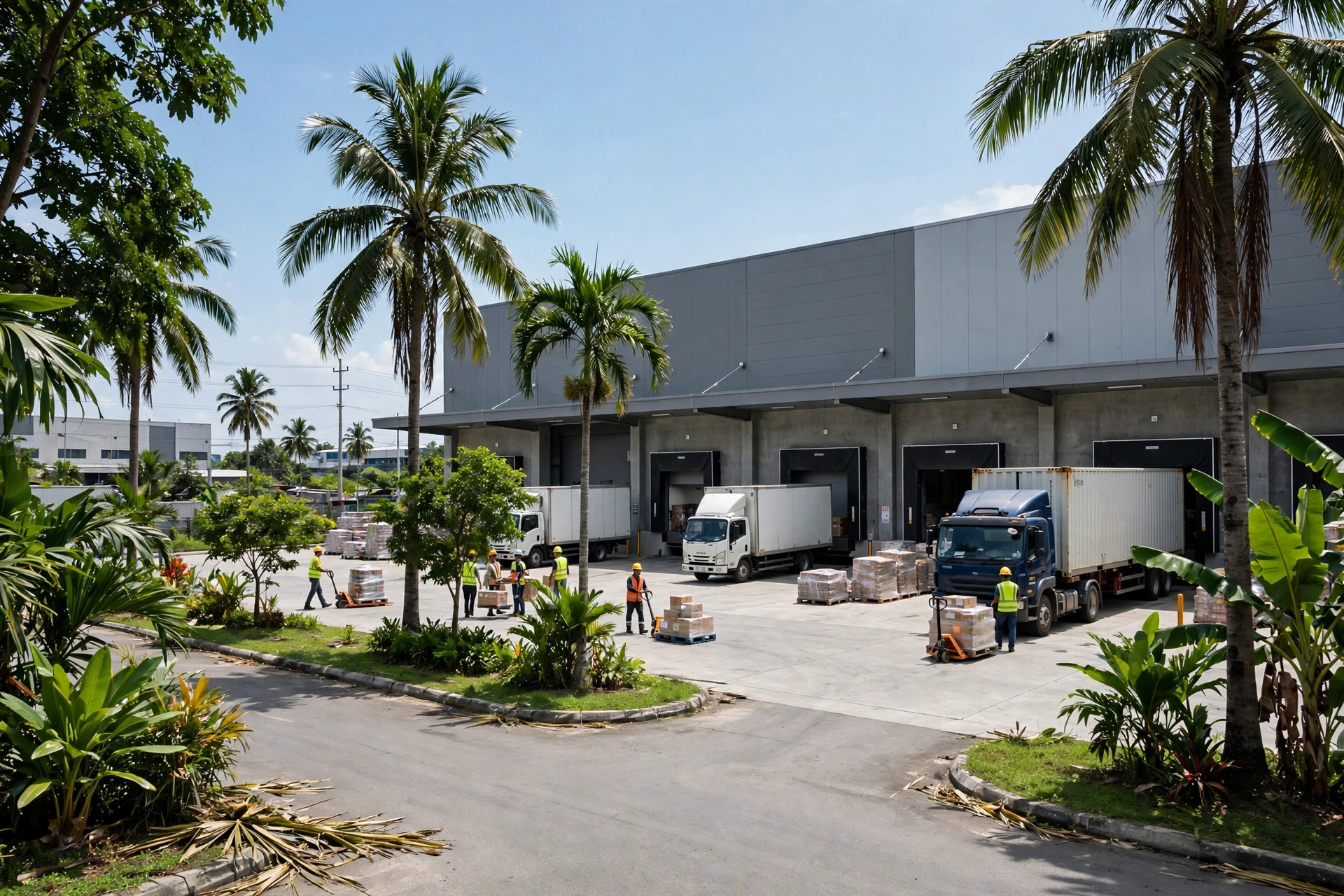
The second trap is costing only the inside of the warehouse and ignoring trucks and people. I have seen buildings with beautiful height and load figures stall at the dock doors: dozens of trucks queue in peak season, the dock count is short, and even fast forklifts can only work one vehicle at a time. I have also seen warehouses far from where workers live, where night shifts go unfilled and single-shift capacity drops. On every site visit I count three things: whether dock doors cover peak-season vehicle turns, whether the worker commute runs smoothly, and whether truck drivers have room to turn and wait. None of those usually gets its own row on a specification sheet, yet all three are paid for daily.
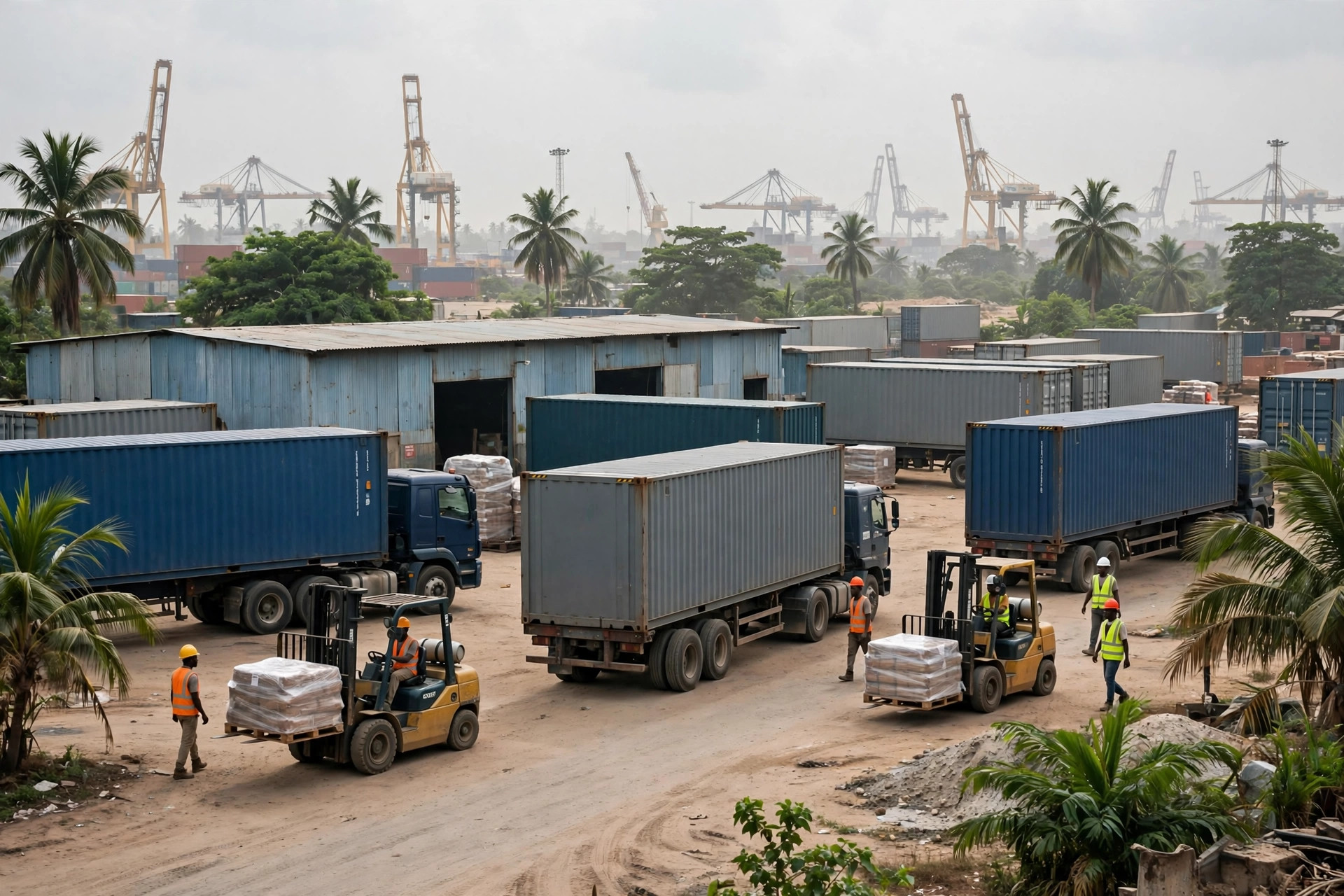
One more point needs stating without softening: near the port does not mean fast to the port. Roads around port areas jam badly at peak hours, and a short distance can eat most of a day. A slightly farther site with smooth trunk roads and enough dock doors often delivers a more controllable total transit time. The choice in the Ho Chi Minh City warehouse market is frequently between near on the map and fast in time, and the right answer is usually the second one. Rents move constantly, so treat any figure as a snapshot and confirm it against the latest local quotations before deciding. For permits and operating rules, check the official source for the latest policy rather than relying on a blog post, including this one.
There is also a field method I trust more than any brochure: do not only visit a park in daylight. Go once on a rainy night and once on a peak-season morning. The rainy night shows whether drainage and flood points genuinely clear. The peak morning shows when the truck queue starts and whether dock turnover runs smoothly. Neither appears on a daytime specification sheet, yet both describe the days the warehouse has to live through. A sales tour always shows the best face; rain and truck queues do not lie.
Ho Chi Minh City: The Decision in One Number
Pull these threads together and the Ho Chi Minh City warehouse market choice simplifies to a single test: can your freight leave on time, complete, and dry, on the hardest days of peak season? Slab, clear height, drainage, dock doors, truck routes, and worker attendance form a chain, and one weak link in peak season cancels the other five. Before signing, run a peak-season rehearsal: schedule dock doors against the highest historical daily vehicle count, drive the truck route under the worst recent rain, and calculate real capacity at actual night-shift staffing. Problems found in rehearsal can still be fixed before signing; problems found after launch are paid for in shutdowns.
Whether the money is worth it comes down to one number: actual pallets dispatched per day in peak season, divided by the number of dock doors you can work at the same time. If that number does not rise, the location is no better and the equipment no more valuable for being expensive.
By Da Liu, Automation Engineer