Let me tell you something straight: in Santiago, urban delivery is not about driving fast. I have driven trucks for fifteen years, and the days that go wrong rarely go wrong on the highway. They go wrong at a street corner where trucks are not allowed in, on a slope where a pallet jack will not roll straight, or at a warehouse gate where ten trucks are waiting for one clerk. Santiago Chile urban delivery warehouse logistics is a game of time slots and unloading conditions, not horsepower.
One autumn morning a few years ago, I took a load of household goods to an old shopping district downtown. The navigation said twenty minutes. I arrived at the street entrance at 7:30 in the morning and found the truck restriction sign already up, so I had to loop around. Two loops later I found a legal stopping spot, but the delivery door sat halfway up a slope. The truck tail could not line up with the dock, and the pallet jack kept slipping as we pushed uphill. A delivery scheduled before 10:00 in the morning finished at 1:00 in the afternoon. The detour added nearly forty kilometers, fuel and labor both ran over budget, and the customer marked the delivery down for lateness.
Another time I delivered replenishment stock to a supermarket chain. The warehouse released the paperwork at 8:00, my truck arrived at 9:00, and the store receiver said the shift changed at noon and two trucks were already ahead of me. I waited ninety minutes at the gate while the reefer kept running. The goods were fine. The math was not. Spread one idle hour across a few hundred cases, and the cost per case jumps enough to wipe out the margin on that run. After all these years on the road, I count waiting, detouring, and double handling as real money, not as minor delays.
Santiago Chile Urban Delivery and Restricted Zones: Check the Clock Before the Route
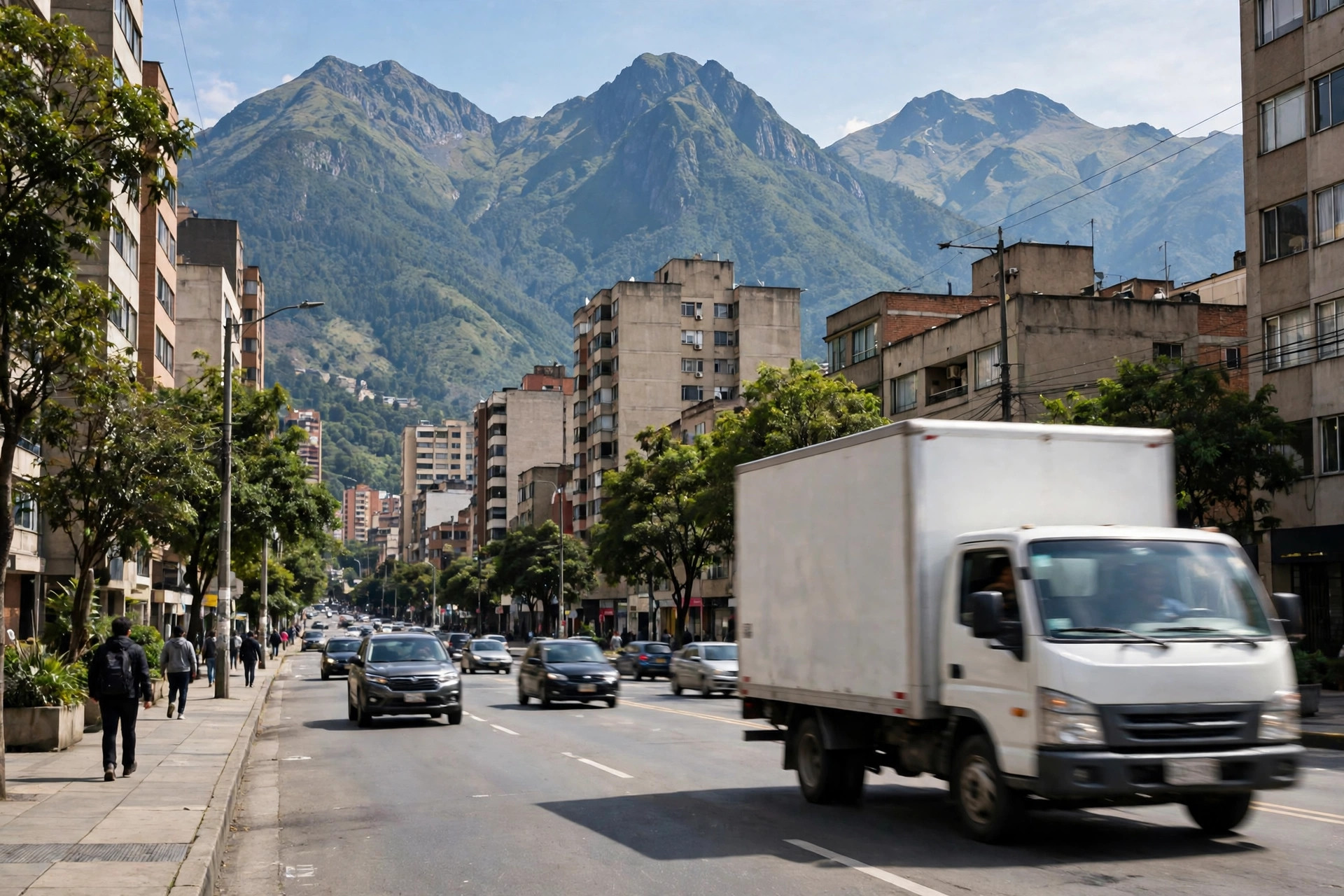
Downtown Santiago manages truck access by time and by zone, and the details vary by street and vehicle type. Always check the latest local rules before dispatch, because a street that was open last month may be restricted this month. A fine is annoying. A missed delivery window is expensive. Before accepting a downtown order, confirm three things: whether the delivery address sits inside a restricted zone, whether the truck can enter during the planned window, and whether there is a legal place to stop and unload. Confirm those three first, then plan the route. Never the other way around.
My advice to shippers is plain: put the earliest entry time and the latest exit time into the dispatch sheet, not just a single delivery time. That discipline is what Santiago Chile urban delivery warehouse logistics rewards, because the clock, not the road, decides the day. Warehouses should work backward from that window: loading, driving, queuing, and unloading each get their own buffer. A downtown run needs its buffer measured in hours, not minutes. A run with only twenty minutes of slack is a run with no slack at all.
Hills and Old-District Unloading in Santiago Chile Urban Delivery
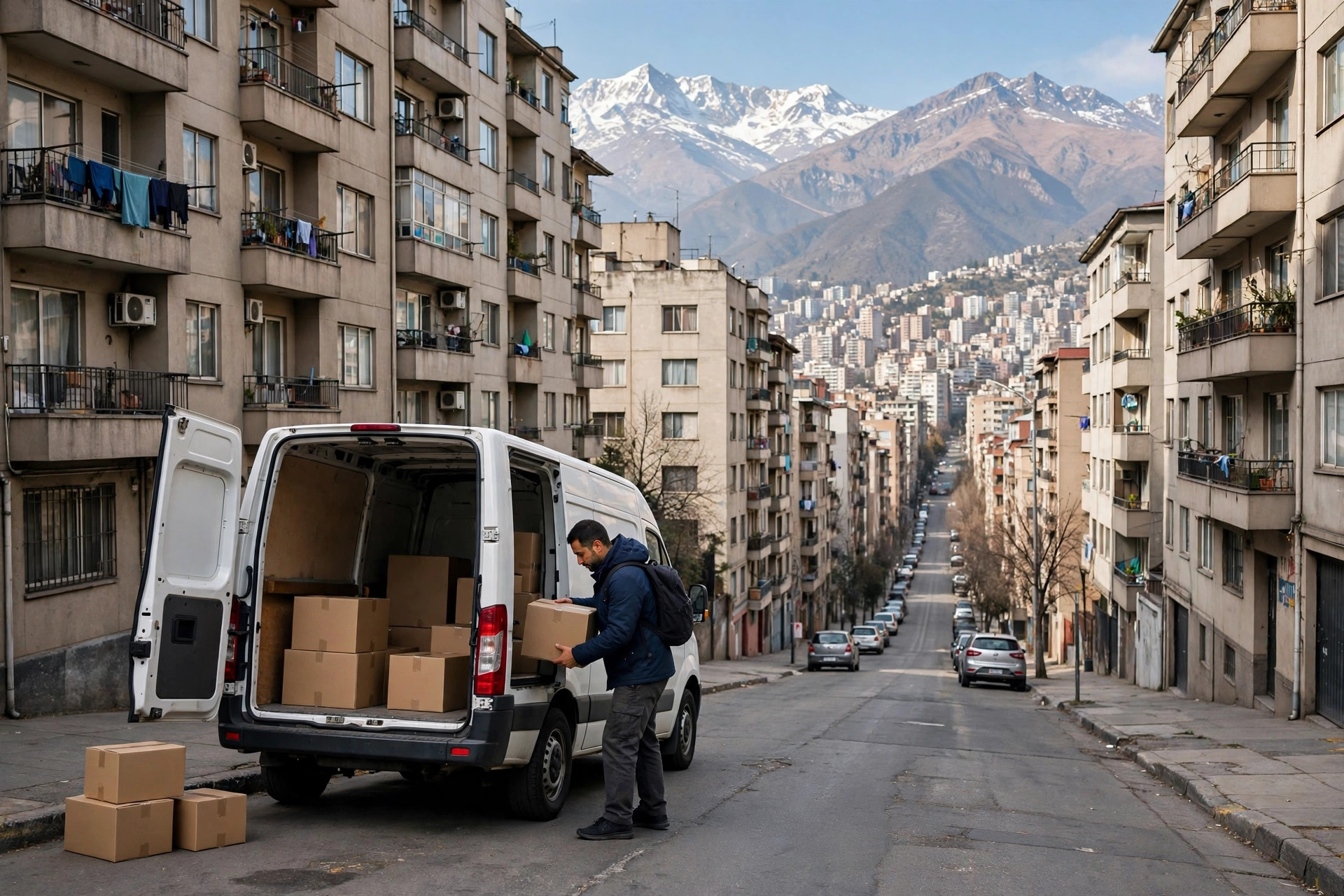
Many older streets in Santiago slope, run narrow, and end at a side door or a basement entrance rather than a flat dock. When the tail lift cannot sit level, a pallet has to be broken down and carried by hand. Hand-carrying a full load at least doubles the unloading time and raises the risk of damage. Before accepting an old-district order, ask whether the unloading point is flat or sloped, whether a forklift will be on site, and whether a pallet can roll straight inside. Those answers decide the vehicle: send a smaller truck with a tail lift to a slope job, not a big truck that cannot fit the street.
Warehouses have a part to play too. Load a city delivery truck in reverse unloading order, with the first stop on the outside and the last stop buried inside. Plenty of warehouses load by product category because it is easier at the dock, and then the driver spends half an hour digging through the truck at the first stop. Keep pallets light and easy to push for old-district work. A heavy pallet on a slope is trouble waiting to happen. Save the digging time on one stop, and across three or four stops a day you gain a whole extra run.
Warehouse Handoffs: Where Santiago Delivery Time Really Goes
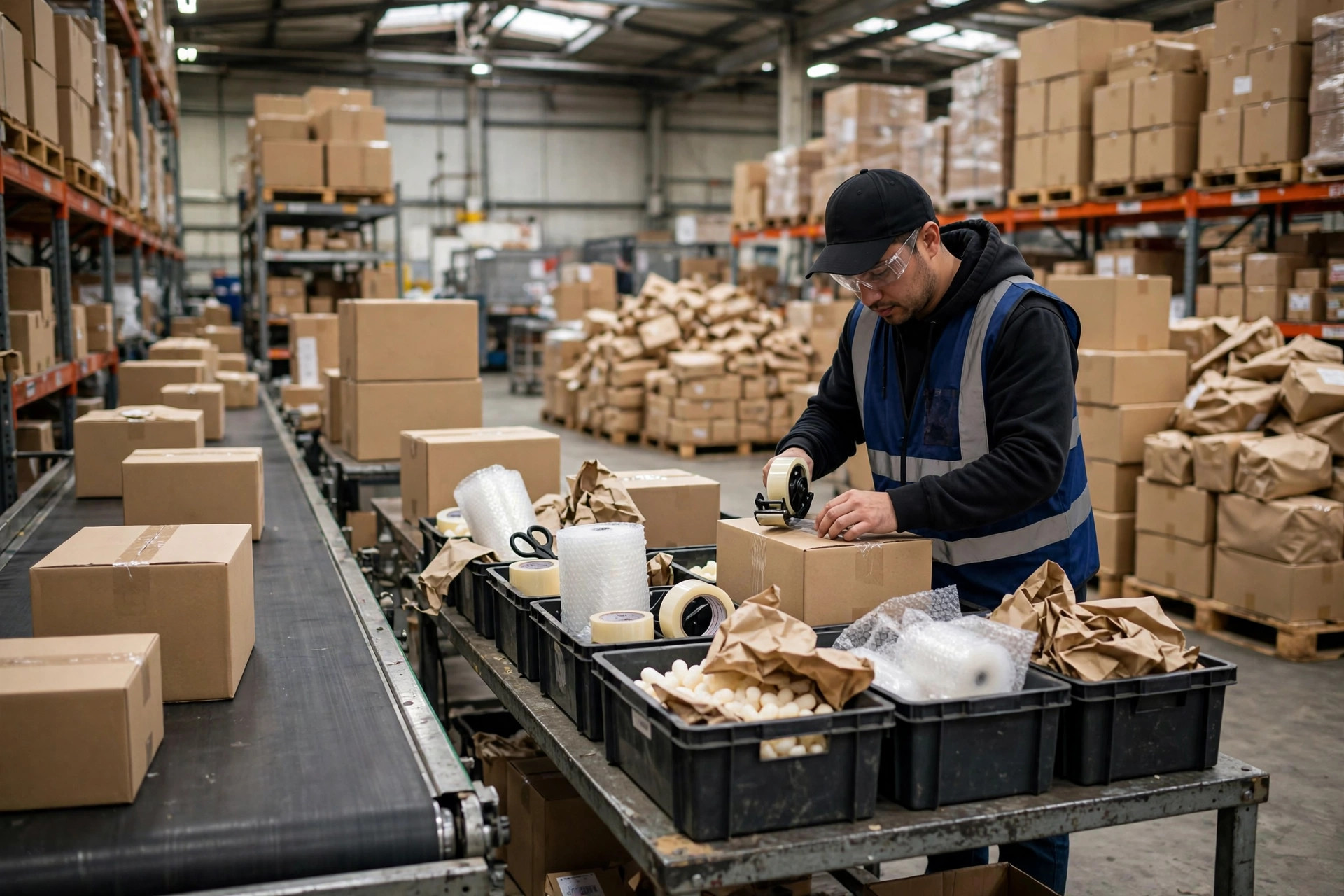
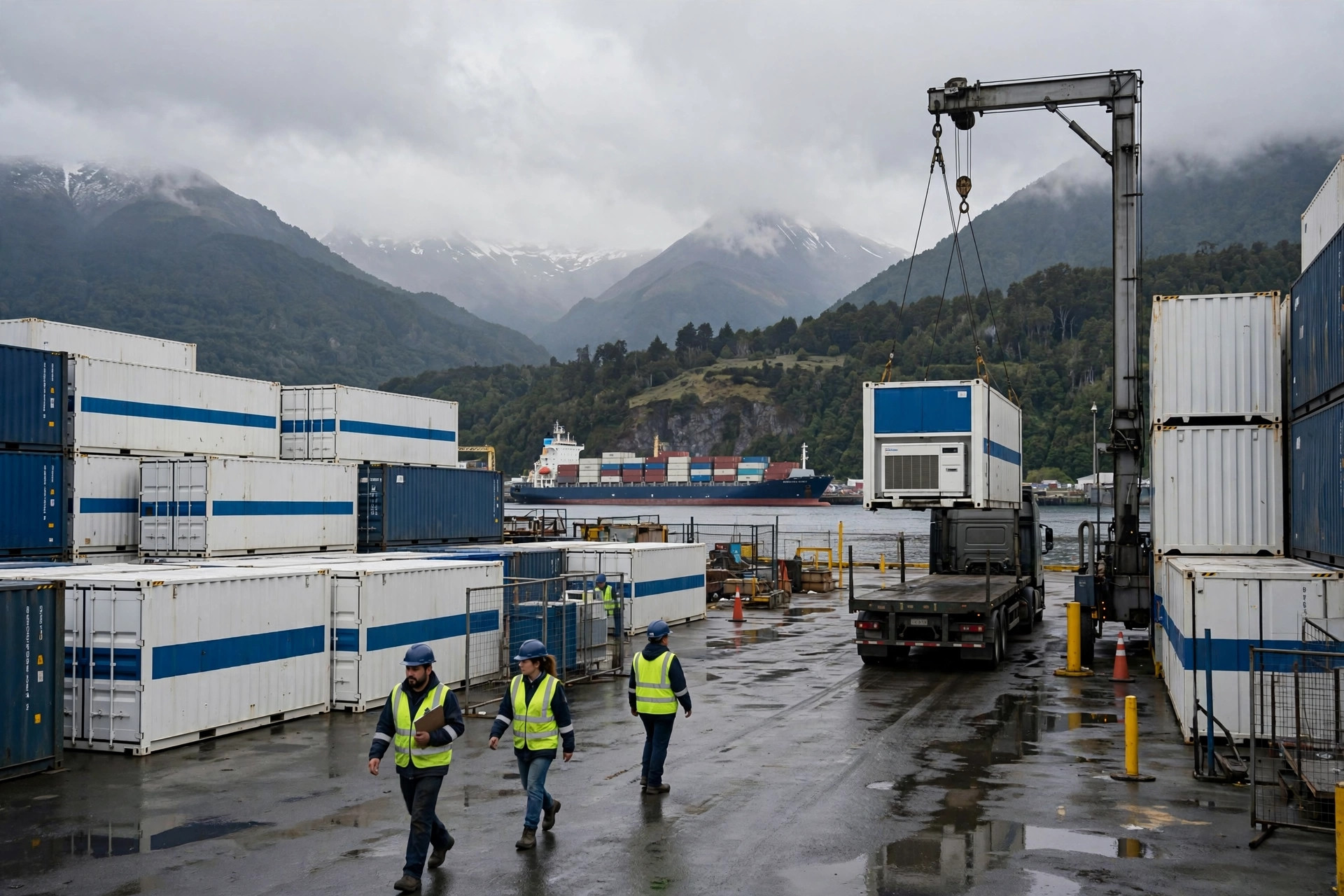
Half of city delivery time sits on the road. The other half sits at the warehouse gate. I have watched warehouses release a dozen trucks at once in the morning, with one clerk handing out paperwork and a queue stretching onto the street. The fix is not complicated: stagger departures every half hour, and separate paperwork, inspection, and loading into different queues instead of jamming them into one gate. Shippers should stagger orders too, instead of pushing the whole day's city volume into the 8:00 batch.
Here is the cost picture shippers and warehouses can run through together:
| Cost item | What usually happens on a city run | What saves the money |
|---|---|---|
| Detour mileage | Restricted zones add tens of kilometers | Check the restricted zone before routing |
| Gate waiting | Queues of an hour or more | Staggered dispatch and booked arrival windows |
| Double handling | Slope unloading done by hand takes twice as long | Confirm unloading conditions and load in unloading order |
| Late delivery | Score deductions and customer complaints | Leave real buffers and refuse runs the math cannot support |
Here is the counterintuitive part: most people think city delivery is a speed contest. It is not. It is a no-rework contest. Gaining ten minutes on the road means nothing if one rework wipes it out and costs you the customer's trust. After fifteen years behind the wheel, my judgment is simple: take one fewer run that the math supports rather than three runs that it does not. A run that looks like revenue at booking time turns into a loss once you add waiting, detours, and rework.
One more trap deserves a mention: arriving at a store and finding nobody to receive the goods. The phone goes unanswered, the manager is in a meeting, and the truck sits at the gate burning fuel and wages. Get the receiver's direct number and a backup contact at booking time, confirm once more before departure, and call before switching the engine off. In city delivery, unanswered waiting time is the most expensive time of all.
So the advice comes down to three points, and together they are the whole of Santiago Chile urban delivery warehouse logistics in practice. First, check restricted zones and unloading conditions before dispatch; if a run fails either check, change the time or change the vehicle, do not force it. Second, stagger warehouse departures and load in unloading order, because half an hour saved at the gate is worth an hour on the road. Third, promise delivery times with real slack built in; a downtown promise that is thirty minutes looser beats a tight promise that collapses. Check the latest local rules before every downtown run. A two-minute check beats an afternoon of explanations.
An old saying on the road goes: slow is fast. In city delivery, a run done once, done right, is the only kind of fast that pays.
By Shifu Zhao, Trucking Veteran (15 yrs)