Let me tell you something. After all these years behind the wheel, Salvador is one of the cities that stuck with me most. And to be clear, I mean Salvador, the capital of Bahia in Brazil, not the Central American country. The port, the old town, and the beaches are all squeezed together, and the roads do not always cooperate with the freight. Salvador Brazil warehouse distribution is not a game of who has the most trucks. It is a game of who knows this city's temper best.
Salvador Warehouse Distribution: Port Pickup Needs Waiting Time in the Plan
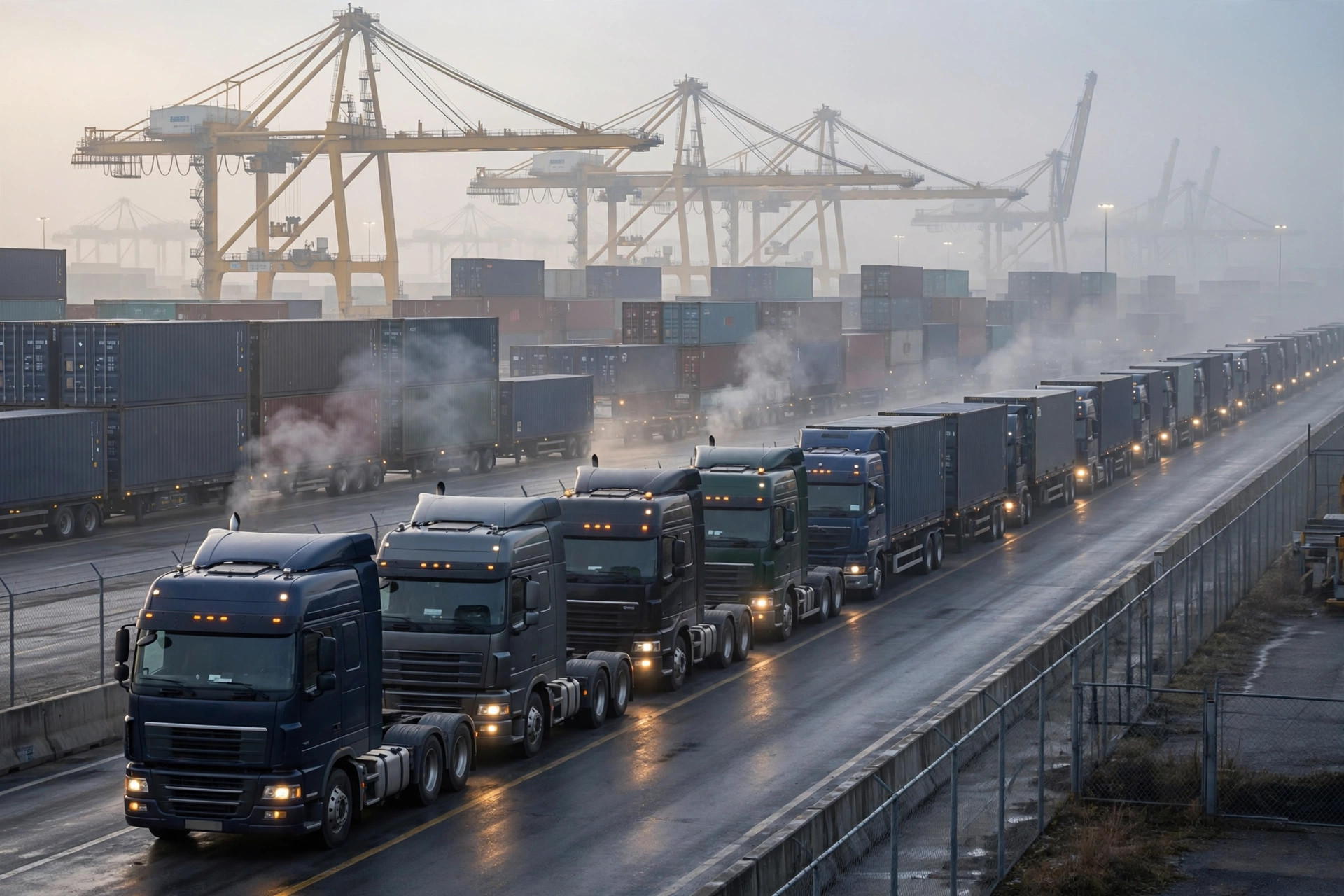
My first pickup in Salvador was a load of daily goods from the port to a distribution warehouse in town. On paper it looked simple: pick up at the port, unload in town, done in a day. The port alone ate most of the day. Queues, inspections, waiting for release, and one truck ahead of me stuck on paperwork meant the whole line behind it waited too. The first lesson I learned was this: when you plan Salvador Brazil warehouse distribution, never plan the port leg on the best-case time. Plan it on the slowest kind of day.
Later I got smarter. Before heading to the port, I go through the documents once, confirm everything the shipper needs to confirm in advance, and if the truck cannot pick up, I do not sit at the gate all day. I book the first window the next morning instead. One more warning for shippers: tax and customs rules here change often, and any figure about duties should follow the latest official policy. The rates you hear on the road are almost always out of date, and quoting from them only hurts you in the end.
Old Town Alleys: Big Trucks Simply Do Not Fit
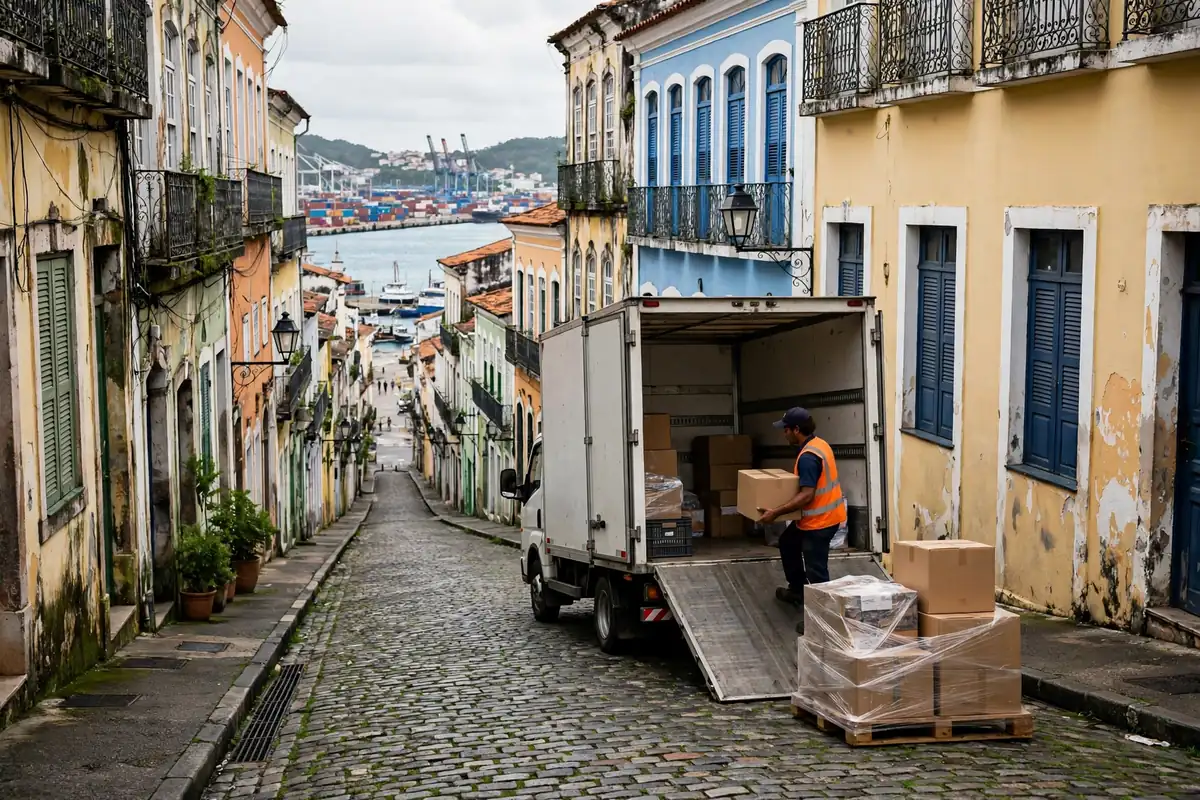
The most charming part of Salvador is also the hardest part to deliver to. The old town is a colonial-era quarter with cobblestone streets that are narrow and steep. Some slopes are a struggle for a big truck, and some streets are simply restricted. The first time I delivered to a small supermarket in the old town, I circled twice in a big truck and never found a place to stop. In the end I parked outside and transferred the load onto two small vans. The freight cost jumped, and we lost more than two hours.
Since then, the first question I ask about any old town order is: can a big truck actually reach the delivery point? If not, I book small vans for direct delivery, or send the load to a staging point at the edge of town and split it from there. Never discover at the mouth of an alley that you cannot get in, because turning around there is a job by itself. Cobblestones and steep slopes are also rough on cargo. Heavy goods and fragile goods bounce hard on those streets, so secure the load properly and pad what needs padding. Do not skip that work to save a little effort. A shipper may grudge the cost of one transfer, but I show him the other bill: a big truck stuck in an alley all afternoon costs the next two orders too.
Salvador Warehouse Distribution: Inland Routes Need a Backup in the Plan
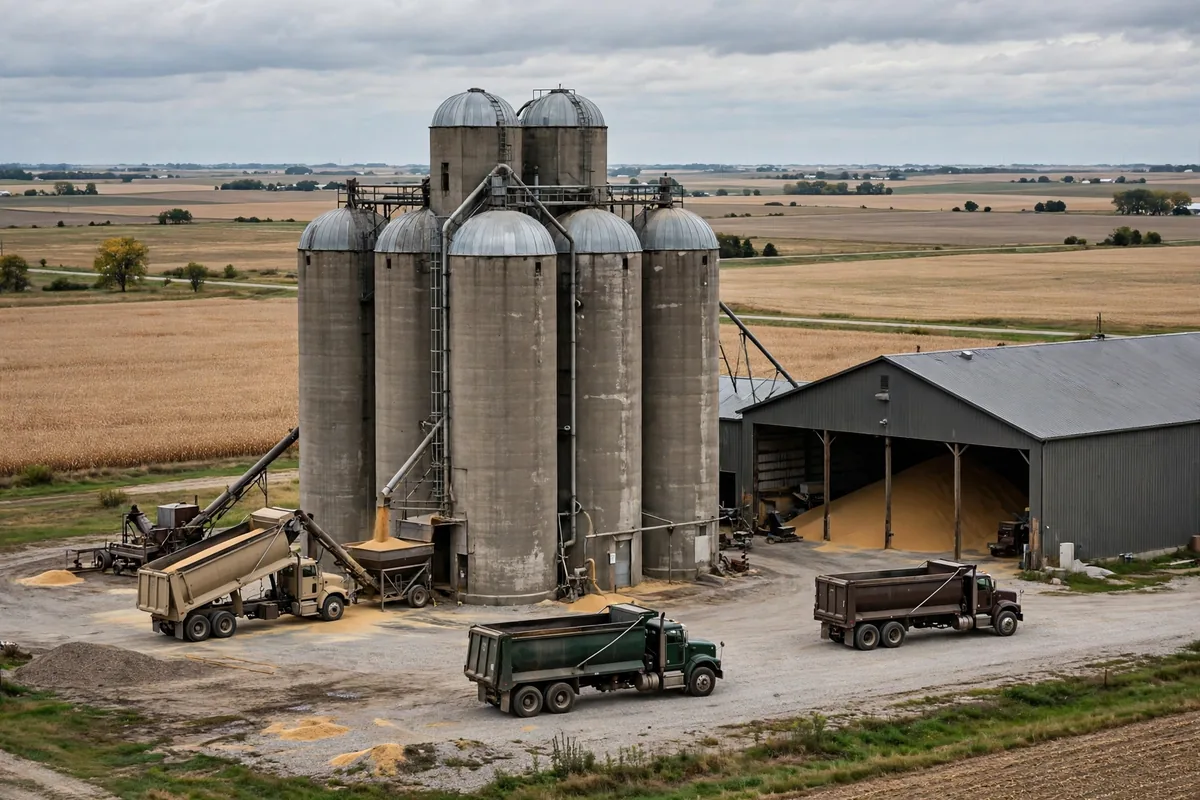
Freight in Salvador does not stop at the city. It also fans out to inland towns in Bahia, far away, on roads nothing like the city streets. In the rainy season some of those roads get rough. I once ran a load inland on a fine morning, hit a rainstorm halfway, and the delivery slipped to the next day. The shipper was anxious, I was anxious, but the road is the road. Anxiety does not move it.
So an inland plan needs three kinds of backup. First, time backup: promise the customer a window with room for weather and road conditions built in. Better to arrive early than to arrive late without warning. Second, vehicle backup: before a long inland run, check fuel, water, and tires completely. Breaking down inland is nothing like breaking down in town, where one phone call brings help. Third, communication backup: once the truck leaves town, agree on contact numbers and a backup contact with the receiver in advance. In towns where the signal is weak, an agreed time and place beats a last-minute phone call.
These three rules sound plain, but each one was paid for with a missed delivery. Salvador Brazil warehouse distribution comes down to two things in the end: knowing the city's roads, and leaving room for the unexpected. The best truck in the world cannot beat one traffic jam or one rainstorm that was never in the plan.
Three Pieces of Advice for Shippers
After all these years on the road, I leave three pieces of advice for shippers sending freight to Salvador. First, do not pick a warehouse on rent alone. A spot near the port and the main roads, easy to distribute from, is worth paying more for. The freight and time you save will pay it back. Second, for old town orders, spell out the delivery conditions in advance: can a big truck reach the door, is there room to unload? One question asked early saves a scramble on the day. Third, for duties and policy details, follow the latest official policy. Never write a number you heard on the road into a contract.
The longer I drive, the more I believe there is no shortcut in this business. You learn each city's temper, and you build every surprise into the plan. Salvador is exactly that kind of city: the port makes you wait, the old town makes you yield, and the inland roads make you keep a backup. Work with its temper and the freight arrives on time. Fight it, and you will be late. As the old saying goes, slow is fast, and nowhere is that truer than in distribution in this city.
By Shifu Zhao, Trucking Veteran (15 yrs)