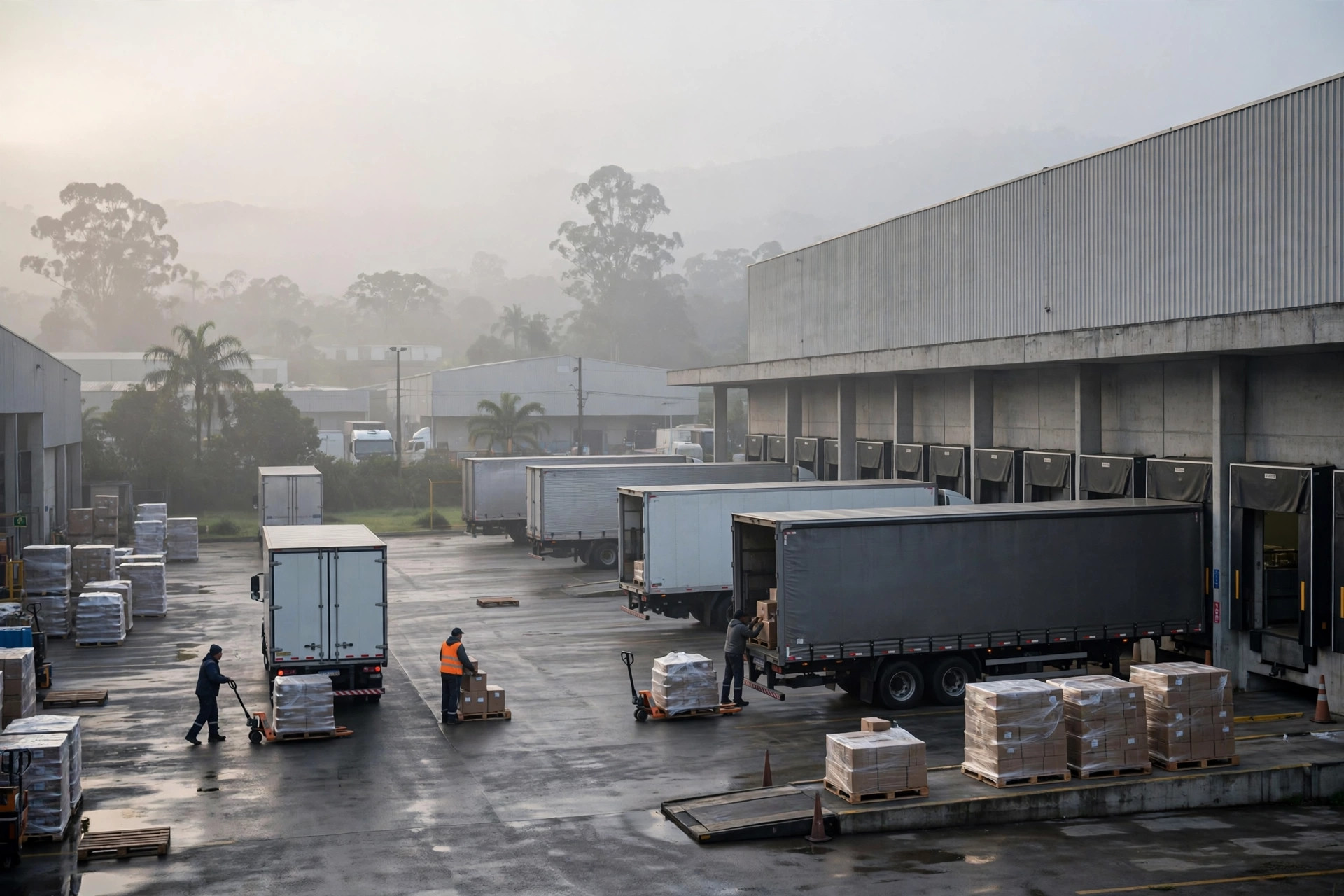
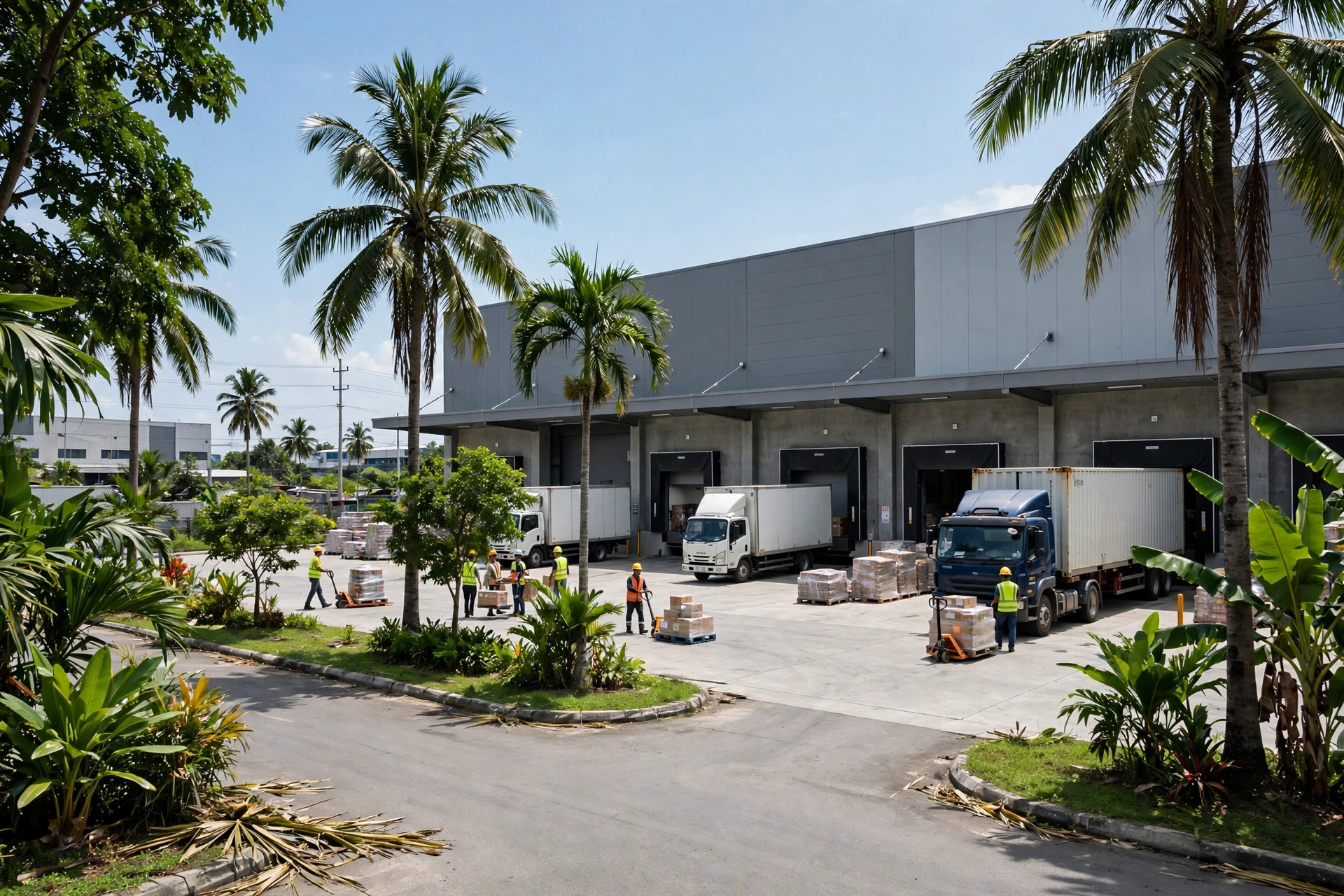
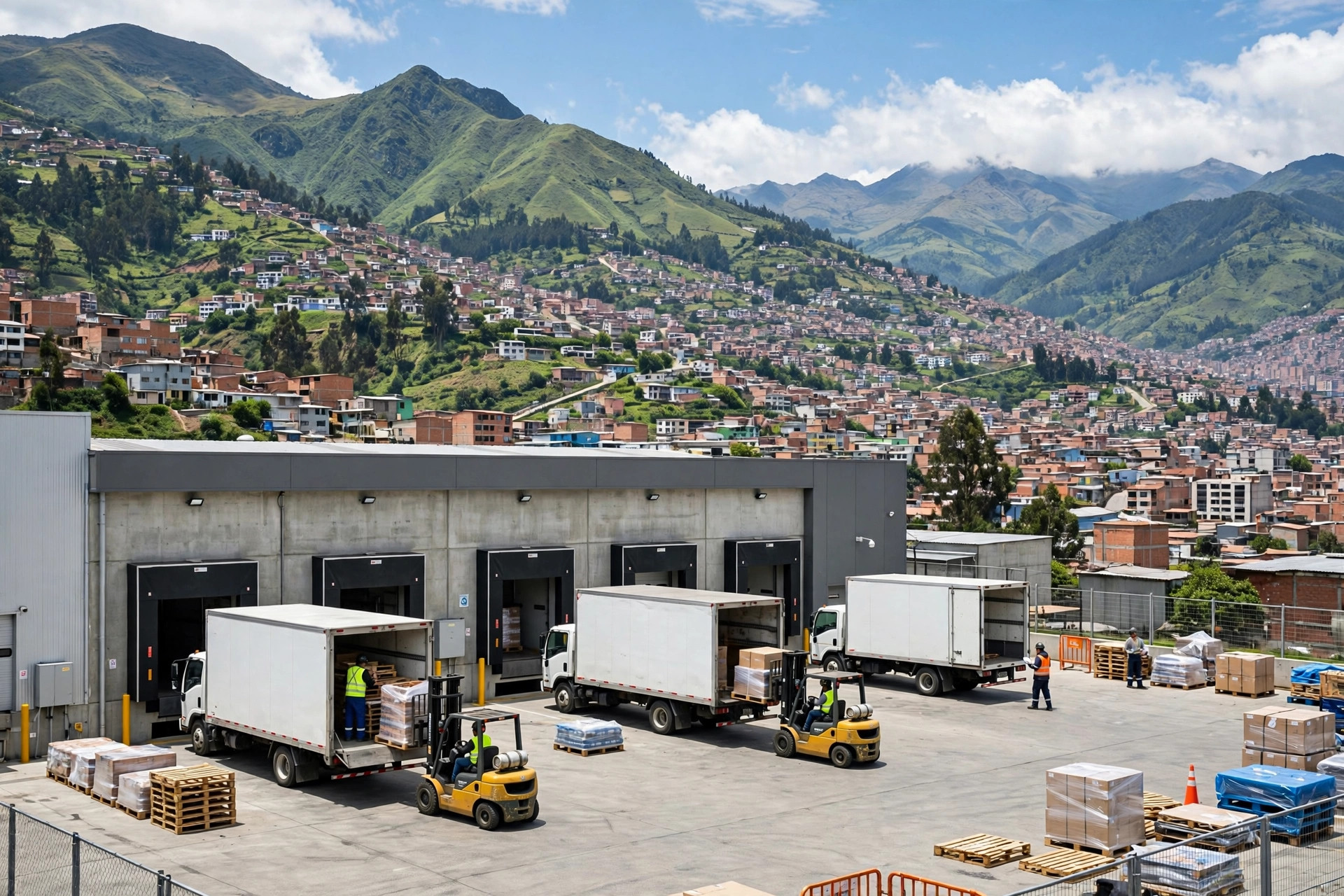
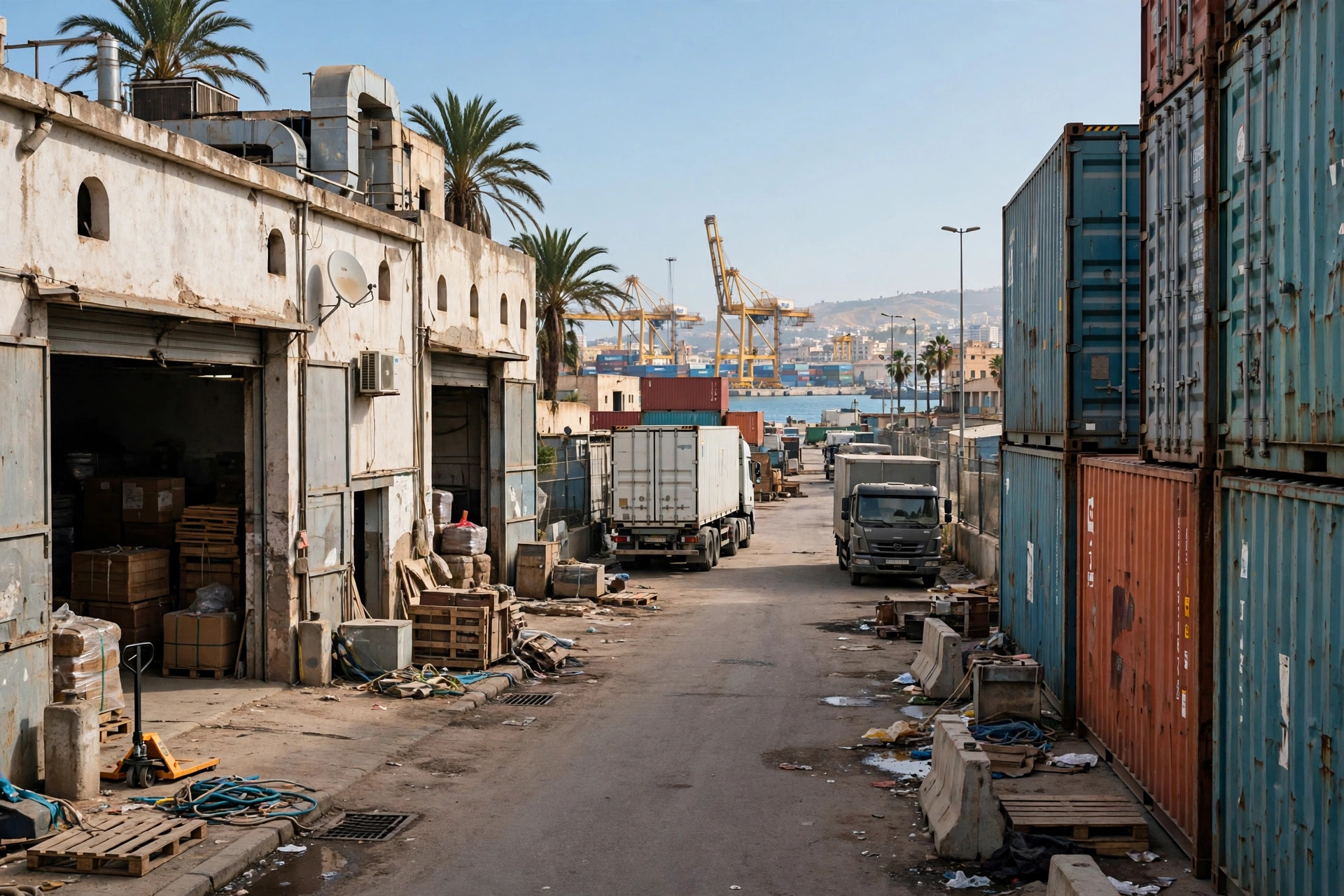
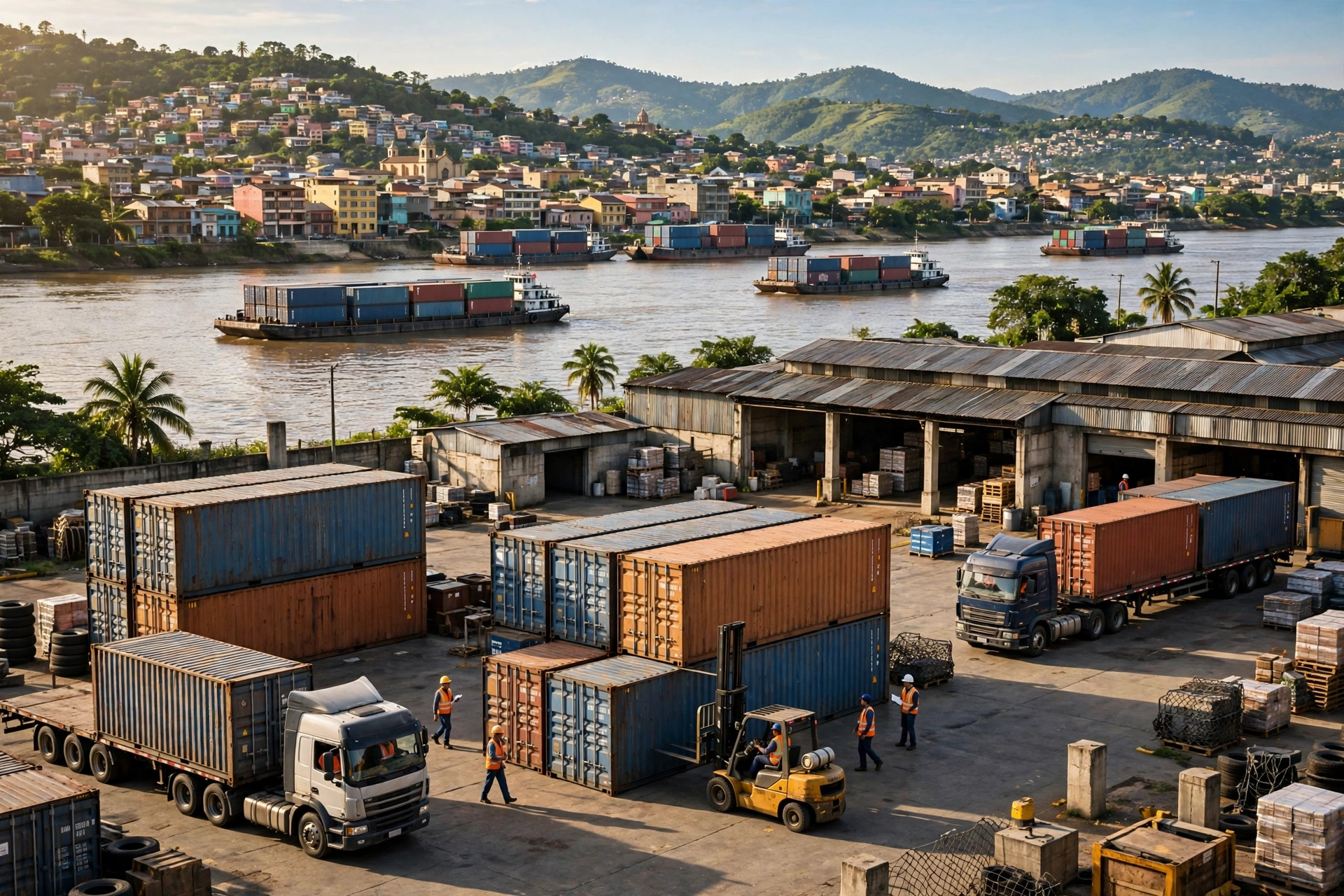
In recent years, one word has dominated every conversation about the Mexican warehouse market: nearshoring. As US buyers moved production capacity out of Asia and closer to home, factories moved first and warehouses followed, with industrial parks along the border filling up building by building. According to widely reported industry research, the drivers are not mysterious: the supply chain shocks of the pandemic years, the time advantage of overland transport into the US market, and rising demands for delivery flexibility all pushed Mexico to the front of North America's supply chain reorganization. But a hot narrative is not the same as a sound business case. The real question for any company looking at Mexico is never "does Mexico work" — it is "which part of Mexico, what kind of warehouse, and serving whose freight."
Nearshoring Arrived, and Warehouses Landed on the Border First
According to industry tracking of Mexico's industrial real estate, the first wave of nearshoring landed in a narrow band: Tijuana, Ciudad Juarez, Reynosa, and the Monterrey corridor. The logic is straightforward. Manufacturers choose sites by proximity to the US market, and warehouses, as the supporting link of manufacturing, naturally grow up against the border first. Electronics, auto parts, and medical device producers are the clearest cases, because their components and finished goods cross the border frequently and their delivery windows are tight. The closer the warehouse sits to a port of entry, the shorter the response chain.
Yet border concentration carries a structural feature that the narrative tends to hide: the customer base of a border warehouse is highly uniform. Its shippers are overwhelmingly export-oriented manufacturers, and freight flows in one direction — components in, finished goods out. The warehouse's value lies in keeping pace with cross-border transport, not in serving Mexico's domestic consumer market. When the export rhythm of a particular product slows, or when a port of entry becomes congested, utilization at border warehouses feels it immediately. This is not an argument against border warehouses. It is a reminder that their prosperity is tied tightly to the trade cycle, and their resilience to volatility is naturally weaker than that of inland distribution warehouses serving diversified demand.
Border and Inland Warehouses Must Be Costed Separately
Comparing a border warehouse with an inland warehouse on rent alone is the most common costing error. Their cost structures and risk structures are fundamentally different, and any serious site decision should lay them out separately:
| Dimension | Border warehouse | Inland distribution warehouse |
|---|---|---|
| Core value | Proximity to the border, shorter cross-border response time | Proximity to domestic consumption and manufacturing clusters |
| Shipper mix | Export manufacturers, one-directional freight | Retail, e-commerce, domestic distribution, mixed manufacturers |
| Transport profile | Short cross-border leg, but volatile border-crossing conditions | Longer inland trunk routes, network density matters most |
| Flexibility | Utilization swings with the trade cycle | Diversified demand cushions single-industry shocks |
| Best for | Delivery-sensitive, high-frequency export manufacturing | Companies serving Mexico's domestic market or multi-point distribution |
The absence of a rent row in this table is deliberate. Rents and vacancy rates vary sharply by city, park, and year, and public sources do not report them on a consistent basis, so any national average would mislead a specific site decision. What a company should actually price is two things: what the time saved is worth for its own freight, and how much volatility costs it. Those two figures, not a brochure rate, decide the site.
Three Scenes: One Market, Three Warehouses
Consider an electronics assembler in the Monterrey area. Its components come from Asia and the United States, its finished goods go mainly to the US market, and production runs on a weekly rhythm with delivery windows measured in days. For this company, the warehouse is effectively an extension of the production line: components arrive, are broken down and put away, then picked against production orders, while finished goods are consolidated and shipped out quickly. The closer the warehouse sits to the plant, the more room there is to recover when production slips.
Contrast that with an auto parts supplier near Tijuana. Its customers are US vehicle plants and the aftermarket, its orders are small, frequent, and brutally unforgiving of stockouts — a single missing part can idle an assembly line and trigger penalty claims. Its border warehouse functions as a forward safety stock point: it would rather hold more fast-moving parts, and accept lower space utilization, than miss a shipment. Here the warehouse cost must be measured against the cost of a stockout, not against the cost per square meter.
The third scene is inland: a distribution warehouse around Guadalajara or Mexico City serving domestic consumption. Its shippers may be consumer goods, retail, or e-commerce companies; freight arrives from import ports or domestic plants and is distributed to stores and consumers nationwide. There is no cross-border rhythm here. What matters is the inland trunk network, urban delivery capability, and the picking efficiency of multi-channel orders. The value of this warehouse lies not in being close to the United States, but in being close to Mexican consumers. Three warehouses, three freight logics — confusing them is how site decisions go wrong.
The Counterintuitive Point: Closer to the Border Is Not Always Cheaper
Here is the counterintuitive judgment. The hotter nearshoring gets, the more cool-headed border site selection needs to become. As demand concentrates on the border strip, land, labor, and compliance costs rise with it, and the risk of congestion and clearance delays grows with freight volume. When everyone crowds onto the same stretch of border, the time advantage of being "close" is gradually eaten away by queues, delays, and cost inflation. Some companies are already moving one step back: manufacturing stays near the border, while the regional distribution center sits in Monterrey or a further inland hub, trading a longer trunk haul for a more stable operating environment and a more diversified shipper base. This is not abandoning the border. It is separating "close" from "stable" and configuring each deliberately.
Stepping back, the divergence of Mexico's warehouse market is arguably the sign that North American supply chain reorganization is entering a second phase. The first phase was "move here" — go wherever is closest to the United States. The second phase is "stay and grow well": companies begin building for Mexico's domestic market, for multi-point distribution, and for volatility, and warehouse layouts shift from a single border point toward a border-plus-inland combination. How fast this plays out depends on several variables: the direction of US-Mexico trade policy, the pace of border infrastructure expansion, the maturity of inland logistics networks, and the growth of Mexico's domestic consumer market. Specific tariff rates and policy details should always be checked against the latest official sources, and any long-term business case built on old policy assumptions should be recalculated regularly.
So the more useful question for a company evaluating Mexico is not "should we go to Mexico," but three linked questions: is my freight driven by cross-border rhythm or by domestic distribution? How much volatility can my stockout cost and delivery window tolerate? And how much congestion and cost premium am I willing to pay for being "close"? The answers, taken together, are the site decision. The opportunity in Mexico's warehouse market is real, but it rewards companies that cost their decisions at the level of actual freight flows, not companies that simply follow the word "nearshoring." As for where the balance between border and inland will finally settle, it is too early to conclude — it depends on how trade policy and infrastructure deliver over the next few years, and that is precisely the open question worth tracking.
By Dr. Chen, Supply Chain Researcher