Here is the bottom line: when U.S. Customs looks at origin, it does not care where your goods shipped from. It cares where they became what they are. Goods shipped from Vietnam are not automatically Vietnamese in origin, and goods assembled in China are not automatically Chinese. What matters is "substantial transformation", and how much those two words are worth depends entirely on whether you can explain it and prove it.
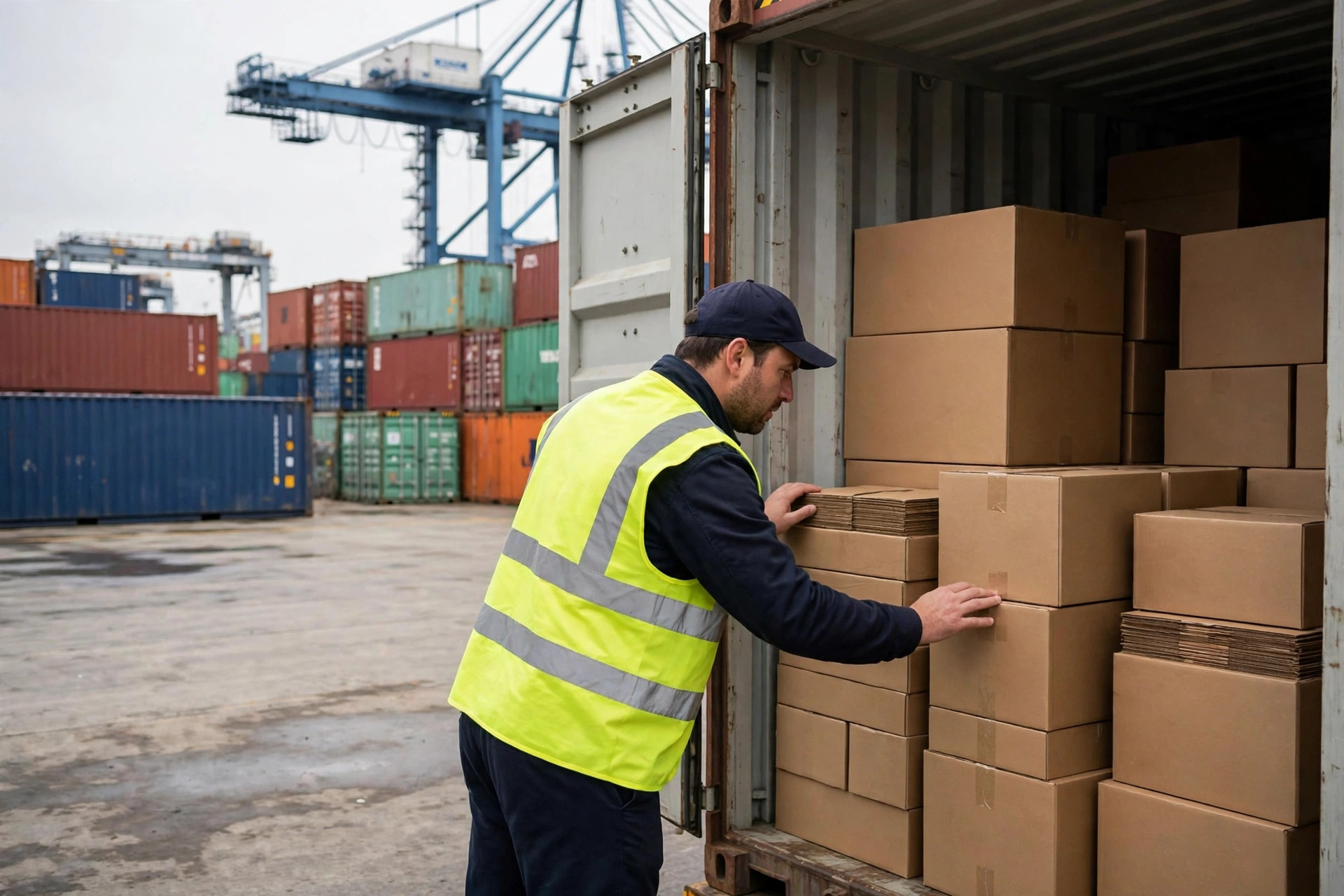
I have seen too many people learn this the expensive way. The cargo is already at the port, and Customs says one sentence: origin in question, hold, provide documentation. That hold runs one or two weeks at best, a month or two at worst, and demurrage, storage, and the penalties your customer charges you all land on your bill. To put it plainly, rules of origin are not a form your broker fills in. They are part of your whole supply chain design.
How Substantial Transformation Is Actually Decided
U.S. Customs applies a simple test at its core: after processing, has the article changed in name, character, or use? It sounds abstract, but in practice it comes down to three questions. What was it called before processing, and what is it called after? What could it do before, and what can it do after? And did the processing itself involve real work?
Take a real example. In 2023, a seller I know shipped components from China to Mexico, assembled them into finished goods there, and sent them on to the United States. He assumed that screwing parts together and sticking on a label in Mexico made the origin Mexican. At examination, Customs ruled the assembly too simple: the essential character of the finished product was still determined by the core components from China. The origin stayed Chinese, the duty was due in full, and a penalty followed. The story cuts both ways. On one side the seller genuinely tried to comply; on the other, he treated "assembly" and "substantial transformation" as the same thing, and Customs has never accepted that equation.
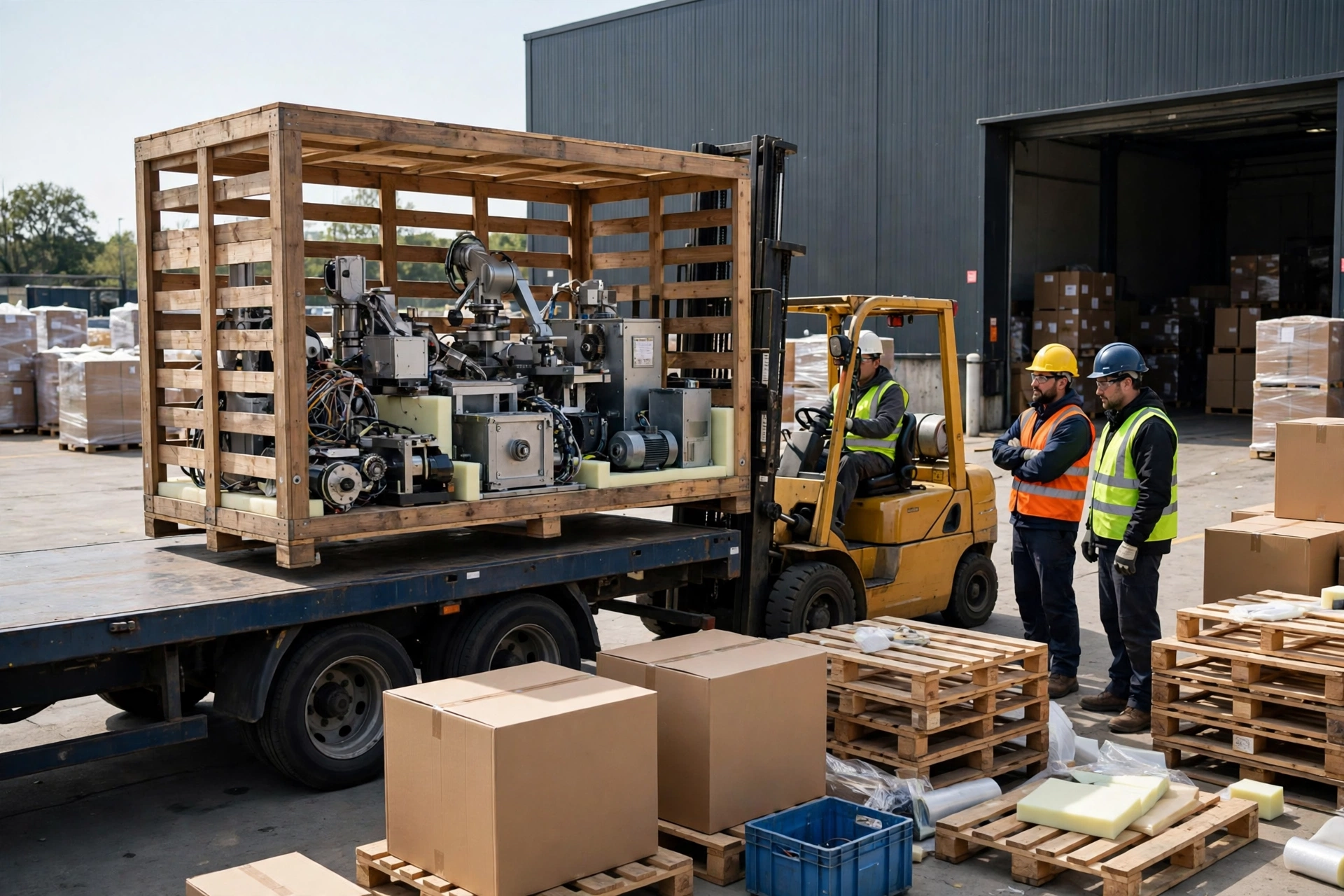
The opposite outcome happens too. The same year, another client bought fabric, zippers and lining from several countries and completed cutting, sewing, quality inspection and packing in a third country. The finished product was a complete outdoor jacket. Customs accepted it, because the processing changed the materials in name and use, turning a pile of raw inputs into a garment ready for the shelf. The dividing line sits right there: simple assembly, labeling, repacking and testing usually do not count as substantial transformation; processing that changes the essential character of the material, using dedicated skills and equipment, has a chance to count.
There is another common trap: assuming a change in HS code settles the matter. A tariff classification shift is one reference point in the analysis, but it is not decisive. Customs looks at substance, not a classification game. If the code changed but the essential character did not, the claim still fails.
Where Rules of Origin Examination Risk Sits for Third-Country Assembly
Third-country assembly has grown fast in the last two years, and so has scrutiny. The risk concentrates in three places.
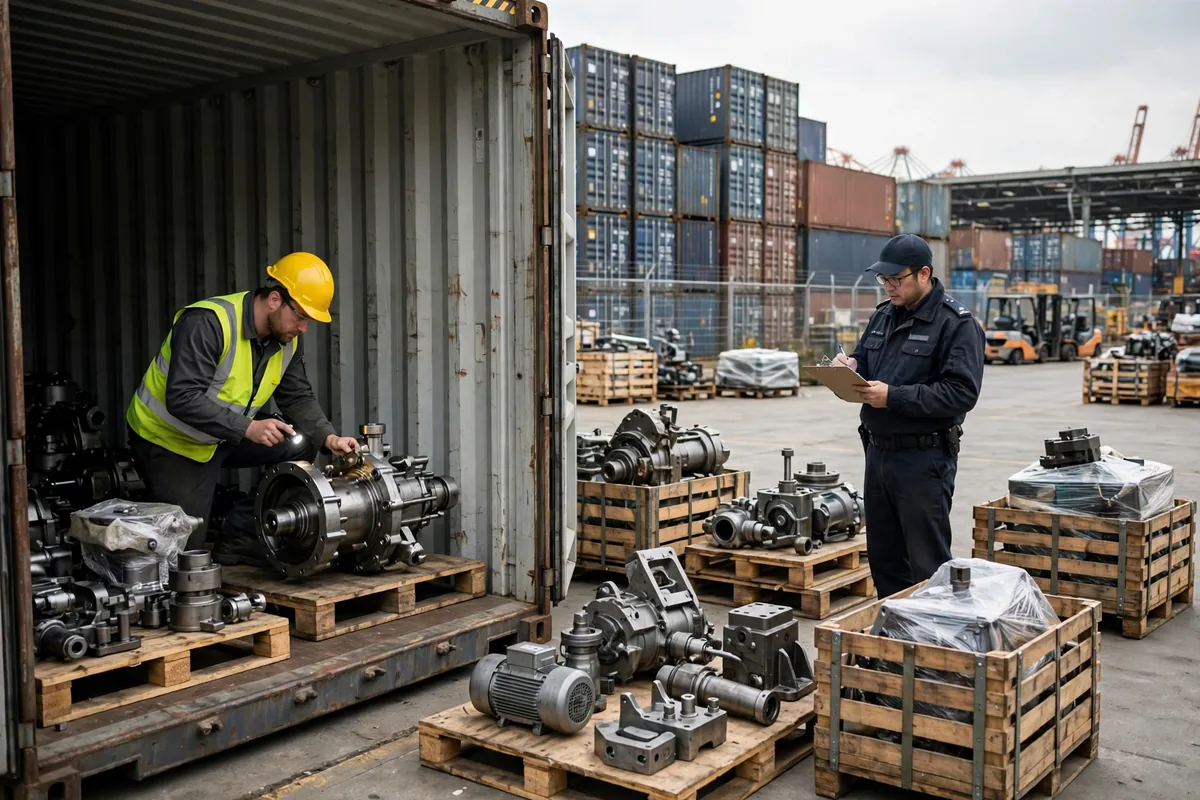
The first is a broken document chain. Customs wants the full chain: where the raw materials came from, where processing happened, who did each step, and what the processing cost. Many sellers can only document the final leg, with everything before it blank. In early 2024, a small-appliance client was examined at the Port of Los Angeles. He produced the Mexican factory's assembly records but could not produce purchase invoices and origin certificates for the core components. Customs treated it as unproven, held the cargo for three weeks, and storage plus demurrage added up to more than half the profit on that shipment.
The second is shallow processing. Examination officers visit factories and ask: how many workers on this line, where are the core steps performed, whose equipment is this? If the answer is a dozen workers, two simple lines, and core components imported as kits, the claim is in trouble. These visits are not ceremonial. On-site verification of third-country assembly has clearly increased since 2024.
The third is poor record-keeping. Many companies keep no photos, work orders or inspection records of the production process at all, so when examination comes, all they have is their word. Their word does not count. Paper and system records do.
| Processing scenario | Typical Customs view | Risk level |
|---|---|---|
| Labeling, repacking, simple testing only | Not substantial transformation | High |
| Simple assembly of imported kits | Usually not, depends on core-component share | High |
| Cutting, sewing, forming that changes the material's nature | May qualify, needs full documentation | Medium |
| Core manufacturing in a third country from multi-origin inputs | More likely to qualify | Low to medium |
That table is not legal advice. It is the practical pattern I have observed over the years. Individual cases are governed by current U.S. Customs policy and rulings.
Documentation and Records: What Rules of Origin Compliance Looks Like in Practice
Here is the counterintuitive part: the most valuable asset in origin compliance is not a legal opinion letter, but a record-keeping system that runs every day. Trying to assemble documents after the examination notice arrives almost never works.
A record set that can actually hold up looks like this: purchase contracts and invoices for raw materials, stating the country of origin; factory work orders and production records showing the time, people and equipment for each step; settlement records for processing fees; finished-goods inspection reports and outbound records; and transport documents proving the cargo flow matches the declaration. They feel like a burden on a normal day. On examination day, they are the lifeline.
One more piece of honest advice: before you declare origin, run a devil's-advocate test internally. Get someone who did not work on the shipment to play Customs with your documents and ask three questions. Where exactly did these goods become what they are now? Is there any gap in the evidence chain? If Customs rejects the claim, what is the fallback plan? If you cannot answer all three, do not rush the shipment.
There is one more tool many importers do not know about: advance rulings. U.S. Customs allows an importer to request a binding written ruling on origin before shipping, which is effectively getting the answer before the goods move. The application needs a full description of the processing, a bill of materials and samples, and review typically takes months, so it does not suit rush shipments. But for a product line that will ship steadily, it buys out the uncertainty in one stroke. A lighting importer I know requested an advance ruling for a new product line in 2024, and the answer went straight into their internal operating manual. Similar shipments since then have sailed through without a single dispute. Application procedures and eligibility are governed by current U.S. Customs policy.
One last thing. Rules of origin will only get stricter in the coming years, not looser. When you move a supply chain into a third country, work out the qualification standard and the record-keeping first, and only then talk about how much duty you saved. What you save in duty will not cover the cost of one held shipment. You know what I mean.
By Lao Mi, Supply Chain Veteran (20 yrs)