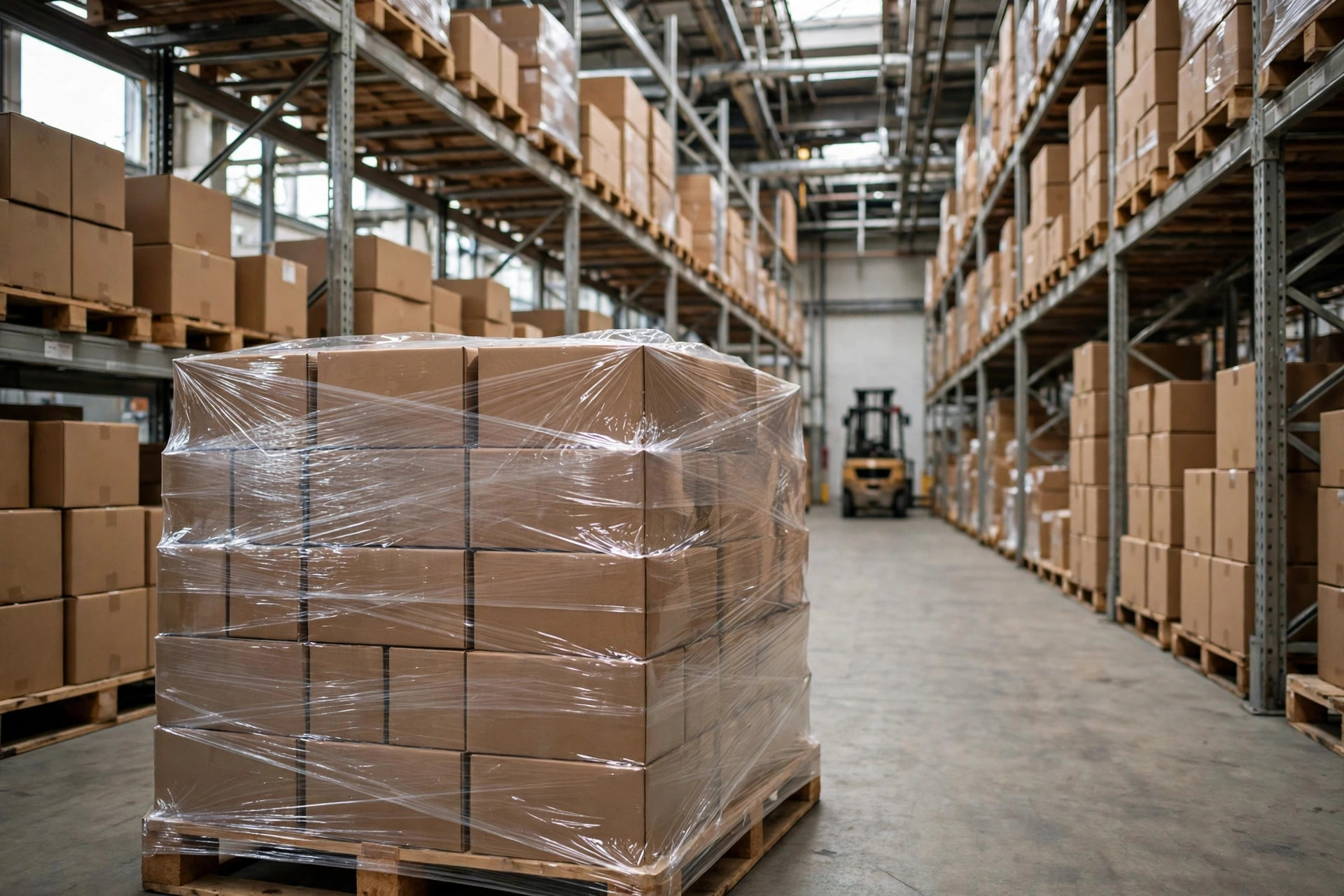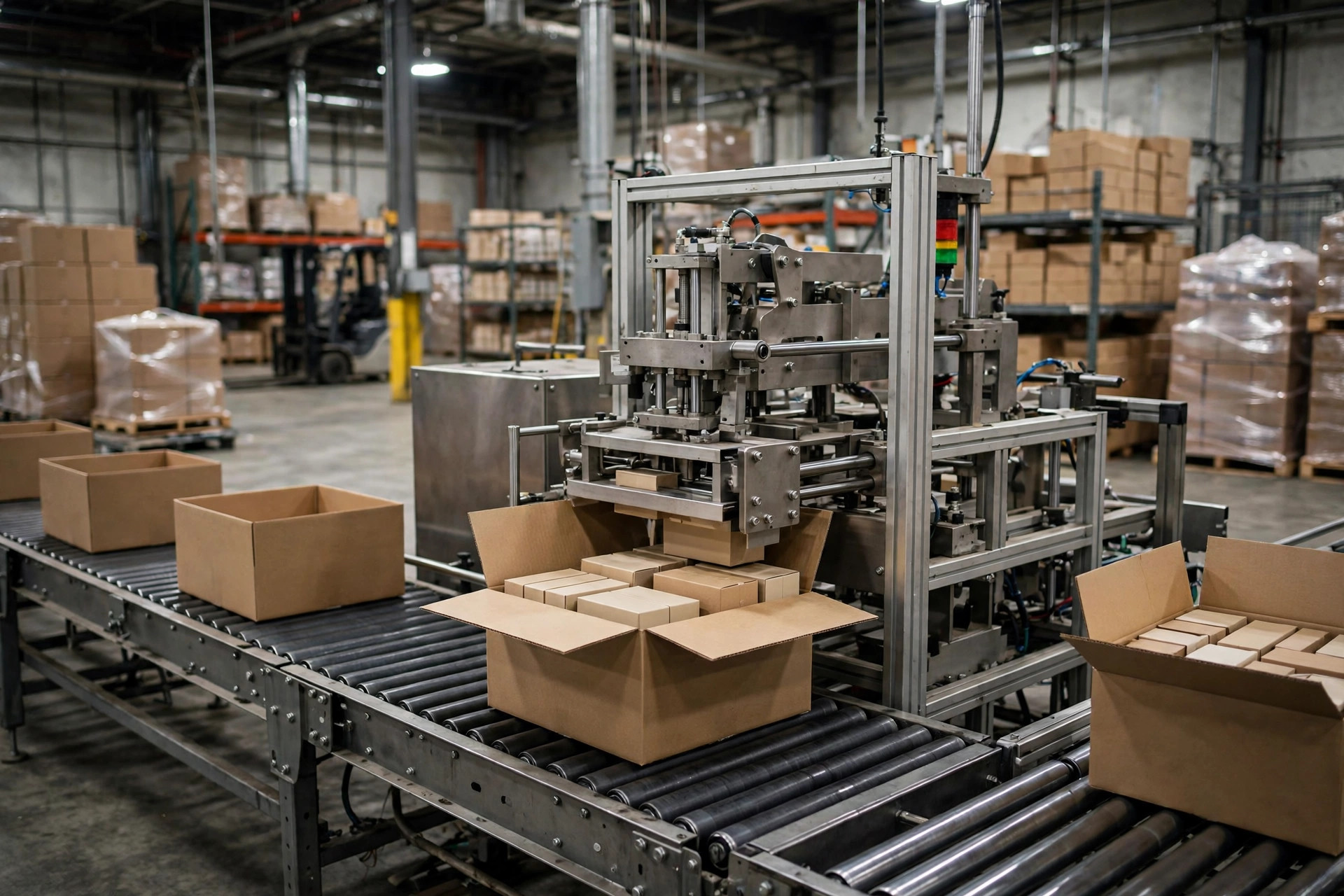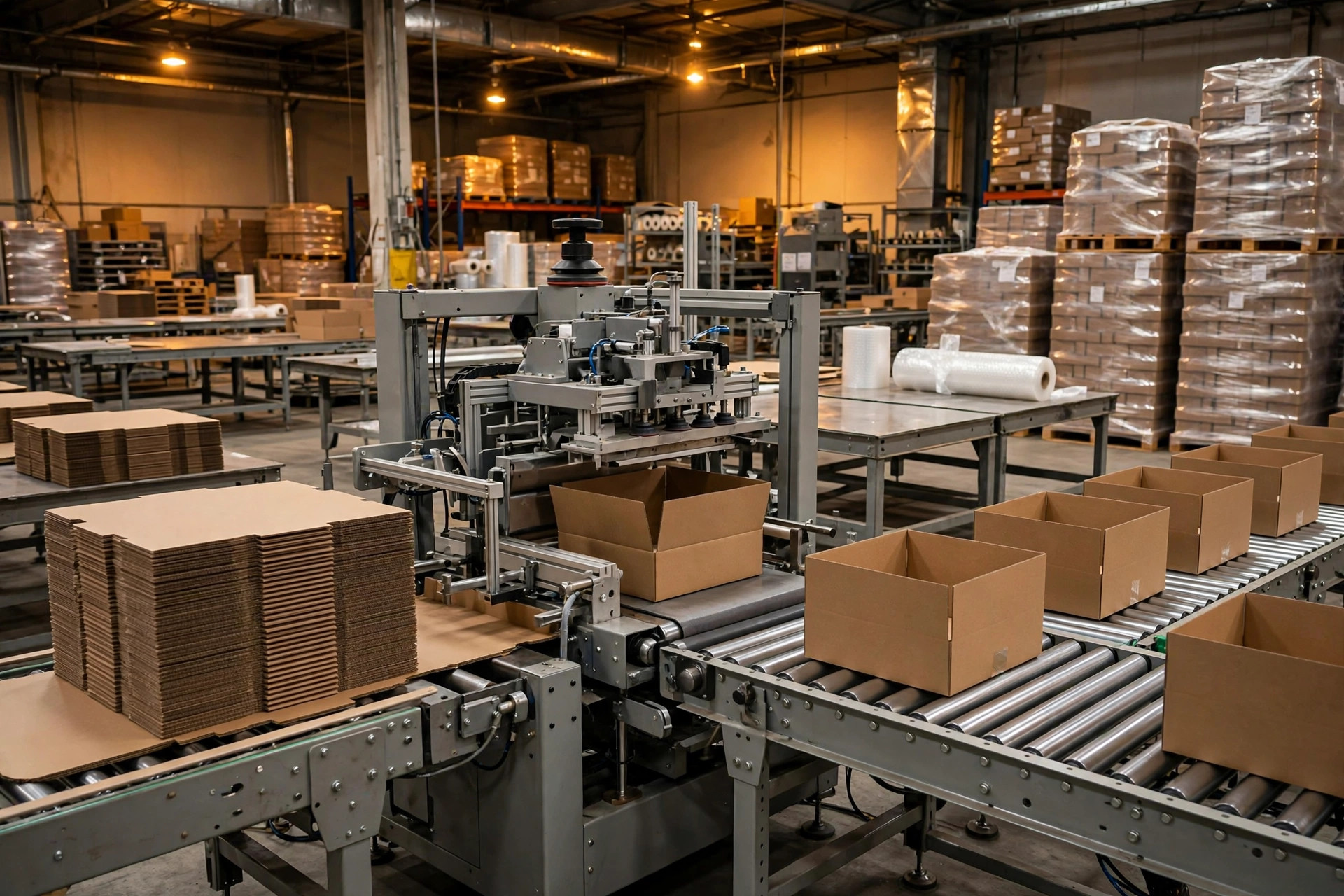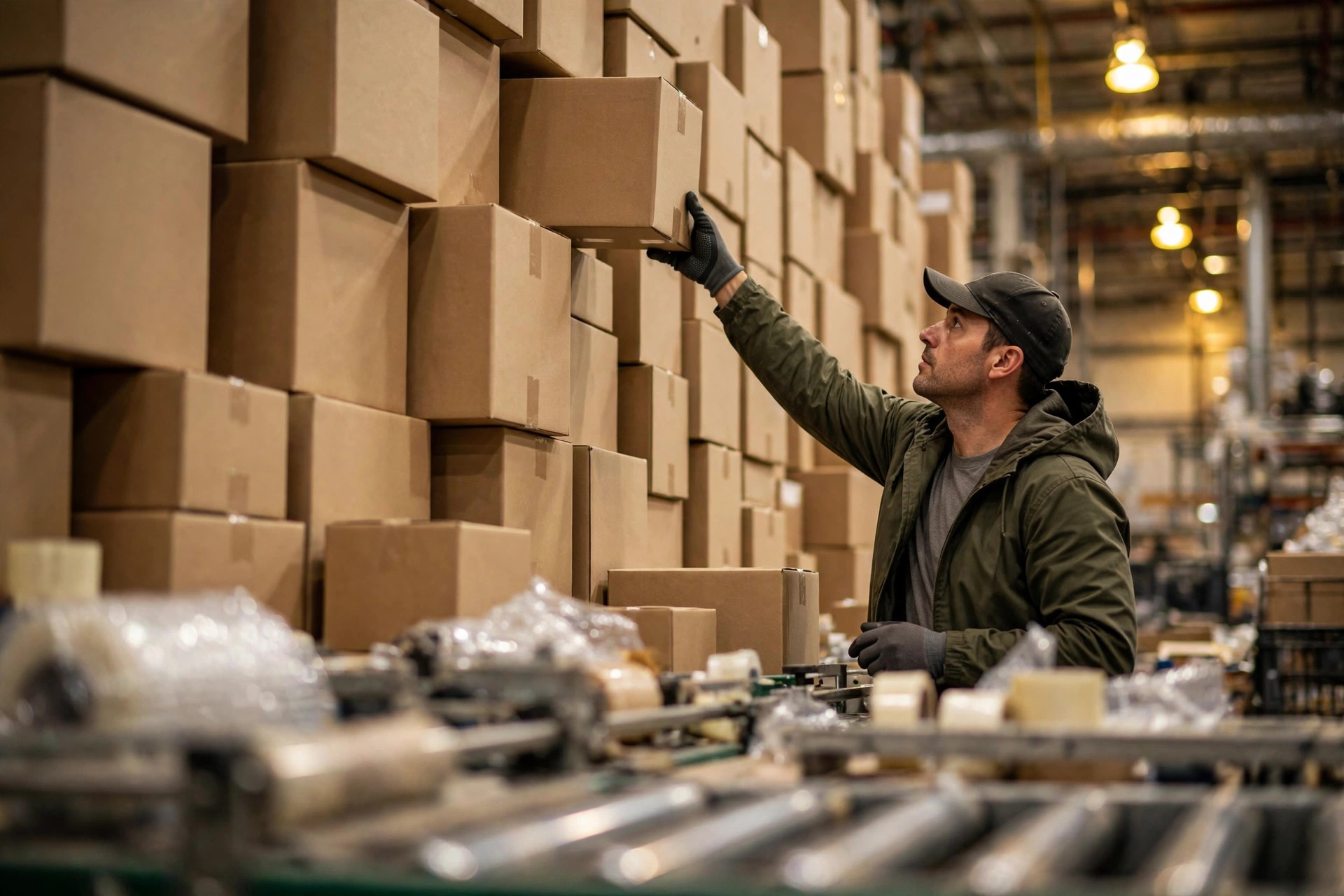
Last year I was on a project at a 3PL warehouse in Ontario, California — 60,000 orders a month — and the warehouse manager kept complaining that freight rates kept climbing no matter how hard he negotiated. I walked over to the packing station and saw the problem in ten seconds: 17 box sizes stacked around the packers, who just grabbed the biggest one within reach. A Bluetooth earbud the size of your palm, shipping in a box that could fit a microwave. Every extra cent they paid was a first-class ticket for empty air.
How to choose the right box size for shipping comes down to one equation. Too big and you bleed freight; too small and boxes burst. The sweet spot in between is computable. Let me walk you through the math.
Carton Size Selection Starts with DIM Weight
Start with the principle. Carriers bill you on dimensional (DIM) weight — think of it this way: they are not selling you "how heavy," they are selling you "how much trailer space." It is like checked baggage on a flight: the airline does not care what is inside your suitcase, only how much cargo hold it occupies. Trucks and planes sell cubic space; weight is just the other number on the scale.
The formula is one line: length × width × height ÷ divisor. Compare the result against the actual scale weight, and you pay whichever is greater. UPS and FedEx use a divisor of 139 for US domestic parcels (dropped from 166 back in 2015 — a quiet rate hike by another name). Always check the carrier's current published policy for the exact divisor in your lane.
Here is what that means in practice. A 16×12×10-inch box is 1,920 cubic inches; divided by 139, that is about 13.8 lb of DIM weight. Put a 2 lb product inside and you are paying for nearly 14 lb. Shrink the box to 14×10×8 inches — 1,120 cubic inches, roughly 8.1 lb DIM — and the billable weight drops more than 40%. Same product. The only thing you stopped paying for is air.
I measured this at one facility: trimming a single dimension of their main shipper box from 16 inches to 14 cut DIM weight by roughly 24%. No carrier switch, no renegotiated discount — just the right box.
The Math: What One Box Size Change Actually Saves
Principles are cheap, so here is the ledger. Take one product — a boxed Bluetooth speaker, 8×6×4 inches, 1.3 lb actual weight — and three box options:
| Box | Dimensions (in) | DIM weight (÷139) | Billable tier |
|---|---|---|---|
| Oversize | 14×10×8 | ≈8.1 lb | ≈8 lb |
| Mid | 12×8×6 | ≈4.1 lb | ≈4 lb |
| Right-sized | 10×7×5 | ≈2.5 lb | ≈3 lb |
(Rates vary by carrier and zone — check current published tariffs. The point is the weight-tier gap.)
Between the oversize box and the right-sized one, billable weight differs by nearly 3x. That gap is the whole game when you learn how to choose the right box size for shipping: compare billable weight tiers, not sticker prices on the box itself. For the identical shipment, parcel cost can swing 40%–60% purely because someone picked a box two sizes too big. At 10,000 orders a month, an extra $2 per parcel is $240,000 a year evaporated into thin air. That buys two automatic box erectors with change.
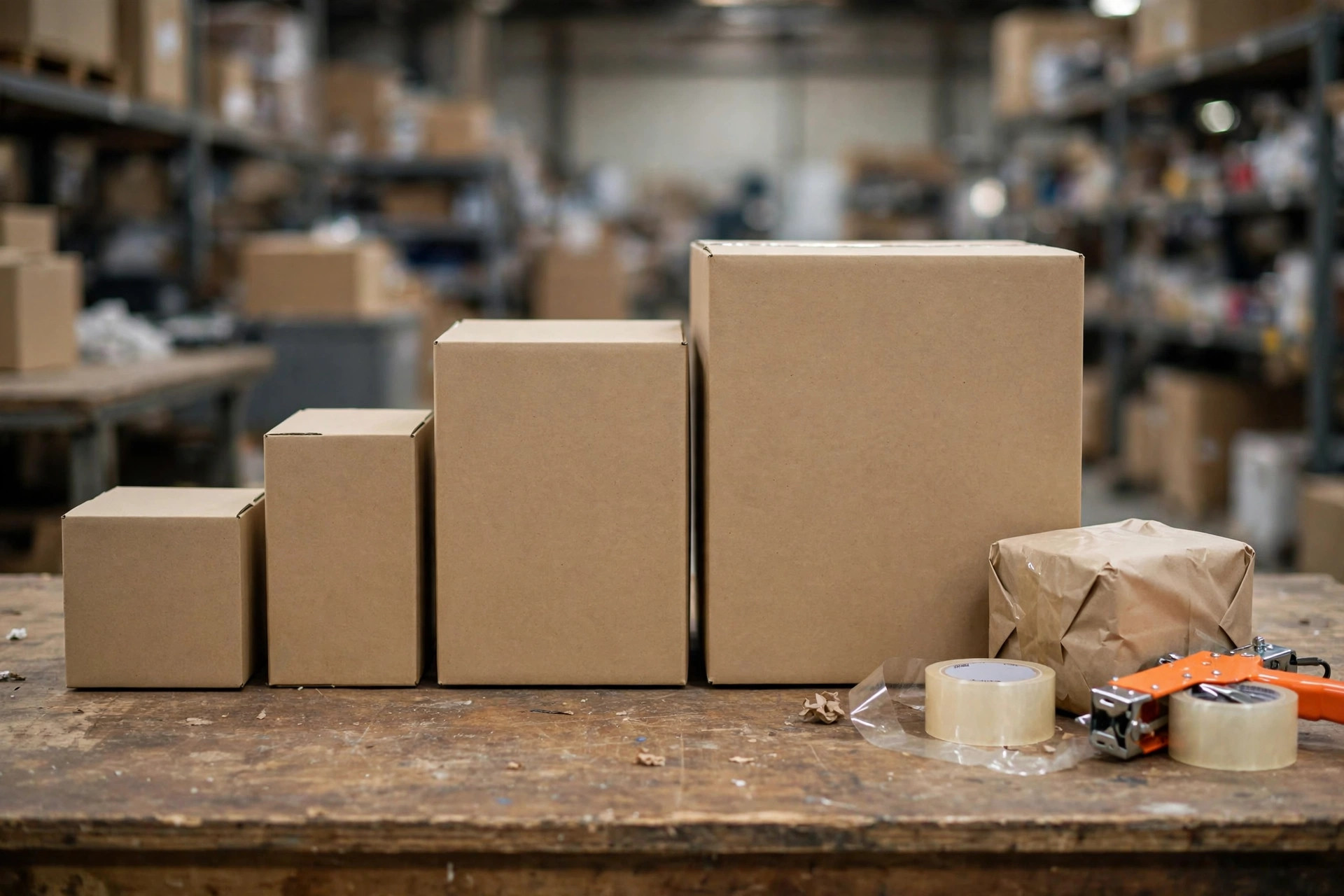
Back to that Ontario 3PL. In August 2024 we did three things. First, we cut 17 box sizes down to 6, chosen from the actual volume distribution of historical orders. Second, we added a simple cartonization rule in the WMS: based on the total cubic volume of each order's items, the pack screen tells the operator "use box #4." Third, we locked the oversize boxes behind supervisor approval. Three months later, the share of orders billed on DIM weight fell from 31% to 9%, saving roughly $11,000 a month in freight. No new carrier, no new discount. Just disciplined box selection.
Cartonization, by the way, is automated Tetris: feed in every item's dimensions, get back the cheapest box combination. Past a certain order volume, no human packer picks as consistently as the algorithm.
Right Box Size Selection: Know the Dividing Line Before You Buy Software
This is the selection dividing line — and where I get blunt.
The line is simple: under ≈5,000 orders a month with a few hundred SKUs, three to five box sizes plus a laminated cheat sheet taped to the pack station is plenty. Above ≈20,000 orders a month, thousands of SKUs, complex order mixes — that is when a cartonization module or an automatic box erector starts to pay for itself. How to choose the right box size for shipping at your scale depends on order volume and SKU complexity, not on how "smart" the software demo sounds. Crude, but honest.
Now the rant. I have seen a 3,000-orders-a-month operation whose owner insisted on an "AI intelligent box-size recommendation system." The integrator quoted $80,000. That is like installing a GPS navigation unit on a bicycle — technically possible, completely pointless. Cut your 17 box sizes to 5 first; you will save ten times what that software costs. Half the "smart" projects I see are management problems wearing a software costume.
And here is the counterintuitive part most people get backwards: smaller is not always better. Squeeze the box to the limit and you lose the cushioning zone; damage rates climb, and one return — reverse logistics plus reshipment plus customer service — costs what 30 normal shipments cost. The DIM savings are pocket change; a burst box is real money. More on that below.
Too Small Blows Up Your Damage Rate
This is the maintenance pitfall nobody budgets for.
Early 2025, a home-decor seller came to me: damage rate had jumped from 0.8% to 2.1% out of nowhere. Root cause took an hour to find. They had trimmed 1.2 inches off box height to push DIM weight from 11 lb to 9 lb, and downgraded from double to single-layer bubble wrap. Freight saved: about $0.50 per parcel. But each damaged return cost roughly $18 all-in, and the extra 1.3 points of damage meant about $23 more in return costs per 100 orders against $50 saved in freight — a net loss, before counting the reviews they torched. Classic penny-wise math.
Once your box lineup is set, watch three things in daily operation. First, board strength: 32 ECT single-wall is the floor; anything heavy or stacked high goes double-wall. This is not where you save money. Second, taping: H-pattern ("工") sealing is the standard — a single strip down the middle pops open after two drops. Third, leave at least 2 inches of cushioning gap around fragile items on all sides. That number was paid for in broken merchandise, not guessed.
And re-audit your box sizes every quarter. SKU mix drifts, hero products change, and the six sizes that were perfect last year quietly stop fitting. Right box size selection is not a one-time project; it follows the business.
So is it worth it? Watch this one number: (packaging material cost + freight + damage/return cost) ÷ orders = true packaging cost per order. Run box plan A against plan B, pick the smaller number. Do not give me feelings. Give me that number.
By Da Liu, Automation Engineer