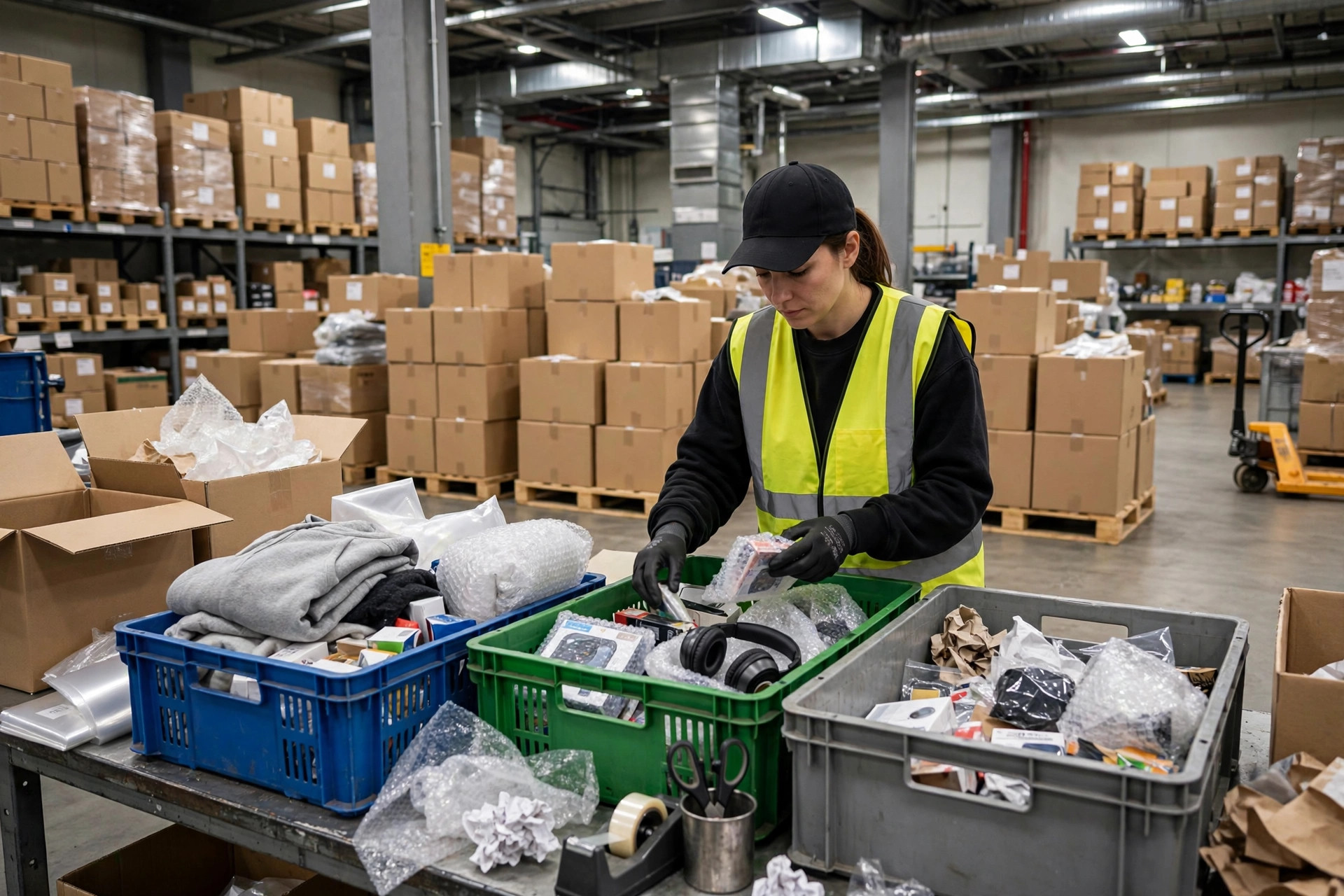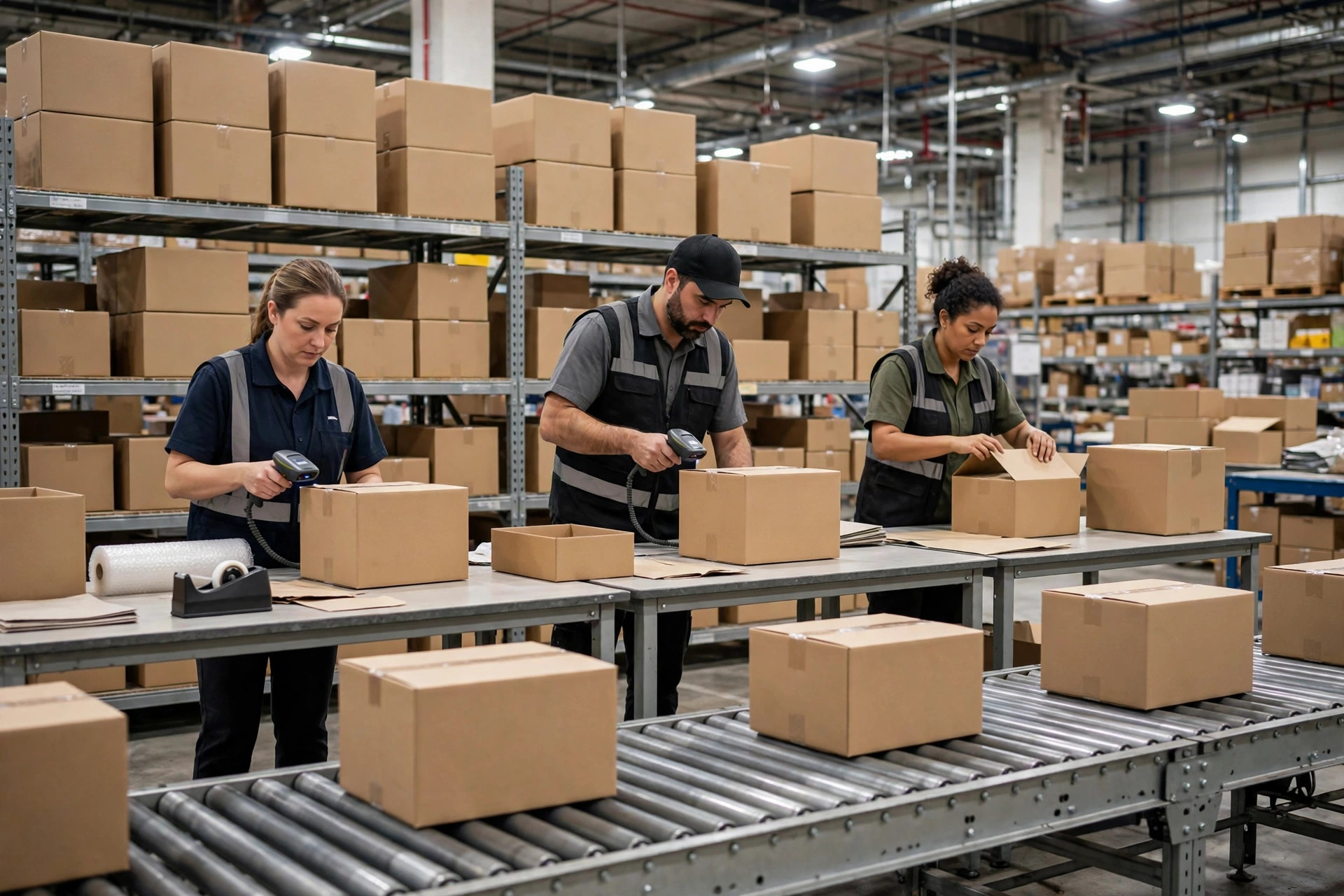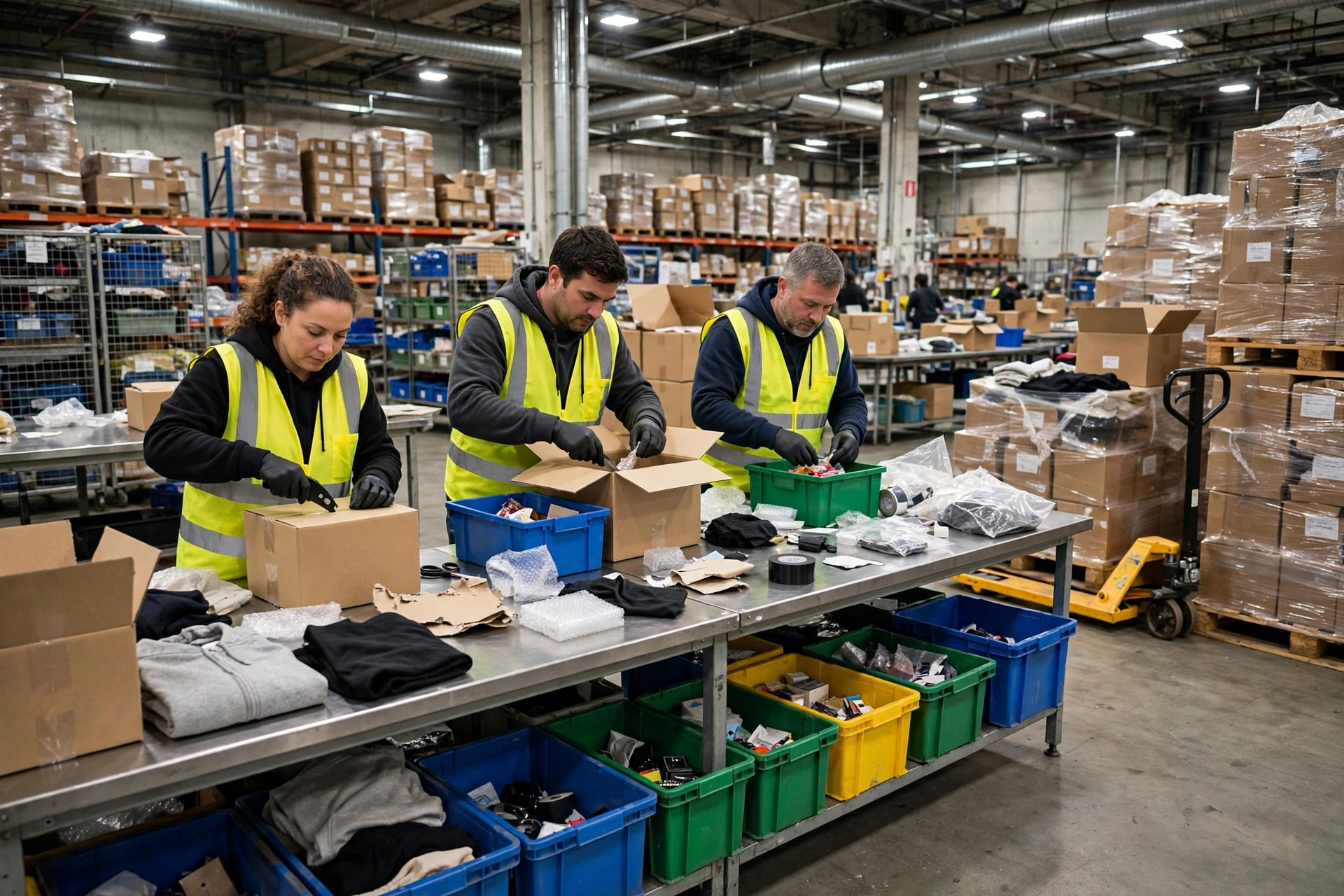
Let me open with the verdict: the single worst thing you can do with a returns area is wedge it between your receiving dock and your outbound dock, or share it with inbound staging. Returns and outbound fulfillment run on completely different rhythms. Force them into the same space and returns pile up, swallow your main aisle, and eventually drag outbound down with them. I have watched plenty of warehouses ship beautifully all year and then fall apart during returns season. The root cause was always the same: the returns area never got its own flow.
Some numbers to set the stakes. The National Retail Federation and Happy Returns put total 2024 US retail returns at $890 billion, a 16.9% return rate, with e-commerce returns forecast to hit 19.3% in 2025. For a warehouse shipping 10,000 orders a day, that means 1,500 to 1,900 returns landing daily is not a spike, it is the baseline. Processing one return typically costs $20 to $30 per unit once you count reverse shipping, inspection labor, repacking, and system updates, roughly 20% to 65% of the item's original value. A broken returns flow burns real margin, not just floor space.
Give returns its own dock doors
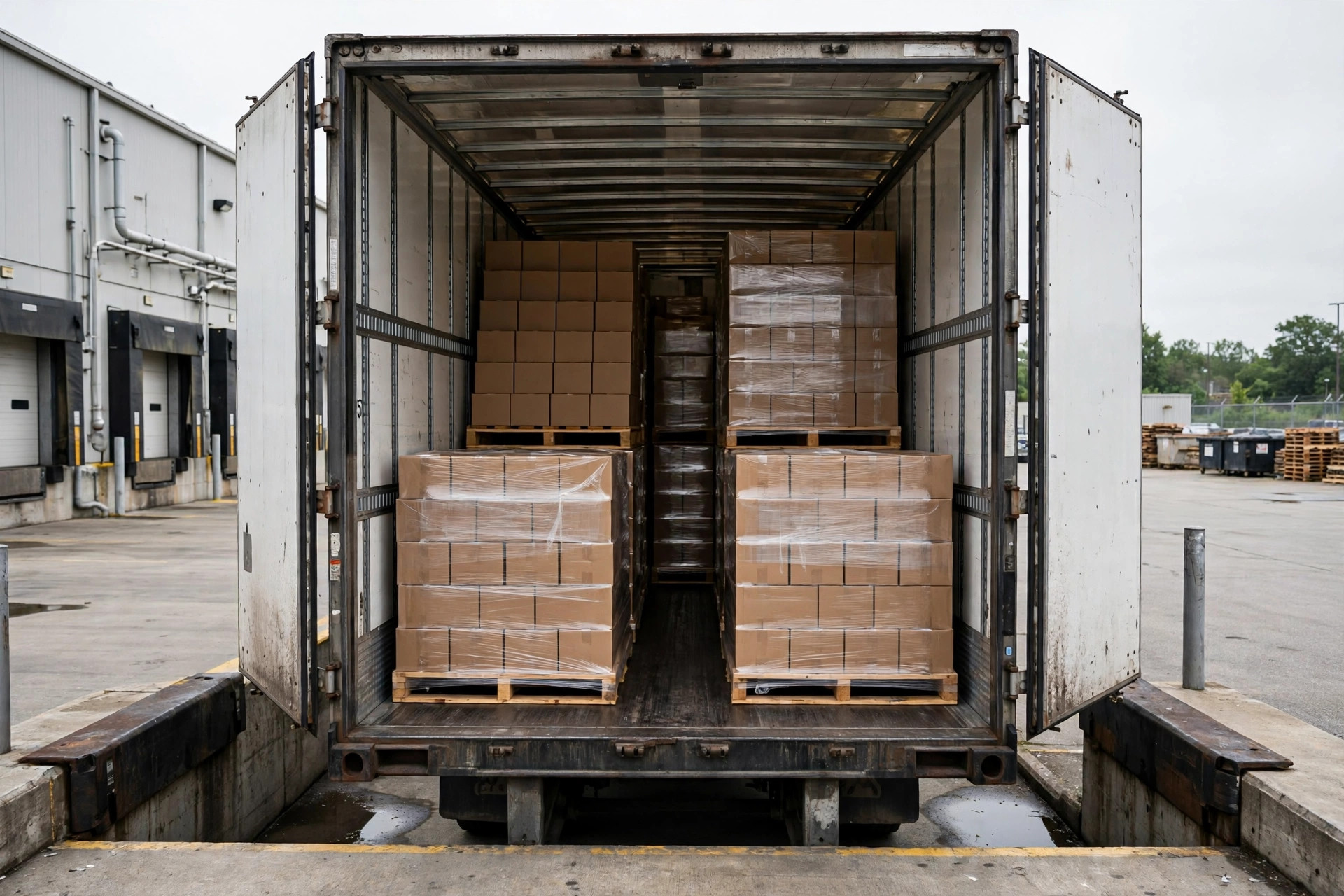
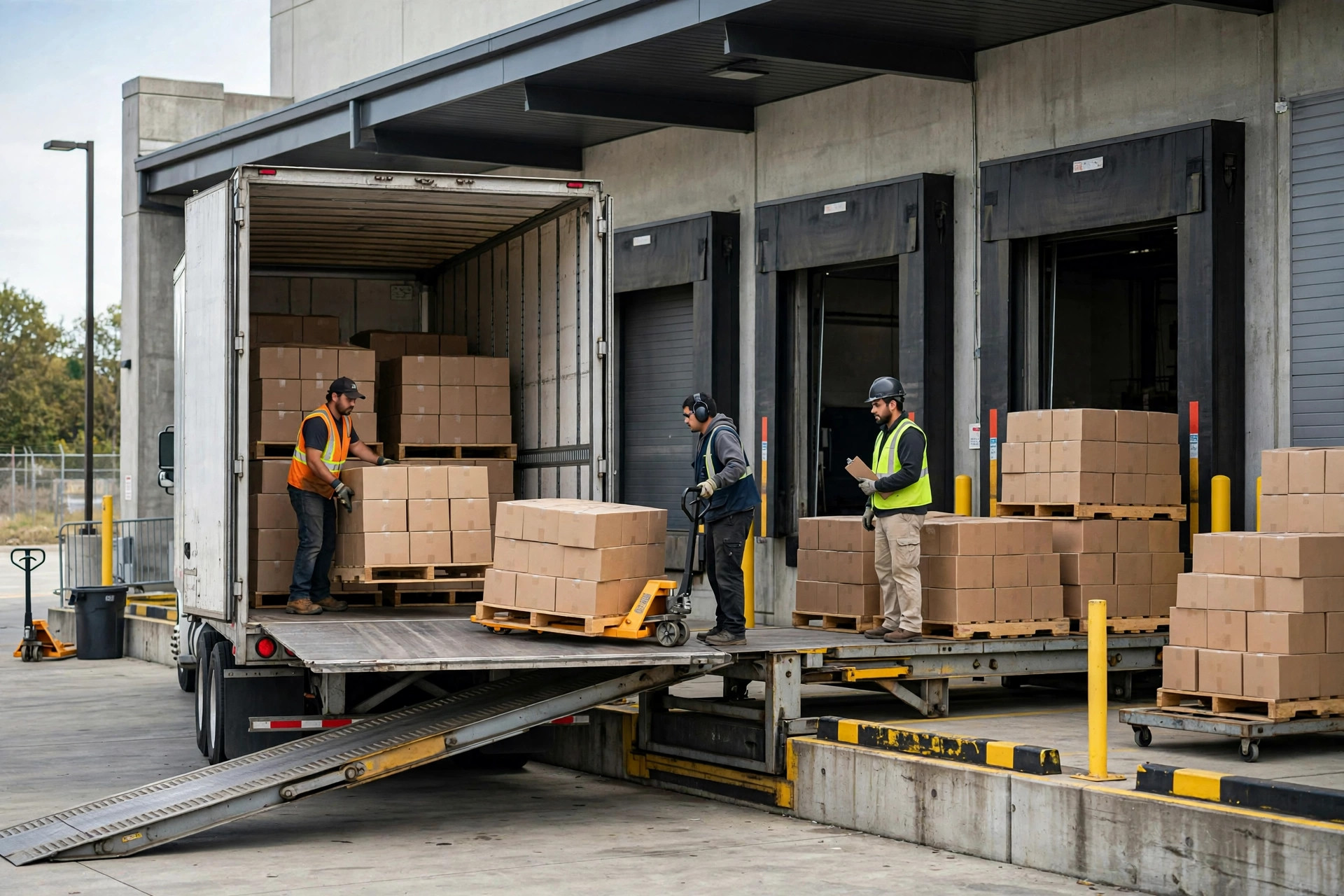
This one sounds counterintuitive: keep returns off your receiving dock. A lot of facilities do it for convenience. Carriers back up to the same doors, good stock and returns queue up together, and during peak season the receiving team and the returns team end up fighting over the same dock doors. Nobody gets anything done.
I worked with a 3PL in Chino running a 60,000-square-foot building with twelve dock doors. During returns season they ran two shifts a day on returns alone, so they carved out the two easternmost doors as returns-only. It took half a day: yellow lines, a few signs, done. After the split, inbound receiving never got blocked by returns again, and the returns crew stopped competing with receivers for pallets and totes. It looked like dedicating two doors. What it really did was unclog two workflows at once.
The trade-off is real, though. Dock doors are scarce, and a small warehouse with fewer than six doors may not afford to dedicate any. The fallback is time-sharing: mornings for inbound, afternoons for returns. Just never mix them. Mixing guarantees both sides lose.
The inspection station is the heart of returns
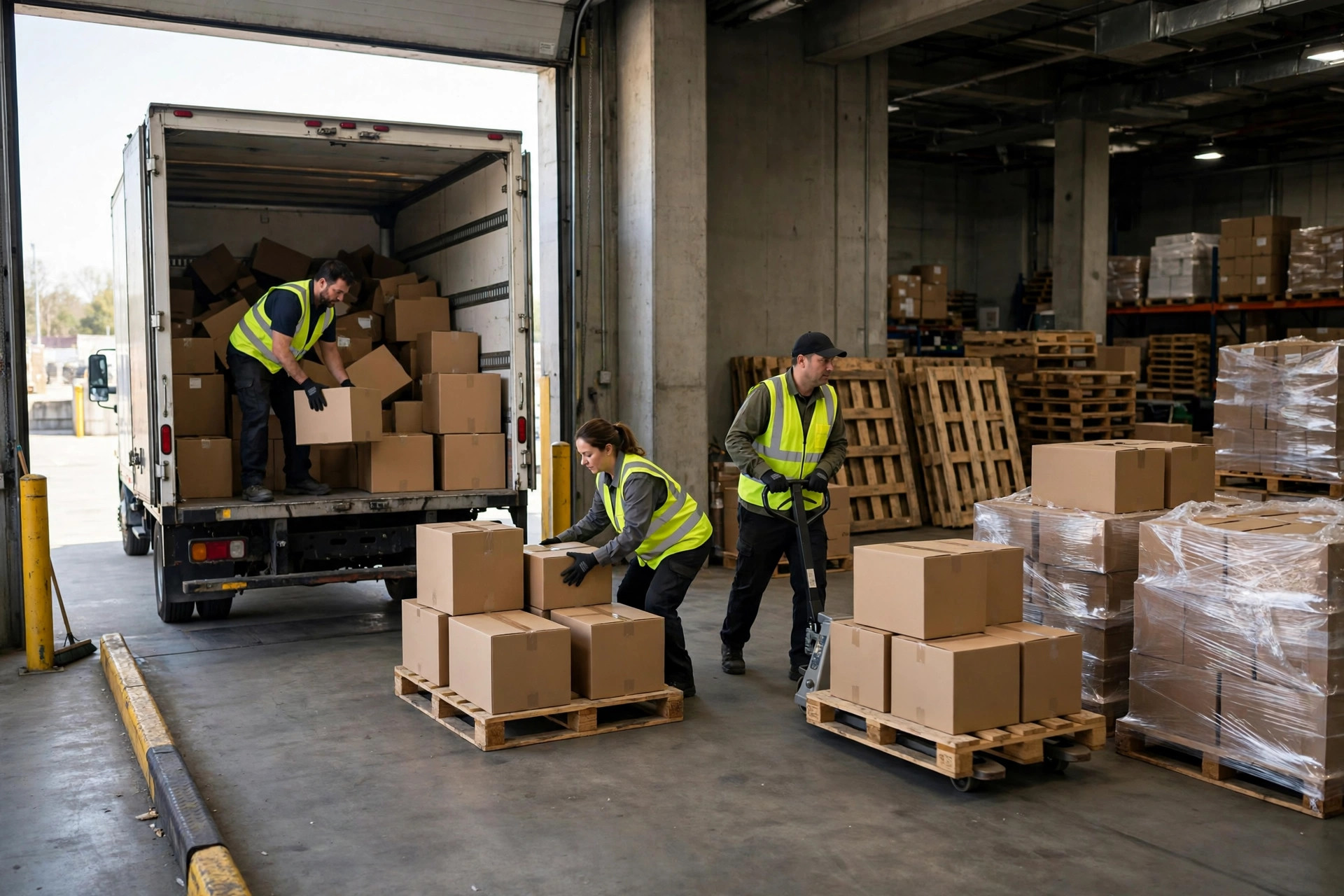
Here is where most facilities underinvest: quality inspection and refurbishment. Inbound returns go through three stations: rough sort (category and condition), detailed inspection (function, appearance, accessories), and refurbishment (cleaning, repackaging, relabeling). These stations need to sit in one short straight line so units move hand to hand, not by cart and foot traffic.
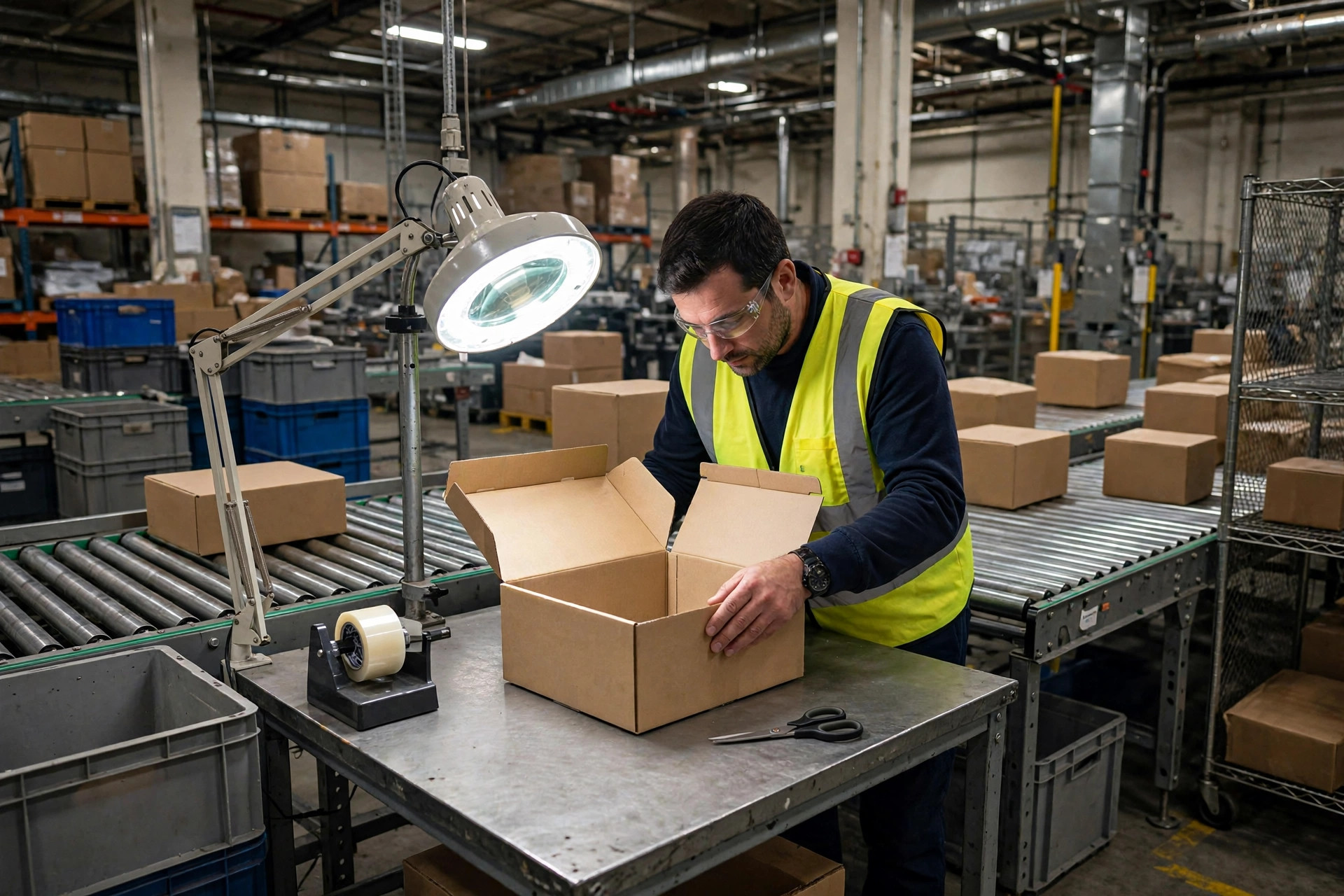
Inspection benches should be wide, the lighting bright, with a trash bin and a scrap bin within arm's reach. It sounds trivial, but I have seen too many operations where inspectors hunched over in a dim corner and tossed questionable units aside, and secondary damage rates were through the roof. Resellable goods hate rough handling. A garment that could have gone back to full price gets scuffed during inspection and drops straight to clearance. Nobody tracks that loss, but it is real.
The other trap is vague inspection standards. What counts as resellable? Is opened packaging a fail? Missing hang tags? Write a simple pass/fail checklist per product category and tape it to the station. Without it, inspectors drift strict one day and loose the next, the same item goes back on the shelf on Monday and to liquidation on Tuesday, and your data becomes noise.
Keep restocking off the picking aisles
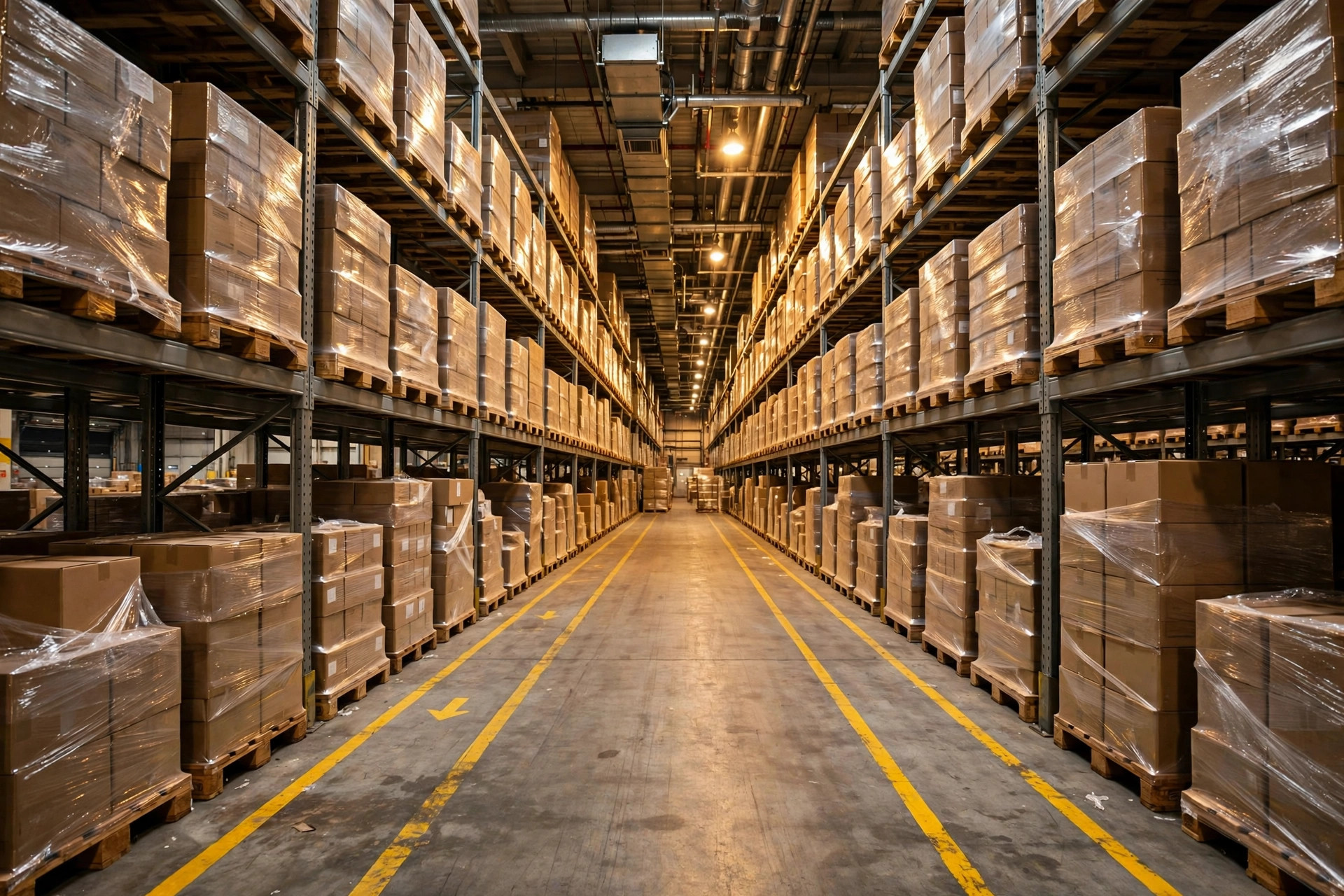
This is where designs most often break: getting inspected goods back into active inventory. The classic mistake is pushing return carts straight down the main picking aisle, fighting pickers and replenishment forklifts for the same space. During returns season, the extra travel and congestion this causes is pure invisible cost. Nobody reports it, everybody pays it.
My approach: route restocks through a dedicated channel, or at minimum a fixed time window. Two restock windows a day, say 10 a.m. and 3 p.m., carts on a marked route, one trip, done. Paint the direction clearly so the returns team and the picking team both know when that lane belongs to returns and when it is clear. Restocking does not need to be urgent. Stagger it by an hour and neither side suffers.
Size the staging zone in days, not square feet
How big should the returns staging area be? Most operators eyeball it and over-allocate, just to be safe. I do the opposite: start with days. Take your daily inspection capacity, multiply it by the average dwell time of a return during peak season, convert the resulting unit count into pallets and floor space.
A quick example. Suppose 1,200 returns arrive daily and your inspection team clears 800 a day. That is a net gain of 400 units a day, and during returns season dwell time stretches to 7 to 10 days, so at peak the staging zone holds over 3,000 units in process. If each return averages 0.02 cubic meters (boxed apparel and footwear), that is 60 cubic meters, plus a 30% operating margin, which means plan for 80 cubic meters of staging. And size the aisles for forklift turning radius, not for pallet stacking.
The math is rough, but it beats guessing. If the number comes out bigger than what you have, deal with it early: add headcount to raise inspection throughput, or secure temporary space before the season. Do not wait until returns fill the main aisle. I saw it happen after Black Friday 2023 at a women's apparel warehouse. Returns literally filled the main aisle from receiving all the way to outbound. The outbound trailer queue sat outside for two full days, and between the late-shipment penalties and the carrier delay claims, they could have funded a full year of inspectors.
The whole thing boils down to one line: give returns a flow that does not need to be fast, but must be independent. Its own doors, its own stations, its own restock rhythm, and a staging zone sized in days, not vibes.
So here is my question for you: which door do your returns come through right now, and how many steps is it from your inspection bench to an active pick location? During your busiest week last year, how many days did returns actually sit in the building?