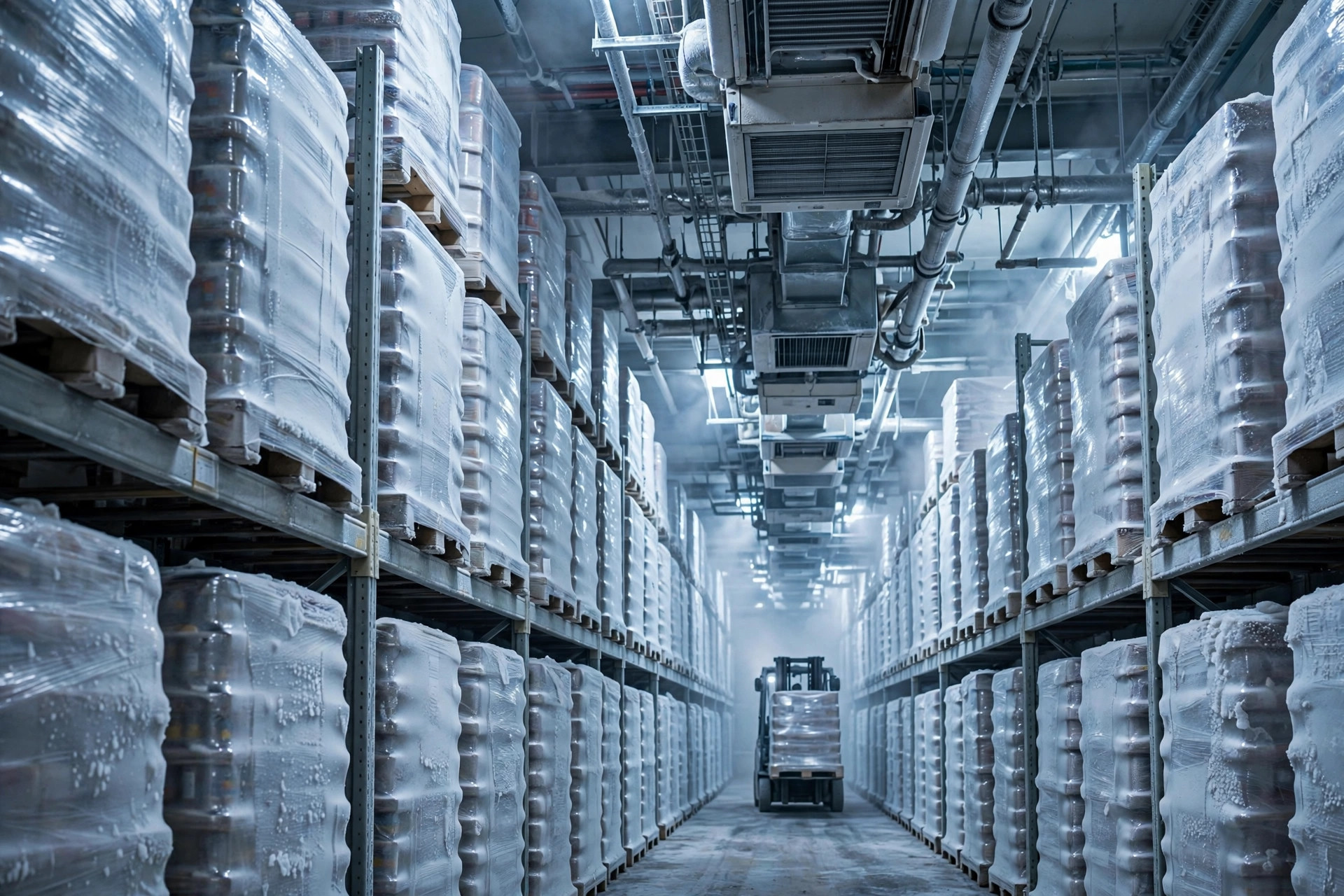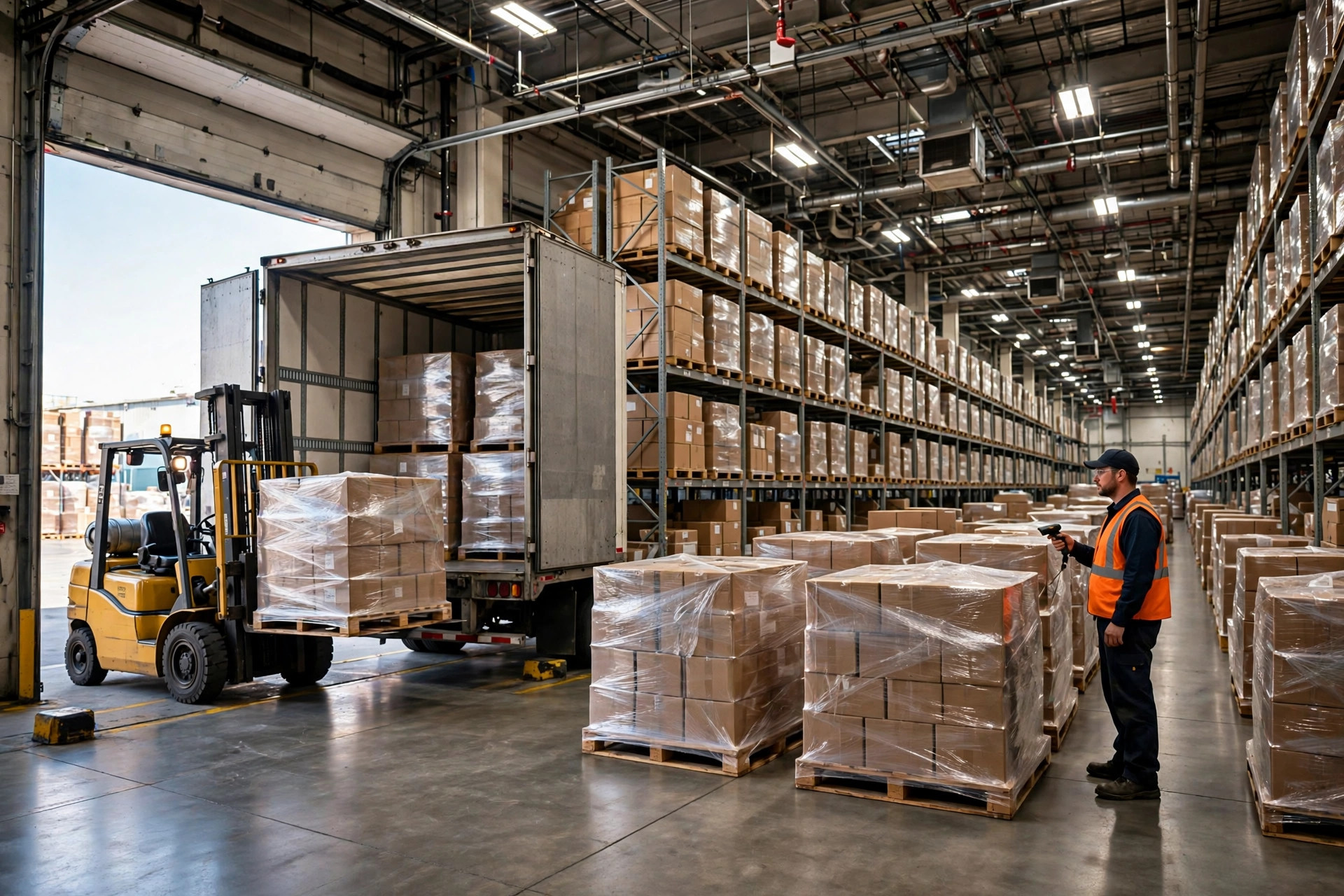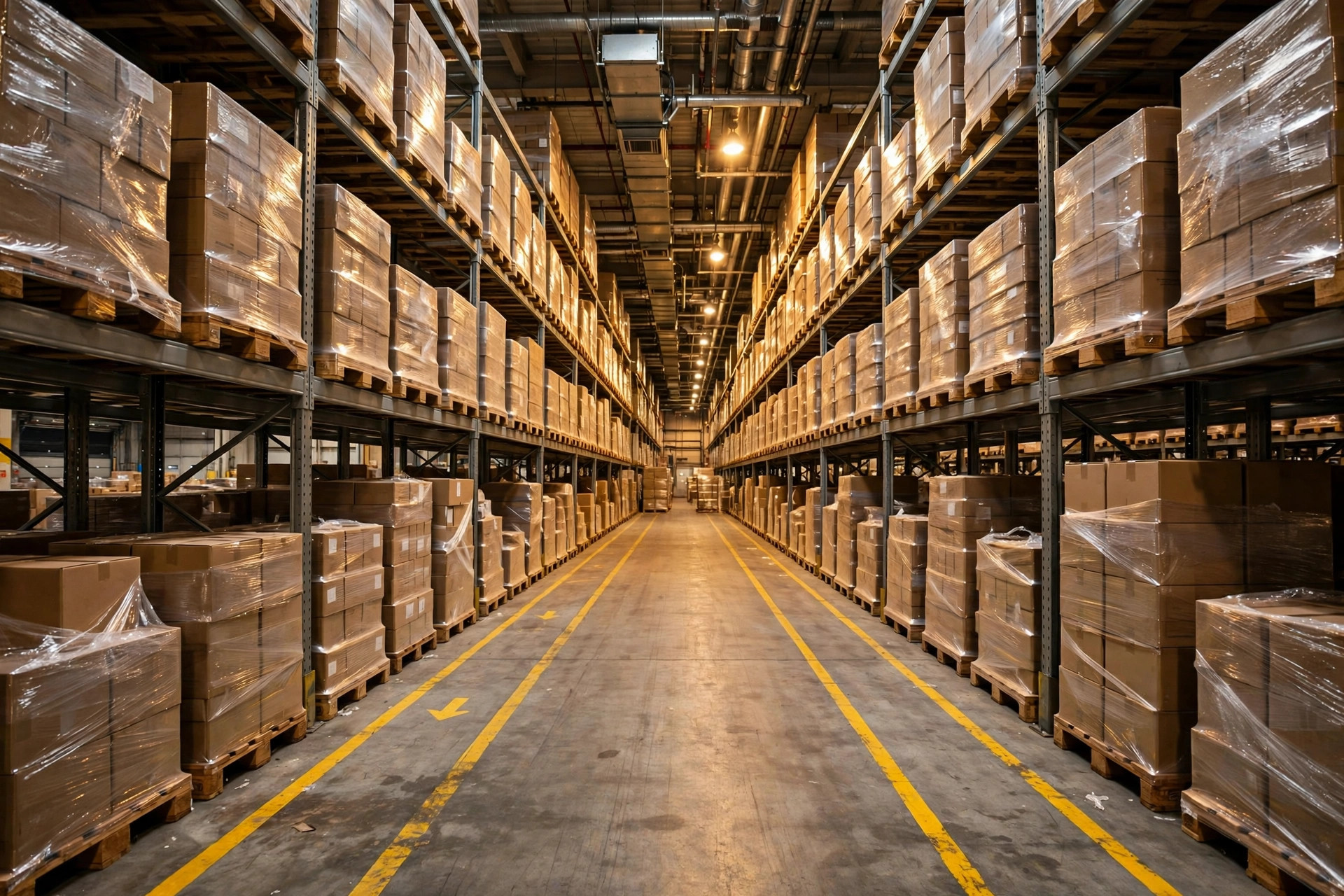
We had a client — let's call him Lao Zhang — who exports furniture. Pallet size standards cost him tens of thousands of dollars before anyone thought to mention them. Half his product ships from a factory in Foshan, China; the other half is assembled by a contract manufacturer here in California. Everything flows into our Ontario warehouse.
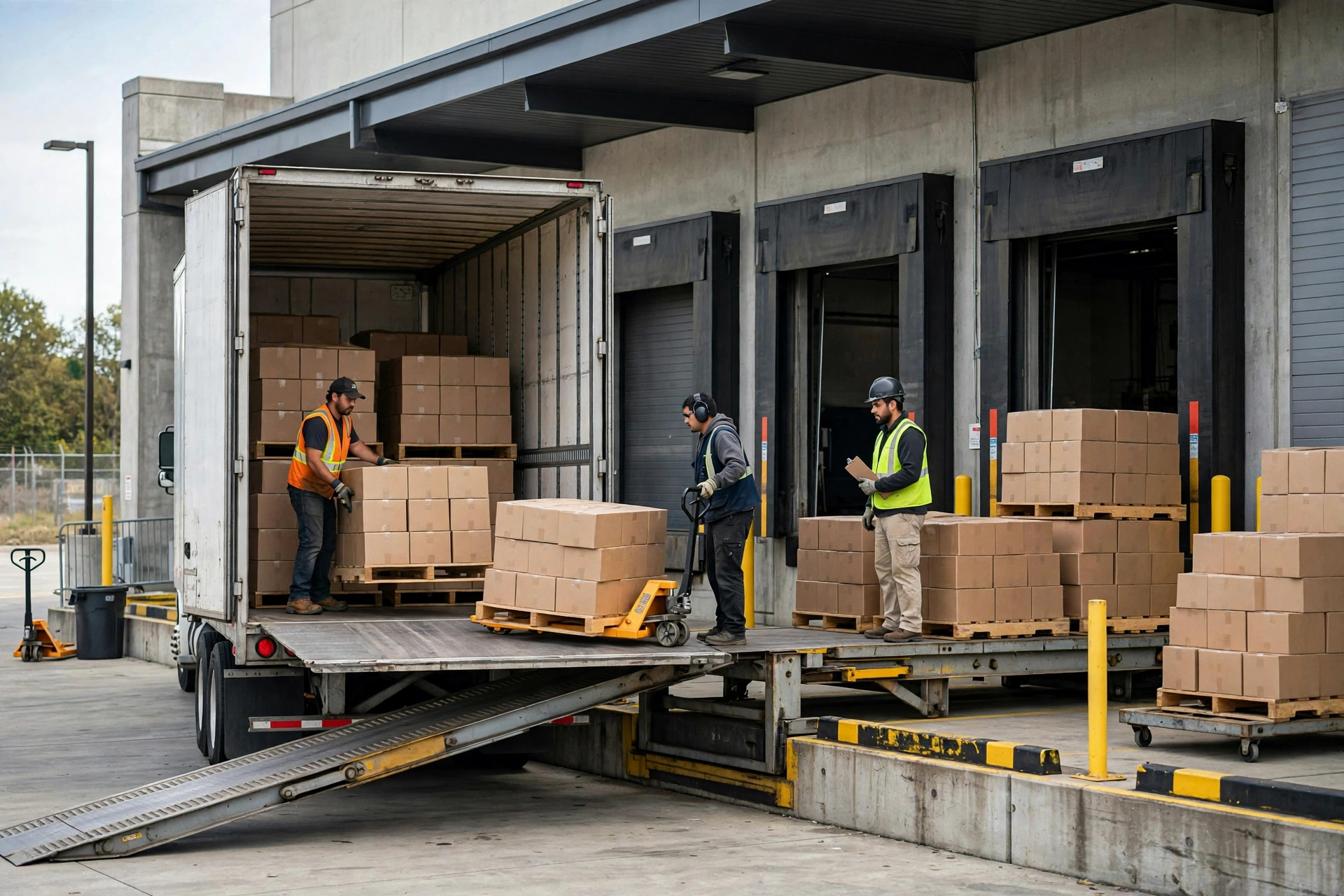
The Foshan shipments arrived on 1100×1100 mm Chinese-standard square pallets. The California factory used 48×40-inch US pallets. Our racking was designed for the US standard. One type hung off the beams; the other jammed against them. Our forklift drivers had to get off and eyeball every single pallet they put away.
Lao Zhang was genuinely baffled: "They're all pallets — how different can they be?" My answer: about a hundred millimeters different. And that hundred millimeters is pure money.
The Three Pallet Size Standards, Defined
Let's get the basics straight, because the whole mess starts here. The world's pallets fall into three camps:
ISO pallets: 1200×1000 mm. The International Organization for Standardization spec, dominant across Europe and Southeast Asia.
US pallets: 48×40 inches, roughly 1219×1016 mm. The de facto standard of American warehousing and logistics, popularized by the Grocery Manufacturers Association. US racking, forklifts, and automation lines are all designed around this footprint by default.
Chinese national standard (GB) pallets: 1200×1000 mm and 1100×1100 mm. Note that China's standard also includes 1200×1000, which lines up with ISO. But the 1100×1100 square pallet is a uniquely Chinese creation — engineered years ago to fit containers and domestic truck bodies.
See the problem? 1200×1000, 1219×1016, 1100×1100 — they differ by tens to over a hundred millimeters in each dimension. Sitting on the floor, one pallet looks much like another. But the moment they hit your racking or your automation line, that small gap becomes a disaster.
Where Mixed Pallet Standards Actually Bleed Money
The cost of mixing pallet sizes isn't in the pallet itself — it's in four places that bleed continuously:
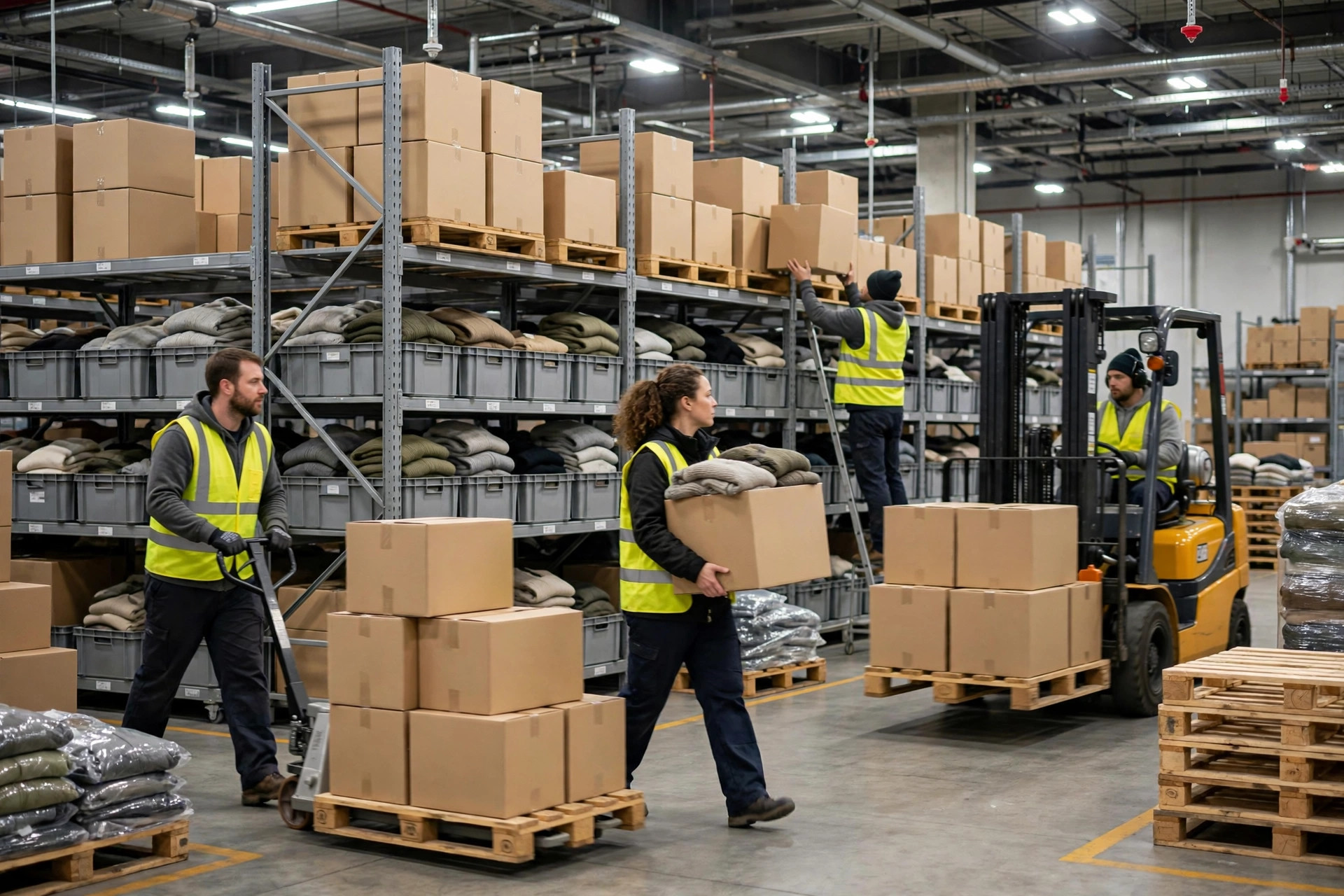
First, rack beam spacing. Beam levels are engineered for a specific pallet depth. A US 40-inch (1016 mm) deep pallet sitting on beams designed for 1000 mm overhangs by 16 mm — ugly, but workable. But try forcing a 1100×1100 mm square pallet into racking built for 48×40, and each side hangs 40+ mm off the beam. Under a heavy load, the pallet bows and the freight leans. Our fix for Lao Zhang: carve out a dedicated zone for square pallets and re-space every beam level — one aisle of rework, several thousand dollars in labor and downtime, gone.
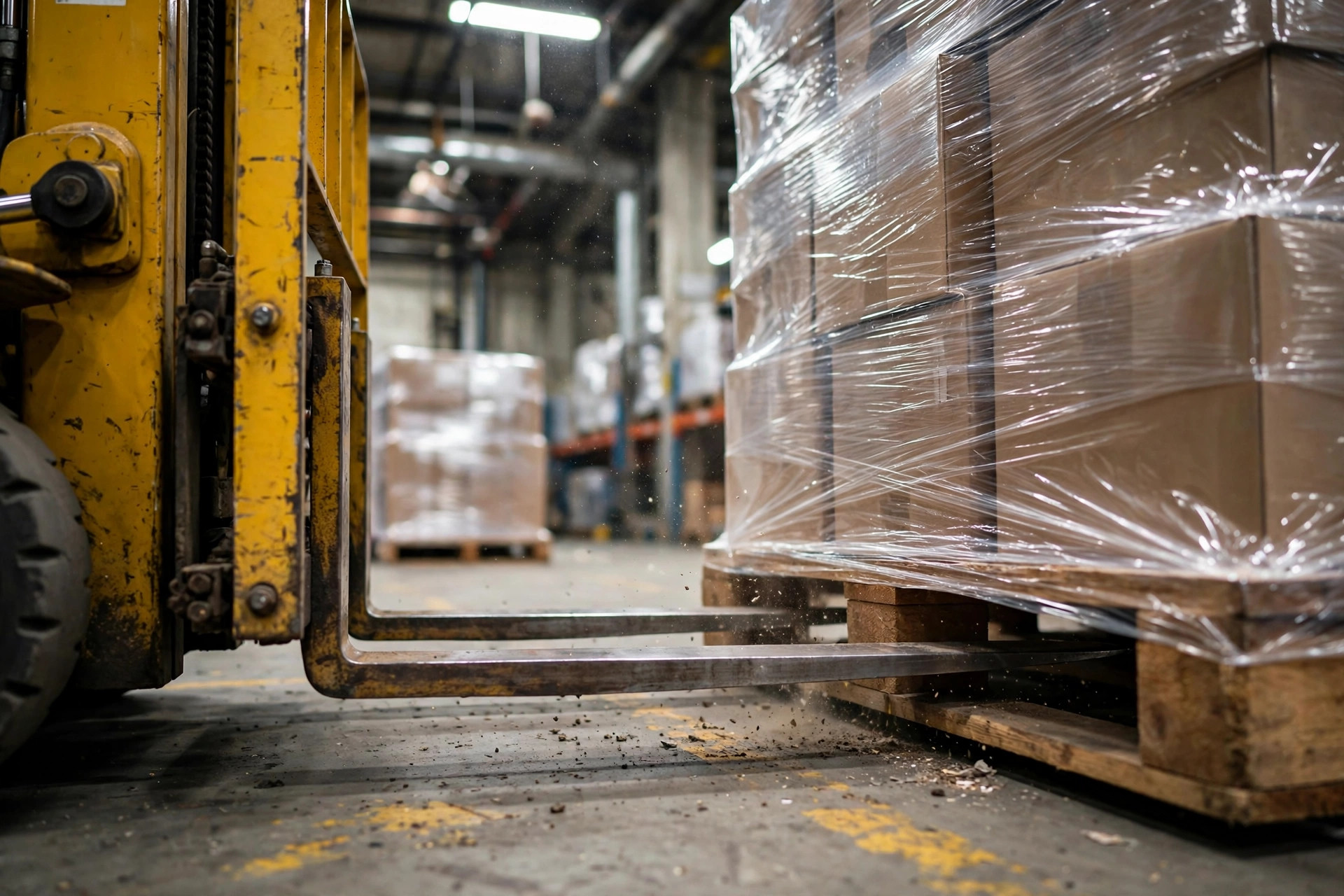
Second, forklift forks. Standard forks run 42 inches (1067 mm) or 48 inches (1219 mm), spec'd for US pallets. Pick up an 1100 mm square pallet and the forks come up short — the load center shifts outward and the driver has to creep. Pick up a 1200 mm-long ISO pallet and the forks are short again. Day to day you barely notice. Over a month, inbound throughput drops by more than 10%.
Third, automation lines. This is the killer. Conveyors, stacker cranes, and shuttles are all calibrated to a single pallet footprint. One wrong-size pallet slips in and you get a jam alarm at best, a smashed sensor at worst. Another client of ours, in consumer electronics, had a few dozen 1100×1100 pallets wander into an automated high-bay. Seven line stops in one night, twenty minutes each. During peak season, twenty minutes of downtime means thousands of delayed orders — and a customer service team getting crushed.
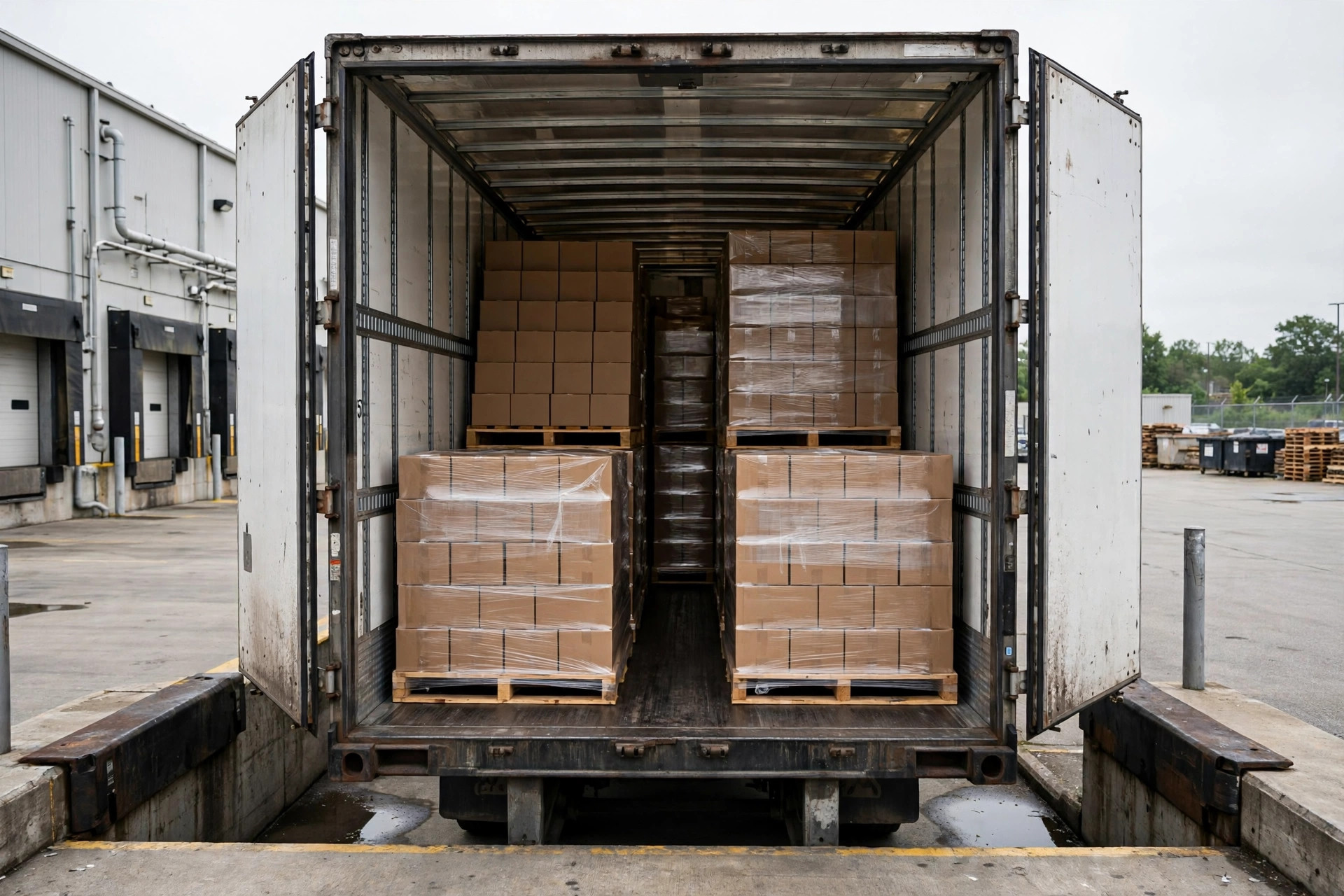
Fourth, container loading. A 40-foot container fits 21 US pallets per layer, 25 of the 1200×1000 type, and yet another count for 1100×1100. With mixed pallets, every load plan has to be recalculated from scratch, and cube utilization routinely drops 5–8 points. Ocean freight doesn't give you a discount because your pallets are a mess.
Doing the Math: The Hidden Annual Cost of Mixing
I ran rough numbers on Lao Zhang's operation — 400 pallet positions a month, about 4,800 pallet touches a year:
| Cost item | How it happens | Scale |
|---|---|---|
| Re-palletizing labor | Transferring freight from square to US pallets at inbound, 10–15 extra minutes per pallet | The biggest line item, all year |
| Pallet inventory | Stocking two pallet specs doubles your capital tied up and your management overhead | Medium |
| Racking rework | Re-spaced beams, dedicated zones, ~8% loss in space utilization | The big hidden one |
| Line jams and rework | Automation alarms, manual intervention, peak-season delays | Small normally, explosive in peak |
| Damage claims | Crushed packaging from overhanging, leaning loads | Rare, but each one hurts |
How did Lao Zhang fix it? His Foshan factory switched to 1200×1000 mm pallets for all outbound shipments — a size both ISO and the Chinese national standard recognize. We designed our racking to be compatible with both 48×40 and 1200×1000 (beam spacing set to the larger value). Each pallet cost the factory under a dollar more. What he saved in a year — re-palletizing labor, racking rework, endless firefighting — would cover two full-time warehouse employees.
The Counterintuitive Truth: Pallet Standardization Is a Commercial Problem, Not a Technical One
Most people treat pallet dimensions as a technical detail, not worth negotiating time. Wrong. Pallet size standards are the single highest-ROI clause in a warehousing contract.
Here's why: technical problems have standard answers; commercial problems don't. How far apart the beams sit, how long the forks should be — money solves all of that. But who pays for it, if the contract doesn't say, always lands on the 3PL first — and we recover it with interest at the next rate adjustment. Shippers think they're winning on price. Every dollar squeezed out of the rate comes back doubled in re-palletizing labor.
Three Questions to Ask Before You Sign Your Next Contract
One: "What pallet size standard is your warehouse designed around?" Ask first, then spec your pallets. Don't discover the mismatch when the freight shows up.
Two: "Who pays for re-palletizing, and at what rate?" Get a per-pallet price into the contract appendix, in black and white. No handshake deals on this.
Three: "Are my pallets compatible with your automation?" If the facility runs automated lines, this needs its own explicit confirmation. One line jam costs more than a 5% annual rate increase.
Ten minutes on pallet size standards during negotiation saves a full year of operational pain. Trust me — a sales director has no reason to lie about this. We're the ones who end up cleaning up the mess anyway.
By Susan, 3PL Sales Director