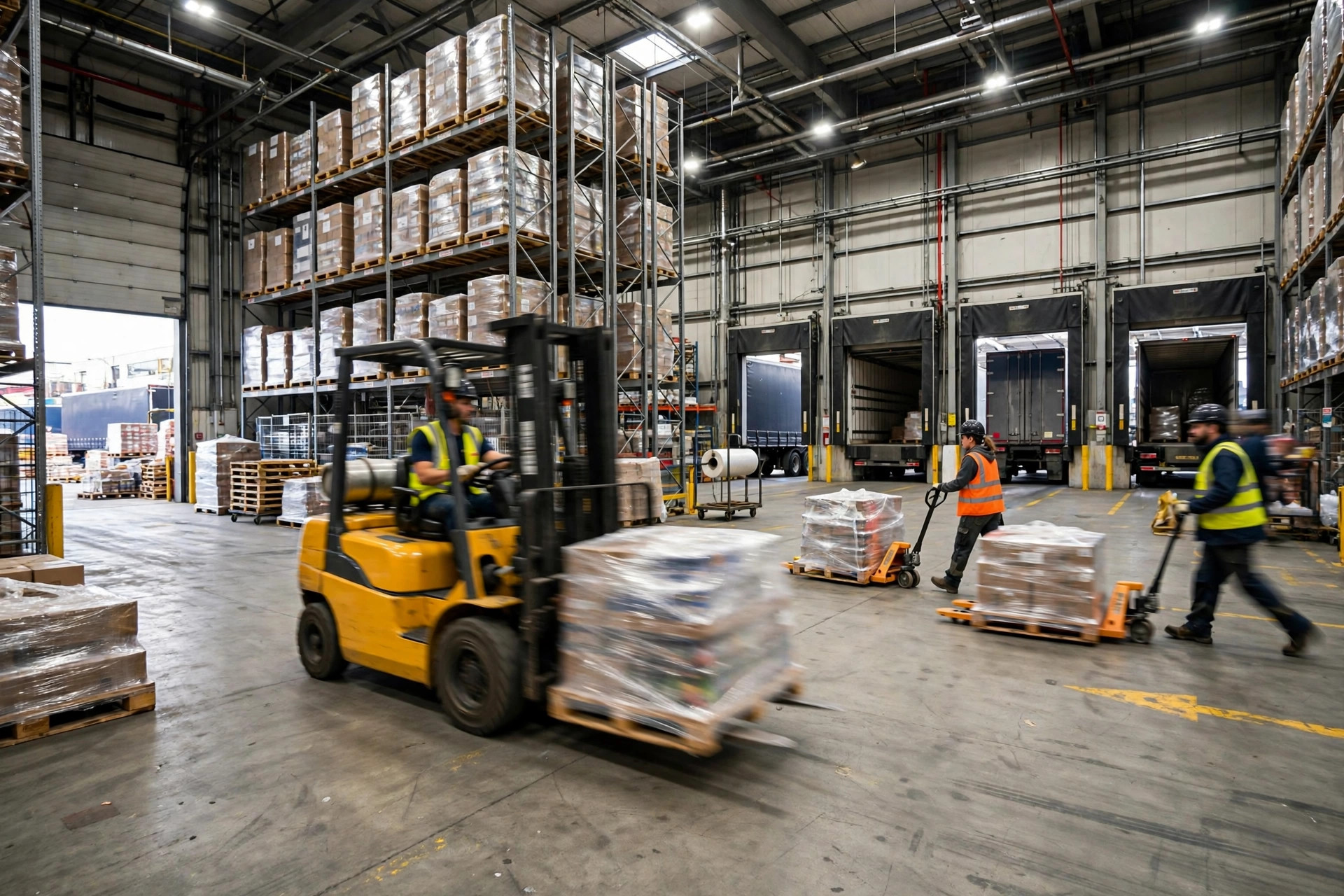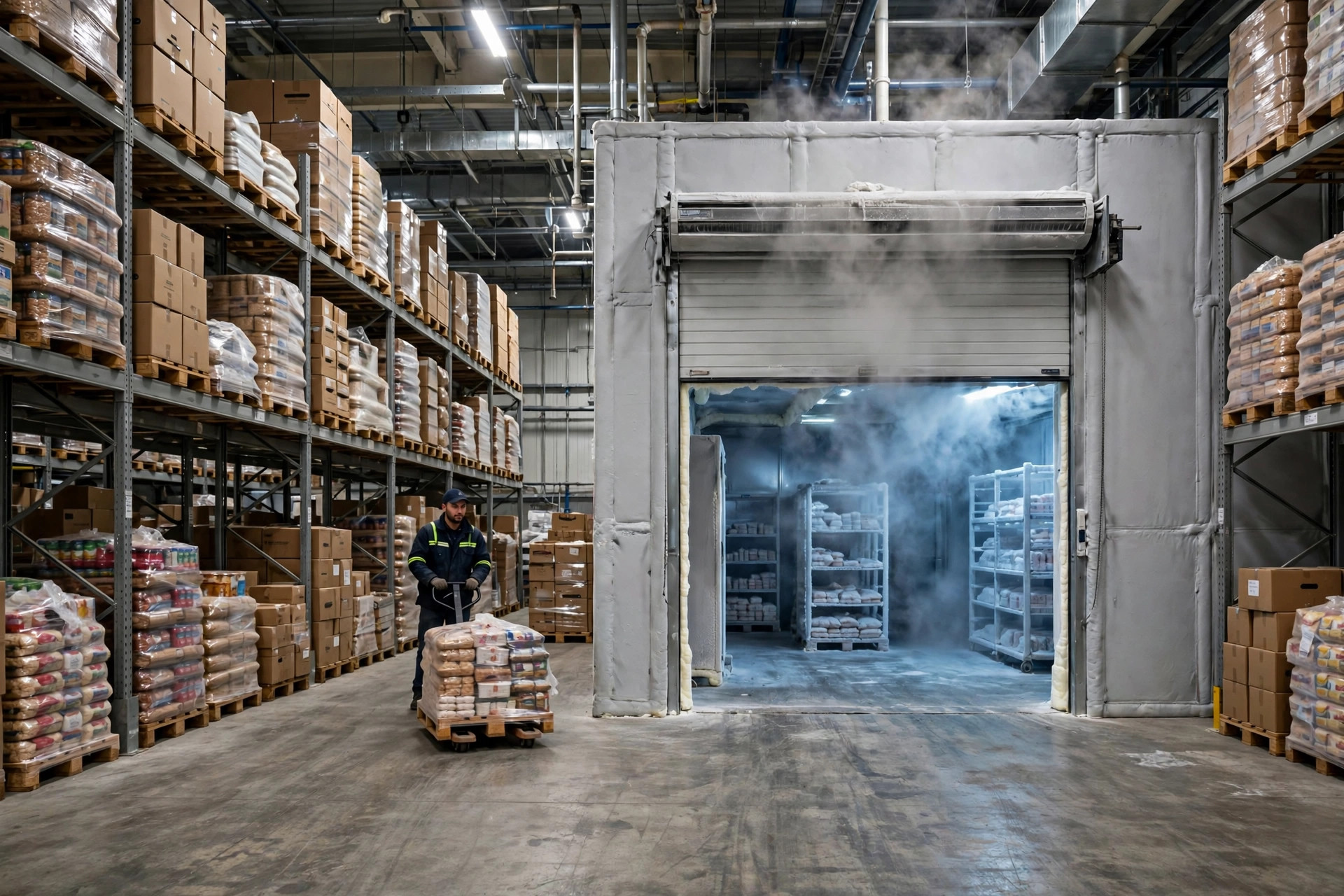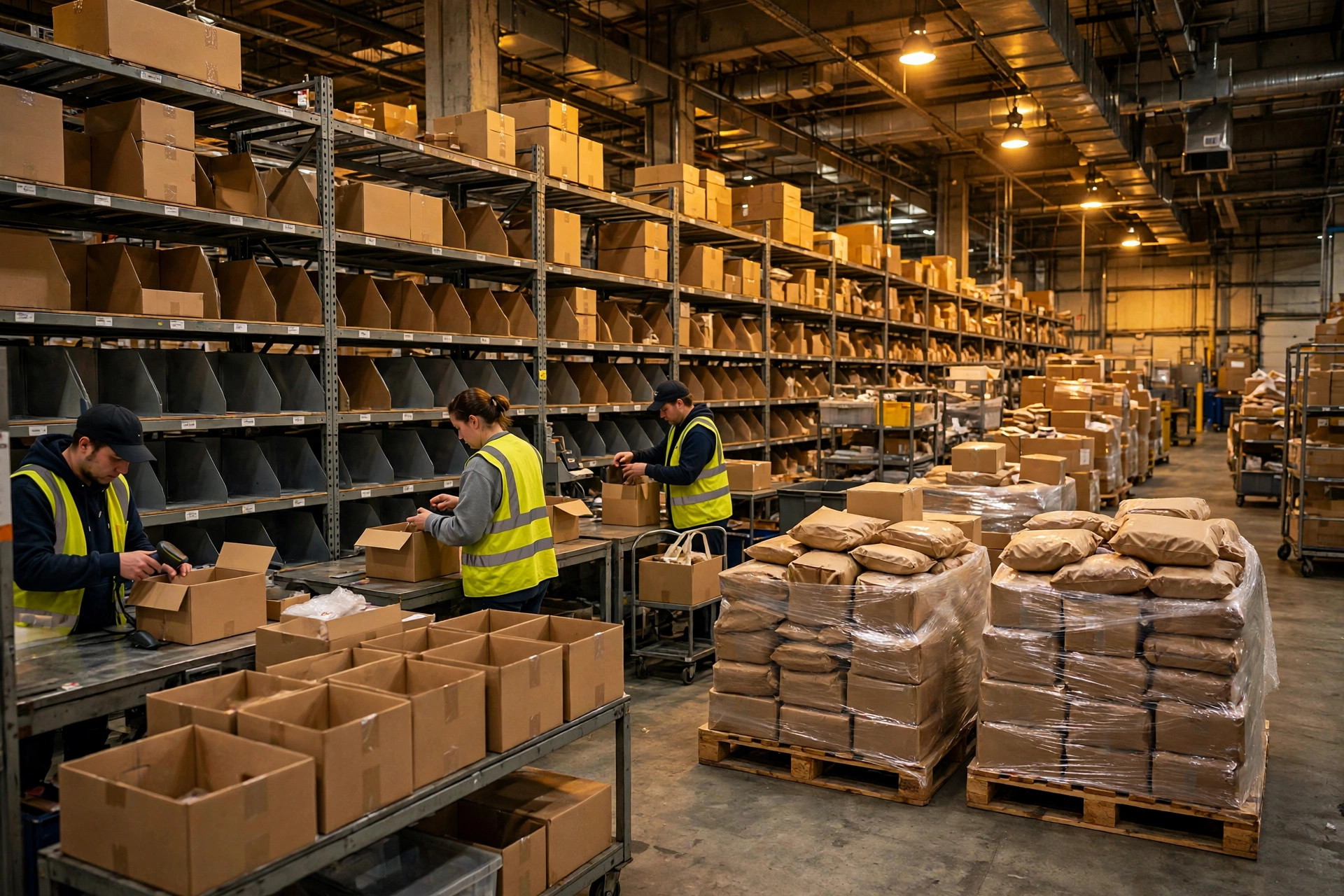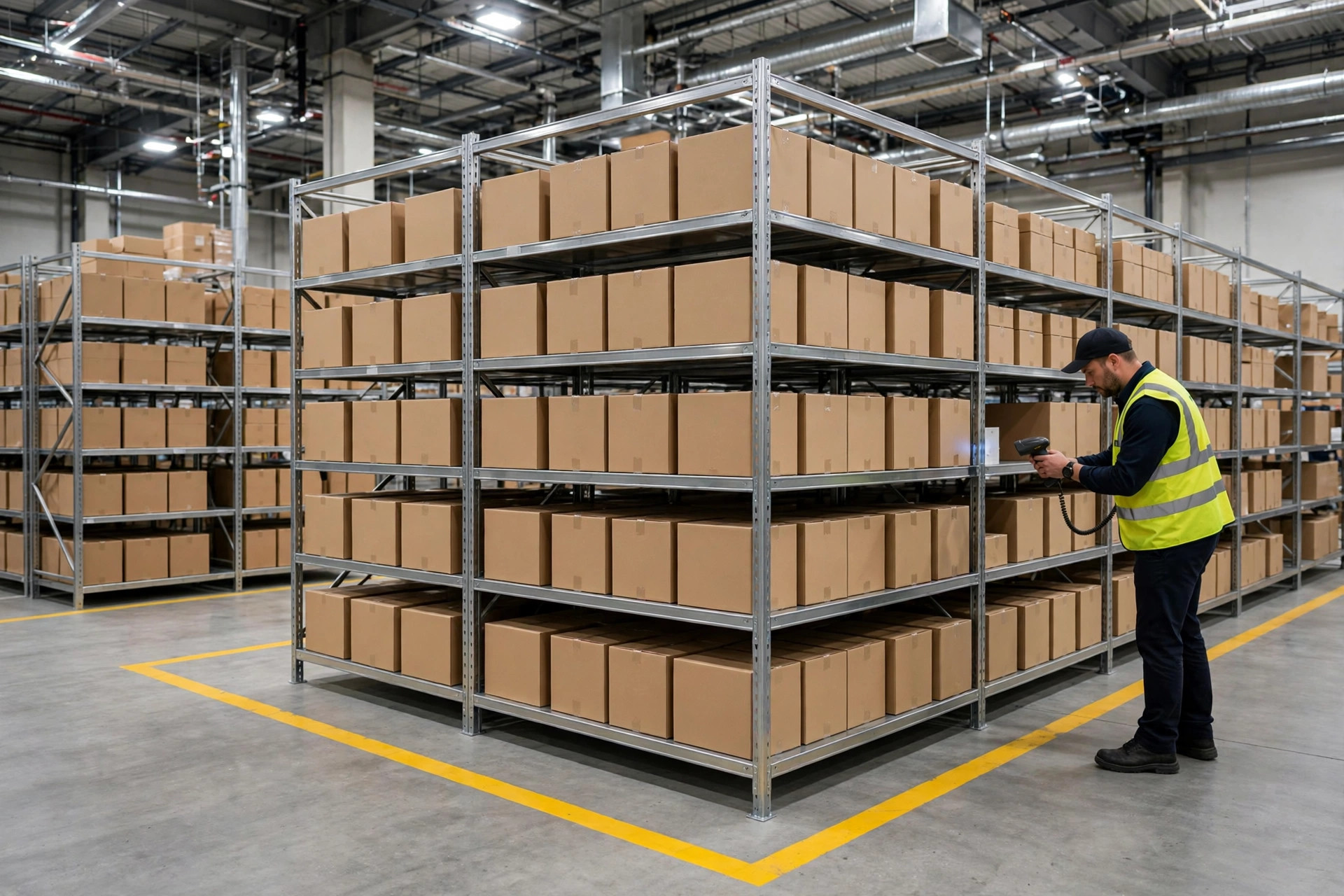
The morning after last year's big sale, I walked into our warehouse and just stood there. The receiving area was impassable — hundreds of returned parcels stacked waist-high, good units and broken ones all mixed together like the aftermath of a storm.
We run a 3,000-square-meter small warehouse doing fulfillment for a handful of small sellers. That returns wave nearly broke us. The low point came one afternoon: a seller urgently needed a pair of earbuds put back up for resale, and it took three of us half an hour of digging through the returns pile to find them. That's when it hit me: for a small warehouse, the hardest part of returns isn't how many come back. It's that they have nowhere to go.
Our Mess: Returns With No Place to Go
Returns are the appendix of a warehouse — invisible until inflamed. Our "returns flow" back then went like this: returns piled up at receiving, got shoved into the aisle when receiving filled up, then migrated next to the QC table. The QC zone, the repair corner, the pending-scrap pile, and the restock staging area all shared about twenty square meters. Good and bad mixed together, the pile grew scarier by the day, and in the end we'd write off whole batches. It physically hurt to watch.
The big-company playbook was never an option for us. They have RMA ticketing systems — scan on arrival, case numbers, a ten-page QC SOP, dedicated staff. We can't burn that kind of money. Six people total, including me. Where exactly would I find a "returns QC engineer"?
The Low-Tech Fix: Three Zones, Two Lanes, Triage at Receiving
Cornered, we built something embarrassingly simple: "three zones, two lanes." First, one iron rule: no return sleeps at receiving. It leaves the dock the same day it arrives. Even expensive goods are just garbage while they're sitting in a pile at receiving.
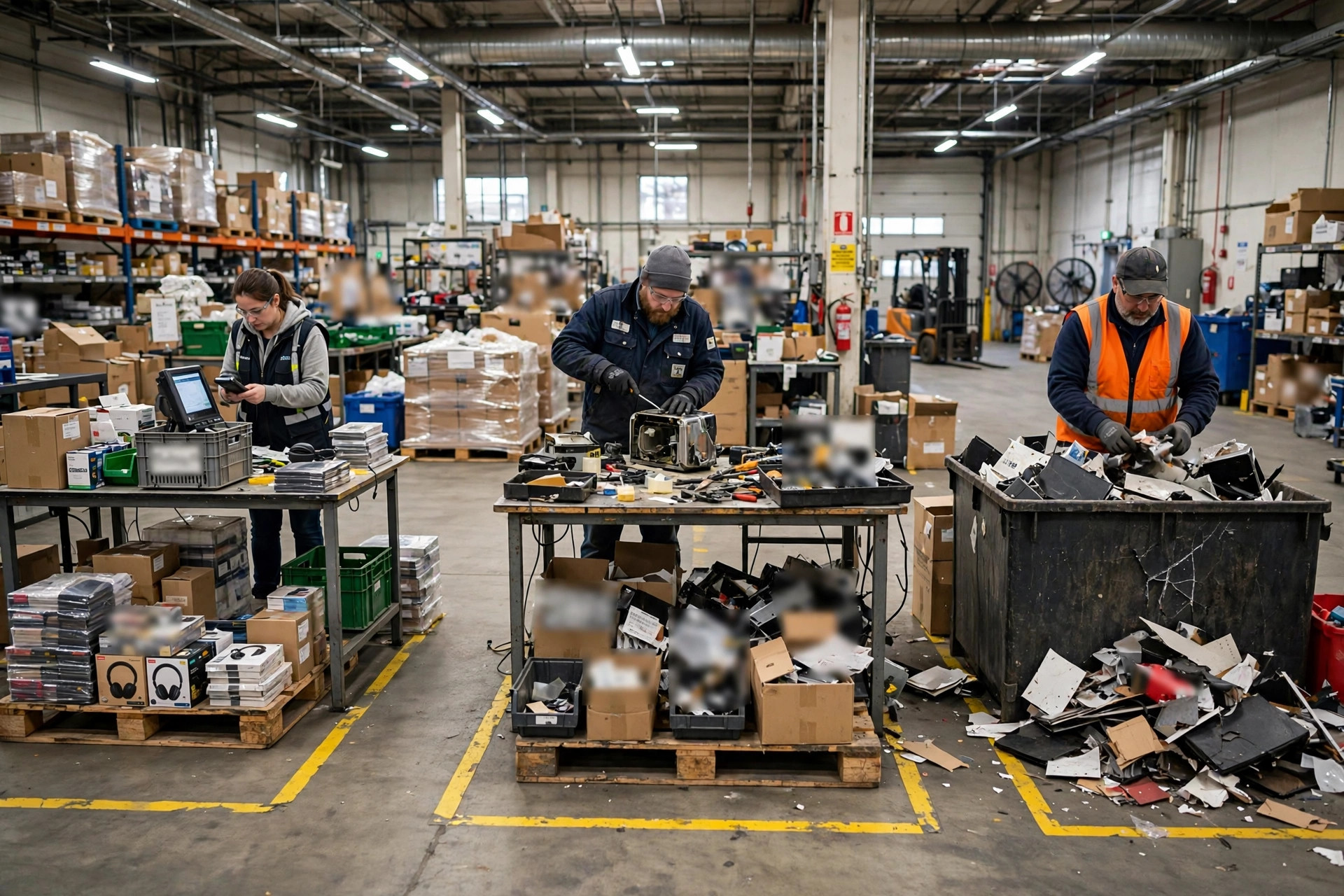
Three zones — literally drawn on the floor in chalk:
The fast-putaway zone: looks untouched, packaging unopened — straight back to the shelf, no QC. This single cut matters most, because most "changed my mind" returns were never even opened.
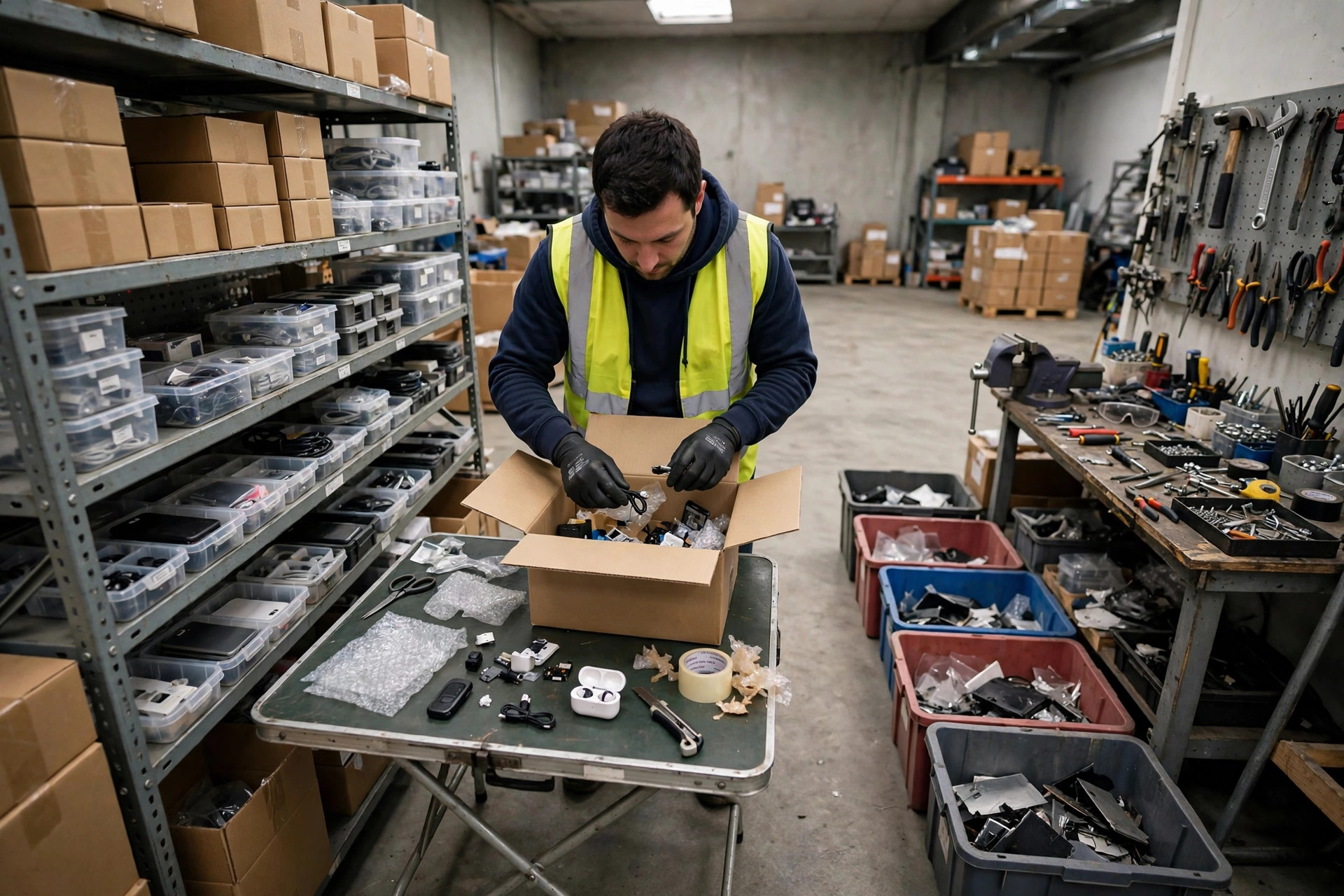
The QC zone: one folding table, two totes. Unbox, power on, eyeball it. Pass or divert.
The repair/scrap corner: ten square meters by the wall. Fixable items accumulate until there's a batch worth repairing; dead ones get tagged and wait for the seller's call on scrap or return.
Two lanes, two flows: the green fast lane — good units go from receiving straight to the shelf, target same-day putaway. The yellow slow lane — questionable units go over the QC table, then get routed: restockable back to the shelf, repairable to the corner, scrap gets tagged and moved out.
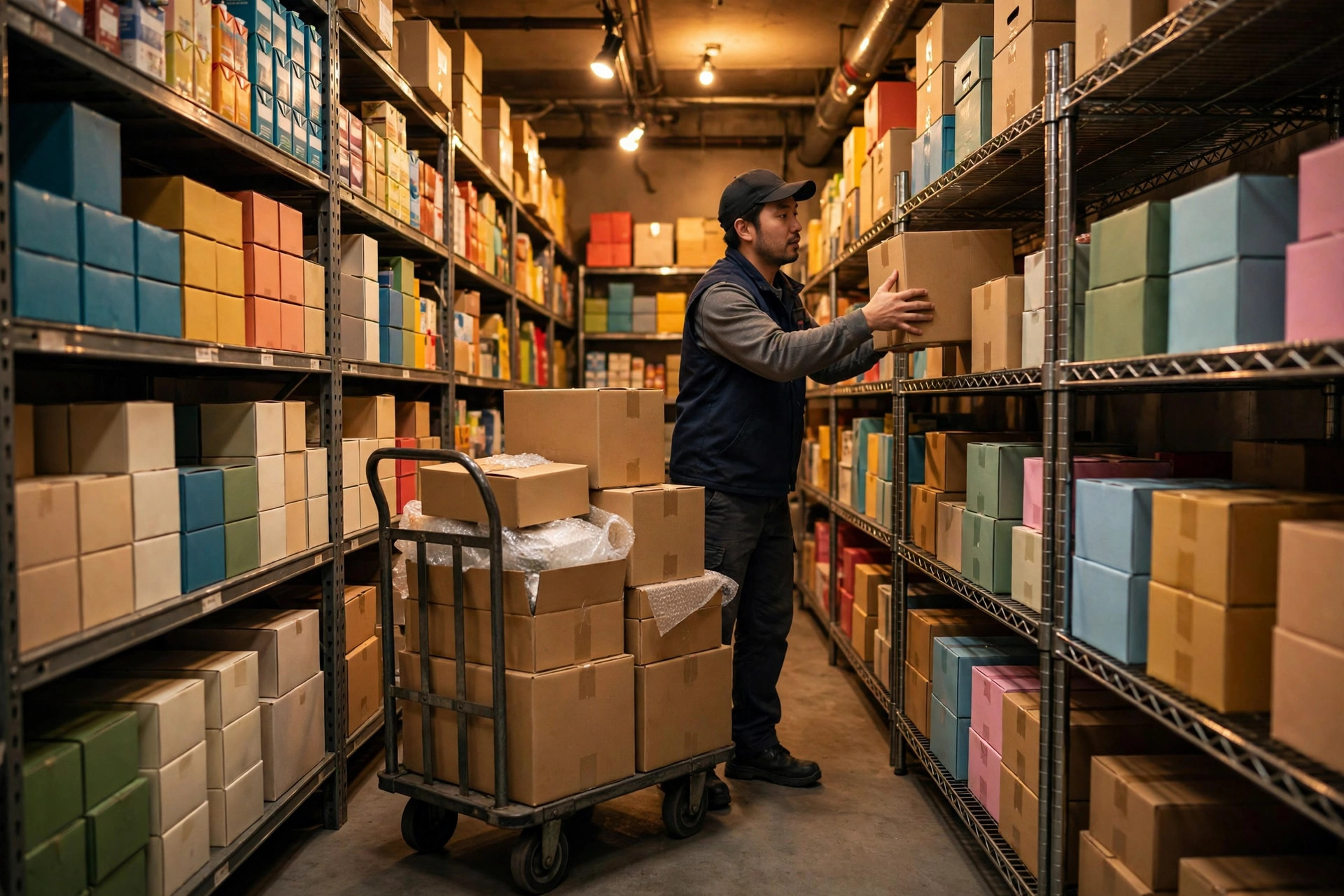
Our triage lead is Mei, our self-declared "returns ER nurse." Her rule: three seconds. Open the box, glance, and within three seconds decide green lane or yellow lane. Only the uncertain ones get the full table workup. Her words: "ERs triage before they treat — why should returns be any different?"
The decision tree is taped to the wall on a single sheet of paper. Any new hire gets it in one look. Three questions: Is the packaging intact? Does it power on and work? Does the seller even accept this return back into stock — some sellers write off returns by policy. Three yeses, green lane, straight to the shelf. Any no, yellow lane. Almost embarrassingly simple. And it works.
The Math: What Does a Return Cost for Every Day It Sits?
We ran the numbers. No need for precision — direction is what matters.
Piled-up returns cost three things. First, space: a pallet of returns sitting at receiving for a day occupies a slot that could be turning over, and a blocked dock slows every inbound delivery behind it — the whole building pays. Second, depreciation: electronics lose value by the week, packaging gets damp, seasons pass. The longer it sits, the less it's worth. Third, psychology: once the pile becomes a mountain, nobody dares touch it, and eventually the whole lot gets written off at a total loss.
And the cost of triage? Mei spends 10 AM to noon every day, two untouchable hours, on nothing but returns flow. Two labor-hours buys us this: the fast lane clears daily, the slow lane never exceeds three days. Returns used to sit for a week or more; now we measure in days. The more I run this math, the clearer it gets: we weren't too broke to staff this — we were bleeding the money invisibly.
Returns Putaway Is a Race — With Judgment
Here's the counterintuitive bit: the faster you process returns, the higher your resale rate. Returns that sit longer than a month mostly end up scrapped or fire-saled — not because they're broken, but because the moment passed. The seller already restocked with fresh inventory, and these became orphans nobody wants.
But fast needs judgment — it's a trade-off. QC too deep, ten minutes per unit, and the slow lane jams into a new garbage mountain. QC too shallow, defective units flow back to the shelf, trigger second returns, double the shipping, and sellers breathing down your neck. Our dividing line is the return reason code: "didn't like it" or "wrong size" rides the green fast lane; "defective" or "broken" goes to the yellow lane for real inspection. The reason code is a free triage machine. Use it.
The result? Our returns corner went from "the dump" to "the cash zone." Resellable units hit the shelf the same day and can sell the same day. The report our sellers now ask for most is returns turnaround time — because it maps directly to their cash flow.
Three pieces of advice for fellow small warehouses. One: don't buy a system first. Draw three zones in chalk, run it for two weeks, then decide. Small-warehouse flow is discovered by running, not by drawing. Two: no return sleeps at receiving — that one iron rule beats any SOP. Three: find your Mei. A good triage nurse beats a "QC engineer" you can't afford.
Big companies have RMA systems. We have Mei and a sheet of paper. It works just fine. Small warehouses have their own way of surviving.
By Xiao Ma, Small Warehouse Owner