What's the most expensive pallet position in your warehouse? In a Fontana building I know, it's on the fifth level of rack that was never supposed to exist.
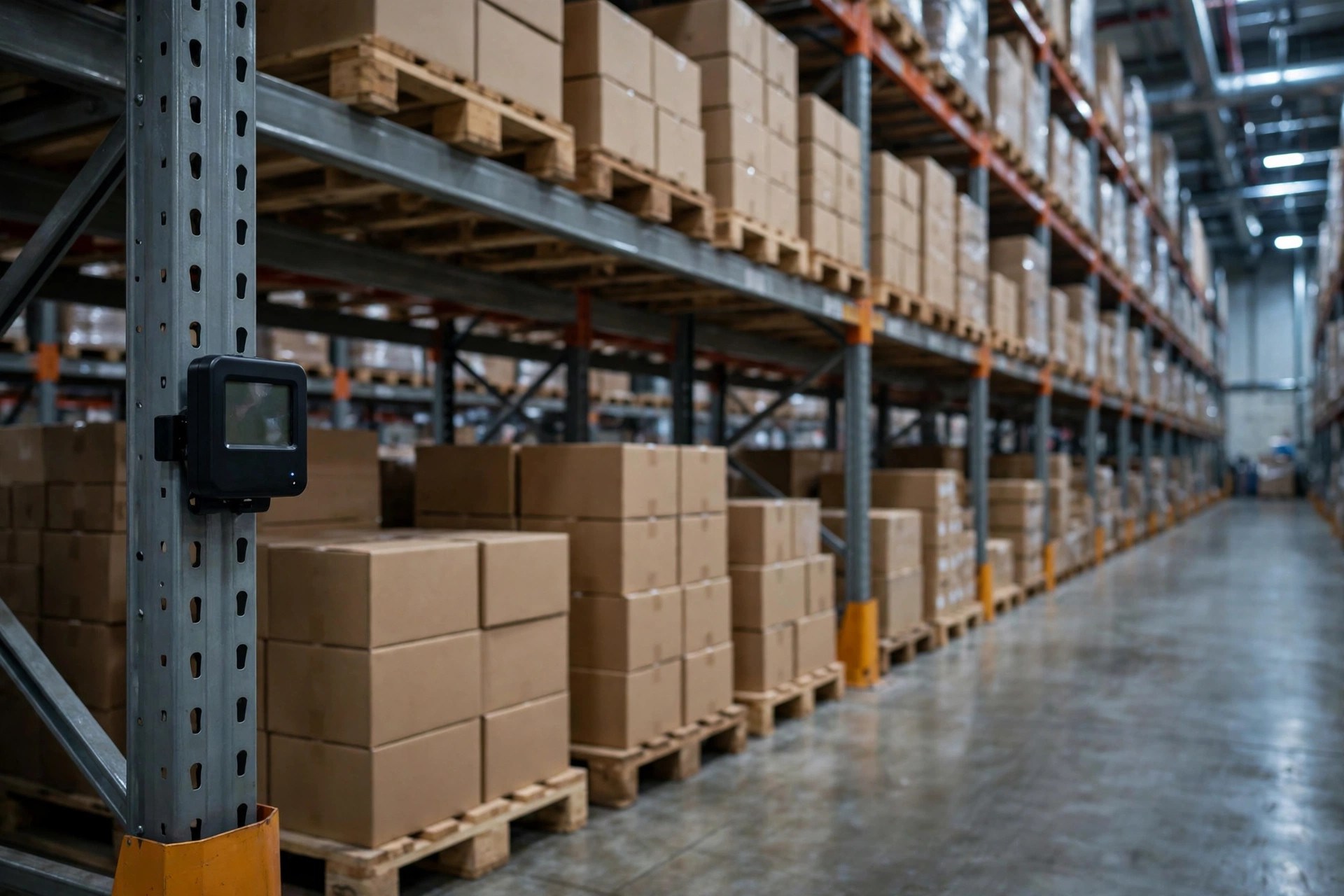
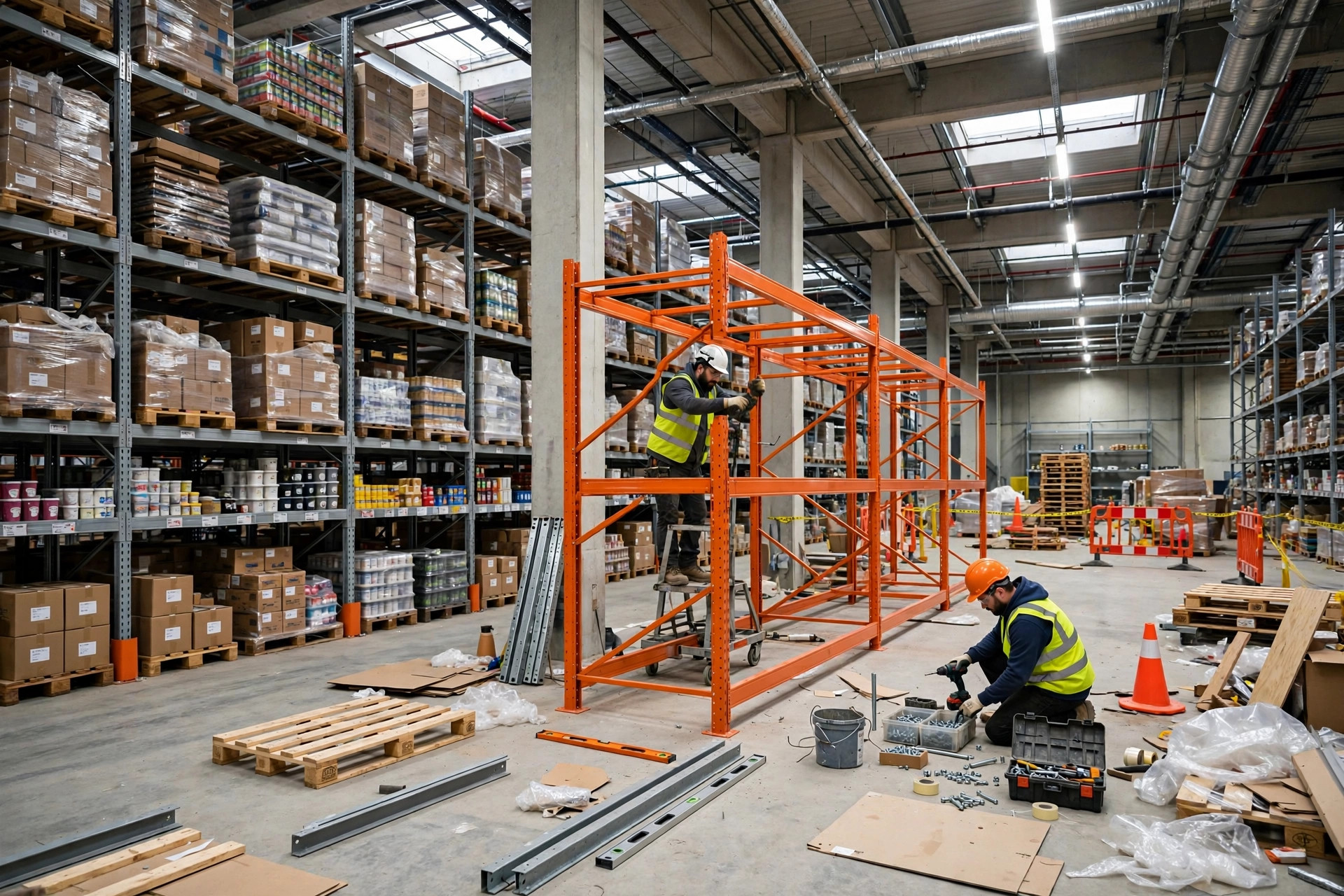
The story is depressingly common. Early 2024, a 60,000-square-foot e-commerce fulfillment center needed more slots before peak season. The fix seemed obvious: raise the racking one level along the main aisles and gain about 15% more positions. The steel crew finished in two weeks and the owner was happy. Then the fire department came for its annual inspection. The inspector looked up at the sprinklers, looked down at the original fire protection drawings, and shut the new level down on the spot: the existing sprinkler system wasn't designed for the new storage height. Redo the fire protection engineering, modify the sprinklers, pass inspection — until then, no product on level five. That 15% capacity sat empty for nearly three months.
This is the pitfall nobody prices into a rack raise. The steel and labor are the cheap part. The fire protection bill is where the project actually lives or dies.
Sprinklers are height-rated, not coverage-rated
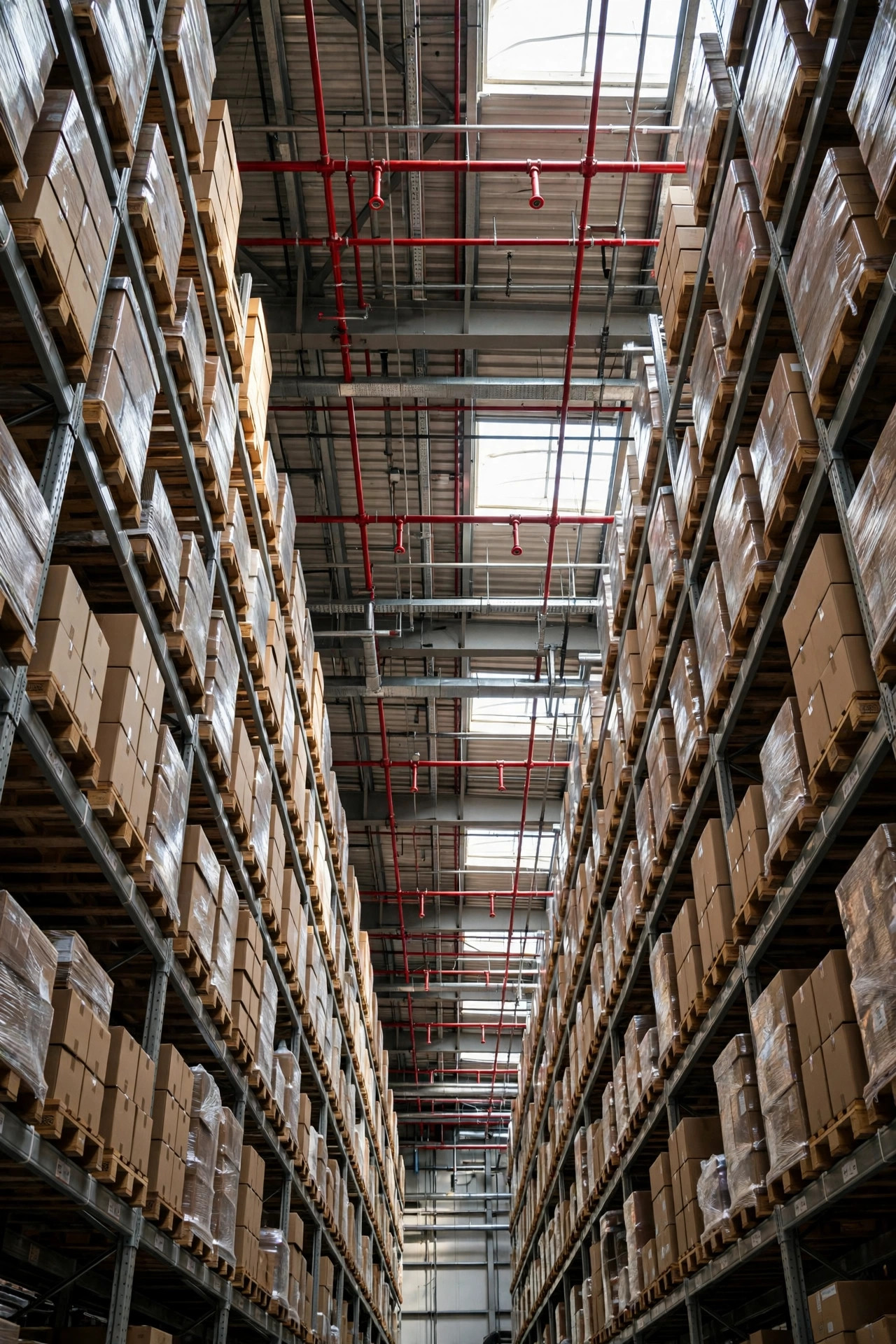
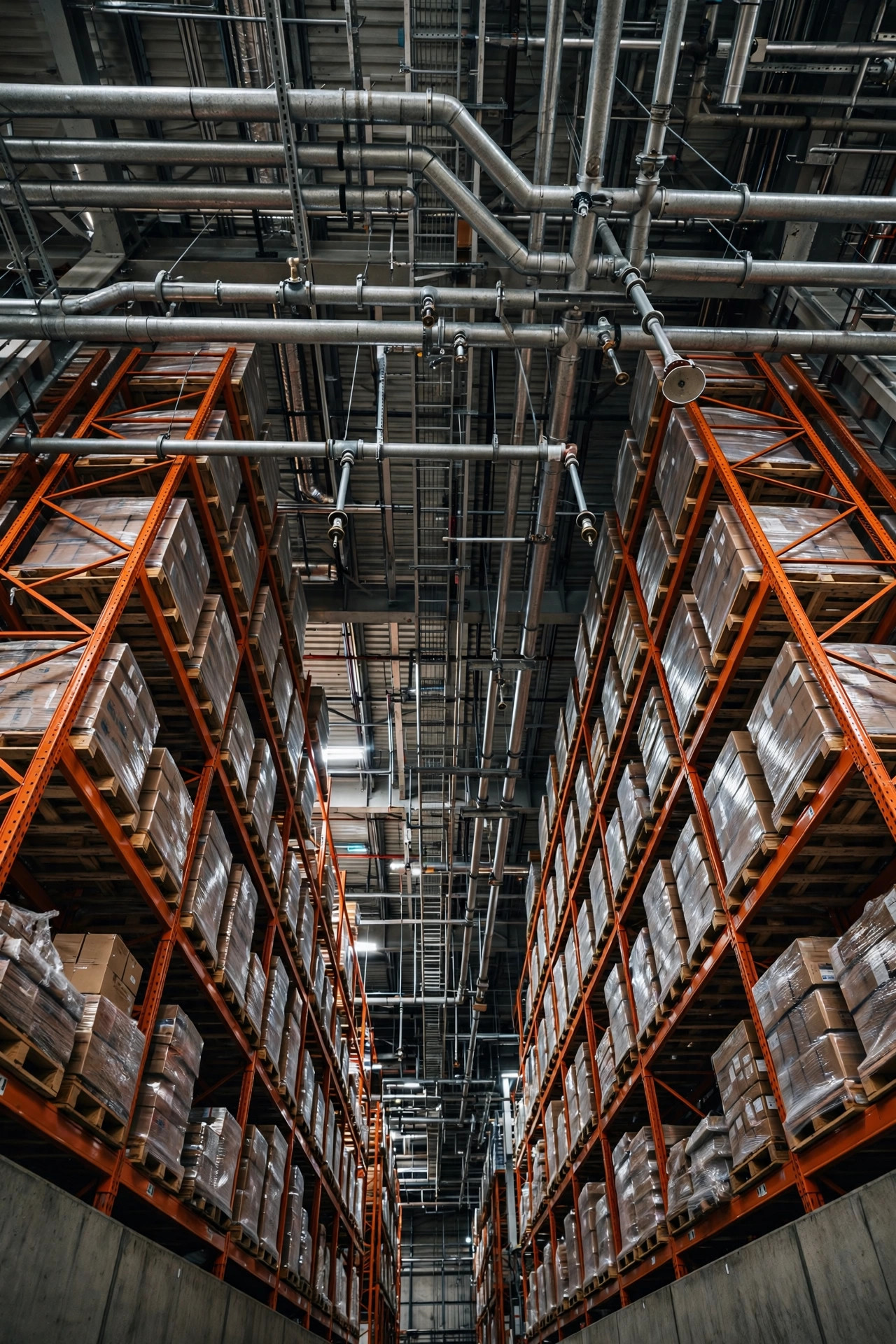
Most people think of sprinklers as present-or-absent. Fire protection engineers think in height. The ESFR — early suppression, fast response — sprinklers over your racks were designed as a complete system for a specific storage height and ceiling height: sprinkler model, discharge density, pipe sizing, pump capacity. The entire hydraulic calculation assumed the commodity would never sit higher than the design allowed.
Raise the racks and every one of those assumptions breaks. Whether a sprinkler can drive water into the core of a burning pallet stack before the fire outruns it comes down to geometry: the distance from the deflector to the top of storage, the fire plume the head has to punch through. Change the height and the math changes with it.
And this is not fixed by "adding a few more heads." A height change can mean higher-flow sprinkler models, new branch lines, sometimes a bigger pump or an upgraded water supply — effectively redesigning the system and building it again. I've seen a project where the racking steel and labor landed in the low six figures and the sprinkler rework cost more than the racks themselves. Nobody had put that number in front of the owner before the steel went up.
Run the math per position and the picture gets worse. If the fire protection rework adds, say, tens of thousands of dollars to gain a few hundred pallet positions, the cost per new position can easily exceed what you'd pay to lease overflow space for a year. The "cheap" capacity turns out to be the most expensive square footage in the building — before a single pallet goes up.
Higher storage reclassifies your commodity
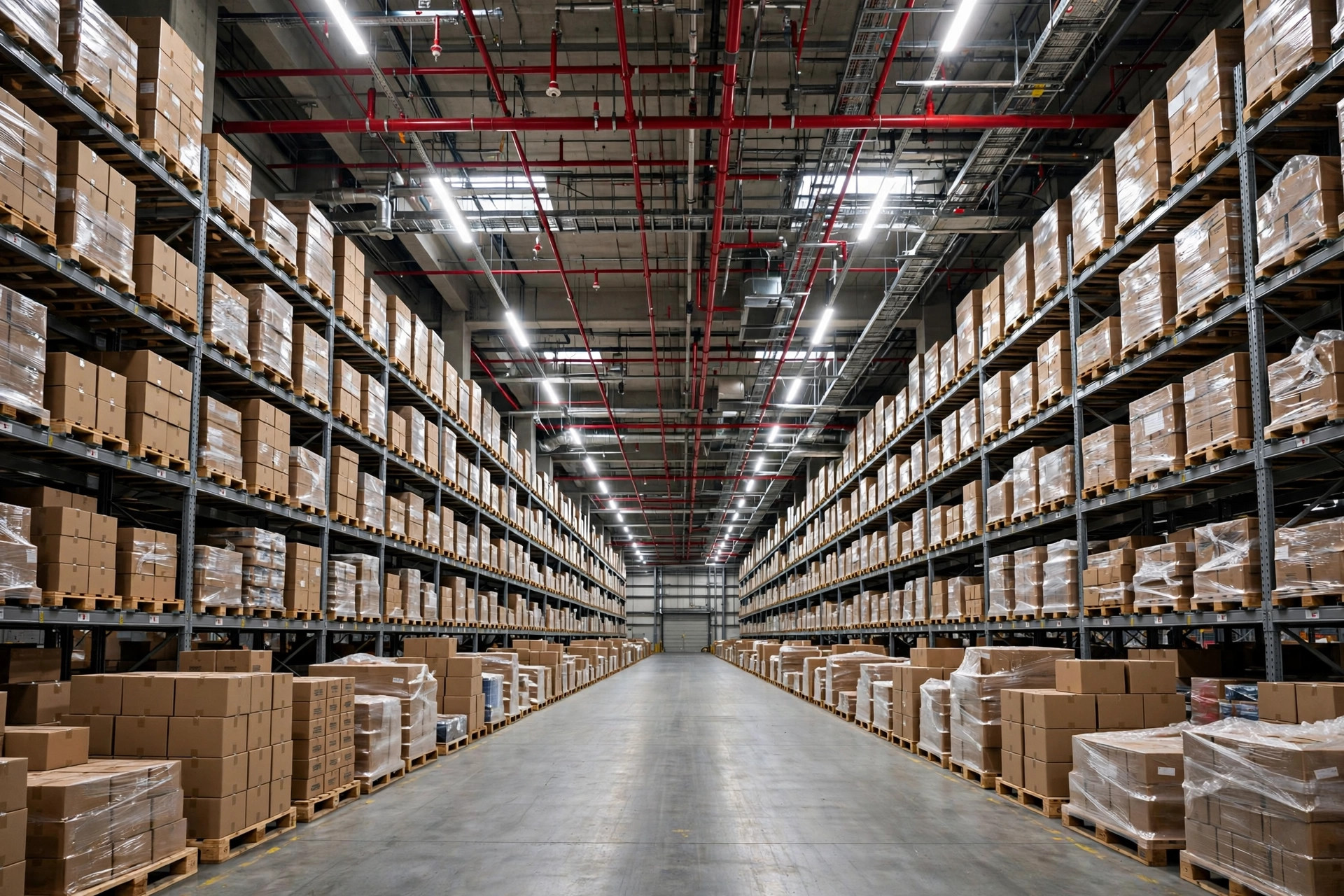
Here's the part that surprises even experienced operators: in the eyes of the fire code, raising storage can change what your product is. The installation standard for sprinkler systems sets different protection requirements by commodity class and storage height — ordinary boxed goods, cartoned goods in plastic packaging, and exposed plastics are entirely different animals, and the design criteria step up with each hazard level. Always work from the current edition of NFPA 13 and your local authority having jurisdiction; the specifics move.
Go one level higher and a system designed for the lower hazard class may no longer protect the fire load actually sitting under it. Warehouses heavy on plastics and foam packaging get bitten hardest — one level up can push the hazard classification a full step higher, and the sprinkler design has to follow. That call belongs to a licensed fire protection engineer, not to the warehouse manager's gut. Guess wrong and you find out at the inspection, when the new level gets red-tagged.
There's a trade-off worth naming here: in-rack sprinklers can sometimes bridge the gap without a full overhead redesign, but they come with their own costs — impact damage from forklifts, maintenance headaches, and water damage exposure for the product below. It's a legitimate option in the right building, not a shortcut. Get it engineered properly either way.
Your insurance application is a promise
Then there's the bill nobody budgets for: insurance. When the policy was written, the application described the building as it was — rack heights, storage configuration, sprinkler design. A rack raise is a material change in risk, and the policy expects to be told about it.
A California warehouse learned this the expensive way with a small fire in 2022 — contained quickly, modest damage. At claim time the carrier's engineer measured the racks and found storage a level higher than the application showed. What should have been a routine claim turned into months of argument and a reduced payout. The carrier's logic is brutally simple: you paid premiums for the risk you described, not the risk you created.
An unreported layout change is a standing invitation for a coverage fight. Price that risk into the project before the first upright goes up, not when the adjuster shows up.
So the real sequence for a rack raise runs like this: hire a licensed fire protection engineer for an assessment before anything else, and get the report in writing — can the existing system cover the new height, and if not, what changes. Take that report to the local fire authority and get sign-off in writing before steel goes up; never build first and ask later. Notify your insurer in parallel and update the policy to match the new configuration. After construction, commission the modified system, update the fire protection drawings, and keep everything on file.
Get the sequence right and the new level earns its keep from day one. Get it wrong and those extra positions are the most expensive empty slots you'll ever own.
The next time someone pitches you "one more level, fifteen percent more slots," ask one question first: has the fire protection engineering been done? If the answer is a blank stare, walk away from the project until it isn't.