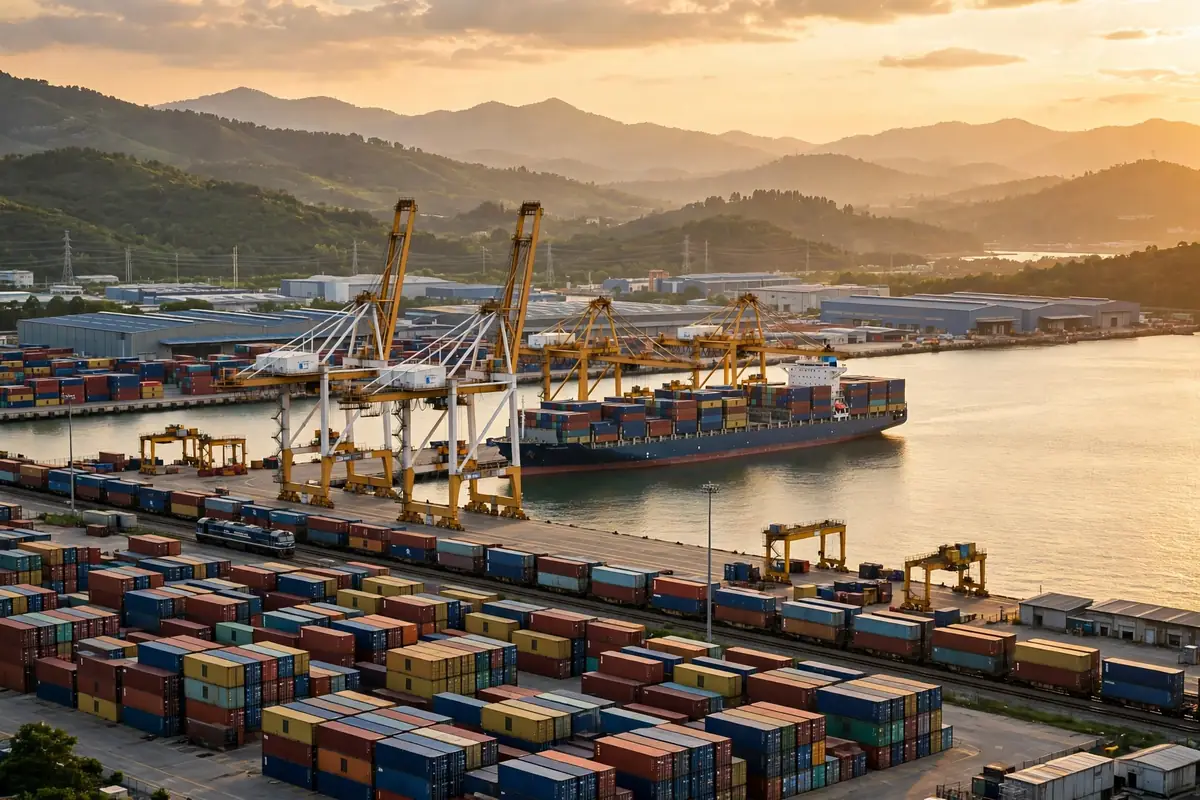
My verdict: Qinzhou is worth a serious look, but don't sign a warehouse lease on your first visit. Put bluntly, this port plays a different game from Shanghai or Ningbo. It lives on ASEAN cargo and sea-rail intermodal, and a warehouse here isn't valuable for the few square kilometers around the terminal. It's valuable if you can take cargo off the ship and move it inland without friction.
A client importing ASEAN fruit leased a warehouse right beside the port last year. Cheap rent, close to the berth, looked perfect on paper — until the first container of durian arrived. The reefer waited for inspection inside the port, then needed a cold store immediately, and their warehouse had nowhere near enough reefer plugs or sorting space. The cargo sat in the yard two extra days, and spoilage plus demurrage cost more than the rent they had saved. Being close to the berth helps, but only at one step. Warehousing is a whole chain, and if your warehouse can't handle inspection, cold chain, and distribution, the rest doesn't matter.
Three lines that explain Qinzhou port
Start with the ocean side: the Beibu Gulf ports — Qinzhou, Fangchenggang, and Beihai combined — handled over 8 million TEU in 2023 and over 9 million TEU in 2024, while Qinzhou alone moved 226 million tonnes of cargo in 2025, up 8.7 percent, and 7.46 million TEU of containers, up 7.2 percent. Watch the scope: the 9 million TEU figure is the three ports combined, not Qinzhou alone.
The second line is sea-rail intermodal: trains on the New Western Land-Sea Corridor run out of Qinzhou port, the 2,000th departing in March 2024. A standard train carries 600 TEU, the largest 1,018 TEU. That makes Qinzhou more than an export gate: cargo from Chongqing, Chengdu, and Guiyang rides the rail here and boards a ship, and ASEAN cargo coming off the ship can ride the rail inland. The third line is the Pinglu Canal, opened on 16 September 2026: 134.2 kilometers, a Class I waterway, designed for 89 million tonnes of one-way annual freight. Cargo from the Xijiang River basin can now reach Qinzhou by water instead of taking the long route around — a real change for shippers in Guangxi and Guizhou.
Put the three lines together and the shape of the business gets clear: Qinzhou is the first stop for ASEAN goods entering China and a collection point for inland cargo heading out. Fruit, rubber, and palm oil come in; machinery, building materials, and chemicals go out. Somebody makes money on the warehousing, distribution, and processing in between, but where you make it depends on what your cargo is.
What Qinzhou warehousing actually earns money on
Split cargo into three kinds, because the warehouse play is different for each.
First, ASEAN fresh and cold chain cargo: durian, mangosteen, frozen shrimp. The whole game is speed and an unbroken cold chain: berth, inspection, cold storage, distribution, like a relay where every handoff has to land. One hour broken and spoilage climbs. Warehouses for this cargo need to be near the port, need plenty of reefer plugs, and need experience coordinating with inspection. Paying more rent is worth it: spoilage is where the real money is lost.
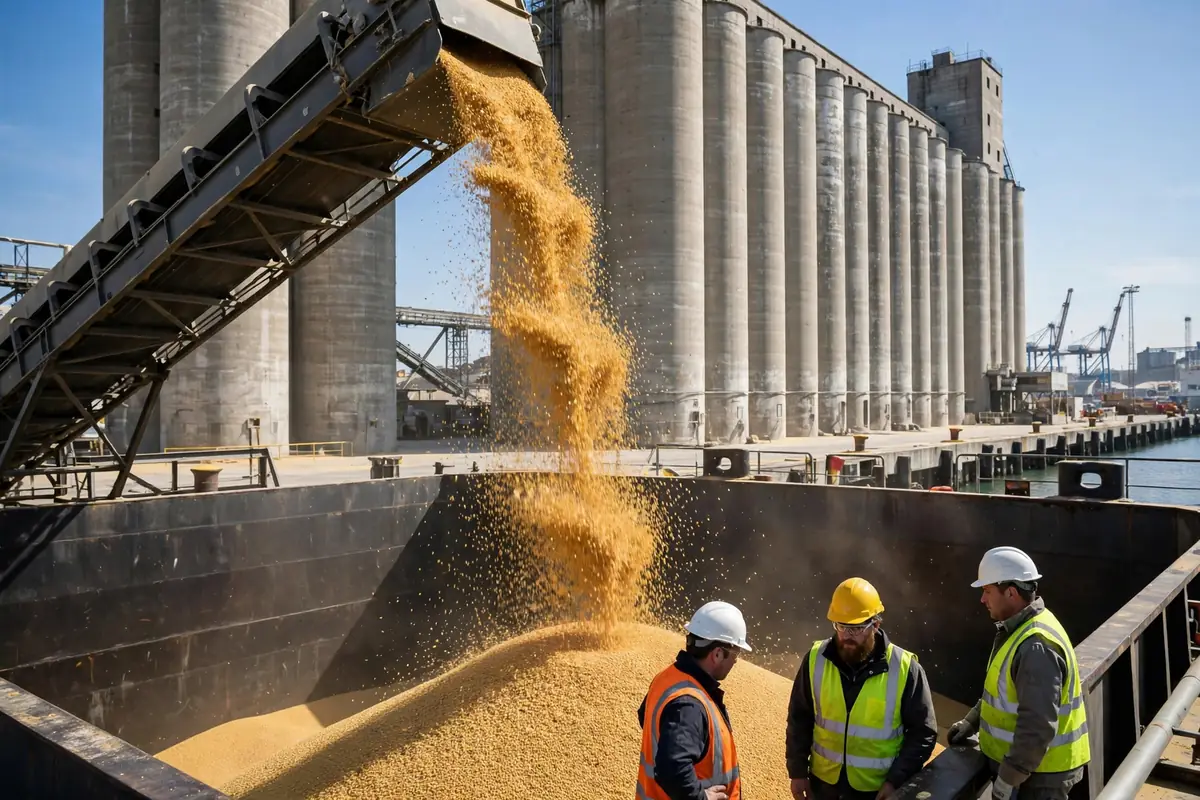
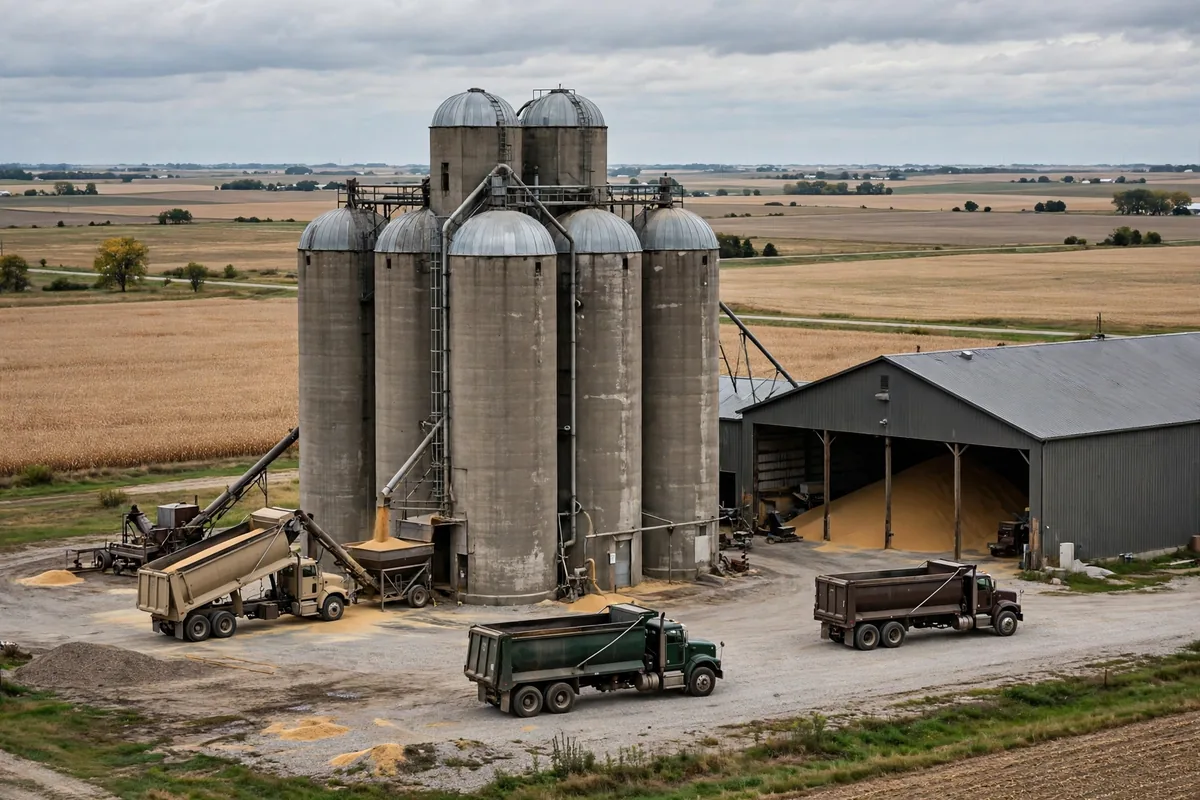
Second, bulk and breakbulk cargo: grain, ore, steel, timber. This cargo doesn't mind waiting. What it hates is slow turnaround and expensive yard fees, so the play is floor area and handling efficiency. Being a little farther from the berth doesn't matter as long as access runs smoothly and the yard is big enough. I've watched bulk owners insist on warehouses inside the port area, pay top rent for a small footprint, then run out of stacking space and pay more anyway.
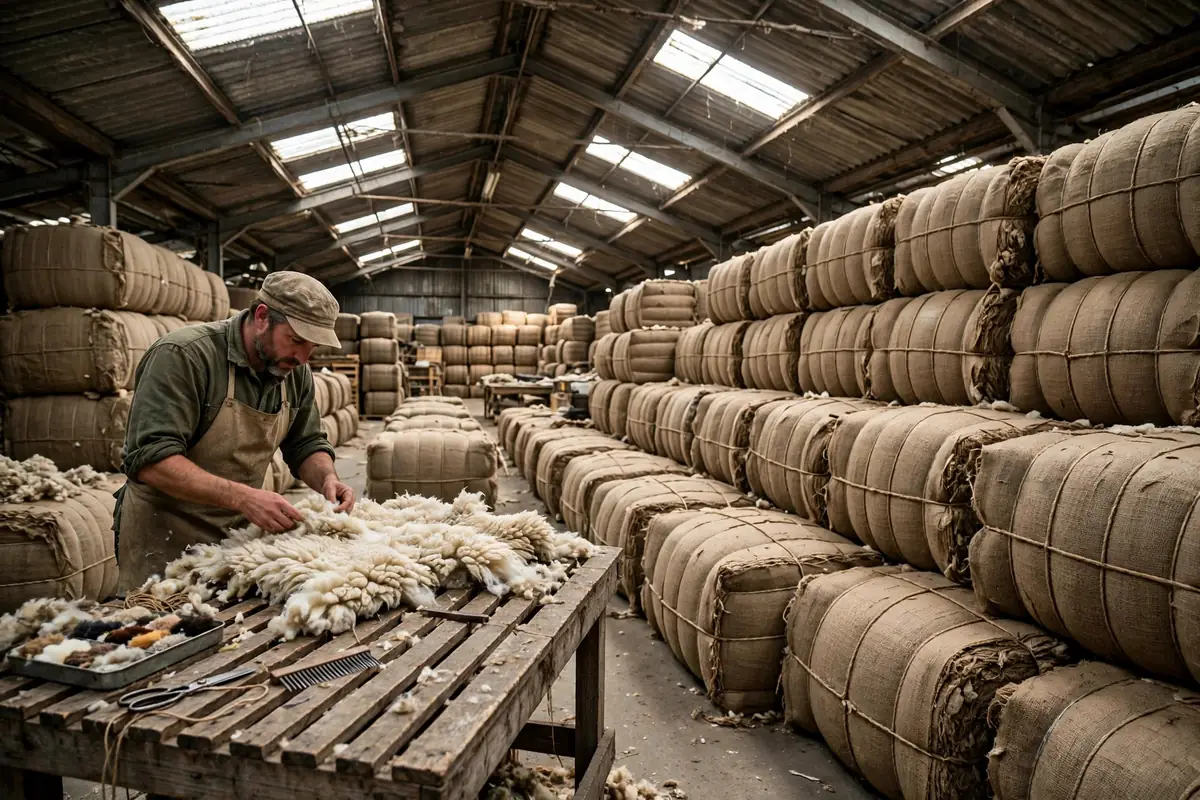
Third, transit and transshipment cargo: inland goods arriving at Qinzhou to consolidate for export, or ASEAN cargo switching here for the rail inland. This cargo needs the least from a warehouse; what matters is the connection between train and vessel schedules. The warehouse is just a temporary stop, fast in and fast out. Never lease it as if it were long-term storage.
Three kinds of cargo, three kinds of warehouse. Before you sign anything, ask yourself which kind yours is. If you can't answer, don't sign.
Where to put the Qinzhou port warehouse: port area, bonded zone, or Nanning
Clients ask me this most, and my answer is always the same: follow the flow of the goods, not the distance on the map.
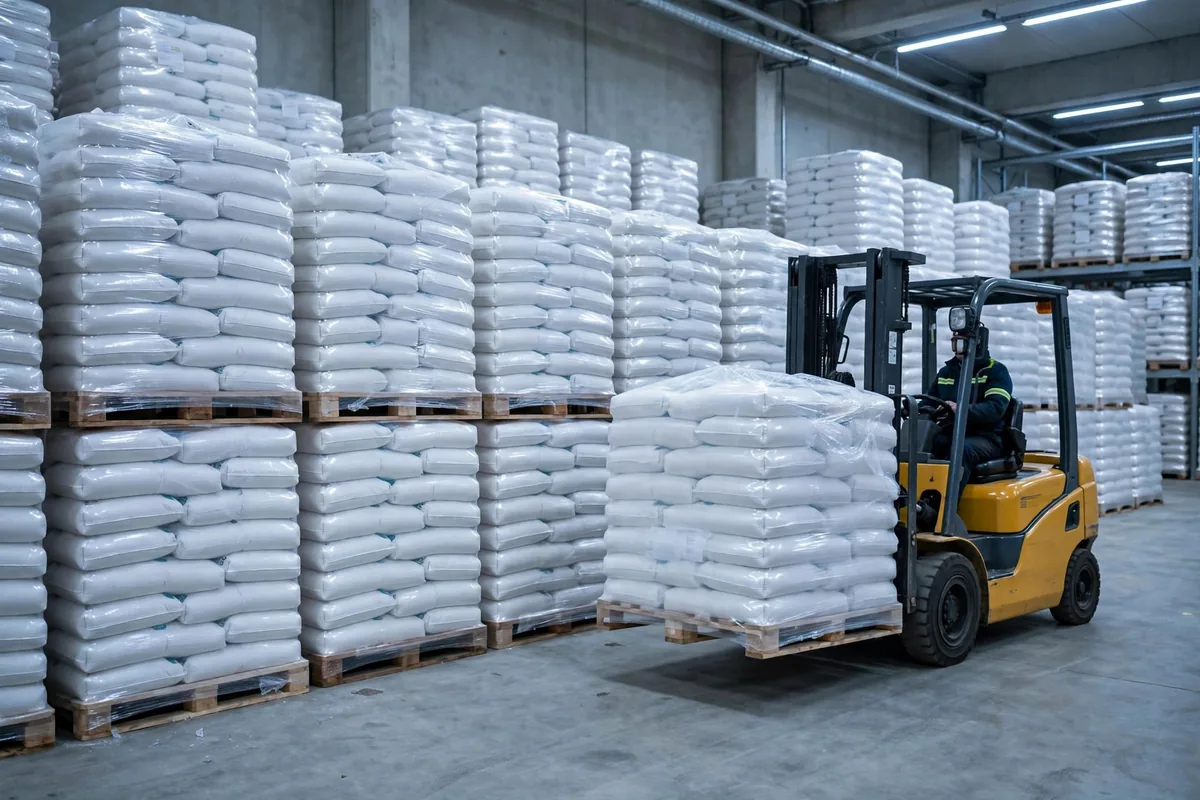
A warehouse beside the port area is closest to the ship, which suits cold chain and urgent cargo, at the cost of high rent, limited space, and access controls. A bonded-zone warehouse offers policy advantages for bonded storage, simple processing, and re-export, at the cost of paperwork on every move — a hassle for domestic sales cargo. An inland port or logistics park in Nanning is cheap, spacious, and close to consumer markets and industrial parks, which suits distribution and regional warehousing, at the cost of an extra drayage leg.
The table below is the framework I use with clients; the figures are a hypothetical worked example for comparison only, not real quotes — confirm current local pricing before signing:
| Location | Suits | Advantage | Cost |
|---|---|---|---|
| Beside the port | Cold chain, urgent, inspection-heavy cargo | Closest to the vessel, fastest handoff | High rent, small footprint |
| Bonded zone | Bonded storage, re-export, light processing | Policy benefits, built for re-export | Heavy paperwork, awkward for domestic sales |
| Nanning inland port | Distribution, regional warehouse, bulk stock | Cheap, spacious, near the market | Extra drayage leg, far from the berth |
Once you read that table, site selection stops being guesswork. Here's the counterintuitive part: most people think the closer to the berth, the better, but for most cargo the freight saved by being 10 kilometers closer doesn't cover the extra rent of a port-side warehouse. What pays is the handoff — whether your warehouse can pick cargo up the day the vessel berths and deliver to the rail yard before the train departs. Get the handoff right and 30 kilometers farther out is no problem. Get it wrong and a warehouse at the terminal gate is useless.
One more variable is getting bigger. Five automated container berths are under construction at Qinzhou's Dalanping South terminal area: about 941 million yuan, roughly 140 million US dollars, with annual capacity 650,000 TEU. Once they open, handling and berthing capacity step up, schedules get more predictable so turnaround can be planned tighter, and port-side warehouses get more competitive, pushing rents up. The window before they open is a good time to negotiate a long lease; wait until they are running and the price won't be the same. That's my judgment, not a promise — check the latest official progress before acting on it.
The Pinglu Canal is open, so how does the river-sea math work
The Pinglu Canal opened on 16 September 2026: 134.2 kilometers, a Class I waterway, designed for 89 million tonnes of one-way annual freight. The real change is simple — cargo from the Xijiang basin used to take the long water route around to reach the sea; now river vessels come straight to Qinzhou, where river and ocean shipping meet.
For warehousing, river-sea intermodal creates a new opportunity: transfer warehouses between the canal and the port, where cargo comes off a river vessel, gets sorted and consolidated, and boards an ocean vessel, or vice versa. A warehouse there doesn't win by being near the berth. It wins by sitting near the meeting point of the canal mouth and the port and receiving cargo from both river and ocean vessels.
But don't treat the canal as a cure-all. Volumes take time to ramp up, habits don't change in a day, and the designed capacity is a design figure — real throughput depends on lock efficiency and dry-season water levels. Treat the canal as a three-to-five-year variable: scout sites and build relationships now, and put serious money in once the volumes show up. Being half a step early is an advantage. Being three steps early is just burning cash.
Put bluntly, the logic of Qinzhou port warehousing comes down to one sentence: a gateway earns its money on the handoff, not on hoarding stock. Import from ASEAN, get the cold chain and inspection chain running first. Export from inland China, line up the trains and the vessels first. Do transit and distribution, run the cost math before you pick a site. Before you lease anywhere, draw the flow of your goods. Once the flow is clear, the location picks itself.
One last question: after your cargo reaches Qinzhou, does it go inland, into the bonded zone, or straight out to the market? If you can't answer that, wherever you lease is a gamble.
By Lao Mi, Supply Chain Veteran (20 yrs)