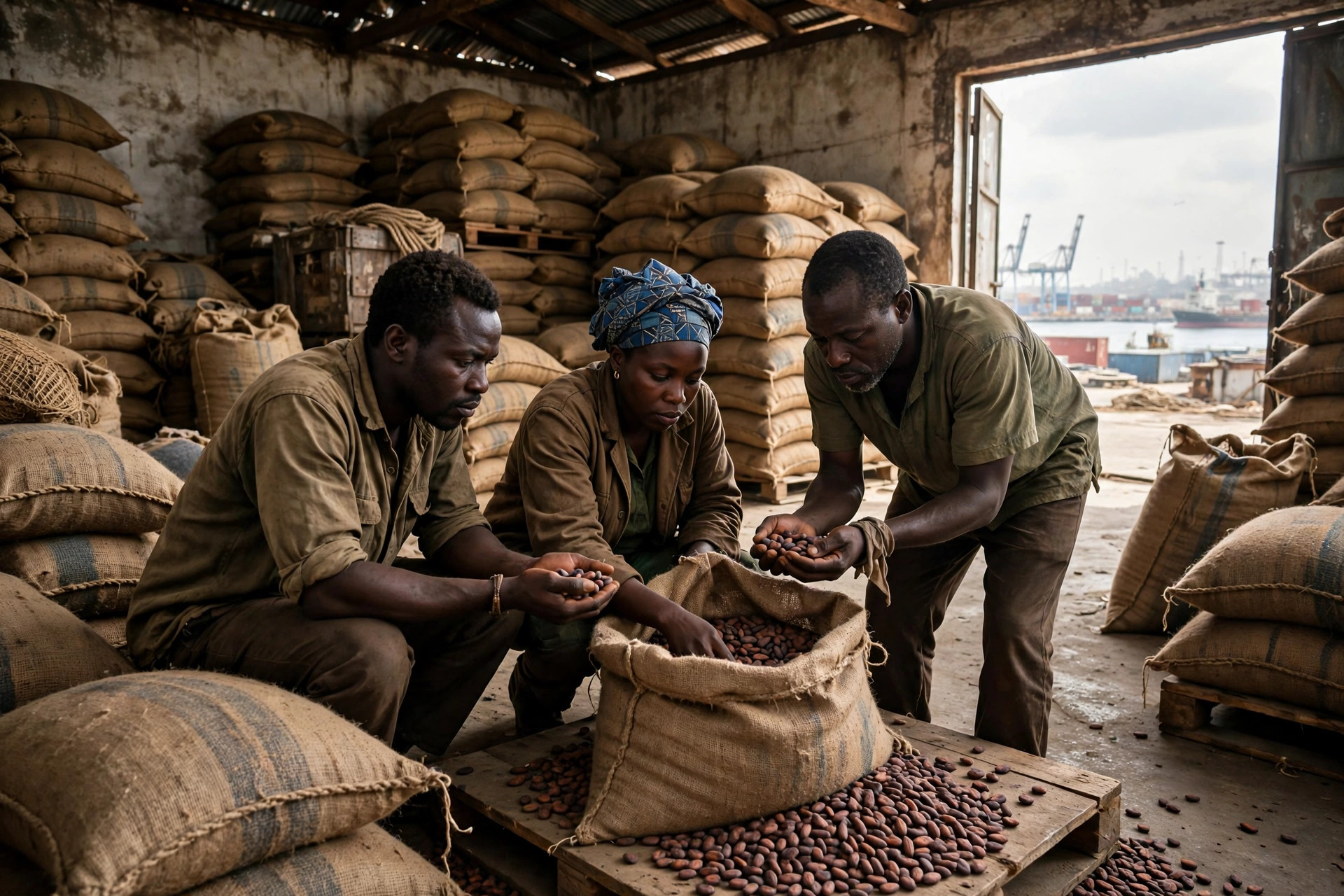
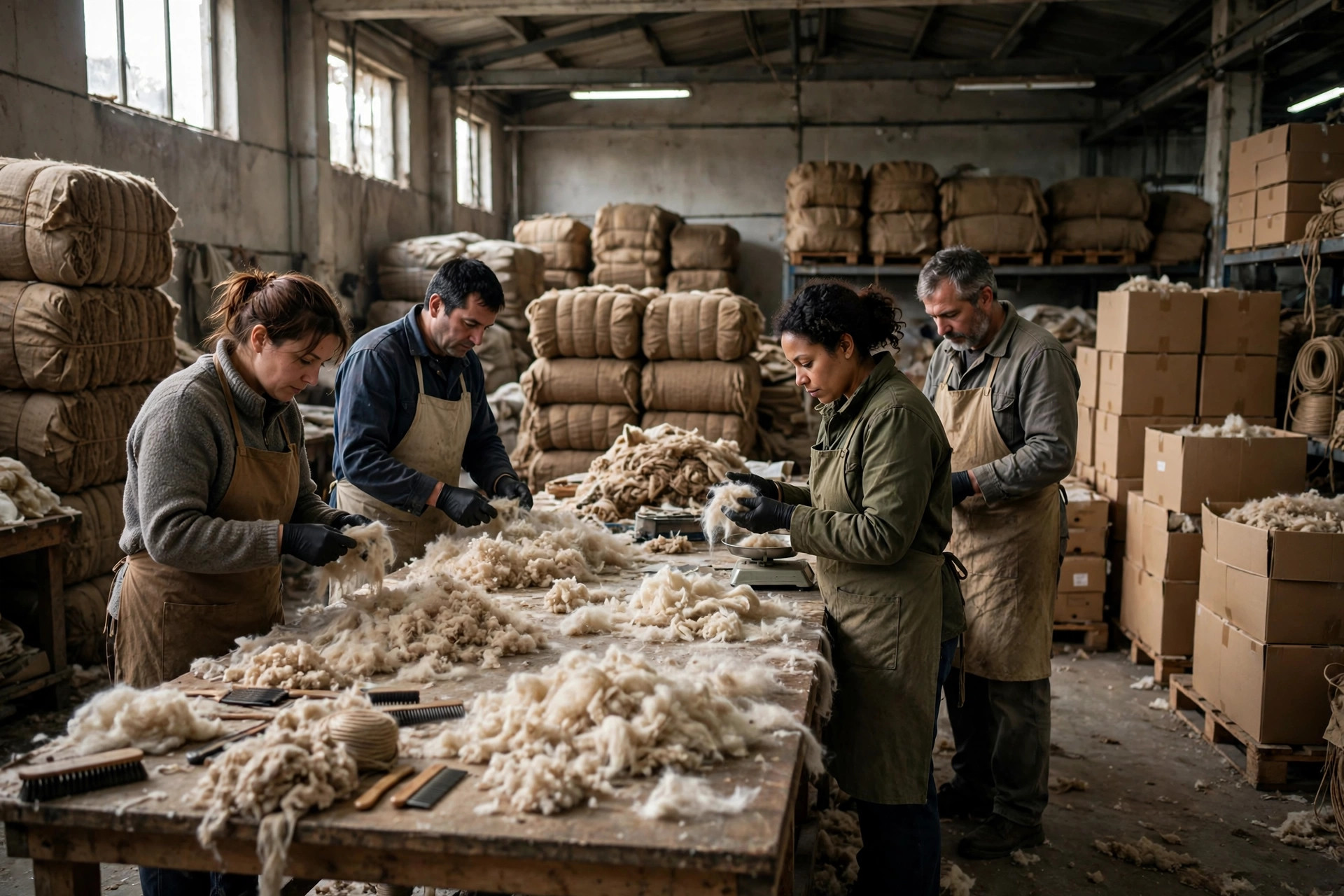
Let me give you the bottom line on Philippines coconut export warehouse storage first: what makes money in this business is not the coconut itself, it is your ability to deliver it to the buyer in the same condition it left the farm. From the groves of Mindanao to the port of Davao, the warehouse leg eats more profit than most newcomers budget for. I have seen too many people obsess over freight rates and paperwork, then lose the whole shipment in storage — nothing stolen, nothing late, just a container opened at destination with ruined appearance, a buyer discount, and a deal that ends up working for free.
The Ledger First: Coconut Export Storage Money Hides Where You Don't Look
This cuts two ways. On one side there is the visible ledger: warehouse rent, labor, packaging, stuffing. Those numbers show up on a quote and are easy to add up. On the other side there is the invisible ledger: moisture damage, destination discounts, re-sorting, lost customers. Those never appear on a quote, and when they hit, they all arrive at once. Beginners only count the first side. Veterans watch the second.
Here is a pit I watched firsthand. A few years ago, a copra exporter outside Davao City rushed a container out during the rainy season. His warehouse was a rented old factory floor with no moisture barrier, and to save space the bags went straight onto the concrete with no air channels between stacks. At stuffing time everything looked fine — dry to the touch, no smell. Two weeks at sea later, the buyer opened the container to find dozens of bags at the bottom caked and moldy, and the whole load was bought at a downgraded price. He later told me the money he lost on that one container would have paid for three rounds of warehouse moisture-proofing, with change to spare. Put bluntly: if you do not spend on moisture control voluntarily, the market will spend it for you, and it will spend more.
There is also a pricing trick here worth learning. Treat moisture control as a line item in your per-container quote, not as overhead to absorb. The rent you save on a cheap warehouse never covers one destination discount, while the moisture-proofing cost spread across every bag is small. Quote the price of cargo that arrives intact, not the price of cargo that leaves your dock. That difference is what separates veterans from newcomers.
I Have Seen Too Many People Lose Money on Grading
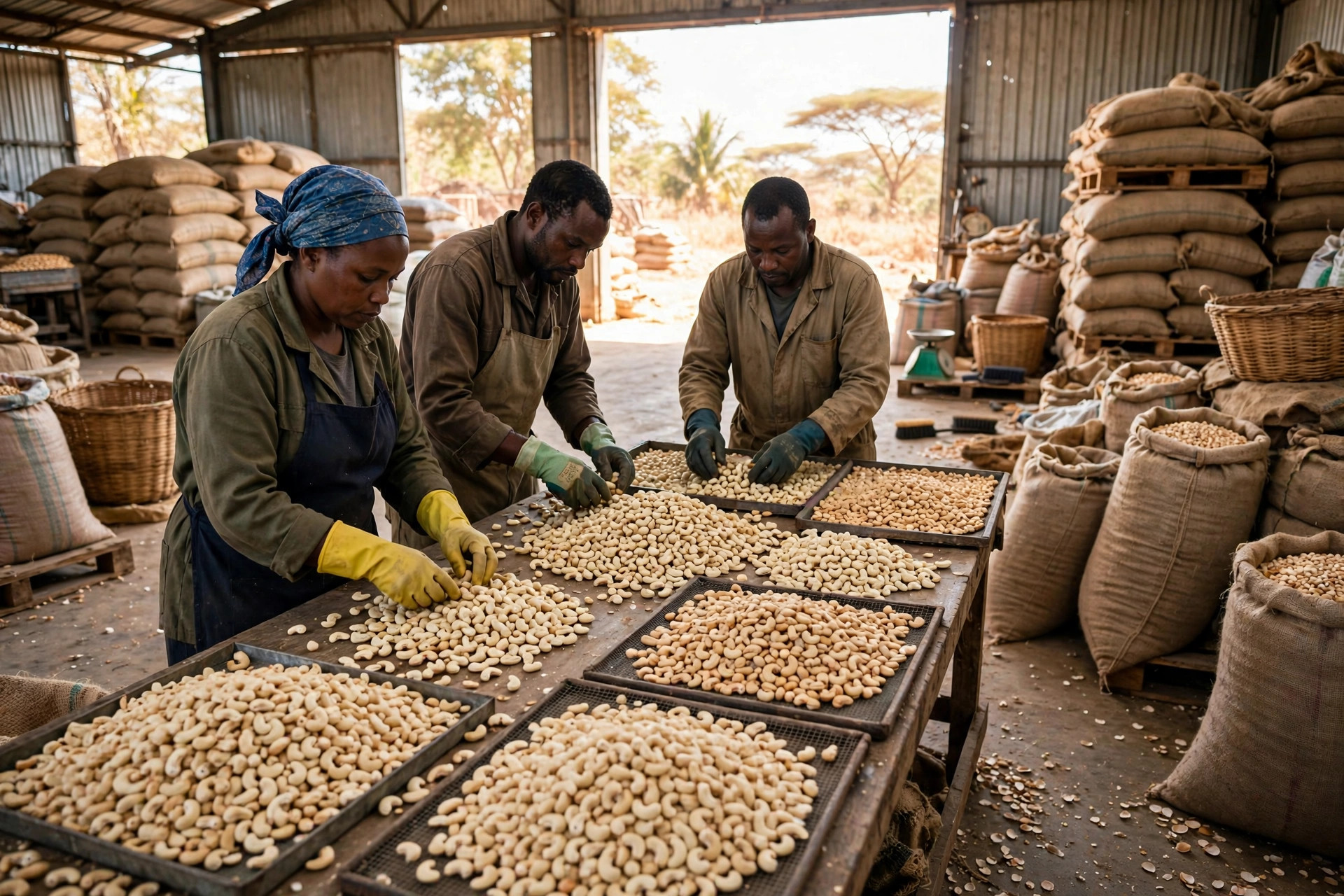
Here is the counterintuitive part about grading: finer grading does not always mean better money. Grading exists to make the buyer's life easier, not to feed your own perfectionism. Grade too coarse, and the buyer prices the whole lot at its lowest grade — you take a silent loss. Grade too fine, and sorting labor and extra warehouse slots eat the premium you were chasing. The balance point is simple: grade to the buyer's acceptance standard, not to your own ideal.
The common coconut export forms do not fear the same things, so never manage them with one playbook:
| Form | Fears most | Storage essentials | Classic mistake |
|---|---|---|---|
| Copra | Moisture, mold, odor pickup | Pallets off the floor, wall clearance, ventilation | Rainy-season floor stacking that ruins the bottom layer |
| Coconut water and coconut milk products | Temperature loss, bloating | Temperature control per product spec, first-in-first-out | Ambient storage mixing that miscalculates shelf life |
| Fresh coconut and coconut meat | Bruising, water loss, heat buildup | Gentle handling, airflow, fast turnover | Stacking too high so the bottom layer crushes first |
I saw another deal go wrong this way: a lot of copra with clearly different sizes and dryness got mixed into one container to save half a day of sorting. At destination, inspectors sampled the weaker portion and priced the entire container at the lower grade. Half a day of labor saved, a full container of price difference lost. That math never works.
One more hard-earned rule: put grading standards in writing, in the contract or the inspection sheet. A verbal standard is no standard. When a dispute lands at destination, both sides tell their own story, and the party farther from the buyer always loses. Written standards give grading a basis and give discounts something to negotiate against.
Philippines Coconut Export Warehouse Storage: Moisture Is Two Separate Bills
Moisture control has to be budgeted twice, because warehouse moisture and in-container moisture are different problems with different costs, different people, and different failures.
The warehouse bill comes down to three basics: off the floor, off the wall, and airflow. Bags on pallets, gaps from the walls, air channels through the stacks, and a habit of checking the hygrometer instead of guessing from the weather. None of this is expensive. What is expensive is the rework when it is skipped. Mindanao's rainy season is long and humidity stays high most of the year, so warehouse moisture control is not optional here — it is daily routine.
The in-container bill is the one most people miss: cargo that was fine in the warehouse can go bad inside the box. Day-night temperature swings at sea condense moisture on the container walls, and that condensation drips back onto the cargo — effectively raining inside your container. The fixes are not complicated: confirm dryness before stuffing, use desiccants sensibly, and avoid open-air stuffing in the rain. That spending looks like extra cost, but it is really insurance on your destination inspection. In Philippines coconut export warehouse storage, do not stare only at the warehouse rent line. The in-container moisture line is often the one that decides whether the deal makes or loses money.
Before stuffing, I recommend three fixed checks: is the cargo dry enough, is any packaging damaged or damp, and is the container interior clean and dry. Those checks take little time and stop most destination disputes. Most containers that fail at destination were already doomed at the moment of stuffing — by the time anyone notices, it is too late. Keep the checklist short, because a complicated procedure is one the floor team will eventually work around.
Before You Quote, Ask Yourself Three Questions
Before I price a deal, I ask three questions, and if I cannot answer them I do not rush the quote.
One, does the form dictate the storage? Copra, coconut water, and fresh coconut each need different storage handling, and mixing methods is asking for trouble. Two, does the season dictate the spending? Rainy-season shipments need a higher moisture-control budget; dry season can run leaner. Spending follows the season, not a flat rate. Three, does the buyer's standard dictate the grading? Grade to their standard: one grade too many is waste, one too few is a discount.
Answer those three, and the warehouse ledger takes care of itself: money goes where it matters, and nowhere else. In coconut export, the contest is never really about who has the cheapest supply. It is about whose cargo still looks like it did at departure when the container doors open.
One thing people underestimate: steady warehousing builds steady customer relationships. What buyers fear most is not a slightly higher price, it is quality that varies container to container like a lottery. Deliver several containers in a row with consistent condition at arrival, and you hold the stronger hand next time price comes up. Run the warehouse ledger well, and in the end it turns out to be a trust ledger.
So before your next quote, ask yourself one question: when that container opens at destination, would you be comfortable standing next to the buyer watching it together?
By Lao Mi, Supply Chain Veteran (20 yrs)