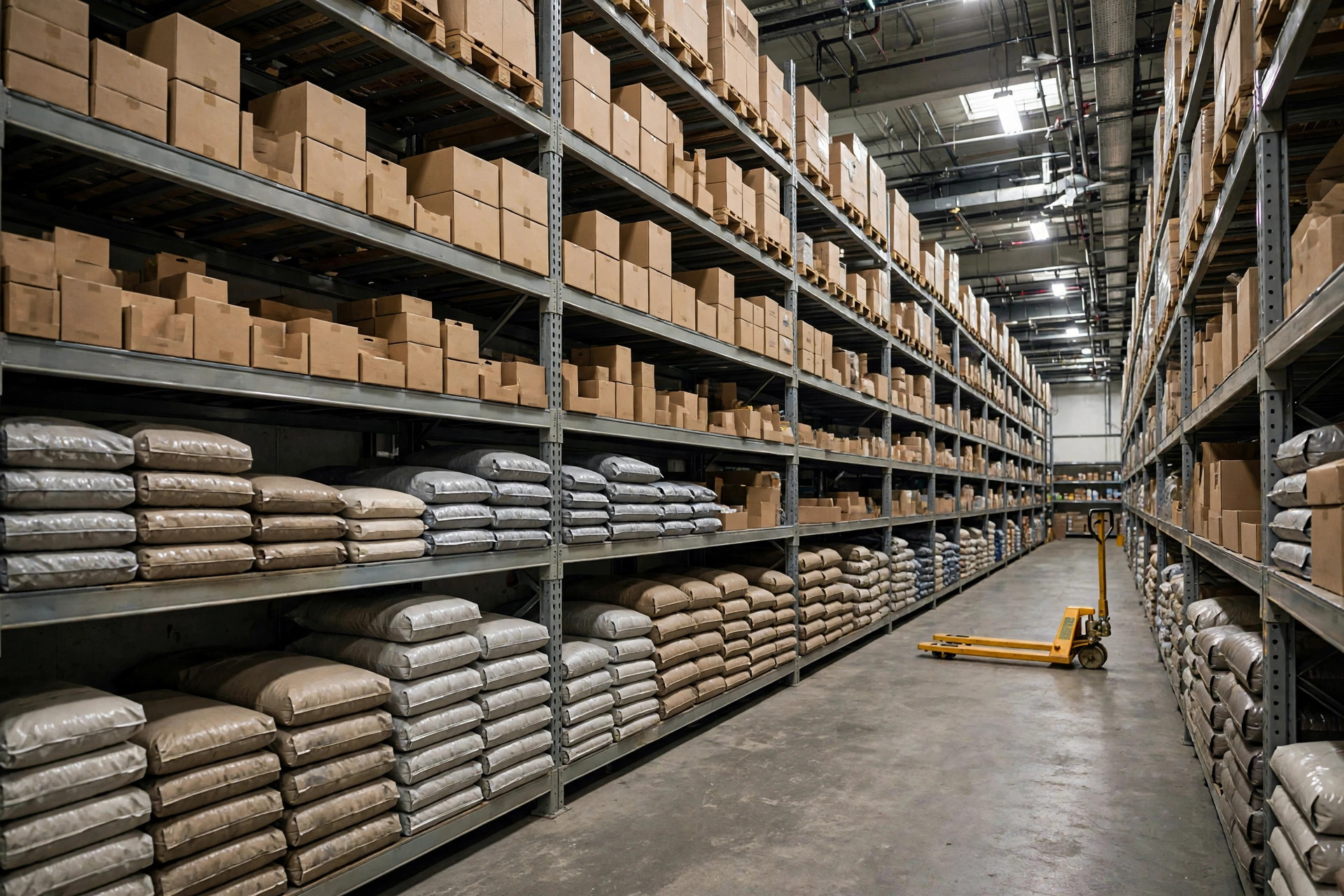
Let me be blunt: pet supplies might be the hardest category in e-commerce fulfillment. Bar none.
Heavy and messy. Forty-pound bags of dog food, twenty-pound bags of cat litter, and a catalog that easily tops ten thousand SKUs: treats, toys, leashes, beds, cat trees. Some items are back-breakingly heavy, some are tiny fiddly bits, and some come with expiration dates. My first year selling pet supplies, my warehouse was chaos. Pickers complained every day, returns piled up like a mountain. Five years in, here's every lesson I learned — no fluff.
Slot First, Then Talk Efficiency
A lot of sellers obsess over the shortest pick path from day one. Wrong move. In pet supplies warehousing, step one is slotting. Get the zones wrong and everything downstream is rework.
I run four zones:
Heavy zone. Anything over 10 lbs — dog food, cat litter — goes on shelves at waist height or below, closest to the pack stations. Never up high. Back in 2023, in my California warehouse, I had 40-lb dog food bags on shelves six feet up. Pickers climbed up and down dozens of times a day. One bag slipped, burst open on the floor, kibble everywhere — total write-off. Nobody got hurt, but pick rates tanked 30% that week. Since then: heavy goods stay low. Non-negotiable.
Treat zone. Kept separate, for two reasons. One, pet treats expire, so it's strict FIFO — I stick expiry labels on the racks and audit short-dated stock monthly. Two, odor isolation. Catnip toys and dental chews stink up everything around them. Stack them next to regular treats and buyers will smell it. One-star reviews write themselves.
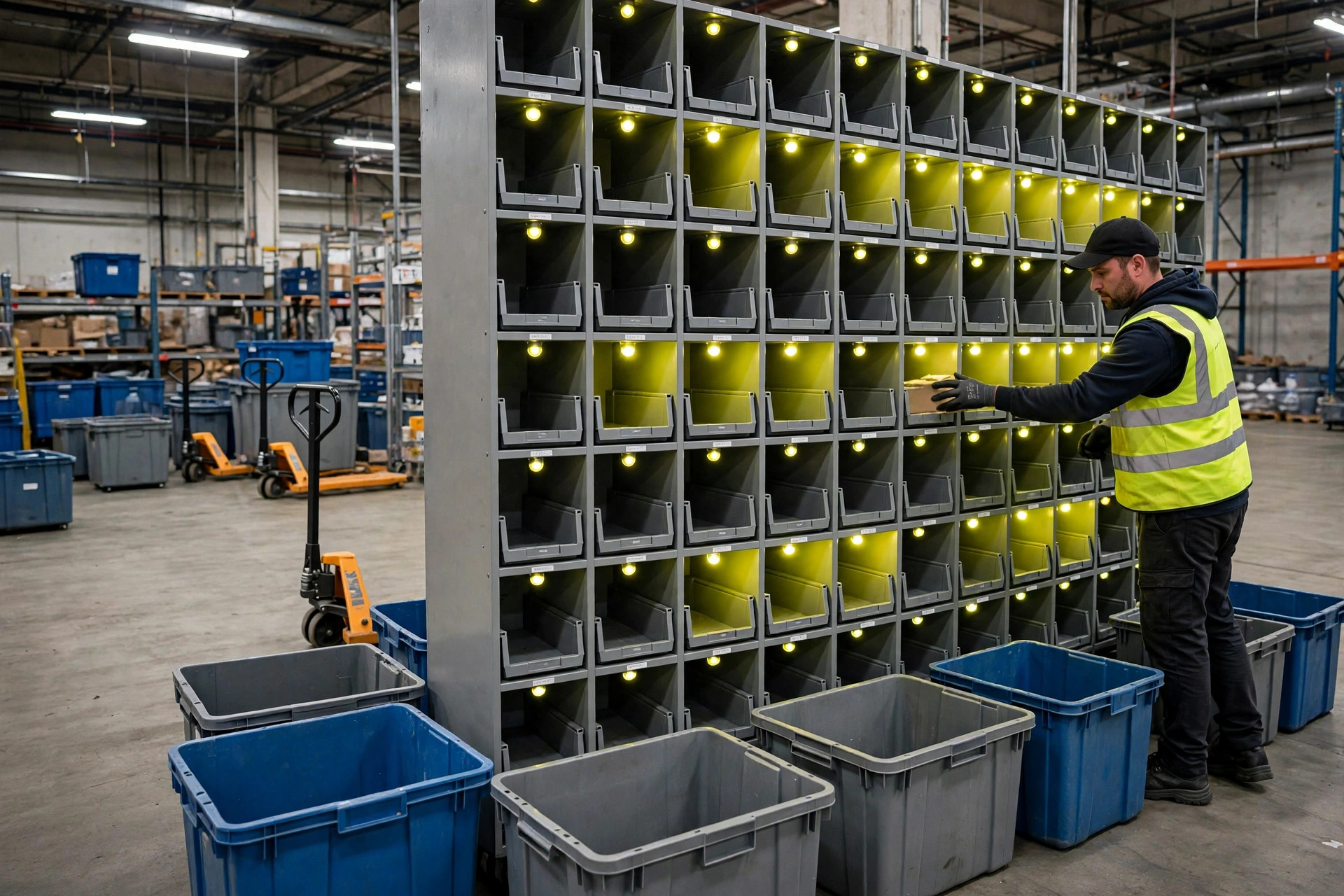
Small-and-light zone. Toys, leashes, apparel — thousands of SKUs but featherweight. These go up high and on flow racks, picked with a put wall.
Bulky zone. Cat trees, dog beds, crates. Their own area with room to maneuver, because packing a cat tree eats floor space like nothing else. Without a dedicated zone, the pack stations stay permanently jammed.
Bonus: new hires learn the whole layout in half a day. They don't memorize locations — they memorize four zones.
The Numbers: Slotting Before vs. After
Feelings don't count. Data does. Below is my own warehouse's measured data from Q3 2024 (single warehouse, roughly 400 orders a day), mixed storage vs. the four-zone method:
| Metric | Before (mixed) | After (4-zone) | Change |
|---|---|---|---|
| Picks per person per day | ~180 orders | ~260 orders | +44% |
| Pick error rate | ~2.1% | ~0.8% | -62% |
| Heavy-goods injuries/incidents | 3 per quarter | 0 per quarter | eliminated |
| Expired treat write-offs | ~$900/quarter | ~$200/quarter | -78% |
That's my warehouse, my numbers — your mileage will vary, but the direction holds. The re-slotting cost me under $2,000 in racking changes and paid for itself in labor savings within two months.
Here's the counter-intuitive take: in pet supplies, don't optimize for the shortest pick path. Optimize for fewer bends and fewer climbs. An extra sixty feet of walking for light items costs nothing. One less bend to lift a 40-lb bag saves time, injury risk, and picker turnover. That's how you should do the math.
Shipping Heavy and Bulky: Packaging That Actually Holds
Shipping is the second minefield, concentrated in two types: heavy and bulky.
Heavy (dog food, cat litter): use double-wall reinforced boxes, period. A standard single-wall box WILL burst with 40 lbs inside. I learned that in early 2024, when a batch of dog food shipped to FBA in regular boxes arrived with a damage rate near 5%, and Amazon rejected two full pallets outright. Now it's five-layer corrugated, no empty space inside the box, damage rate under 1%. And slap two shipping labels on — heavy parcels get thrown around on sortation lines, and if one label rips off you've got a backup. Don't ask how I know.
Bulky (cat trees): odd-shaped items are the worst. My formula is box plus corner protectors plus stretch wrap. Wrap the scratching posts in foam sheeting before boxing. That cut my return rate from around 15% to around 8% — because with bulky items, eight out of ten returns are shipping damage, not product defects. Good packaging directly saves return costs.
One more detail: for FBA inbound, I stock 30–45 days of pet supplies. Stock more and Amazon's monthly storage fees eat you alive (heavy goods are bulky, and the fees hurt). Stock less and you go out of stock. For 40-lb dog food specifically, I'd rather understock and replenish often than sit on 60 days of inventory.
Returns: Don't Even Think About Reselling Opened Pet Products
Last one: returns. This is the uniquely pet-supplies trap.
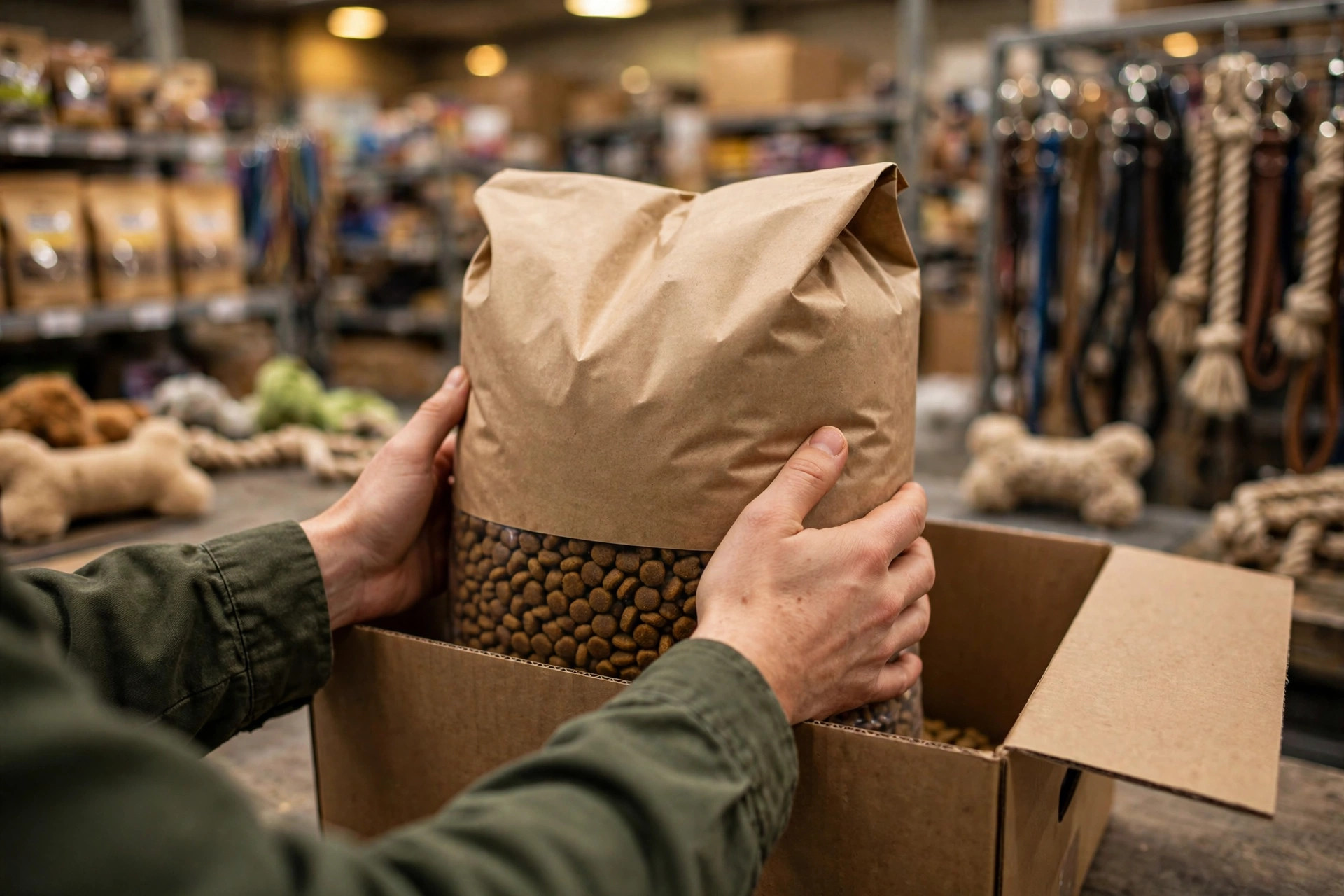
Apparel with tags removed can be resold. An opened bag of pet treats? Nobody sane resells that — hygiene risk, and the platforms watch closely. My return triage has three levels:
- Unopened, packaging intact → QC and restock;
- Opened but the category allows it (leashes, toys — after cleaning and sanitizing) → clearance at a discount, never sold as new;
- Opened treats, damaged, or smelly → write off, or donate to a local animal shelter (may be tax-deductible — check your local rules).
And the counter-intuitive part: for category 3, don't hesitate — writing it off is the cheapest option. I ran the math: a $30 bag of opened dog food costs $8–10 in labor and materials to inspect, clean, and repackage — plus the hygiene complaint risk. Write it off and spend that energy on new products instead. On return rates: my store runs about 9% overall for pet supplies, with treats the worst at around 12%. "My dog didn't like it" — there's no arguing with that. Bake the loss into your margin model when you plan inventory.
So that's the playbook: zone first, heavy goods low, spend on packaging, and write off opened returns without mercy. Every one of these cost me tuition to learn.
Tested it myself, it works — especially "heavy goods at waist height or below." The first week after the change, my picker told me: "K, my back doesn't hurt after shift anymore." Keeping your people beats any optimization.
By Ah K, E-commerce Seller (5 yrs)