Five years selling garden supplies online taught me one thing: this category is the most unforgiving in all of e-commerce. You make your money in four months, every product is longer than the last, and the platform can delist you overnight over pesticide compliance. Last spring, all three hit me at once. Here's exactly how I stock, how I ship FBA, and how I handle pesticide and fertilizer compliance — every number below is from my own store and my own warehouse.
Let me start with a rant: Amazon changed the rules again. For a seasonal category like garden, the platform's warehousing logic runs completely opposite to how your business actually works.
How I Got Killed: Spring 2024
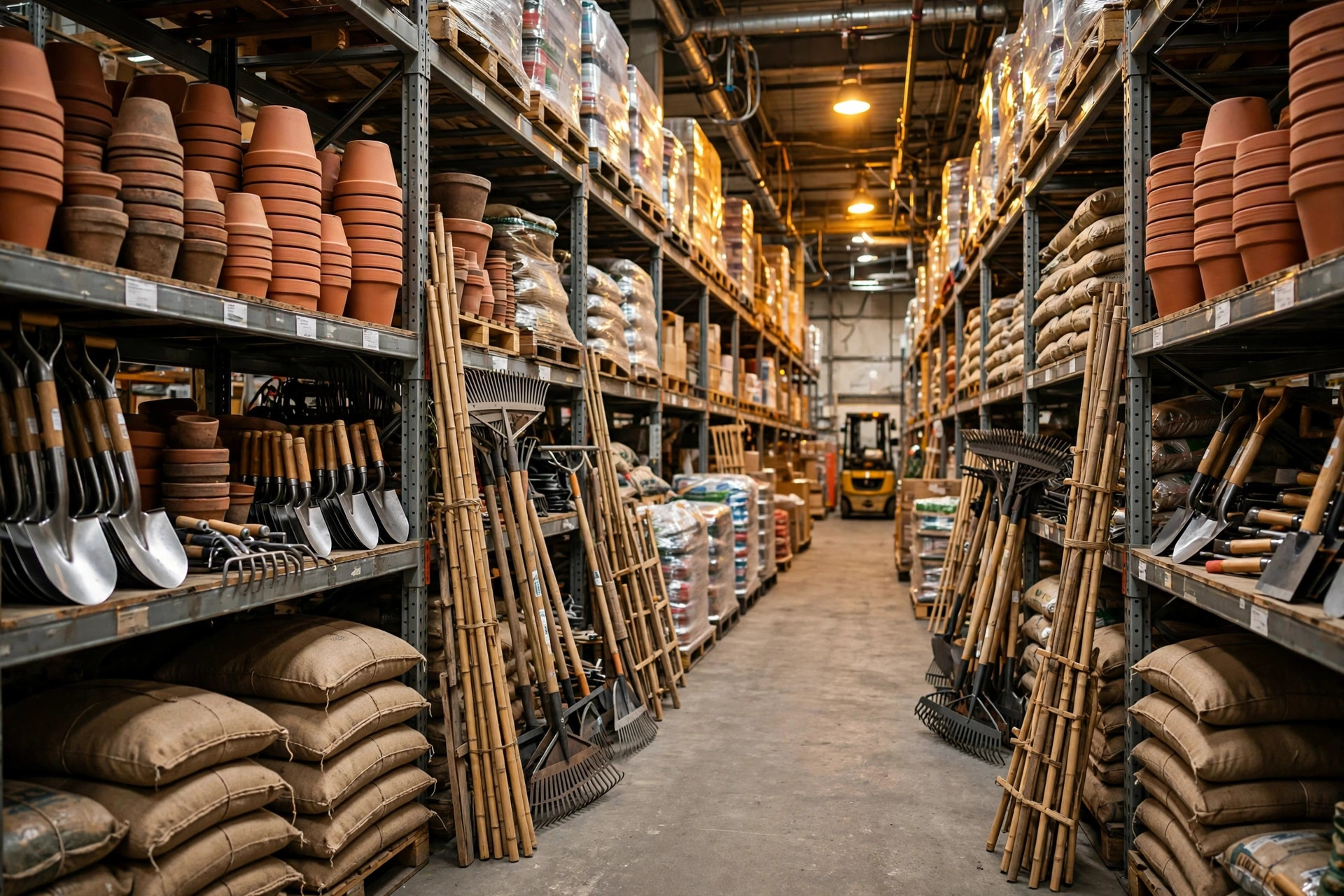
February 2024. I had three 40-foot containers sitting in my 3PL warehouse in Ontario, California: long-handled shovels, pruners, flower pots, potting soil. Based on prior years, traffic picks up mid-March and orders explode in April.
Then in the first week of March, my FBA inventory ran dry. Why? I had shipped a batch to FBA at the end of January, and Amazon only received half of it, citing "capacity limits." The other half sat with UPS for two weeks. By the time everything was checked in, half of March's traffic peak was already gone.
The oversize items were worse. A 48-inch long-handled shovel got hit with FBA oversize surcharges, and per-unit fulfillment cost came in way above what I had planned. I hadn't done the math and just shoved it into FBA anyway. When I finally ran the numbers, logistics was eating nearly half the margin on that SKU.
Lesson one from that spring: for garden e-commerce, stock 30 days early rather than one day late.
My Garden Stocking Playbook
Garden seasonality is more extreme than you think. My store data: monthly sales in March through May run about 4 to 5 times November volume. You can't stock to the average. You stock to peak multiplied by safety days, then work backward.
| Months | Sales multiplier (vs. off-season) | Stocking strategy | FBA shipping rhythm |
|---|---|---|---|
| Jan–Feb | 1x | Ocean freight to US West Coast warehouse, build inventory | Hold, ship late Feb |
| Mar | 3x | Season starts, keep 45 days of FBA cover | Staggered shipments mid-to-late Feb |
| Apr–May | 4–5x | Peak, FBA + 3PL dual track | Weekly replenishment, 3PL as buffer |
| Jun–Aug | 2x | Clear down, cut ad budgets | Stop bulk FBA replenishment |
| Sep–Dec | 1x | Clearance, prep next year's selection | FBA for long-tail SKUs only |
The key numbers: I keep 45 days of FBA cover during peak, plus another 30 days at the 3PL. Why? The 2024 lesson — FBA inbound, from shipment to check-in, can drag to 3 weeks in peak season. Stock at the 3PL can be converted into an FBA replenishment shipment in 2 days. Completely different flexibility.
Here's the counterintuitive call: most sellers think peak season means going all-in on FBA — more traffic, higher conversion. Wrong. The garden peak lasts about 10 weeks, and FBA capacity is already tight in Q1. If you bet everything on FBA and inbound gets delayed, one day of stockout costs you more than you'd ever save on fulfillment fees. My approach: 45 days in FBA, the rest at the 3PL, transfer more when it sells. This actually works — zero stockouts in spring 2025.
Garden Oversize Items: Don't Force Them Into FBA
The second trap in garden supplies: length. Long-handled shovels, bamboo stakes, trellises — routinely over 48 inches. FBA's fee logic for oversize is basically a size tax: the longer, the pricier. These items also get crushed in FBA warehouses, and return rates run high.
I sort everything into three tiers:
Tier one, standard size (pruners, hand trowels, pots): FBA all the way. Conversion is high and the Prime badge is worth real money.
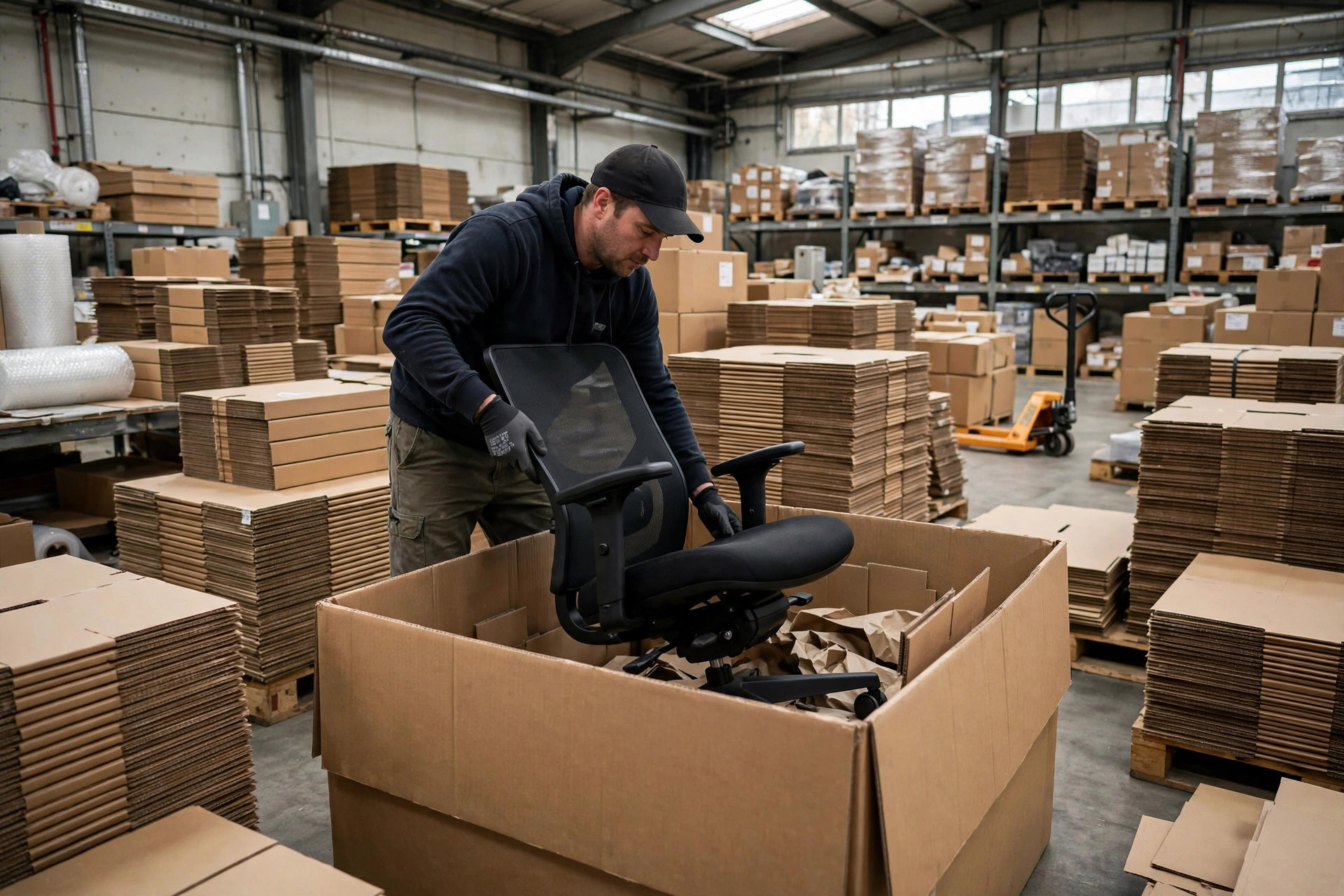
Tier two, long items (long-handled tools, stake bundles): 3PL plus merchant-fulfilled. My Ontario 3PL carved out a dedicated long-item zone — wider rack spacing, pickers run whole orders on carts. Per-unit fulfillment runs cheaper than FBA, and I control the packaging myself. I ship long-handled shovels in heavy-duty corrugated sleeves, and damage rates dropped from 8% under FBA to under 2%.
Tier three, heavy goods (potting soil, large fertilizer bags): skip FBA entirely. Heavy goods in FBA are a money pit. Everything goes through the 3PL paired with oversized parcel carriers. A 40-pound bag of soil was never meant for FBA.
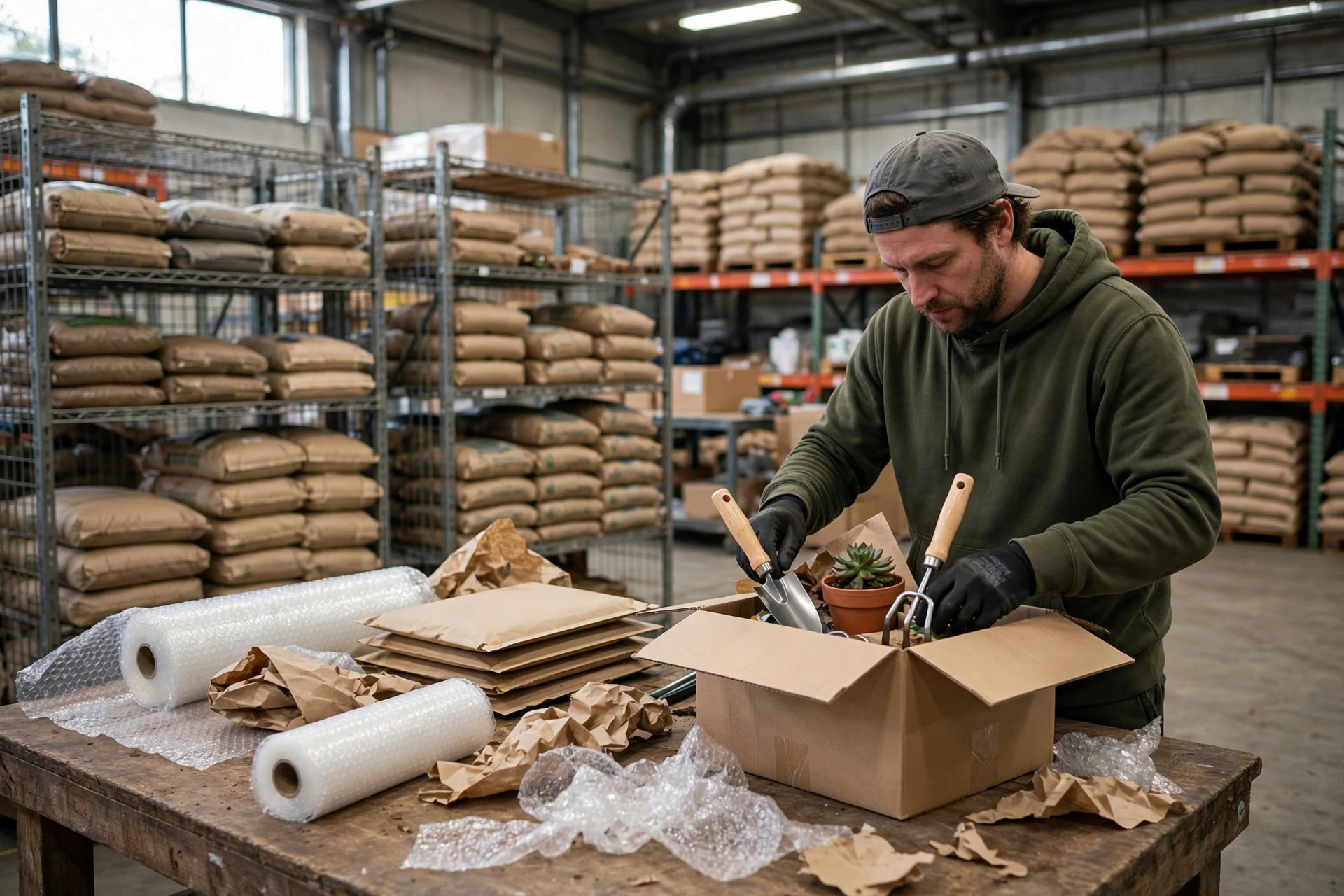
I refresh this tiering table every January, based on last year's return reasons and freight invoices. Don't skip it — in garden e-commerce, margin lives in these details.
Pesticides and Fertilizers: Don't Touch This Line
The first two problems cost money. This one can cost you the business.
June 2025: Amazon delisted one of my herbicide garden sprays, citing missing EPA registration information. It took two weeks of appeals and submitting the supplier's EPA registration number to get it reinstated. Two weeks of zero sales on that SKU, ad ranking tanked, and after reinstatement my ACoS spiked from 25% to 40% before slowly recovering.
The bloody lesson. If you sell pesticides, insecticides, or herbicides in garden e-commerce, remember three things:
First, EPA registration is a hard gate. The US Environmental Protection Agency regulates pesticide products through registration, and Amazon requires an EPA registration number to list them. No number, no listing — and if you list without one, expect a takedown. Ask your supplier for EPA registration documents before you buy. If they can't produce them, find another supplier.
Second, California piles on. Most of my inventory sits in California warehouses, and the state's Department of Pesticide Regulation has additional registration requirements for pesticide sales. Policies change, so check the official site for the latest — that's not boilerplate, it genuinely changes.
Third, fertilizers are looser, but don't get cute with labels. Fertilizers don't fall under pesticide registration, but if your product claims mention "kills fungus" or "repels insects," the platform may review it under pesticide standards. My move: every efficacy claim in my listings goes through a compliance consultant first. Expensive, worth it.
The warehouse side matters too: pesticides and fertilizers must be stored in a separate zone, away from any food products if your 3PL runs a mixed warehouse. My 3PL set up a dedicated chemical area with secondary containment pallets — the warehouse insisted on it themselves, which tells you they've been audited before and learned the hard way.
Three Warnings
One: book your ocean freight in January. Garden peak season waits for nobody. Ocean transit runs 30 to 40 days, plus 2 to 3 weeks for FBA check-in — your goods need to be sitting in a US warehouse by end of February.
Two: for long items, run the math before choosing FBA or self-fulfillment. Pull last year's freight invoices, break out per-unit fulfillment cost, and look at the actual numbers instead of going with your gut.
Three: for pesticide products, get the EPA registration documents before you order inventory — not after the takedown. Lose your listing weight once and it takes half a year to climb back.
Garden e-commerce is a "four months a year" business, but if fulfillment runs clean for those four months, most of your annual profit is made. Seasonality isn't the scary part. The scary part is stocking seasonal demand with average-demand thinking. This actually works — spring 2025: zero stockouts, zero takedowns, peak-season ACoS held under 28%.
By Ah K, E-commerce Seller (5 yrs)