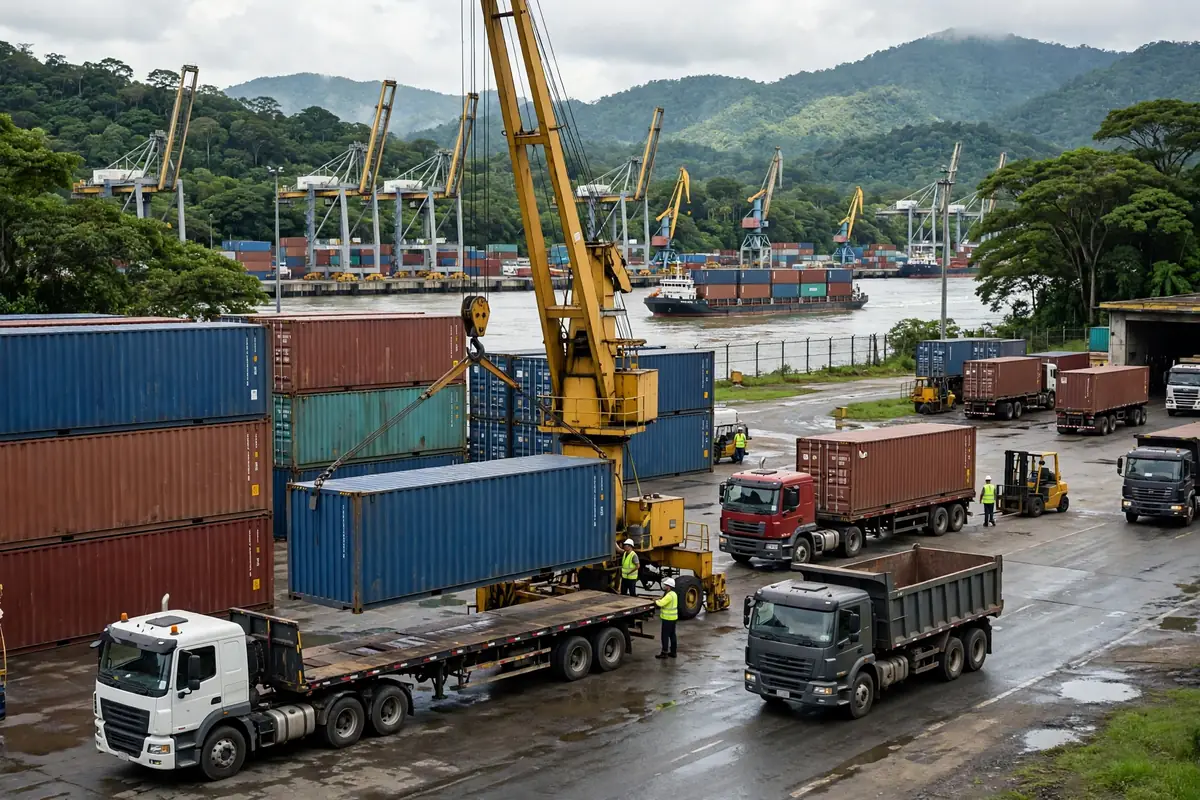
Let me tell you something about Paramaribo. Until you have actually run freight there, the map will not teach you much. The capital of Suriname sits right on the Suriname River. Goods come ashore at the river port, go into shops in the old town, and split off toward towns in the interior — and every stretch has its own temper. After all these years on the road, I have learned one thing: the smaller the city looks, the more carefully you have to work out the delivery bill, stretch by stretch.
Paramaribo is not a big city. The shops cluster in the old town and along a few main roads, and the volumes look small — but the stops are scattered and the drops are frequent, and the worst thing that can happen is a truck coming back with one shop missed, needing a whole second run. A couple of years back I helped a friend who distributes daily goods run a route there. We picked up at the river port, delivered to three shops in the old town, and split a batch for the interior. One run was enough to teach me the lesson: in a small place like this, the money is not in the long haul. It is in the last few kilometers, and in the hours spent waiting on boats and paperwork.
The Ship Has Arrived, But the Goods Are Not in Paramaribo Yet
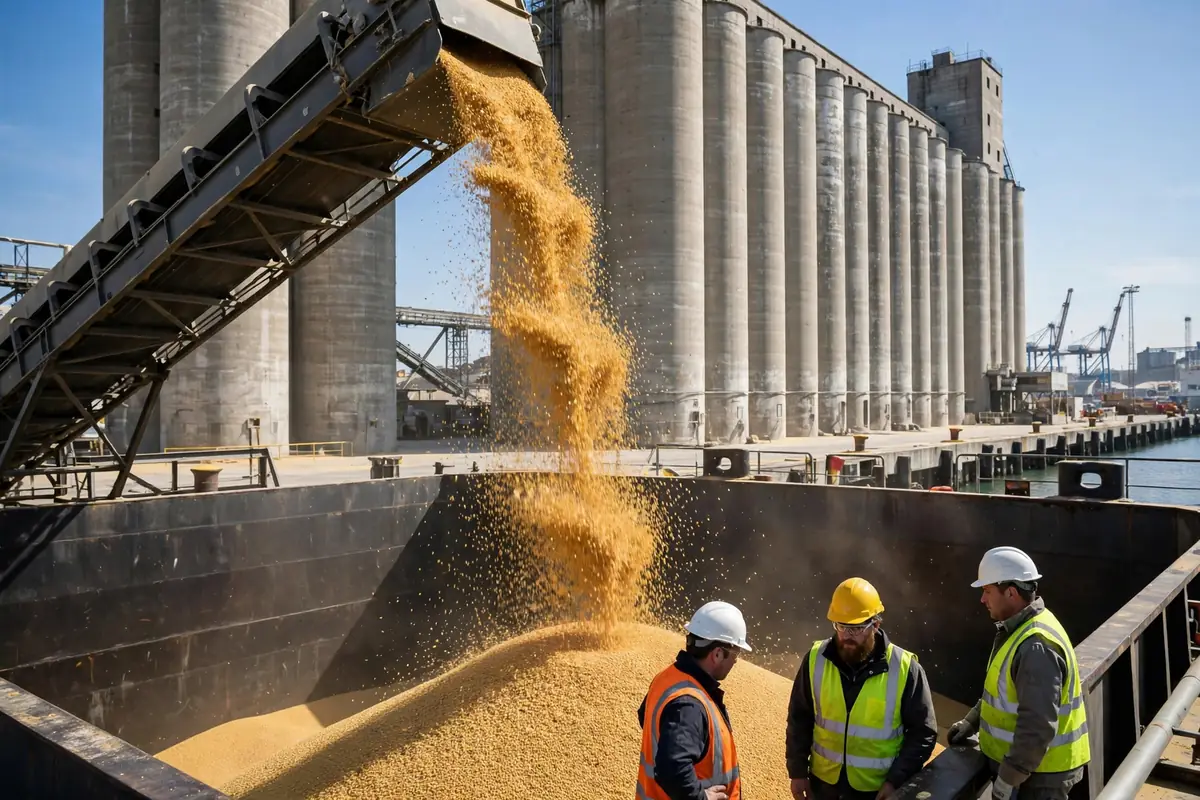
Most of Paramaribo's freight comes through the river port, and sailings are not as frequent as at a big seaport. Once the ship docks, pickup, customs clearance, and loading follow one after another — if any link jams, everything behind it waits. On my run, the ship came in most of a day late. The trucks sat outside the port, the drivers afraid to wander off, eating lunch in their cabs. The cargo owner kept calling, and all I could tell him was: the ship is not here, and there is nothing anybody can do about that.
There is another thing about river port pickup: the goods are not ready to roll the moment they land. Documents, inspection, loading — until the paperwork is done, the truck just sits in the port area burning time. So when you plan deliveries in Paramaribo, give the port stretch its own slack. Do not schedule it the way you would in a big city, minute by minute. The tighter you squeeze it, the harder it falls apart. Check the latest local sailing and clearance situation before you plan, and leave half a day spare rather than letting one late ship wreck every delivery after it.
Get the documents ready before the ship arrives. Send them ahead for a check, because one missing paper means another day of waiting. Do not discover a paperwork problem after the ship has docked — by then it is far too late to fix it in a hurry.
The Old Town Streets Are Only Wide Enough to Crawl Through
Getting out of the port and into the old town is the second hurdle. The streets in old Paramaribo are narrow, full of turns, and a big truck can barely turn around once it is in. Three shops, a few kilometers apart on the map — but with one-way streets, narrow lanes, and cars parked along both sides, one loop can eat half a day.
The funniest part of my run: the three shops were close together. The first delivery took under half an hour to unload. At the second shop, a truck was already unloading in the doorway, and we waited nearly an hour, stuck. Nobody's fault. The streets are simply that narrow and the vehicles that many. In a place like this, do not send a big truck. Two trips in a small truck beat one big truck wedged in an alley with the whole city's deliveries waiting behind it.
One more thing: most old town shops have no proper loading bay. Goods come off the truck piece by piece, by hand. Put manual unloading time into the schedule, or the whole plan is fiction. I have seen plenty of timetables that look beautiful on paper and fall apart the moment they meet the street. The problem is never on the paper. It is on the road.
There is also a time window to respect in the old town. Mornings, right after the shops open, the streets are quiet and that is the best time to deliver. Drag it to midday and the delivery trucks and the market traffic all pile in together, and a half-hour job stretches to an hour and a half. That is exactly what happened to me: the first drop went smoothly, and the second and third ran straight into the midday crush.
The Interior Stretch Is the Real Test
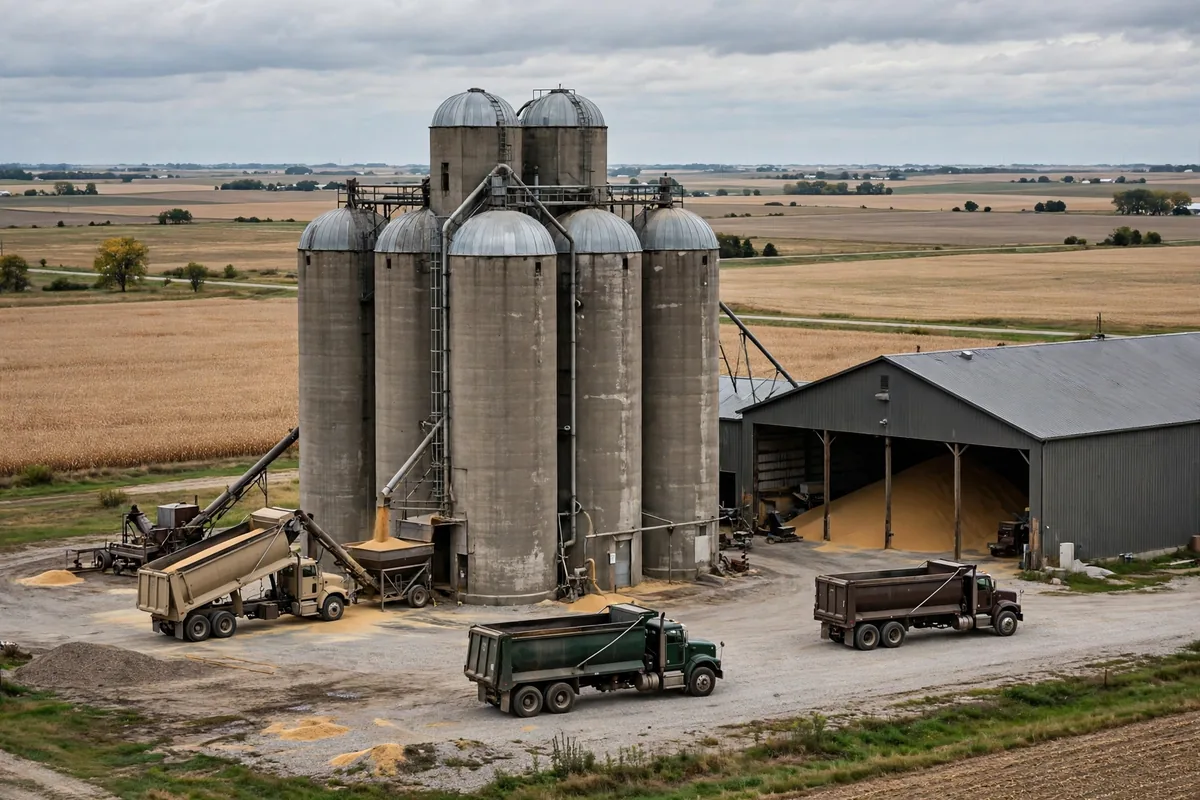
Once you leave the city for the interior, the road is like the sailing schedule — at the mercy of the weather. Loads heading to interior towns are small batches and scattered stops, one truckload split across several destinations. When the rains come and the roads turn slick, the truck slows down, and a trip taking half a day longer is nothing unusual.
My rule is to split the load early: whatever can be sorted in Paramaribo city should be sorted there, never hauled inland and sorted later. The city has people, warehouses, and vehicles, so sorting there is cheap. Sort it inland and one wrong item costs you a whole extra trip, several times the price. Where batches are small and stops are scattered, sort slowly if you must, but sort it right the first time.
Then there is the return leg to account for. The truck goes out full and often comes back empty, and the fuel and hours of that empty run have to be charged to the delivery. So when I plan a route, I would rather bundle several interior stops into one trip, even if it means a later departure, than split them into two trips with two empty returns. Bundling looks like a small thing, but over a year it saves real money.
Here is the counterintuitive part: most people costing a Paramaribo delivery start with the long-haul freight rate. That stretch is actually the least of your worries. What really eats money is the three handoffs — waiting on the ship at the port, threading the old town, and the extra trip inland. The time and labour lost at those joints cost far more than fuel. A slow truck is no disaster. A truck standing idle between the port and the warehouse, that is the disaster.
How to Actually Work Out the Paramaribo Delivery Bill
Do not cost a niche market like this with a big-city template. My method is rough, but it works: list the port waiting time, the old town unloading time, and the inland top-up trip separately, with the labour for each, then add fuel and vehicle wear. What you get is the real cost. Treat sailing schedules and road conditions as local and current — check the latest situation on the ground — and always keep slack in the plan.
One more trick for running routes in a small place like this: stay on good terms with the local drivers and warehouse crew. Road conditions, sailing news, which street is closed for repairs today — none of that lives in any system, it lives in what local people tell you. Every time I go to Paramaribo, the first thing I do is not look at the paperwork. I call the local driver I work with and ask how the roads are today. That one phone call is worth half a day.
One piece of advice for any cargo owner looking at the Suriname market: get Paramaribo right first, before spreading inland. Once those three stretches run smoothly and you know what they really cost, then reach further out. A long road is nothing to fear. What you should fear is not knowing your own numbers.
By Shifu Zhao, Trucking Veteran (15 yrs)