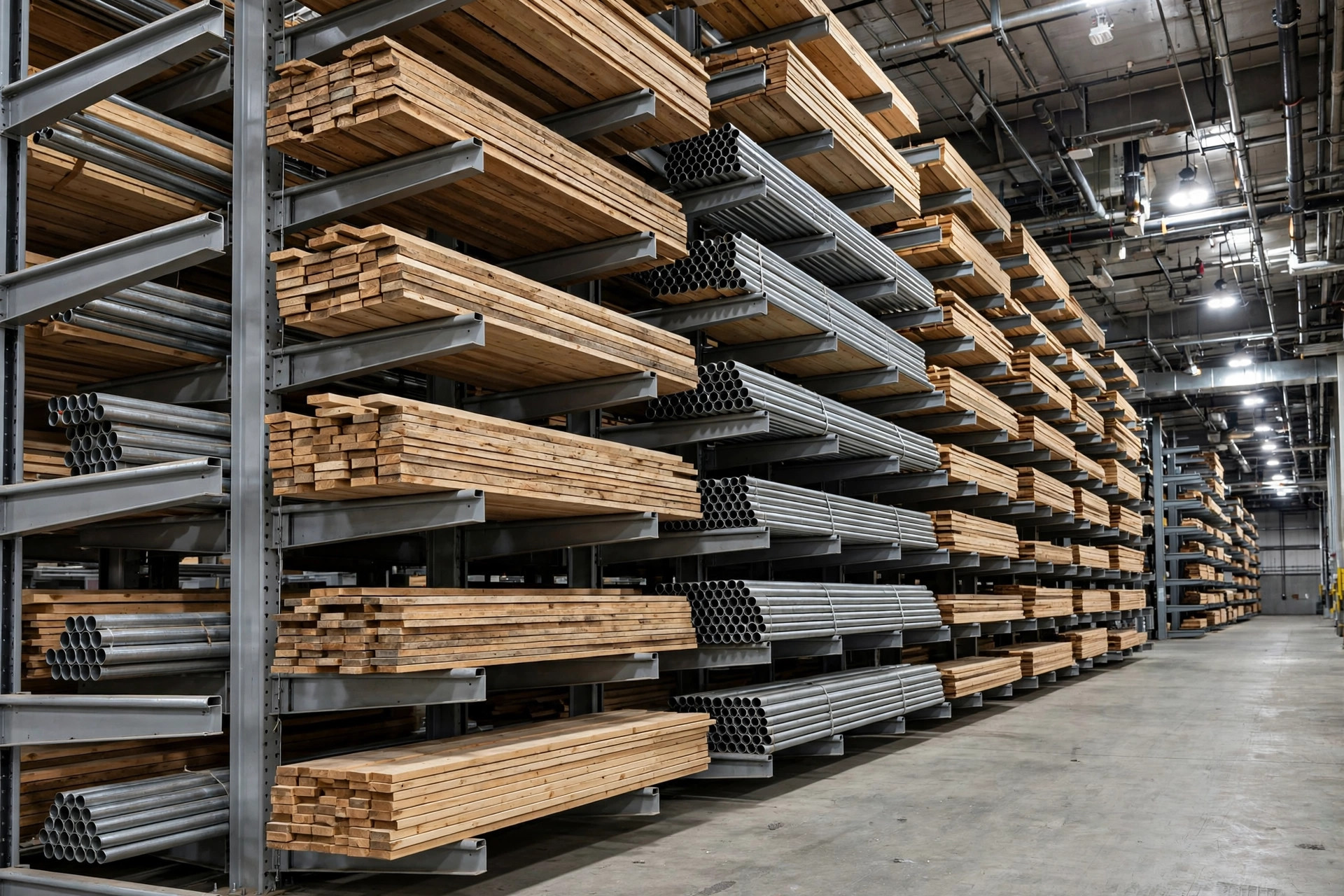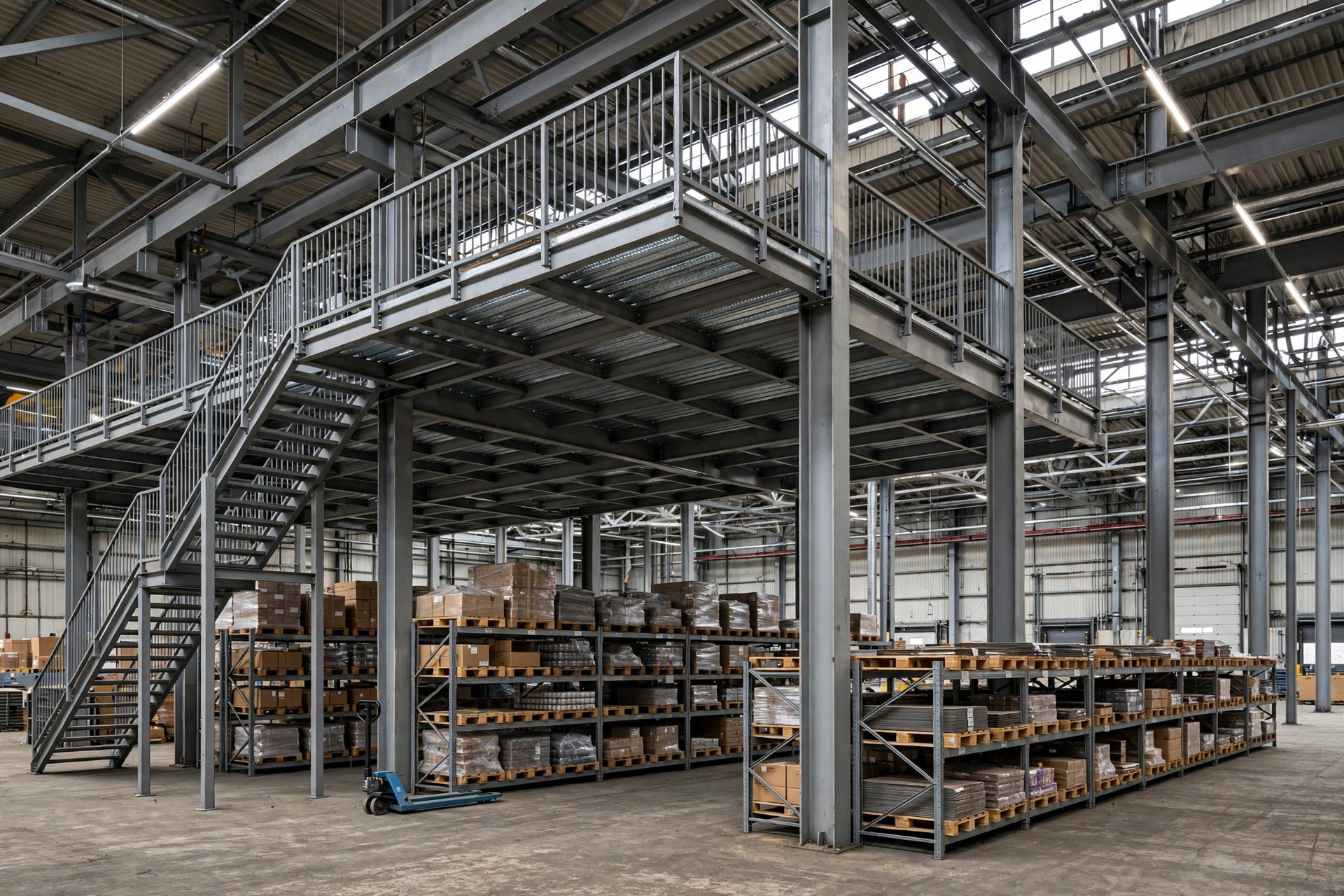
Let's start with the numbers: for the same 2,000 pallet positions, I've seen pallet racking installation quotes at $8,000 — and at $26,000. More than triple the difference. Both quotes said "installation labor" on the first line. They were not installing the same thing.
I'm Lao Zhou, and I've spent over a decade analyzing logistics costs. My rule: any quote that can't tell you where the money goes gets treated as padded until proven otherwise. Today, let's take pallet racking installation costs apart, line by line.
Where the Money Goes: Seven Line Items in Pallet Racking Installation Cost
In 2023 I worked on a project in Texas: a 50,000-square-foot warehouse, 2,000 pallet positions, selective racking, 20 feet tall. Three installers quoted $14,500, $19,800, and $26,000. Once I aligned the three quotes item by item, the difference was hiding in this table:
| Cost item | What it covers | Share of total (typical) | Where the padding hides |
|---|---|---|---|
| Installation labor | Assembling uprights and beams | 40%–55% | Per-position, per-bay, or per-hour pricing — the basis is never standardized |
| Floor anchoring | Drilling, anchor bolts | 8%–15% | Bolt specs and quantities, often glossed over in one line |
| Permits and inspection | Local approvals, fire sign-off | 0%–12% | Some firms include it, some leave you to run it yourself |
| Old rack teardown | Removing and hauling away existing rack | 0 or quoted separately | Always present in retrofit projects, zero in new builds |
| Lift equipment rental | Scissor lifts, aerial work platforms | 5%–10% | Unavoidable above 16 feet |
| Overtime / rush charges | Weekend or night work | 0%–15% | The tighter the schedule, the bigger this gets |
| Travel and incidentals | Out-of-town crew lodging and transport | 3%–8% | A local crew eliminates this entirely |
See the pattern? Labor is the biggest piece, not the whole pie. That "cheap" $8,000 quote, once opened up: no anchoring, no permits, no lift equipment, and only rated to 12 feet tall. Brought up to the same 20-foot spec, the add-ons pushed it past the $19,800 quote. That money was wasted on the illusion of a bargain.
Five Variables Behind the 3x Spread
Why does the same 2,000 positions cost three times more in one quote than another? Five variables explain about 80% of the difference:
- Height. Twelve feet and twenty-four feet are different trades. Above 16 feet you need aerial equipment, labor rates jump, and the schedule stretches.
- Seismic requirements. In places like California, seismic design and heavier anchoring are code — always verify against current local regulations. The Texas project had none of this; the same rack in California would run at least 20–30% more to install.
- Floor condition. Old warehouse floors that are uneven or cracked need remediation before anchoring. Quotes love to write "to be determined on site" here — which translates to "we'll charge you whatever we want later."
- Permits. Some cities require a separate racking permit, some add fire department review. Having the installer handle it costs a service fee; doing it yourself costs staff time. Either way, it's a cost.
- Schedule. A job that normally takes 2–3 weeks, compressed into one, picks up 10–15% in overtime and rush charges.
Four Levers That Cut Your Pallet Racking Installation Cost
Lever 1: Sign in the off-season. Installers are slow from November through January — everyone's busy shipping peak season, nobody installs rack then. Negotiating labor down 10–15% in that window is routine. The Texas project was signed in December.
Lever 2: Unload the material and supply your own forklift. If the installer unloads the delivery and moves material around the site, they charge equipment and labor for it. If you have your own forklift and crew, that line item disappears — typically 5–8% of the total.
Lever 3: Run the permits yourself. Permit expediting fees usually run 1–2x the actual permit fee. If you have admin staff locally, don't pay someone else to visit city hall.
Lever 4: Write acceptance criteria into the contract. The most underrated line of all. Anchor bolt torque, upright plumb tolerance, beam safety pins — inspect each one at handover. The most expensive "savings" I ever saw: a warehouse picked the cheapest crew to save $3,000, the anchors weren't torqued properly, and six months later a row of rack leaned. Three days of shutdown plus a proper crew for rework: $40,000 extra. Every dollar saved on installation can come back doubled in rework.
One more trade-off: used racking is fine to buy, but don't cheap out on the install. Used components run 30–50% cheaper, yet disassembled parts have looser tolerances, making them harder to install — labor often costs more than for new rack. When you run the total, count both sides together.
The Conclusion: A Budget Formula You Can Use Tomorrow
Pallet racking installation labor budget (standard selective rack, under 16 feet, non-seismic zone, normal floor):
Budget ≈ pallet positions × $4–$9
For 2,000 positions, $8,000–$18,000 is the sane range. Quotes above it: make them explain each line. Quotes below it: check whether anchoring, permits, and lift equipment got "optimized" out.
Over 16 feet, seismic zone, or retrofit site — add 10–30% per factor. All three at once: budget 1.5x the top of the range.
Final word: racking installation isn't grocery shopping. You're not comparing the totals on the quotes — you're comparing what the quotes left out. Print the seven-line table above, walk through it item by item with your installer, and the money will be spent where you can see it.
By Lao Zhou, Logistics Cost Analyst