Let me tell you something. After fifteen years behind the wheel, I've learned that the most underrated corner of any warehouse is the pallet repair corner. And I learned it the hard way.
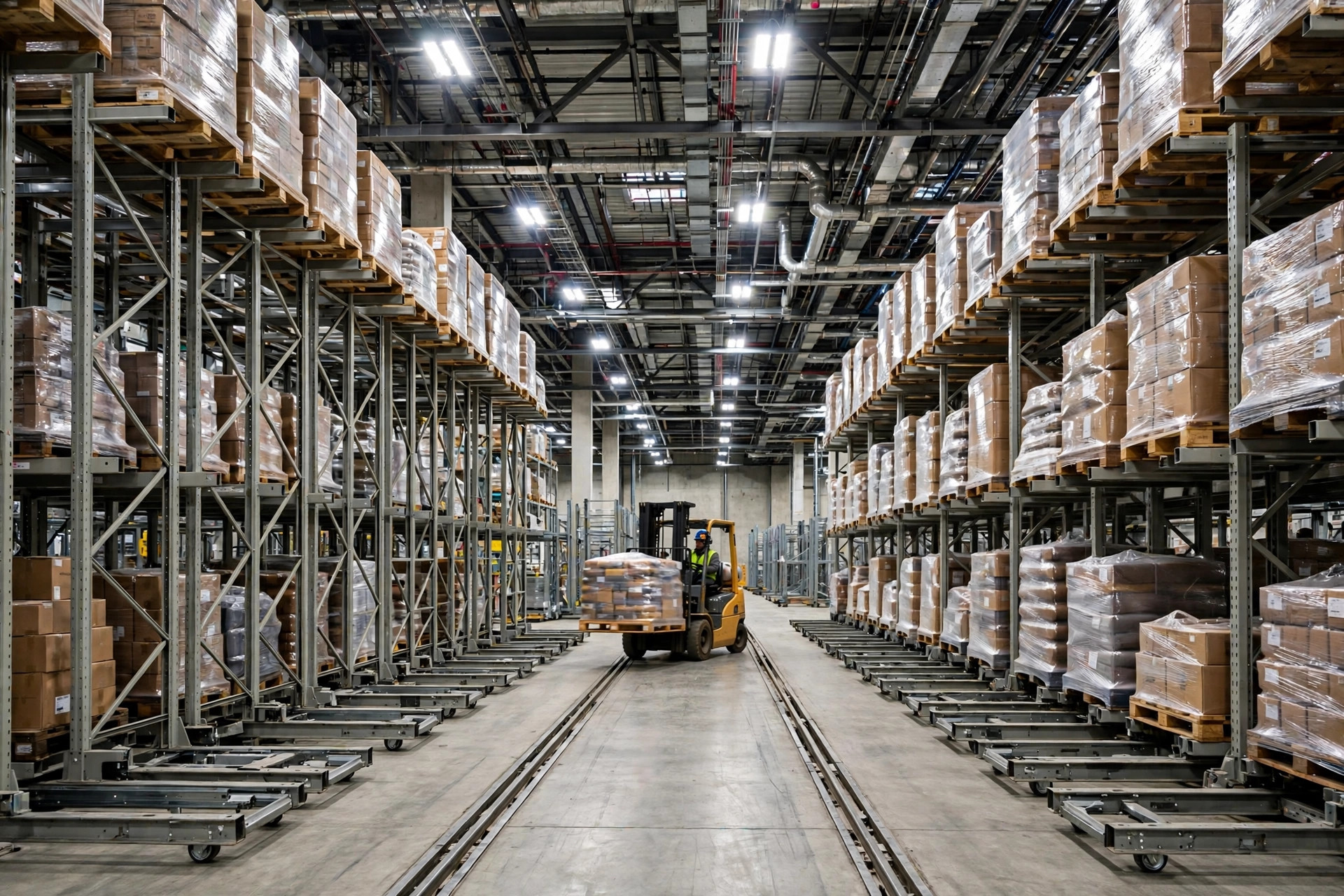
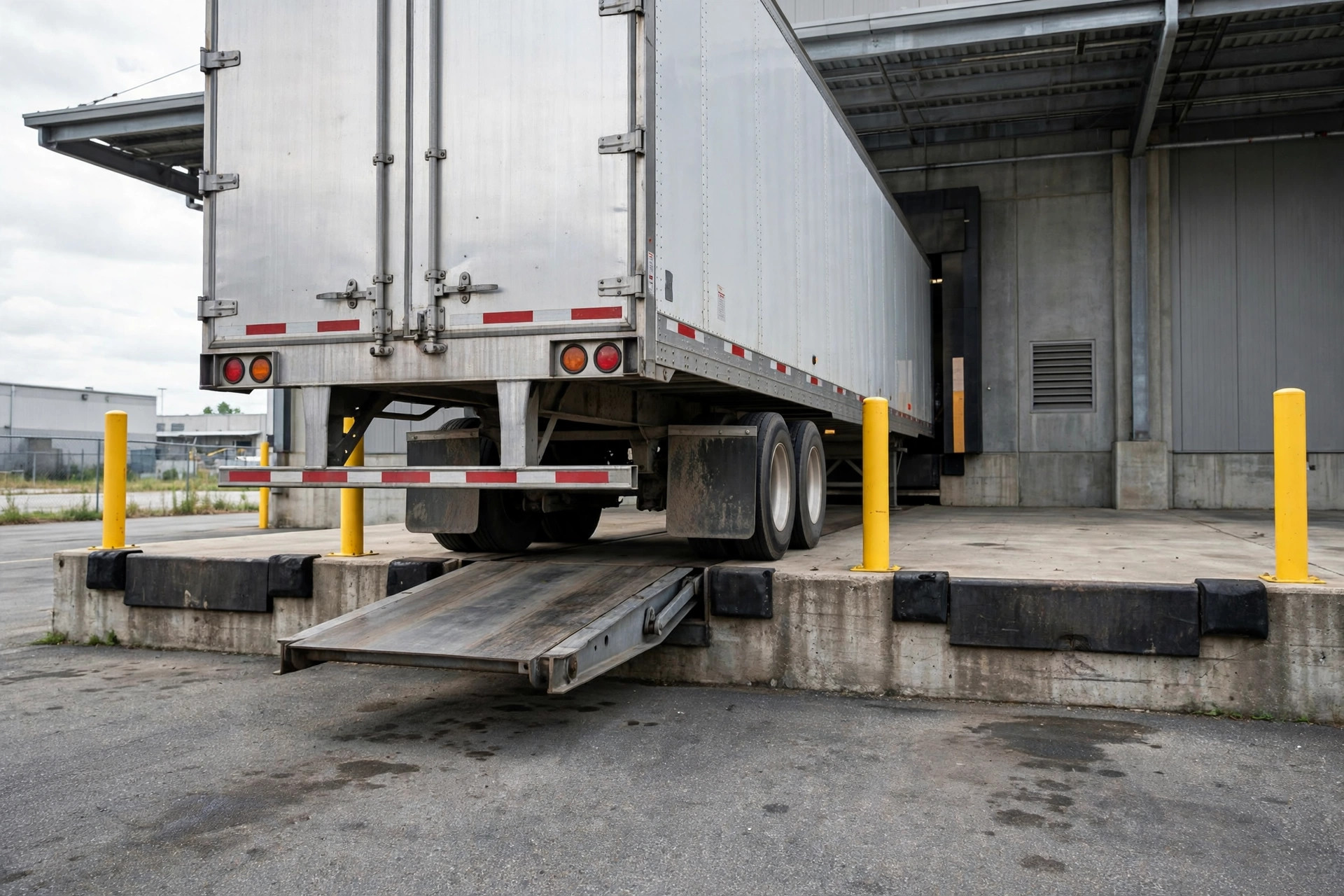
November 2023, Dongguan. I was delivering 22 pallets of goods to an e-commerce warehouse. At the receiving dock, the inspector walked the line with a flashlight, crouched down by the pallets one by one, then stood up with the verdict: "Pallets number 3, 7, 11, and 19 — loose deck boards, cracked stringers. We can't take these."
The goods were perfect. The boxes were untouched. But four bad pallets held up the entire truck. I sat at that dock for nearly four hours, then paid two lumpers 400 yuan to restack everything onto good pallets by hand. My second load of the day was gone, and I deadheaded 60 kilometers home empty.
In all my years driving, I've blown tires and broken down on highways — but getting stopped at a receiving dock by a few busted pallets? That was a first. Back at the yard, an old buddy laughed: "You got off easy. Last year in Suzhou, a pallet collapsed halfway down the expressway. Half the load leaned over, and the shipper docked my friend two thousand."
Here's what that day taught me: nobody takes pallets seriously — until pallets ruin your whole shipment.
Don't Underestimate Pallet Repair: What One Pallet Is Really Worth
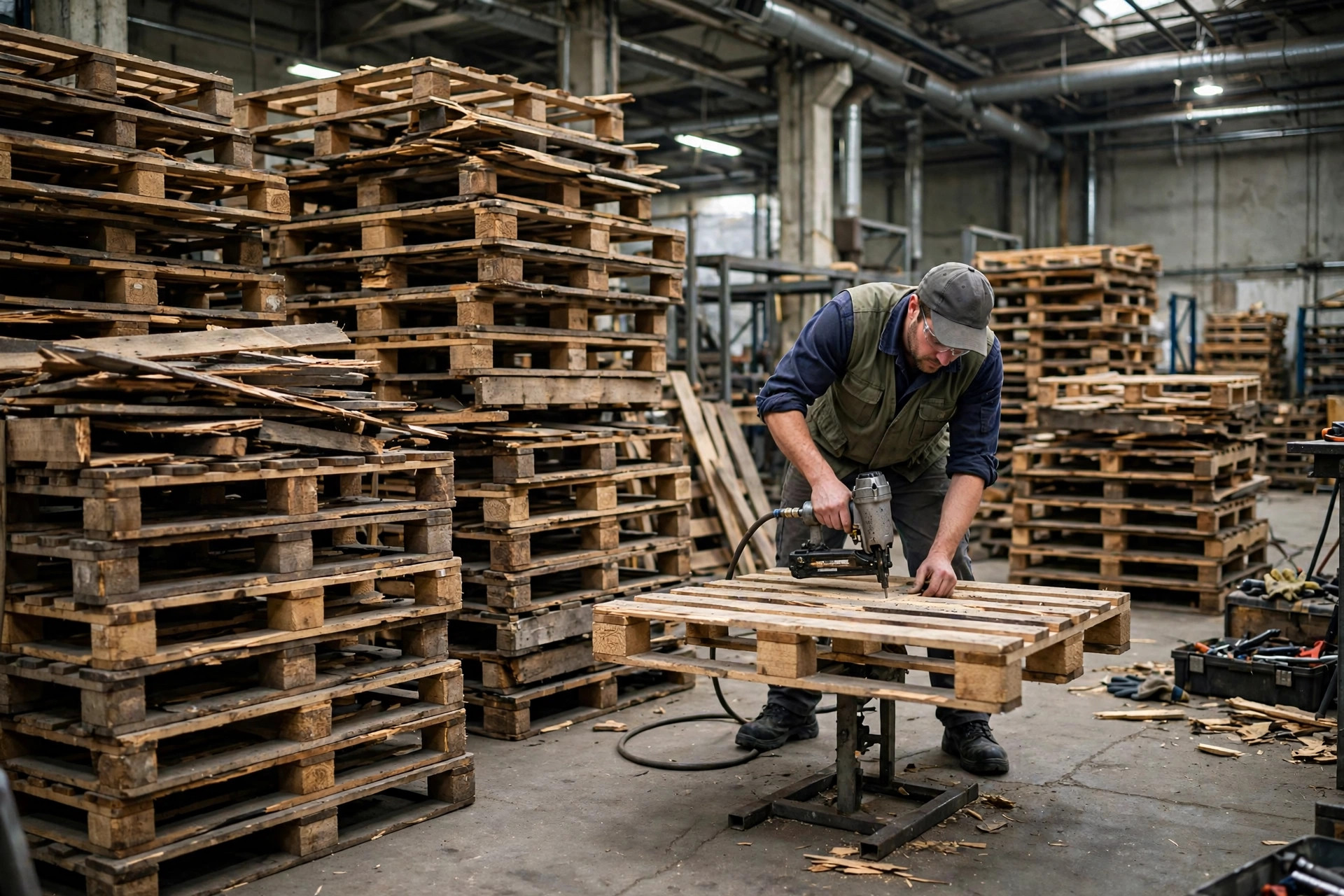
May 2024, Jiaxing, Zhejiang. I was picking up a load at a 3PL warehouse when I spotted a corner off to one side: two workbenches, an old-timer fixing pallets with a pneumatic nail gun — dat-dat-dat. Next to him, sorted piles: usable boards in one stack, firewood-grade junk in another, boxes of nails, wood glue. Curious, I walked over, offered him a cigarette, and we got talking.
The foreman, Old Wang, walked me through the numbers, and I nearly slapped my own thigh —
| Repair one pallet | Buy one new pallet | |
|---|---|---|
| Materials | 2–3 replacement boards + nails, about 8–12 yuan | — |
| Labor | An experienced hand does one in 10 minutes, roughly 5–8 yuan | — |
| Total | About 15–20 yuan | A new wooden pallet runs 60–80 yuan |
| Turnaround | 10 minutes, on the spot | 3–7 days ordering lead time |
| Old pallet | Back in service | Sold as scrap for a few yuan |
Old Wang's warehouse moves three to four hundred pallets a day. At a 5% damage rate, that's fifteen or sixteen pallets a day needing repair. Fifteen a day, 22 working days a month — 330 pallets. Saving about 50 yuan on each one, that's 16,000 yuan a month, nearly 200,000 a year. And that doesn't count the waiting: in peak season, pallet suppliers run late, and a shipment delayed for lack of pallets costs a whole lot more than a few dozen yuan.
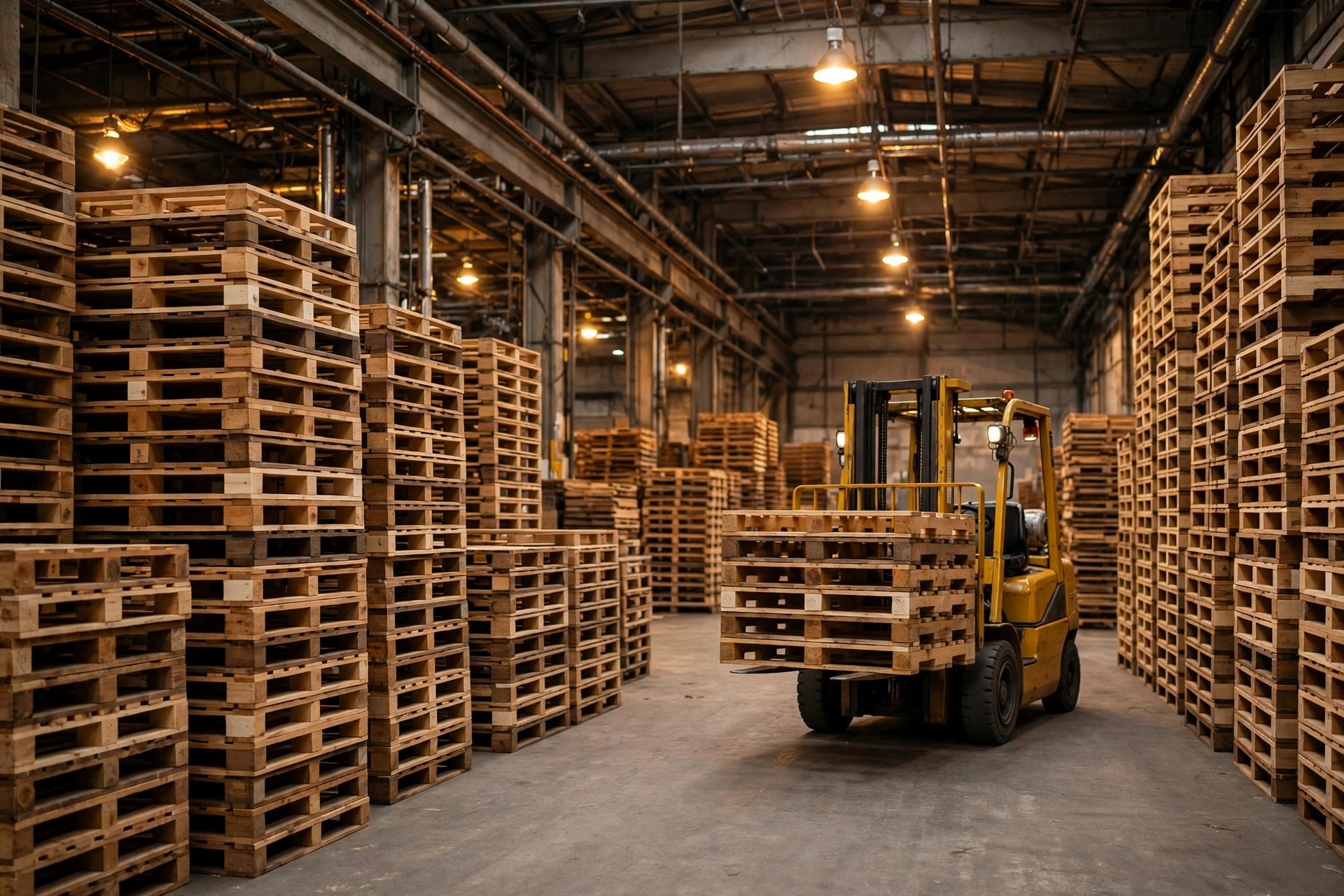
Standing there watching that old-timer work, it hit me: the most overlooked corner of that warehouse might be the one saving the most money.
A Pallet Repair Corner Isn't "Wasted Space" — It's a Money Saver
When most people hear "set aside floor space to fix pallets," the first reaction is: warehouse space costs a fortune — you want to give up 20 to 30 square meters to pile up broken pallets? What a waste!
I don't see it that way. Pallet repair is like fixing your truck: do you spend a little at the roadside shop when something's off, or wait until you're dead on the highway calling a tow truck? A repair area is the warehouse's roadside shop. Without one, broken pallets have exactly two destinations: piled in the aisles getting in the way, or tossed out as scrap. One blocks your workflow, the other burns money. Neither is cheap.
And here's the trade-off most people miss: is a broken pallet trash, or raw material? Treat it as trash, and it's a nuisance taking up space. Treat it as raw material — good boards pried off and reused, a pallet with solid stringers brought back to life with two new boards — and it's money in your pocket. At Old Wang's place, salvaged boards get sorted into three piles by length. They even save the nails. Call it cheap if you want — but who's laughing at 200,000 yuan a year?
Setting Up a Pallet Repair Area: Three Pieces of Practical Advice
I've seen a few of these corners by now. Three takeaways, plain and simple:
First, put it where it's handy — not at the far end of the warehouse. Where do broken pallets show up most? The receiving dock. The inspector rejects a pallet, the goods get transferred, and right there you've got a dead pallet on your hands. So the broken-pallet drop-off has to sit next to receiving — close enough to toss one in without thinking. Nobody should have to carry a busted pallet across the whole warehouse. The actual workbench can go along a side wall: 20 to 30 square meters, good ventilation, good light, off the main aisle but not far from it. One rule: broken pallets only flow toward the repair area. Never "temporarily" in the aisle — temporary has a way of becoming permanent.
Second, you don't need much gear — just the right gear. One pneumatic nail gun (plus compressor), a pry bar, a hand saw, nails, wood glue, and a few bins for sorting good stock from bad. That's the whole kit. The old-timer matters most: pallet repair is a craft. Ten minutes a pallet versus thirty minutes a pallet doubles your cost. Old Wang runs it with one veteran and one apprentice — they repair when it's busy, sort boards when it's slow. One or two people is plenty.
Third, set the rule: which pallets are worth fixing, and which go straight to scrap. Keep it simple — three lines: ① two or more broken stringers? Scrap it — it won't hold after a fix; ② half or fewer bad boards? Fix it — swap the boards and it's good as new; ③ proud nails or loose boards? Tighten and hammer down — five minutes. Post the rules on the wall where everyone can read them. The worst outcome isn't repairing too much or scrapping too much — it's having no standard at all, so good pallets get tossed while rotten ones get "fixed" and collapse on the highway.
A Driver's Habit: Walk Around the Pallets Before Loading
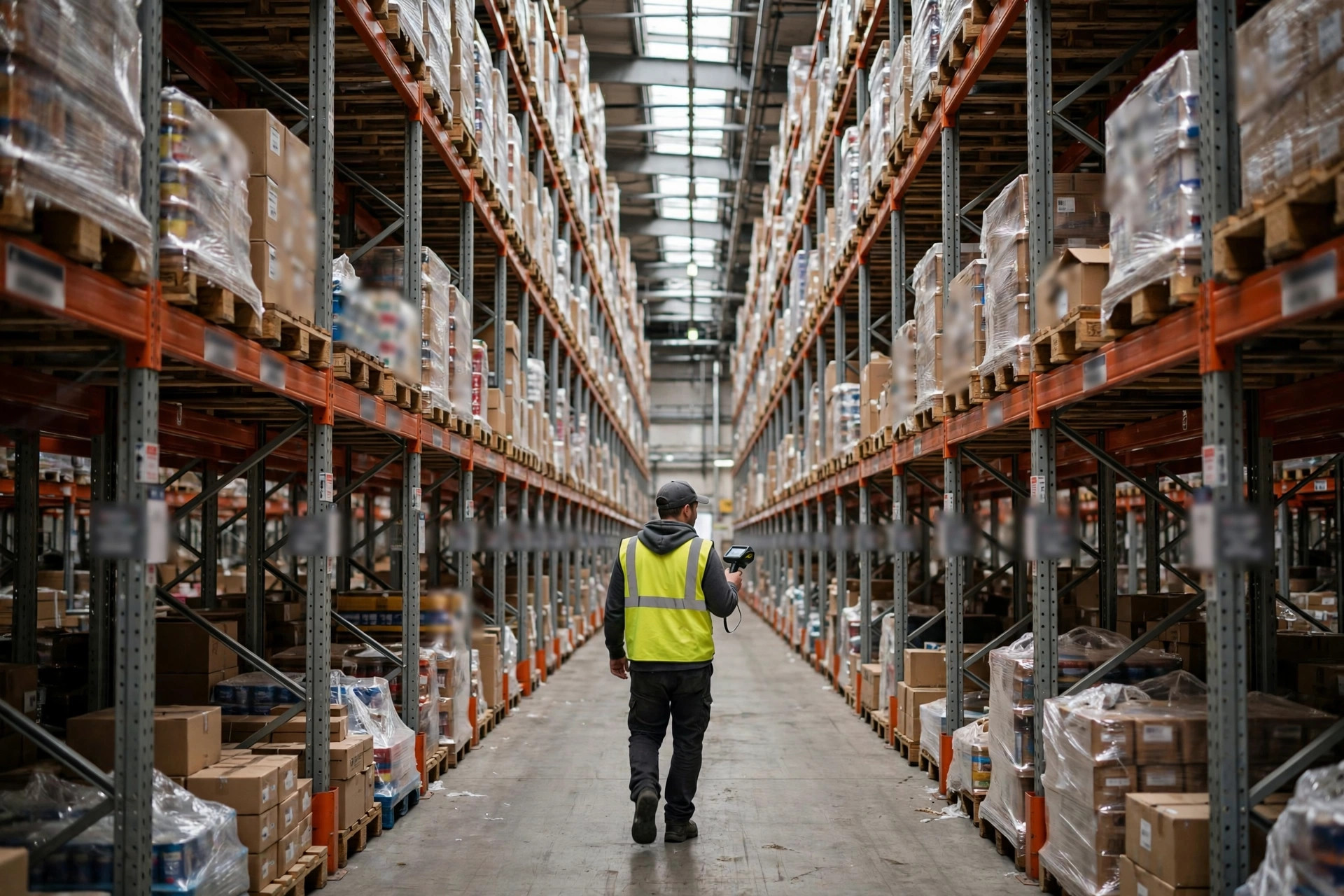
One last thing, driver to driver. Since Dongguan, I've added a habit: walk around the pallets before loading. Same as the walk-around I do checking my tires — takes a minute:
- Boards: step on them. A loose deck board wobbles under your foot.
- Stringers: crouch down and look at the two or three stringers. Cracked? Swap the pallet out.
- Nails: proud nails are the sneaky ones — they slice cartons and puncture bags, and e-commerce warehouses reject on sight.
Shippers can do this too, before the truck even arrives. Don't treat it as the driver's job — they're your pallets and your goods. When a load gets rejected or docked over pallets, you're the one who feels it.
At the end of the day, pallet repair saves the warehouse money, saves the driver headaches, and saves the shipper risk. A 20-square-meter corner, a nail gun, one old-timer — nearly 200,000 yuan a year. That's a deal worth taking.
There's an old saying where I'm from: mend the small hole, or suffer the big one. A pallet costs next to nothing — but it can ruin your whole shipment. Fix what's fixable, set up the corner, and don't wait until a pallet teaches you the lesson at the receiving dock. That tuition costs a lot more than nails.
By Shifu Zhao, Trucking Veteran (15 yrs)