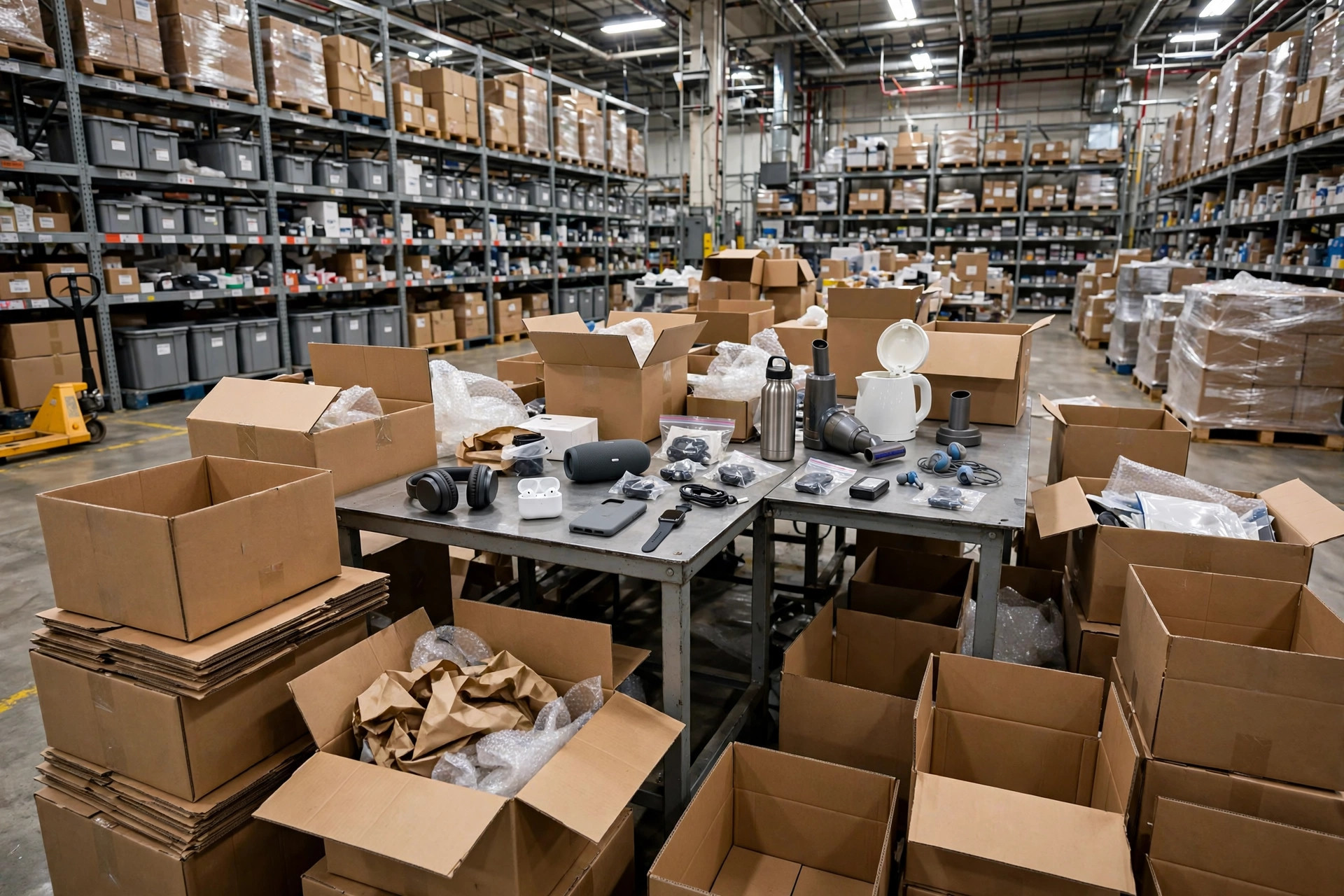
Amazon changed the rules again. Q3 brought another hike in return processing fees, and whatever sits in FBA gets auto-disposed if you don't act — with the disposal fee charged to you, naturally. The overseas warehouse is worse: returns roll in by the truckload while storage fees burn every single day.
Last Q4 I had nearly 3,000 returned units piled up at my warehouse in Chino, California. The warehouse manager called: "K, if you don't clear this pile, I'm charging you overstay storage." I ran the numbers and my scalp went numb: do nothing and storage bleeds you; refurbish everything and labor bleeds you; scrap everything and your heart bleeds.
So I built a "save or scrap" decision line. Two years in, it works. Here's the whole playbook.
Grade first: A/B/C, or lose money on every unit
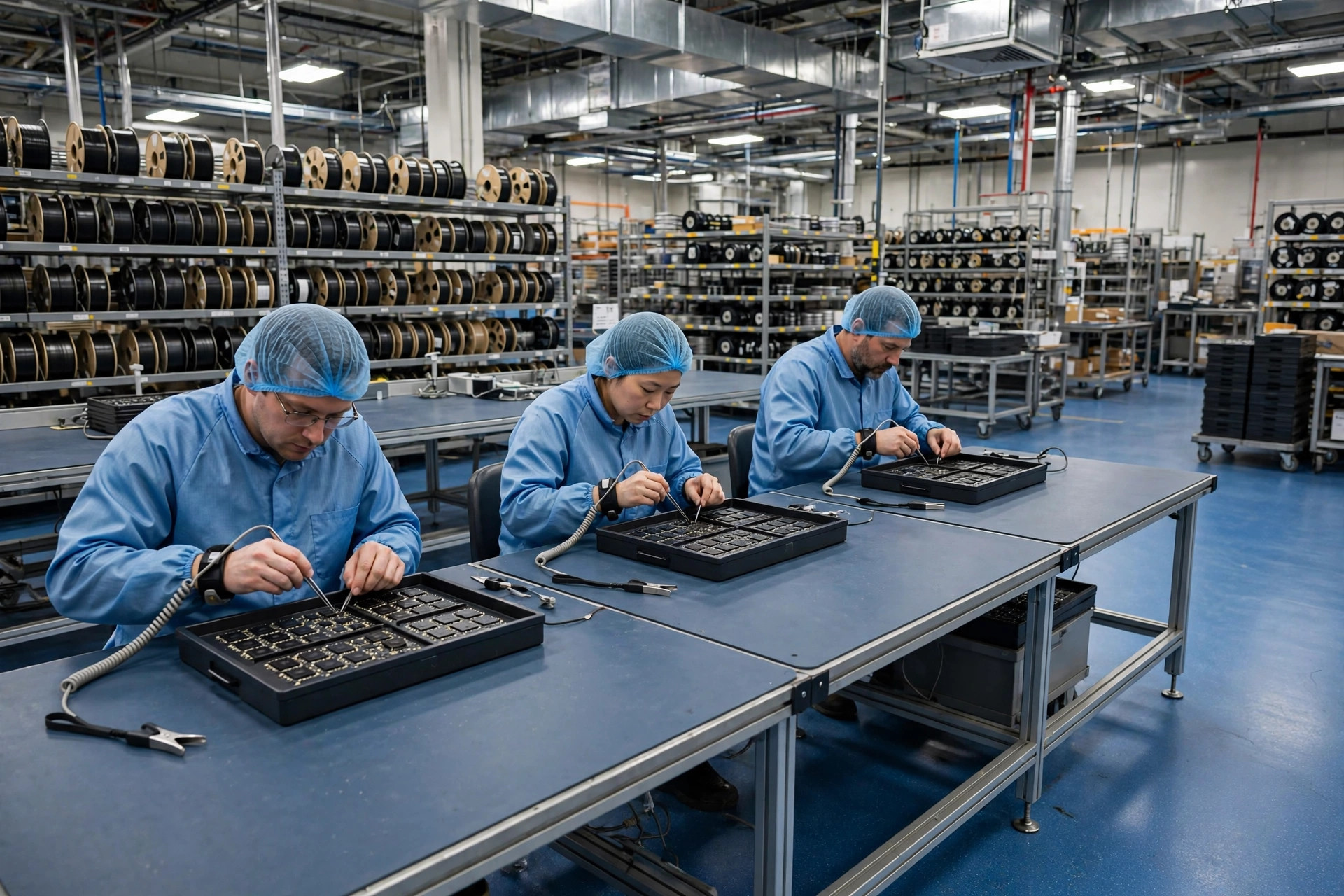
Step one isn't refurbishing — it's grading. My warehouse inspects every return against this standard:
Grade A (damaged packaging, product intact): crushed outer box, torn shrink wrap, machine itself fine. Easiest save — rebox and sell as new.
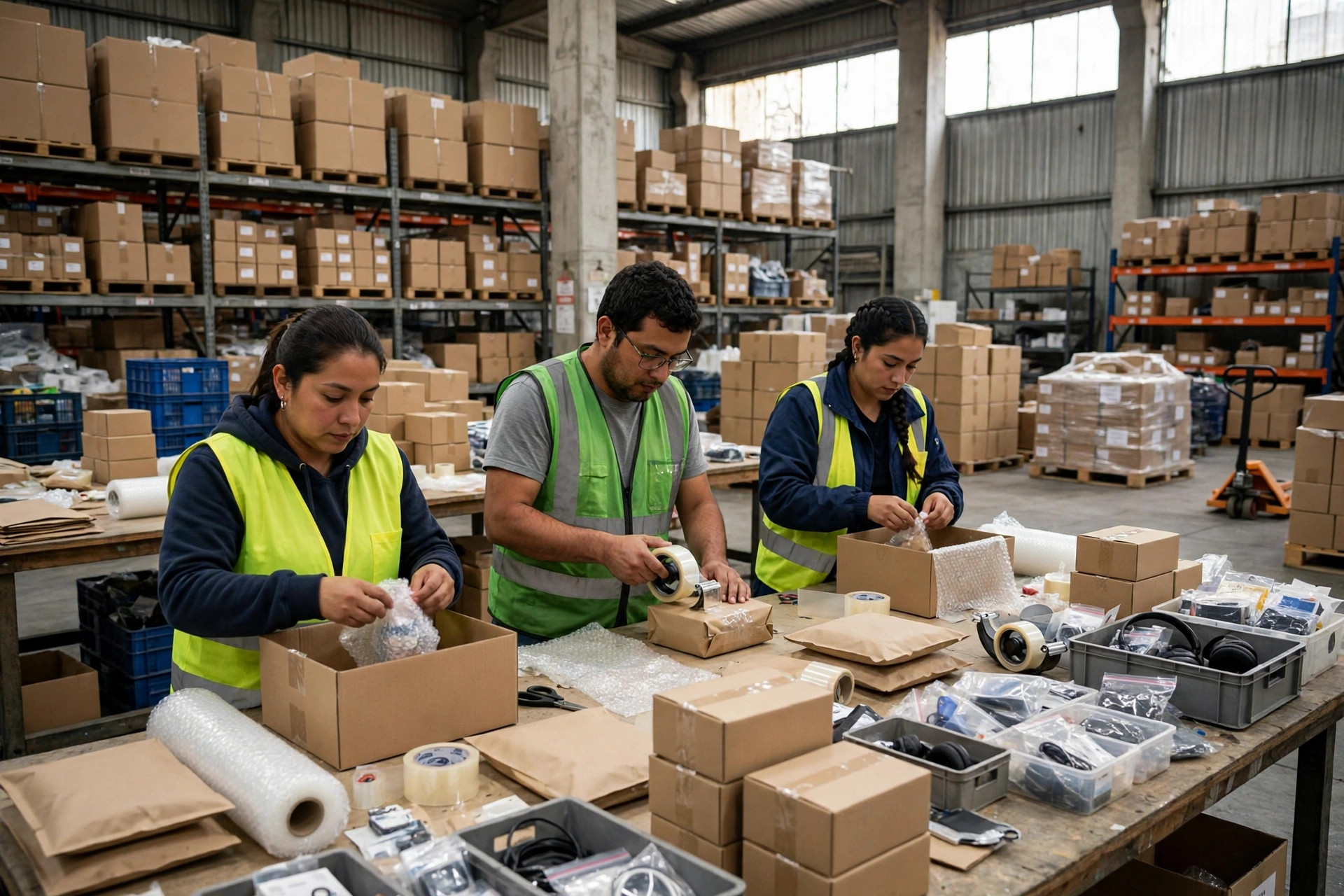
Grade B (minor defects, refurbishable): scratches, a missing small accessory, lost manual. Fix it, top up the part, sell as "used – like new."
Grade C (functionally dead): fried board, dead motor, missing critical part. Don't hesitate — dispose or donate for a tax write-off.
Grading costs almost nothing. My warehouse charges about $2–3 per unit for inspection — $7–8k for 3,000 units. But that step decides whether every dollar after it is well spent.
Case 1: saved right — one batch paid back $8,000
April 2026: 210 units of my pet dryer came back. $89.99 retail. Return reason: "too noisy." Turns out it wasn't a quality problem at all — customers just hadn't seated the filter properly.
Grading result: 130 Grade A (packaging damage), 60 Grade B (missing filter), 20 Grade C (genuinely bad motor).
The math:
| Item | Grade A (130 units) | Grade B (60 units) |
|---|---|---|
| Inspection & grading | about $2.50/unit | about $2.50/unit |
| Refurb (rebox / replacement filter) | about $2.30/unit | about $6.80/unit |
| First-leg back to FBA | about $1.10/unit | about $1.10/unit |
| Total refurb cost | about $5.90/unit | about $10.40/unit |
| Relist price (open-box discount) | $79.99 | $69.99 |
| Platform fees + fulfillment (about 35%) | about $28 | about $24.50 |
| Net recovered per unit | about $46 | about $35 |
190 units saved, nearly $8,000 recovered. The 20 Grade C units went straight to disposal for under $20. A batch that looked like a $17,000 write-off turned into $8,000 back in pocket. That's what grading buys you.
Case 2: saved wrong — the deeper you dig, the deeper the hole
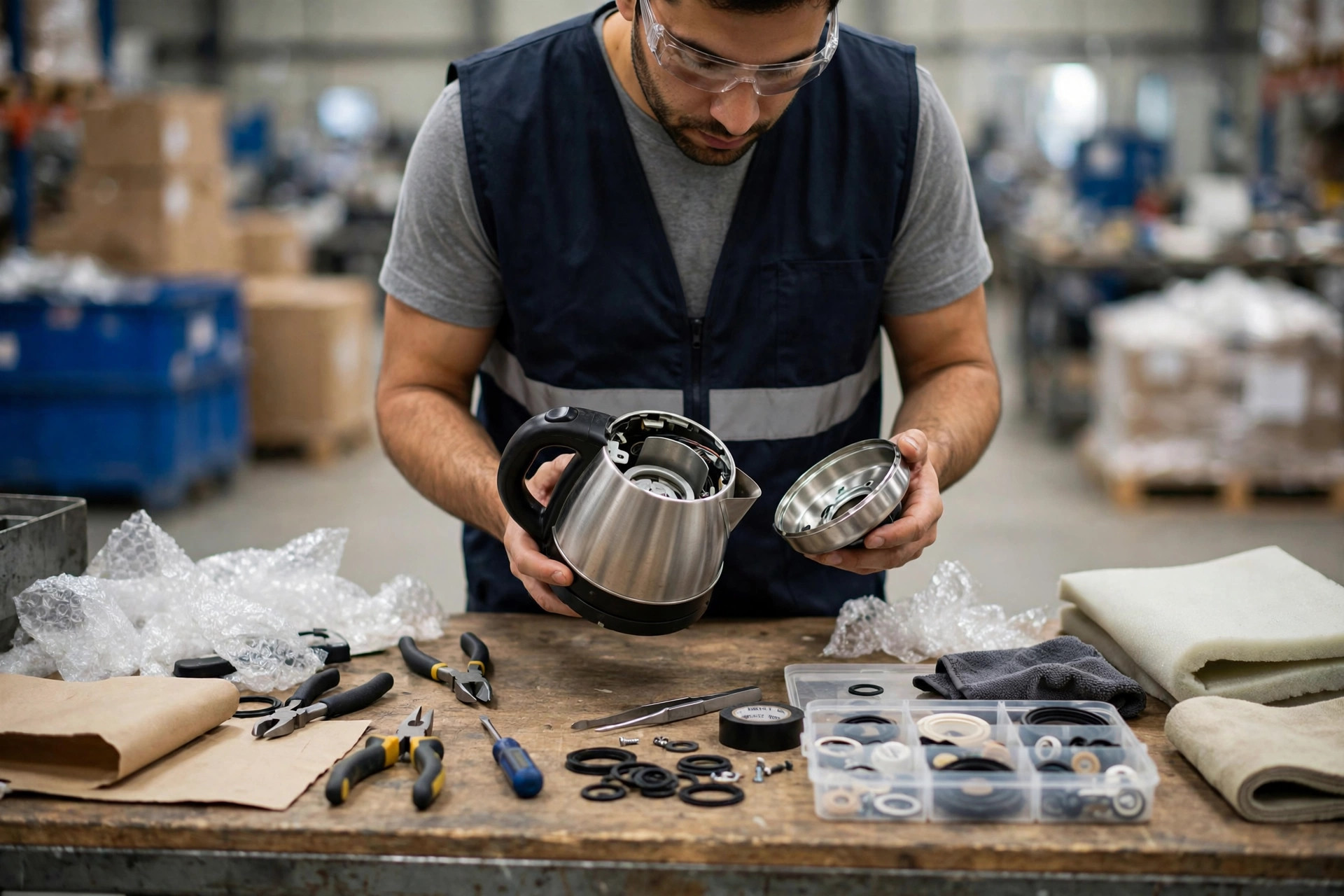
The cautionary tale. November 2025: 800 silicone phone cases at $9.99 came back — "color doesn't match photos."
I got cocky and refurbished everything: $2.50 inspection + $1.80 rebox + $0.60 relabel + $0.90 first-leg = $5.80 per unit. Relisted at $7.99, netted a little over $4 after fees. Lost over a dollar per unit — nearly $1,000 across 800 units, plus two weeks of my time.
Worse: the color issue was never fixed, and the second-return rate hit 18%. That batch was a total wipeout.
Lesson written in blood: on low-ticket items, refurb cost eats too big a share. Saving them is just losing slower.
My cutoff line: one formula for every batch
Every batch now goes through this formula:
Refurbish only if: total refurb cost < salvage value × 60%.
Total refurb cost = inspection + refurb labor + materials + first-leg back to FBA.
Salvage value = original price × discount factor (0.9 for Grade A, 0.7–0.8 for Grade B), minus platform fees and fulfillment.
Why 60% and not 100%? Because the other 40% is your safety margin — second returns, price wars, storage fees. Without it, the spreadsheet says profit while reality says otherwise.
Run the phone cases through it: $5.80 refurb cost vs. $4.20 net salvage. $5.80 is way above $4.20 × 0.6. Scrap, no hesitation, not one second.
Counter-intuitive: Amazon isn't always the best home for a refurb
Most sellers assume refurbished means relisting on Amazon. Wrong.
For Grade B units that work fine but look imperfect, I now go local secondhand: refurbished sections on secondhand marketplaces, local buy-and-sell platforms, or straight to a local liquidator in bulk. Skip the 15% referral fee and FBA fulfillment, and the net is often higher.
Last year: 300 Grade B Bluetooth speakers. Relisting on Amazon would have netted about $32 per unit; a local buyer took the whole lot at $28 per unit, cash settled. No waiting for payouts, no second-return risk. I took the deal. Count the total P&L, not the per-unit price.
One more trade-off: seasonal products. Christmas decor returned in January will never make it back in time — you'd burn 11 months of storage waiting for next December. Clear it at liquidation price, free the cash for spring inventory. "Perfect refurbishment" is dumber than fast cash.
My operating rhythm: clear every batch within 14 days
A formula alone isn't enough — you need a deadline. Here's my rhythm:
Within 48 hours of arrival, the warehouse grades everything A/B/C with photos and sends me the report. Every Friday, I run the "60% formula" and issue a disposal list: save, sell secondhand, scrap. Grade A gets refurbished and sent back to FBA within two weeks; Grade B moves through secondhand channels and clears within 30 days; Grade C gets disposed or donated the same week. Once a month, I review return reasons — if the product has a defect, fix the product first.
I set that 14-day deadline myself. Every extra day returns sit in the warehouse, storage fees burn and the decision gets harder. Decisive beats perfect — decisiveness is savings.
Three traps I've already stepped in for you
First, never let the warehouse "full-service refurbish" on autopilot. Some warehouses quote per unit and want you to refurbish everything. You set the grading standard, and you audit. I randomly re-inspect 50 units a month — caught them mislabeling Grade C as Grade B twice.
Second, refurbishing can't cover up a product defect. The dryer's "noise" problem was really a manual that never explained filter installation. After saving that batch, I rewrote the manual and the listing page immediately. Skip the product fix and you're just refurbishing inventory for the next wave of returns.
Third, don't trash Grade C before asking about donation. In the US, donating to a nonprofit can earn a tax deduction that's sometimes worth more than the disposal cost. One question to your accountant — don't throw money away.
Returns aren't a contest of refurbishment skill. They're a contest of who does the math harder. Grade, formula, ruthless scrapping — get those three moves down and returns turn from a cost center into a profit line.
I tested this myself and it works.
By Ah K, E-commerce Seller (5 yrs)