Forget everything you learned from Senegal. Tanzania plays a completely different game.
Senegal was seasonal inventory math — harvest once, sell through the year. Tanzania cashew exports in the 2026/27 season are about rules, not crop size. Yes, it's a record harvest. But what decides whether you make money isn't the tonnage. It's two things: the TMX warehouse-receipt auction system, and the cashew development levy jumping from TZS 110/kg to TZS 250/kg. Same nuts, brand-new rulebook.
Here's the thing about a record season: it sounds like a buyer's market. Under Tanzania's system, a bigger crop just means more gates to pass through. I've seen too many buyers walk in with West African experience and walk out burned by the auction rules and the tax bill.
How the TMX Warehouse Receipt Auction Actually Works
The chain looks simple on paper: farmers deliver to designated warehouses → nuts are graded → warehouse receipts are issued → TMX online auction → winning buyers post deposits → shipment out via the Mtwara corridor.
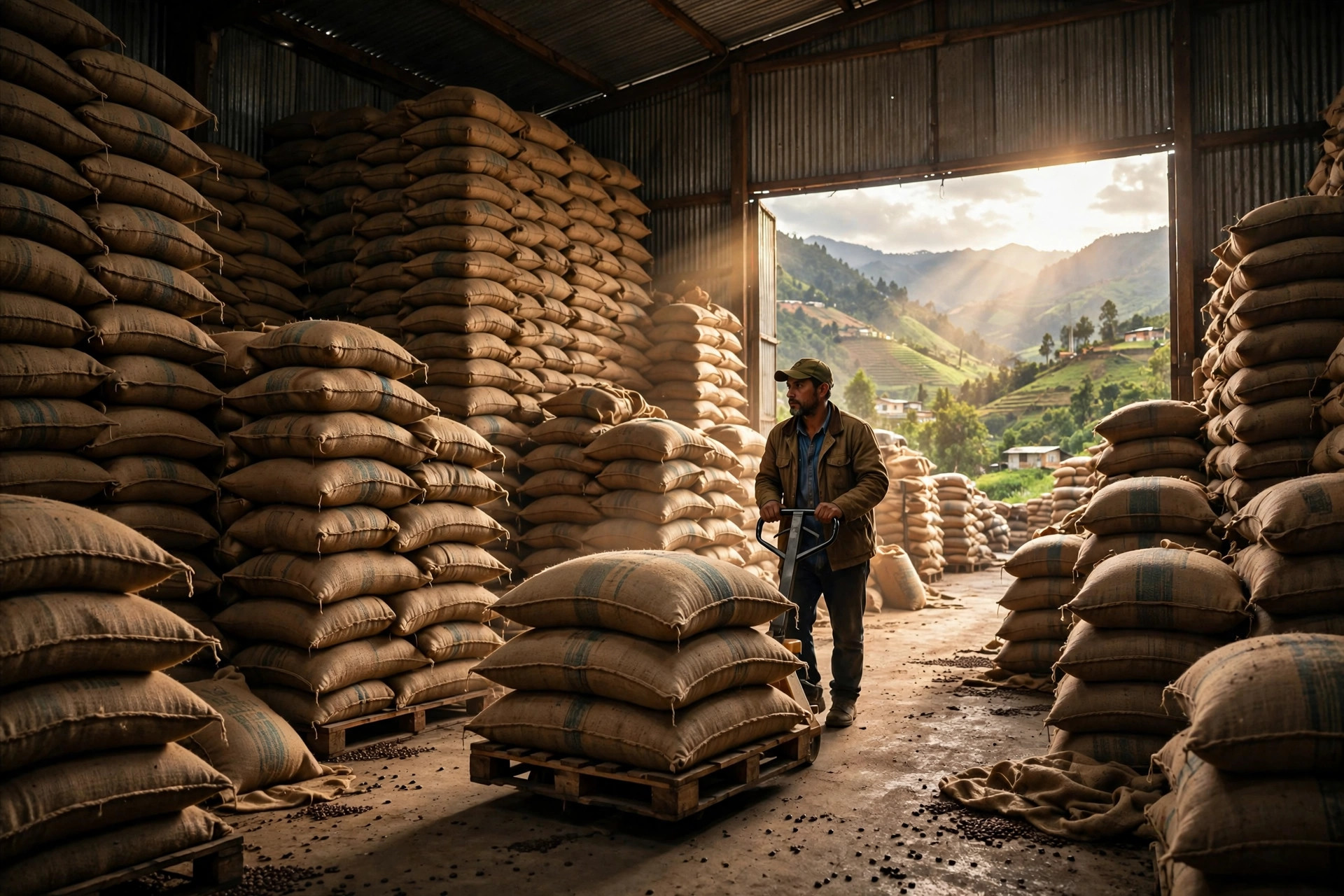
Roughly 700,000 registered farmers (mordorintelligence) feed this system. At the warehouse, nuts are graded under the 2026/27 marketing rules: KOR — kernel outturn ratio — of 48 lbs per 80kg or better for standard grade, 44–47 for secondary, moisture capped at 10% (DEAS 1000:2019). The grade goes on the receipt, the receipt goes to auction on the Tanzania Mercantile Exchange. Buyers have the right to inspect warehouse stock before bidding. Winners post a deposit scaled to purchase volume, then move cargo out through Mtwara port.
Sounds orderly. The traps hide inside the orderliness.
I've watched buyers get burned here more times than I can count. Right before the 2026/27 auctions opened, a trader friend in Dar es Salaam skipped the pre-auction inspection — the receipt said standard grade, KOR 48 or better, so why make the trip? At pickup, his sample tested at KOR 46. Secondary. He had bid standard-grade money and posted the deposit against it; what arrived was secondary-grade stock. Re-grading, disputes, cargo sitting while the clock ran. One-line lesson: TMX gives you the right to inspect before you bid. Don't use it and you're throwing money away.
The auction cuts both ways. It genuinely protects farmers — 700,000 smallholders with zero individual bargaining power at least get a transparent price. But the cost lands squarely on the buyer: deposits lock up working capital before you touch the goods, and the burden of proving a grade dispute is yours. My rule is simple: every TMX receipt gets inspected. No exceptions. KOR 48 versus 46 looks like a two-point gap; in auction premium and processing yield, it's a different deal entirely.
Before I bid, I run a five-point checklist: (1) inspect the warehouse before the auction — sample KOR and moisture against the receipt grade; (2) deposits scale with volume, so map the cash lock-up window and don't let one deposit starve the next cargo; (3) work backward from the sailing schedule — Mtwara has thin service, so negotiate waiting-time storage rates up front; (4) update the tax table to the 2026/27 season (see below); (5) put grade-mismatch remedies in the contract, not in a handshake.
And here's the counterintuitive part about a record season: a bigger crop usually softens auction prices — good for buyers, right? Only half right. Your per-kilo compliance costs don't move with the price. The TZS 250 levy is fixed. The deposit is fixed against volume. The inspection trip costs the same. When auction prices soften but fixed costs don't, margin per kilo compresses instead of expanding. A record crop rewards the buyer with the tightest cost control, not the one cheering loudest at the harvest reports.
The Levy Jump: TZS 110 to 250 per Kilo
The season's other big change: the cashew development levy went from TZS 110/kg to TZS 250/kg (commodity-board figures). That's an extra TZS 140 on every kilo — a 127% increase. Per ton, TZS 140,000 in new cost.
Who pays? It rolls downhill in three layers: 700,000 smallholder farmers can't absorb it; local processors build it into cost; exporters end up carrying it in their quotes. This season I saw a costing model still running last year's levy — quotes went out priced at TZS 110/kg tax, contracts got signed, and only at settlement did the missing TZS 140 per kilo surface. The contract was signed. The margin went to the tax. That's not bad luck; that's homework not done.
Why the hike? The money feeds the cashew development fund, aimed at building domestic processing — the official line puts capacity heading past 300,000 tons (commodity-board). Two sides again. Long-term, if local processing scales, Tanzania keeps more of the value chain at home — hard to argue with that. Short-term, in the 2026/27 season, the tax comes straight out of exporters' pockets. And here's the part most raw-nut buyers miss: 300,000 tons of domestic processing capacity means local processors competing with you for the same raw supply. The levy doesn't just raise your cost — it funds your competition. Record crop plus doubled levy: that's a buyer's math problem, not a buyer's windfall.
So step one for Tanzania cashew exports this season isn't finding cargo. It's updating the tax table. Get the levy wrong and everything downstream is wrong.
Mtwara vs Dar es Salaam: Close to the Crop, Far From the Ships
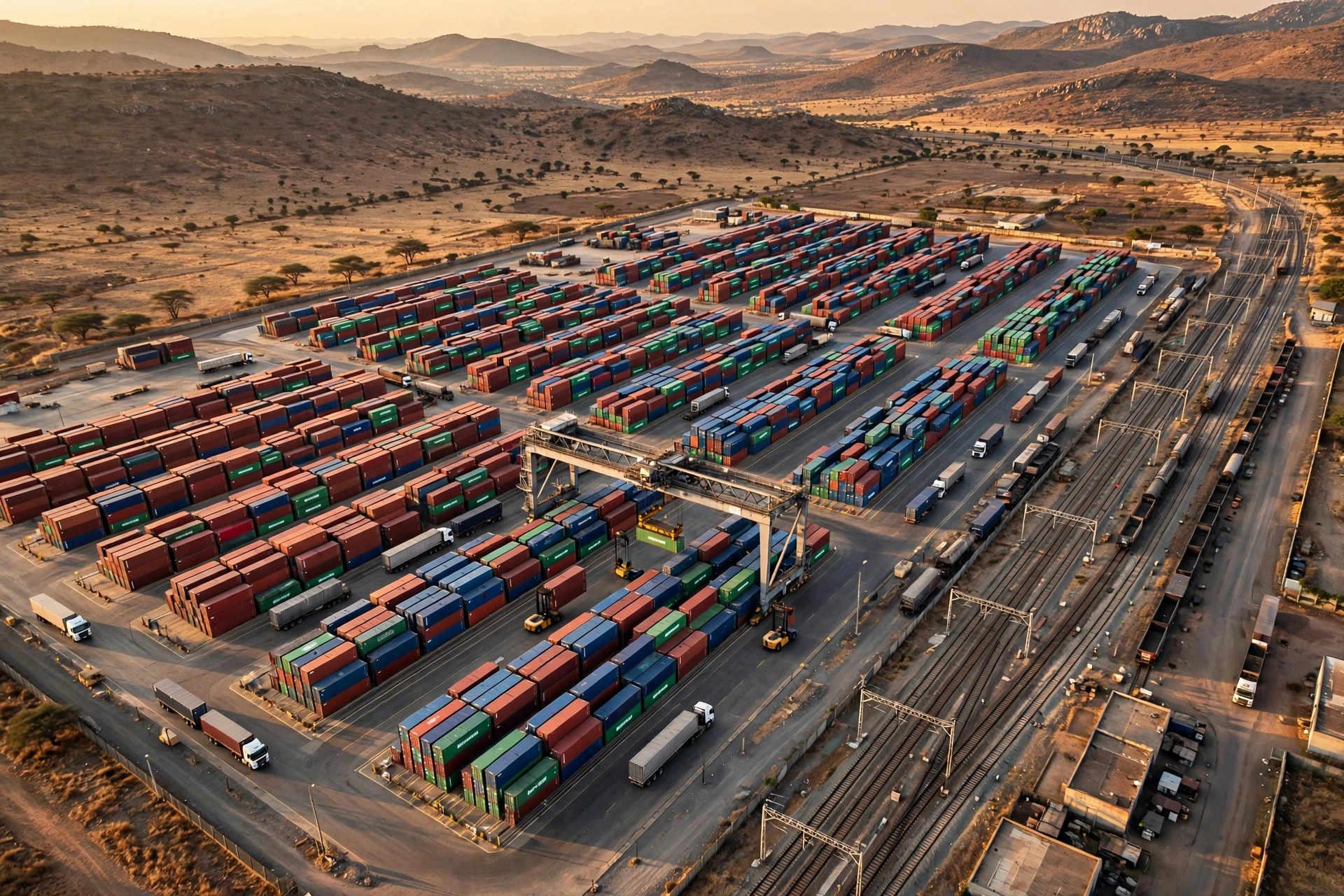
Where does the cargo leave from? Ideally Mtwara port. The main growing belt sits in the Mtwara and Lindi regions, so the inland leg to Mtwara is the shortest — its biggest advantage.
But two sides: Mtwara has thin liner service. The big vessels and frequent sailings sit at Dar es Salaam. Dar to Mumbai runs a typical 10–14 days, and that lane is the reference route for this trade. The real-world choice is a straight trade-off:
| Mtwara port | Dar es Salaam port | |
|---|---|---|
| Inland haul | Short — next to the growing belt | Long — cargo trucked up from the south |
| Sailing frequency | Thin; possible waits or transshipment | Dense; more direct options |
| To Mumbai | Few sailings | Typical 10–14 days |
| Fits | Cargo ready, flexible on schedule | Tight delivery, needs schedule cover |

My take: don't pick the port first — read the sailing schedule first. TMX auctions run on delivery timelines, deposits are already posted, and if the vessel doesn't line up, storage and demurrage are yours. For anyone running Tanzania cashew exports this season, the port decision is really a schedule decision. Being close to the nuts isn't the same as being close to the market. Mtwara is close to the cashews. Dar is close to the ships. You need the ships.
A record season rewards whoever reads the rulebook best, not whoever holds the most cargo. Get the tax right, inspect the warehouse, pick the right port — then the money is yours. Otherwise?
By Lao Mi, Supply Chain Veteran (20 yrs)