Nine out of ten sellers doing Shopee Southeast Asia have asked themselves the same question: should I ship from an overseas warehouse? Faster delivery, better conversion — sounds beautiful. Let me pour some cold water on that first: until you've done the returns math, an overseas warehouse is a trap. We small warehouses can't afford to burn that kind of money.
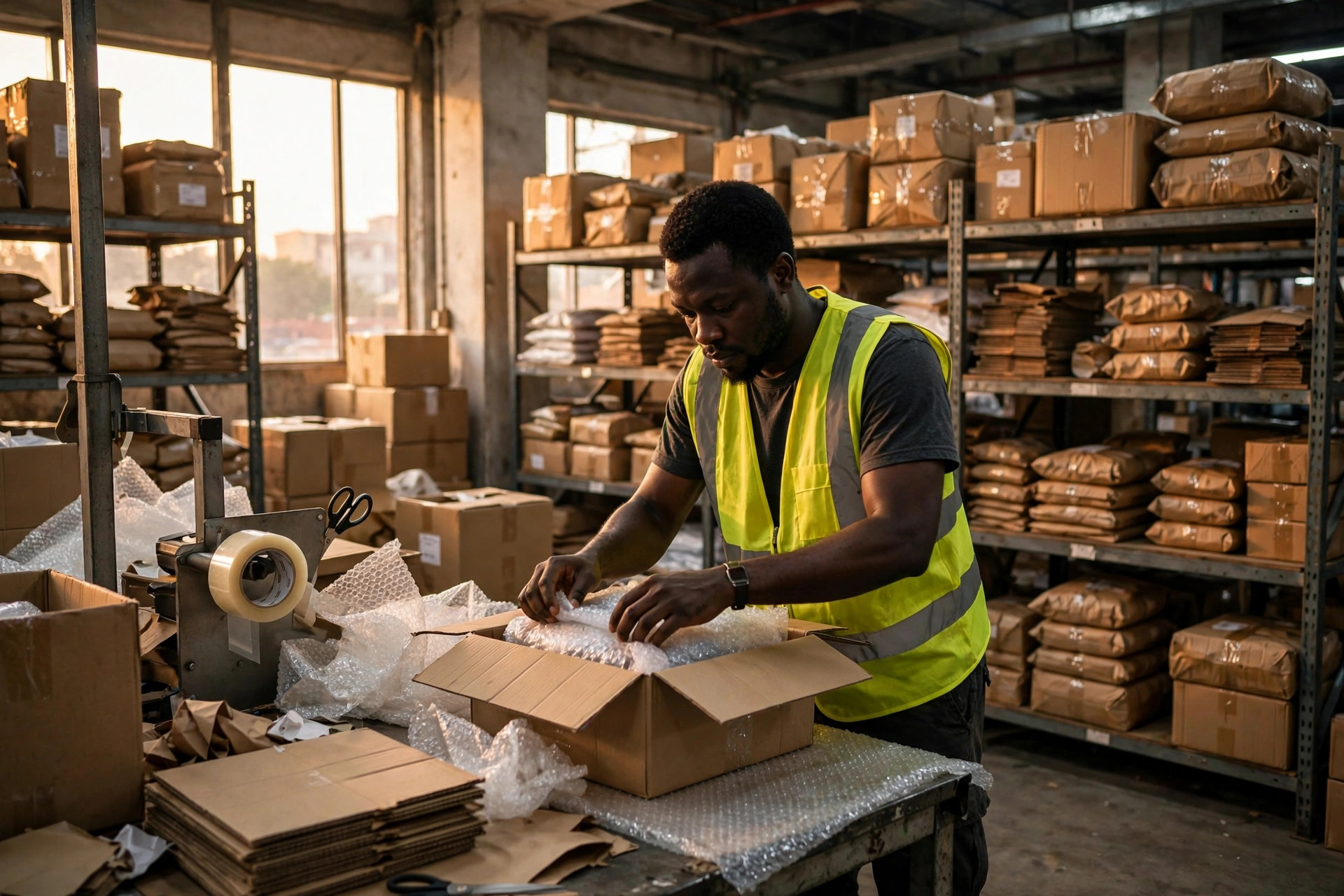
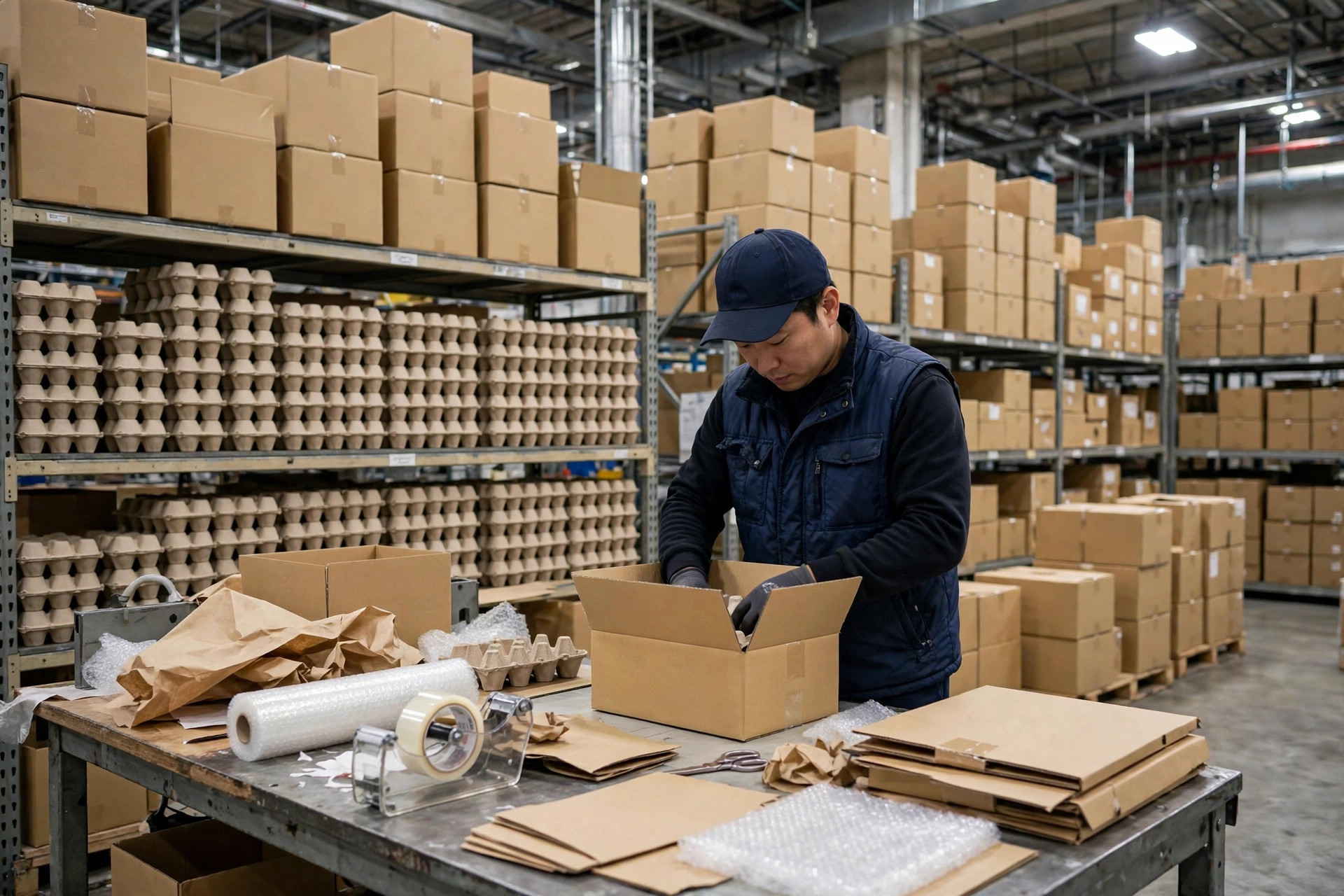
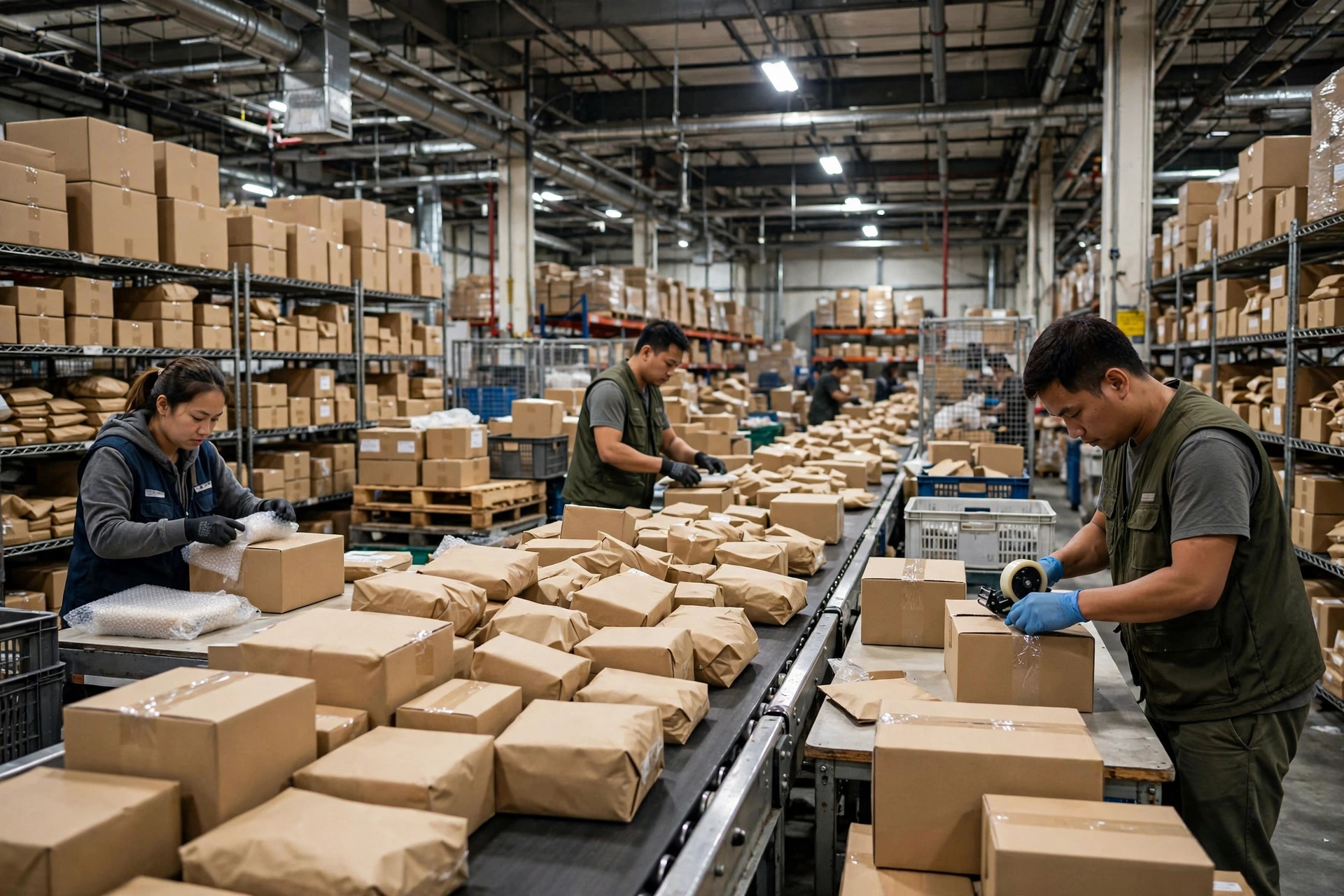
For context: I run a 3,000-square-meter small warehouse. I've shipped for a few friends selling cross-border on Shopee, and I've watched people get wrecked by returns up close. Everything below was paid for in real money.
Cross-Border Shipping Is the Safety Net Built for Small Sellers
Let's walk through Shopee's cross-border shipping flow first, because plenty of people start dreaming about overseas warehouses before they've even mastered this.
The flow is dead simple: you ship your parcels to Shopee's designated transit warehouse in China, and from there the platform's official logistics takes over — international transport, customs clearance, last-mile delivery, even after-sales logistics. No international courier contracts, no customs paperwork, and someone has your back on returns. For a small seller, this is about as close to zero-barrier exporting as it gets.
How fast is it? The platform's own guidance puts Singapore at roughly 5 to 10 days. And in cross-border mode, sellers don't bear the overseas leg's shipping cost — you just get the parcel to the domestic transit warehouse. The platform carries the two hardest legs (cross-border and after-sales) for you; your only job is to nail the domestic leg.
The biggest win: zero inventory pressure. You stock in your China warehouse, ship when orders come, and tie up no cash when they don't. For small warehouses and small sellers like us, cash flow is life. Cross-border shipping lets us test Southeast Asian markets at minimal cost — double down on whichever site pops, pull out of whichever flops. We fight like guerrillas.
The big-company playbook — "stock up first, then go to war" — doesn't work for us. We shoot first and look at the target later.
Returns Are the Real Boss Fight
Shipping is only the first half. Returns decide whether you actually make money. And Shopee Southeast Asia returns are brutal in ways domestic e-commerce never prepared you for.
True story: in fall 2024, my friend Lao Chen was selling phone cases on Shopee Vietnam, cross-border shipping humming along. Then one batch got hit with a wave of "not as described" return requests — 40-plus orders, all landing in the platform's return collection point in Ho Chi Minh City. Lao Chen's naive plan: get them shipped back and resell them. The punchline? His cases sold for pocket change each, nowhere near the threshold for international return shipping. The platform disposed of the whole batch. Money gone, goods gone — he never even got to look at them.
That's Iron Rule #1 of Shopee cross-border returns: low-value returns basically never come home.
After the collection point receives parcels, it ships the "worth returning" ones back to the seller's China address in a monthly batch, deducting the return freight at settlement. But what counts as "worth returning"? Per the platform's older manuals (policies have been shifting for years — always check your seller center for the current numbers), Vietnam had an order-value threshold: below it, no return service at all, and the platform disposes of the parcels itself. Above it, unclaimed COD parcels could be returned for free, while buyer-initiated returns cost a per-parcel return fee. For single parcels above a high value, you had to pick them up yourself at a Hong Kong self-pickup point — the old manual said 30 days of storage, then on-site destruction — same disclaimer: check the latest official policy.
Note those last three words: destruction on site. The final leg of an international return (transit warehouse to your door) goes by third-party courier. Three failed delivery attempts and the parcel gets destroyed. No negotiation.
So here's my three-tier returns playbook — steal it:
| Return tier | Strategy | Logic |
|---|---|---|
| Small, low-value items | Write it off, bake it into pricing | Return shipping costs more than the goods; getting them back is still a loss |
| Mid-value, resellable | Platform resale program or local clearance | Returned items that pass quality checks can be relisted in the local store (check the latest official policy), or clear them through local channels |
| High-value items | Request the return, watch the clock | Worth paying the return fee — but mind the pickup deadline or it gets destroyed |
Here's the counterintuitive bit: returns loss is a pricing line item, not a cost surprise. Most small sellers price with goods + freight + commission and only start crying when returns hit. The right move is to fold expected returns loss into your price before you list. COD is huge in parts of Southeast Asia, impulse orders and rejections run high — if you don't do this math upfront, you're flying naked.
The Math on Overseas Warehouse Shipping
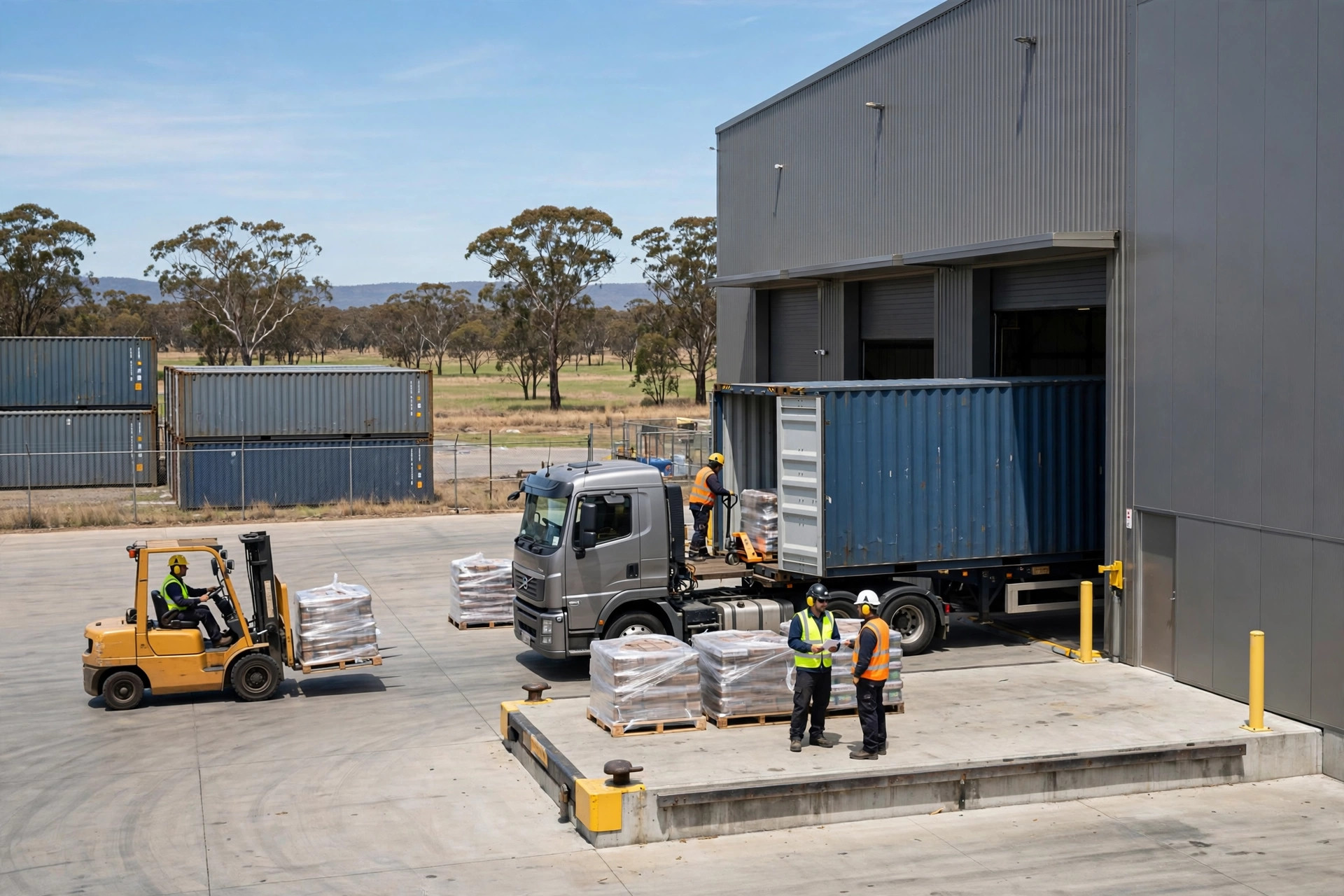
Okay, returns covered. Now the overseas warehouse question. Comparison table first:
| Cross-border shipping | Overseas warehouse | |
|---|---|---|
| First mile | Ship to the domestic transit warehouse | Bulk-ship to the overseas warehouse, head haul is on you |
| Inventory | Zero pressure — ship on order | Stock up front, cash tied down |
| Speed | ~5–10 days to Singapore | Local dispatch, 1–3 day territory |
| Returns | Platform backstops it (write off the small stuff) | Returns stay local and resellable — but warehousing and handling are all on you |
| Fits | Newbies, small sellers, testing phase | Stable bestsellers, deep pockets |
The platform's local fulfillment service in the Philippines delivers covered orders in 3–5 working days versus 7–10 for non-local fulfillment — more than twice as fast. But faster does not mean more profitable. That's counterintuitive truth #2.
Early in 2025, I helped a friend selling Bluetooth earbuds try the "overseas warehouse" route: 200 units into a third-party overseas warehouse, betting on faster delivery and better conversion. Sell-through disappointed — less than half moved in three months, warehouse rent didn't budge, and the leftovers went out at clearance prices. Net result: worse than plain cross-border shipping — no tied-up cash, no rent, painless returns.
An overseas warehouse isn't an "upgrade." It's a gamble — a bet on your demand forecasting ability. Big sellers have data teams and sales history; they can afford the bet. Our forecasting ability as small sellers is roughly astrology. Betting the whole shop on a "maybe it pops" SKU is an extinction-level event when you're wrong.
Counterintuitive truth #3: Southeast Asian buyers are far more price-sensitive than speed-sensitive. In COD-heavy markets, shoppers look at the price tag first; speed is a bonus, not the decider. Doubling logistics and warehousing cost to shave days off delivery might nudge conversion a hair — the math rarely works, unless your category is genuinely time-sensitive (holiday gifts, fast fashion).
When does the overseas warehouse earn its place? My dirt-cheap checklist — all three boxes ticked first:
- One SKU sells steadily on one site, enough to cover the tied-up stocking cash;
- You know your return rate cold, and there's still margin after returns loss is priced in;
- Returned goods have a local second life (resale program or local clearance channel) — no counting on shipping them back to China.
Miss even one, and stay in cross-border shipping. Behave. Don't get cocky.
Four Cheap Tricks for Small Sellers on Shopee Southeast Asia
- Run cross-border for three months before talking warehouses. Use it to find out which site and which SKU are real winners. Data is the best strategist — don't pay tuition with your wallet.
- Price in the returns loss from day one. Assume the worst: for small items, provision a fixed returns-loss ratio (it depends on your category; one month of running gives you the number). Don't wait for returns to arrive before slapping your forehead.
- Check the returns policy in your backend monthly. Return thresholds, fees, and resale programs keep changing. Don't treat a years-old manual as scripture — the seller center's latest policy is the only truth.
- Don't put all eggs in one site. Each Southeast Asian market has its own policies and return rules. Spread across sites; when one goes dark, another stays lit.
One last honest word: our advantage was never speed or scale. It's agility. Small boats turn fast, and we can afford the cost of trial and error. Cross-border shipping lets us experiment at minimal cost. Get returns figured out, get pricing right — then consider heavy weapons like the overseas warehouse. Overstride, and you'll pull something.
Small warehouses have their own way to survive. No envy for the big sellers' overseas warehouses, no shame in our cross-border shipping. Survive first — then talk about growth.
By Xiao Ma, Small Warehouse Owner