Let me tell you about a friend of mine. He sells auto parts, opened a store on Mercado Libre Peru, and shipped everything direct from Shenzhen. A customer in Lima placed an order, the parcel wandered for over a month, and the customer left a one-star review and asked for a refund. He called me, miserable: "Zhao, is South America just undoable?" I told him it is not South America that is undoable — he took the wrong road. Peru is a place where direct shipping and local warehousing are two completely different math problems.
After all these years running freight, I believe one thing: look at customs first, then the road, then the warehouse. Get the order wrong and every dollar is wasted.
Peru First: Under 300 Orders a Month, Forget About a Warehouse
Peru's e-commerce has been growing fast these past two years. Mercado Libre's logistics network in Peru, Mercado Envíos, covers roughly 190 cities, with a main warehouse in Lima plus several regional distribution centers. The national average delivery time has come down from over 4 days to under 3. Big international players like DHL were still pouring money into last-mile networks in Peru and Colombia in 2025. Local online shopping habits are already there.
But here is the critical difference: Mercado Libre's Full — the platform's integrated warehousing — has not opened in Peru. Only the big markets have it: Argentina, Brazil, Mexico, Chile, Colombia. Sellers on the Peru site either use Flex (local shipping, limited to designated cities), ship cross-border direct, or set up their own stock with a local 3PL. That "either" is your first real decision.
My judgment is blunt: under 300 orders a month, stick with cross-border direct. Three hundred is the dividing line — below it, the fixed cost of renting a warehouse in Lima, stocking it, and hiring people costs more per order than direct shipping ever would. Above it, the delivery times and loss rates of direct shipping start eating your repeat business, and a local warehouse begins to pay.
Peru Customs: The First Line of Every Calculation
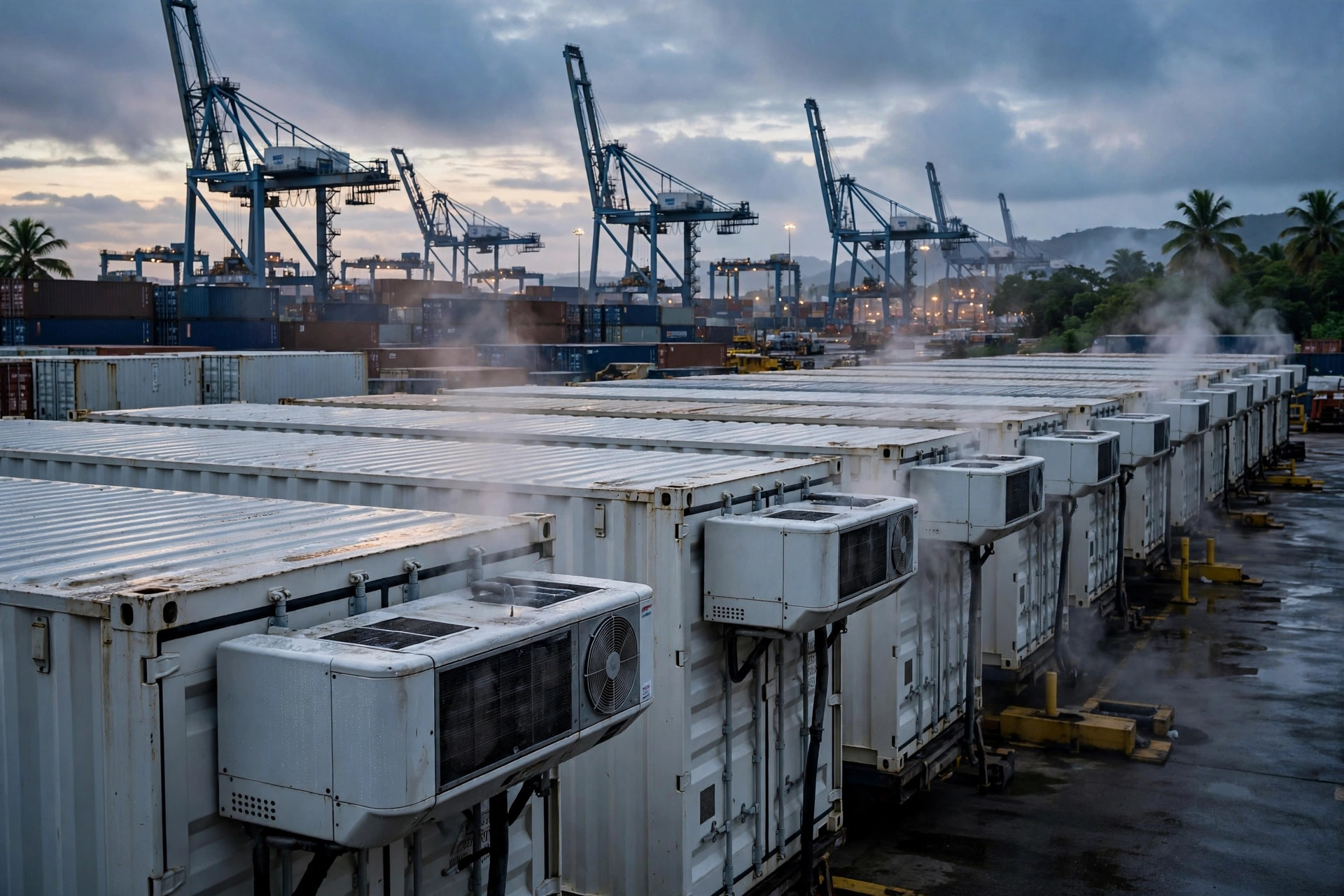
Direct or warehoused, everything enters Peru through customs first. The port of Callao, Lima's outer harbor, is the main gateway — most cargo comes through here.
Direct small parcels clear relatively simply, but there are two traps. One, timing is unstable: during peak season customs queues up, and parcels sitting for two weeks is normal. Two, returns: for cross-border direct, a return basically equals a lost package. Shipping it back to China costs more than the goods are worth, so 99% of sellers just refund and write it off.
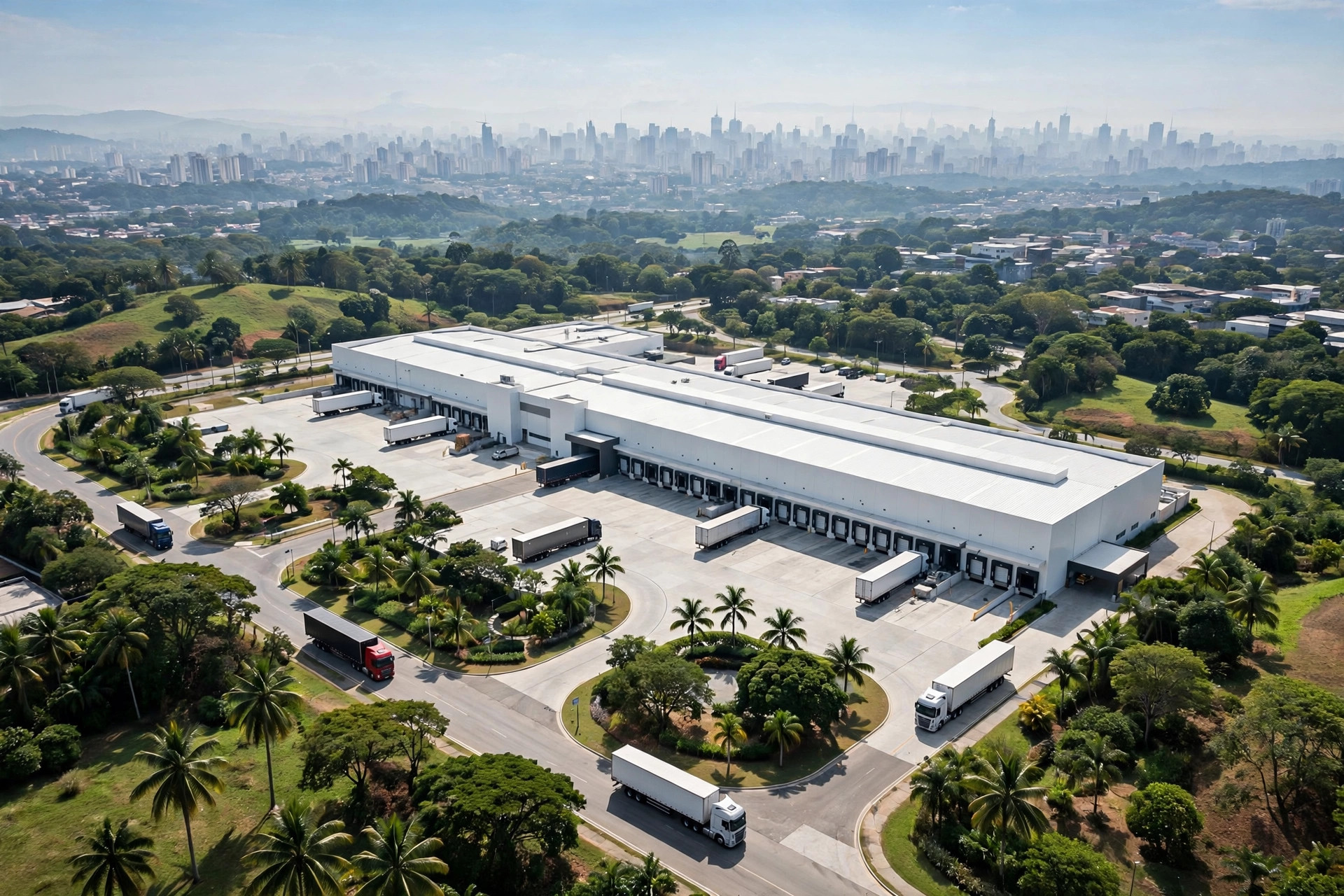
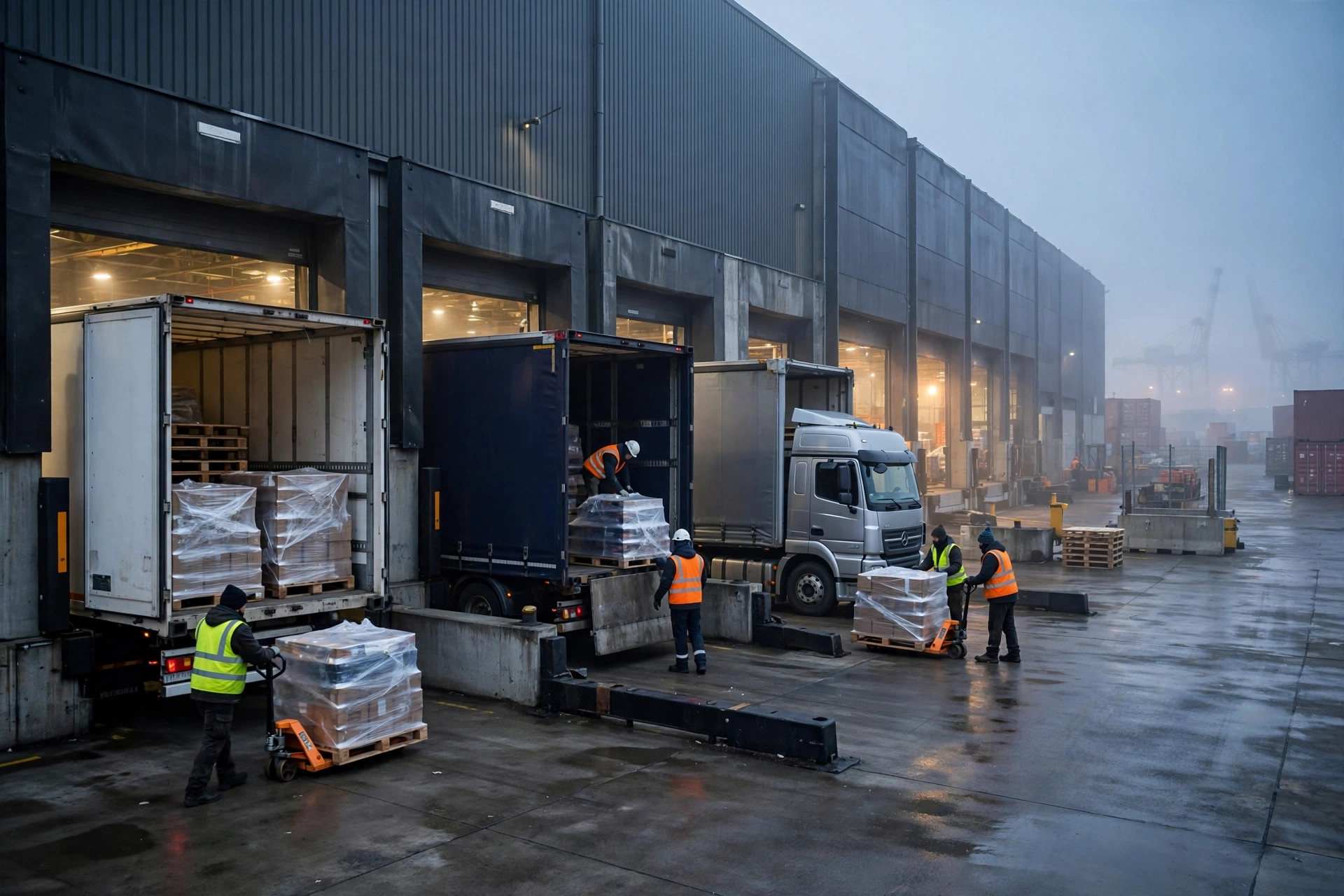
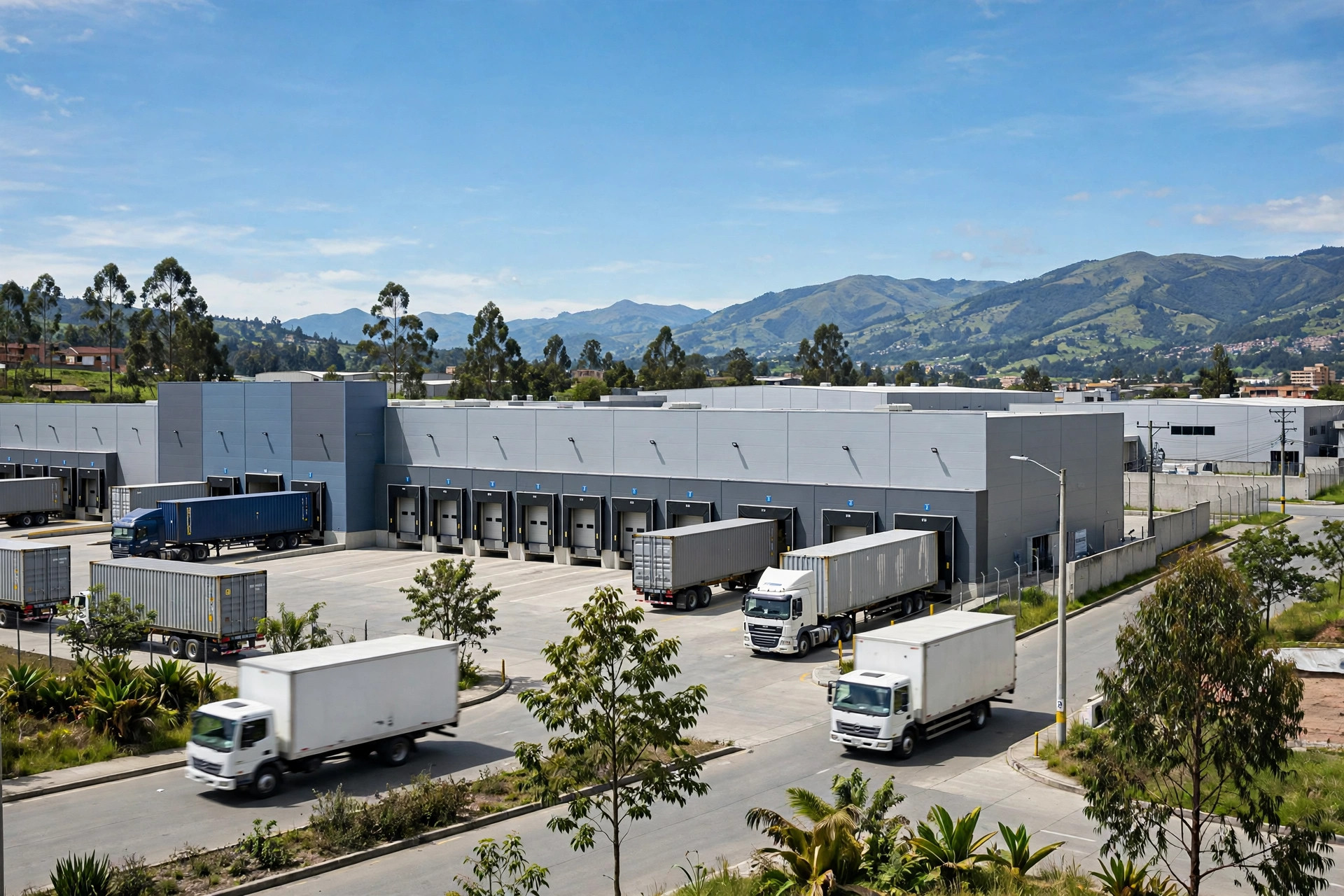
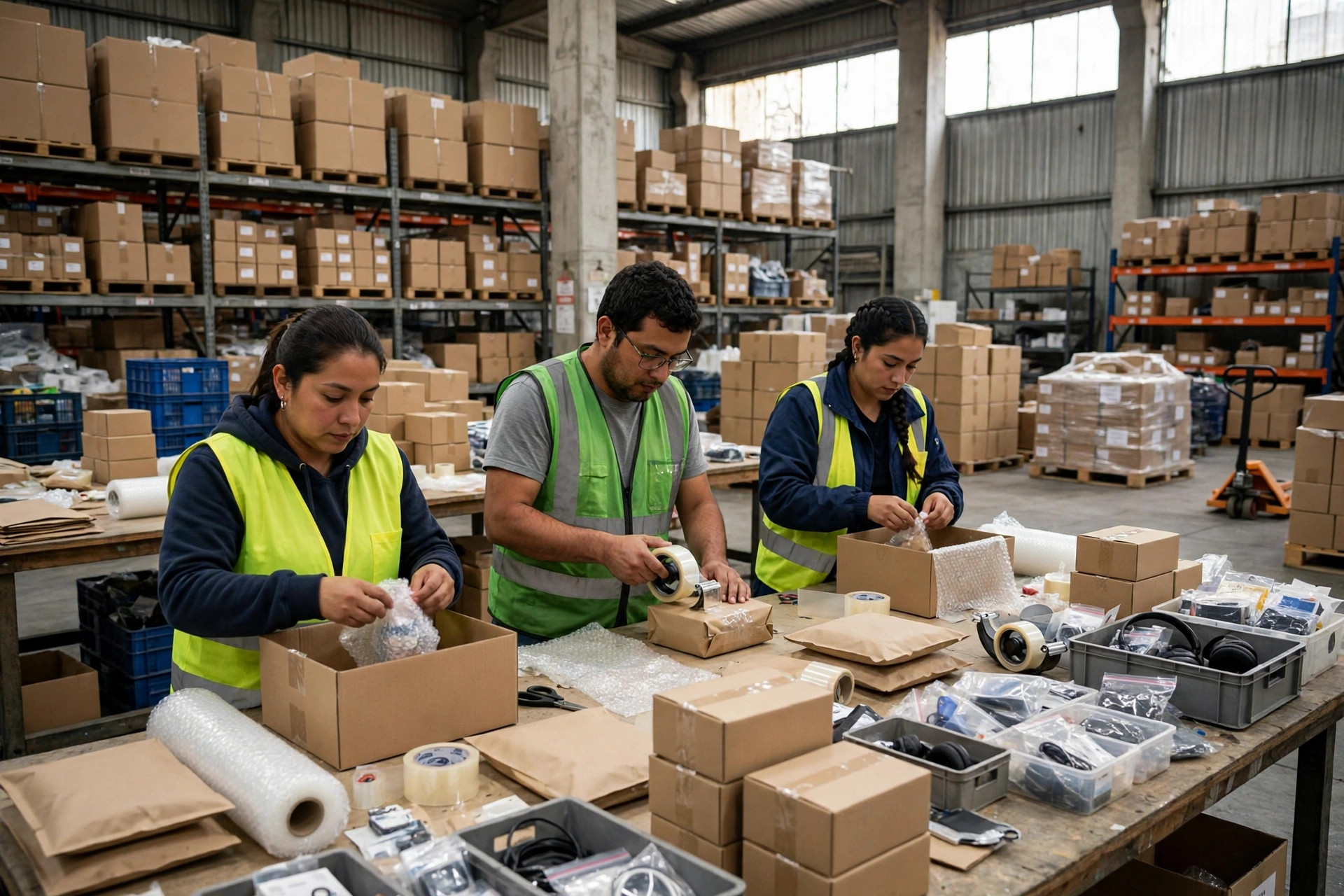
The warehouse model clears in bulk: sea freight, full container or LCL, into Callao, then clearance, pickup, and delivery to the warehouse in one chain. The key here is a reliable local clearance agent and 3PL — Peru has established local players, like Scharff, a Lima local that knows the market cold, or Olva Courier and Shalom, which started in express and cover remote areas well. When choosing, do not just compare quotes. Ask three things: average clearance time in days, whether there is a loss compensation standard, and whether they can scale labor in peak season.
Here is the counter-intuitive part: people think "warehouse equals simpler customs." Wrong. A warehouse turns customs from "once per order" into "once per batch." Each clearance is bigger work, and it demands more expertise, not less. Get one product's classification wrong and the whole container waits at the port. So before you set up a warehouse, figure out Peru's import requirements for your products. Do not discover you need extra certification after the goods land.
First Leg: Ocean or Air Depends on Your Replenishment Rhythm
Once the warehouse is set, the next question is how to replenish it. Two roads:
Ocean, LCL or FCL: cheap, slow. China to Callao by sea is roughly 30 days; add clearance and pickup, and plan on a 45-day replenishment cycle to be safe. Good for stable sellers with low stockout risk.
Air: expensive, fast. Good for testing new products and emergency top-ups. My advice is "ocean for the base, air for rescue": routine replenishment by sea with about 60 days of safety stock; when a SKU is about to stock out, air in a small batch. Do not air-freight whole containers — the freight bill will eat your entire margin.
Direct shipping is a different animal: small parcels from China to Peru normally take 15 to 30 days, with higher loss rates than local dispatch. Some sellers use a transit warehouse — goods go to a hub like Texas first, then onward to South America. It shaves some transit time, but every extra handoff is extra cost and extra risk. Do the math against your average order value: on a $50 item, a lost parcel hurts; on a $10 item, a loss rate under 5% is tolerable.
Last Mile: Lima and the Provinces Are Two Different Worlds
Goods are in the Lima warehouse. How does the last mile work? Peru is a one-city country — Lima and its surroundings hold more than half the national purchasing power. Delivery within Lima runs 1–2 days normally; out to Arequipa or Cusco, 3–5 days; remoter regions, over a week, and do not be surprised.
So for warehouse location, pick Lima with your eyes closed. Forget theoretical "geographic center" optimization — Peru's buying power is in Lima. Warehouse in Lima, and 80% of your orders ship locally, with the best time and cost on both.
For local carriers: Mercado Envíos covering 190 cities is the default for platform orders; for your own channels, local couriers like Olva Courier and Shalom cover remote areas well. Before peak season — local holiday promos and the like — lock in carrier capacity early. Peru's couriers blow up in peak season just as enthusiastically as anyone's.
Returns: Plan Now, Not When It Happens
Finally, returns — where the most sellers crash. Peru's e-commerce return rate runs around 18% for social commerce and 12% for traditional e-commerce, driven mostly by impulse buying.
Direct model: return equals refund. Do not dream of shipping goods back to China; the freight costs more than the merchandise. Write it into your customer service script: "quality issue, instant refund." It is cheaper than running a return process.
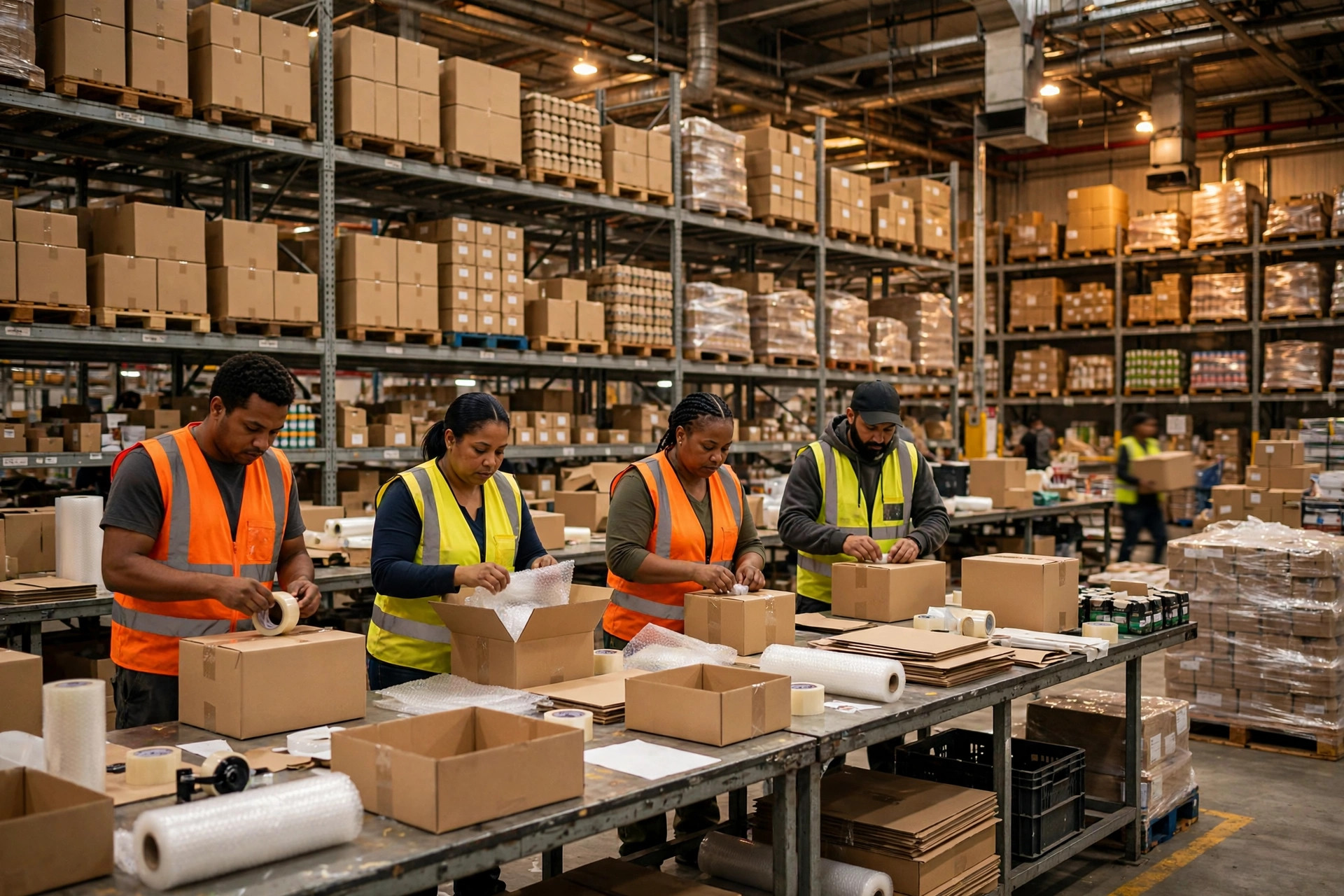
Warehouse model: returns come back to the Lima warehouse. Build a simple QC triage: Grade A (like new, resellable), Grade B (damaged packaging, sell at discount), Grade C (scrap). Lima has small warehouses specializing in return refurbishment — outsource it once volume justifies. Remember, return processing speed is working capital speed. Goods piled in a corner for three months are money rotting in a corner.
Three Pieces of Advice for Sellers Shipping from China
One: test with direct shipping first, scale with a warehouse later. Run direct for three months. The SKUs with steady orders and low return rates go to Lima by sea in bulk. Do not start with a full container — the Peru market will surprise you. Test, then bet.
Two: use a local 3PL, do not rent your own warehouse and hire your own people. Until you are doing thousands of orders a month, running your own Lima operation is self-inflicted pain. A local 3PL costs a bit more but handles clearance, storage, delivery, and returns end to end while you focus on selling. Build your own when the volume earns it.
Three: hire local customer service. Peruvian customers writing in Spanish, answered with machine translation, will double your bad-review rate. A part-time CS rep in Lima costs little and changes everything.
That auto parts friend? He listened. Four months of direct shipping to test, picked 20 steady SKUs, sea-freighted two cubic meters to Lima, hired a local 3PL to fulfill. Now Lima metro delivers in 2 days, bad reviews are down, and last month he told me Peru volume is catching up with his Chile store.
See? South America is not undoable. You just have to do it the South American way. Get the road right, and a place like Peru — with less competition than Brazil or Mexico — is exactly where smaller sellers find their opening.
There is an old saying: to get rich, first build the road. In cross-border trade, the road is logistics. When logistics runs smooth, business follows.
By Shifu Zhao, Trucking Veteran (15 yrs)