Through the first half of 2026, container freight rates swung hard, Red Sea diversions became routine, and port congestion flared up again and again. In that environment, a question nobody usually thinks about surfaced: is your cargo at sea actually insured — and for what, exactly?
Public data from the marine cargo insurance market puts the global take-up rate at 30%–40%, and it has sat there for years. In other words, 6 or 7 out of every 10 containers are sailing uninsured. Among small and mid-size importers the number is even lower — plenty of companies importing a few million dollars a year let the forwarder tick whatever box is handy, and only discover after a loss that the policy covers something entirely different from what they imagined.
Three clauses that cover fundamentally different things
First, get the concepts straight. In the ocean cargo insurance all risk vs fpa wpa comparison — Free of Particular Average (FPA), With Average (WPA), and All Risks — the names sound like a ladder. They're actually three different scopes of liability.
FPA covers the big disasters: total loss or constructive total loss from natural calamities or accidents. The ship sinks, there's a fire, a container goes overboard — covered. Partial losses generally aren't, except for general average contributions.
WPA adds partial losses caused by natural calamities on top of FPA. Rain gets in, goods go damp, packaging intact but value degraded — WPA covers it.
All Risks is the most misleading name of the three. It doesn't mean "everything is covered." It means "everything except the listed exclusions." Exclusions include the assured's willful misconduct, inherent vice, and war and strikes (which need separate clauses). Broadest scope, but not a blank check.
The premium spread is roughly an order of magnitude:
| Clause | Scope | Indicative rate (general cargo) | Premium on $500k cargo |
|---|---|---|---|
| FPA | Total loss from calamities/accidents | 0.05%–0.15% | $250–750 |
| WPA | FPA + partial loss from calamities | 0.15%–0.30% | $750–1,500 |
| All Risks | Everything except exclusions | 0.30%–0.60% | $1,500–3,000 |
The gap between FPA and All Risks is a little over $2,000. That is the entire sum most companies agonize over.
What cargo value justifies which clause: a decision framework
Three variables decide it: cargo value, loss probability, and risk tolerance.
Start with loss probability. Container shipping loss rates run about 0.1%–0.3% industry-wide (total plus partial). But that average hides enormous variance: ordinary general cargo on mature lanes can be as low as 0.05%; precision instruments, cold-chain food, fragile ceramics can exceed 1%. More transshipments and rougher port handling push the rate up.
Then expected loss. A $1M shipment of precision equipment at a 0.5% loss rate has an expected loss of $5,000. All Risks at 0.4% costs $4,000. Expected loss exceeds premium — mathematically worth buying. A $100k shipment of general cargo at 0.1% has an expected loss of $100; FPA costs about $100, roughly break-even; All Risks at $400 is pure peace-of-mind spending.
Here's the contrarian read: the higher the cargo value, the higher the clause tier you should buy; the lower the value, the lower the tier — or none at all. Small importers most often do the exact opposite — All Risks on small tickets out of convenience, FPA on big tickets to save money. Risk exposure and premium spend completely inverted.
The third variable is risk tolerance. If losing a shipment would cripple the business (more than ~20% of working capital), the premium isn't a cost — it's survival insurance. All Risks plus war risks, standard. Don't economize there.
Two real cases
Early 2024: an outdoor-furniture importer shipped 3 containers from Vietnam to Long Beach, cargo value $420k. They bought FPA at 0.08% — $336 in premium. On arrival, one box had been stowed at the bottom of a stack at the transshipment port; rainwater seeped through a roof seam and the rattan furniture went moldy. Loss: over $60,000. FPA doesn't cover partial losses from natural calamities short of total loss. The $60k was theirs to absorb. WPA would have cost under $500 more.
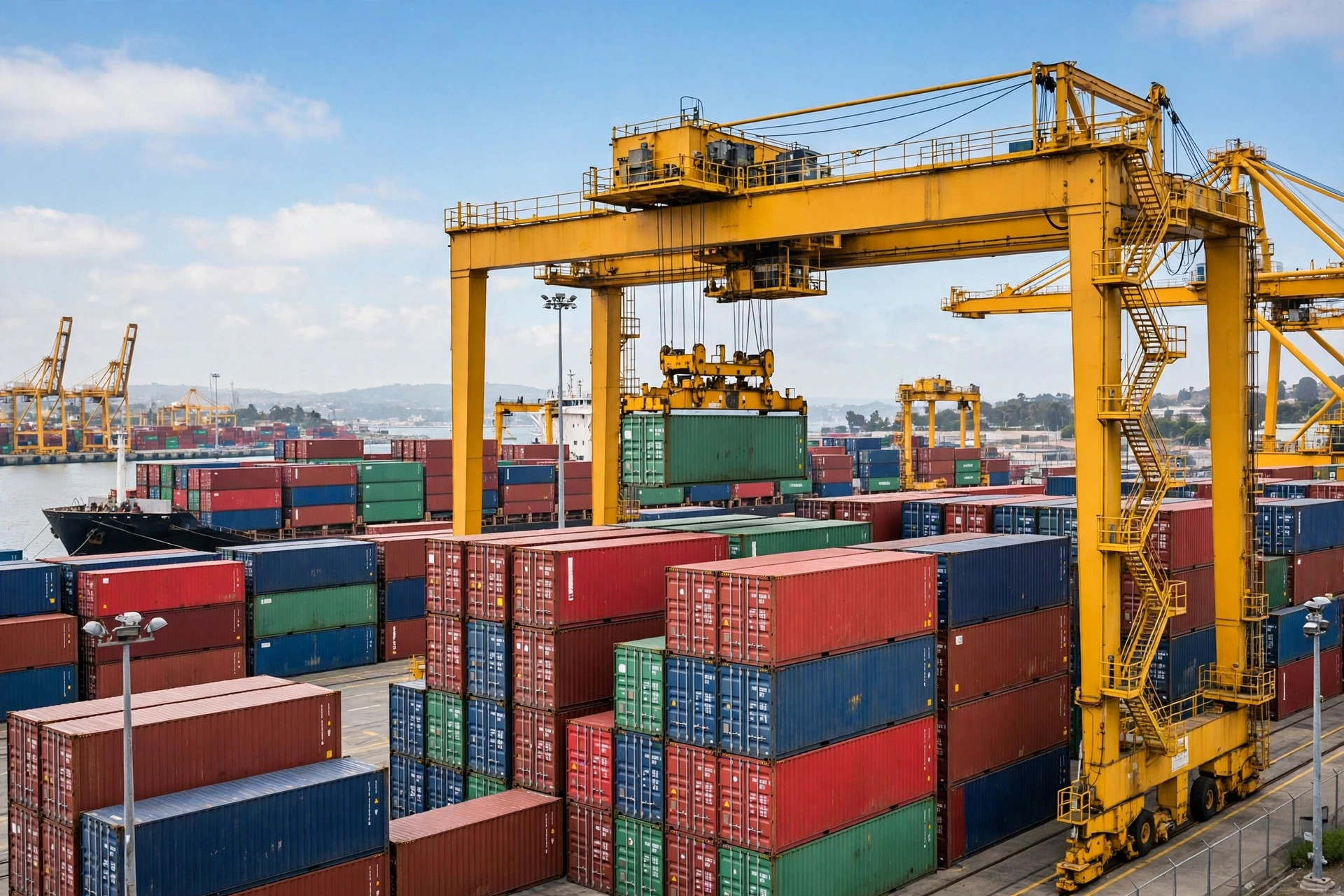
The reverse case: late 2023, an importer moved 20 containers of Christmas decorations from China, $1.8M in cargo value, All Risks throughout, premium near $9,000. Zero loss on the shipment. Was the $9,000 "wasted"? On expected value: fragile goods, brutally seasonal (miss Christmas and the value goes to zero), 0.5% loss rate — expected loss $9,000, premium break-even. More importantly, the Christmas buy was 60% of the company's annual procurement. One bad shipment would have been existential. For them, $9,000 bought certainty.
The trend: insurance is shifting from optional to mandatory
Three trends worth watching.
First, carrier and forwarder liability limits keep tightening. The limitation clauses on the back of bills of lading haven't meaningfully moved in decades; in real purchasing power they've been shrinking the whole time. Counting on the carrier to pay is increasingly unrealistic.
Second, extreme weather is getting more frequent. Across 2024–2025, typhoon-season diversions and port closures ran clearly above prior years. The share of losses tied to natural calamities is rising — and that is precisely where FPA and All Risks diverge most.
Third, insurance technology is crushing the cost of small policies. Online placement platforms have brought the minimum ticket for sub-$100k shipments down to tens of dollars. The old logic of "small shipments aren't worth insuring" is being rewritten by technology.
The open question: once the cost of coverage becomes negligible, how much justification remains for sailing uninsured? My read is that small-importer marine take-up rises from ~30% today to over 50% within three years. Not because anyone fell in love with insurance — because the risk environment changed, and the math changed with it. For the small importer, the ocean cargo insurance all risk vs FPA vs WPA question is shifting from "whether to buy" to "which tier to buy."
Before your next booking, spend ten minutes on three questions: what's this shipment worth? Can I survive losing it? What share of cargo value is the premium? With those three answers, the right clause tier is obvious.
By Dr. Chen, Supply Chain Researcher