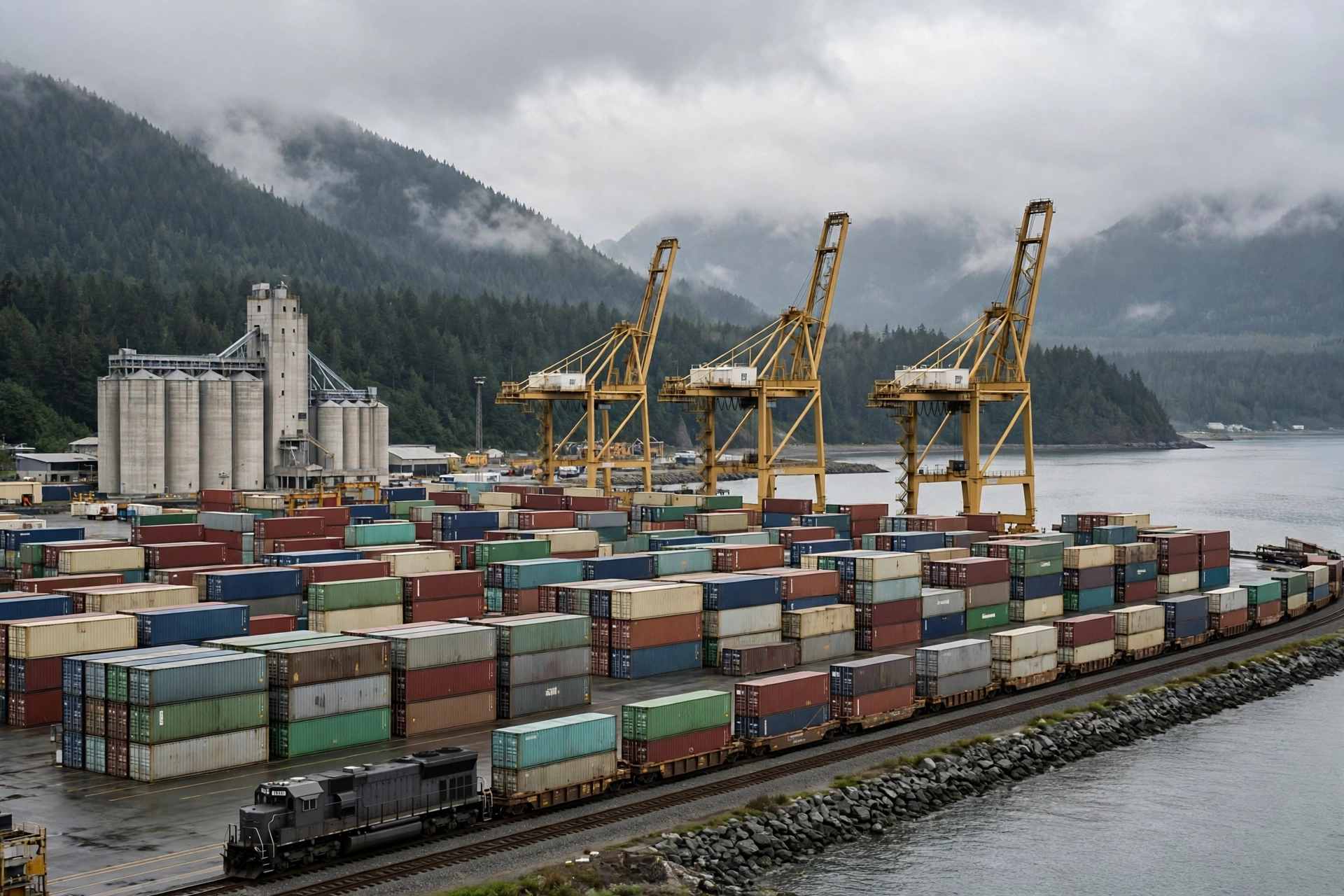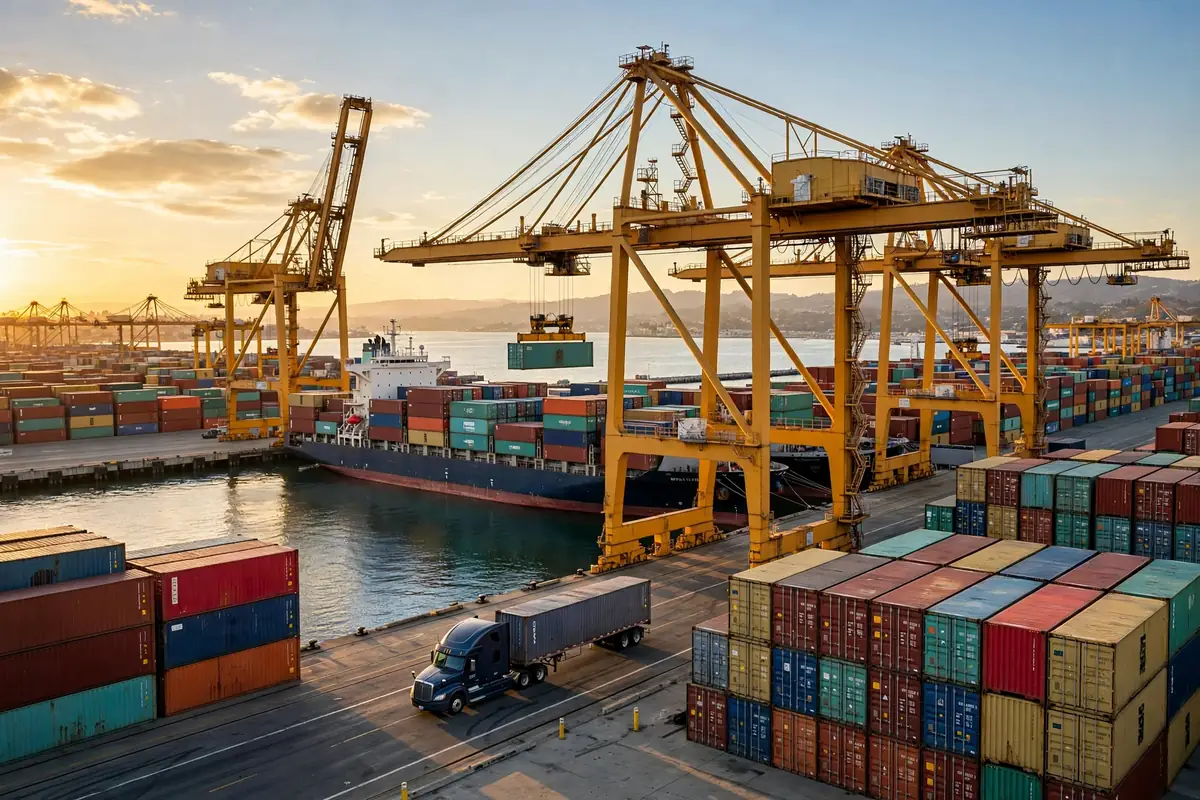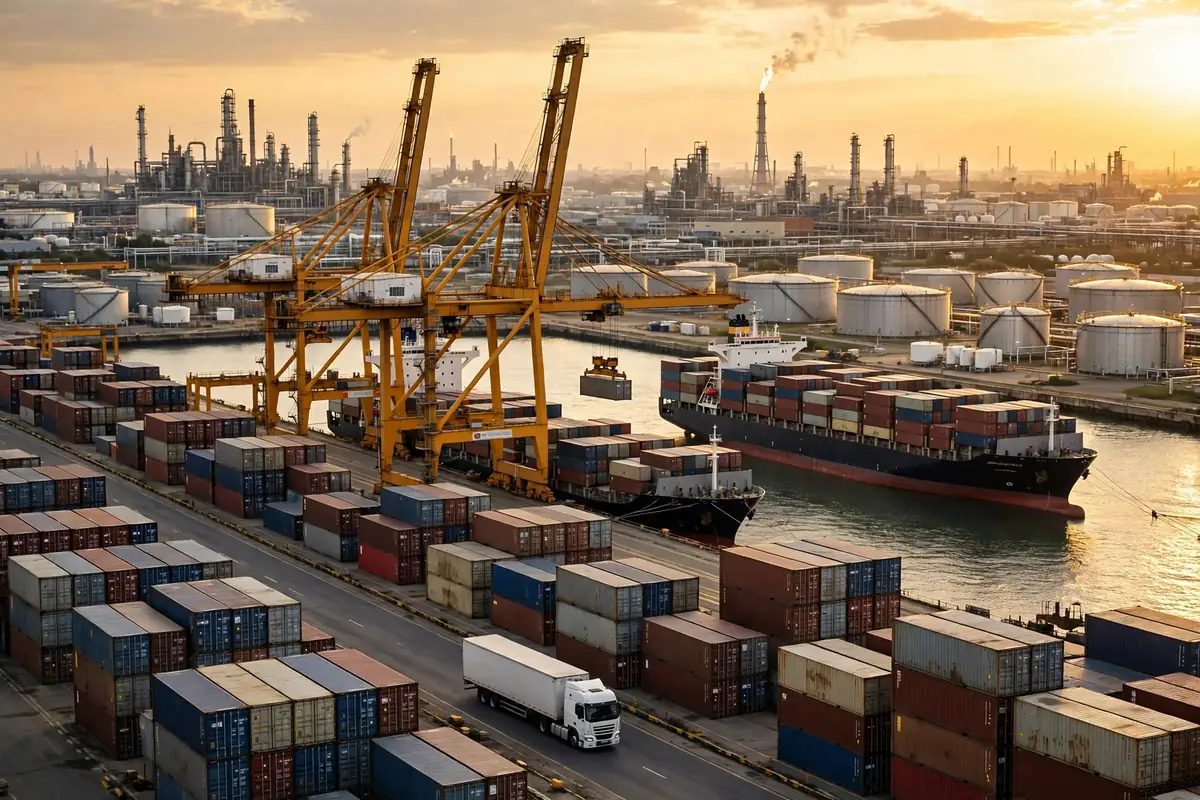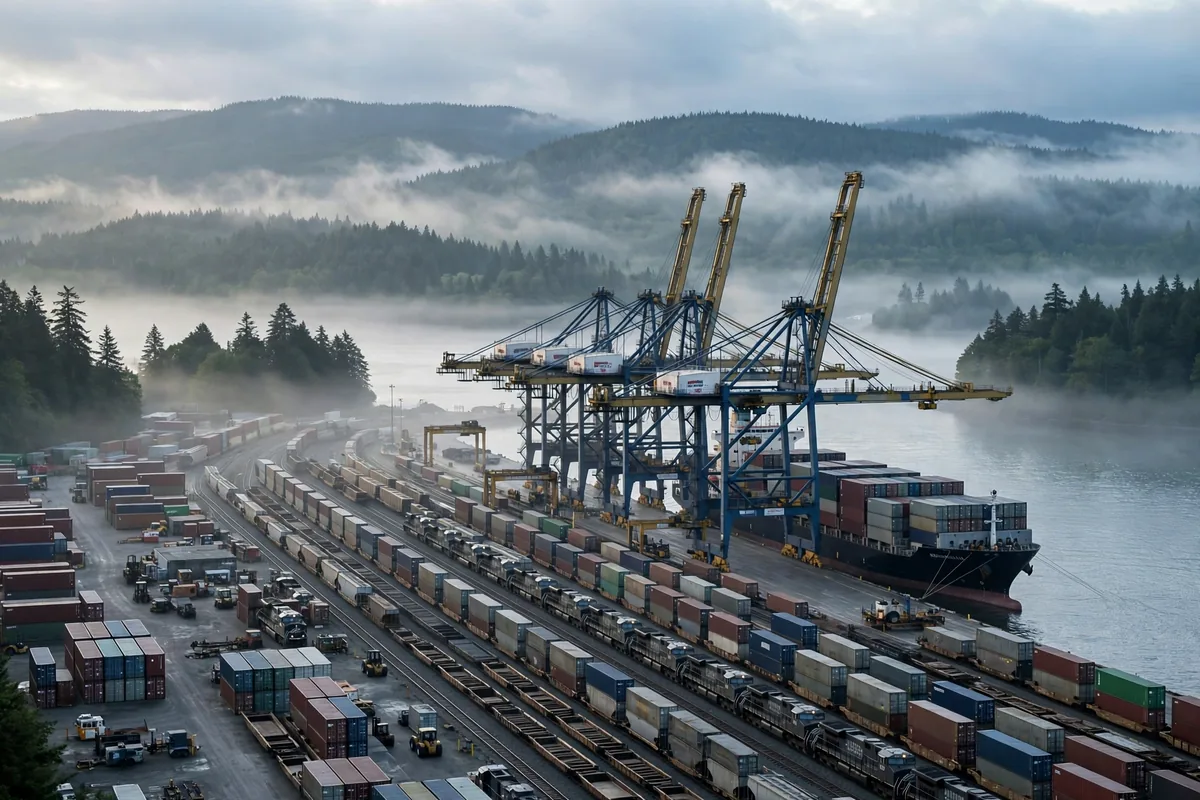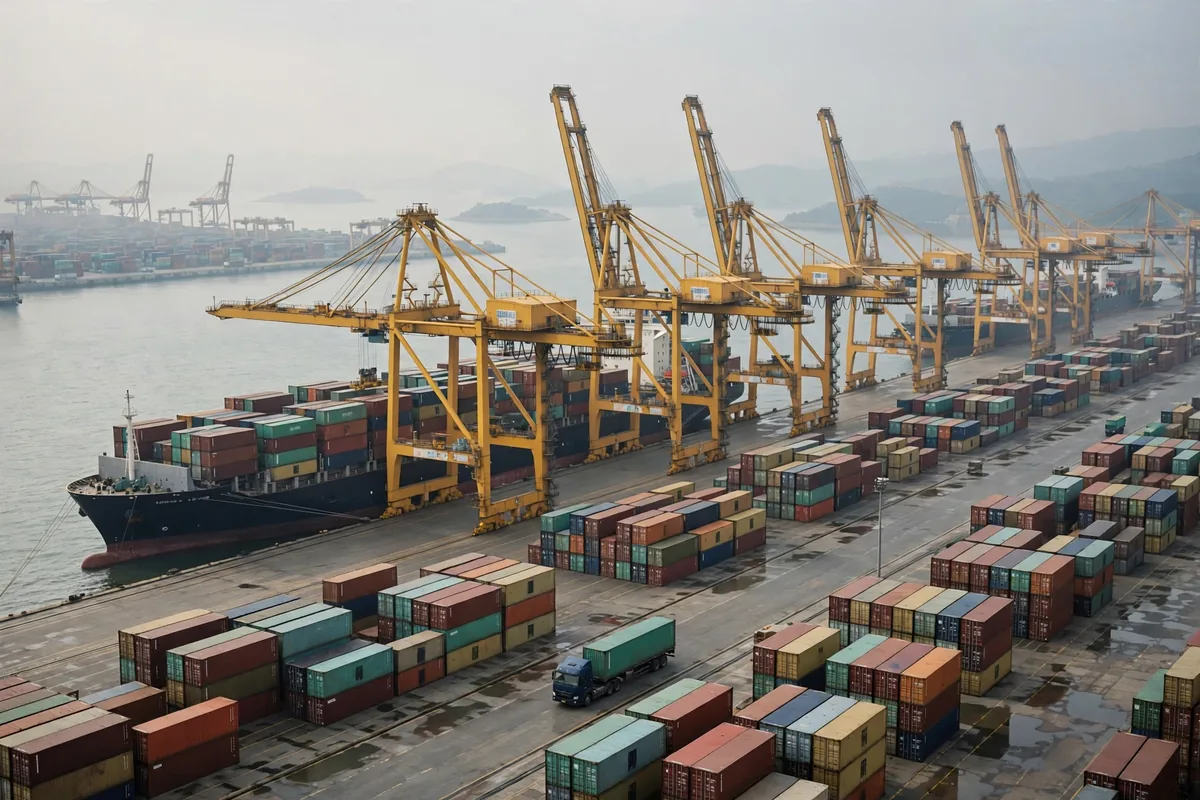
Here's the short version: the money in Ningbo Zhoushan port warehouse logistics isn't in the port. It's in the warehouses behind it. In 2024 the port handled 1.377 billion tonnes of cargo — the largest in the world for the 16th year running — and 39.308 million TEU of containers, third in the world. Those numbers impress people. But I've watched too many operators stare at throughput figures and never work out where a box actually sits, for how many days, and who gets paid for each of those days. The port is the traffic. The warehouse is where traffic turns into profit.
I spent an afternoon in the autumn of 2023 in a warehouse in Beilun, Ningbo, talking to a freight forwarder who consolidates export cargo from Yiwu. His shed sits less than 20 minutes' drive from the terminal. Small commodities come in from Yiwu, get sorted by destination port, palletised, stuffed into full containers, and sent to the quay. Two sailings a week, like clockwork. He told me something I still repeat: the sailing schedule is fixed, but consolidation is a living rhythm — whoever matches the living rhythm to the fixed schedule makes the money. Crude, but right.
The Ningbo Zhoushan port warehouse business breaks into three parts. First, the port itself: more than 300 container services, over 250 of them international, reaching more than 600 ports in over 200 countries and regions. On 2 December 2025, annual container volume passed 40 million TEU for the first time. What does that density buy a shipper? A direct sailing, no detour through Shanghai. The saving isn't freight — it's time. One transhipment costs two or three days at best, a week at worst, and longer when peak-season space is tight.
Second, the warehouses. There are three kinds around the port, and their economics are completely different. Bonded warehouses and yards inside the port area handle transhipment and temporary storage; they earn on turnover speed — one more cycle a day is one more fee. Export consolidation sheds in Beilun and Zhenhai earn on the craft of stuffing and sorting: low-value cargo, high volume. And inland industrial warehouses — e-commerce sheds in Yiwu, finished-goods stores in Shaoxing — earn on being close to the source of the cargo. I've seen people rent a shed by the quay because the rent looked cheap, then discover their cargo comes from Yiwu and the drayage runs over 200 kilometres a day. Every yuan saved on rent went straight into trucking. Two sides to it: close to the port saves time into the terminal; close to the cargo saves line-haul cost. Run those two sums separately.
Third, the hinterland industry — the real moat. Zhejiang manufacturing, Yiwu small commodities, Shaoxing textiles, Taizhou auto parts: all of it has to go to sea. Bulk cargo — iron ore, crude oil — makes up the bulk of that 1.377 billion tonnes, but the growth in the 39.308 million TEU comes from hinterland exports. A strong hinterland gives the port cargo that keeps coming; a weak one leaves it as a transit stop.
Where the cargo comes from
Ningbo-Zhoushan's cargo has three sources. Zhejiang's own exports are the base: Yiwu commodities, Ningbo appliances and auto parts, Shaoxing textiles. Then cargo that comes down the Yangtze from the interior, cheaper by water to Ningbo than by road to Shanghai or Shenzhen. And transhipment cargo, drawn in by the sheer density of sailings.
A consolidation operator I know moved more than 40 boxes a month in the 2024 peak season, all of it Southeast Asian cargo consolidated in Ningbo and shipped on to Europe. His logic was simple: plenty of direct Ningbo–Europe sailings, steady schedules, and consolidating here beat consolidating in Southeast Asia and transhipping — by about half a day. Half a day sounds like nothing until Christmas peak, when a day is the difference between delivering and missing a season.
Here is the counterintuitive part: the world's biggest port by tonnage does not mean every link in the chain makes money. Bulk volumes are huge and per-tonne margins are thin. Container volumes are huge, but consolidation margins keep getting squeezed by platforms and carriers. The money sits in the short stretch between sailing schedule and cargo source: consolidation, sorting, palletising, customs, and the handover into the terminal. Whoever has a warehouse near the quay and a system that tracks the sailing schedule in real time takes that stretch.
Ningbo Zhoushan port warehouse: three sums before you sign a lease
Renting near Ningbo-Zhoushan? Don't start with the rent per square metre. Start with three sums.
First, drayage. A shed by the port means a 15-kilometre truck run; an inland industrial park can mean more than 100 kilometres. At a few hundred yuan per run, 100 boxes a month turns into tens of thousands of yuan of difference. Plenty of people skip this sum when they sign, then discover three months in that the rent they saved went to the trucking company.
Second, the sailing schedule. On a twice-weekly service, the warehouse has to work to the cut-off. Miss the cut-off by a day and the consolidation waits for the next sailing — three or four days. A warehouse close to the port can still top up a box on cut-off day; a distant one has to seal the box a day early. My rule of thumb: a consolidation shed should be within 40 minutes' drive of the terminal. A full-container direct shipper can sit further inland, near the cargo.
Third, the policy question. A bonded warehouse can do bonded storage, distribution, and simple processing — right for import distribution and cross-border e-commerce. An ordinary warehouse is cheaper but can't do bonded work. Ask first: does my cargo need bonded functions? If not, don't pay extra for the word "bonded."
| Warehouse type | Location | Cargo it suits | What it earns on |
|---|---|---|---|
| Bonded warehouse / yard | Beside the terminal | Transhipment, import distribution | Turnover speed |
| Export consolidation shed | Beilun, Zhenhai | Yiwu commodities, light industrial goods | Consolidation craft |
| Hinterland industrial warehouse | Yiwu, Shaoxing, etc. | Local manufactured exports | Proximity to cargo source |
The table looks simple. Pick the wrong row and you'll spend enough extra in a year to rent half another warehouse.
Ningbo Zhoushan port warehouse: who makes money, and who is swimming naked
Three kinds of operator make money around Ningbo-Zhoushan. Those with steady cargo and a steady sailing schedule — consolidation becomes a printing press. Specialists in a niche — cold chain, dangerous goods, auto parts — where the barrier to entry keeps competition thin. And operators whose systems genuinely work: sailing schedule, slot, and drayage all reconciled in real time, so peak season doesn't descend into chaos.
Three kinds are swimming naked. Subletting landlords who live on the rent spread — one bad market turn and they're under water. Operators who rented twice the space their volume needs — vacancy eats them alive. And warehouses run entirely on manual work and peak-season overtime: every year there are a few weeks when the cargo is in the shed, the ship is outside the port, and the customers are on the phone.
Too many people stop their sums at the throughput line. Throughput belongs to the port, not to you. Your sum starts the moment cargo enters your warehouse and ends the moment it goes on the ship. Every step in between has someone making money and someone losing it.
Ningbo-Zhoushan will keep growing — passing 40 million TEU in 2025 says so. But the bigger the port gets, the sharper the split among Ningbo Zhoushan port warehouse operators. The ones close to the sailing schedule, close to the cargo, with systems that keep up, will keep getting stronger. The ones living on location and rent alone will get squeezed out. Before you enter this business, answer three questions: where does my cargo come from, which sailing is it on, and how far is my warehouse from each end? Answer those first, then talk about rent.
By Lao Mi, Supply Chain Veteran (20 yrs)