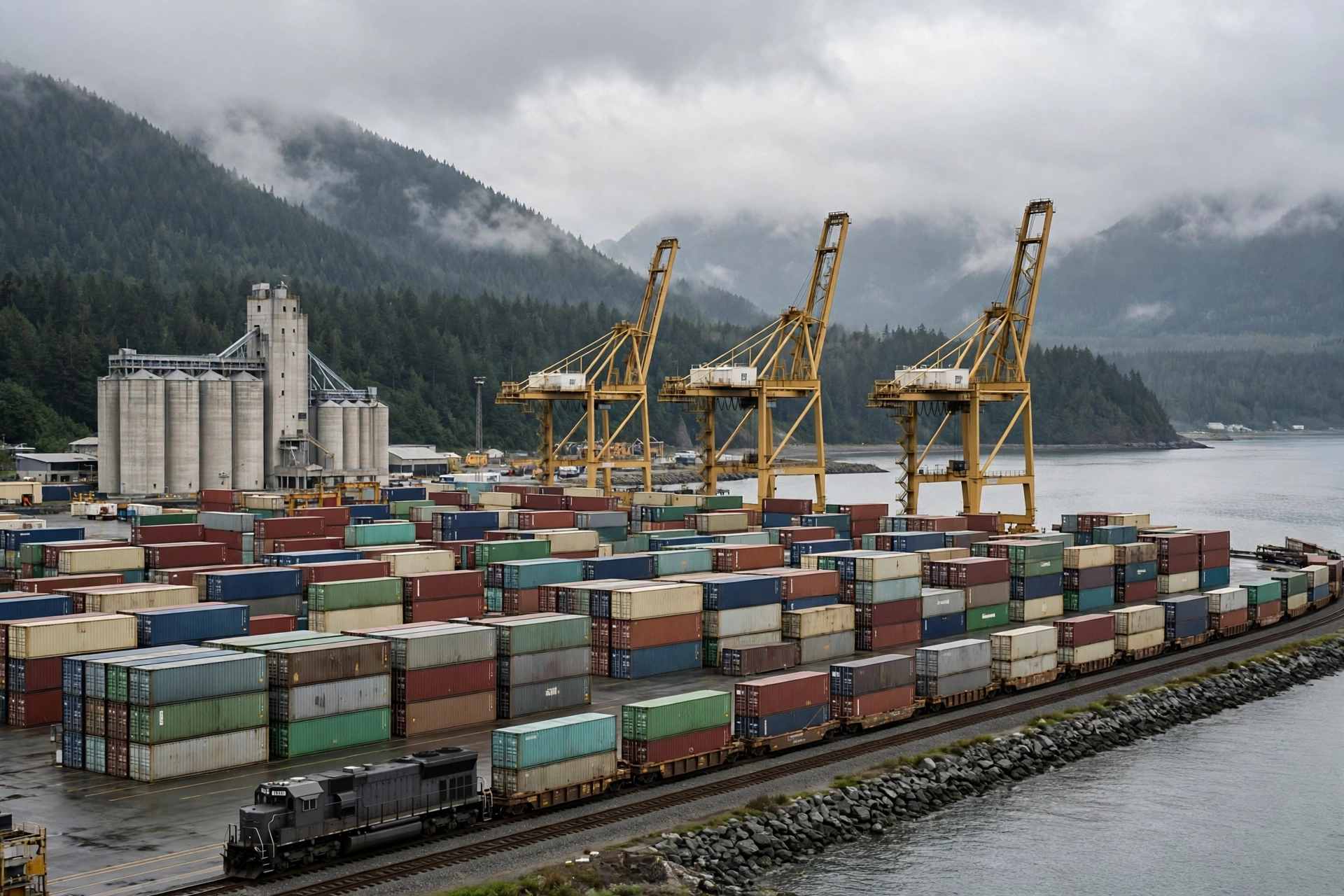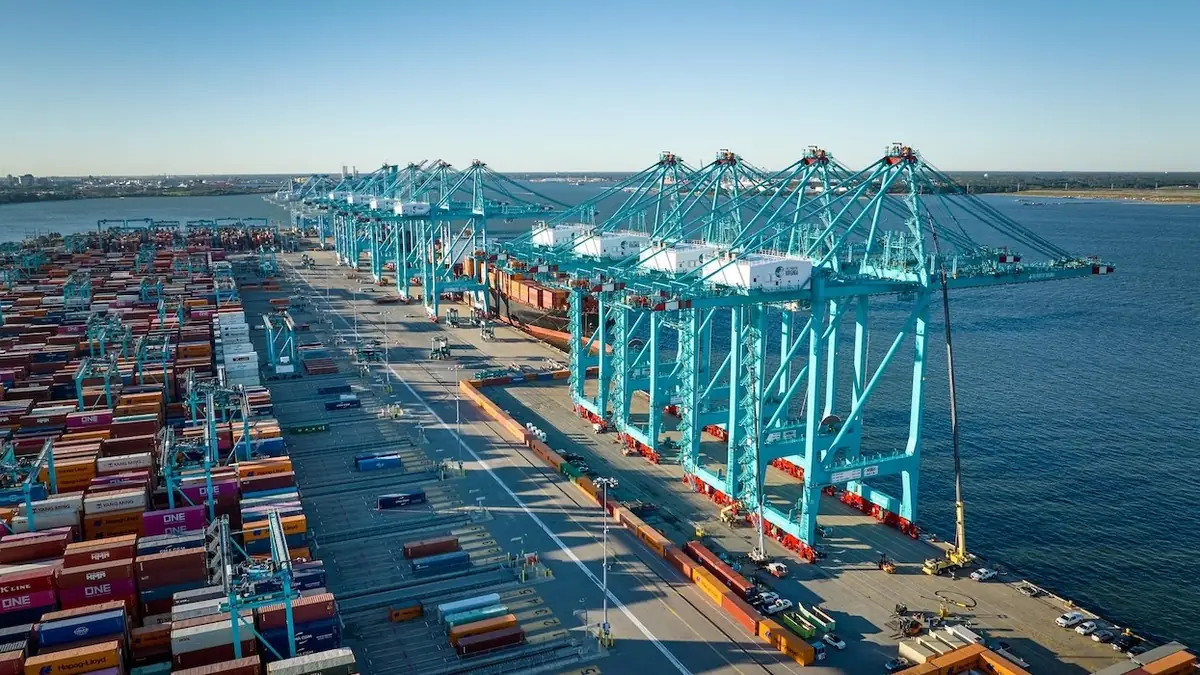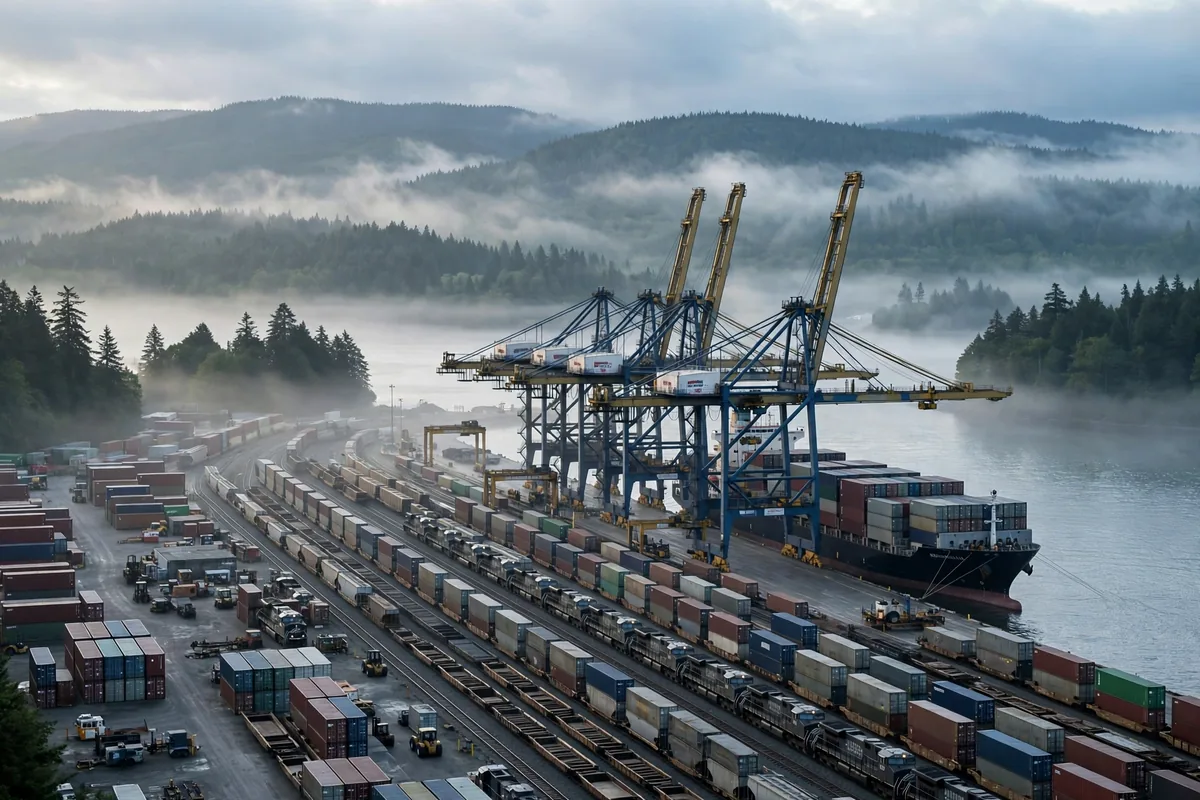
Let me be blunt: with Seattle-Tacoma, you do the math on the port first, the warehouse second, and rail last — that is the order Seattle-Tacoma port warehouse logistics runs on. Get that order wrong and everything downstream goes wrong with it. I have seen too many people start by comparing warehouse rents, only to find out after the cargo lands that the container cannot be pulled, the rail slot is gone, and the trucks are queued at the terminal gate. Whatever they saved on rent, they paid back in demurrage and expediting fees.
Start with the port itself. The Ports of Seattle and Tacoma are jointly operated by the Northwest Seaport Alliance (NWSA), the third-largest container gateway in North America. In 2024 the two ports handled 3,340,733 TEU combined, up 12.3% year over year. Full containerized imports grew 20%, exports grew 8%. The largest trading partner is China, at roughly 770,000 TEU in 2024. Automobiles are another big piece of the story: 337,749 vehicles moved through the gateway in 2024. Those numbers say one thing: this gateway is growing, and imports are growing much faster than exports. Cargo comes in easily; the outbound rhythm is different. Your warehouse rhythm has to follow the import flow, not your sales plan.
Seattle-Tacoma Port Warehouse Logistics Starts at the Port
Mention the US West Coast and most people think of Los Angeles and Long Beach. There are two sides to that. LA has the volume and the sailing frequency, but when it congests, it really congests. Seattle-Tacoma's advantage is not size, it is steadiness: sailings run relatively on time, the terminals are less crowded, and rail leaves the port straight for the interior. For cargo headed to the Pacific Northwest, western Canada, and parts of the US Midwest, this gateway is often the cheaper door.
Here is the contrarian point: you do not pick the biggest port, you pick the port that fits your cargo flow. If your end customers are in Seattle, Portland, or Vancouver, routing through Los Angeles and trucking north means paying for an extra inland leg and taking on an extra handoff risk. A bigger port does not mean faster cargo for you; congestion at a big port routinely eats whatever advantage its sailing schedule offered.
The two ports do different jobs, too. Seattle sits closer to the city, which suits local distribution and time-sensitive freight. Tacoma has the bigger footprint and more yard room, so heavy cargo, oversized freight, and autos tend to land there. Pick the wrong port and you have picked the wrong warehouse location, and everything after that is damage control. My rule: decide where your cargo ends up, work backward to which port serves it, and only then look at rents. Never reverse that order.
Rail Is the Weak Link in Seattle-Tacoma Port Logistics
[Illustrative scenario — figures are hypothetical.] A few years ago I worked with a home-goods importer shipping from Shenzhen to the US West Coast. Their containers arrived at the Port of Tacoma on a Friday. Their warehouse sat just south of Tacoma, under half an hour from the terminal, so pulling the boxes was easy. The problem was rail. Half their cargo had to go to Chicago, and the rail slots had sold out two weeks earlier. The next departure was four days away. The containers sat in the terminal for four extra days, and the demurrage and storage bill came to more than the rent they had saved that entire month. Worse, they supplied a retail chain, and arriving four days late cost them a replenishment window. The lost orders were worth ten times the demurrage.
The lesson is simple: everyone watches the warehouse, nobody watches the rail slot. Intermodal rail is the lifeline of this gateway. Cargo comes off the ship and goes straight onto a train for the interior, and slots are allocated by the week, not on demand. My rule is to lock the rail slot the same day the sailing is booked, and to schedule warehouse receiving backward from the train's arrival, not forward from the vessel's arrival. Whoever books first gets a slot. Whoever books late waits in line.
[Illustrative scenario — figures are hypothetical.] Another client, in auto parts, brought cargo through Tacoma but warehoused it north of Seattle to be near a distribution center. Then the rainy season hit. A forty-minute drive from the terminal to the warehouse took two and a half hours, and each truck managed one round trip a day. They eventually moved the warehouse to the edge of the Tacoma terminal area. The rent was higher, but trucks made three round trips a day, and total cost went down. Being close to the port is not automatically cheap. Being close to your next stop is what matters, and that is the most common miscalculation in port warehousing.
Seattle-Tacoma Warehouse Math: Run the Numbers Before You Sign a Lease
Do not compare rents alone. Add up four items: rent, terminal pull and demurrage risk, inland transport to the next stop, and the cost of missing a sales window. The first two are visible. The last two are where the real money goes. I have seen too many operators nail the first item and blow up on the fourth.
| Option | Best for | Advantage | Cost |
|---|---|---|---|
| On-port warehouse (Tacoma terminal area) | Fast-turning imports that need quick deconsolidation | Fast pulls, more truck turns per day | Higher rent, tight availability |
| South-suburb warehouse (between Tacoma and Seattle) | Cargo split between local delivery and inland shipping | Central position, flexible either way | Best at neither end; suits stable volumes |
| Inland rail-hub warehouse | Cargo headed to the Midwest and East Coast | Direct rail, shortest inland leg | Demands tight coordination on pulls and rail slots |
[Hypothetical example.] Suppose you import 120 containers a month and half of them go to the Midwest. The extra rent for an on-port warehouse might work out to only a few dozen dollars per container. But if a missed rail connection leaves a box sitting in the terminal for three extra days, the demurrage and storage on that one box can exceed the rent premium. Flip it around: if your cargo mostly sells inside the Pacific Northwest, an inland rail-hub warehouse saves you inland freight you never needed to spend, while adding pull costs you cannot avoid. There is no standard answer. Your cargo flow is the only thing that decides.
My One Piece of Advice
If you are a seller shipping from China into the Pacific Northwest, remember three things — they are the basics of Seattle-Tacoma port warehouse logistics. First, book the sailing and the rail slot on the same day. Second, pick the warehouse location by where your cargo is going, not by the rent. Third, keep about a week of buffer stock around Tacoma, and never put everything in a single warehouse. The gateway's growth is good news — imports up 20% in 2024 means everyone is coming here — but where the crowd goes, slots and truck capacity only get tighter. The earlier you prepare, the cheaper the lesson.
The cargo reaching the port is only half the math. Have you worked out what one extra day in the terminal actually costs you?
By Lao Mi, Supply Chain Veteran (20 yrs)