Ningbo Zhoushan port export warehouse work is where a lot of sellers lose money without realising it. Everyone compares the ocean rate: one forwarder quotes $2,800, another $3,200, and the cheaper one wins. Then the box misses cut-off, storage charges pile up, the Amazon listing goes out of stock, and the $400 saved does not cover a single day of lost ad sales. Shipping from the world's busiest port is never just about the unit price. It is about whether the whole chain runs on time.
How big is the Ningbo-Zhoushan port, really
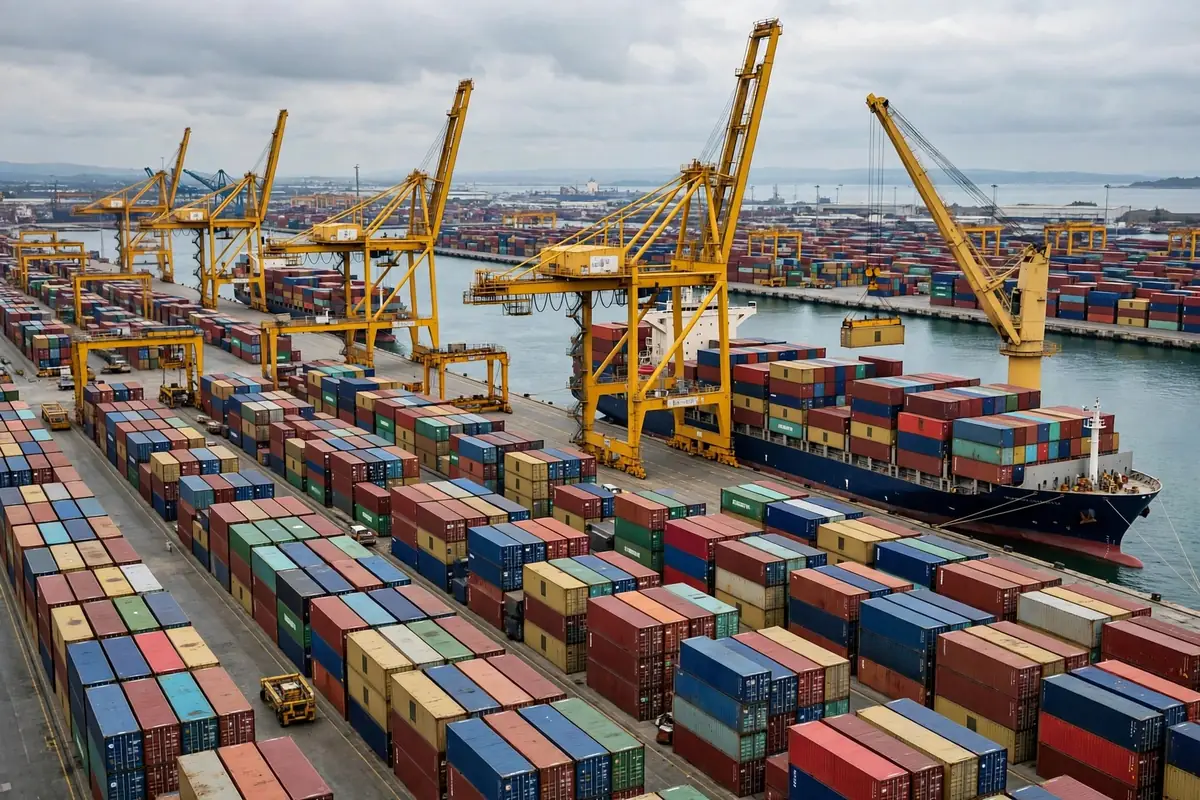
Get the scale straight first. According to Xinhua, reporting in January 2025, Ningbo-Zhoushan handled more than 1.37 billion tonnes of cargo in 2024, first in the world for the 16th consecutive year. Container throughput hit 39.3 million TEU, up 11% year on year, third globally behind Shanghai and Singapore. The port runs more than 300 container routes, including over 250 international routes, connecting more than 600 ports in over 200 countries and regions. For a seller that means a direct sailing to most major markets, and if you miss one vessel, the next one is not far away.
The work is split across two main areas. Chuanshan has 11 deep-water berths for 200,000-tonne vessels, and in 2025 its volume passed 12 million TEU for the first time. Meishan passed 11 million TEU at the end of 2024, with 10 berths, a 3,950-metre quay, and 102 unmanned container trucks. Together they move more than 23 million TEU, over half the port's total.
How close the factories sit to the port decides where your export warehouse should be. Cixi, a leading small-appliance hub, has more than 2,000 appliance makers, and the drive to Chuanshan takes about an hour. At that distance, shipping direct from the factory works fine, yet plenty of sellers still route goods through a warehouse in Yiwu first, adding a handling step and a day for no reason. When the port is that close, the warehouse belongs next to the industrial belt and the port, not wherever the rent is cheapest.
The Ningbo Zhoushan port export warehouse flow, step by step
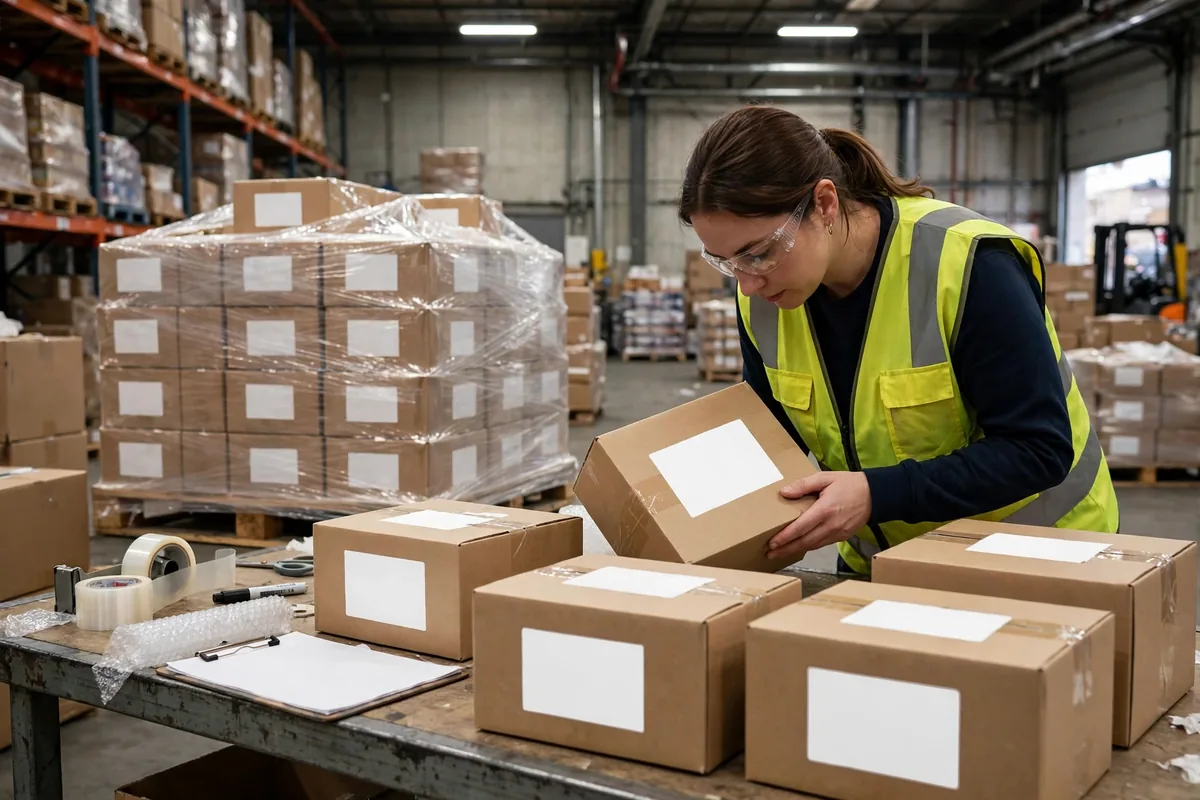
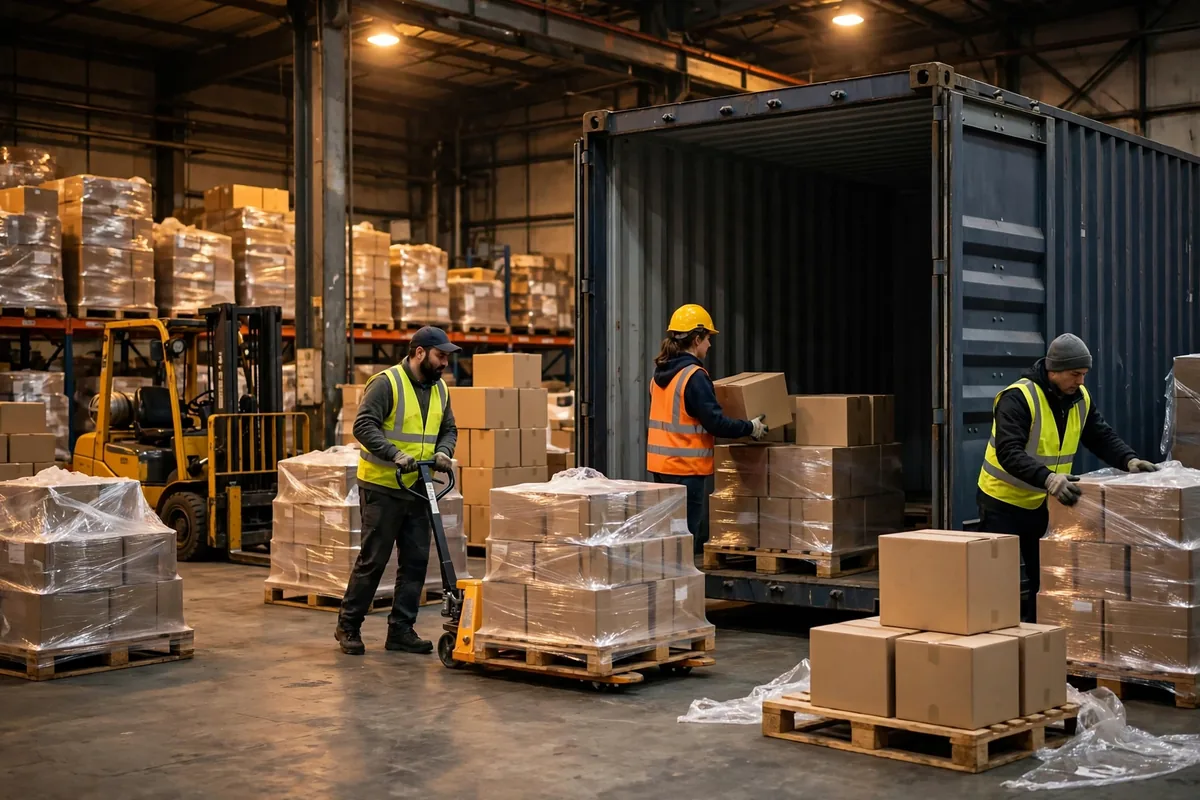
My own cargo out of Ningbo usually runs like this, using a 40-foot high-cube box to the US West Coast as the example. The factory is in Cixi. Once the goods are ready, they go to an export warehouse in Ningbo first: inspection, labelling, palletising, packing lists, and for FBA cargo, splitting cartons and sticking FNSKU labels to Amazon's requirements. Then a truck hauls the loaded container into the terminal, customs clearance is filed, and the box is loaded on the vessel. Ningbo to Los Angeles or Long Beach is typically 14 to 18 days port to port, based on forwarder schedules for the third quarter of 2026. Door to door usually runs 22 to 28 days.
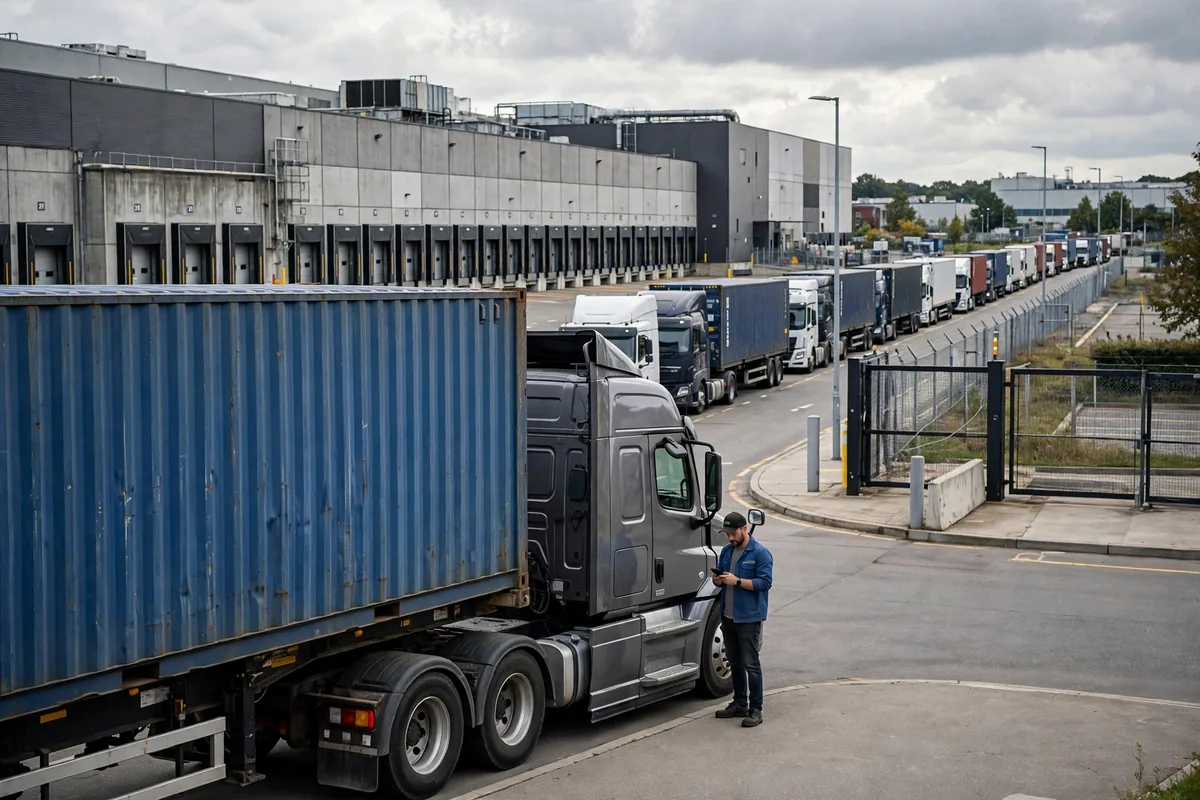
The easiest place to blow up the plan is the cut-off, usually one to two days before sailing, with customs filing, gate-in and bill-of-lading confirmation all due before it. Miss it by half a day and the box does not get in, and the next sailing may be three to five days away. In peak season it is worse: space is tight, and rolled cargo is normal. I work backwards from the sailing date with half a day of buffer per step — and I believe about half of what a factory promises about timing.
Another trap is matching the terminal area to the carrier. On the same lane, different carriers may call at Meishan or Chuanshan, as written on the booking confirmation. Get the area wrong and that is a wasted trip plus booking, trucking and customs changes, a few hundred dollars gone. Before booking, I screenshot three things into the group chat: terminal area, vessel and voyage, and cut-off time.
Warehouse details decide whether a box clears the gate on the first try. FBA cargo is most sensitive to labels: outer carton, FNSKU and pallet labels, and getting any one wrong means rejection at the US warehouse. I learned that the hard way. A shipment of 1,200 units had the wrong batch number on the outer labels, discovered only in Los Angeles. Amazon rejected the whole lot, and relabelling plus storage cost more than $900, with nine days out of stock. Since then, the Ningbo warehouse photographs every pallet and label before sealing the container. If customs pulls your box, unloading and reloading takes at least half a day. Check the paperwork twice rather than gambling on luck.
FCL or LCL out of Ningbo-Zhoushan: how I do the math
FCL or LCL is the calculation Ningbo sellers get wrong most often. A 40-foot high-cube holds about 76 cubic metres, and once a shipment passes roughly 15 cubic metres, FCL usually beats LCL on freight alone. But that is only the freight bill. LCL waits for other cargo to fill the box, adds handling at each end, and carries a higher chance of damage and delay. FCL costs more to start and wins on control: your box, your timetable.
| Option | Fits | Ningbo to Los Angeles | Advantage | Risk |
|---|---|---|---|---|
| FCL 40HQ | Over about 15 CBM | 14–18 days; $2,800–$4,200 (Q3 2026 quotes, volatile) | Controllable, no waiting to consolidate | High starting cost; empty space is wasted money |
| LCL | Under about 15 CBM | 17–25 days, charged by volume | Small batches can ship, less cash tied up | Waiting to consolidate, extra handling, more delays |
| Express / Matson CLX | Urgent replenishment | 11–14 days, roughly 20–30% more | Fastest ocean option, saves a stockout | Expensive, limited space, book early |
| Air freight | Samples, high-value small items | 3–5 days | Fastest of all | Charged by weight, impossible for bulk goods |
Peak season is a separate fight. July to October, space goes first-come first-served and rates move week to week. Between late April and mid-June 2026, spot rates on the China–US lane more than doubled, with Ningbo to the West Coast rising from roughly $2,900 to $6,300 per 40-foot container. My lesson: do not wait until the goods are ready before booking space. Book while the goods are still two days out; changing a sailing beats having no space. And check whether a quote is all-in or bare ocean freight: the separate charges often add up to more than the higher-looking all-in price.
Here is the illustrative scenario I use for my own replenishment, not a real order: a small appliance sells 6,000 units a month at $4 gross margin per unit, so a week out of stock costs about $4,200 in margin. A 40HQ holds 8,000 units, and at $3,500 ocean freight that is under $0.44 per unit. If LCL saves a few hundred dollars but delays sailing by five days and causes three days out of stock, the lost margin is over $1,800. For fast-moving products, time is worth more than the unit freight rate.
The counter-intuitive judgement sits here too: the biggest port is not the cheapest port for every seller. Ningbo-Zhoushan has more sailings, and competition does push down rates on the main lanes, but a big port also has strict rules and tight windows. Any one of cut-off, customs or inspection running half a day late brings detention and rebooking charges. A smaller port is sometimes more flexible, fewer sailings but looser processes. Choosing a port is matching your volume, your deadline and your operating ability to that port's rhythm.
My routine is fixed now, and it is the core of Ningbo Zhoushan port export warehouse planning for my own cargo: fast-moving products go FCL, booked three weeks ahead, with the Ningbo warehouse used only for three to five days of consolidation and quality checks, never for stockpiling. Test products go LCL, accepting five to seven extra days. Goods from Cixi and Yuyao consolidate in Ningbo directly, not via Yiwu. For inland factories, I price the inland trucking to Ningbo first, then decide between Ningbo and Shanghai. Only when the warehouse math is done at that level of detail does the size of the port actually matter to you.
That trick works, I have tested it myself: fix the sailing date first and work backwards, never put a fast mover in LCL, and what you save is not freight, it is the cost of going out of stock.
By Ah K, E-commerce Seller (5 yrs)