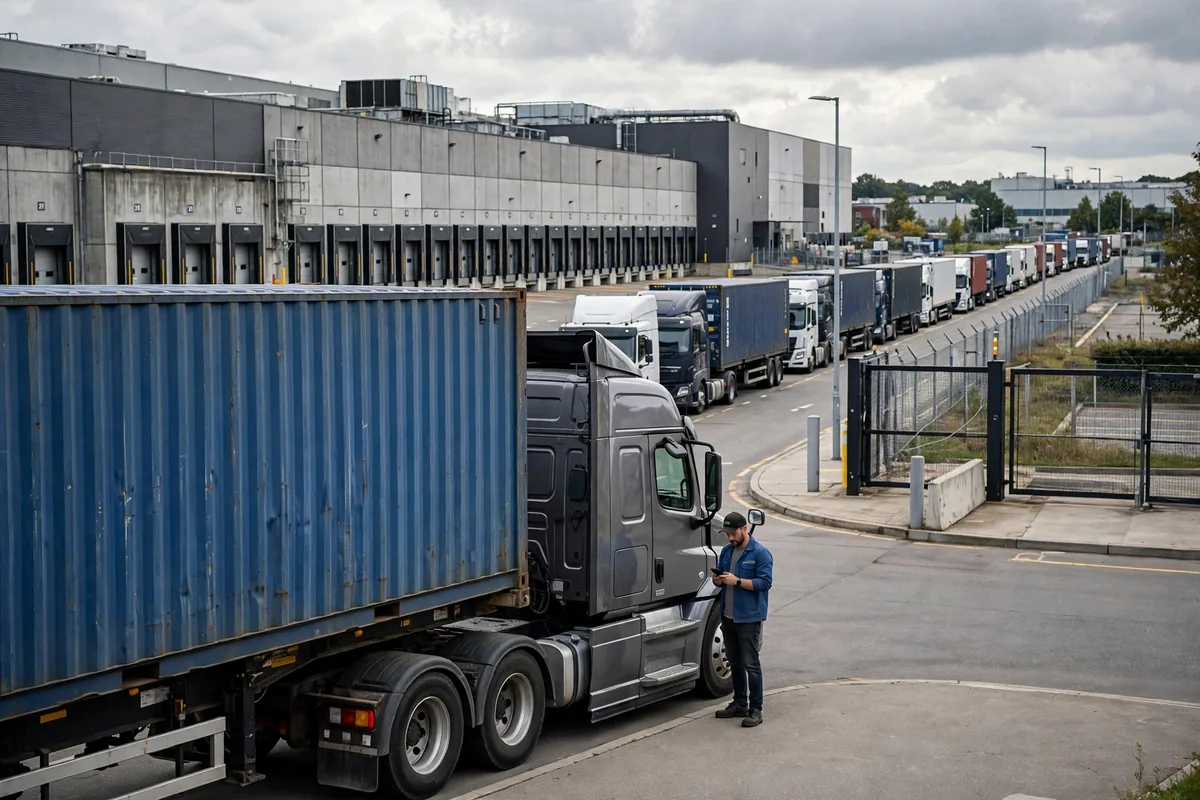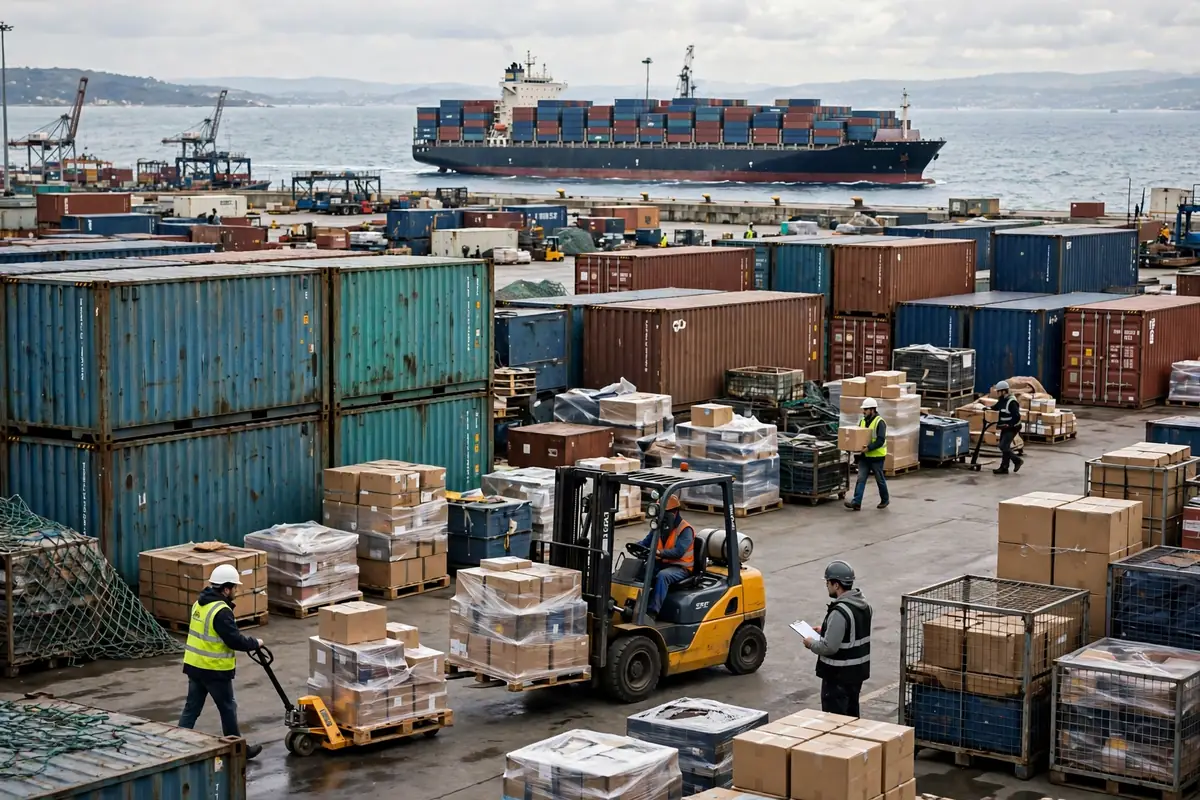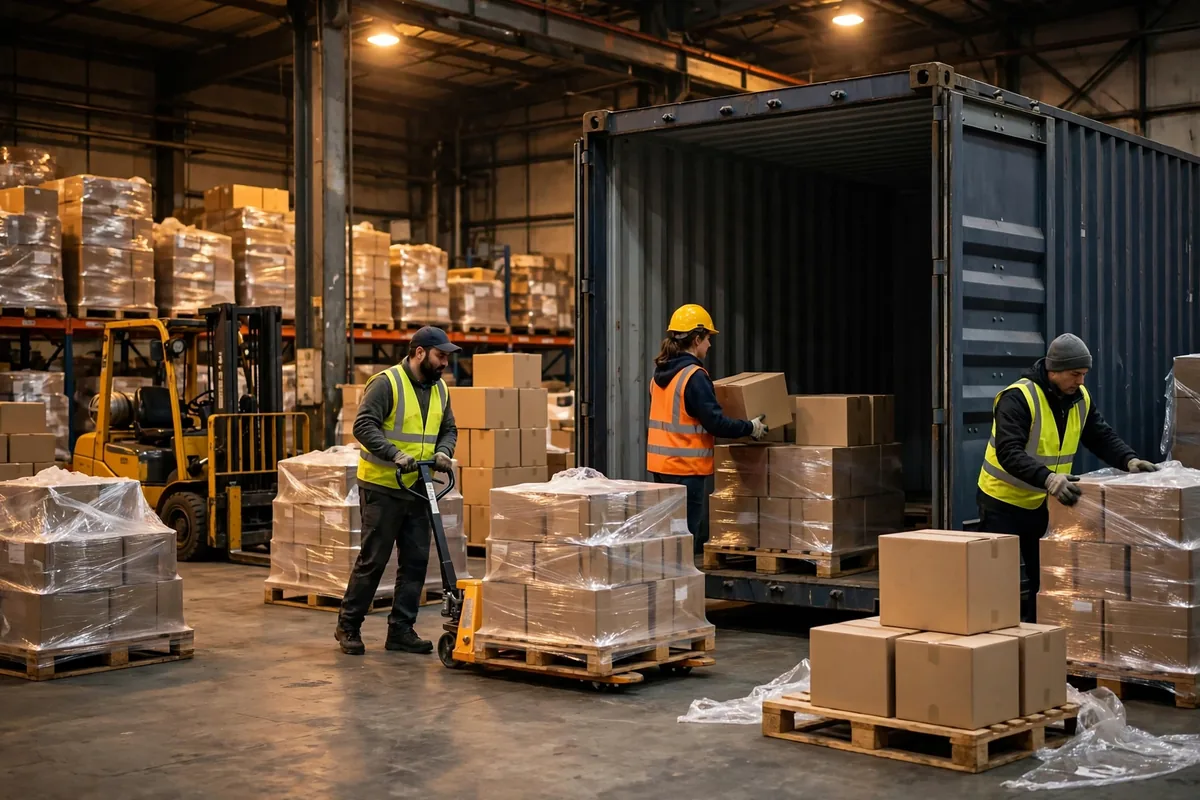
Two autumns ago I was waiting in the truck lot outside the port of Ningbo, and a young guy next to me was pacing in circles. He sold lamps out of Yiwu, first time exporting, with six pallets sitting in a consolidation warehouse for four days while the shared container still wasn't full. His customer was calling, the sailing was about to be missed, and all his forwarder had told him was a price per cubic meter. In LCL consolidation warehouse shipping, the ocean freight is only one line on the bill. The real money, and the real traps, live in the warehouse and at the destination port.
I have hauled full containers and loose LCL freight for fifteen years. A full container is simple: one box, your goods, seal it and go. LCL is different. Your cargo shares one box with five, ten, maybe a dozen other shippers, the box only sails when it is full, and at the other end it gets opened and picked apart shipper by shipper. The container is shared. The bill is yours alone, and you had better count it line by line.
How LCL Consolidation Warehouse Pricing Really Works
LCL is charged on the weight-or-measure rule: your cargo is measured for volume and weighed, and you pay whichever converts to more billable cubic meters. The common industry conversion is 1 CBM equals 1,000 kilograms, though the exact ratio depends on the carrier and the route, so always go by the carrier's latest published policy. One more rule beginners miss: the minimum charge is generally 1 CBM. Ship half a cubic meter and you still pay for one. It is a public industry rule, usually printed on the quote, so read it before you sign anything.
A 20-foot container holds about 33 CBM inside. That number is where the whole LCL-versus-FCL question comes from: the closer your volume gets to 33 CBM, the worse LCL looks.
Then there are the handling charges at both ends, the part of the quote people skip. At origin, the consolidation warehouse charges for receiving, measuring, palletizing, and loading. At destination, somebody has to open the box, sort the cargo out, and hold it for pickup. Some quotes roll it all into one bundled price, and only when you ask for the breakdown do you find the two ends together cost almost as much as the ocean freight. I ask every forwarder to break the quote down item by item, and if they cannot, I ask someone else.
Here is the counterintuitive part: LCL looks like the cheap option built for small shipments, but the smaller your shipment, the bigger the share of fixed charges in your per-CBM cost. One cubic meter of cargo can carry documentation, handling, and destination charges that add up to more than the ocean freight itself. LCL saves you the cost of renting a whole box. It does not save you from the fixed fees charged once per shipment, no matter how small it is.
Inside the Warehouse: How a Shared Container Gets Built
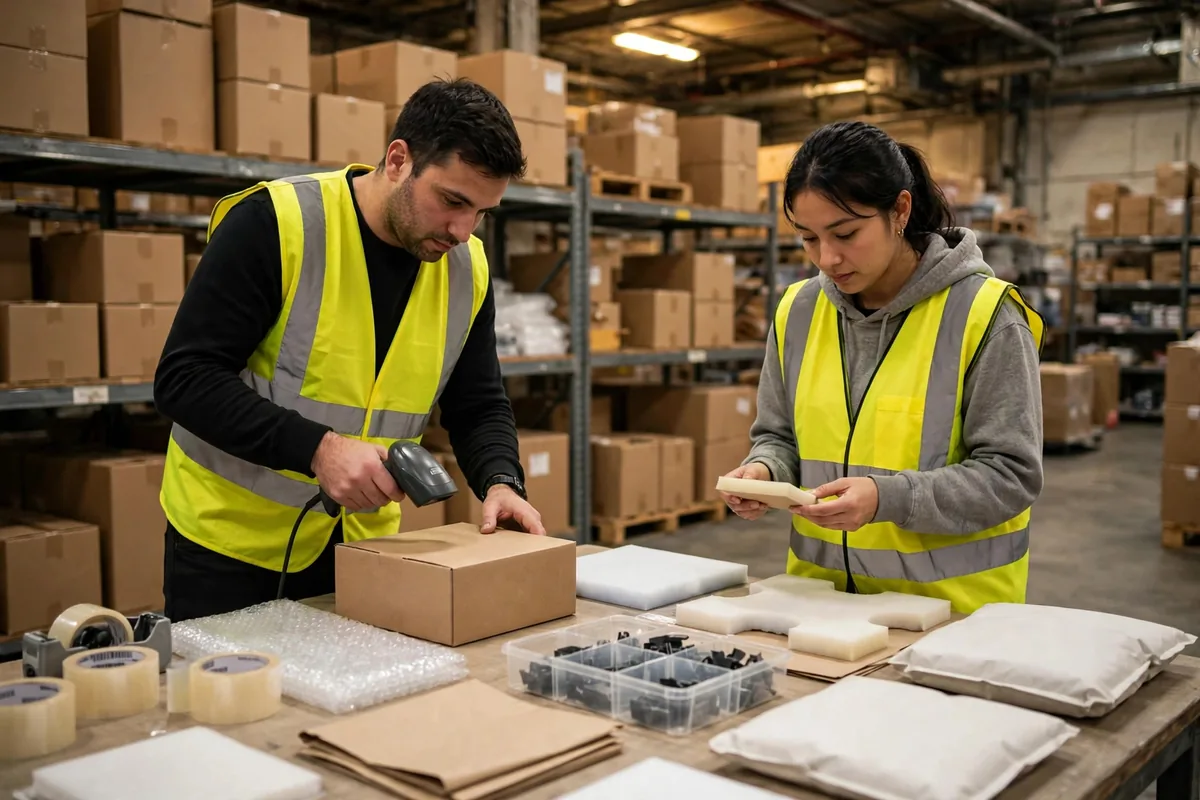
When your goods arrive at the consolidation warehouse, the first step is receiving and inspection: the warehouse checks cartons against the packing list and photographs any damaged packaging on the spot. Do not rush this step. If damage is found after the goods are inside, the argument over who is responsible gets very messy, very fast.
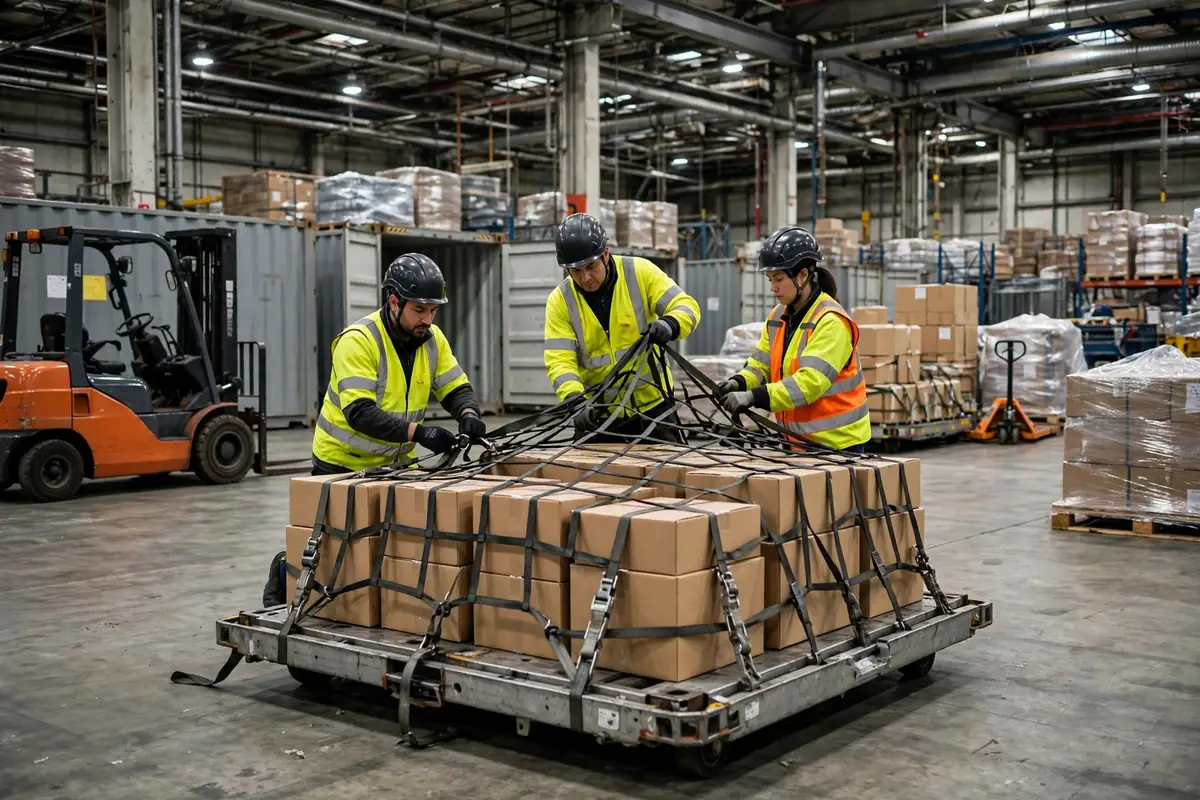
Next comes measuring and weighing. Every shipment is re-measured and re-weighed to work out the billable volume, and the number almost never matches what you declared, because a pallet and a layer of stretch wrap add volume. Then cargo is grouped by destination port and staged together while the container fills. Loading is a skill: heavy freight at the bottom, light freight on top, crushable goods kept apart. When the box is full it gets sealed, and a truck hauls it to the terminal to meet the cutoff.
That Yiwu lamp seller got stuck at the waiting stage. His goods arrived on a Tuesday, and by Friday the container still was not full. The vessel sailed Saturday, so his cargo waited for the next sailing, a full week later. A consolidation warehouse does not close a container every day, and if your goods arrive at the wrong moment, you wait. While you wait, your cargo occupies warehouse space, and storage is charged by the day once the free period runs out.
That is why the delivery date matters more than people think. The cargo cutoff the forwarder gives you is not a suggestion, it is a deadline. My rule is to deliver early whenever I can, because one traffic jam or one queue at the warehouse gate costs you the sailing, and on a weekly sailing that means a week late to your customer.
LCL Consolidation Warehouse vs. FCL: Where the Line Falls
The rule of thumb in the trade is a break-even zone around 10 to 15 CBM: below it, LCL is usually cheaper; above it, the flat price of a full container starts to beat LCL per cubic meter. The exact point moves with the route and the season, so always run the numbers on the live quote and go by the carrier's latest published policy. The worked example below is hypothetical, with round numbers used only to show the method:
| Item | 6 CBM by LCL | 12 CBM by LCL | Full container |
|---|---|---|---|
| Ocean freight | 6 CBM × per-CBM rate | 12 CBM × per-CBM rate | One flat price |
| Handling at both ends | Per CBM, both ends | Per CBM, doubled | Loading, paperwork only |
| Total trend | Cheaper than FCL | Catching up with FCL | More load, better value |
Run one set of hypothetical numbers through it and the picture is clear. Suppose LCL costs 180 dollars per CBM all-in and a full container costs 1,800 dollars all-in: six CBM by LCL is 1,080 dollars, saving 720 against the full container, while twelve CBM by LCL is 2,160 dollars, 360 more than the full container. The break-even point lands around 10 CBM. Those numbers are hypothetical and real prices follow the carrier's latest policy, but the math itself never changes: the LCL total climbs with every cubic meter, the FCL total barely moves, and the two lines always cross somewhere.
Money alone is not the whole decision. Run four more questions past it: how far is your volume from the break-even point, can your schedule absorb a consolidation cycle, is the cargo valuable or fragile enough that an extra round of handling matters, and how big is the inspection risk at destination? If two of those four answers lean toward a full container, stop haggling over the small price gap and book it. The money LCL saves will not cover one inspection or one damage dispute.
The Traps That Cost Real Money
Damage liability is where LCL arguments start. A dozen shippers' goods are squeezed into one box, and at destination your carton comes out crushed. Who put the heavy freight on top of it? Without photos from loading and a record of how the container was packed, there is no answer. My approach is to palletize and reinforce anything valuable or crushable, mark the packing list clearly when goods cannot bear weight on top, and ask the warehouse to photograph it. Photos cost nothing; in a dispute, they are worth plenty.
Inspection cost sharing is the second trap. If one shipper's goods get picked for customs inspection, the whole box gets opened, and the inspection, unloading, and reloading charges are often split across every shipper by volume. Your paperwork can be perfect and you still end up paying for somebody else's inspection. You cannot dodge this completely, but clean documentation, accurate product names, quantities, and values, lowers the odds that the whole container gets pulled.
Destination charges are the third trap. After deconsolidation, your goods get a short free storage period at the destination warehouse, and after that the daily rate is steep. Deconsolidation itself usually takes two to five days, and door to door, LCL commonly runs five to fifteen days longer than a full container on the same route. Get your paperwork ready before the box is opened and pick the cargo up the moment it is released; cargo sitting at the port burns money by the day.
Here is the old saying I always come back to: in LCL you share the container, but you count your own bill. Before the goods are on the water, ask one more question and read the fine print on the quote one more time; that beats standing at the destination port in a panic. Cheap freight is never cheap in the end. The expensive part is always hiding behind it.
By Shifu Zhao, Trucking Veteran (15 yrs)